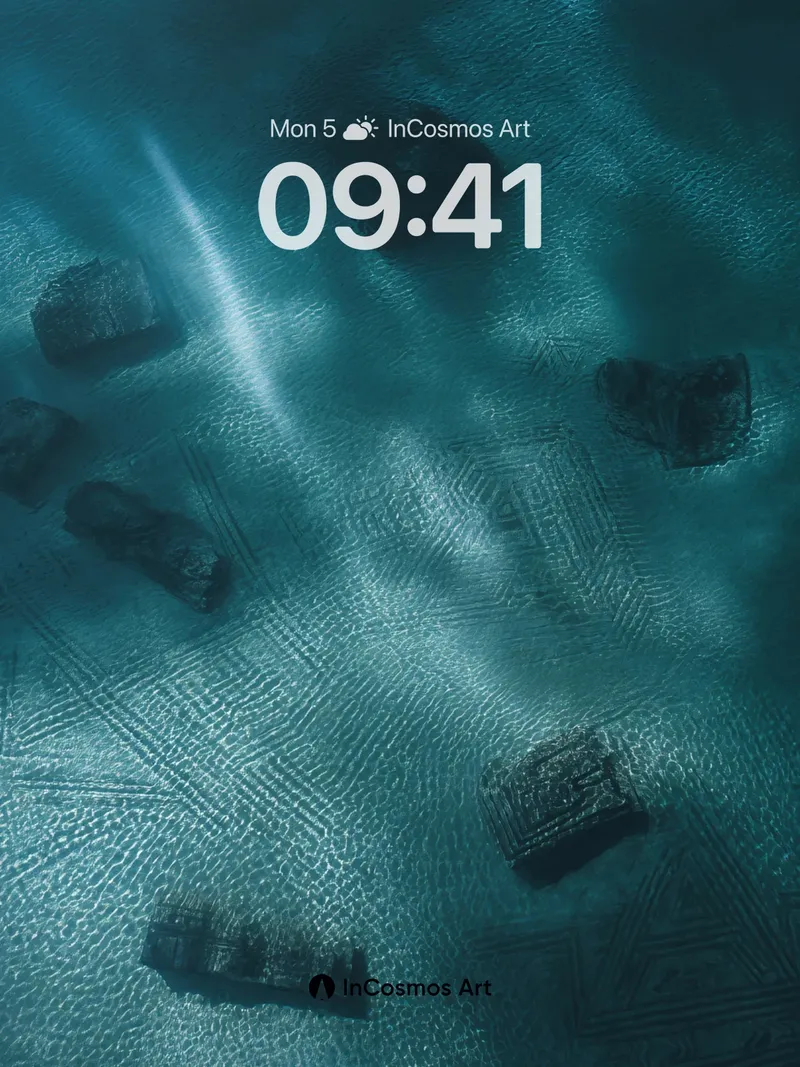
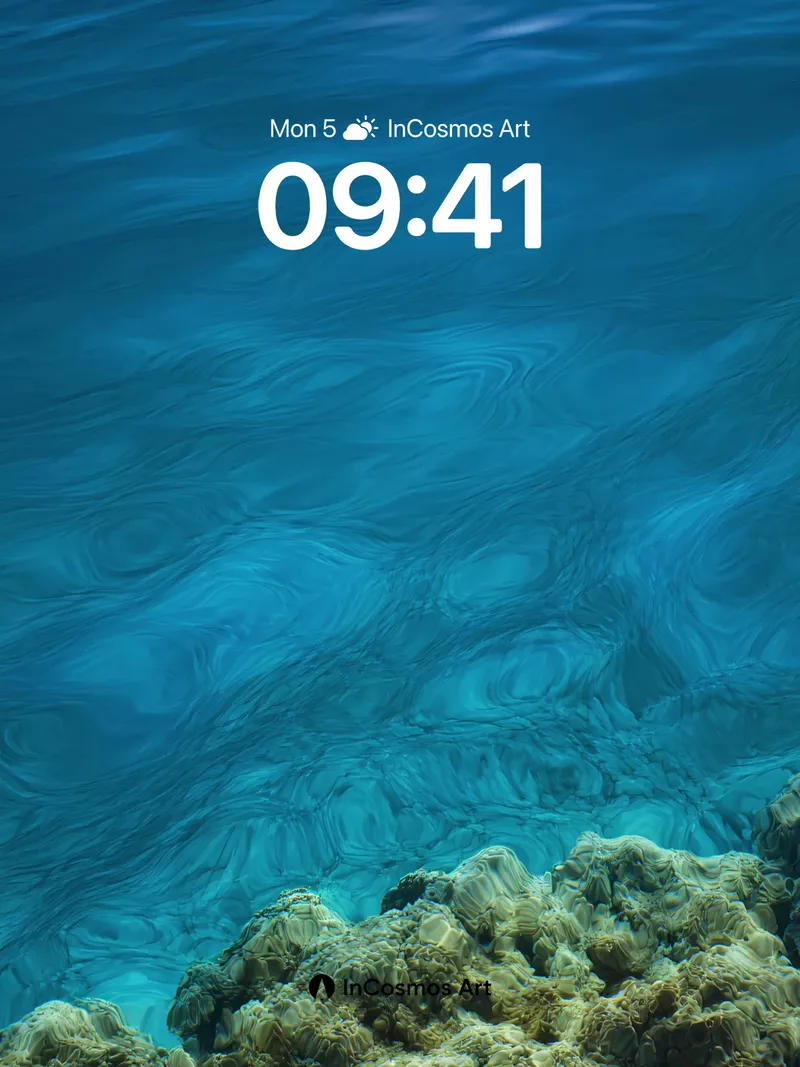
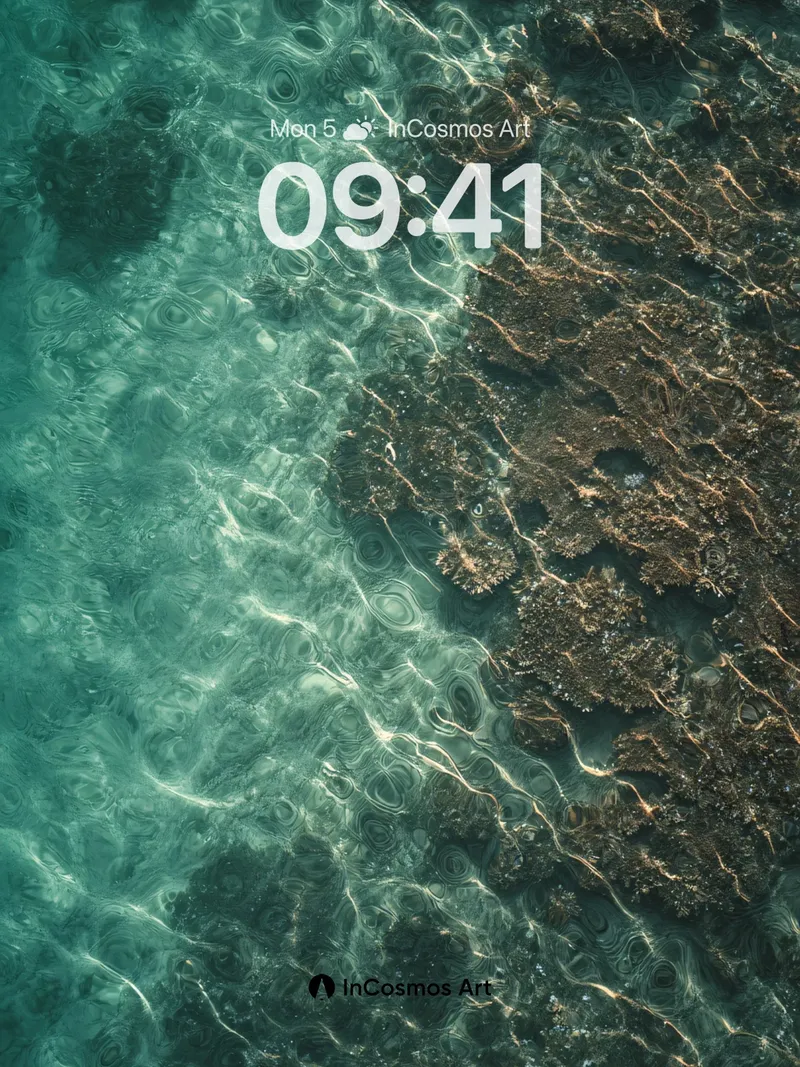
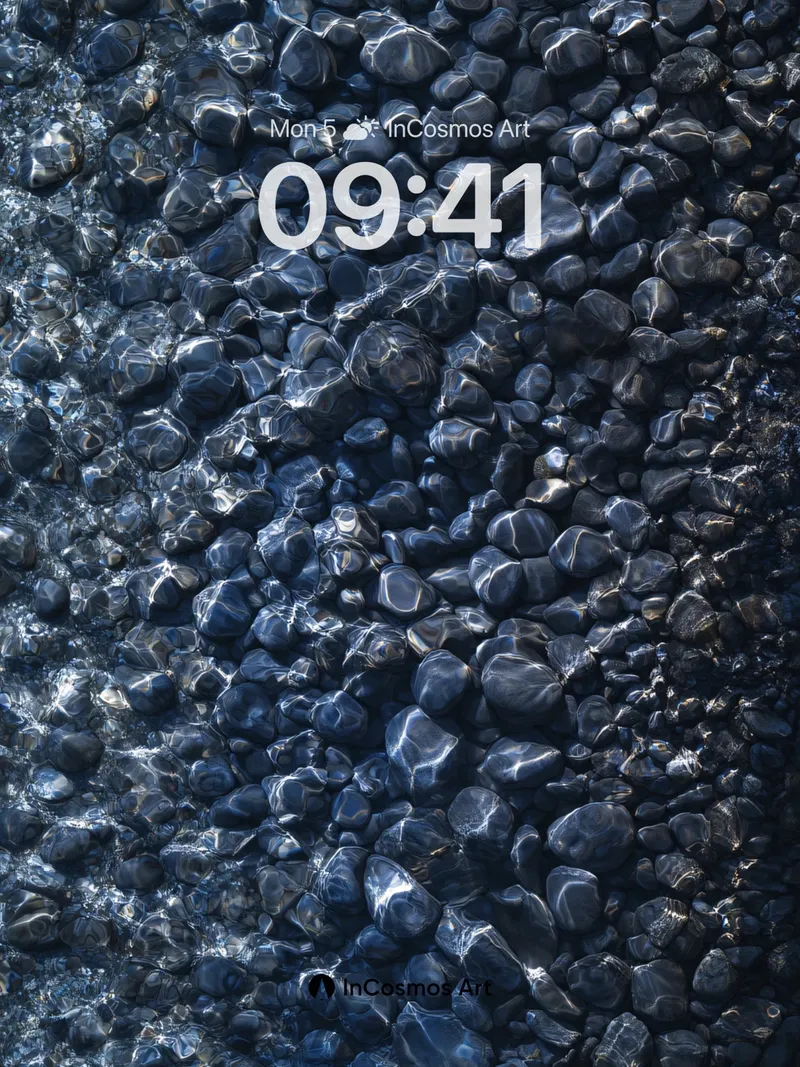
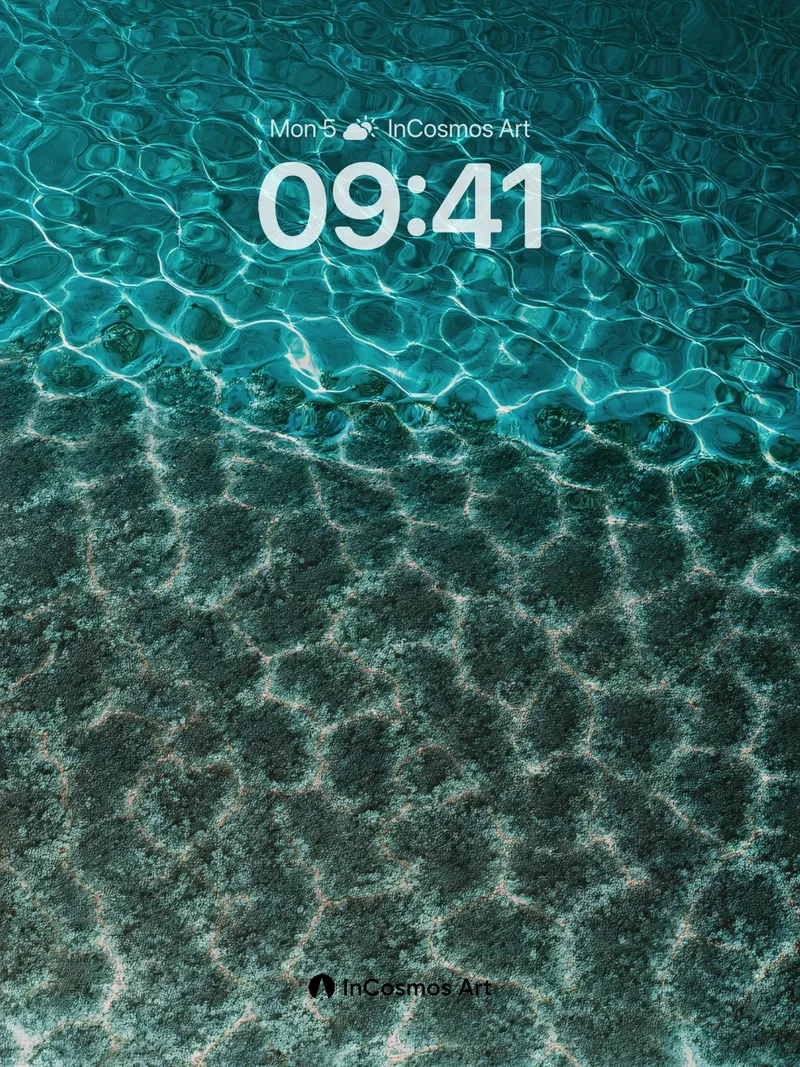
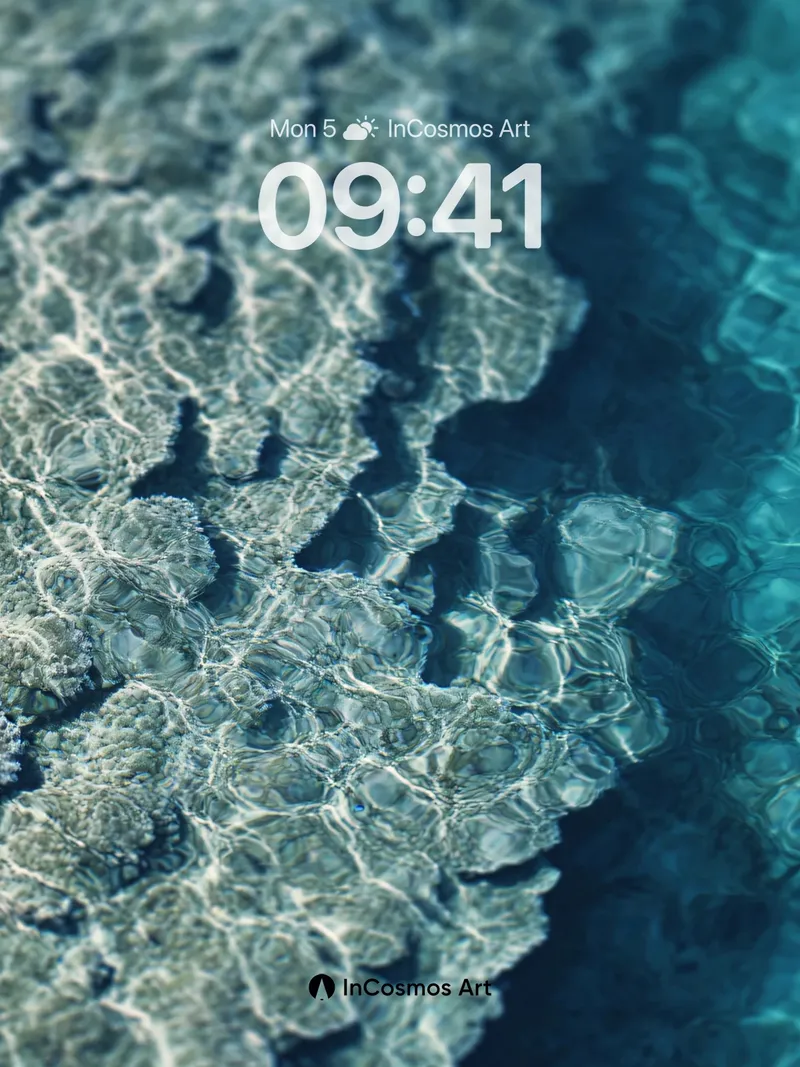
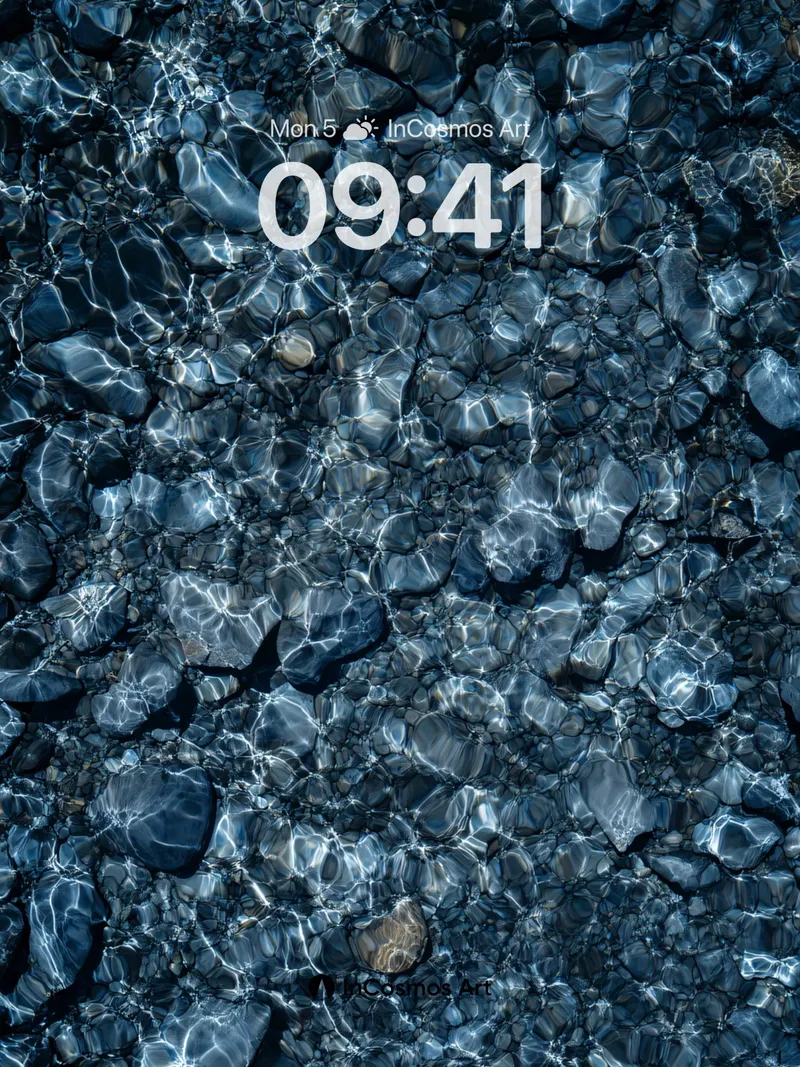
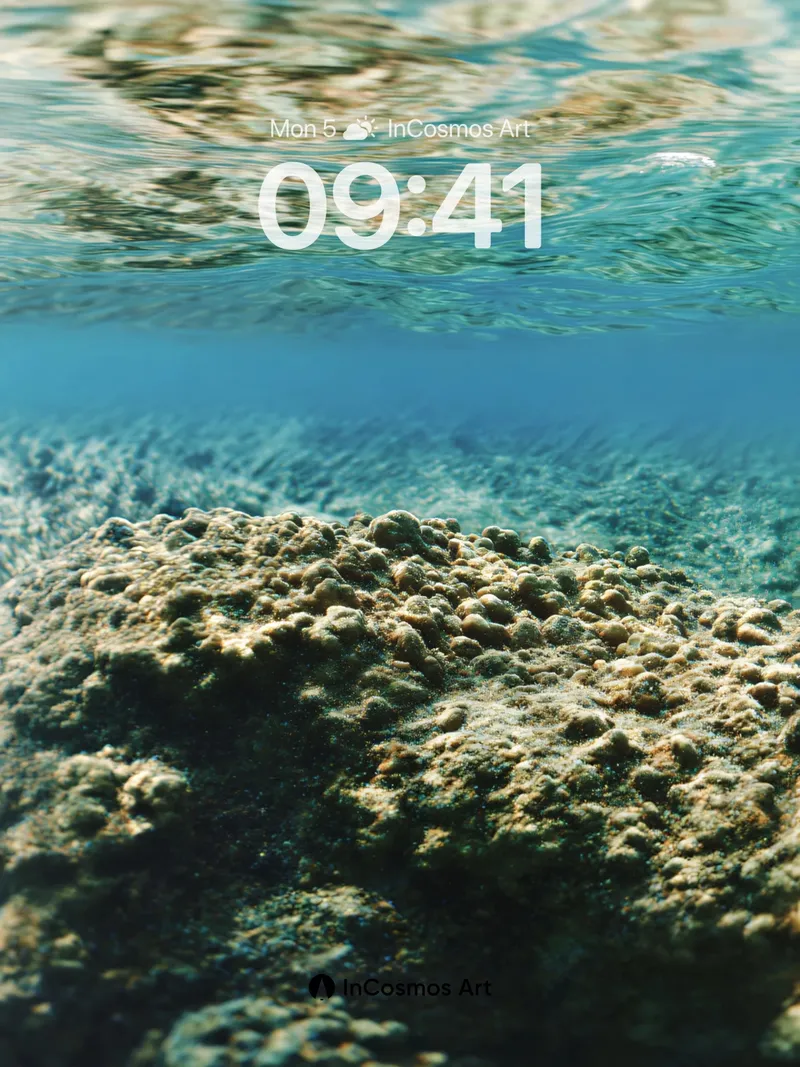
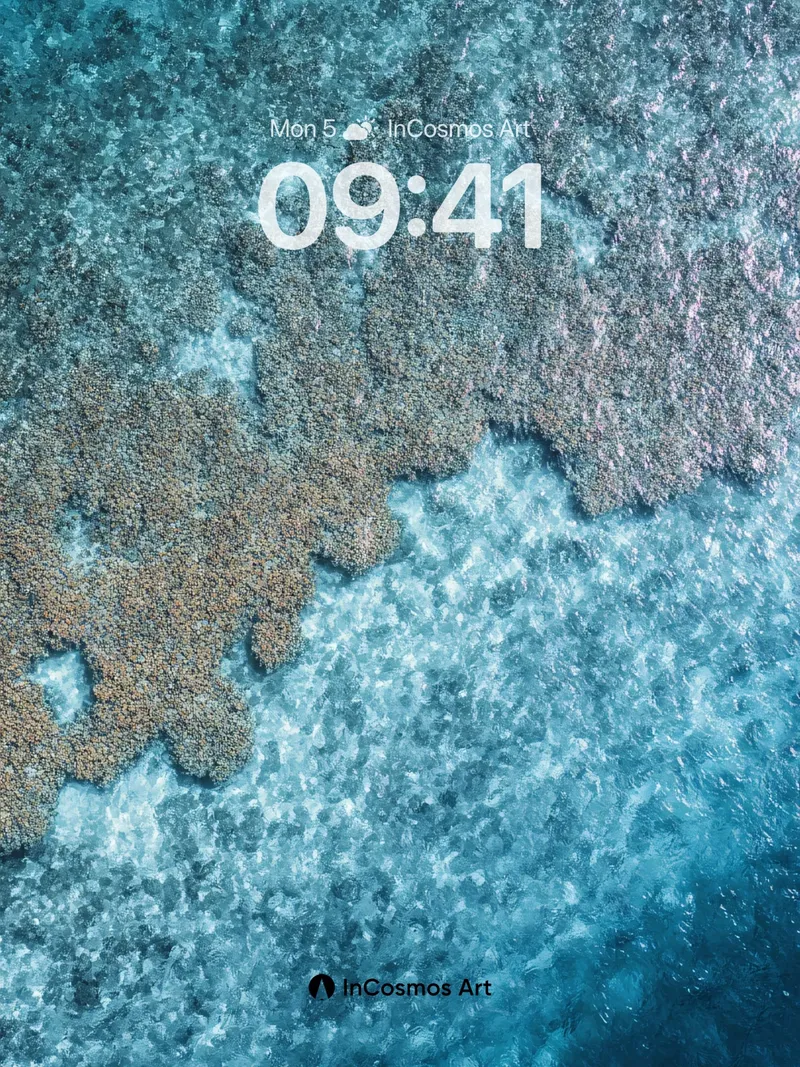
Beneath the surface, time appears suspended. Light penetrates clear water, drifting across seabed rock formations and coral, casting fragmented shadows. Each ripple resembles nature's breath, every glimmer of light narrating an ancient language from the ocean's depths. These scenes are not mere landscape records but ongoing rituals of exchange between earth and water. Coral colonies grow slowly and resolutely; their forms serve as witnesses to geological history and symbols of ecological balance. Underwater textures and light patterns weave into an almost abstract art form, yet remain grounded in real natural order. Observers often feel enveloped by an indescribable tranquility—a perception beyond sight, a reexamination of life's essence.
The Rhythm of Water and Path of Light
Surface waves form delicate folds, like skin breathing. Sunlight refracts through water layers, revealing distinct shades of blue at different depths. From deep indigo to bright turquoise, color shifts expose subtle variations in water thickness and clarity. This dynamic play of light is not just physical phenomenon but emotional transmission. It evokes meditative awareness or fragments awakened from memory. Light does not travel straight in water—it bends, scatters, overlaps—just as thoughts navigate emotion.
Coral’s Geometric Poetry
Coral is not random biological debris but life structures growing according to precise mathematical rules. Their branching, ringed, and net-like forms display fractal geometry’s beauty. Each piece resembles a miniature map marking the ocean’s complex ecological network. These structures are especially visible in shallow zones where sunlight sharpens their contours like carved reliefs. Coral reminds that beauty can be functional, silent proclamation. They neither compete nor dominate, yet persistently occupy space as the most resilient foundations of ecosystems.
Nature’s Silent Philosophy
These scenes lack noise, only whispers. They resist narrative yet naturally carry philosophical reflections on existence, time, and cycles. Seawater continuously erodes rocks, with corrosion and deposition occurring simultaneously, composing a slow symphony of geological change. Corals accumulate calcium over centuries, building their own cities. Human civilizations often pride themselves on speed and conquest, but here, true power lies in patience and continuity. Time here is not linear flow but spiral ascent. Viewers gradually learn to listen rather than interpret.
Ecological Metaphor and Warning
Despite apparent harmony, fragility lurks beneath. Coral bleaching, ocean acidification, rising temperatures threaten these natural masterpieces. Water clarity is no longer assumed, light stability challenged. This is not merely environmental concern but critique of modern lifestyles. When natural beauty becomes rare, its value truly emerges. Conservation is not out of pity but to sustain the stillness that allows souls to settle.