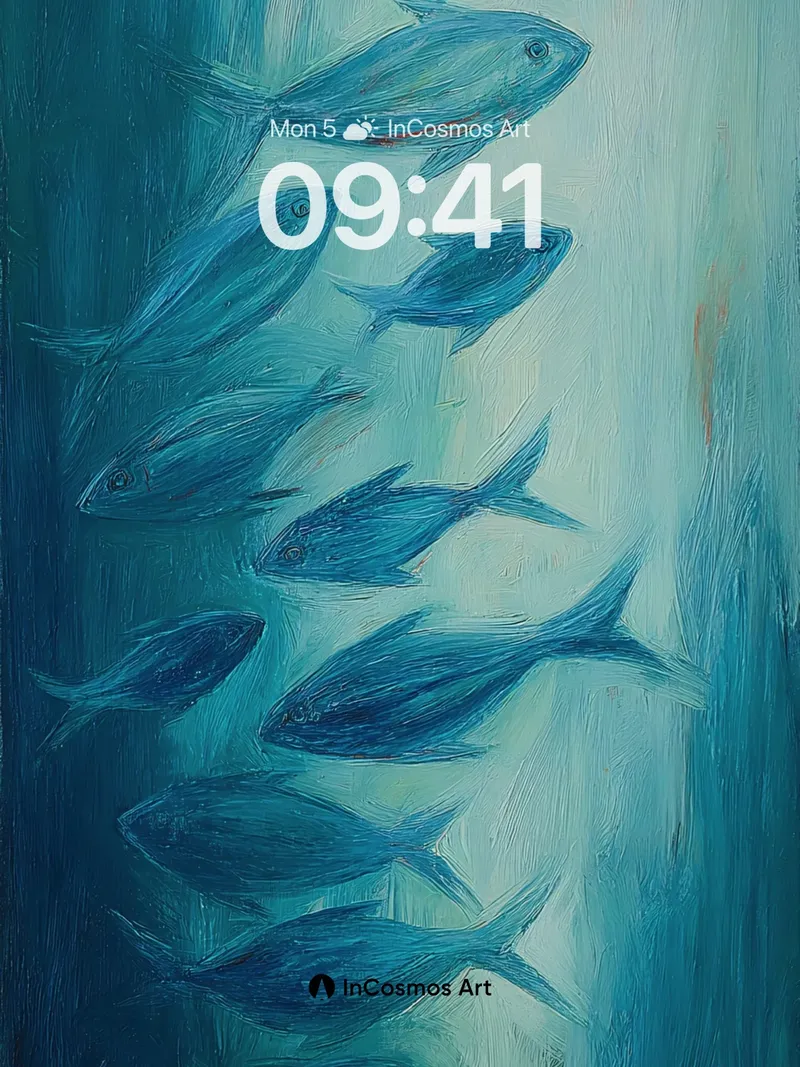
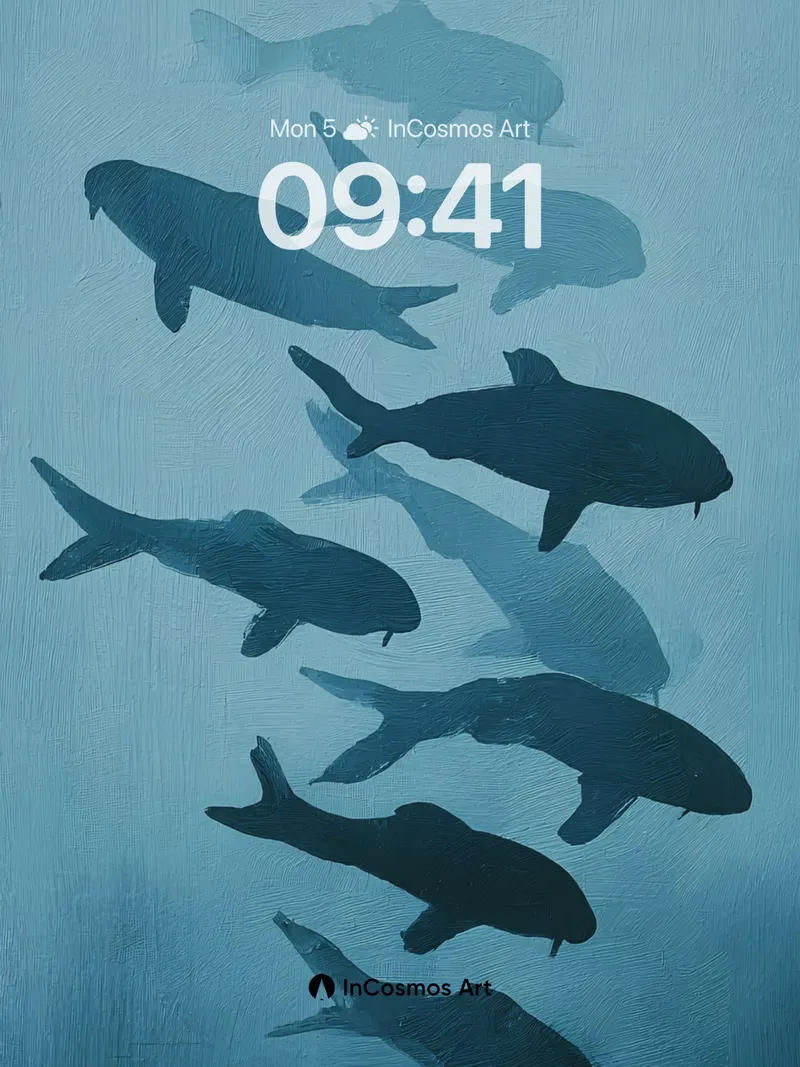
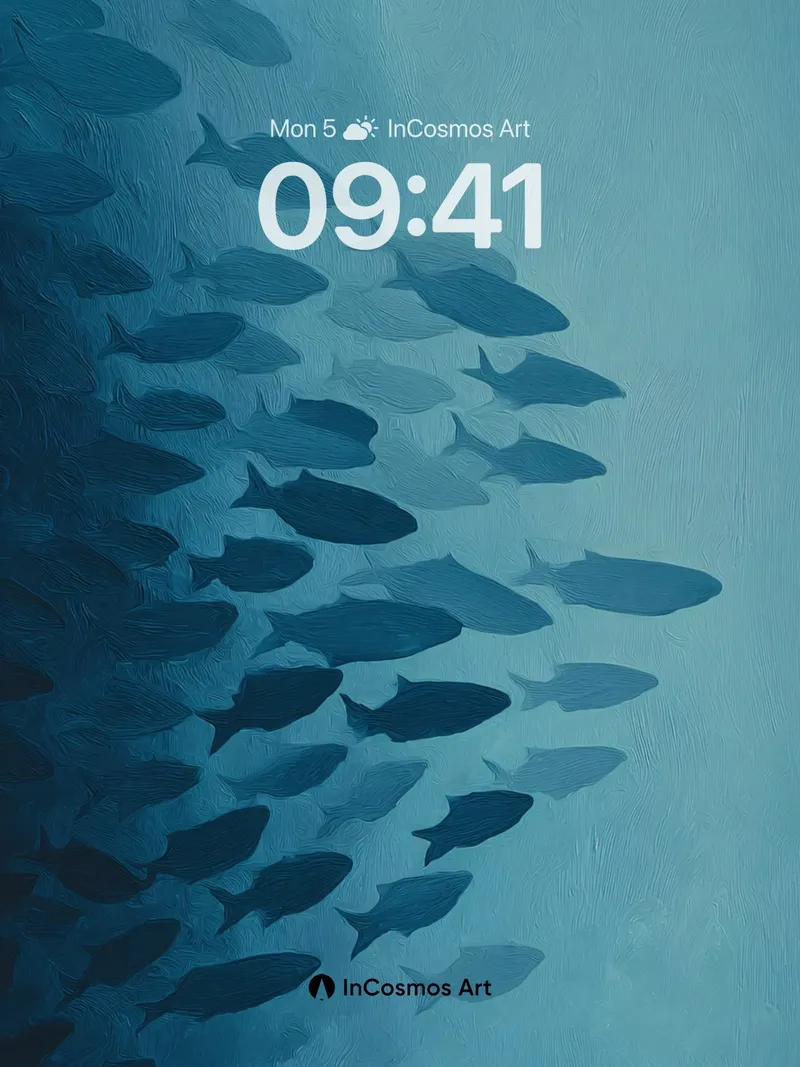
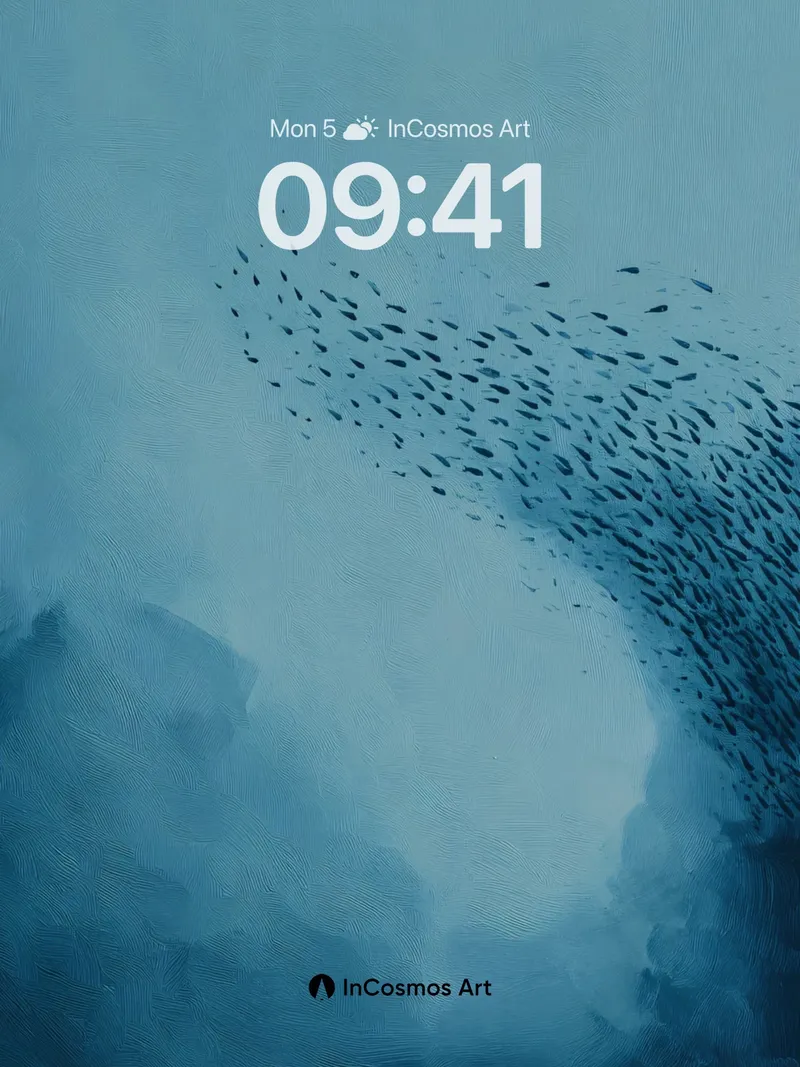
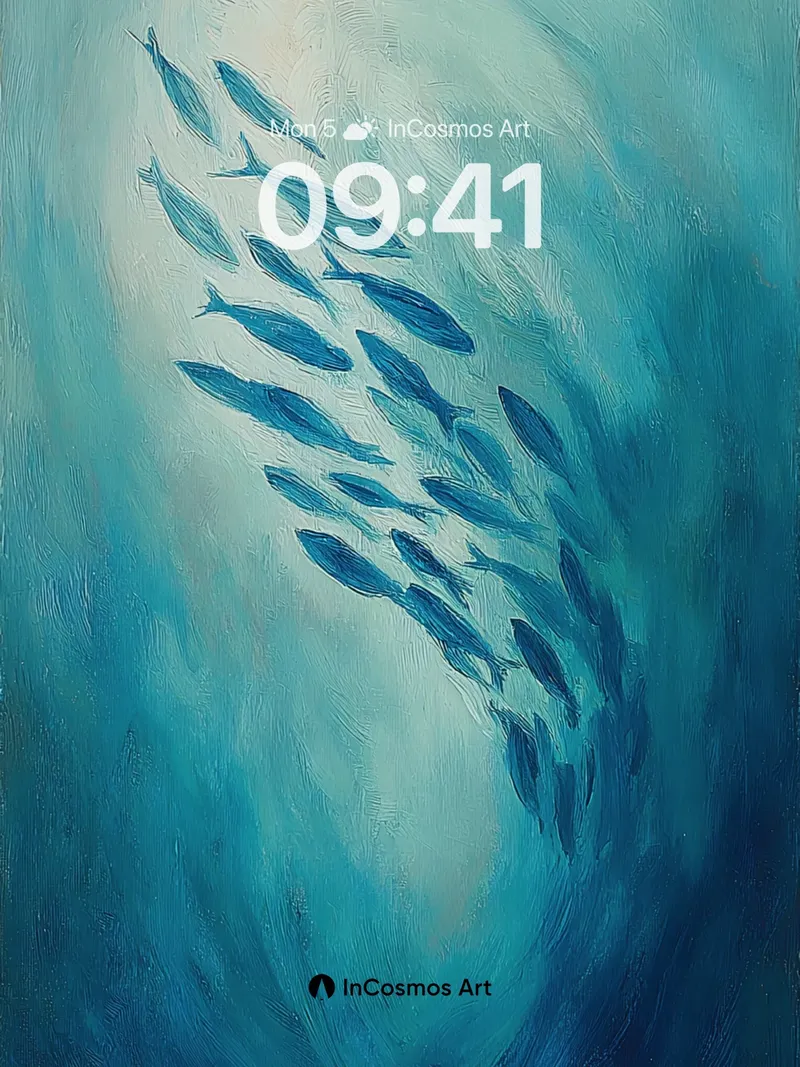
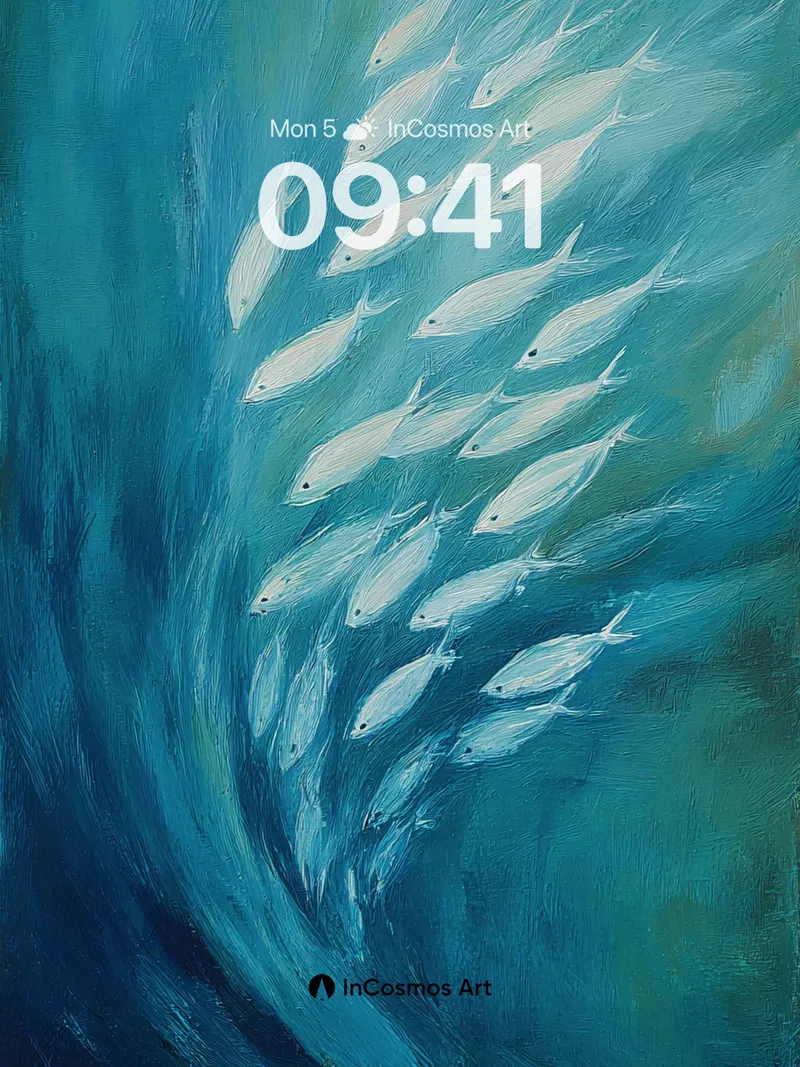
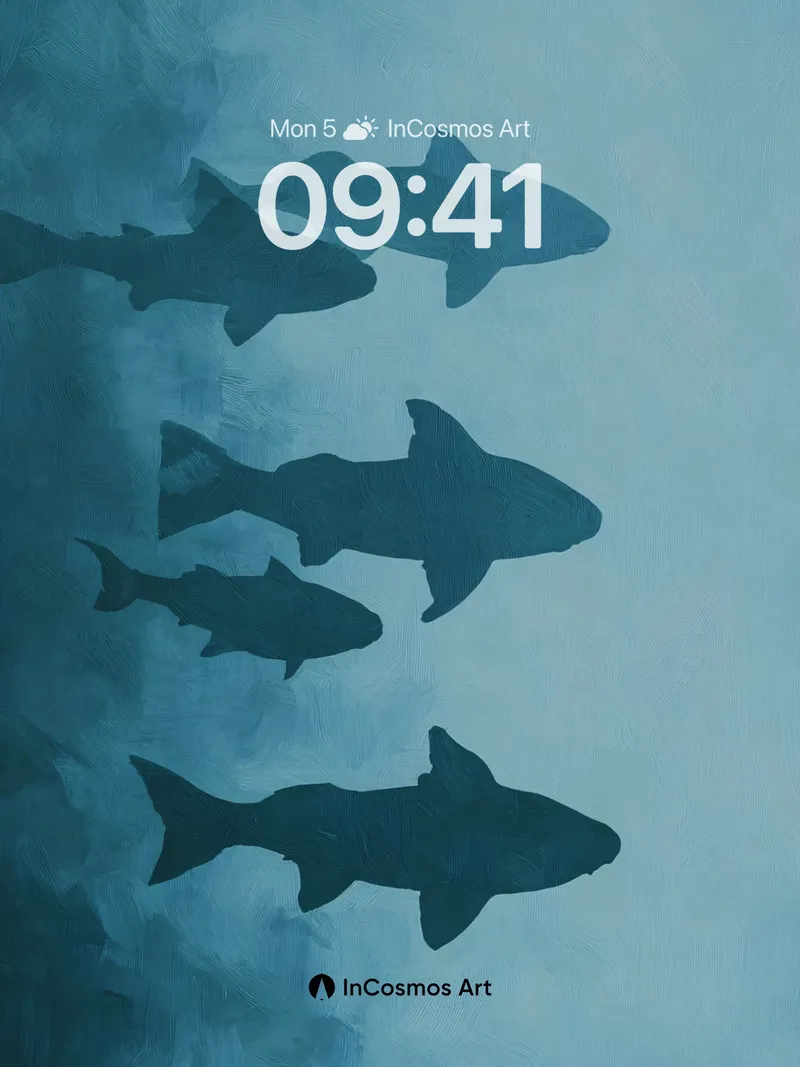
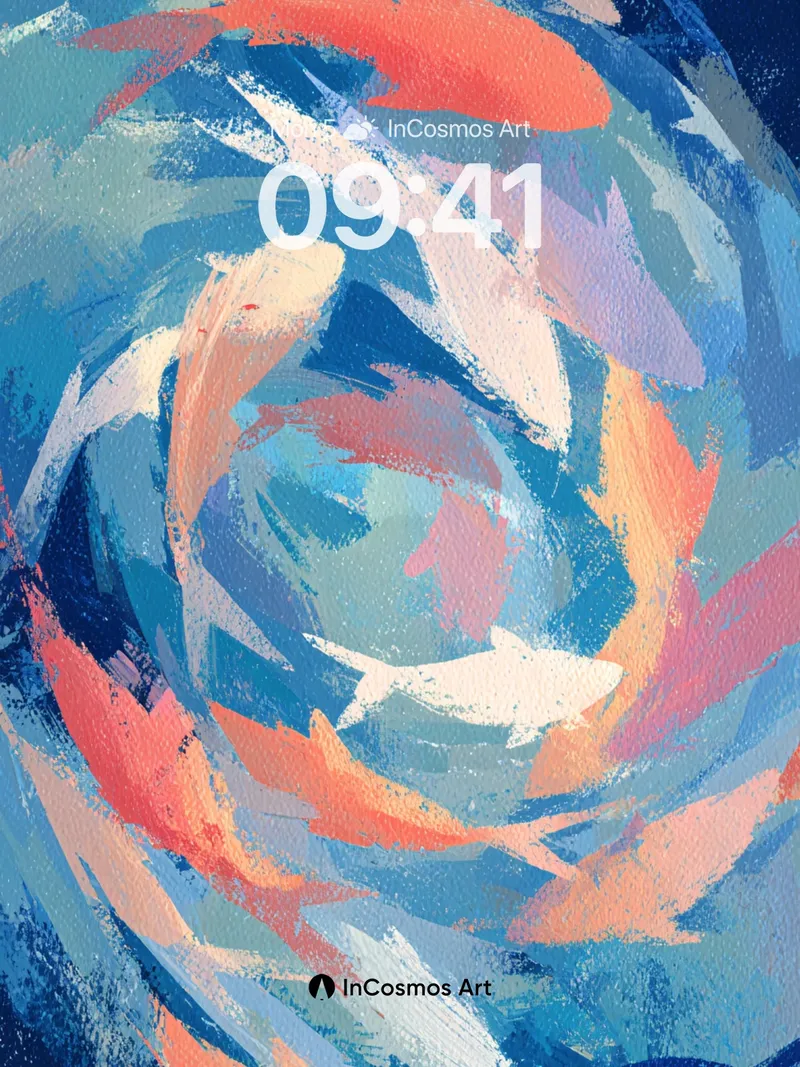
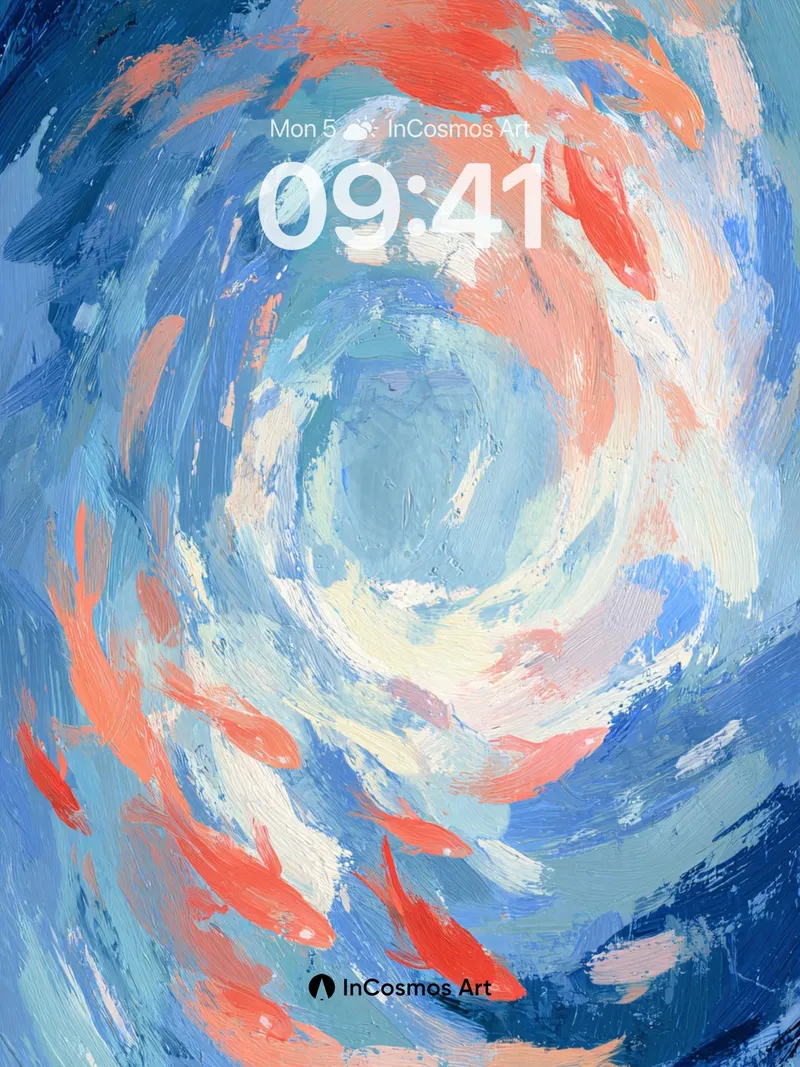
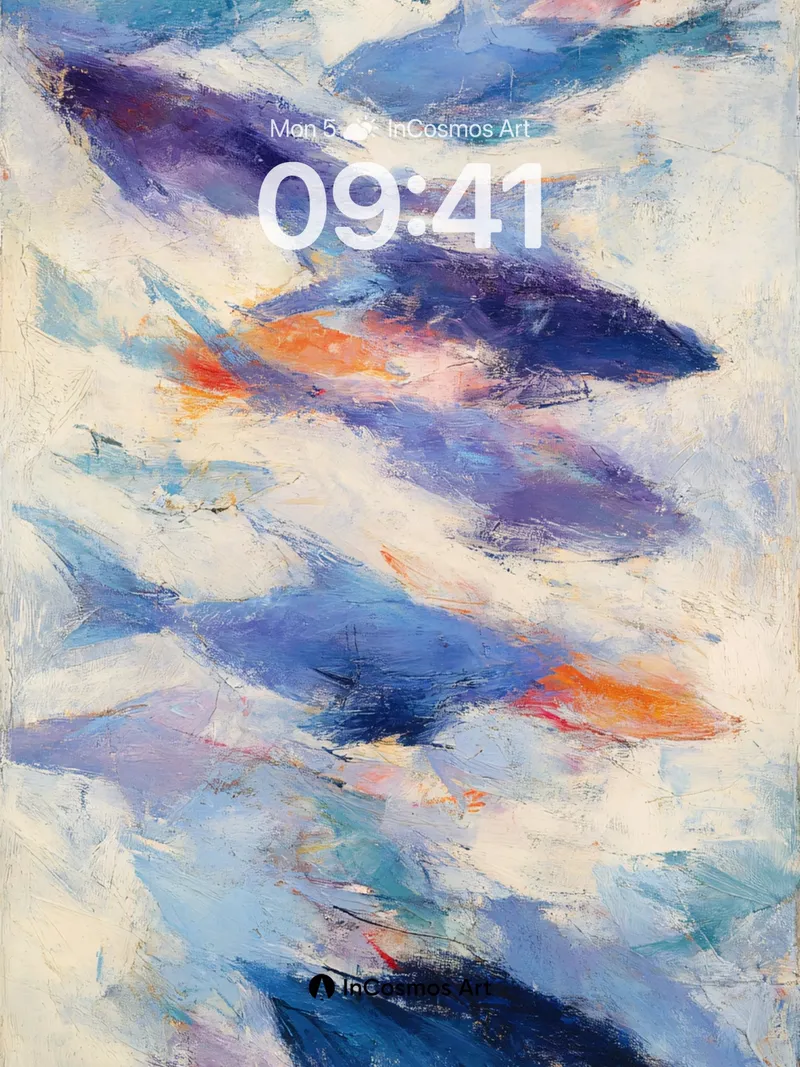
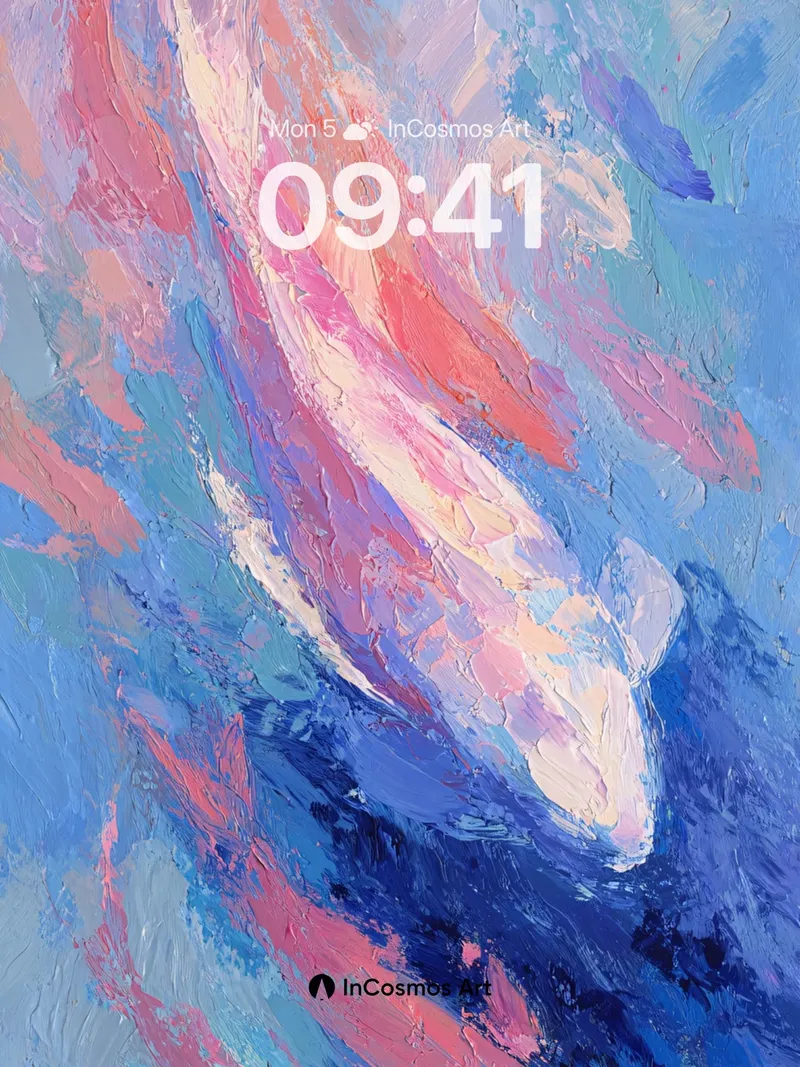
Deep within aquatic realms, life unfolds in its most primal rhythm through collective motion. Schools form patterns without language, relying solely on instinct and sensory coordination. Their movement is not random but a survival strategy refined by natural selection, an embodiment of emergent intelligence. Visually, this creates dynamic equilibrium—time appears frozen in motion, yet sustained in stillness. Each individual carries its own will, yet dissolves into the whole, becoming part of a greater structure. This mode of existence reflects the enduring tension between individuality and collectivity in human society.
Aesthetics of Collective Behavior
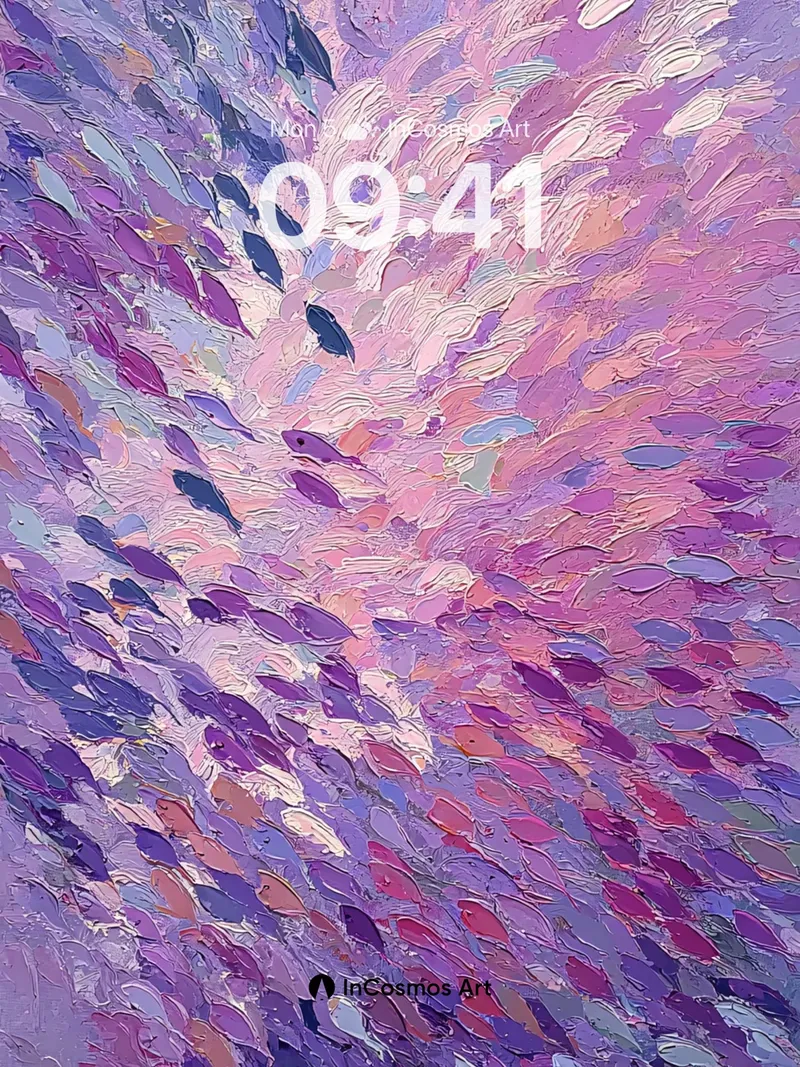
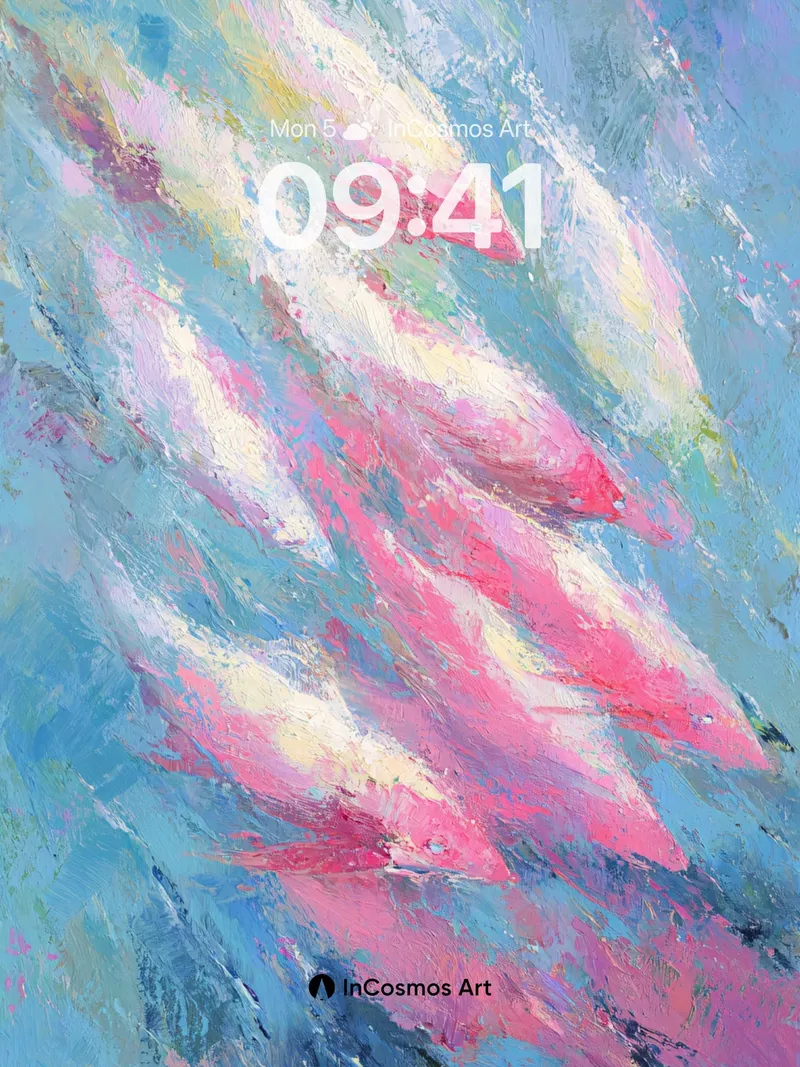
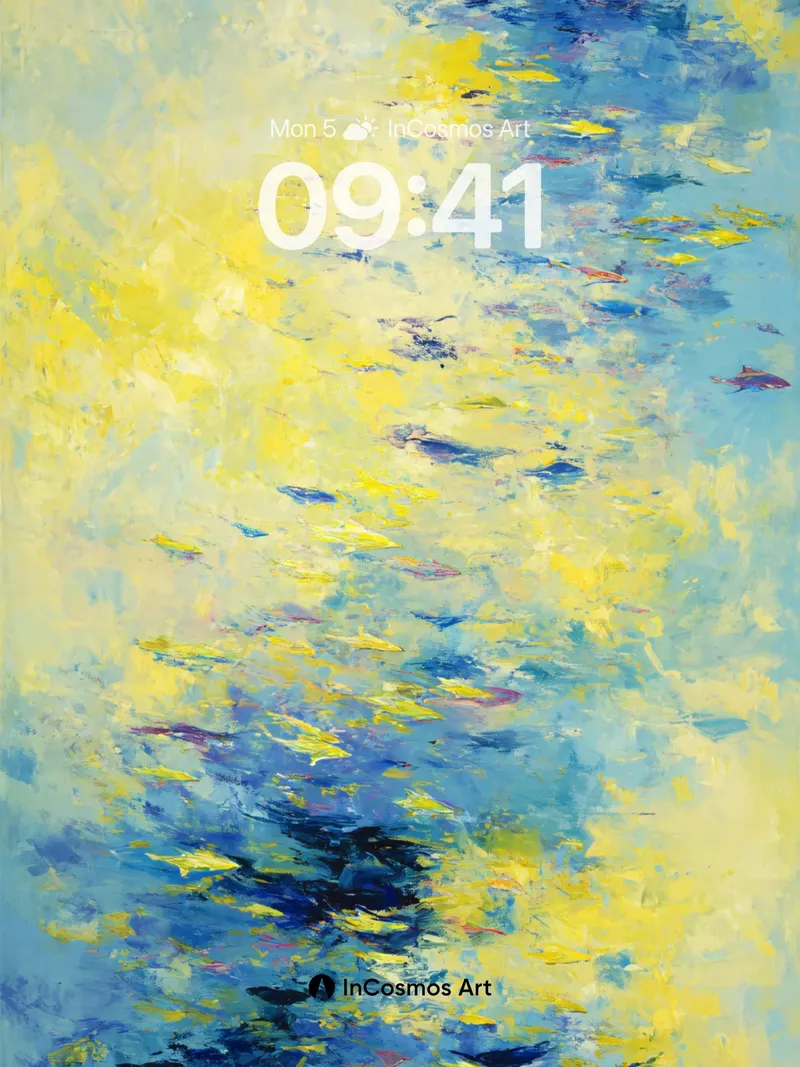
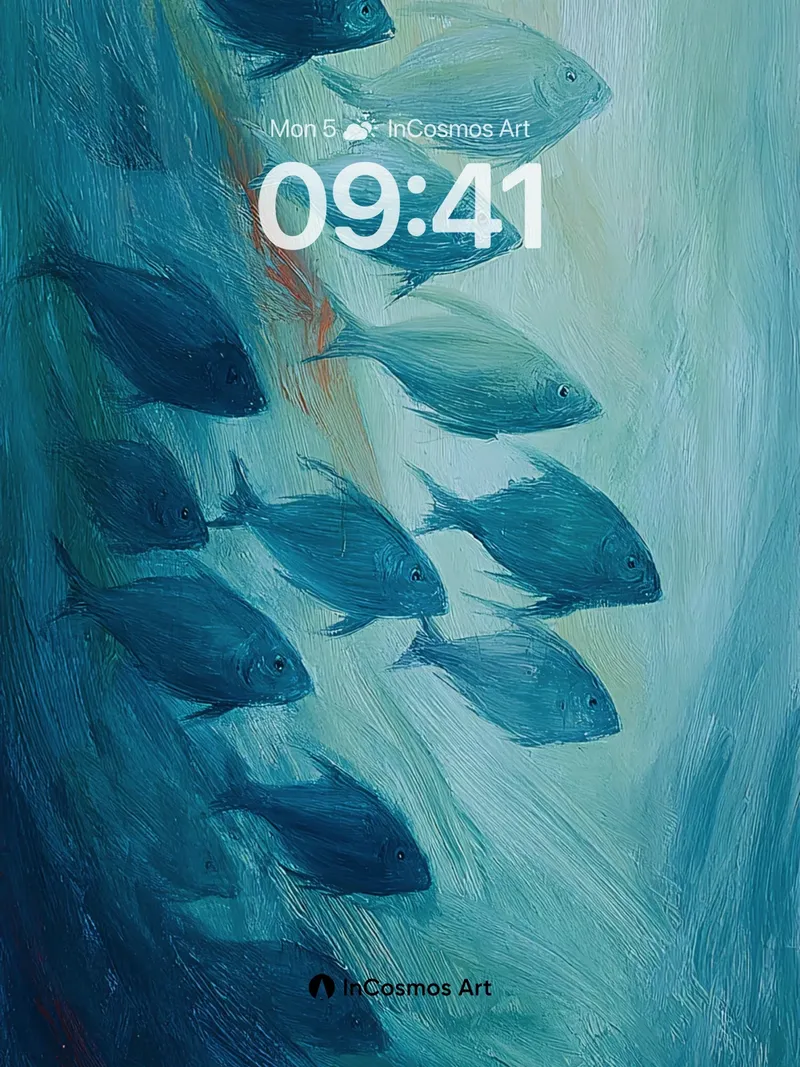
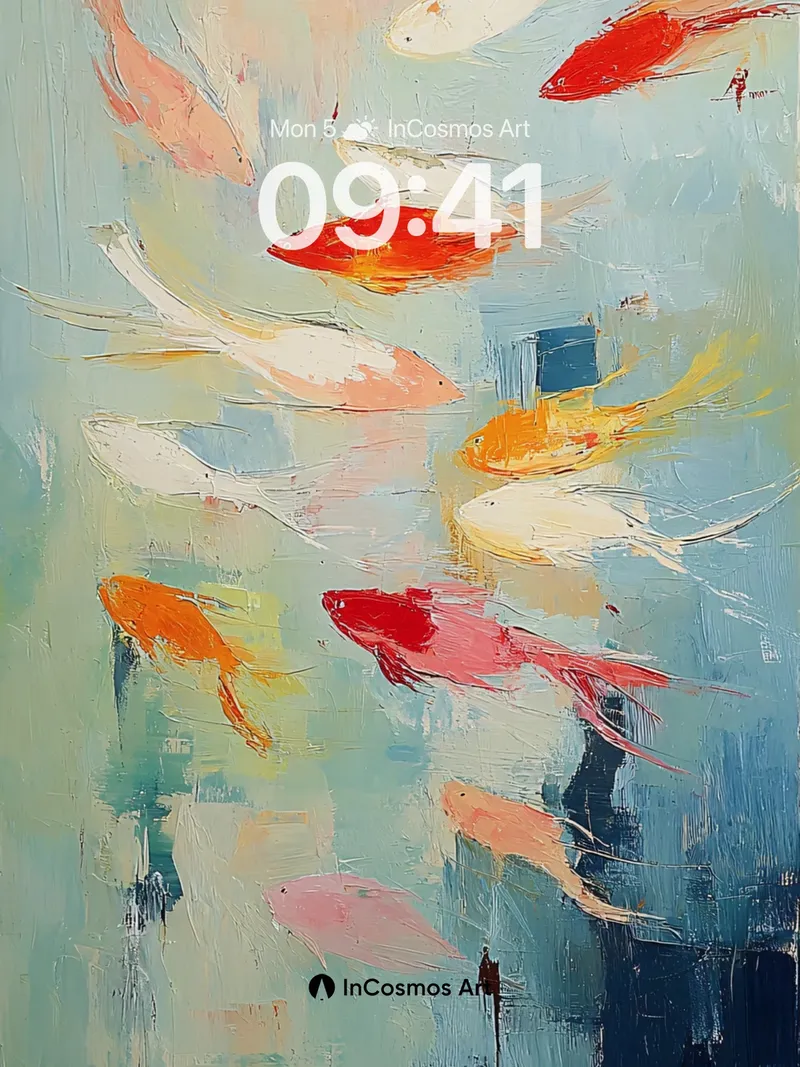
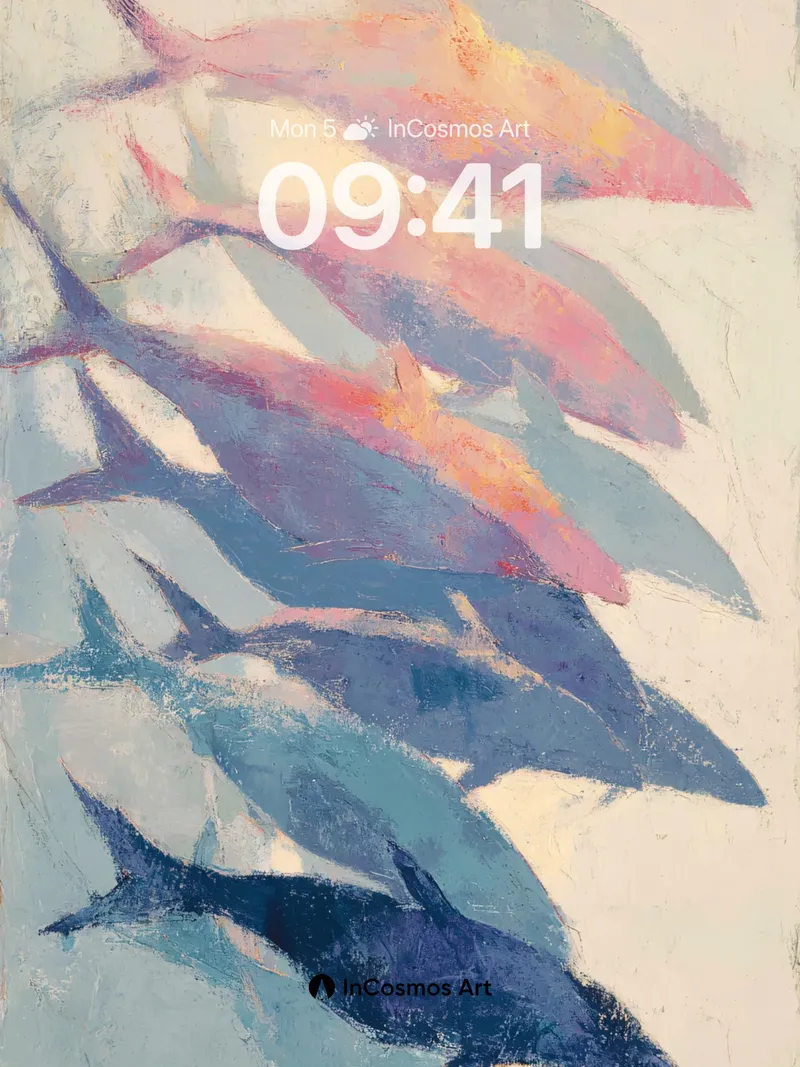
The arrangement of schools follows unseen geometric principles, akin to fractal patterns in nature. Their trajectories form continuous ripples—neither perfectly symmetrical nor entirely chaotic. This state between order and disorder defines complex systems. Artistic abstraction transforms this phenomenon into visual syntax, allowing viewers to interpret the underlying logic of group dynamics. Color plays a pivotal role: deep blues evoke depth and mystery, while pinks and yellows introduce emotional warmth, suggesting adaptation and transformation under pressure.
Emotional Encoding of Color
Color transcends mere visual stimulation—it functions as an emotional conduit. In these works, cool tones dominate spatial perception, evoking calm and distance; warm hues disrupt uniformity, injecting vitality and hope. The interplay of pink and purple resembles twilight seas—mysterious yet tender. Yellow and blue contrasts mimic sunlight piercing water, awakening memories of light refractions. These combinations surpass realism, entering symbolic territory, prompting associations with solitude, belonging, freedom, and existential reflection.
Resonance Between Nature and Art
Artists reconstruct fish schools to blur boundaries between natural and artificial. Brushstrokes emulate water textures, subtly reflecting how humans observe nature—always attempting to rationalize the irrational. Yet here, reason yields to intuition, structure serves emotion. Schools cease being mere biological aggregations; they become cultural metaphors: migrating populations, silent resistance, fragile resilience amid cosmic vastness.
Metaphor of Collective Consciousness
When individuals merge into groups, identity fades. The unified action of schools reveals a force beyond individual cognition. This parallels modern social psychology—information diffusion, opinion formation, mass movements—all hinge on mutual influence. But simultaneously, individual uniqueness erodes. Art poses a question: in pursuing efficiency and security, are we surrendering the courage to express ourselves?
Philosophy of Flowing Time
The constant forward motion of schools symbolizes time’s irreversibility. They have no return path, only progression. This unidirectional journey imbues the work with narrative depth, capturing process rather than moment. Viewers unconsciously participate, experiencing the dual passivity and agency of such travel. This is art’s power: it does not deliver answers but provokes inquiry, inviting meaning in flux.