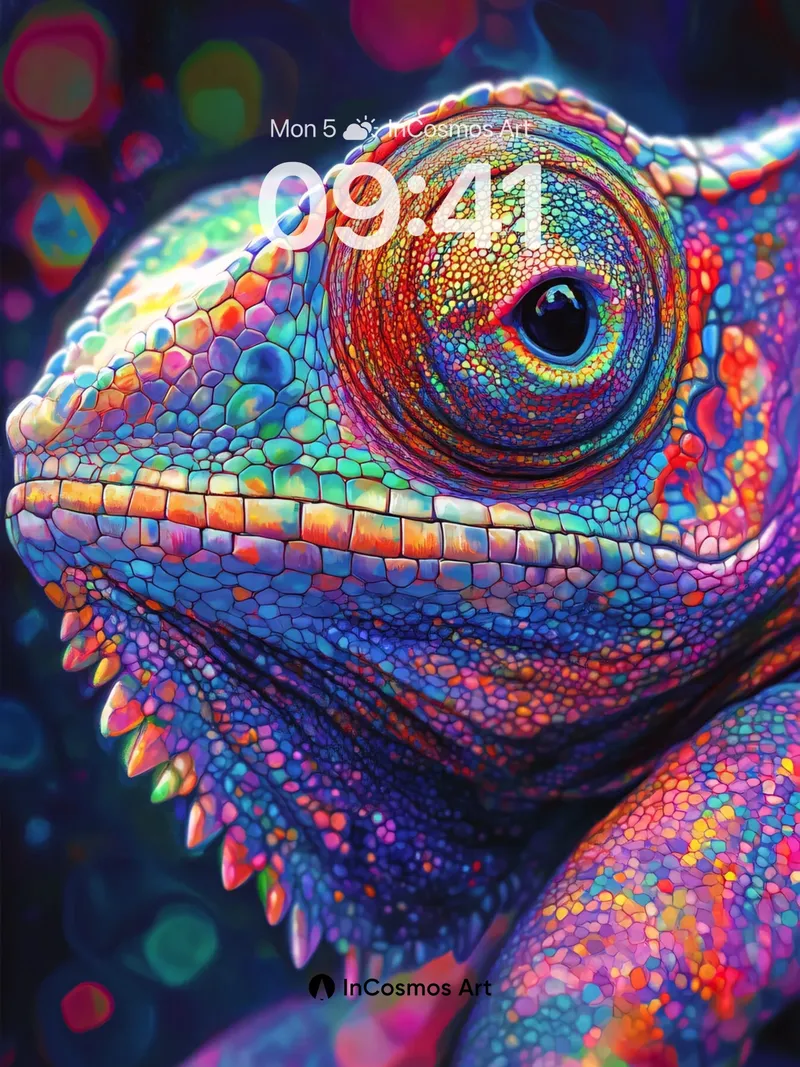
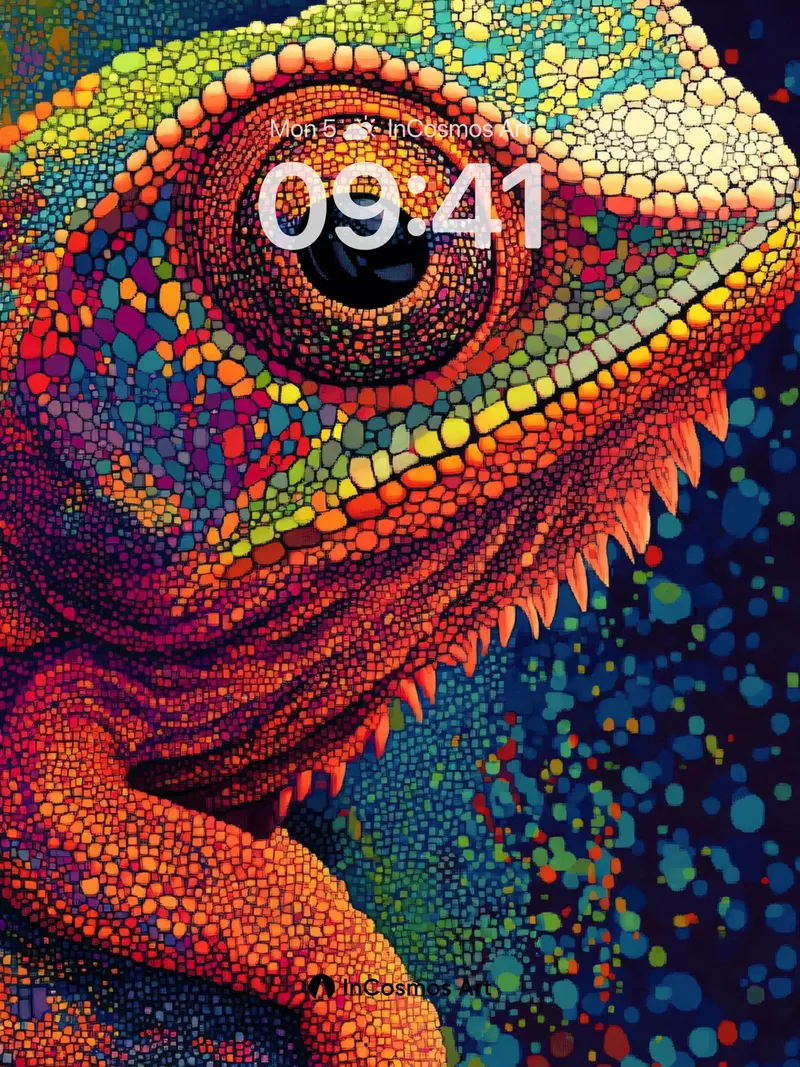
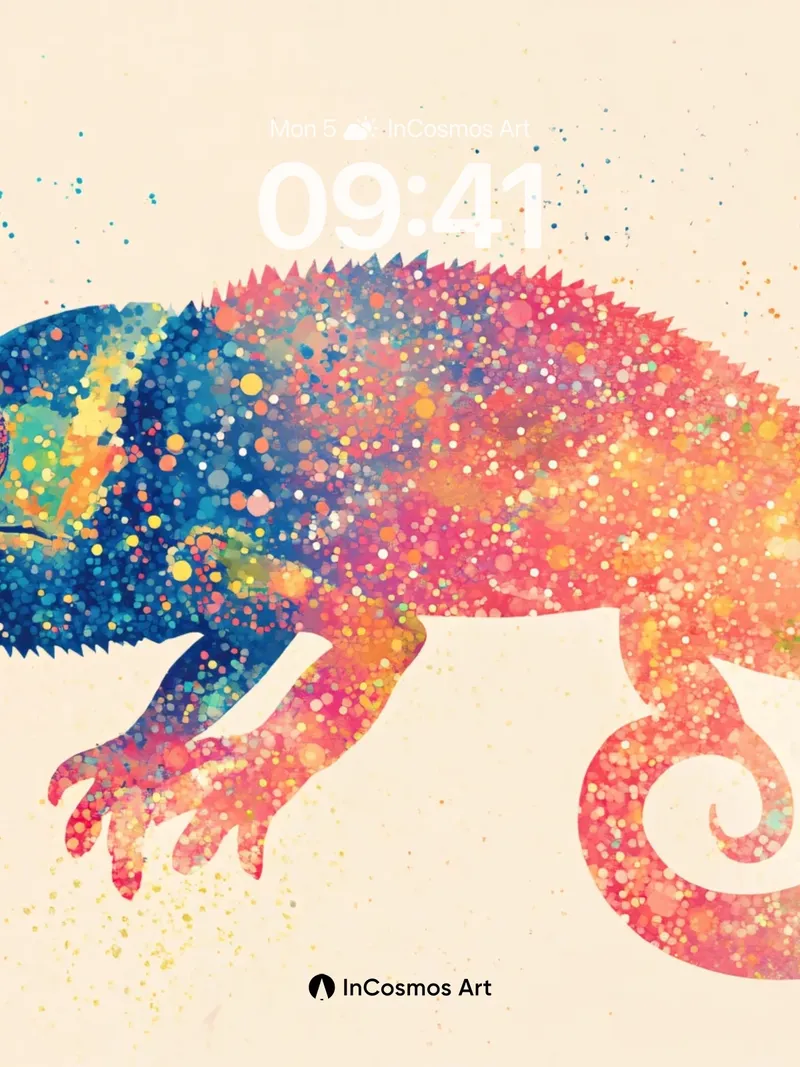
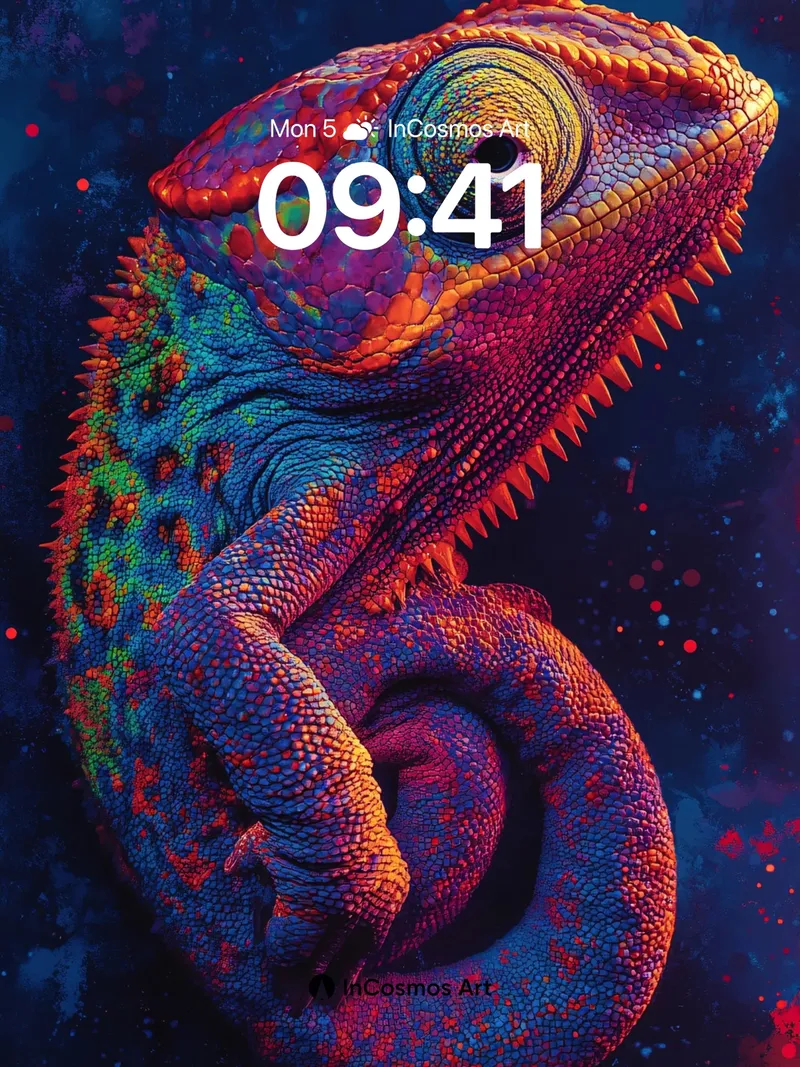
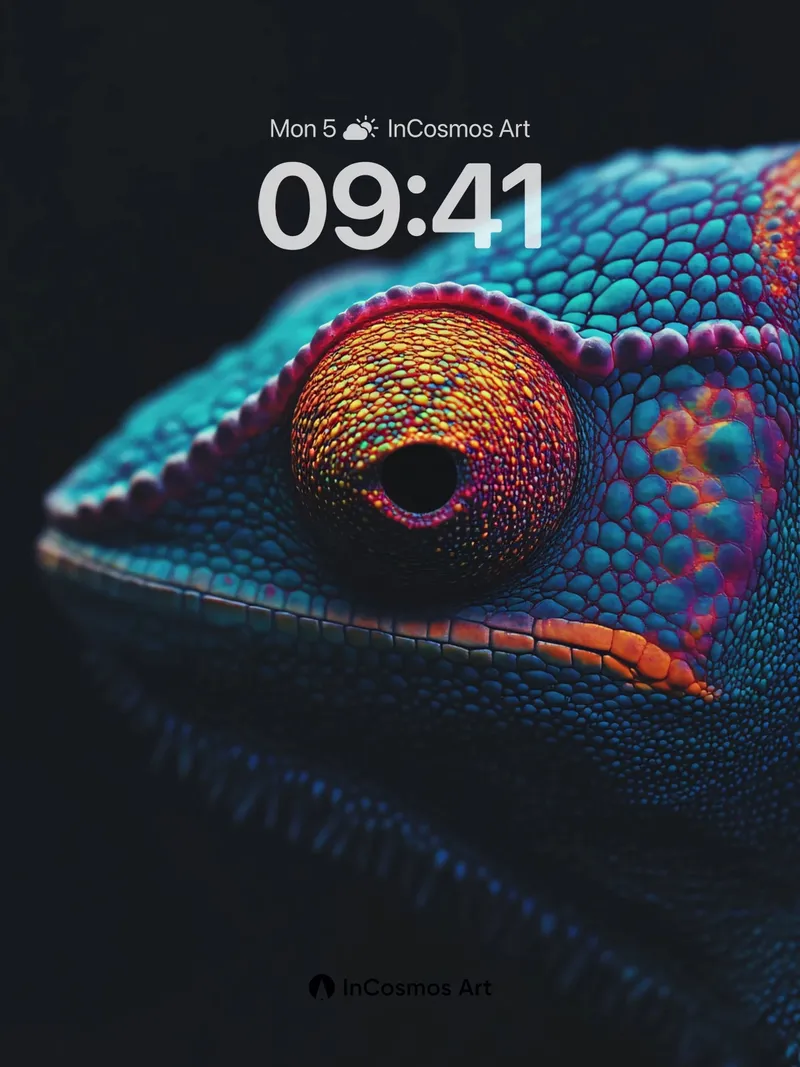
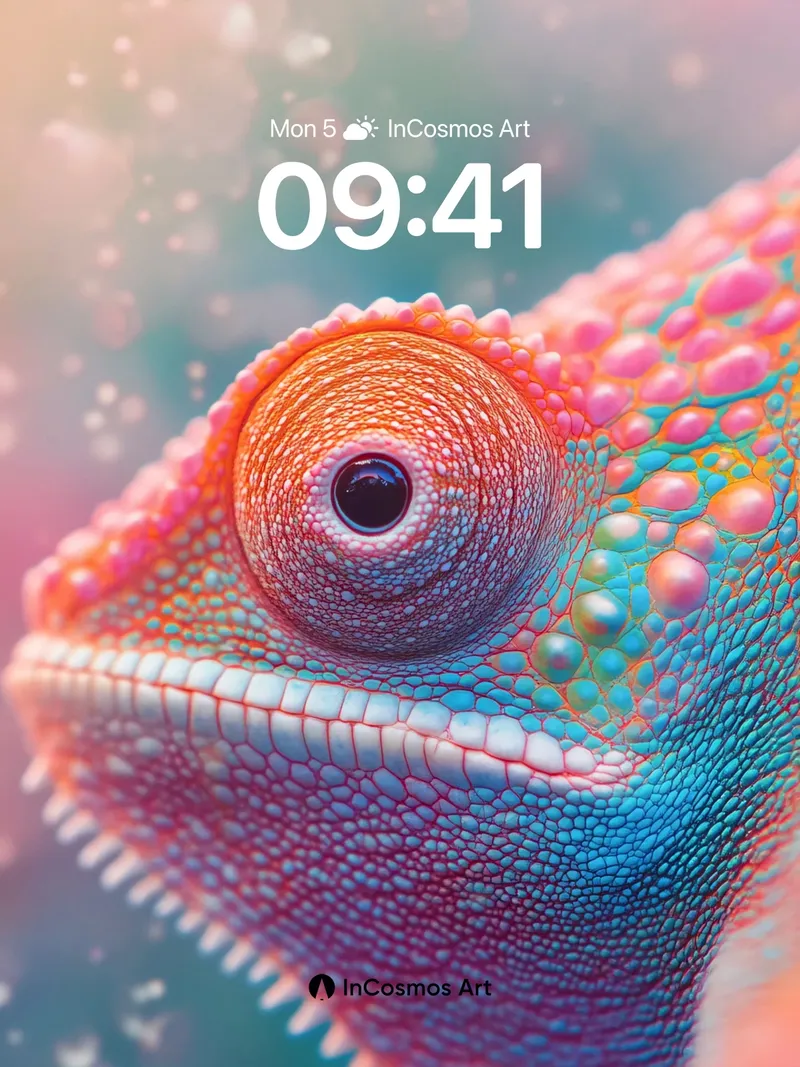
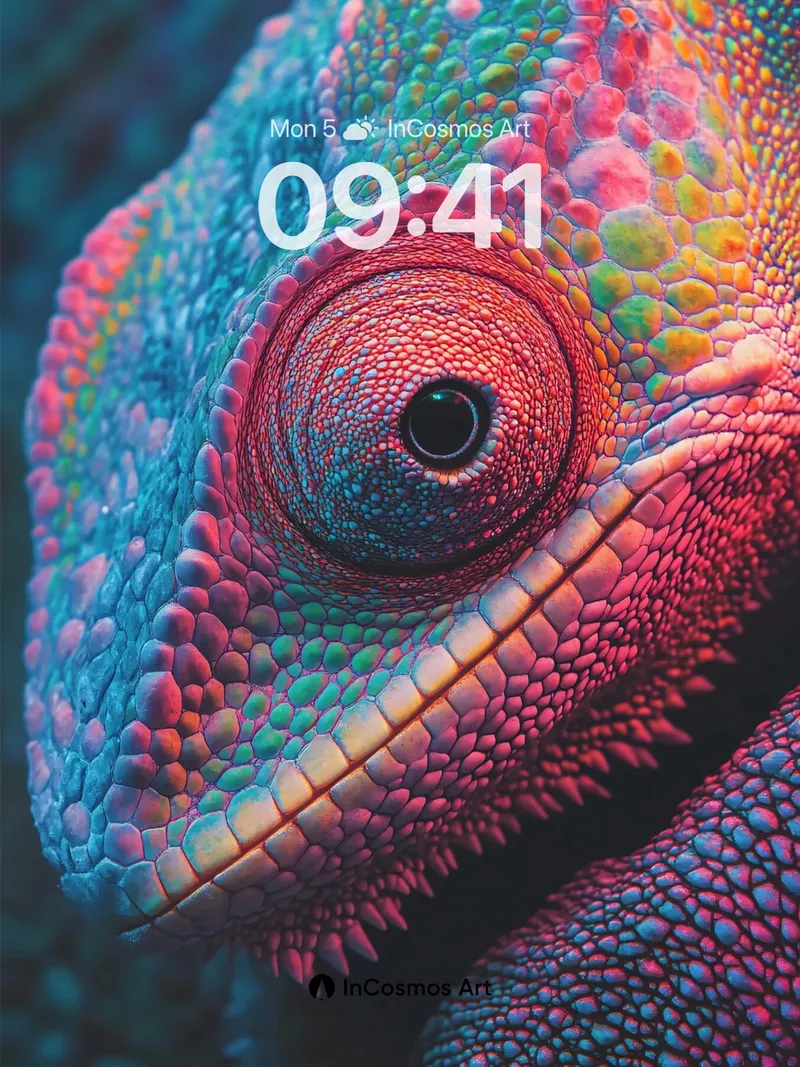
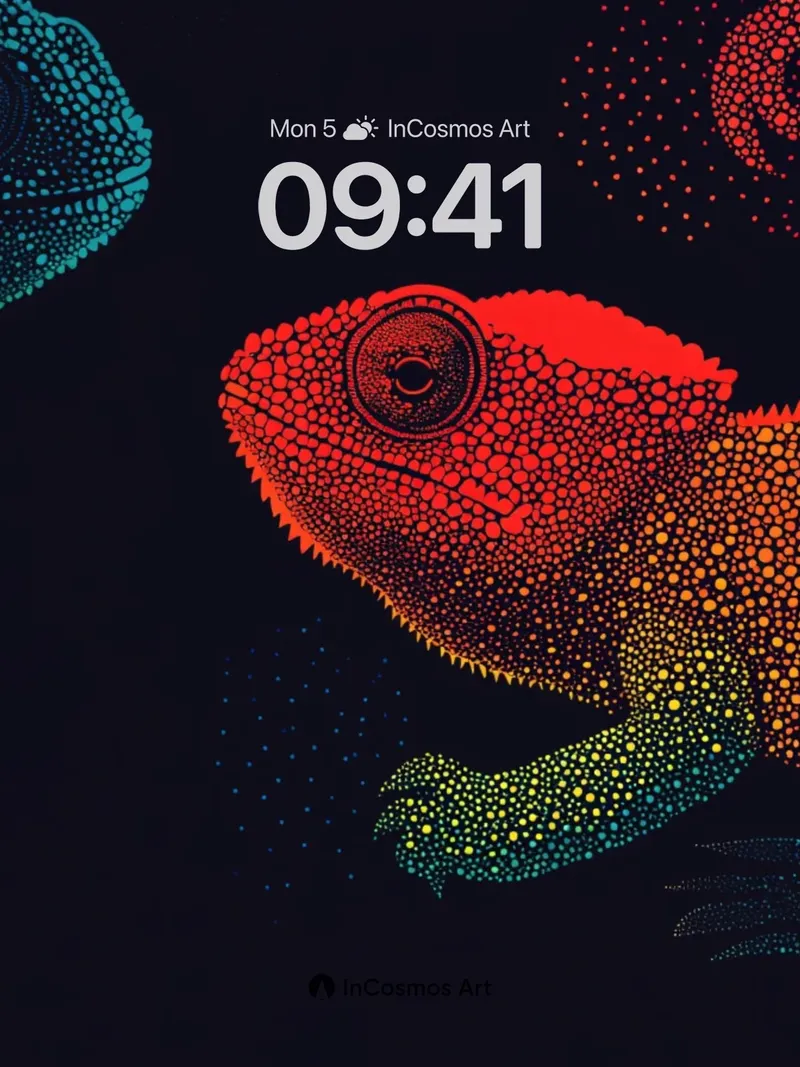
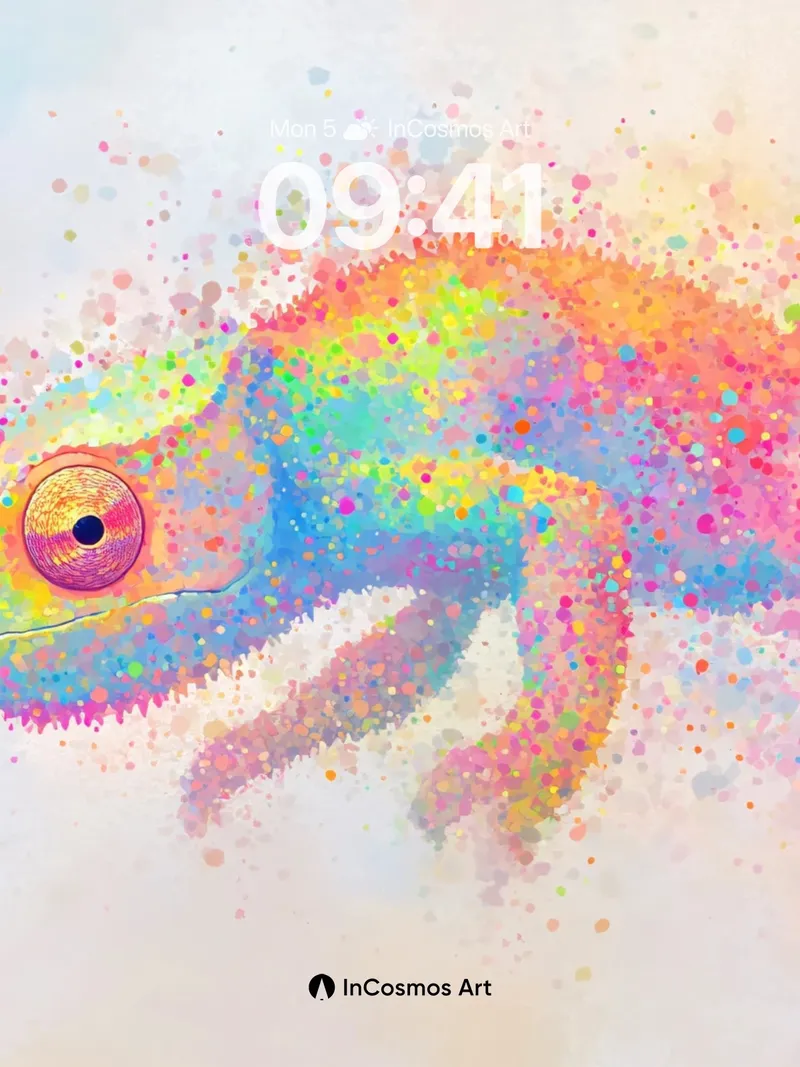
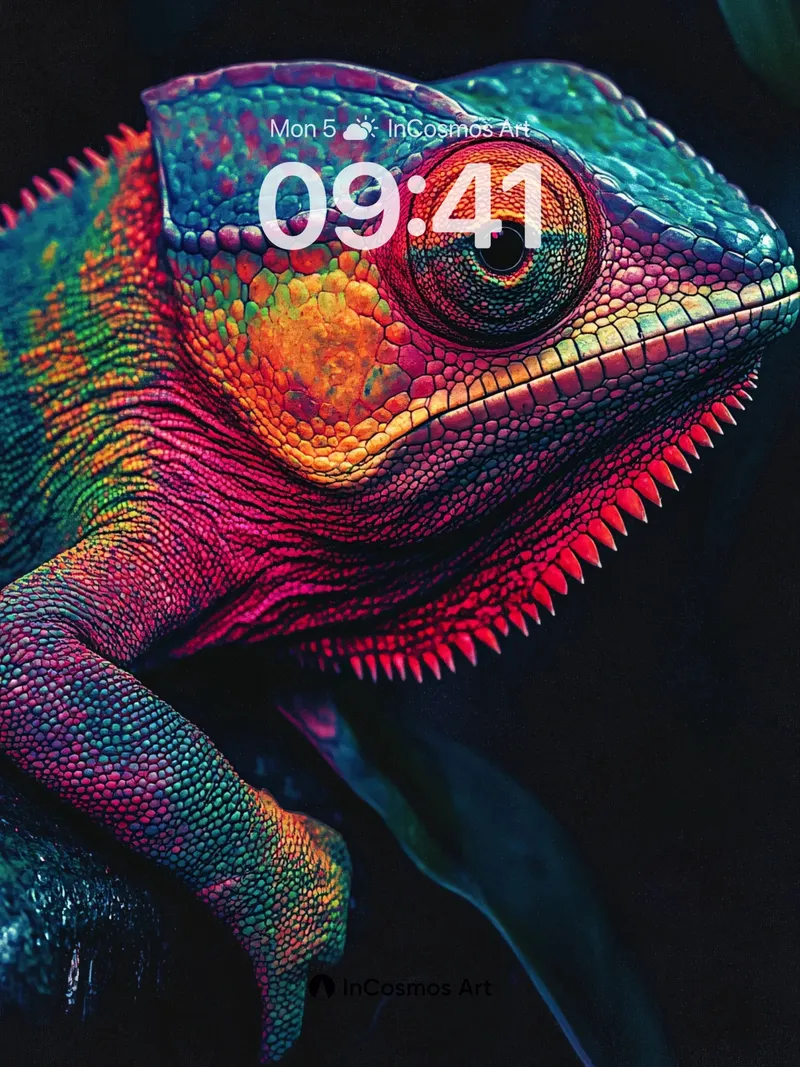
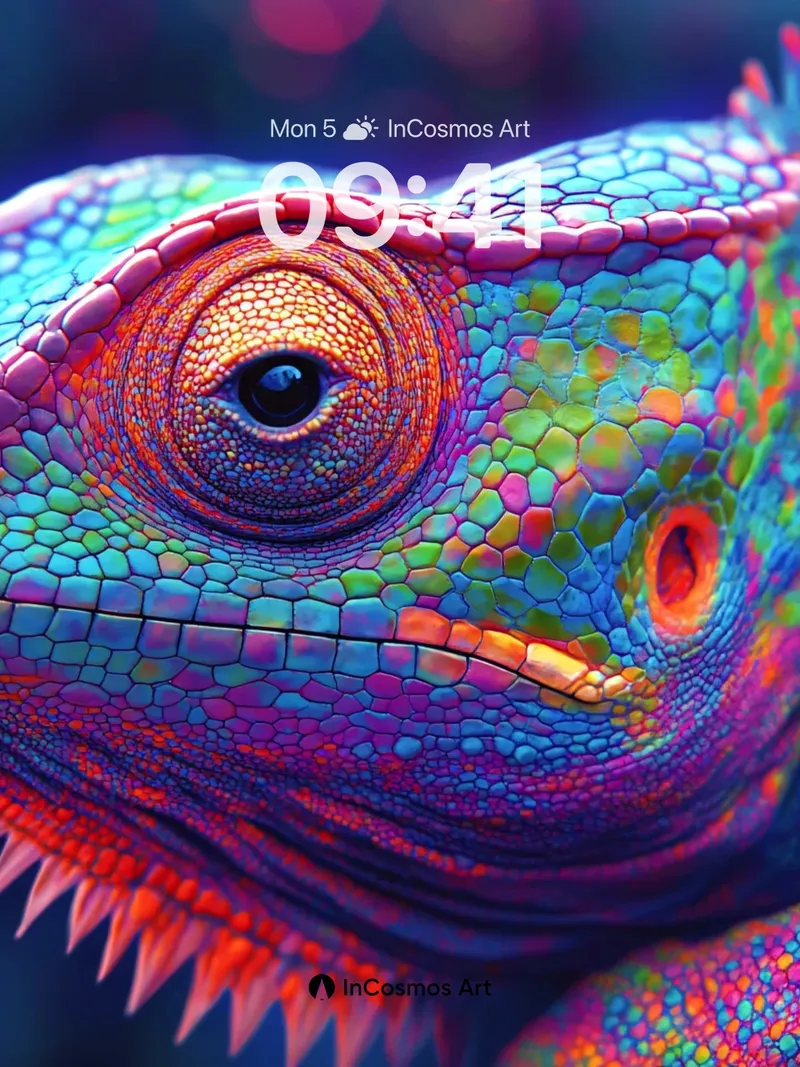
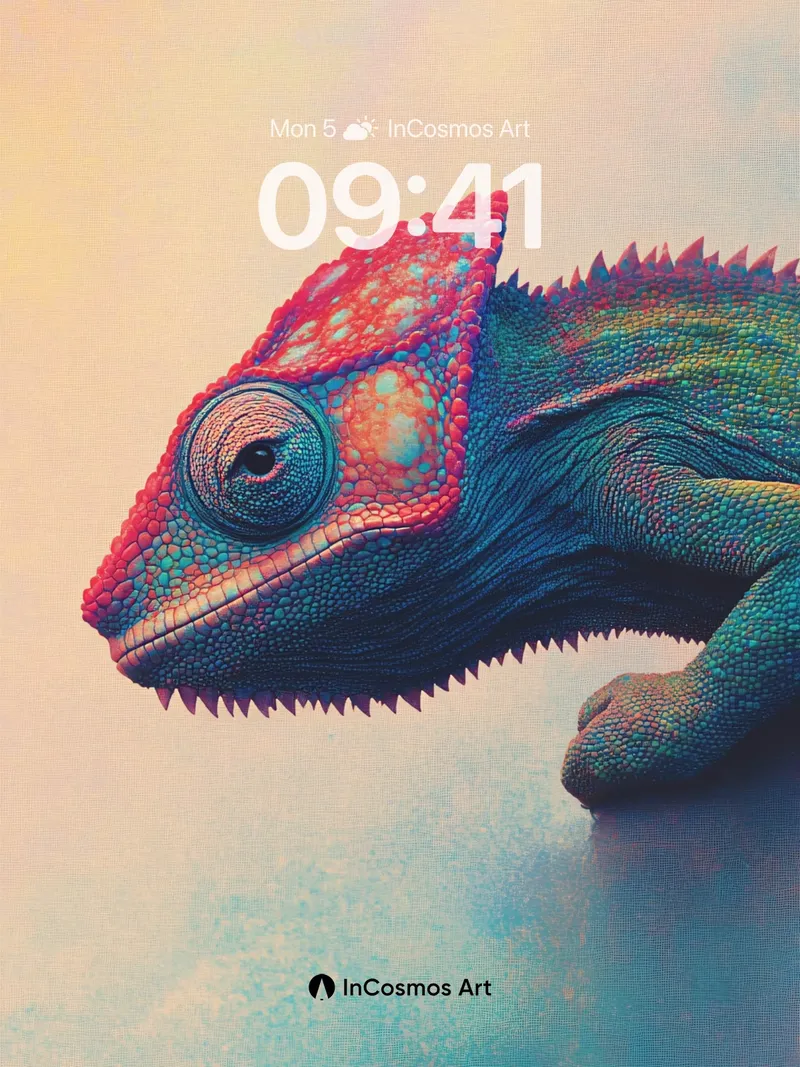
Every ridge on the skin is a code of natural evolution. These creatures use scales as canvas and spectrum as pigment, navigating between reality and imagination. They do not merely change color to blend into surroundings but express a mode of being—a fluid self. Here, color is not decoration but language, a dynamic script of identity. When vision carries such symbolic weight, the boundary between individual and world blurs. This is not only a biological marvel but also a cultural metaphor.
Color as Identity
The chameleon's surface transformation transcends camouflage. It is an active expression, a response to environmental perception. This ability resonates in human society: profile curation on social platforms, role performance in workplaces, emotional modulation in daily life. Each chosen hue externalizes internal states. In the digital age, people frequently switch 'filters' like chameleons adjusting their skin tone to fit contexts. Behind this behavior lies modern anxiety over identity and its reconstruction.
Resonance Between Nature and Algorithm
Contemporary imaging techniques amplify, deconstruct, and recreate the chameleon’s palette. AI-generated visuals transform real textures into pixel poetry, placing organic forms into virtual realms. This transformation is not mere replication but cross-dimensional dialogue. The complexity of nature meets algorithmic precision, birthing new aesthetic paradigms. Viewers no longer see just animals; they witness allegories about data and life.
Fluid Self
The chameleon's physiology reveals a non-fixed subjectivity. Its body is not a static vessel but a living system constantly responding to stimuli. This challenges traditional notions of 'self'—stable, continuous, identifiable. In contemporary culture, identity is increasingly seen as process rather than entity. People shuttle between roles like chameleons changing appearance under different light. This fluidity is both freedom and burden, demanding constant adaptation and awareness.
Ethics of Color
When color becomes a communication tool, its use involves ethical dimensions. Chameleons convey warnings, mating signals, or calm through hues. Humans similarly rely on color in digital spaces to communicate intent, yet lack shared protocols. Overly stylized or distorted visual strategies may lead to misinterpretation or manipulation. Thus, how to authentically deploy color emerges as a pressing societal concern.