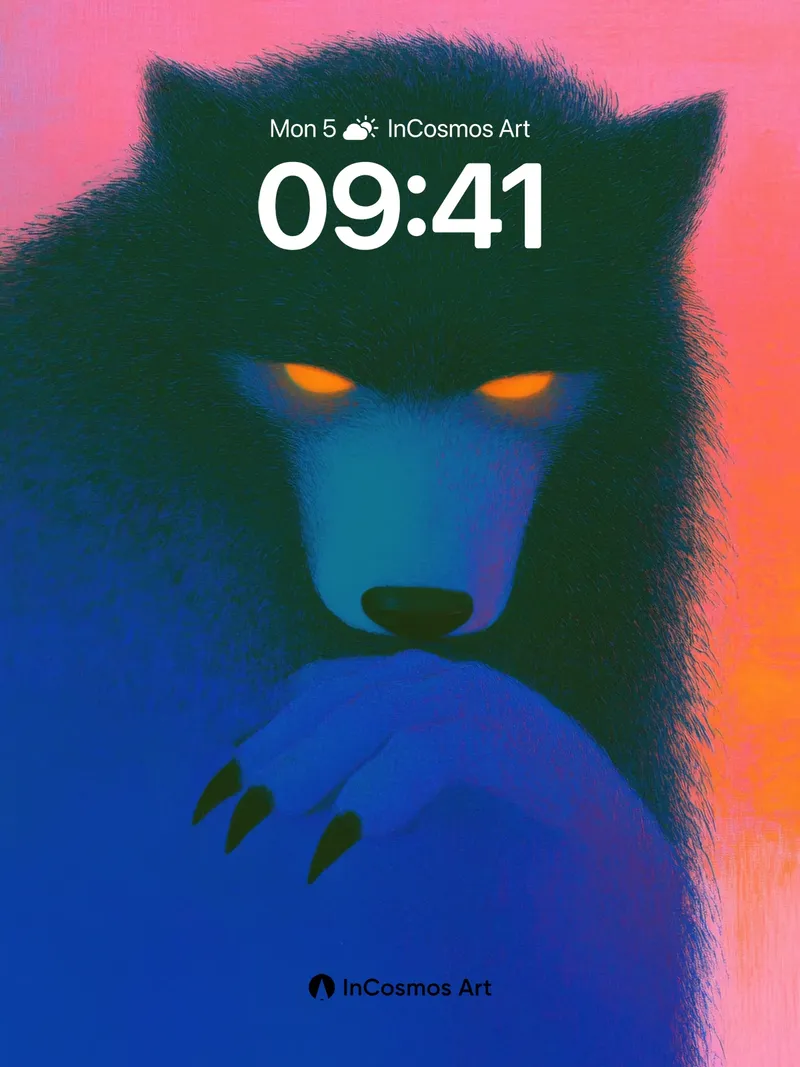
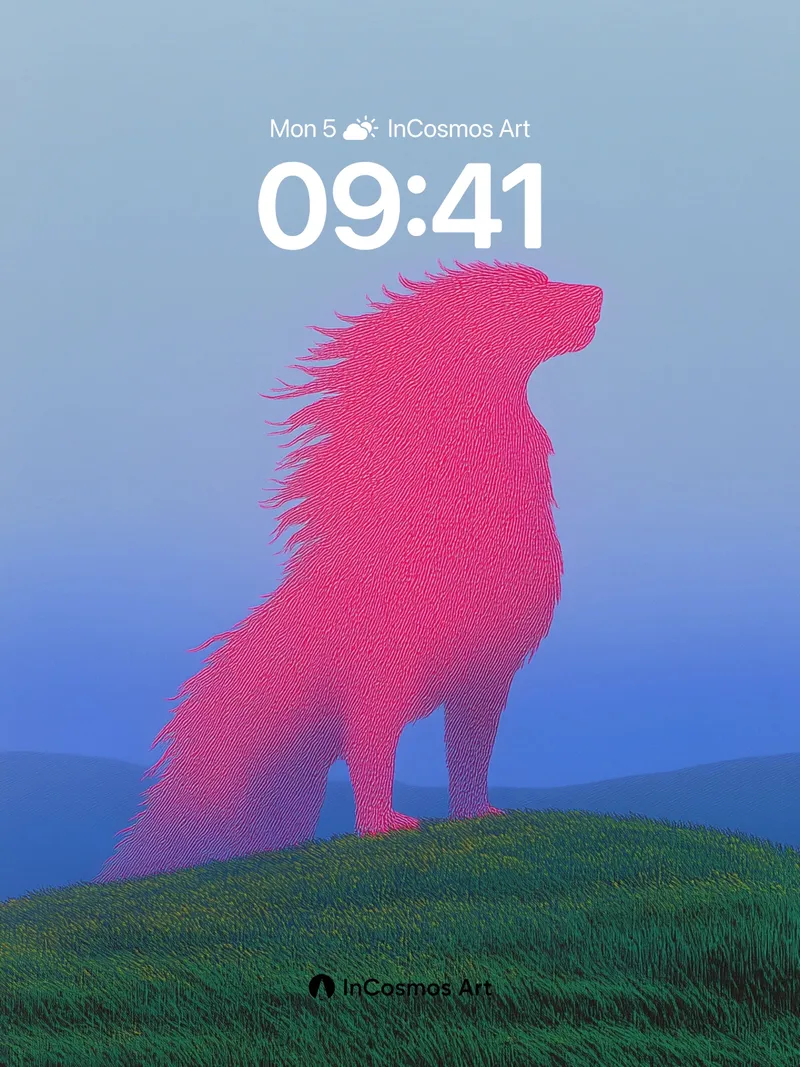
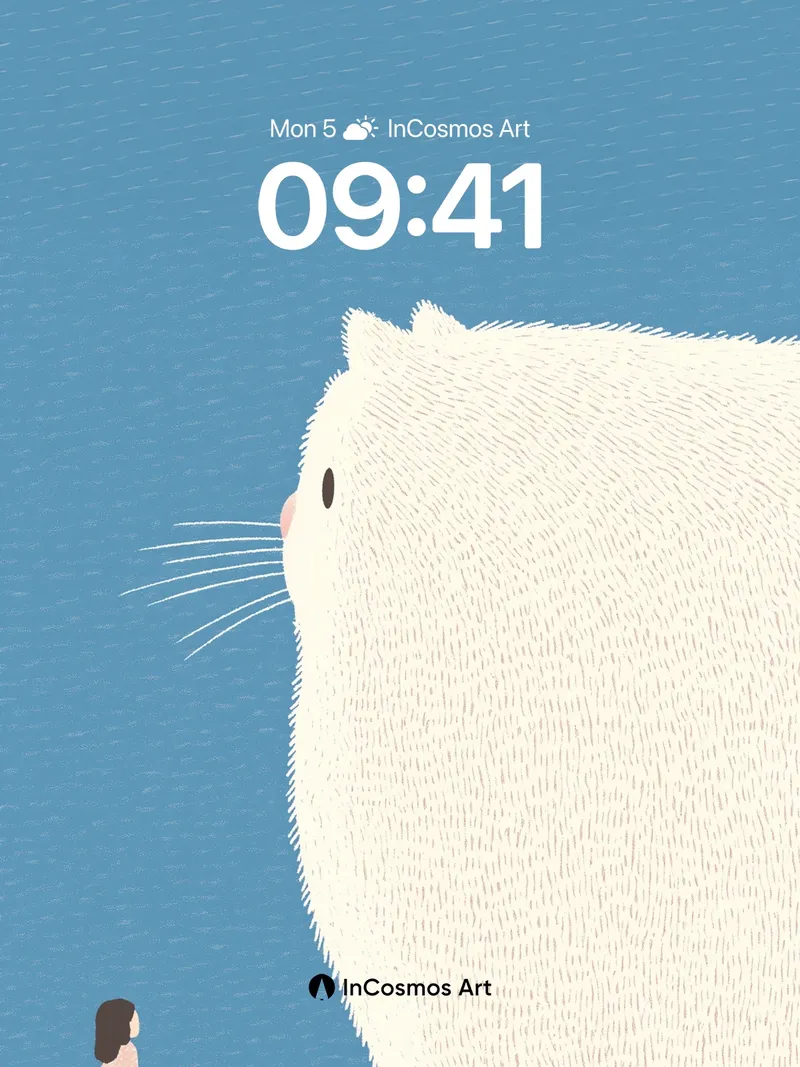
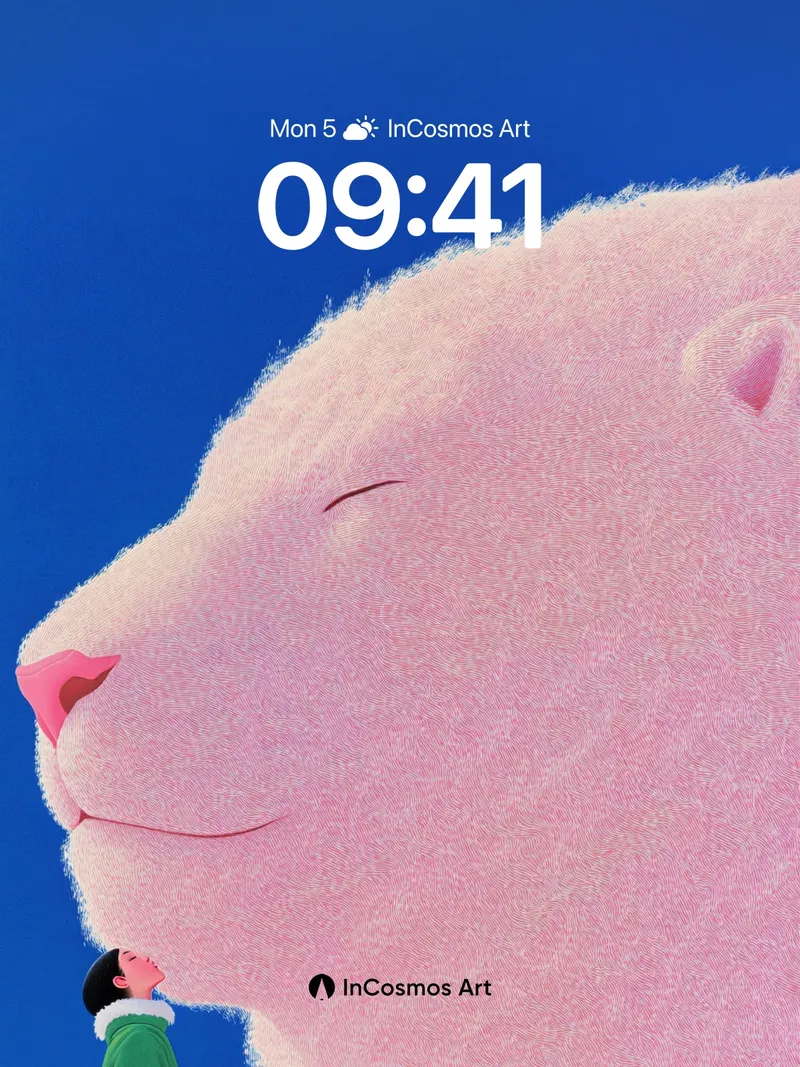
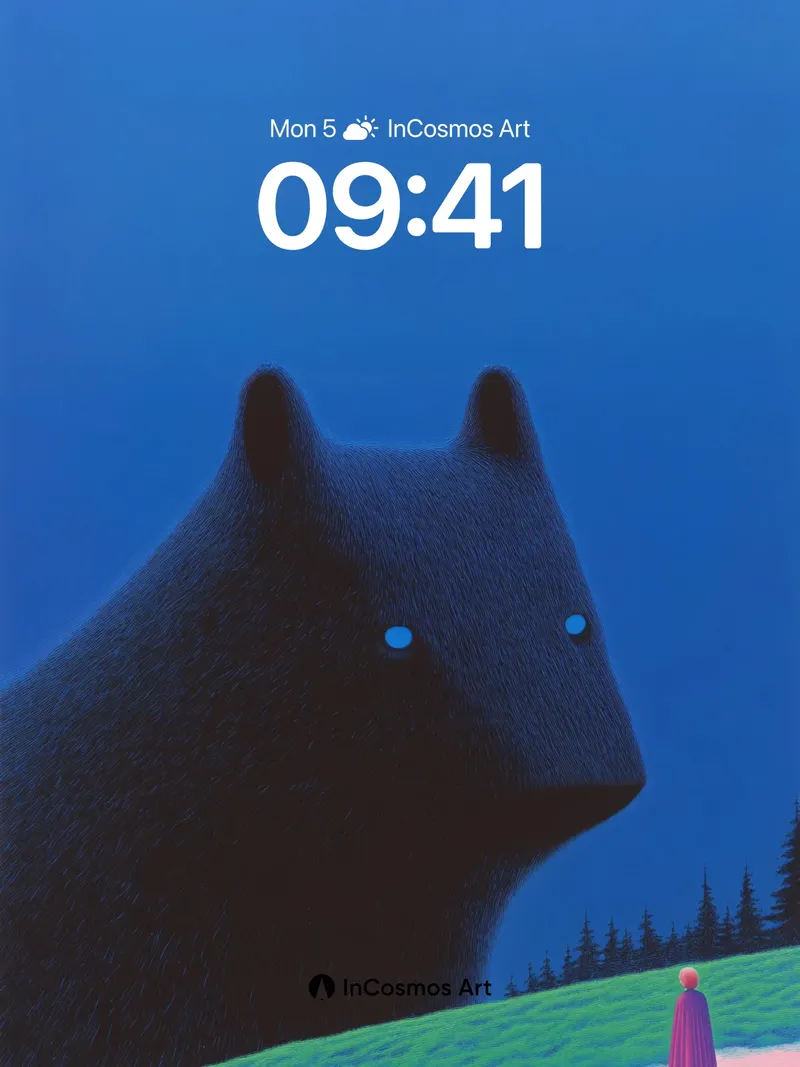
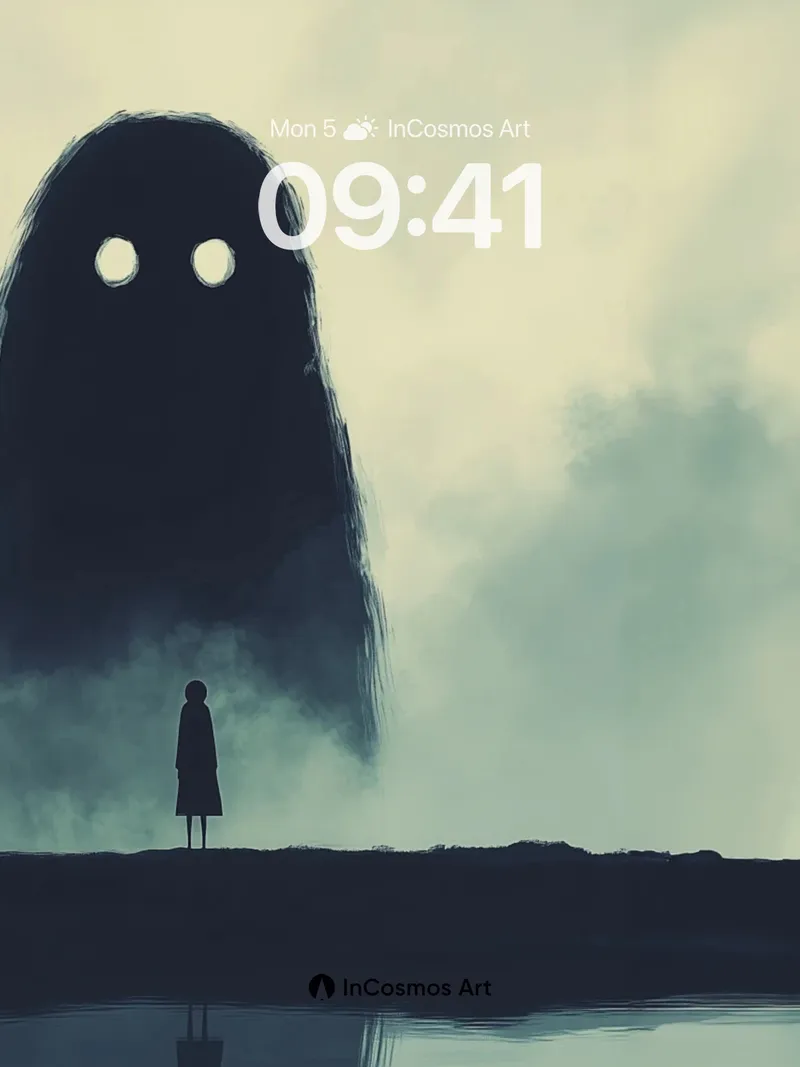
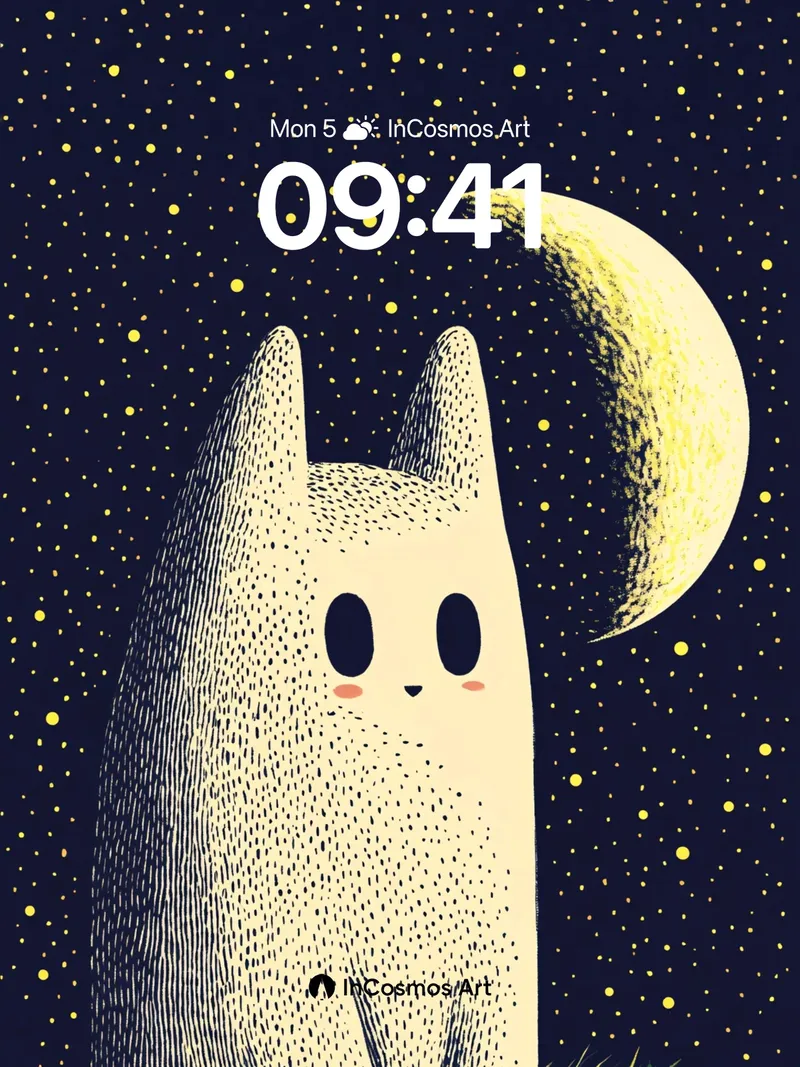
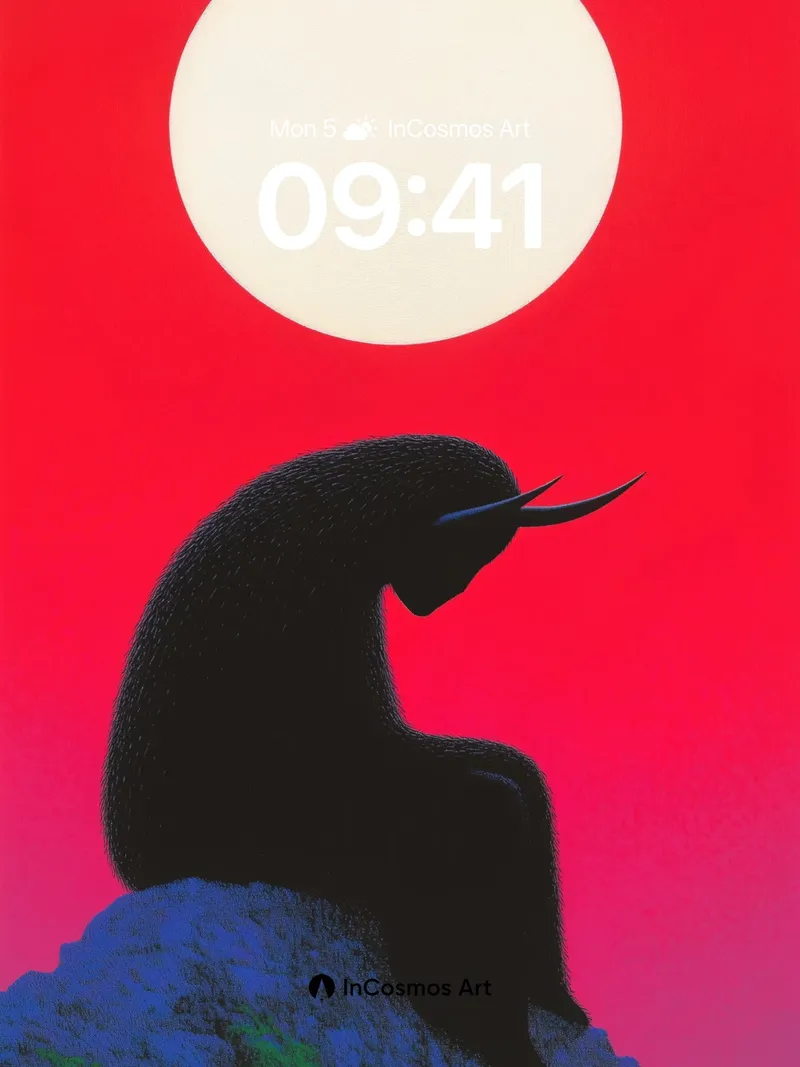
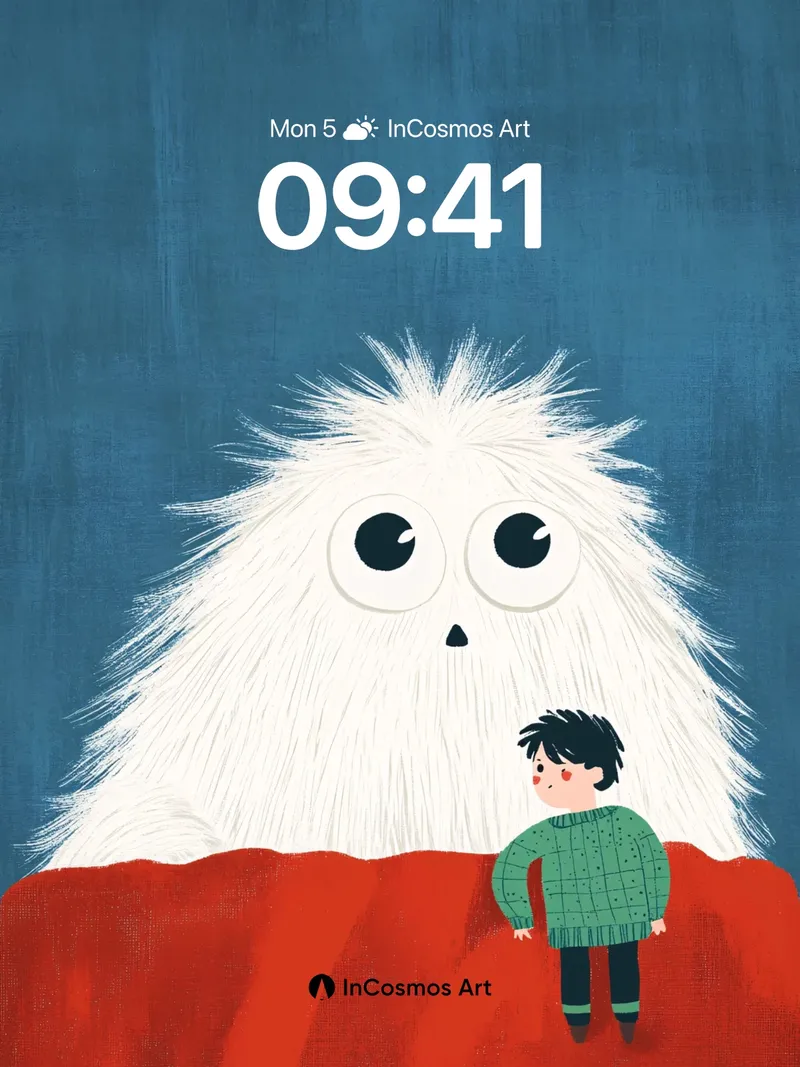
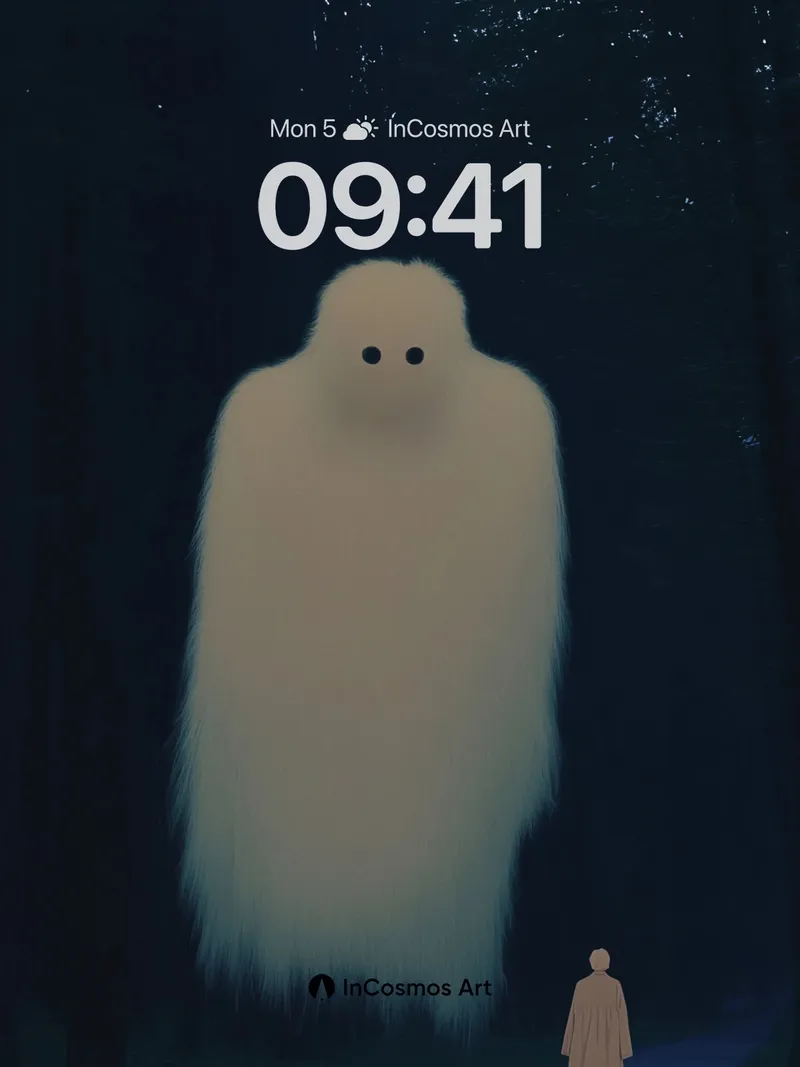
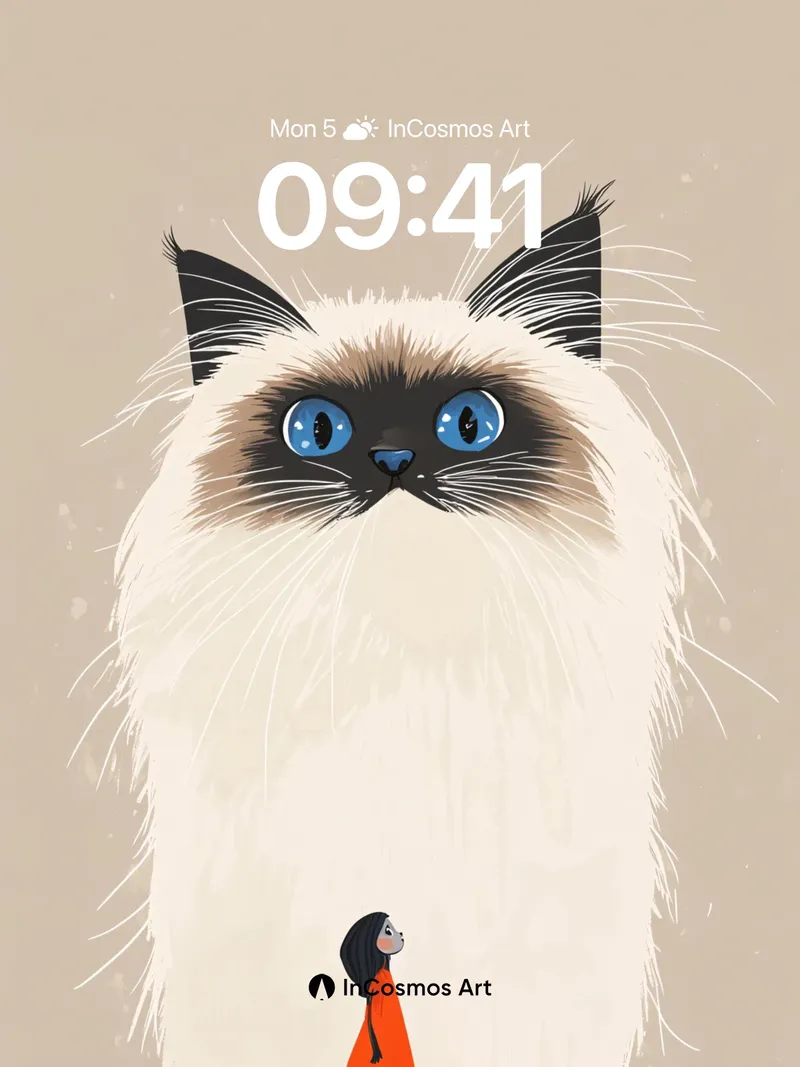
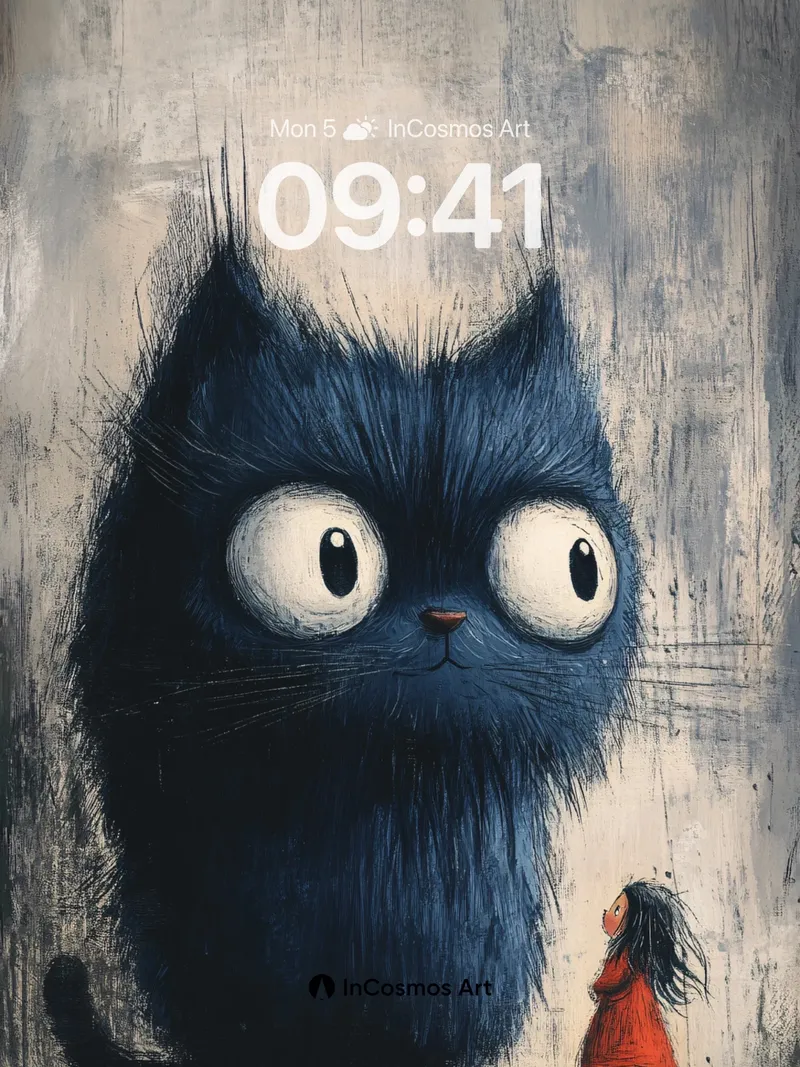
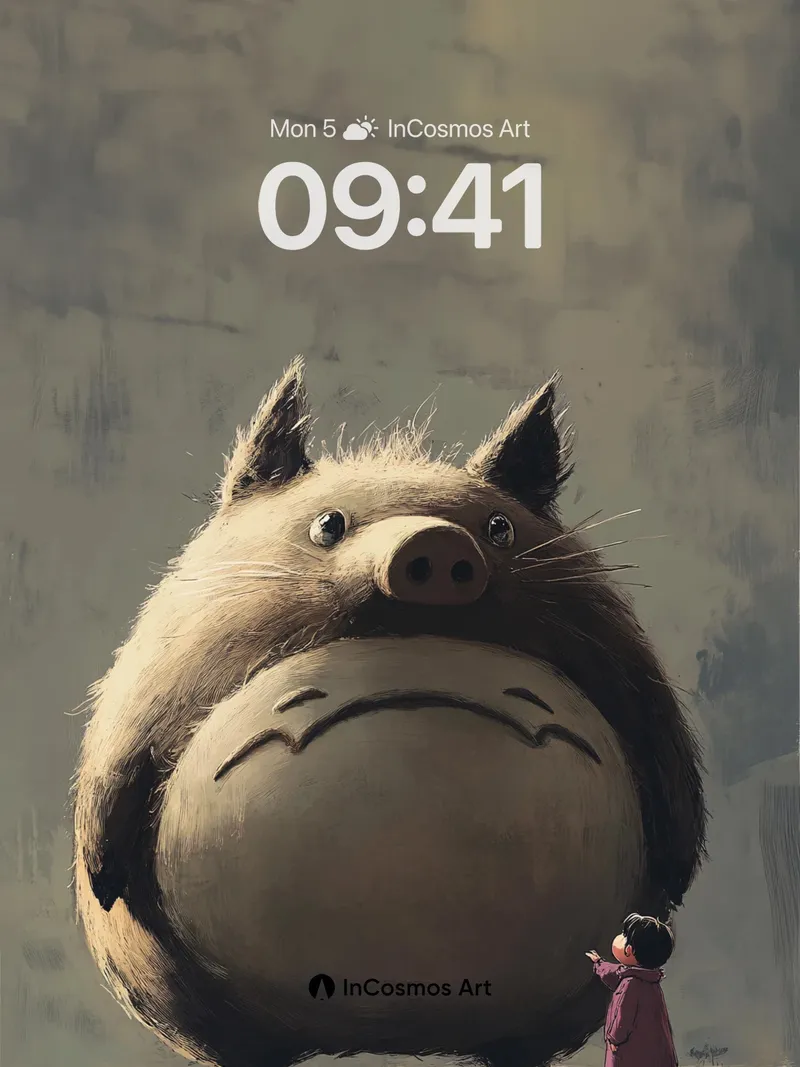
Deep within human memory lies an enduring longing—to be observed by something vast yet gentle. These beings are not threats but silent guardians, occupying the center of imagination with fluffy forms, bright eyes, or shadowy silhouettes. They embody nature and project emotion. When children stand before them, their small bodies contrast sharply with immense figures, yet no fear is evident. Instead, a quiet resonance spreads through the air, as if they have long known each other in silence. This encounter transcends language; it is pure emotional exchange. Meaning passes not through words, but through gaze, posture, and shared space.
The Gentleness of Giants: Nonviolent Symbols
These colossal entities lack fangs or aggression. Their forms often feature simplified fairy-tale traits—round faces, oversized eyes, soft fur. Their mere presence offers comfort. In modern society, individuals frequently feel isolated. These fictional creatures become psychological substitutes. They are neither gods nor enemies, but intermediaries between reality and dream. Their mildness disarms viewers, inducing a near-meditative state.
The Child's Gaze: The Power of Innocence
Faced with such magnitude, children do not retreat. They stand upright, eyes steady, dressed simply but vividly. This color is not just visual emphasis—it symbolizes vitality and hope. Though physically small, their inner strength is undeniable. This contrast reveals a deep social metaphor: true courage does not come from size or power, but from inner calm and trust. Children represent unspoiled perception, capable of seeing warmth and connection ignored by adult minds.
Fantasy as a Healing Mechanism
The recurring theme across these scenes is companionship. Despite varied settings—forests, mountain peaks, starlit skies—the core remains unchanged: a child and a giant standing side by side. This juxtaposition creates a secure narrative framework, allowing viewers to momentarily escape real-world pressures. Fantasy here is not evasion, but a psychological tool. It enables individuals to experience acceptance in imagined relationships, alleviating anxiety and loneliness. This mechanism is especially valuable today, as human bonds grow fragile and digital connections replace physical ones.
Resonance of Color and Emotion
Red, blue, green, and other hues serve specific emotional functions. Red signifies warmth and intimacy; blue evokes stillness and depth; green suggests life and growth. These colors are not random but carefully constructed emotional frameworks. For instance, a black silhouette against a red sky feels mysterious and solemn, while a white creature under a dark blue night conveys peace and serenity. Color and form work together to produce layered psychological effects.
Universal Emotion and Cultural Resonance
Though these images stem from diverse artistic styles and cultural contexts, they share cross-cultural appeal. Whether a Japanese animated forest spirit or a Western illustrated snow monster, their essence is the 'gentle other.' This commonality shows that human desire for non-human companionship is universal. They fulfill the need for unconditional acceptance, filling gaps left by real-world relationships.