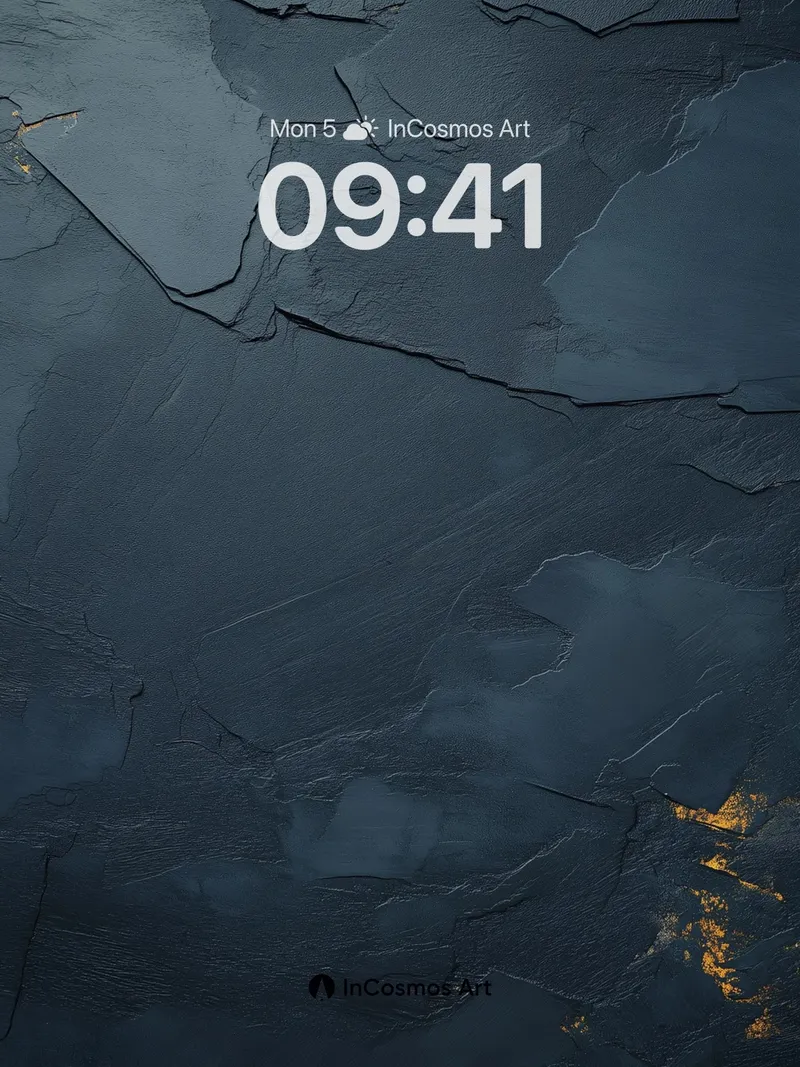
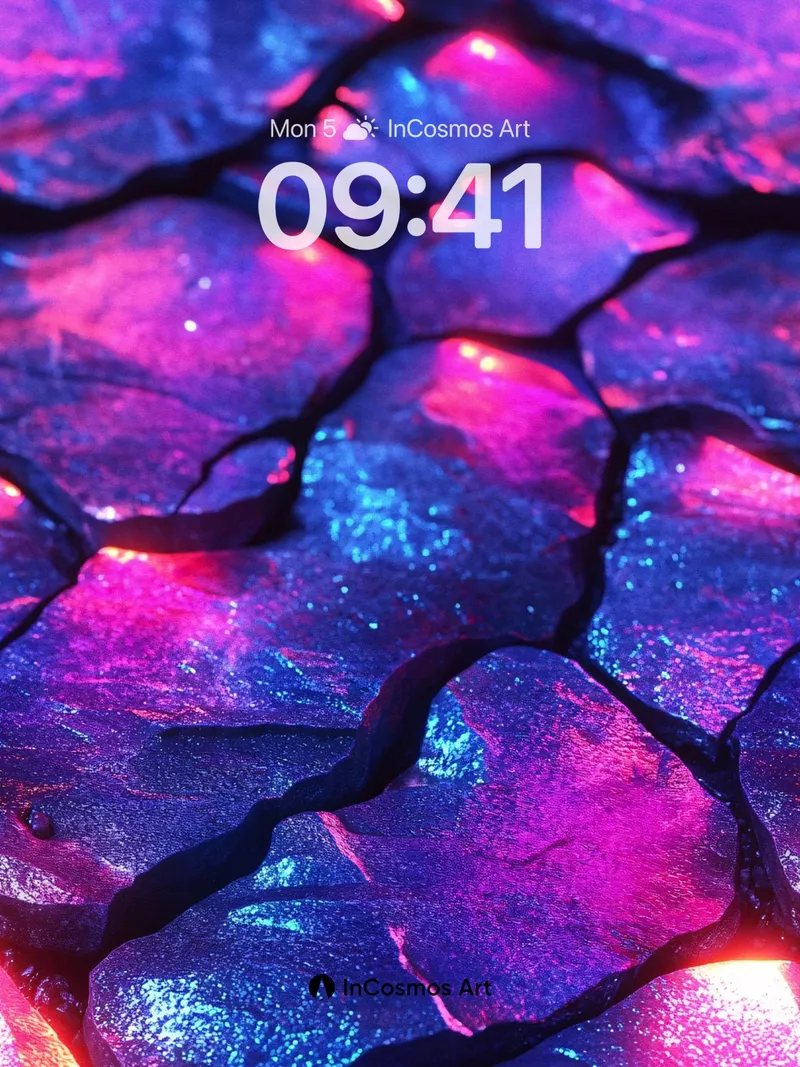
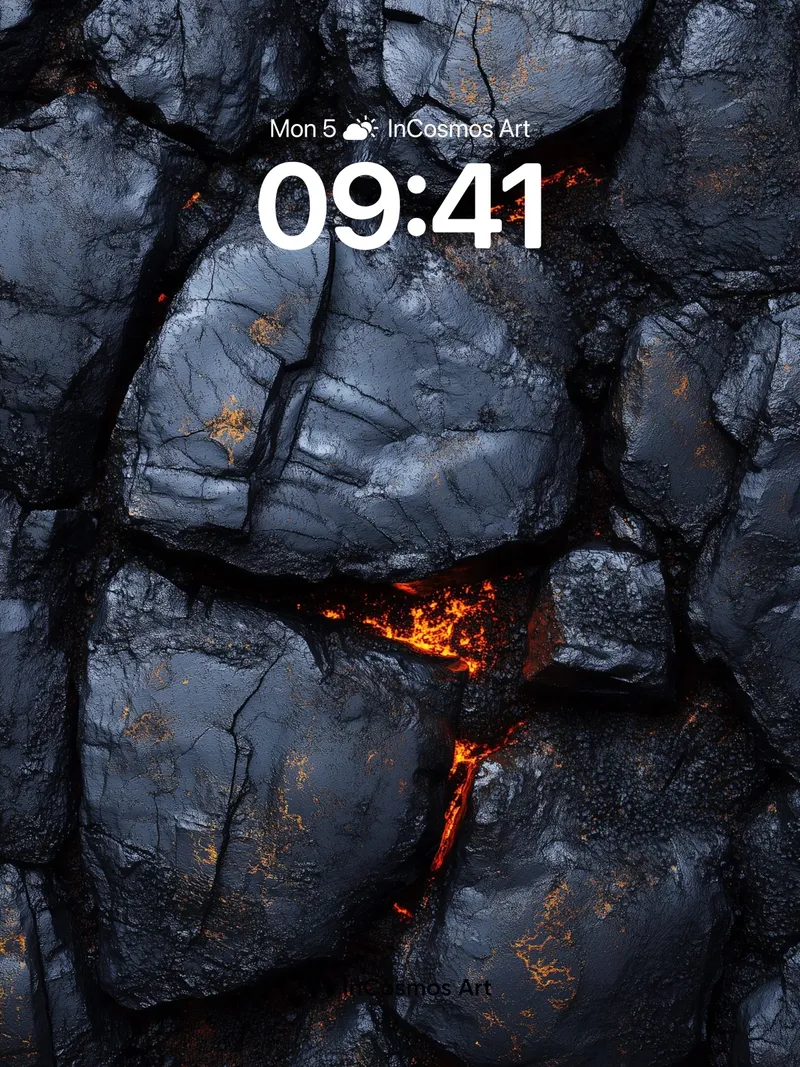
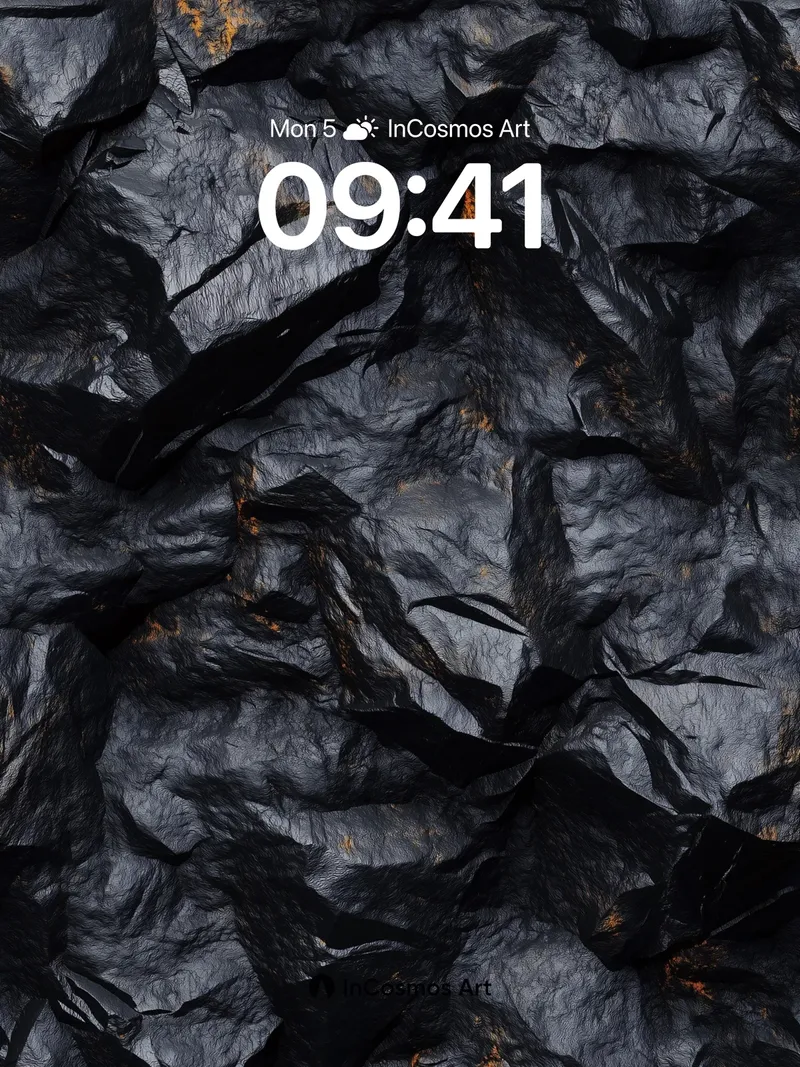
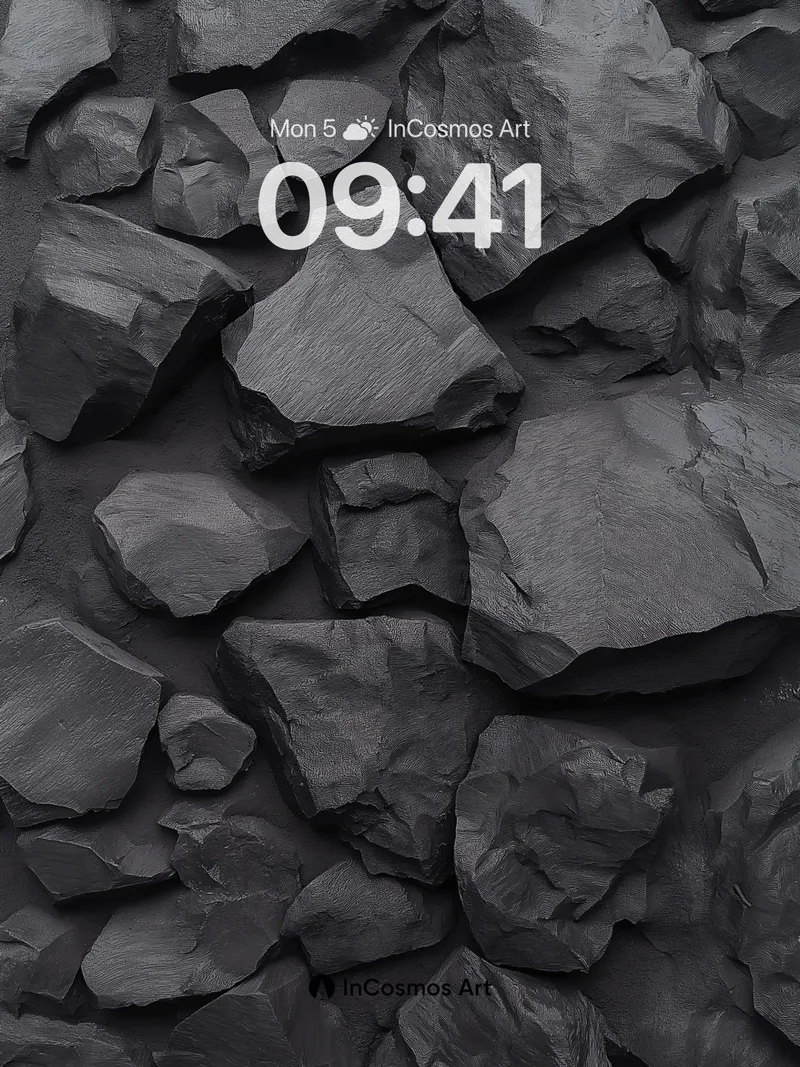
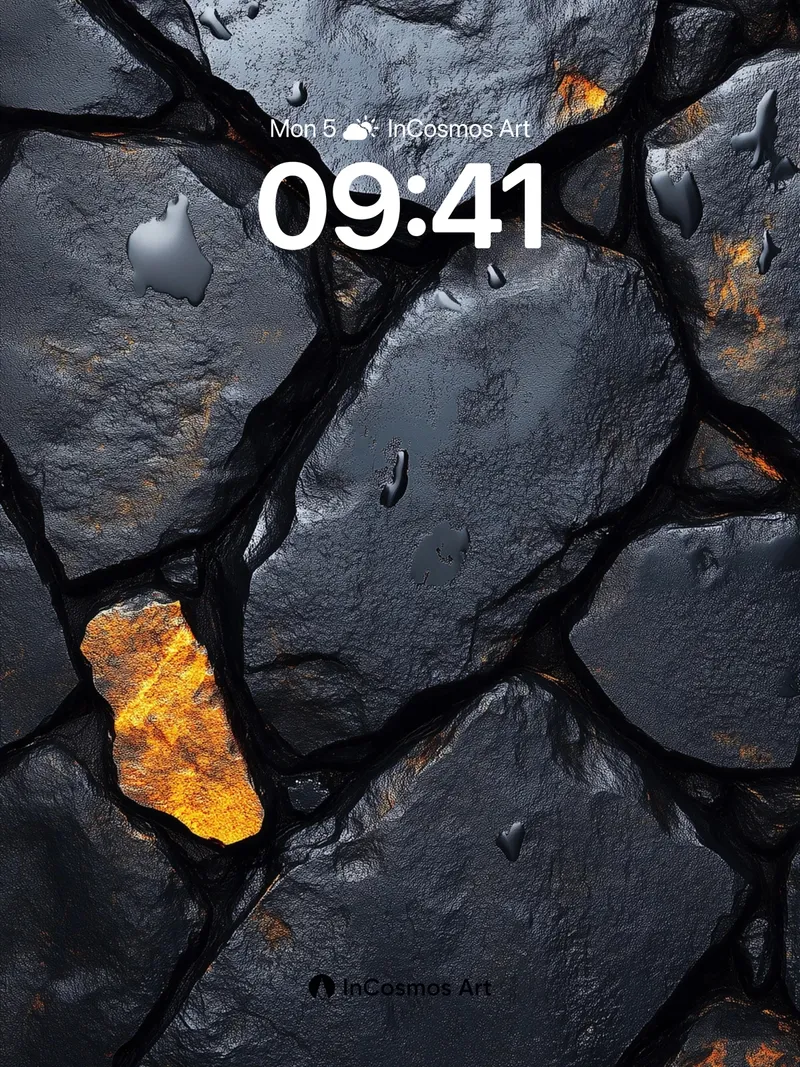
Between silent strata, time settles in fractures. Each crevice is an inscription of geological memory, every undulation a sigh from deep within the earth. Stones are not inert; they reshape under pressure and cooling, mirroring human emotion's oscillation between suppression and release. Surface roughness bears the marks of age, while internal structure reveals boundaries between order and chaos. These natural materials are more than landscape components—they serve as metaphors for psychological space: beneath rigid exteriors lies molten heat and fragile fissures.
Stone as Emotional Carrier
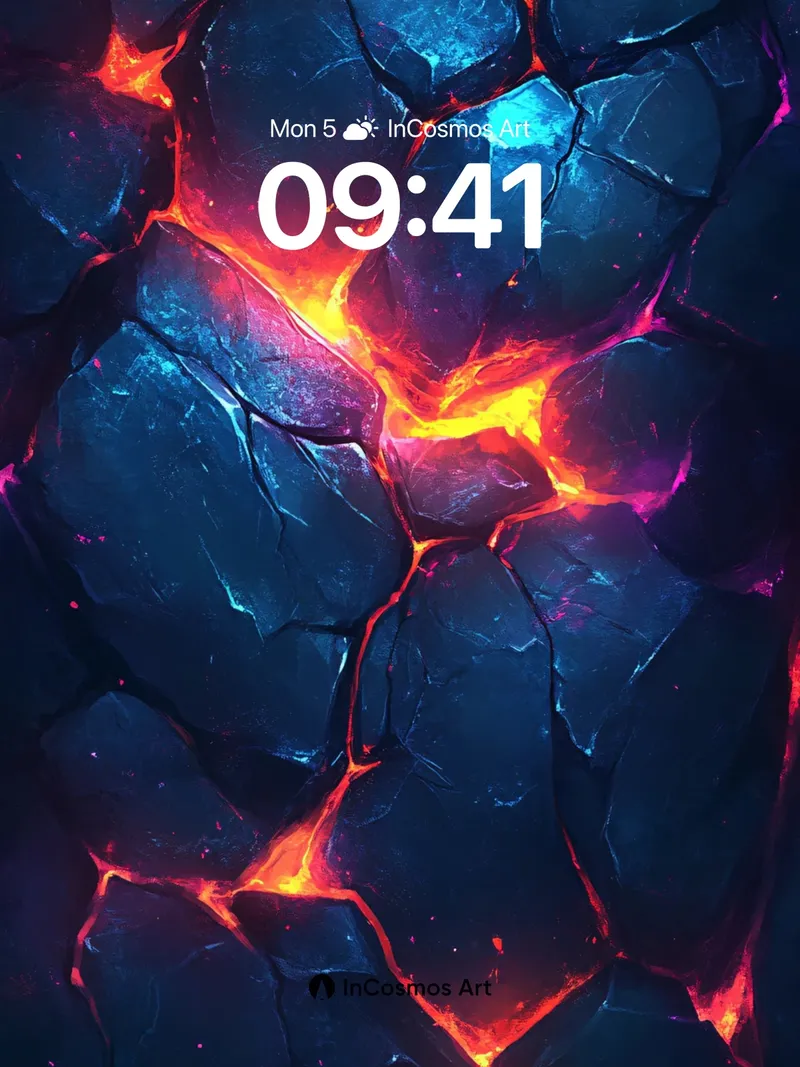
Rock texture is often overlooked yet carries primal emotional weight. The austerity of black basalt speaks of solitude and resilience; colorful pebbles stacked like emotional collages symbolize diverse individuals coexisting within a collective. When light seeps into cracks, producing interwoven hues of purple, red, and blue, it becomes an overflow of inner energy—a burst after repression. This visual intensity arises from nature’s collaboration with light, reflecting the tangible expression of human inner contradictions.
Light and Shadow in Fractures
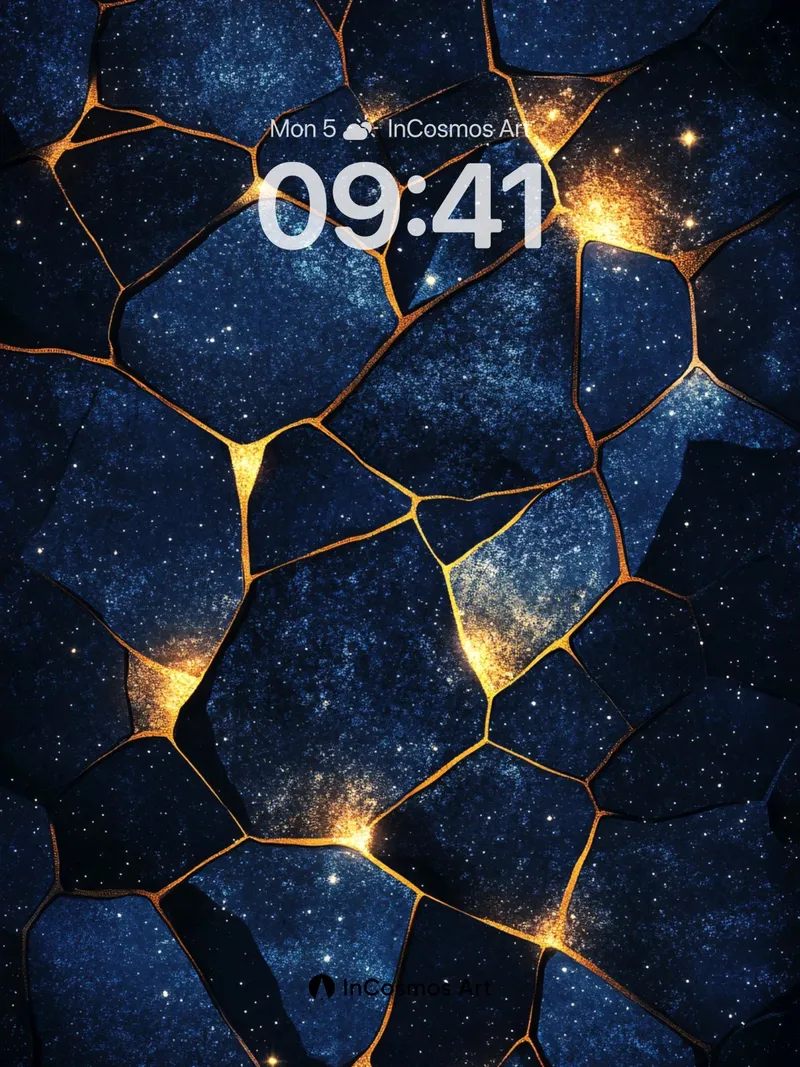
Broken surfaces are not destruction but revelation. Golden specks emerging from dark substrates resemble fragments of memory flickering in darkness. Cracks become conduits for light, introducing the external world into internal architecture. Pink-purple and electric-blue glows penetrating stone layers create an otherworldly beauty, hinting at unspoken emotional fluctuations deep within consciousness. This interplay of light and shadow mirrors the transitional zone between wakefulness and dreams, where reality and fantasy converge.
Nature's Abstract Language
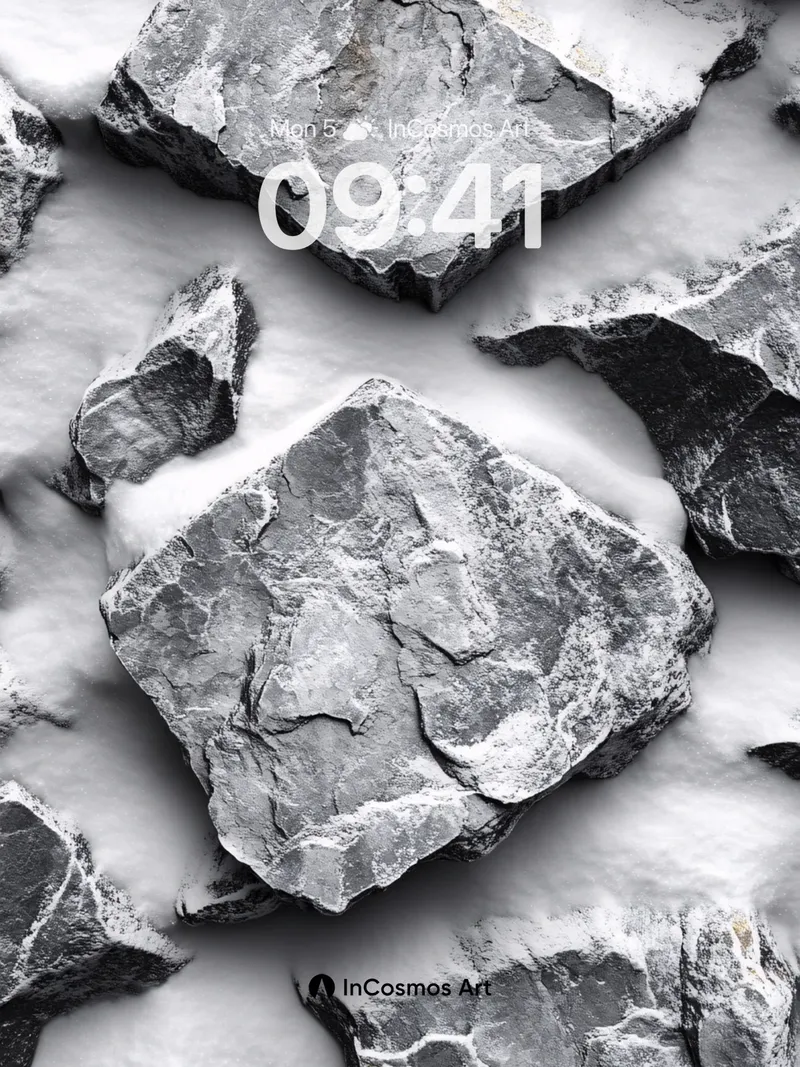
From gray-white shards to arrangements of multicolored stones, nature constructs abstract aesthetics through simplicity. Without artificial design, it achieves rhythm and balance. This nonlinear structure challenges traditional notions of order, suggesting true harmony may reside in irregularity. No stone's position is accidental; together, they form a dynamic system akin to interpersonal networks within society.
Geology of Emotion
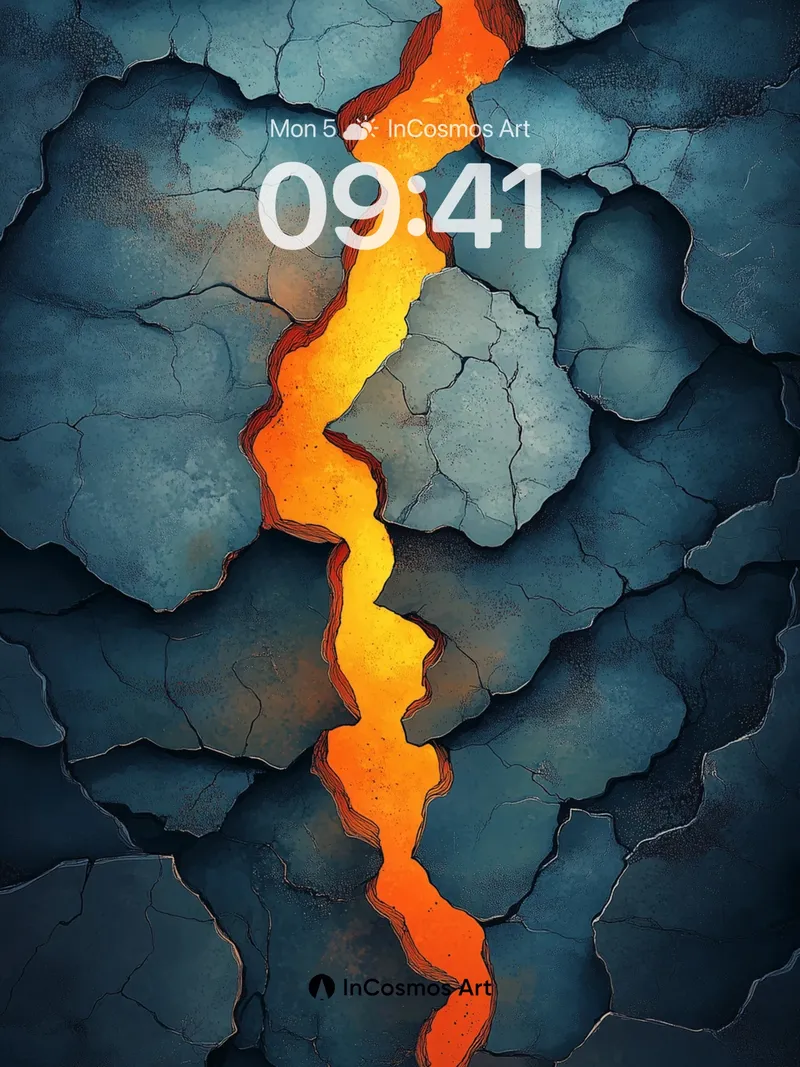
The rock formation process parallels human psychological evolution. High-temperature melting, slow cooling, compression, final solidification—this mirrors personality reformation after trauma. What appears unyielding is riddled with microfractures, poised for collapse or renewal. Color shifts represent emotional flux: from cool blue to fiery orange, then to mysterious purple, forming a geological map of inner worlds.