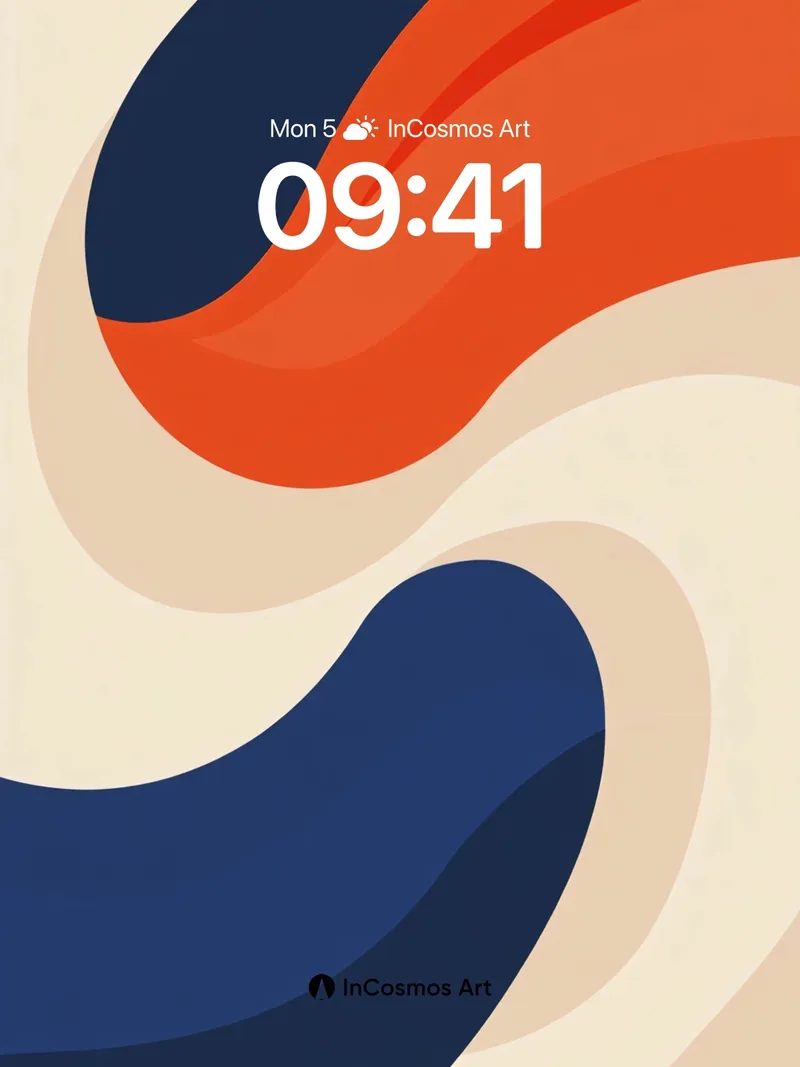
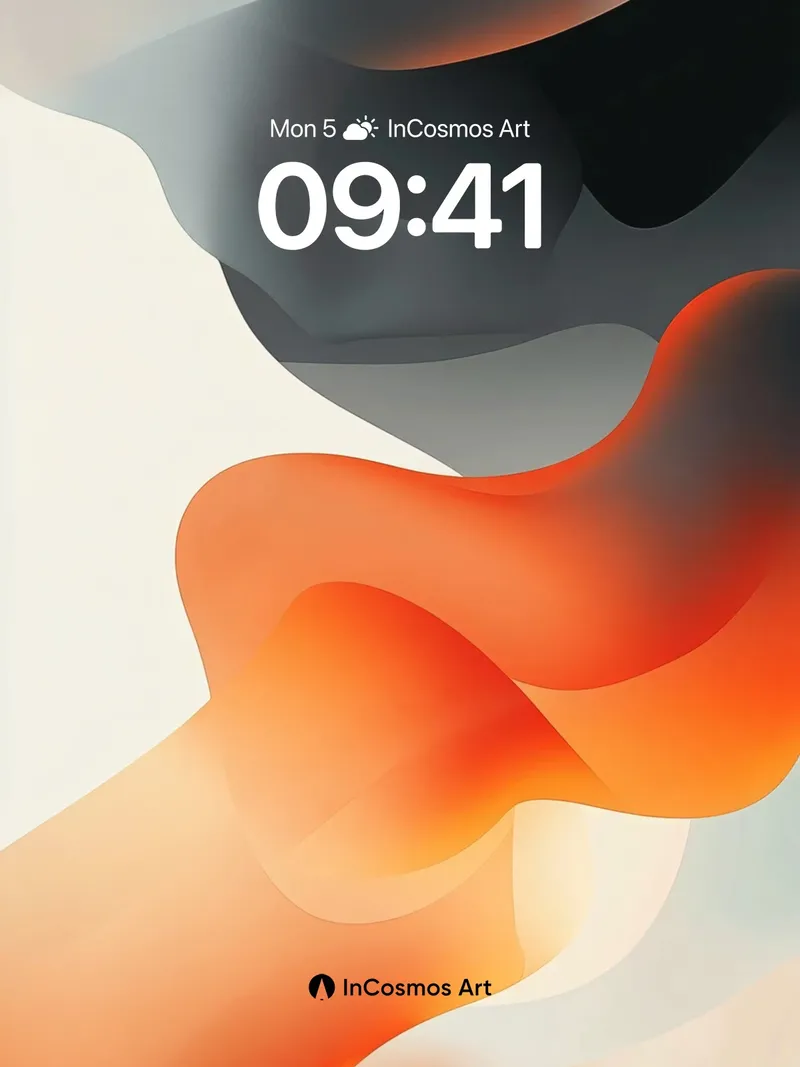
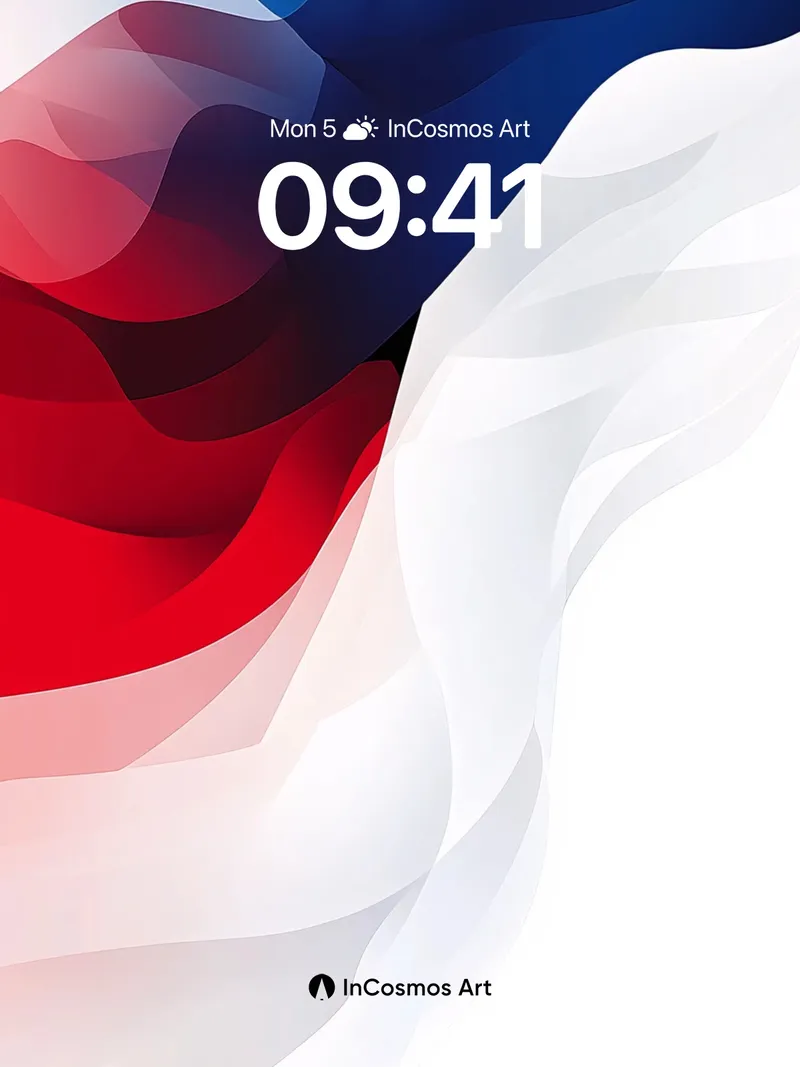
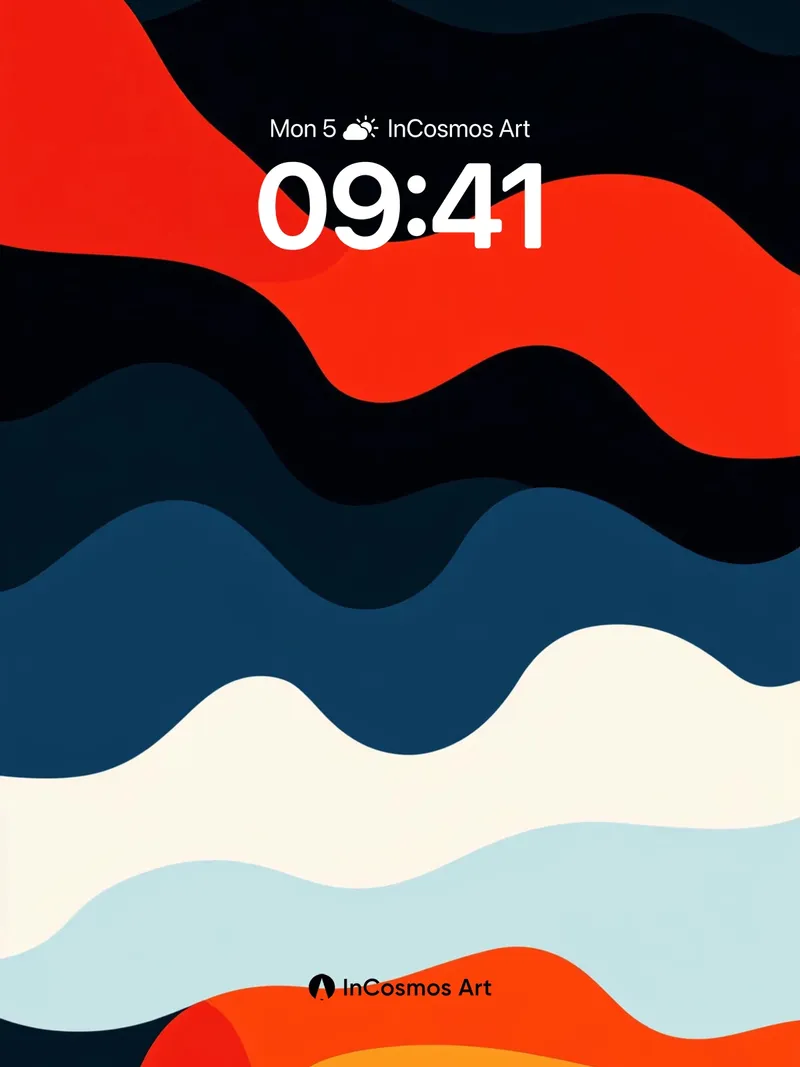
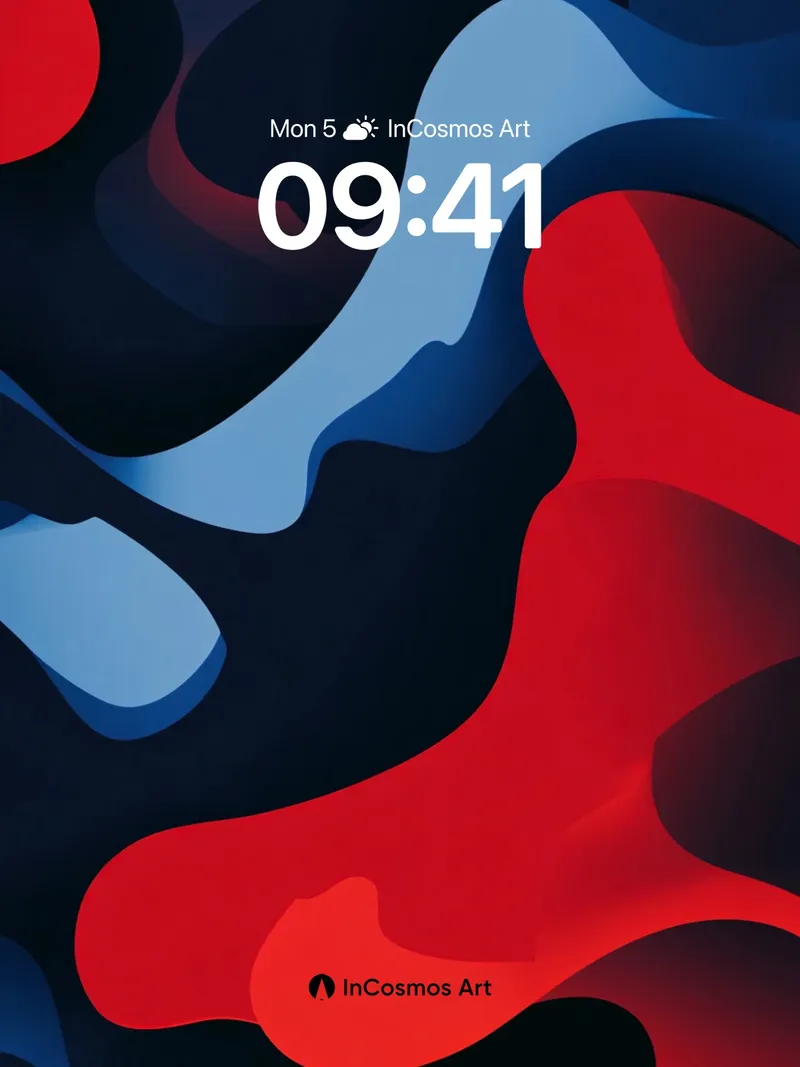
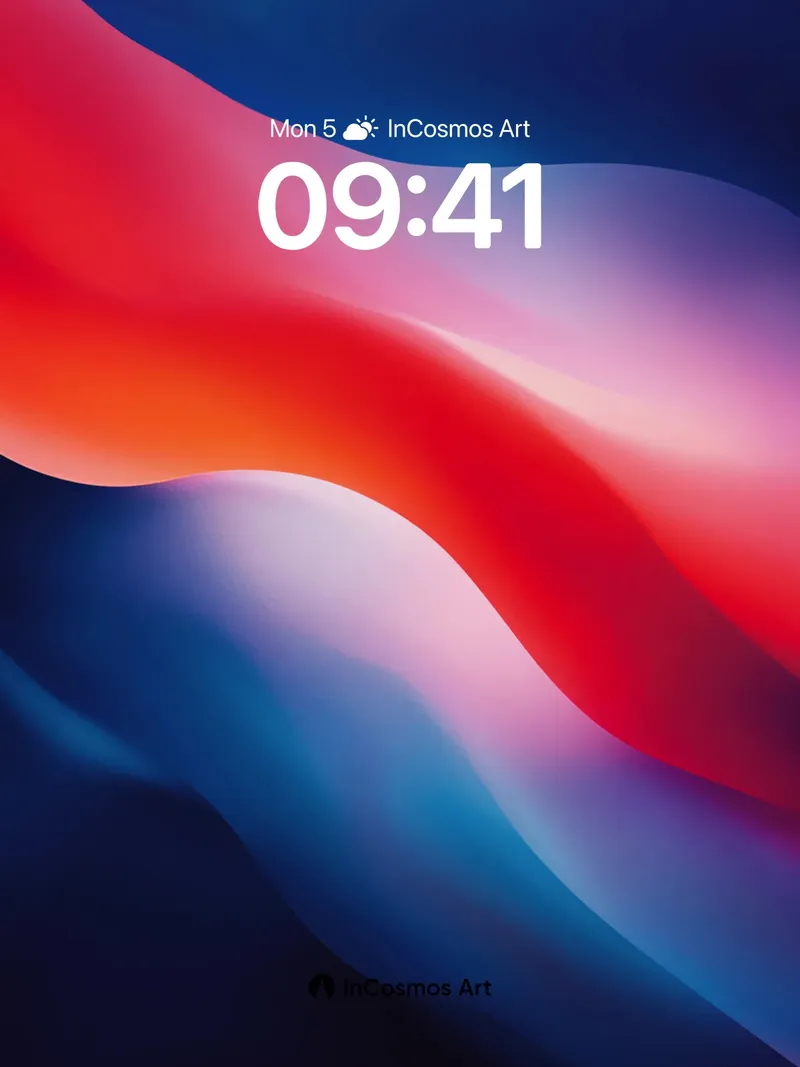
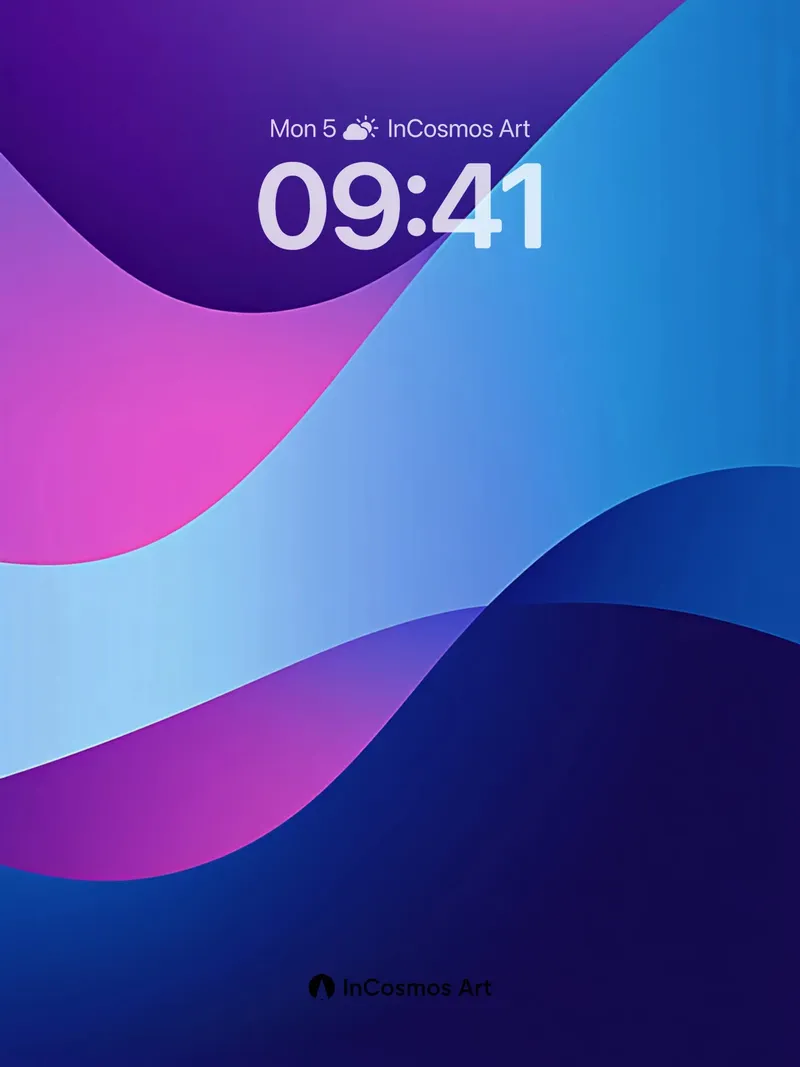
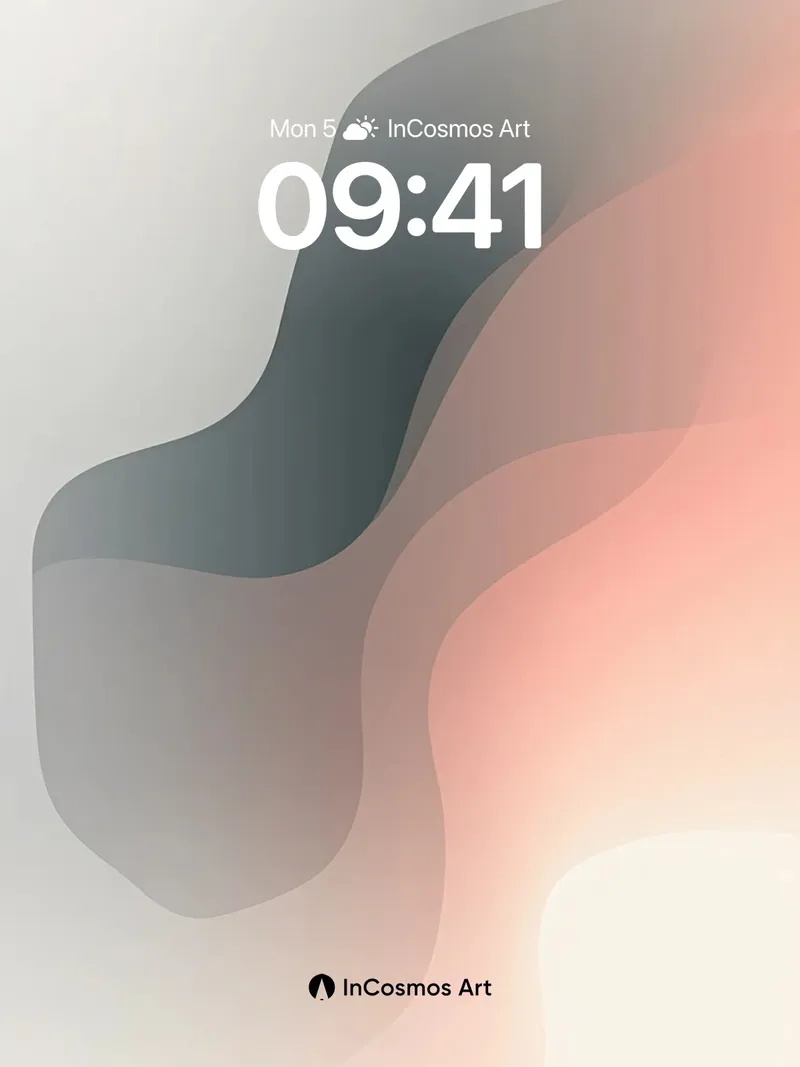
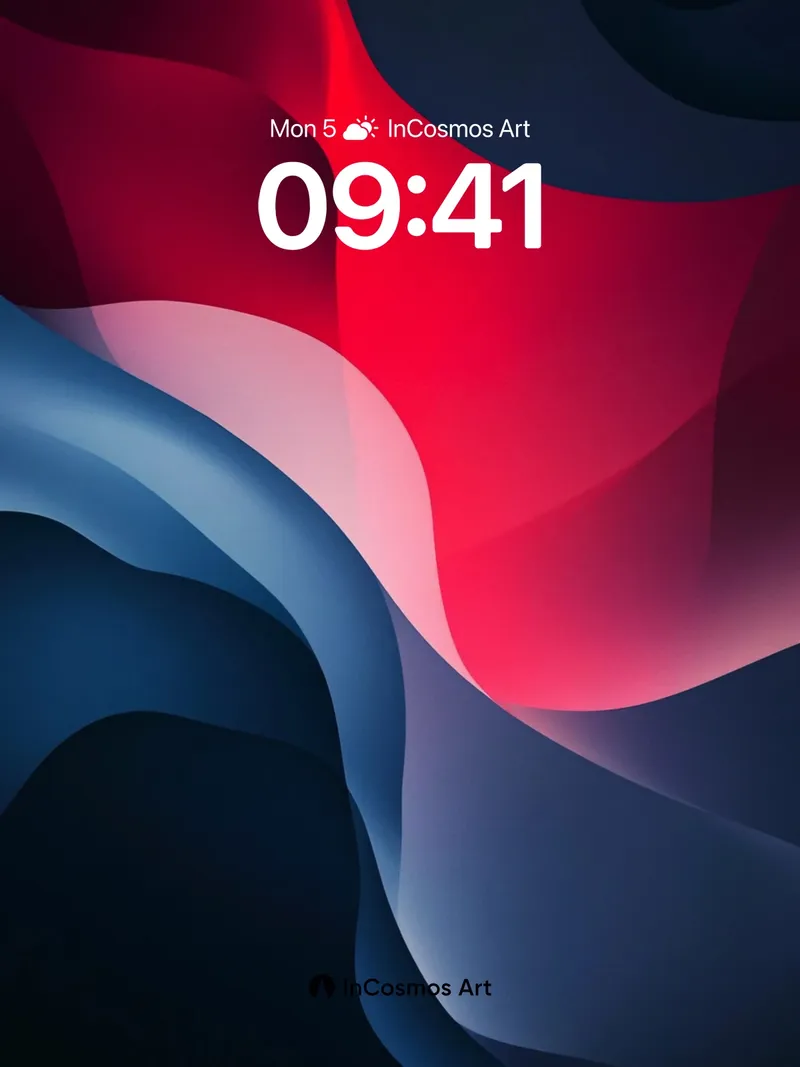
Colors drift through space like memories echoing in the depths of consciousness. They do not form concrete objects, yet their layered wave-like structures convey inner tension. These forms are never static, constantly transforming as if responding to an unseen rhythm. Red and blue intertwine, shadows and glows alternate, creating a visual language both familiar and alien. This language relies on no symbols, yet reaches directly into emotional core—it speaks not of events, but of states: solitude, longing, conflict, fusion. In the digital age, people increasingly rely on visuals to express selfhood, and abstract forms have become new vessels of identity. They require no explanation, yet evoke resonance instantly. This resonance stems from shared sensitivity to form, not interpretation of content. When individuals encounter such forms, they often project personal experiences and emotions, turning them into containers for private narratives. The flow of color suggests non-linear time, where past and future converge. This is not merely aesthetic experimentation, but psychological reflection. Modern humans habitually compress complex feelings into images, which in turn reshape perception. Abstract forms thus cease to be mere decoration—they become cognitive tools. They help understand what cannot be spoken, offering a communication path beyond language.
Topology of Emotion
The distribution and density of colors form emotional maps. Deep red signifies suppression, pale white denotes release, while blue occupies the middle ground—both calm and melancholic. These zones do not exist in isolation; they seep into one another, boundaries blurred. This structure mirrors human psychology’s complexity—emotions are never singular, but layered outcomes. When the visual system registers this stratification, the brain automatically activates associative mechanisms. No explicit direction is given, yet broader cognitive processes are triggered. This is the power of abstract art: it does not offer answers, but poses questions.
Reconstruction of Identity
In a context dominated by social media, personal image increasingly depends on visual symbols. Yet true identity resists definition through labels. Abstract forms provide an alternative: they do not declare what they are, but show how to exist. Through fluid contours and gradual color gradients, they present a dynamic self. This self rejects fixity, always in process of becoming. When users select such backgrounds, they are choosing a lifestyle attitude—embracing uncertainty, accepting change.
Meditation in the Digital Age
As screens become central to daily life, static imagery no longer satisfies spiritual needs. Flowing colors introduce subtle motion, drawing attention inward. Though silent, this design creates a meditative space. Viewers gradually relax during contemplation, thoughts clarifying. It is not escape from reality, but creation of a transitional state—between wakefulness and introspection. In fast-paced society, such brief pauses hold healing value.
Form as Meaning
In contexts devoid of textual explanation, form itself bears full expressive weight. The rise and fall of curves, contrast of light and dark, arrangement of color blocks—all construct a self-contained world. This world operates under visual logic, not physical laws. It invites viewers into an imagined realm where meaning can grow freely. This openness ensures each viewing becomes a unique experience.