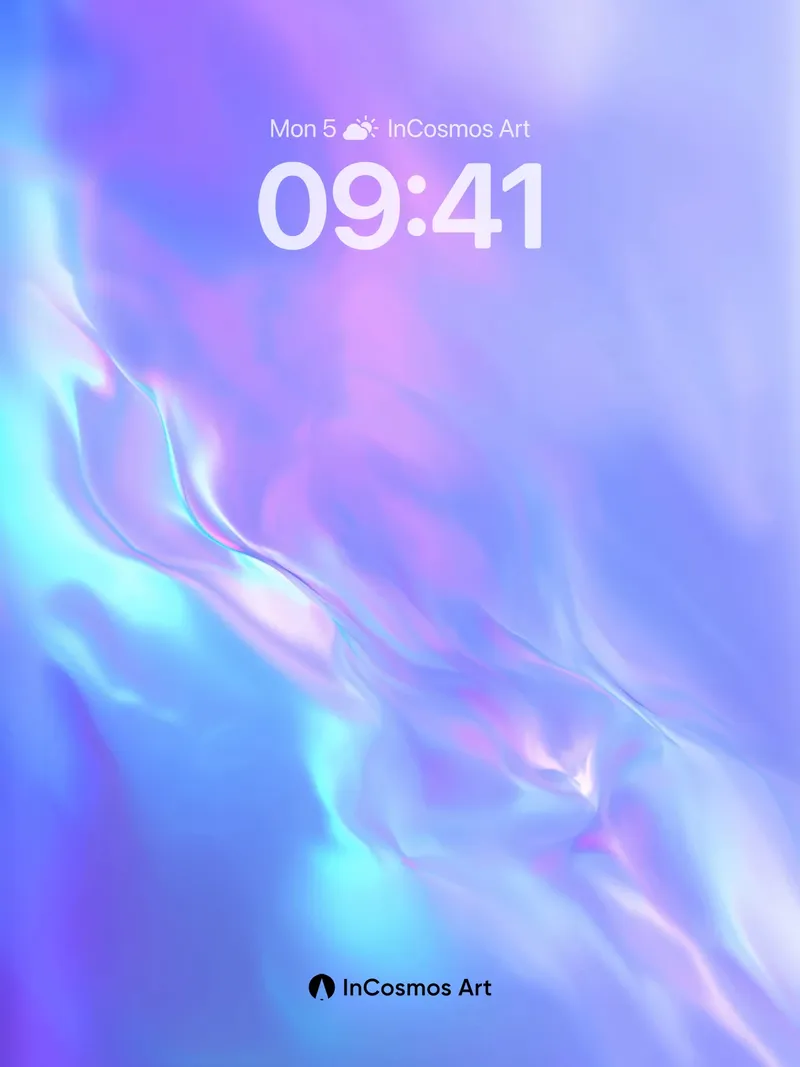
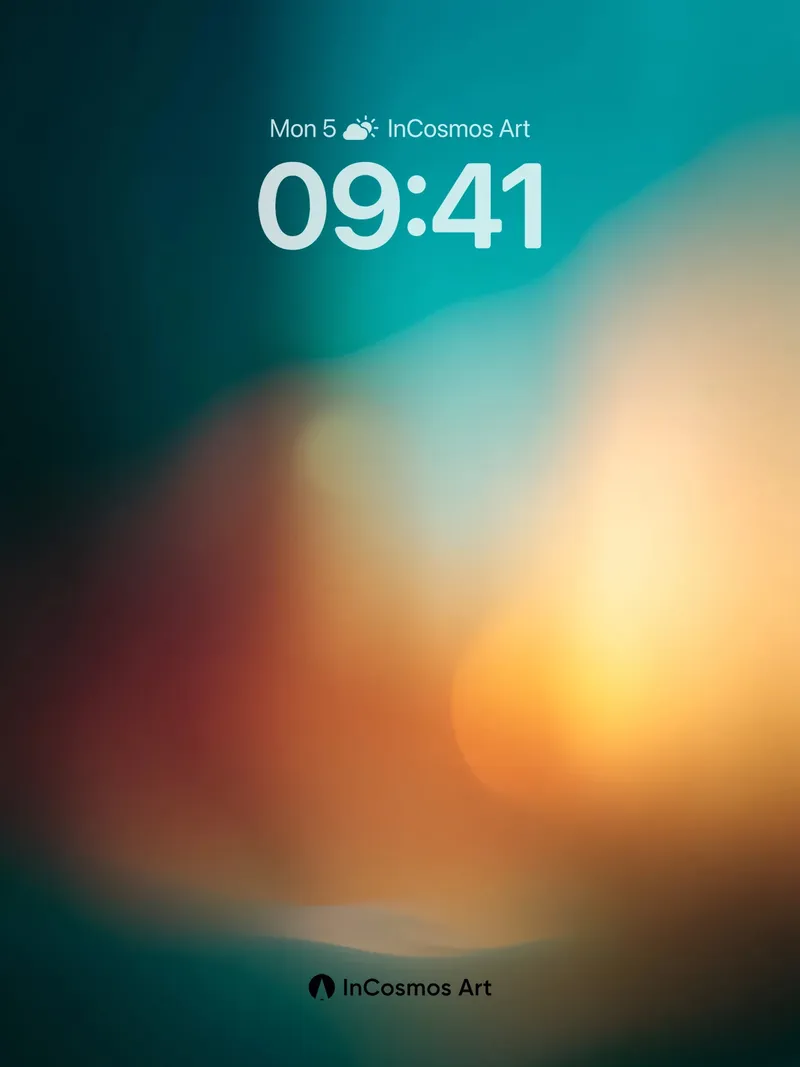
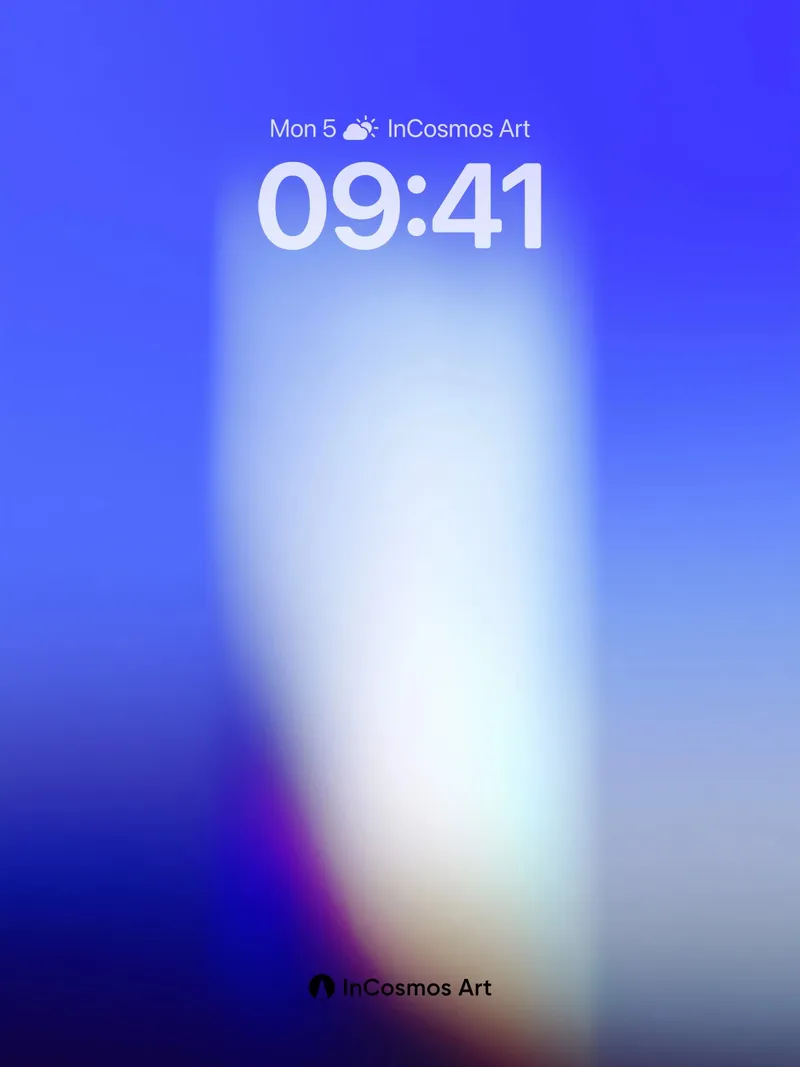
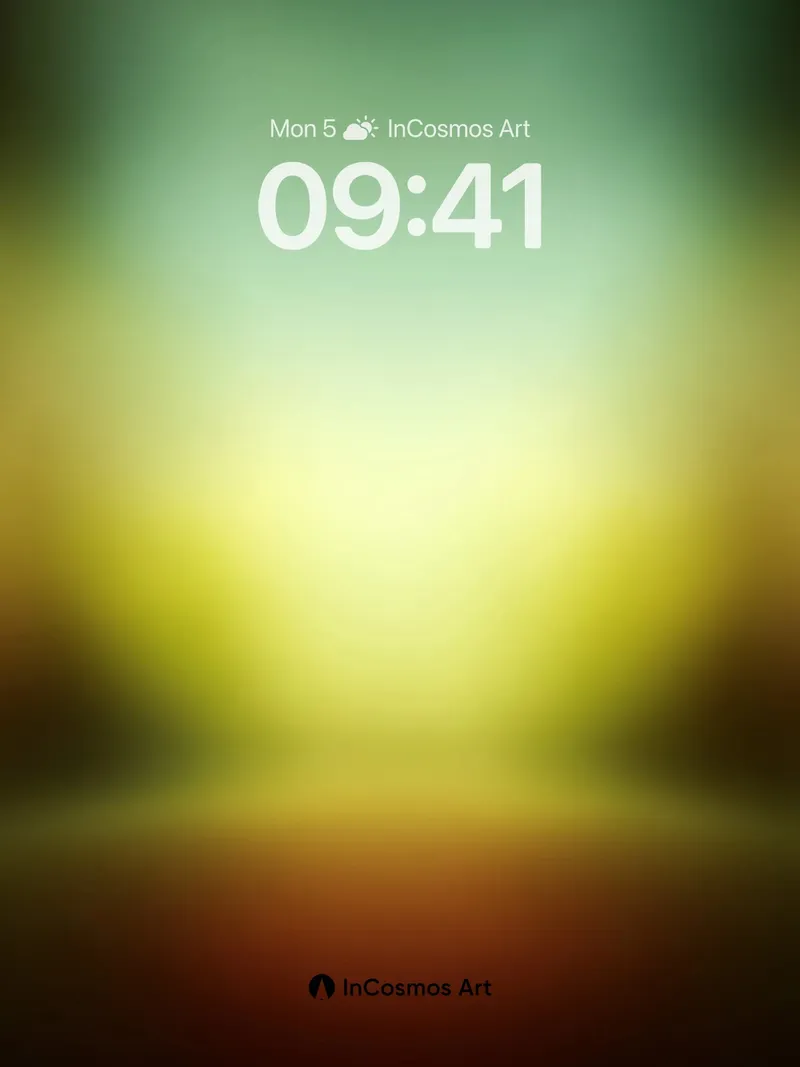
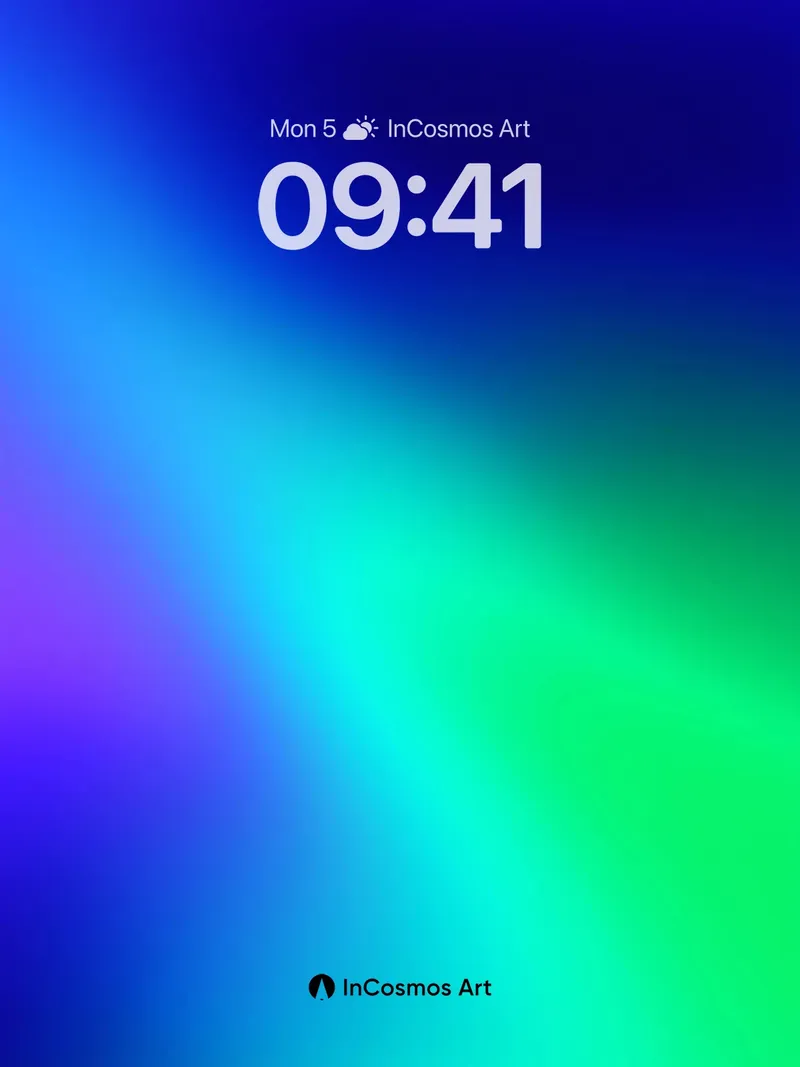
Colors migrate silently through space, resembling traces of memory emerging deep within consciousness. Each gradient layer is not a random overlay but a visual manifestation of emotional rhythm. The transition from deep purple to warm orange resembles an unfinished farewell; the interweaving of blue and green ripples mimics the fluctuating frequency of minds in the digital age. These non-representational forms do not point to any concrete object yet precisely capture the inner state of contemporary individuals facing information overload—yearning for connection while seeking detachment. They are not landscapes nor symbols, but topologies of emotion. Against the backdrop of accelerating urban life, such visual languages serve as psychological buffers, offering brief moments of meditation.
Spectrum of Emotion
The arrangement of colors is not arbitrary; their sequence carries psychological implications. The combination of magenta and shadow evokes introspection and contemplation, while bright blue and white light convey hope and openness. This contrast creates a dynamic equilibrium, echoing the daily oscillation of modern individuals between anxiety and tranquility. When the visual system receives soft transitions, the brain automatically reduces alertness, entering a low-friction cognitive state. This explains why abstract gradients are widely adopted in digital interfaces—they do not interrupt attention but instead guide it inward.
Minimalist Philosophy in Design
Modern design leans toward eliminating redundancy and emphasizing essence. The use of abstract color reflects this trend: no narrative, no figures, no scenes—only the flow of hues constructs meaning. This minimalism is not emptiness but uses negative space to stimulate viewers' imagination. In smartphones, operating systems, and brand visuals, such patterns have become a universal language, transcending cultural differences and directly engaging the perceptual system. Their mere presence makes a statement: a complex world demands simple responses.
Silent Rituals of the Digital Age
In an environment of information explosion, people increasingly rely on minor sensory experiences to rebuild inner order. These color compositions offer more than just backgrounds; they constitute micro-rituals—a breath adjustment each time a device is activated. Unlike photographs that tell stories or texts that give instructions, they invite users to pause, observe, and feel through pure visual rhythm. This passive engagement is precisely one of the rarest abilities in modern life: allowing oneself to exist without having to act.