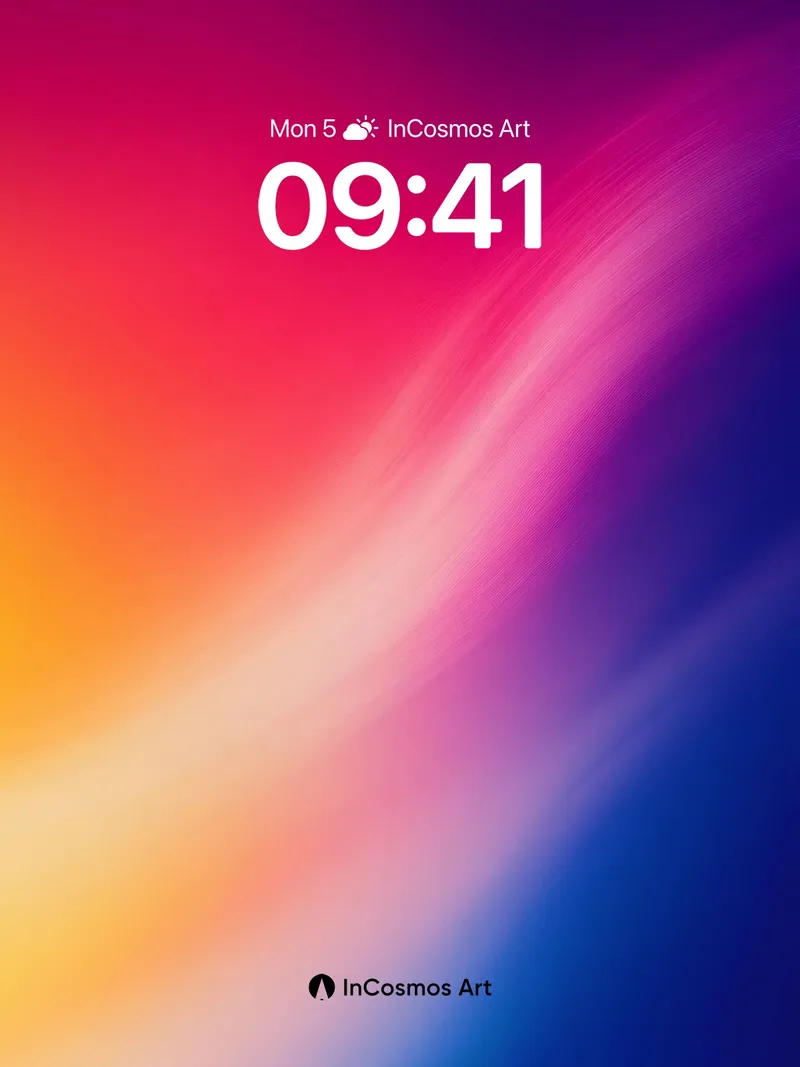
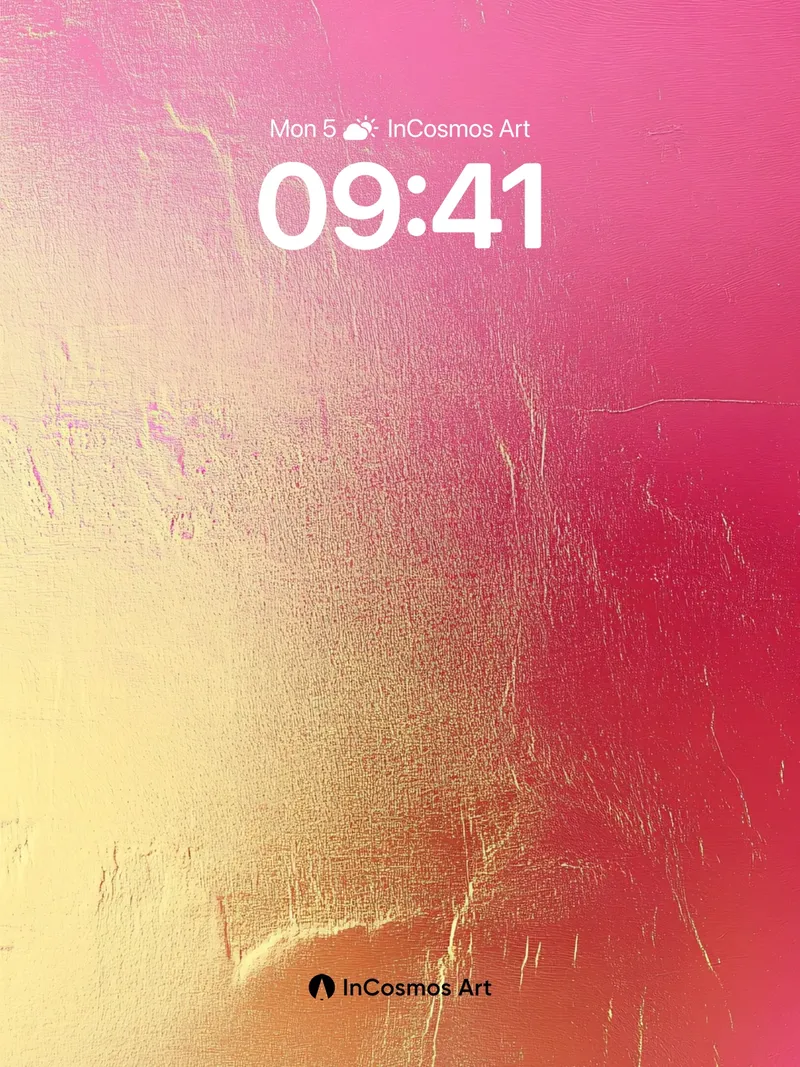
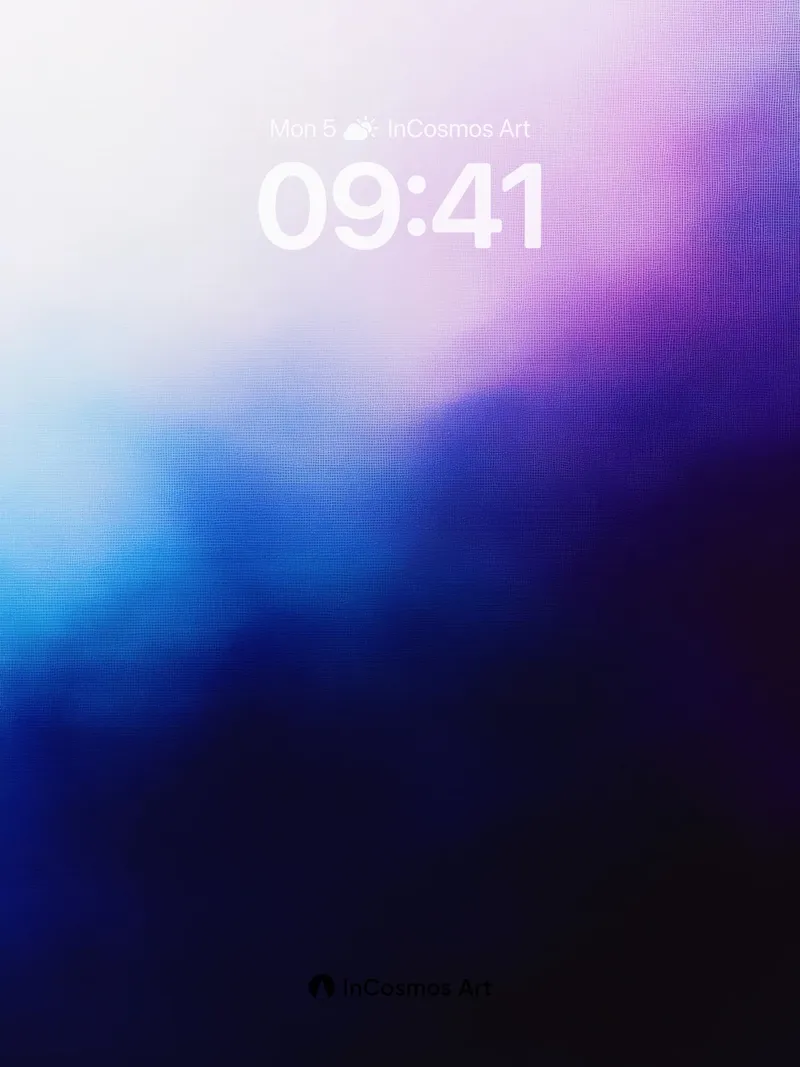
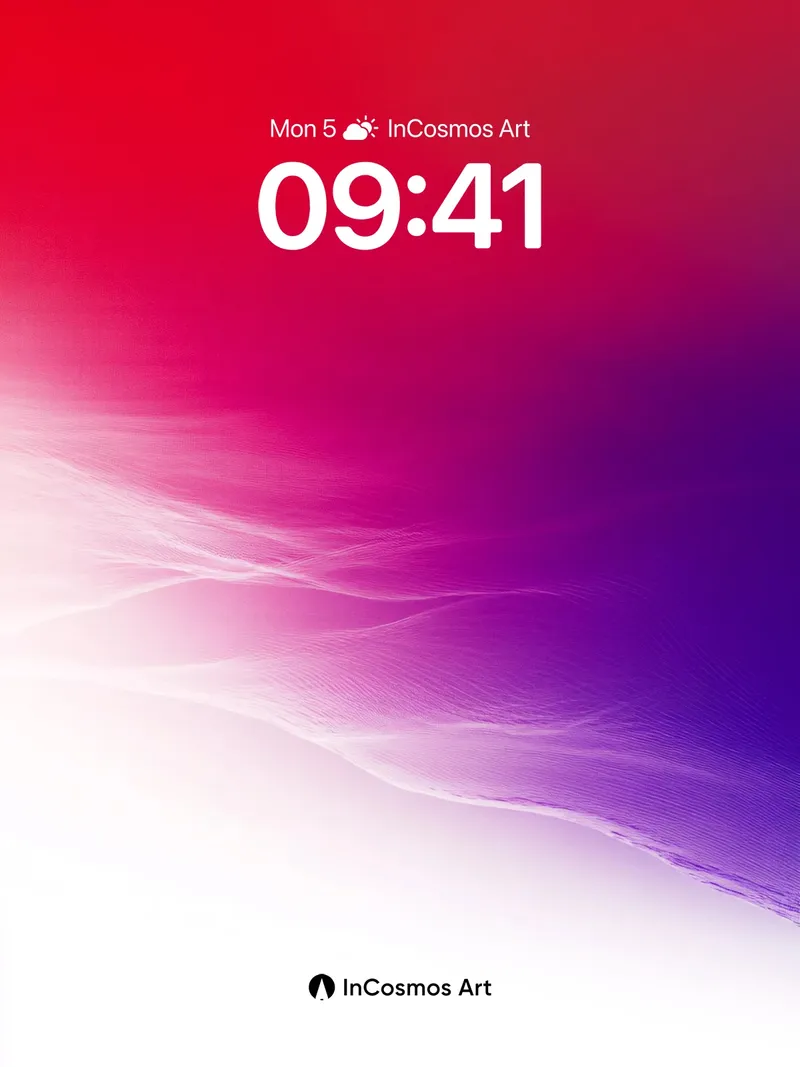
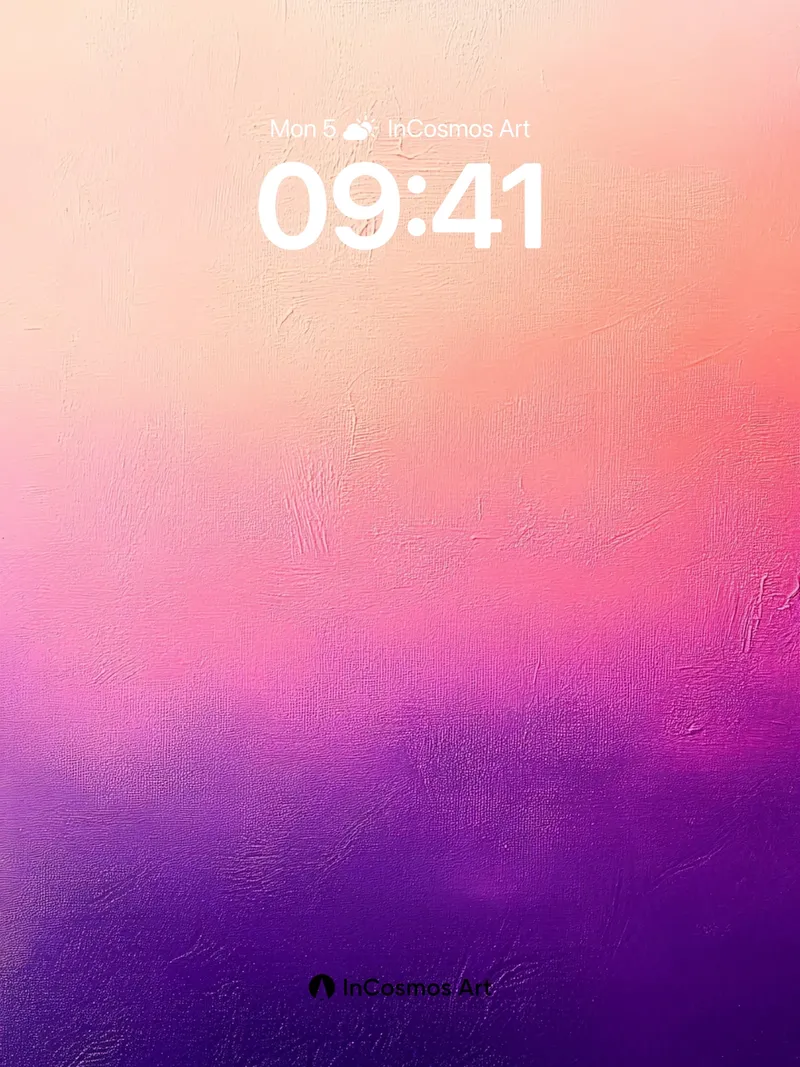
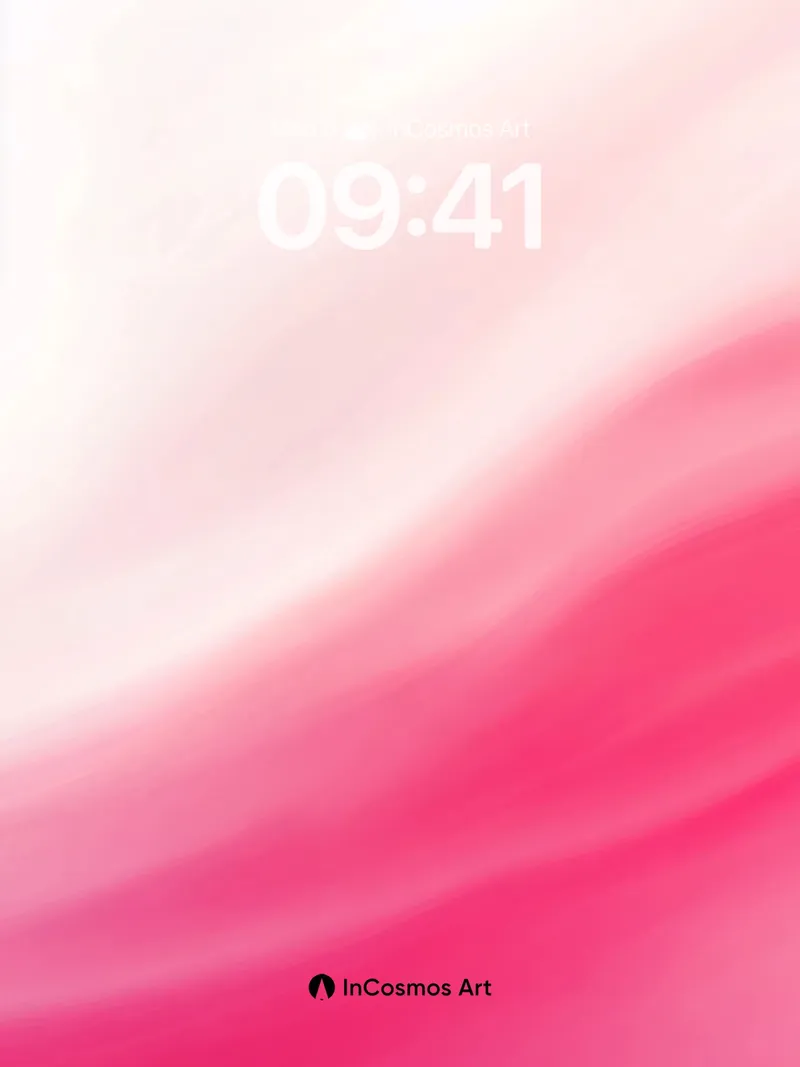
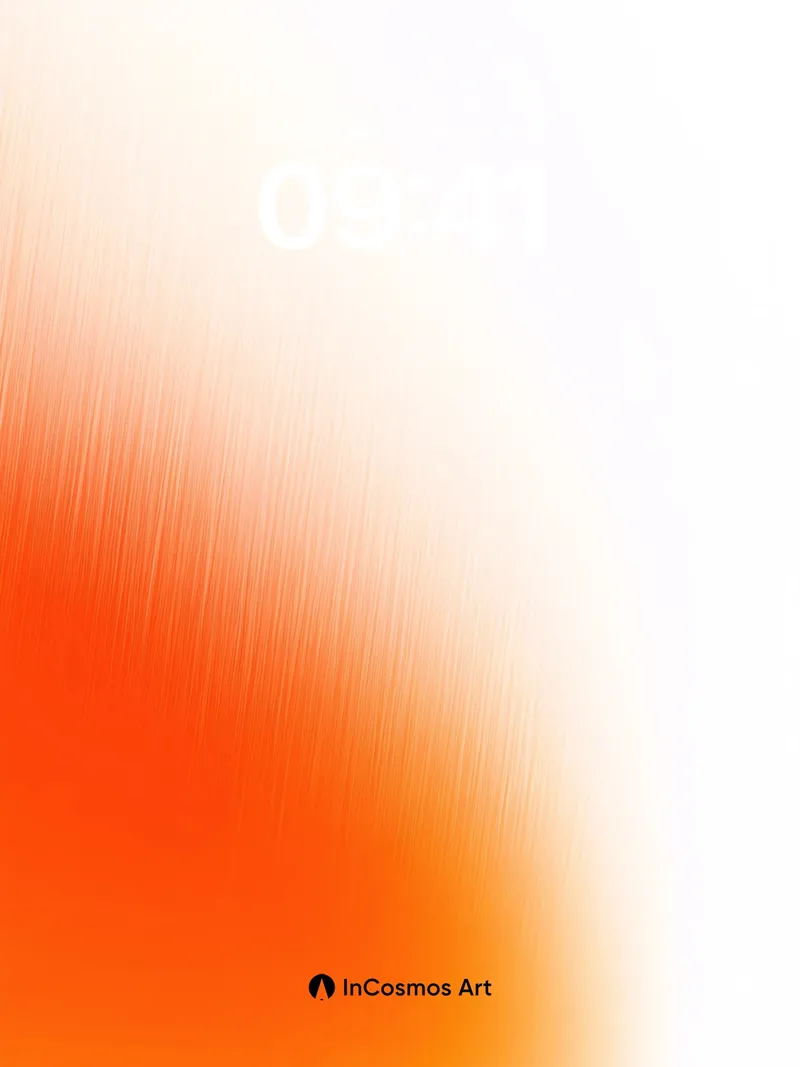
Light moves through space, colors dissolve at boundaries. No concrete forms, only layered gradients and soft transitions, as if emotions spread silently. These flowing hues are not randomly arranged but follow an internal rhythm, akin to breath, tides, or heartbeat frequencies. They are not landscapes, objects, or figures, yet carry a familiar resonance—fragments of unnamed feelings buried deep in memory. When the visual system detects the boundary between red and purple, blue and pink, the brain automatically triggers associative mechanisms, linking them to dusk, solitude, longing, or stillness. This non-representational expression activates shared sensory memories, allowing individuals to find belonging within formless structures.
Metaphor of Perception
The flow of color is inherently a metaphor for perception. Without text, images, or symbols, humans still interpret information from hue density, direction, and luminance. The expansive intensity of red suggests energy release; the depth of purple points toward introspection. Warm orange often connects to comfort, while cool blue evokes distance and calm. These responses are not culturally constructed but rooted in neural primitives. Modern design leverages this intuition, transforming abstract forms into emotional vessels, enabling unconscious affective projection.
Topology of Emotion
Each color combination constructs an emotional topology. Pink interwoven with gold signifies hope and tenderness; the transition from deep violet to white presents sorrow and purification side by side. These structures lack narrative logic yet possess profound emotional penetration. They resemble sound spectra—intangible yet perceptible by the mind. Contemporary art and digital media exploit this trait, creating experience fields that require no explanation, inviting users into self-reflection through immersion.
Abstraction as Language
Abstraction is not absence—it is another language. It discards representational function, focusing instead on the act of expression itself. When colors move fluidly, viewers cease attempting identification and enter meditative states. Such states reduce cognitive load, releasing latent emotions. In fast-paced societies, this non-goal-oriented visual encounter becomes a rare psychological resource. It offers silent refuge, allowing thoughts to drift freely without responding to external noise.
Comfort in Modernity
In an age of information overload, pure visual experience emerges as solace. These color flows carry no tasks, no commands, no demands for action. They simply exist, like natural clouds or water ripples. This existence alone holds healing properties. People gain temporary detachment through contemplation, recalibrating inner rhythms. This may be the core value of abstract aesthetics—it does not seek to change the world, but offers the mind a brief sanctuary.