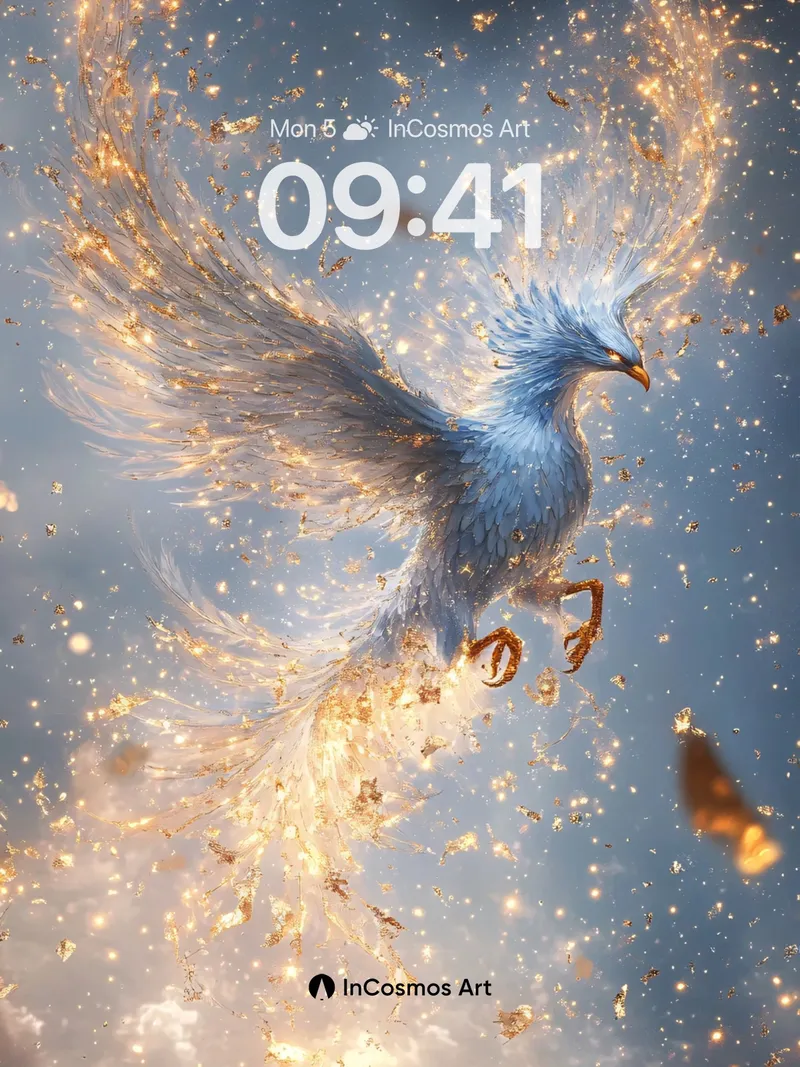
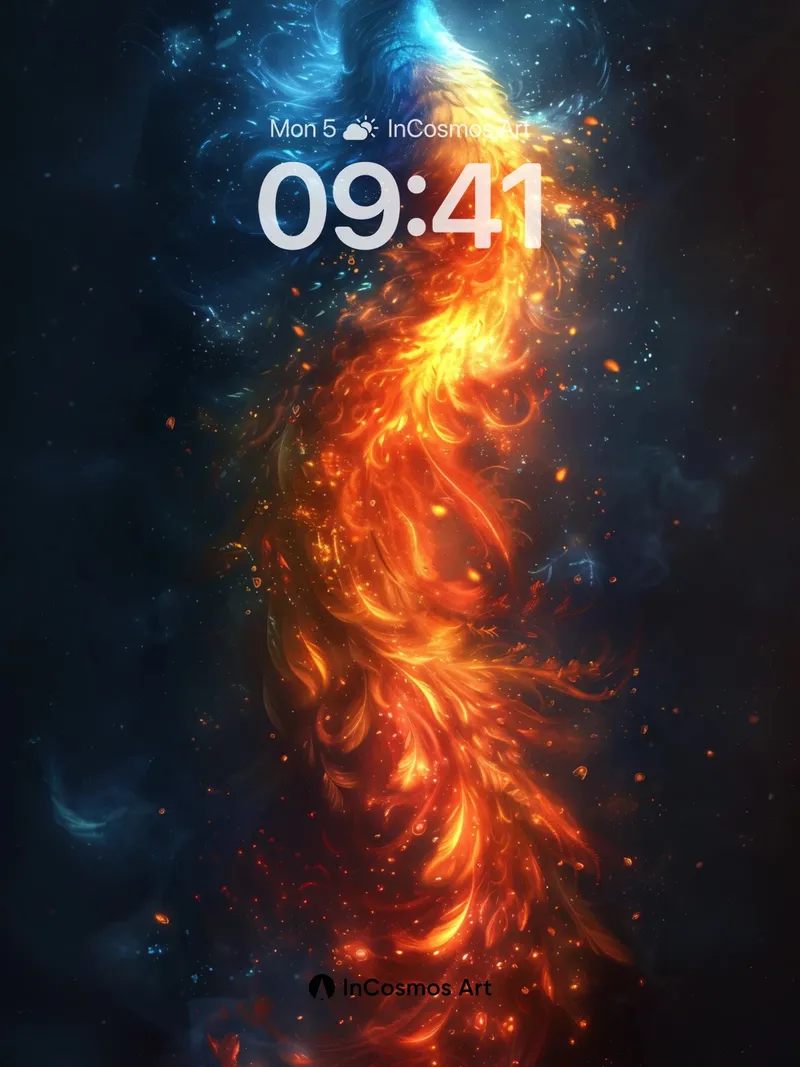
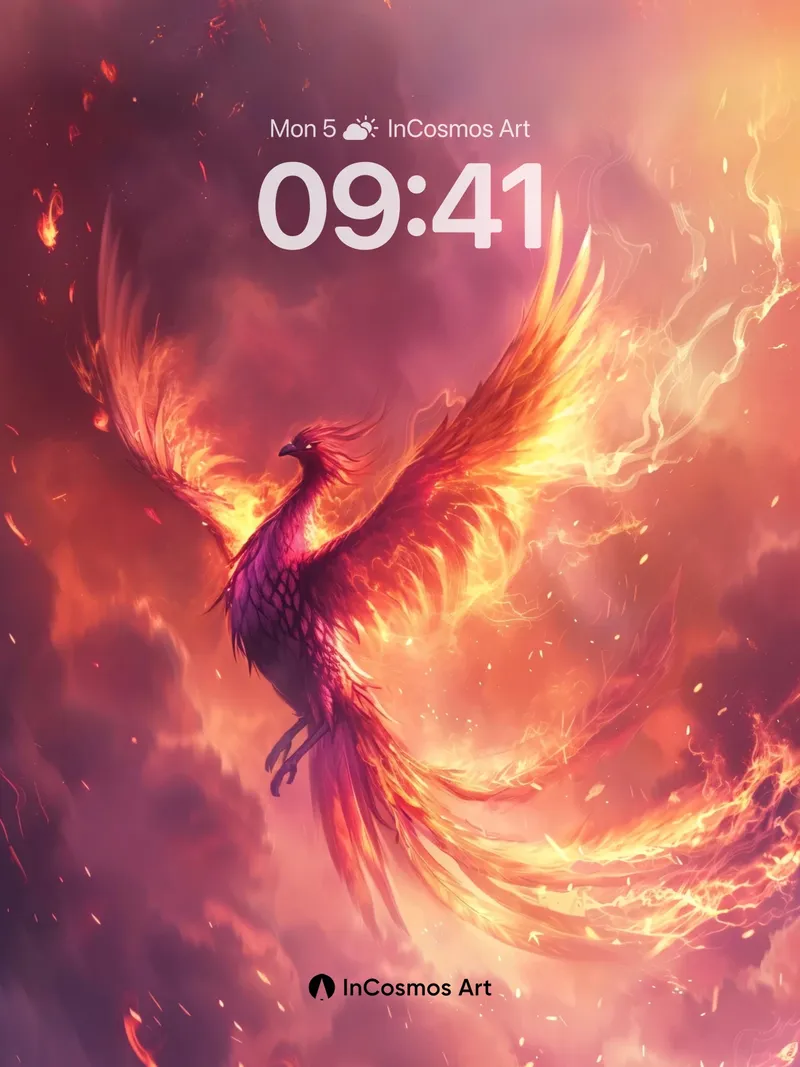
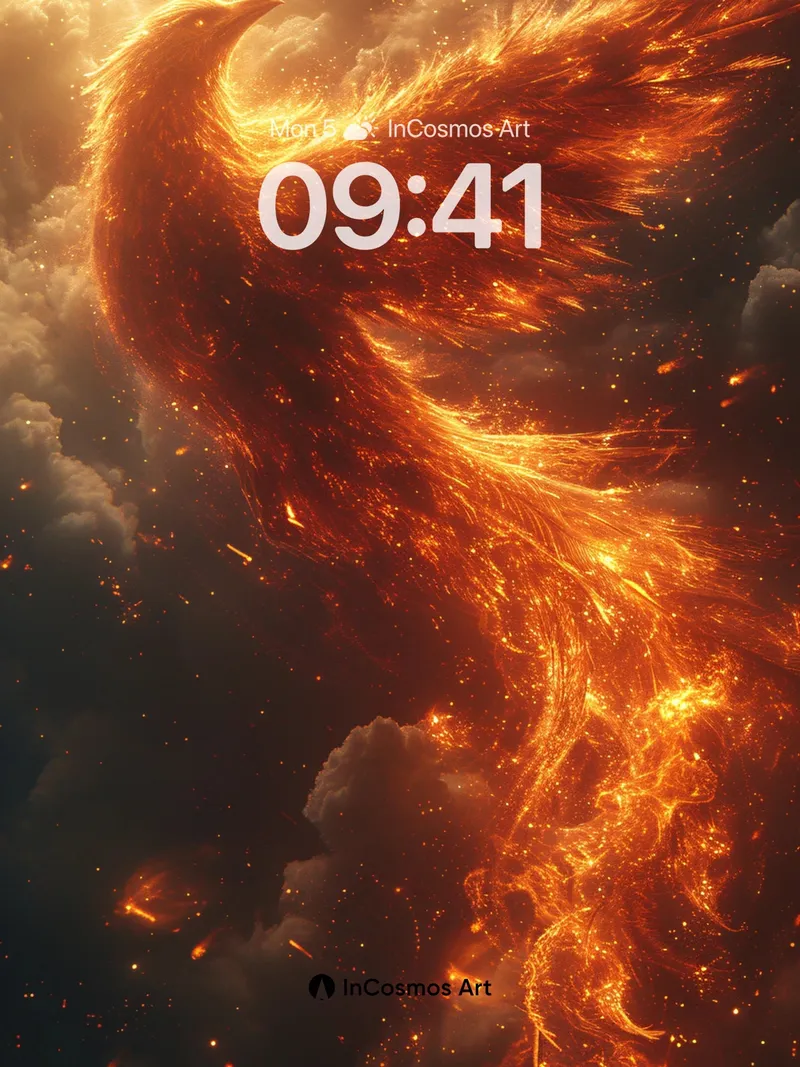
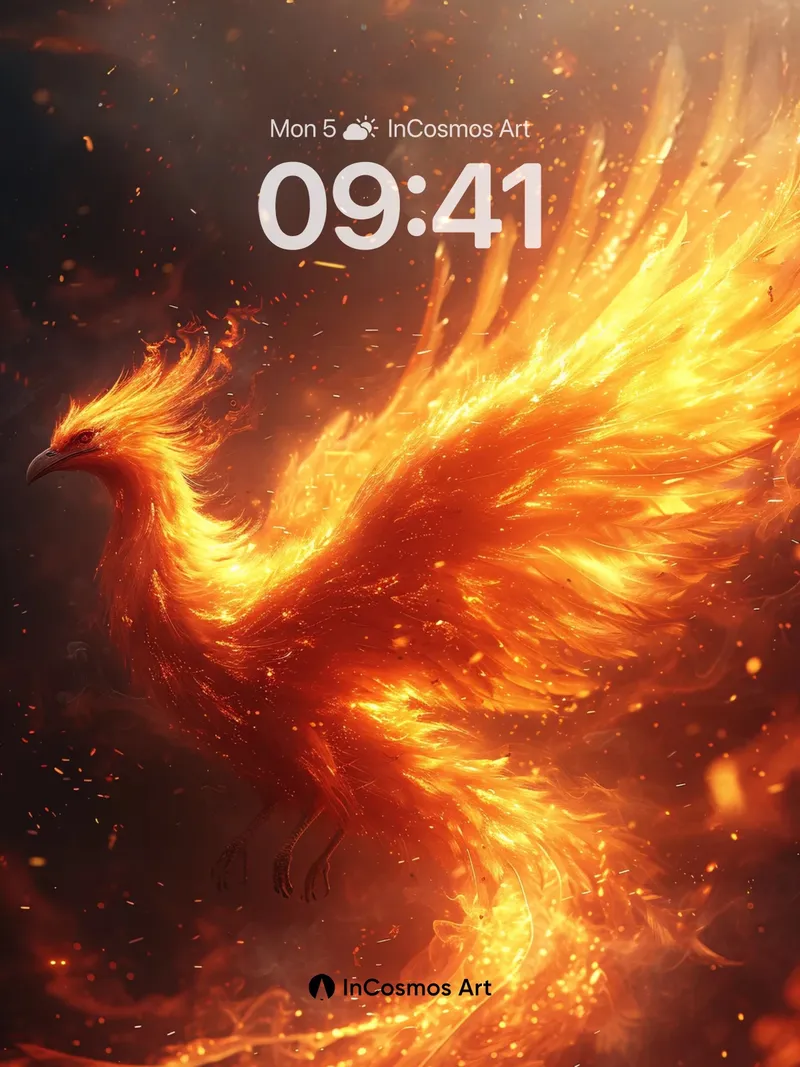
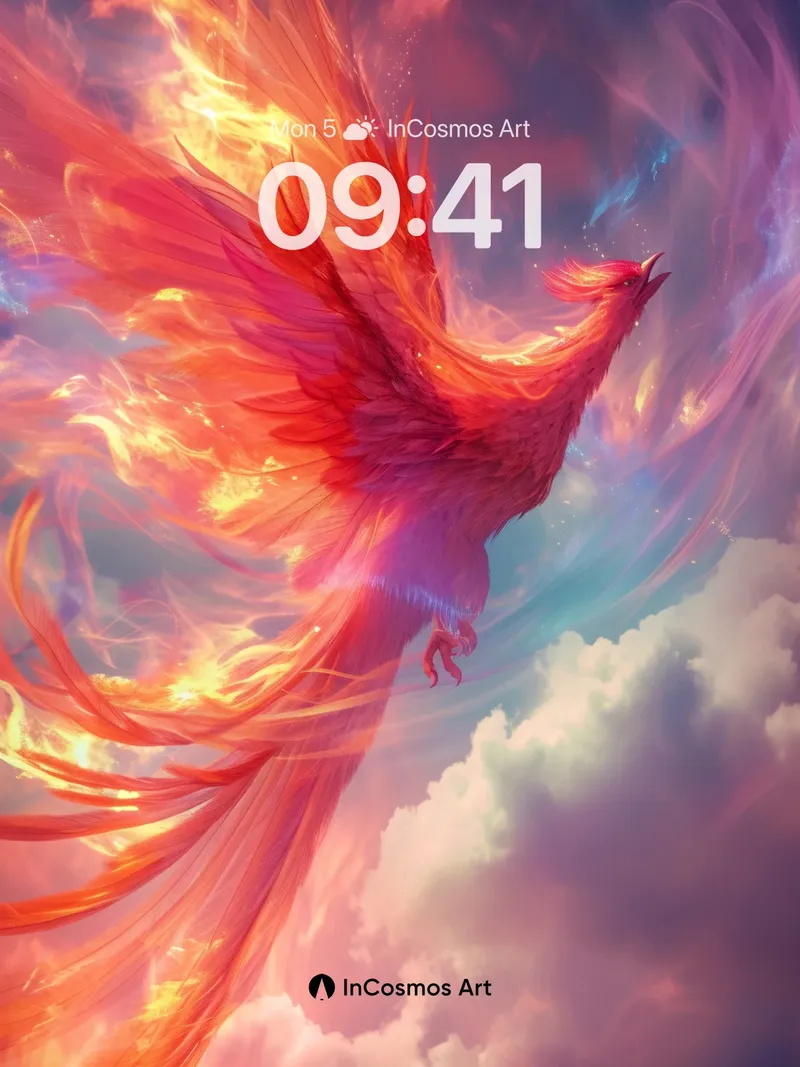
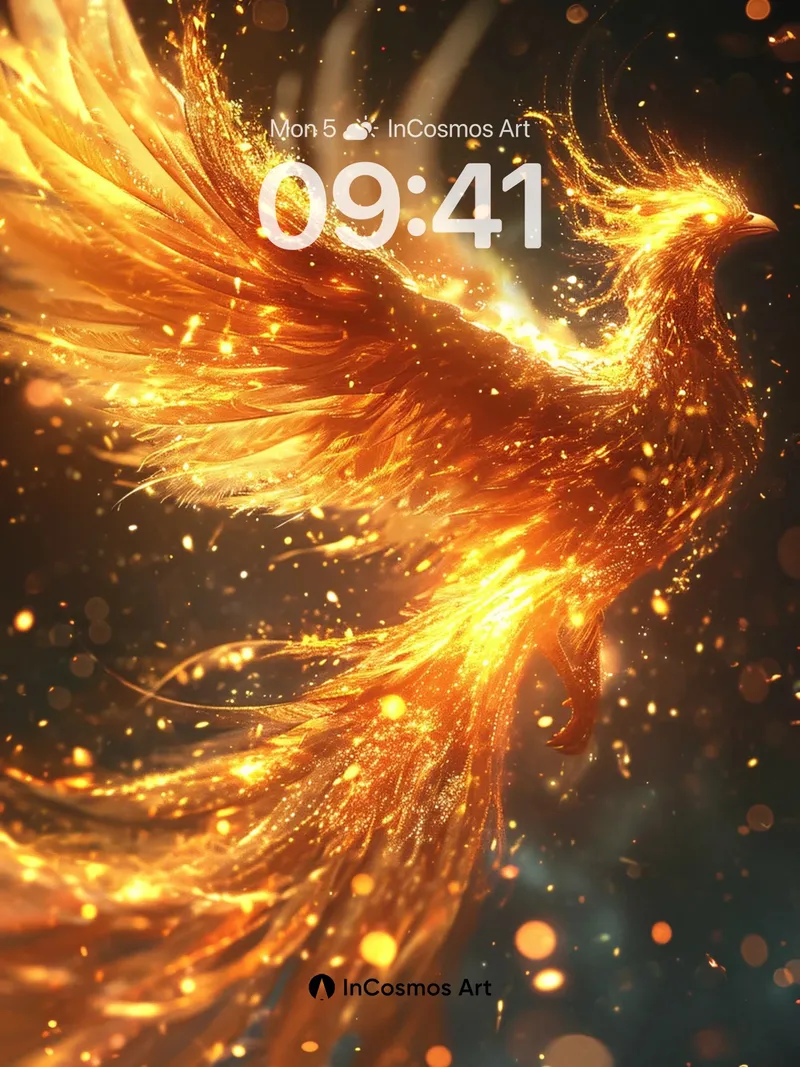
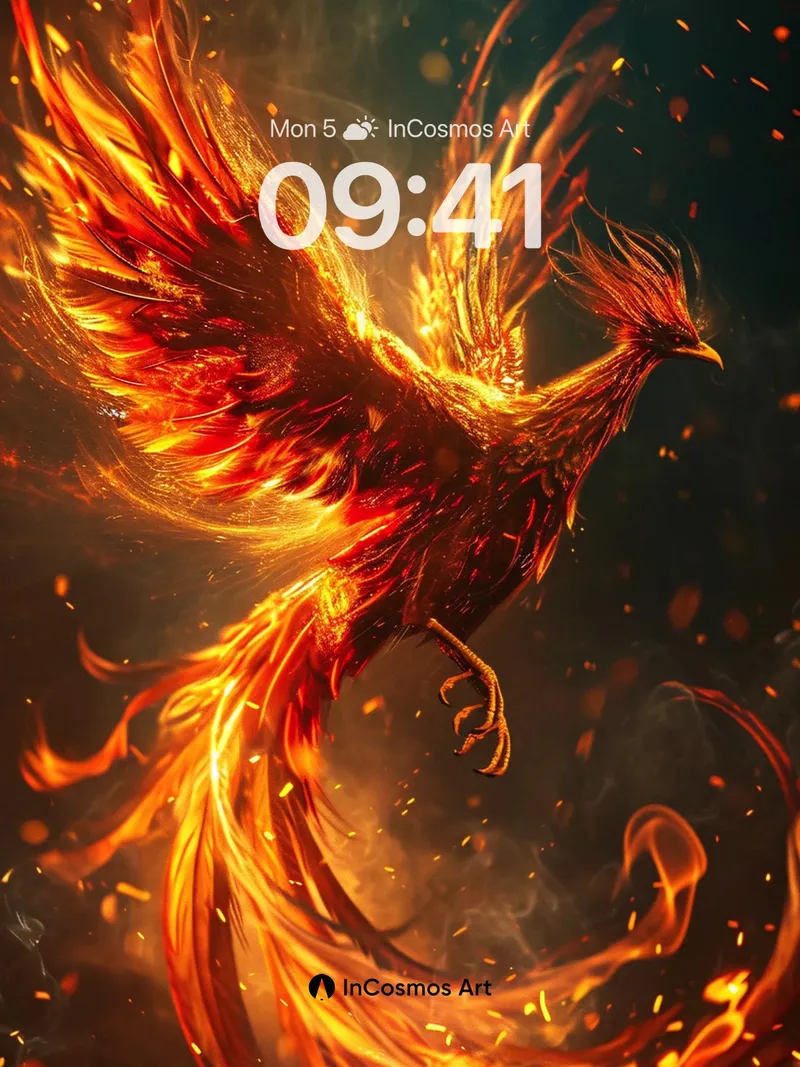
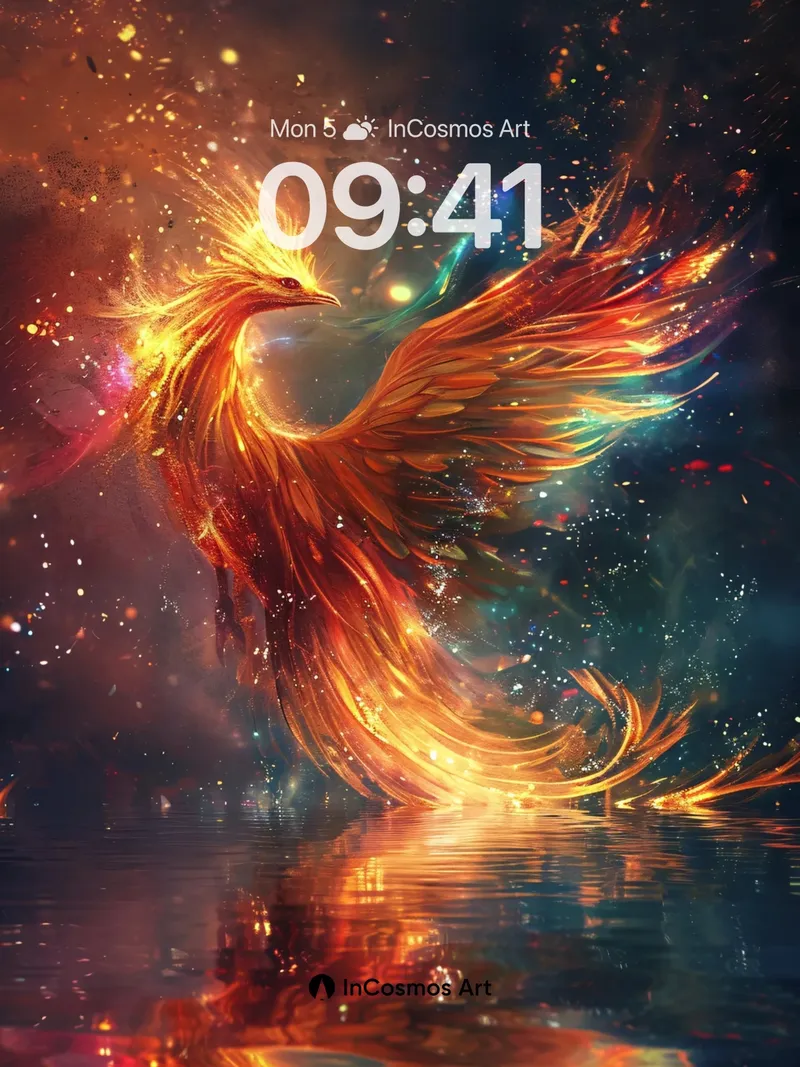
In ancient mythology, the phoenix is a creature symbolizing rebirth and eternity. Whenever the world falls into darkness, the phoenix burns itself, turning into ashes, and then is reborn from those ashes, bringing new hope and light. This endless cycle not only demonstrates the resilience and tenacity of life but also conveys a profound philosophical reflection: even in the darkest moments, rebirth is always possible.
The Symbolism of the Phoenix
The phoenix holds significant status in both Eastern and Western cultures. In the East, the phoenix is seen as a symbol of auspiciousness, representing peace, prosperity, and nobility. In the West, the phoenix is more closely associated with rebirth and immortality. Regardless of the culture, the phoenix carries people's aspirations for a better life and hope for the future.
The Philosophy of Rebirth
The phoenix's process of rebirth is, in fact, a profound exploration of the essence of life. Life is not static but evolves through continuous destruction and rebirth. This cycle exists not only in nature but also in the changes of human society. Every destruction is for a better rebirth; every end is for a new beginning.
The Pursuit of Eternity
The phoenix's eternity reflects humanity's longing for permanence. In the brevity of life, people always hope to leave behind something eternal, whether it be art, literature, or thought. The phoenix's rebirth is a concrete expression of this pursuit. Through continuous self-renewal, the phoenix achieves a form of eternity.
Modern Implications
In modern society, the myth of the phoenix still holds significant implications. Facing a rapidly changing world, people need to possess the ability to renew themselves, just like the phoenix. Only through continuous challenges and transformations can new ways of survival be found, achieving progress for both individuals and society.