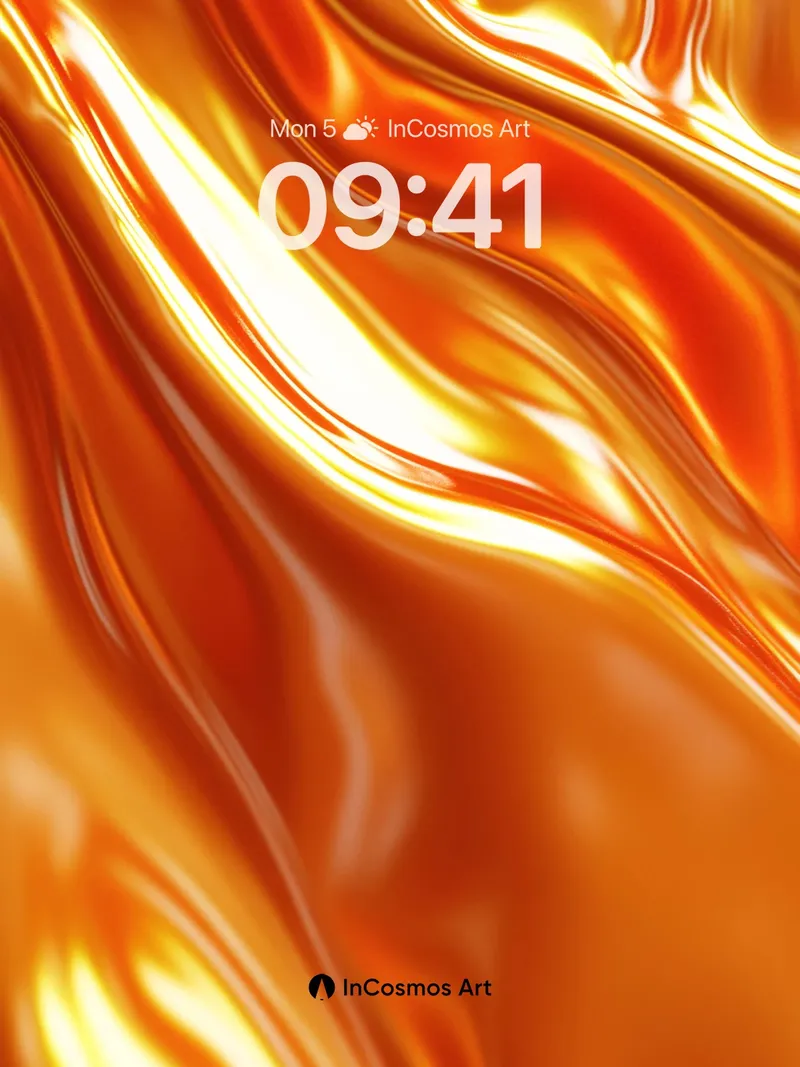
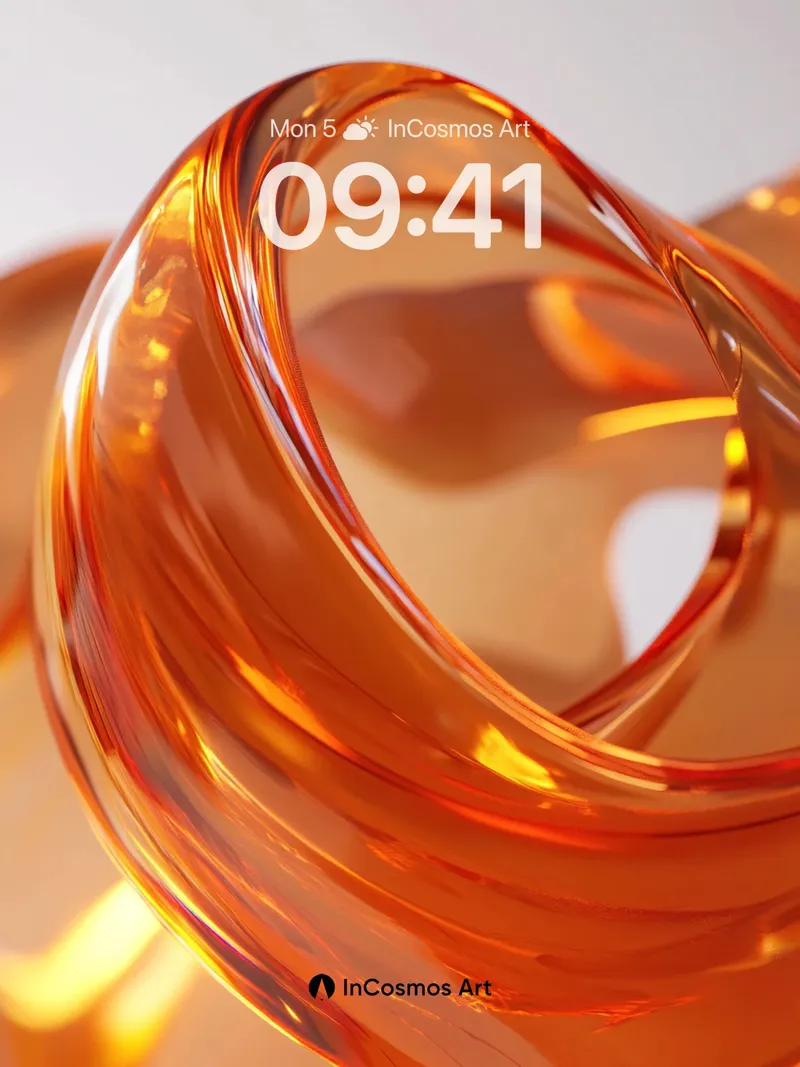
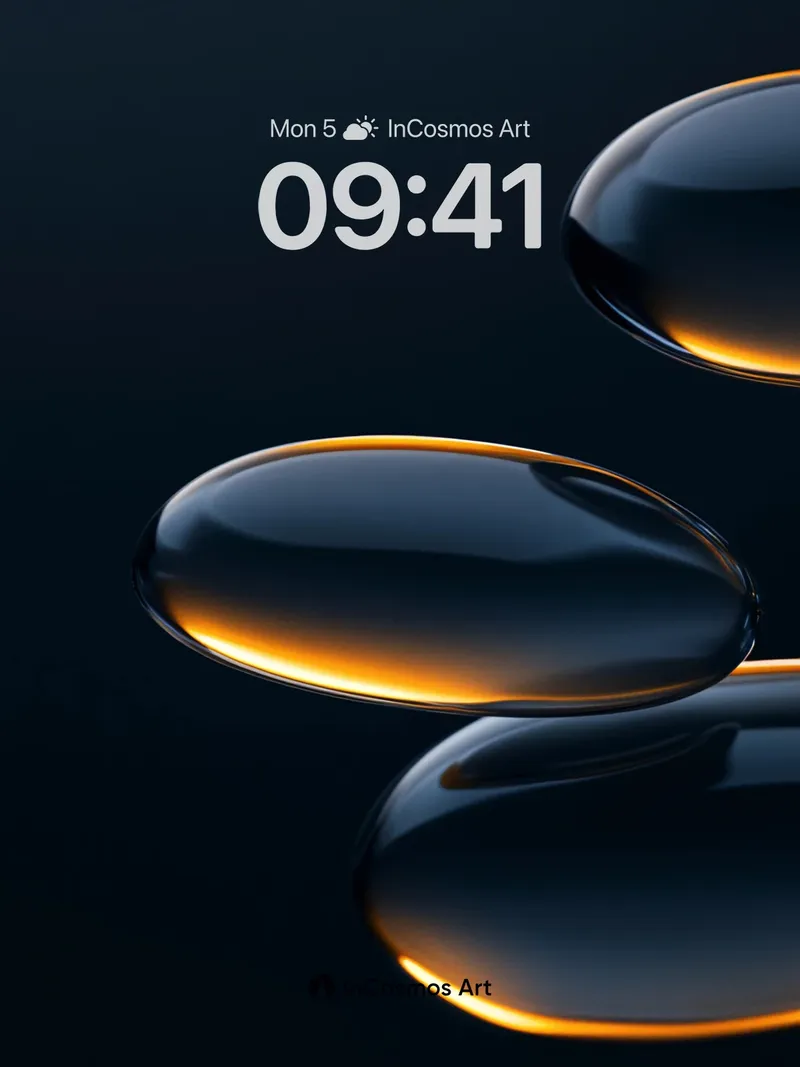
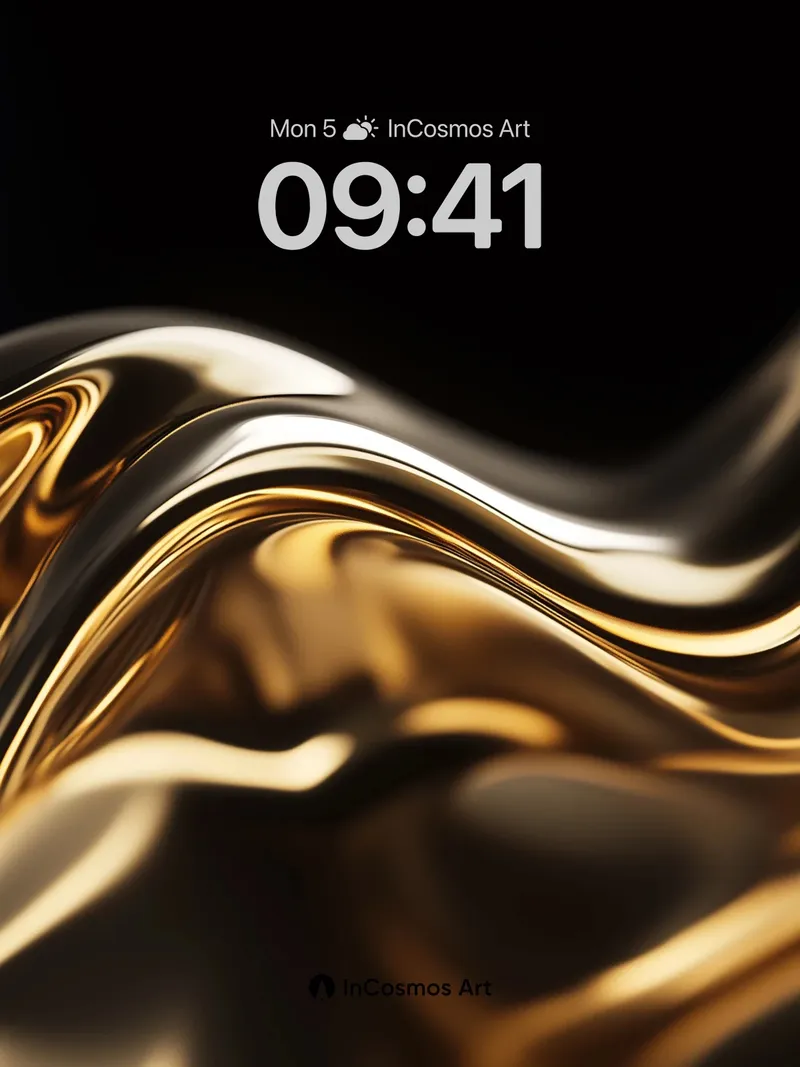
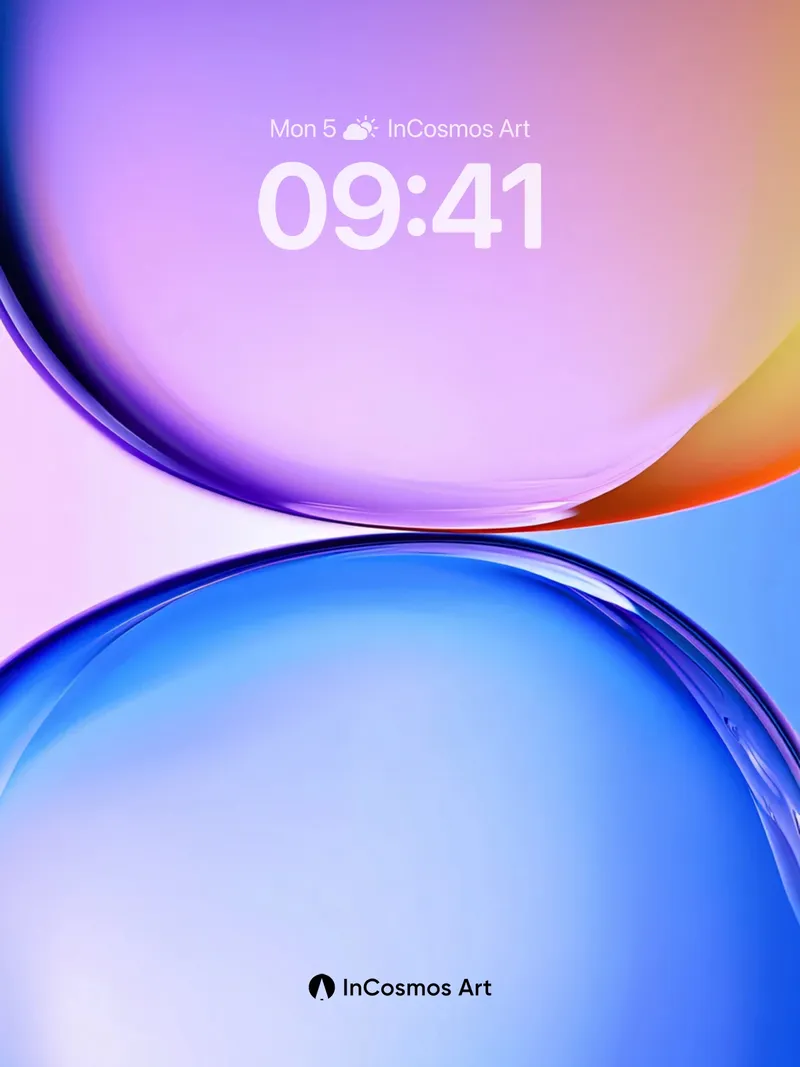
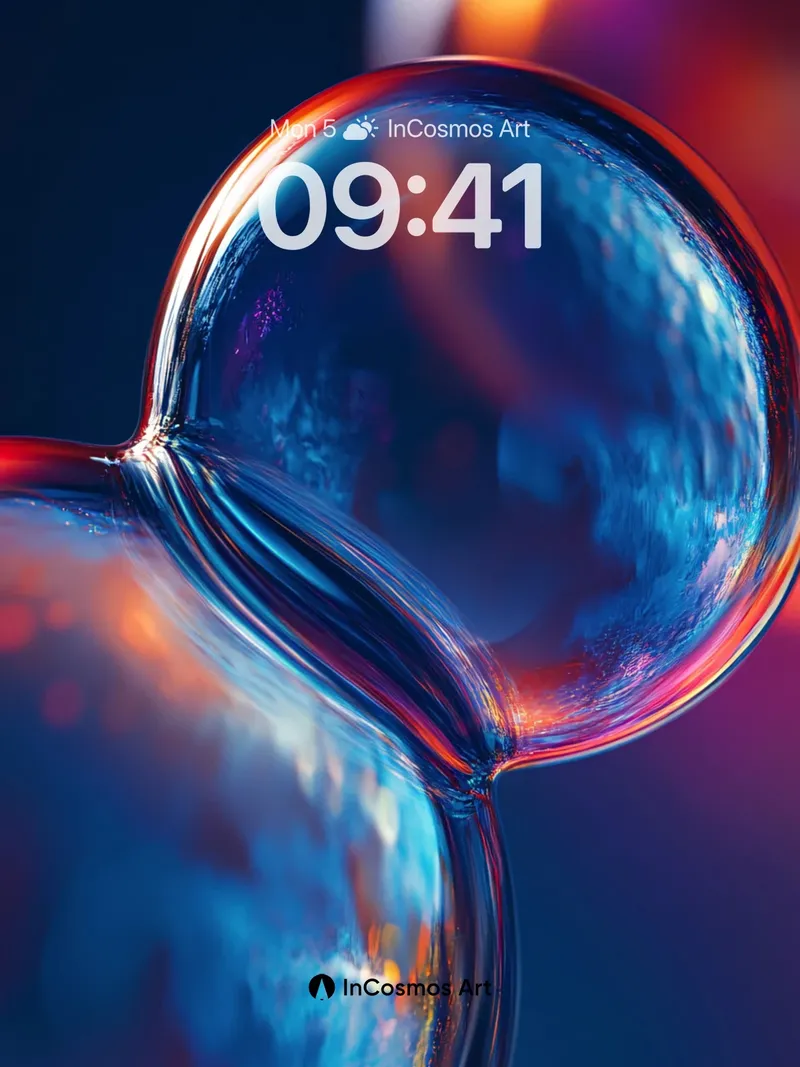
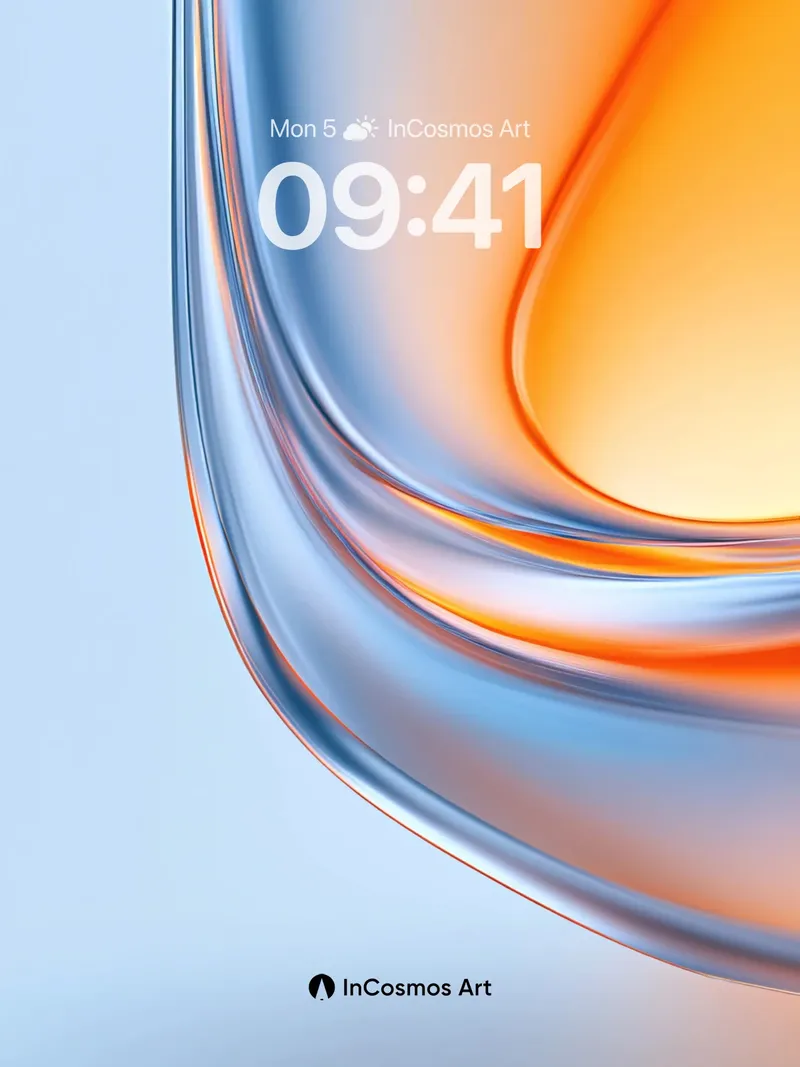
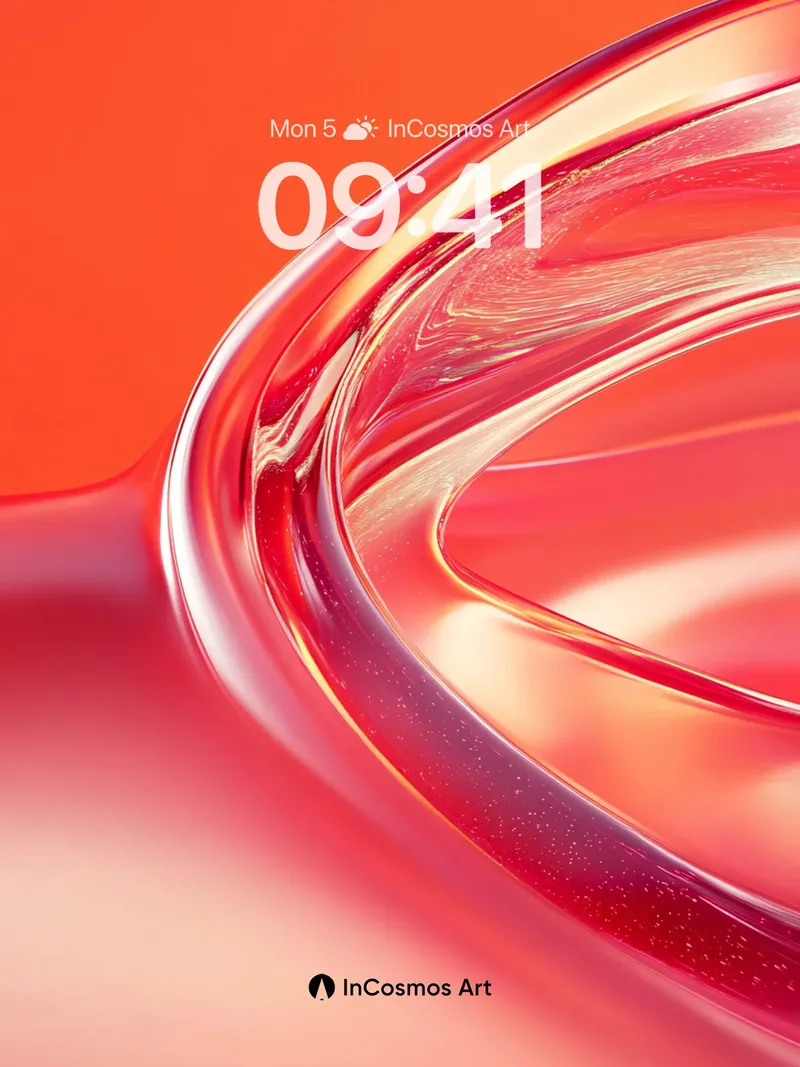
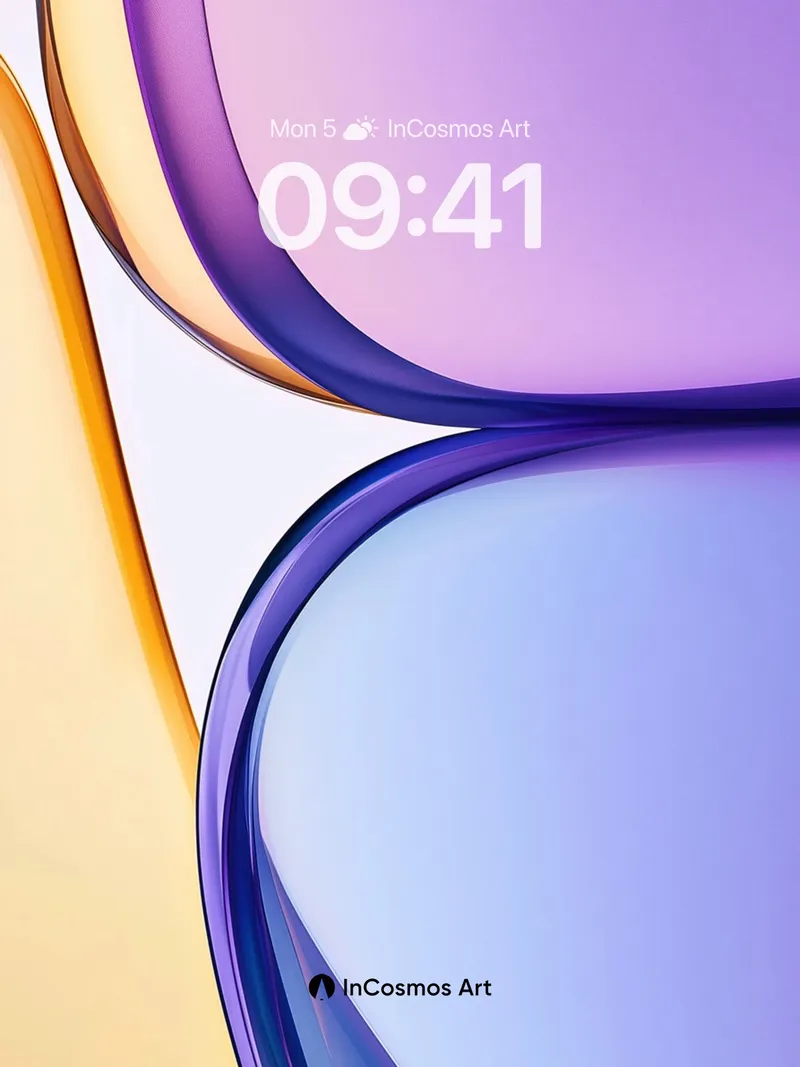
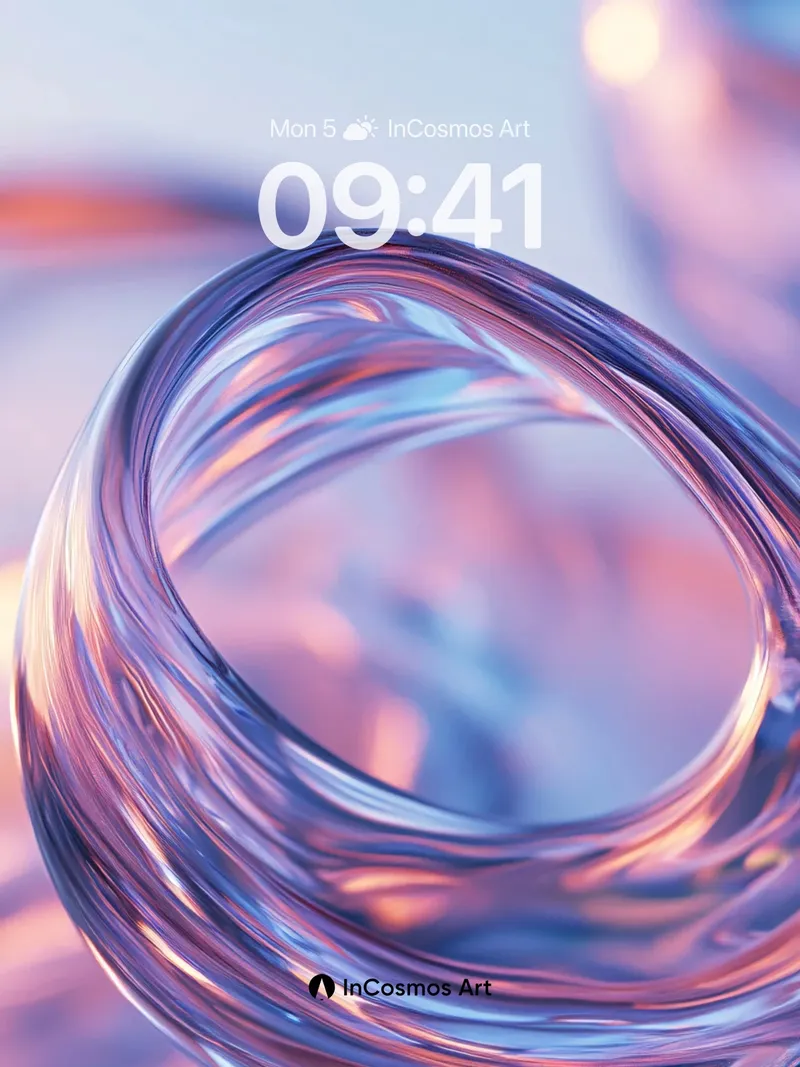
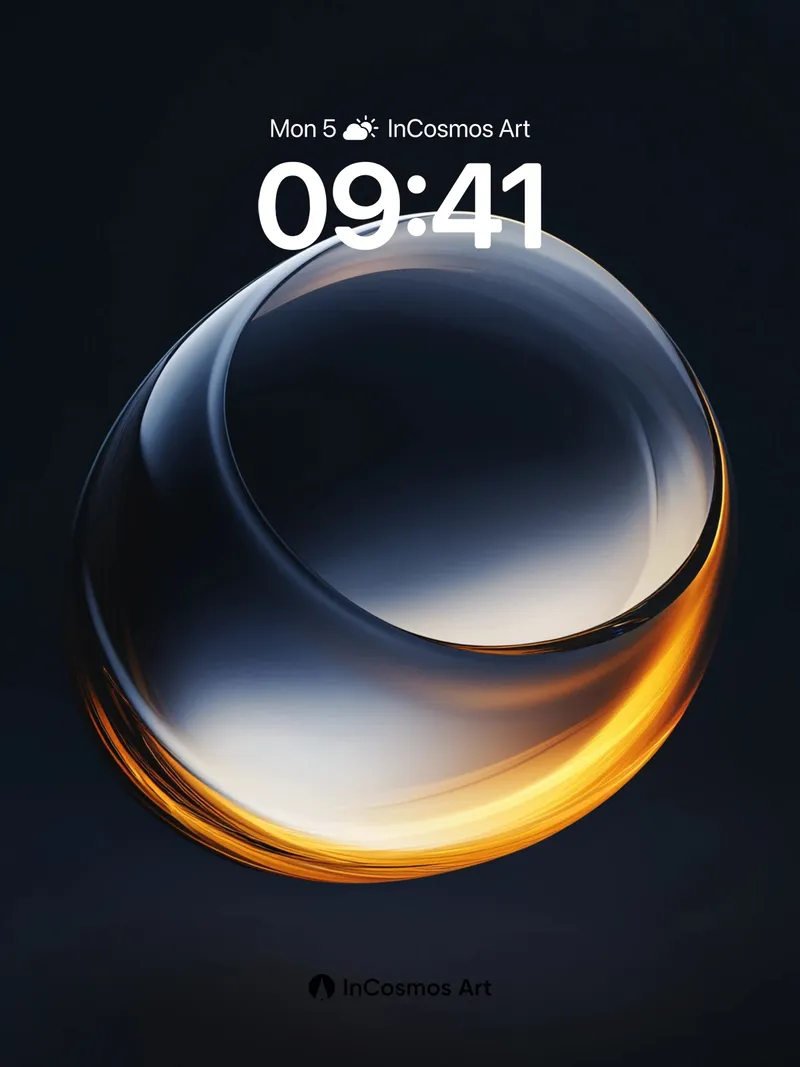
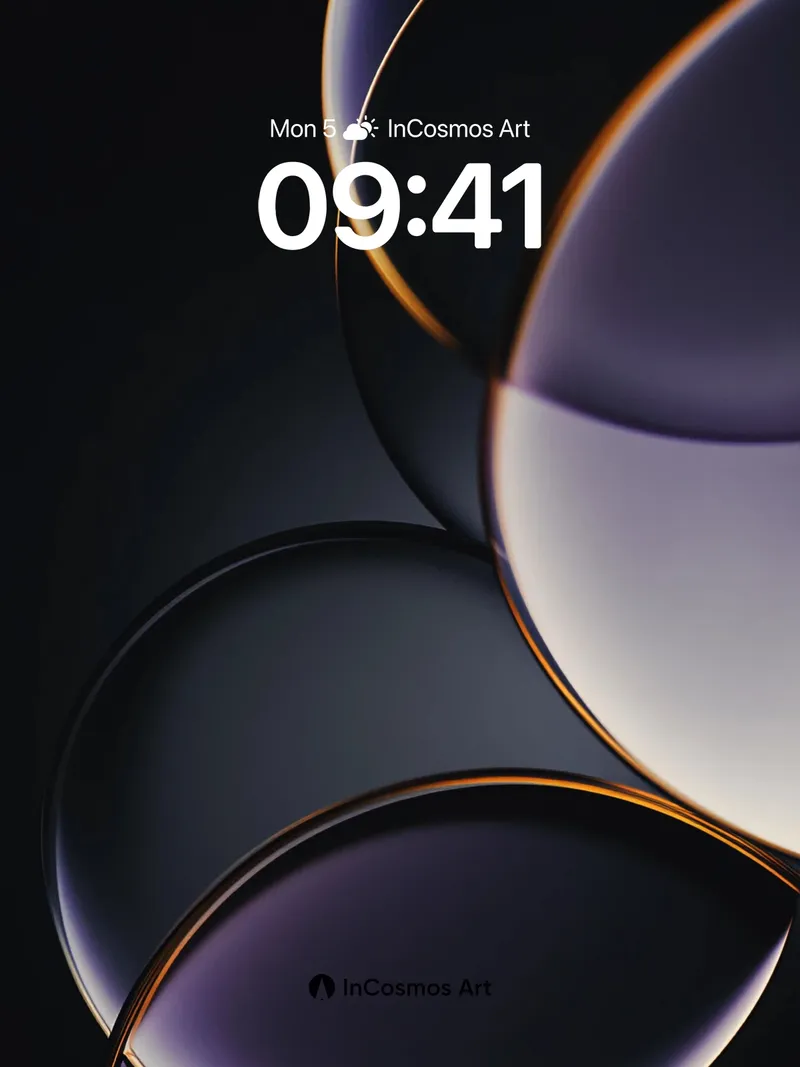
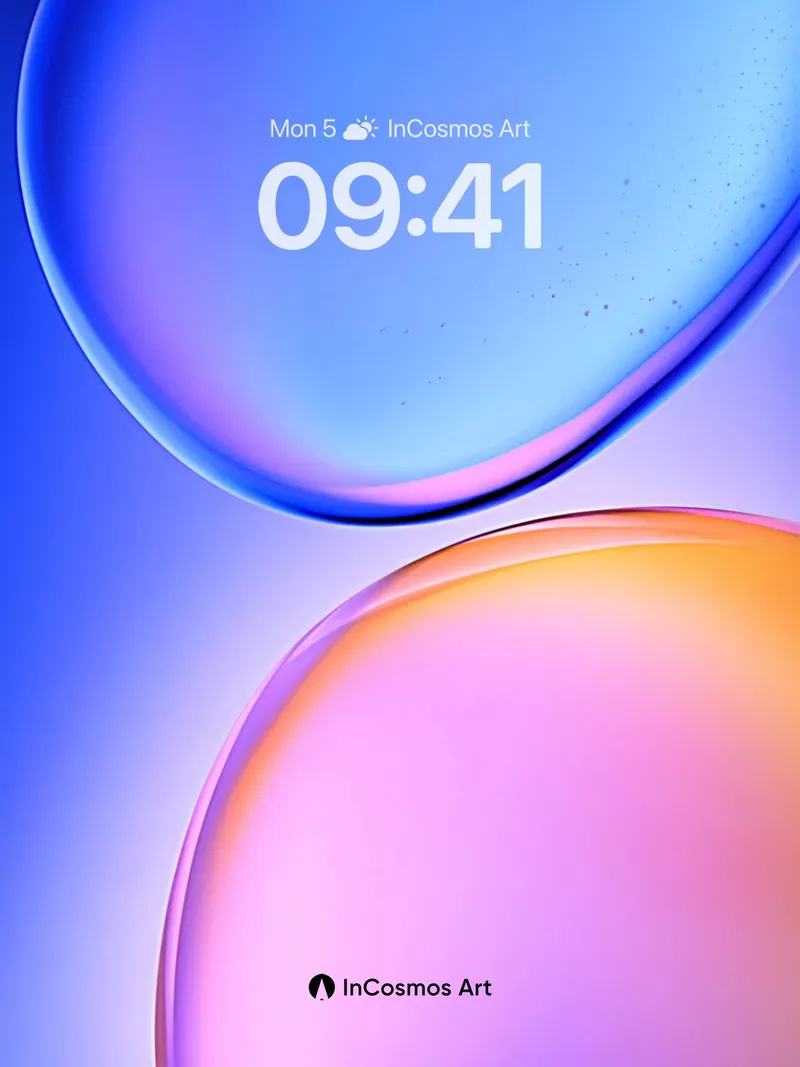
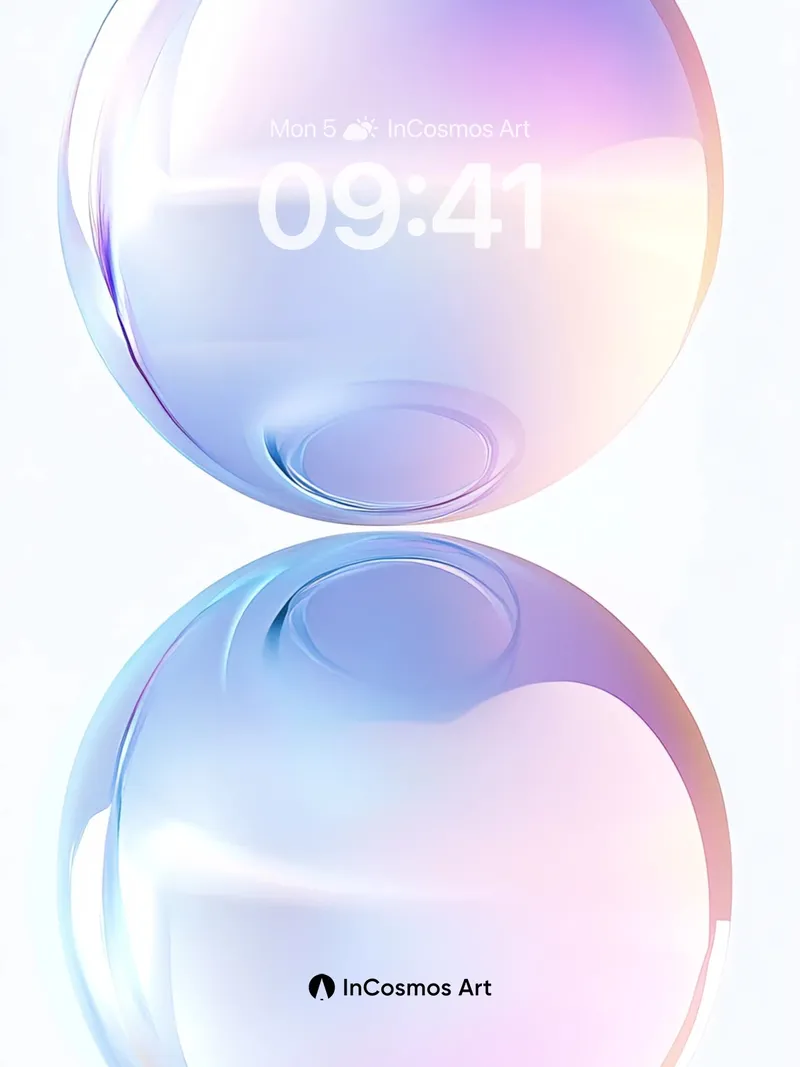
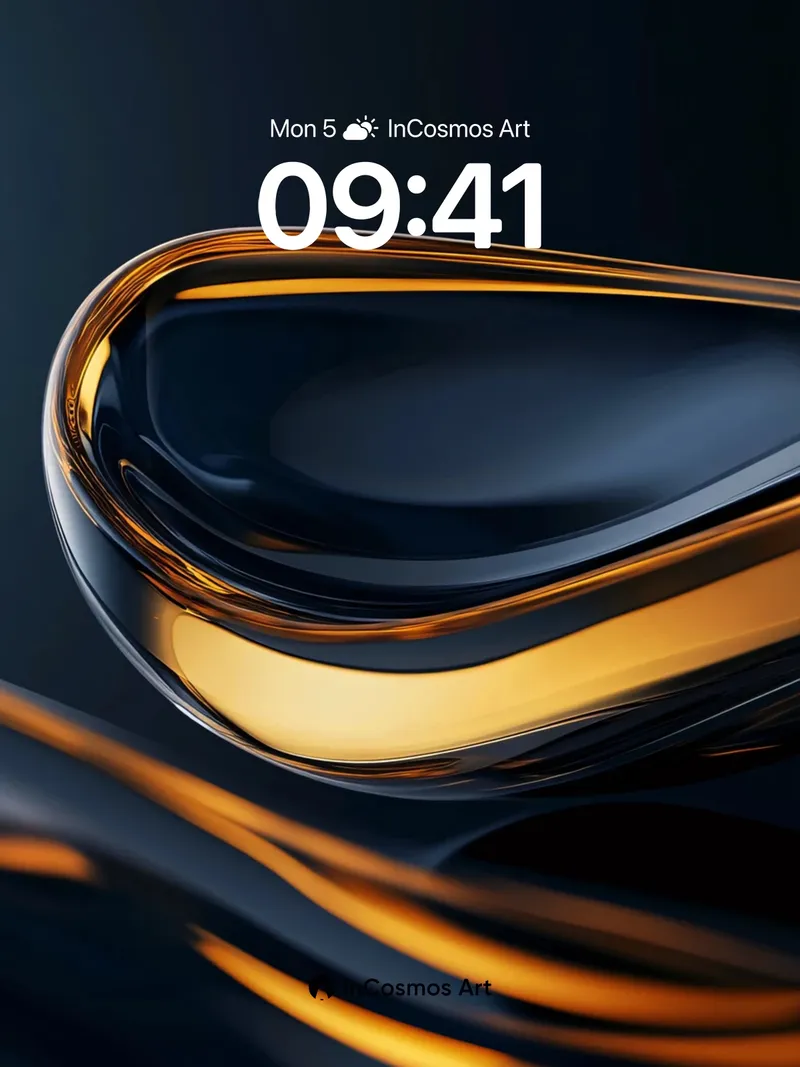
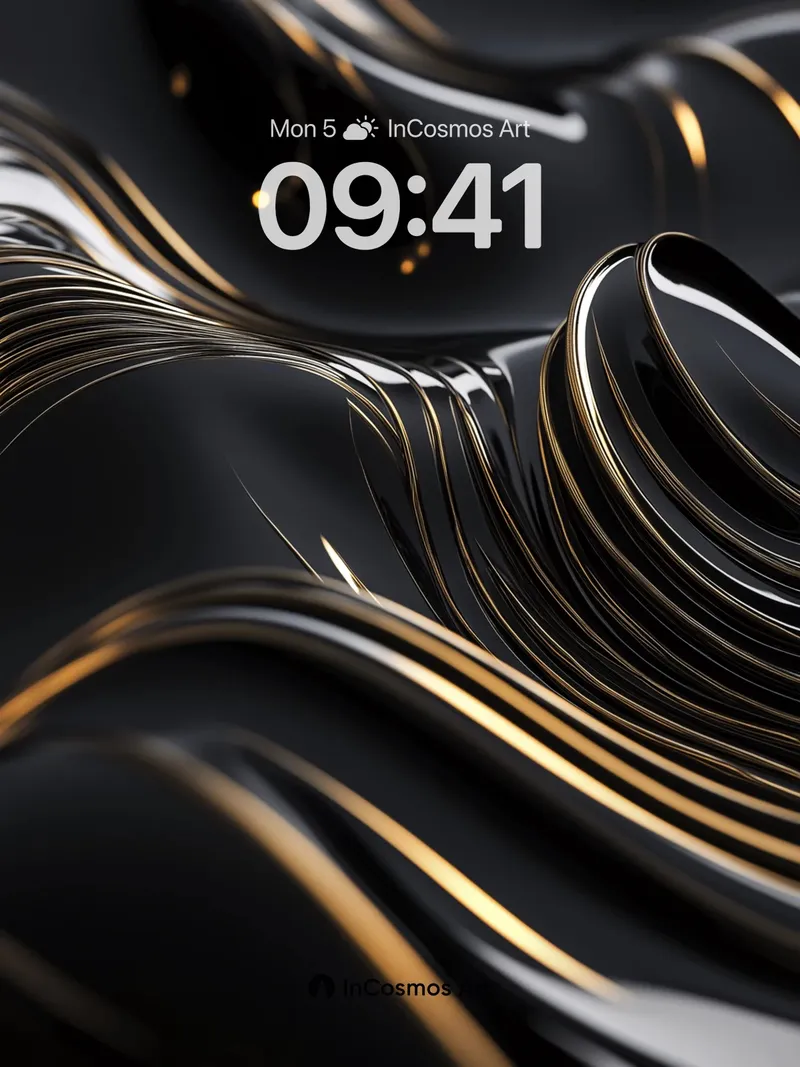
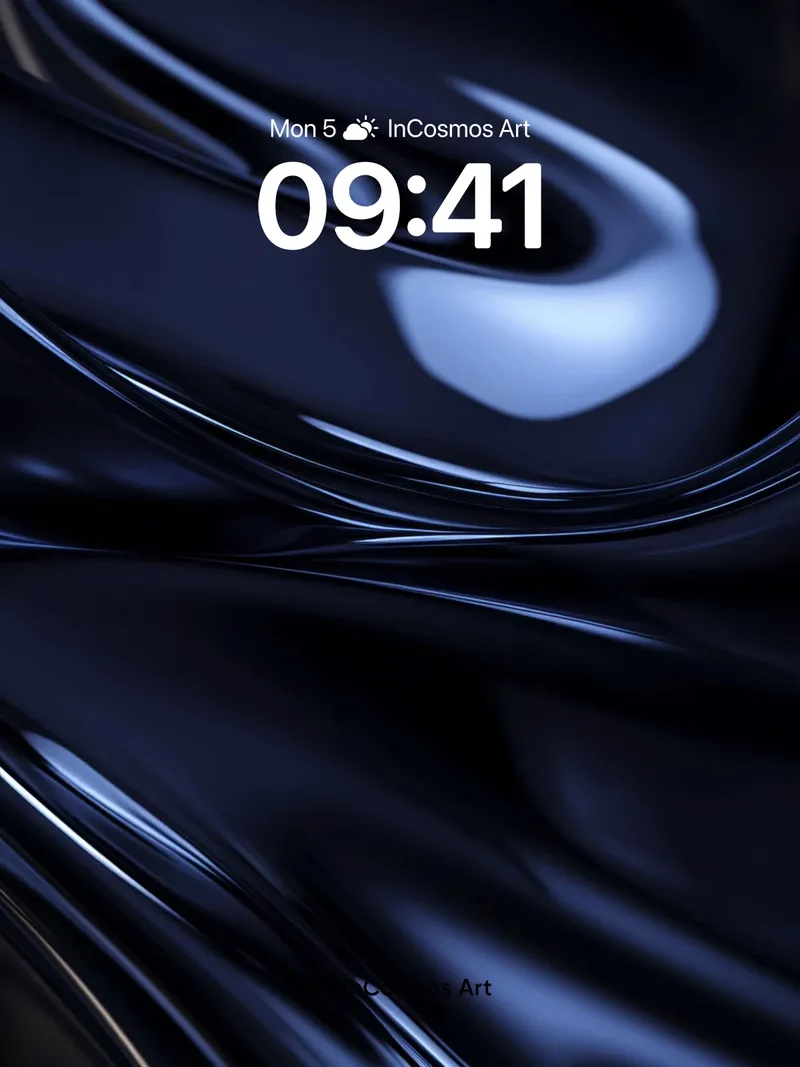
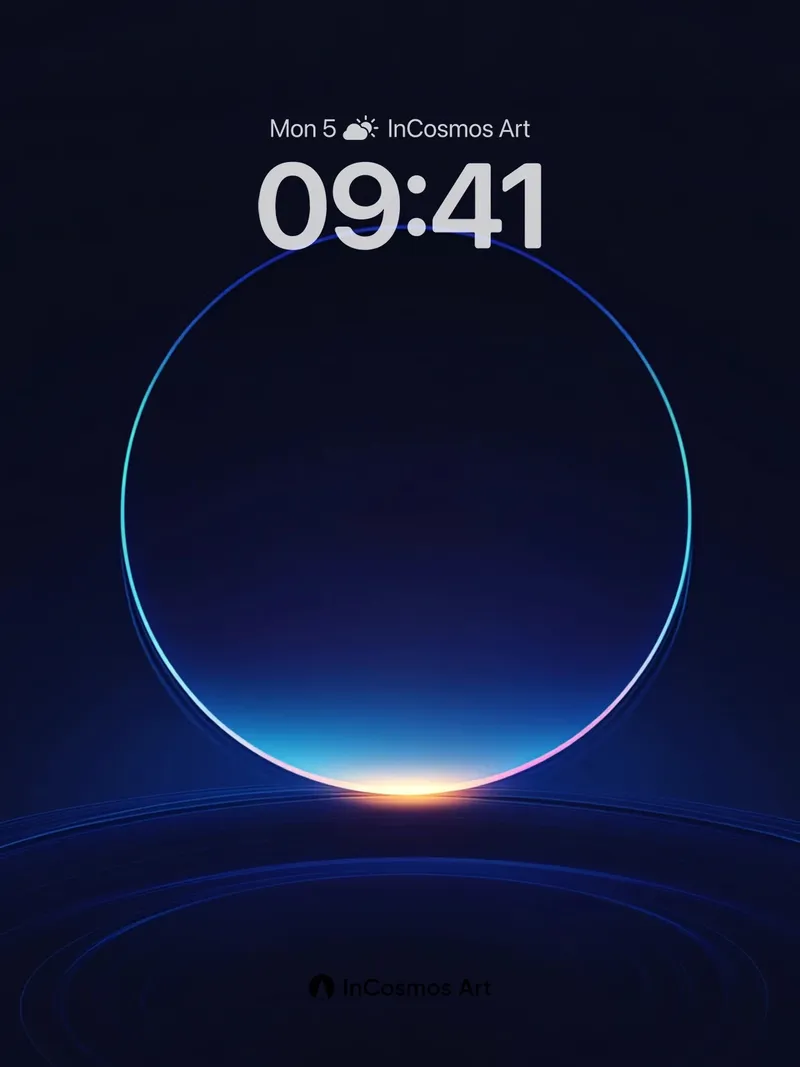
At the boundary between matter and light, a quietness exists that remains unnamed. These forms are not solid yet possess weight; they are silent yet carry rhythm. They undulate in zero gravity, resembling time's final breath before solidification. Surfaces mirror-like, reflecting their own essence and environment, creating a self-referential aesthetic loop. Light is not an external force but an integral part of structure, emanating from within to imbue translucent bodies with soul. Orange, blue, red, black—color here transcends decoration, becoming vessel of emotion, reflection of temperature, manifestation of energy. Each curve resembles an unfinished narrative, hinting at latent motion, an imminent transformation. These forms belong neither to nature nor artifice, but to an intermediate realm—a dimension purely constructed by perception.
The Interiority of Light
Light here does not illuminate; it generates. It emerges not from external sources but nurtured within material thickness, radiating outward. This internal luminosity confers lifelike quality, elevating form beyond static existence. As light refracts between transparent or semi-transparent layers, producing iridescent effects, visual resonance occurs. This is not merely physical phenomenon but emotional echo, evoking associations with warmth, hope, or solitude. The warmth of orange contrasts with the coolness of deep blue, yet merges at edges like dawn’s horizon, blurring binary boundaries.
The Philosophy of Material
Material no longer serves function alone but becomes expressive medium. Glass, liquid metal, unknown polymers—their properties are amplified to extremes, revealing intrinsic beauty. They are soft yet resilient, fluid yet stable, challenging conventional definitions of solid and liquid. Surface sheen arises not from coating but from structural integrity, a manifestation of molecular order. This re-examination of material reflects contemporary pursuit of authenticity: desire to see essence beneath surface disguises.
Topology of Emotion
Emotions carried by these forms are not directly expressed but conveyed through geometric relationships and color gradients. Circles suggest wholeness and cycles, spirals imply growth and evolution, while broken arcs point to loss and rupture. Color transitions mirror emotional shifts—from bright to dim, fervent to serene—creating psychological journeys. Viewers involuntarily project themselves, embedding personal memories into abstract structures, transforming them into private vessels of feeling.