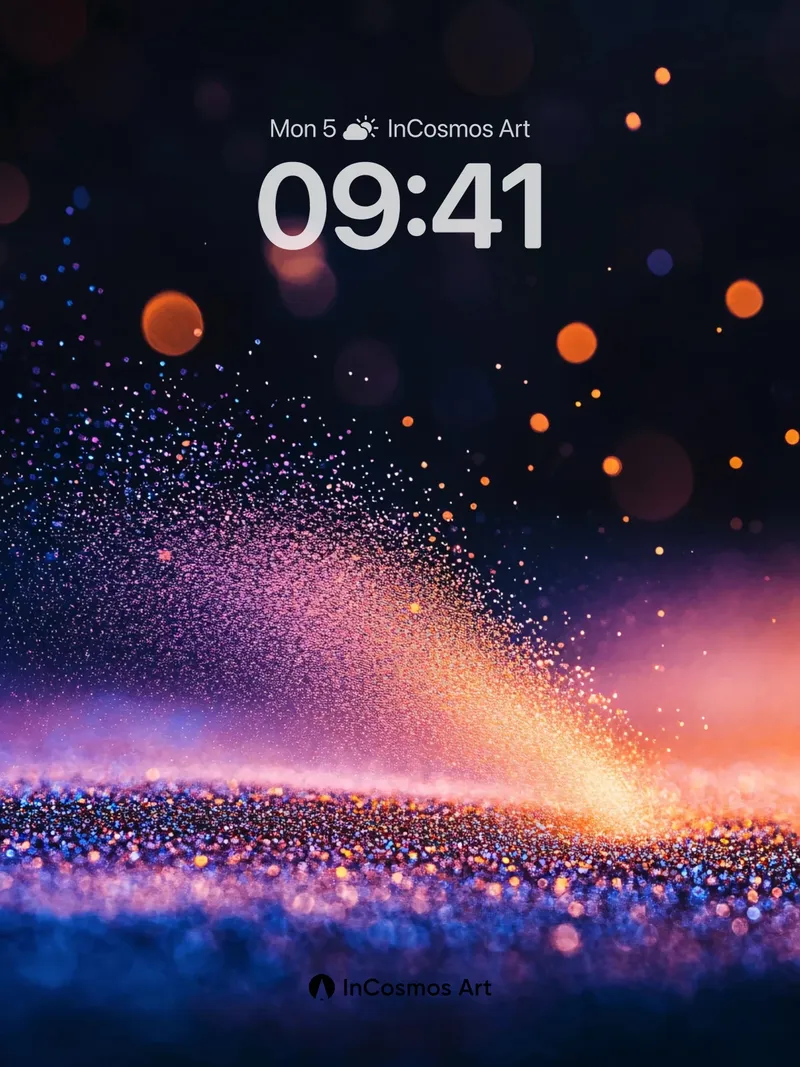
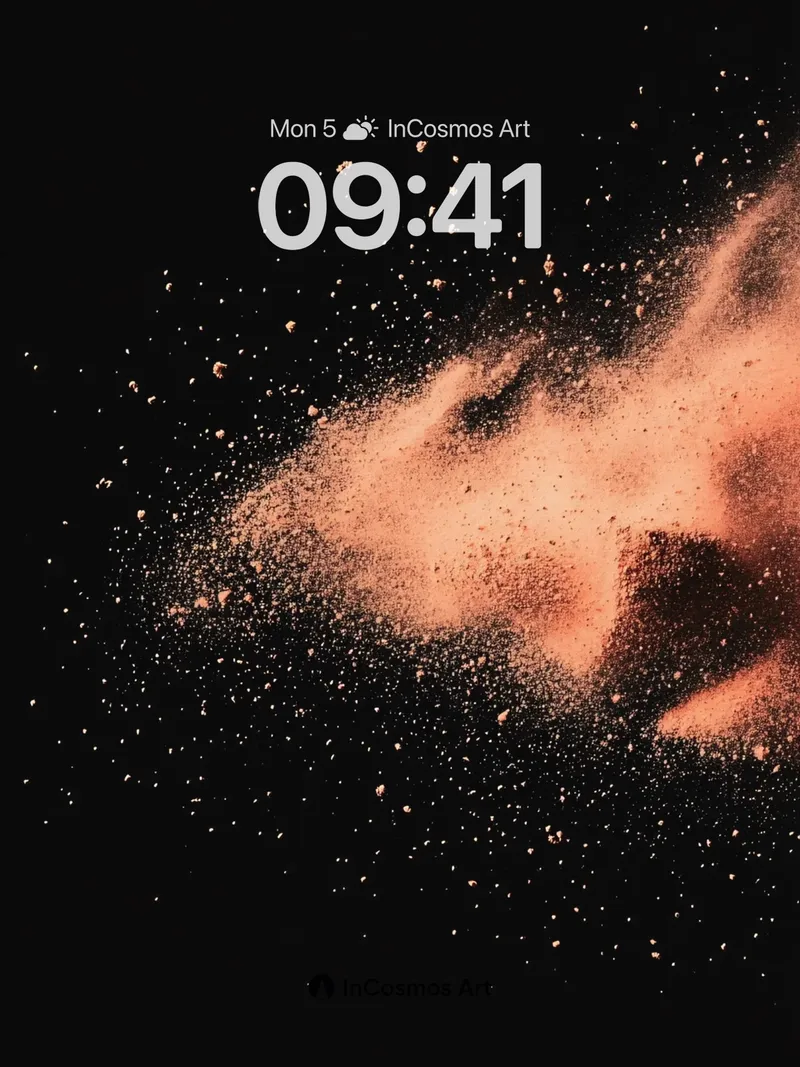
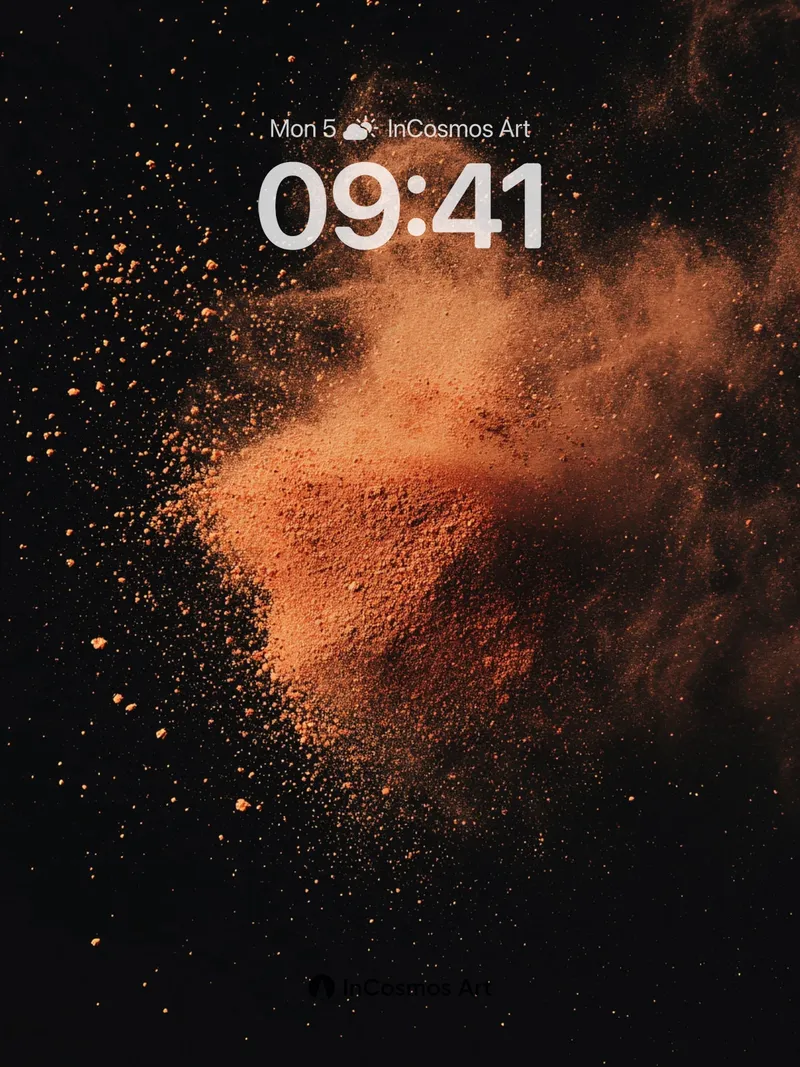
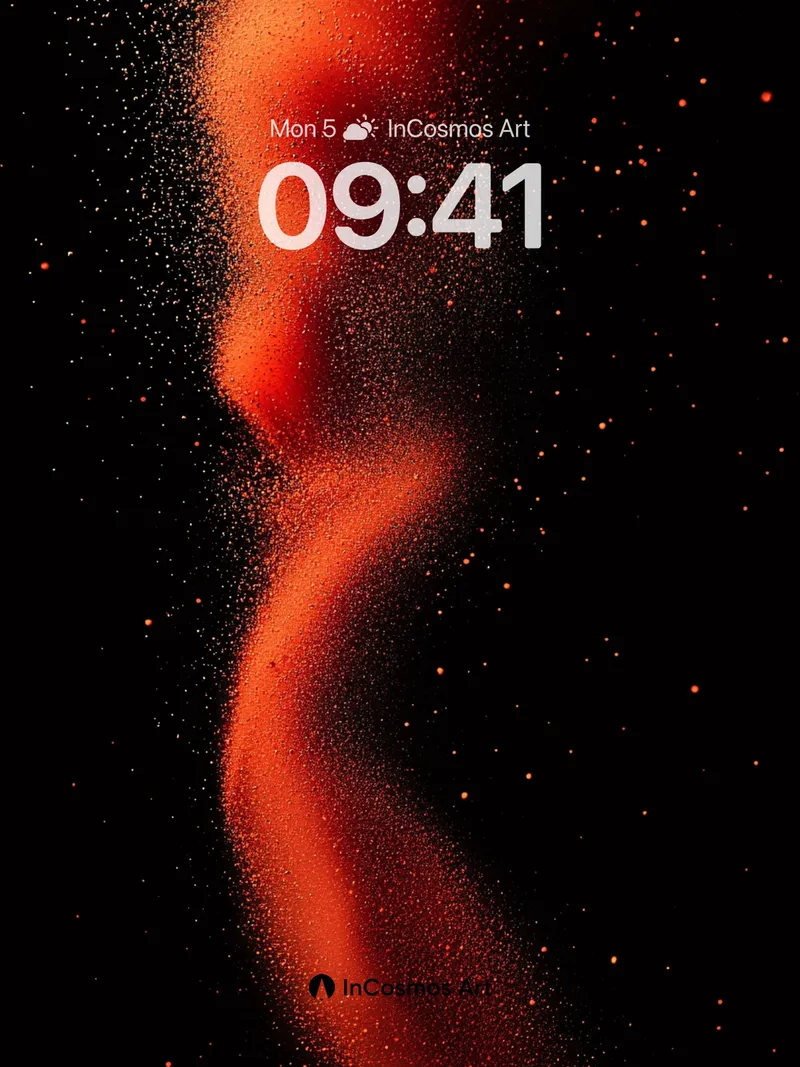
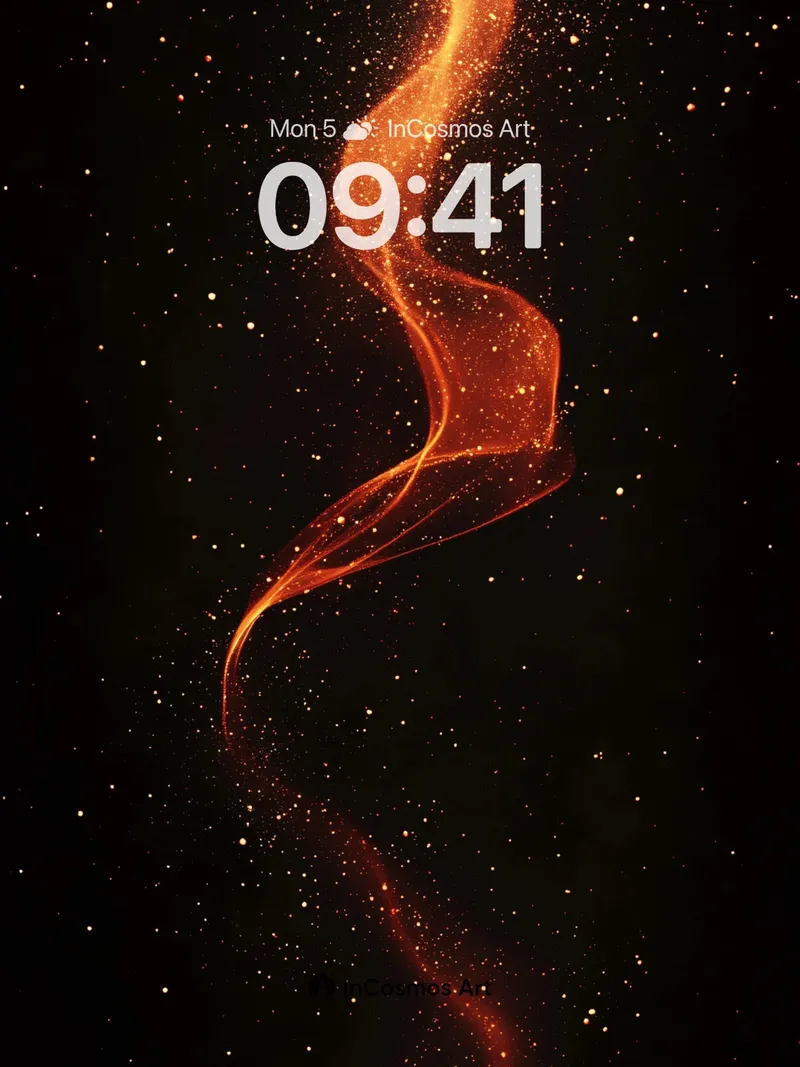
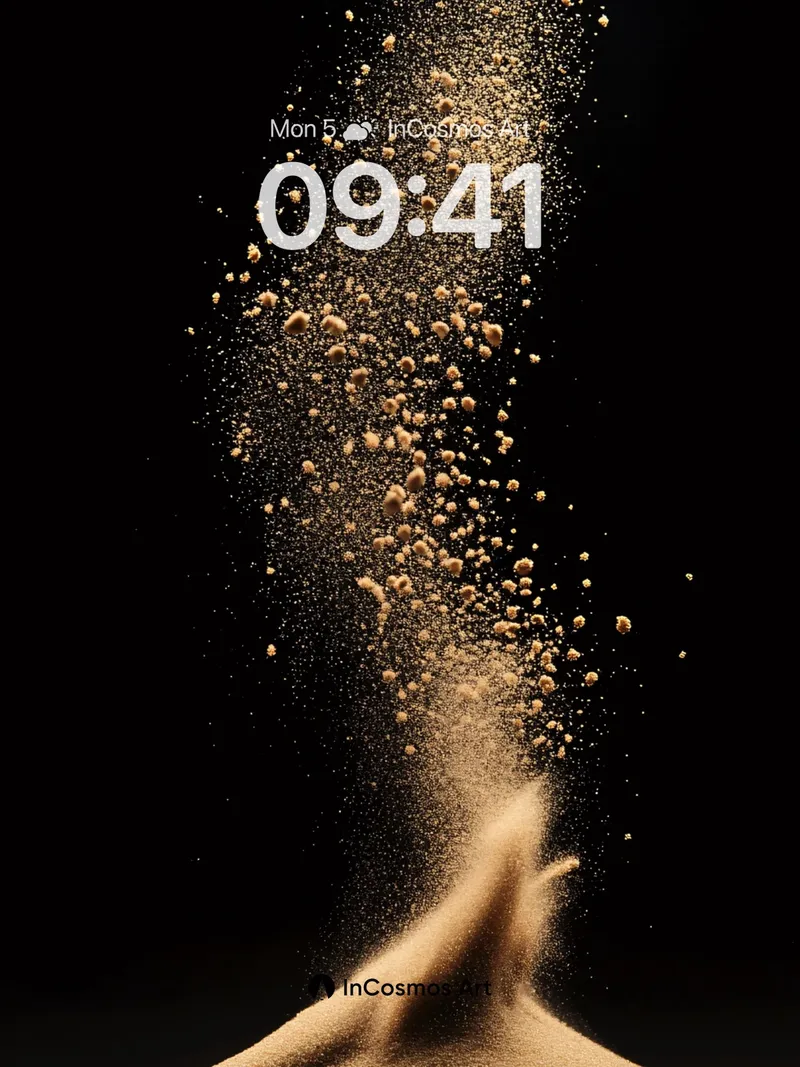
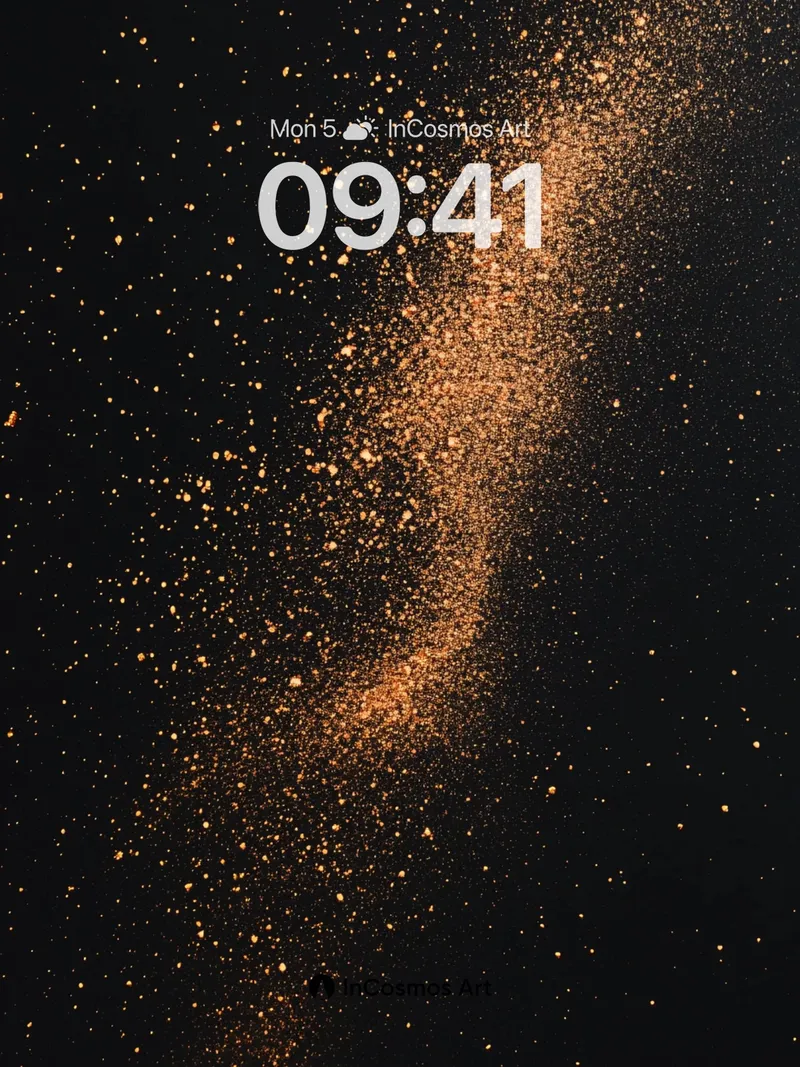
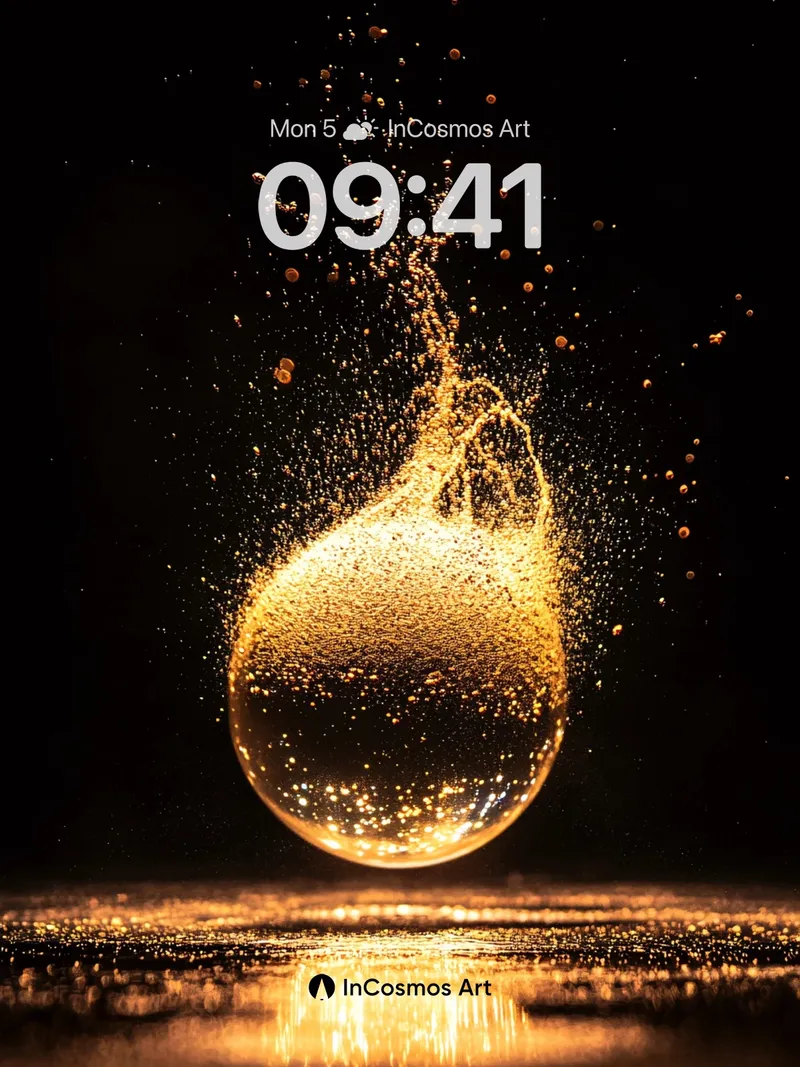
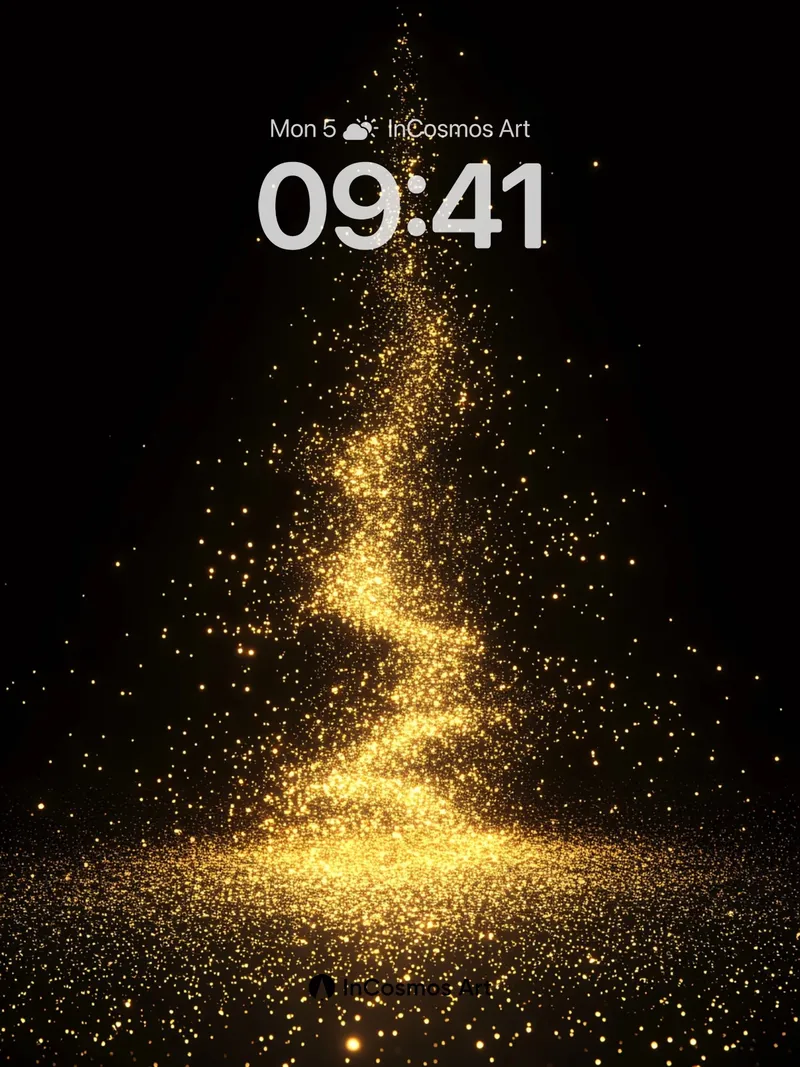
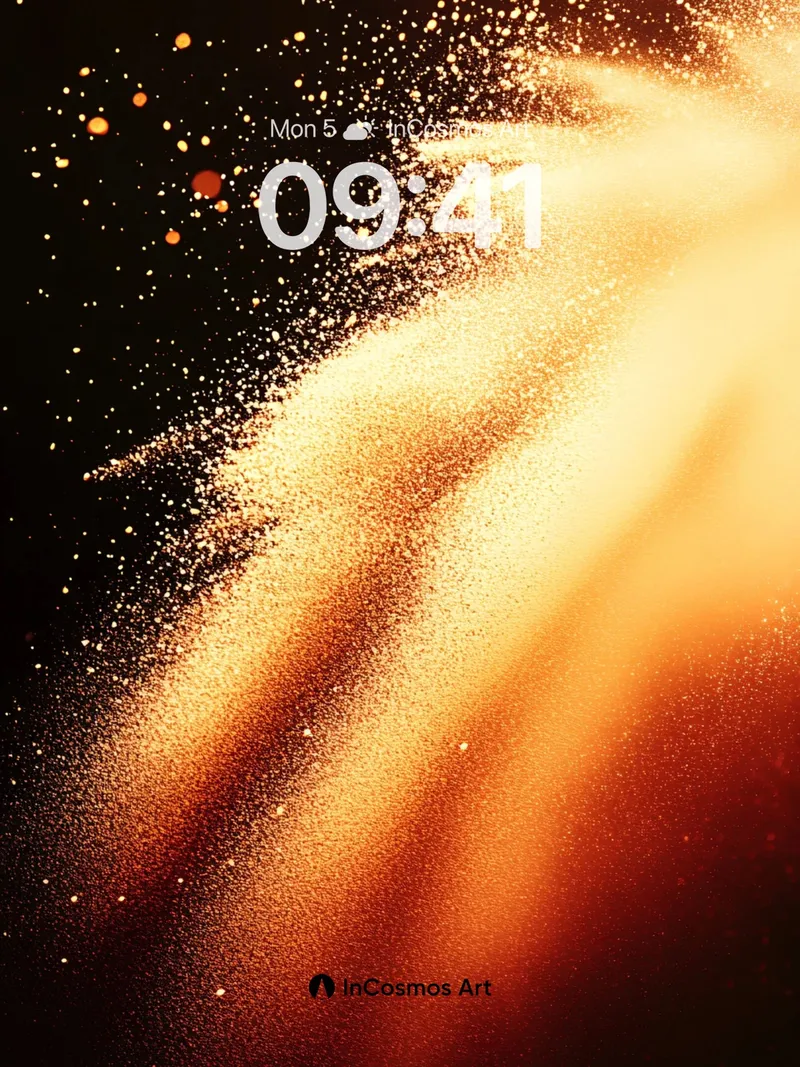
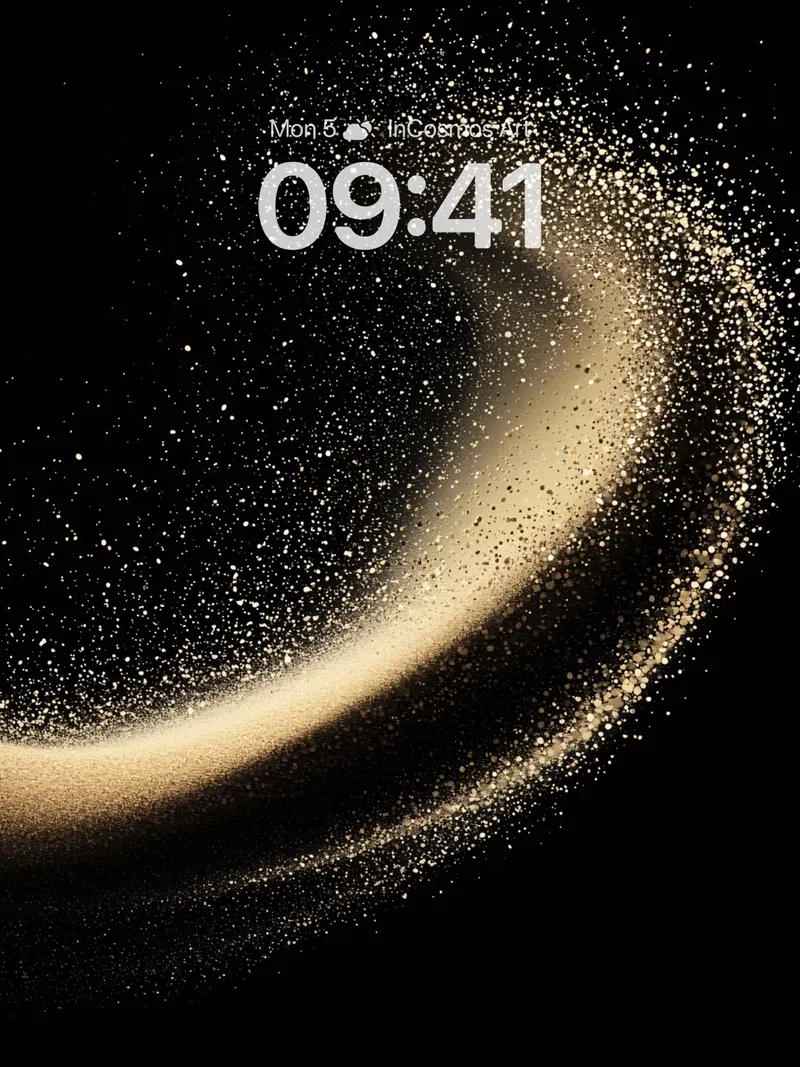
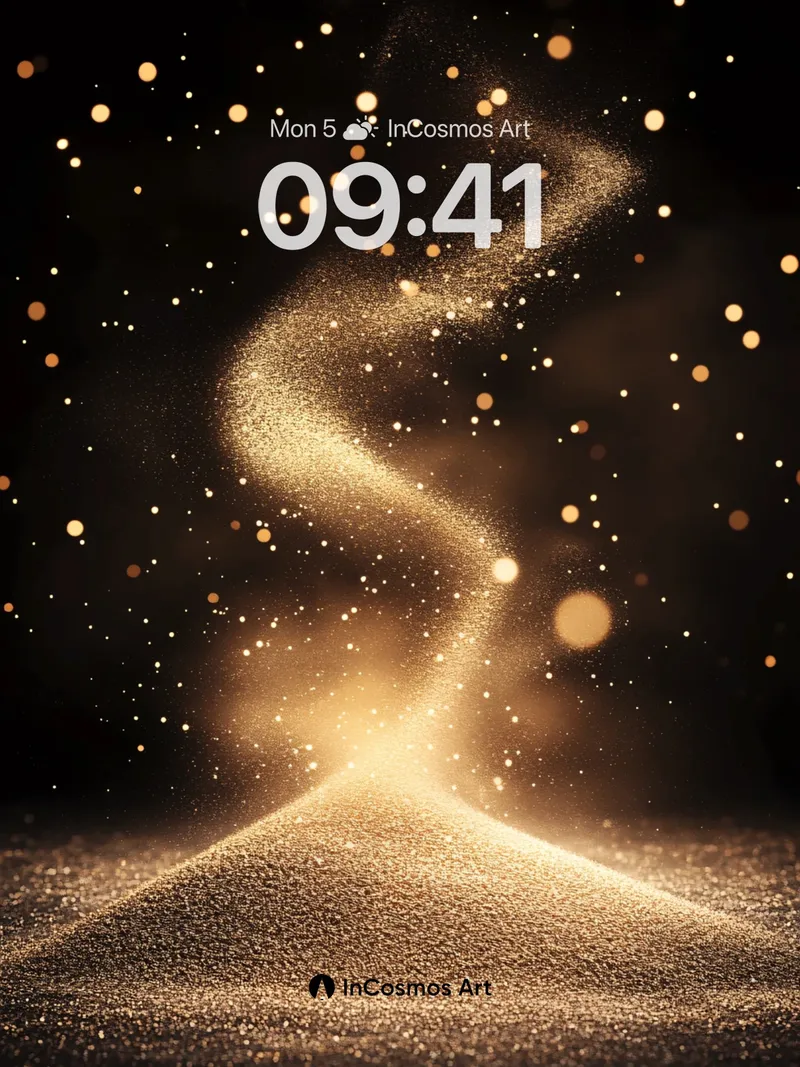
Light dust meanders through darkness, resembling remnants of time and embers of memory. These are not random flashes but critical states between order and chaos, trajectories formed by matter under an invisible force. The tiny particles converge into spirals, waves, and arcs, as if the universe whispers, transforming silence into a dynamic poem. Unattached to any solid form, they constitute a visual language narrating the laws governing unseen forces.
Morphology of Light
Light dust is not a source of light but its carrier. Suspended in endless night, it is drawn by an imperceptible power into continuous flow structures. This movement is neither linear nor static—it manifests as spiraling ascents, descending whirls, or gradual expansions. Each particle becomes a symbol, collectively writing a parable about existence and dissolution. Its motion logic implies self-organization prevalent in natural systems—no commands needed, only delicate balance of gravity and velocity can generate complex yet harmonious forms.
Ritual in Darkness
When light dust rotates, gathers, or erupts with specific rhythm, it transcends physical phenomenon and evolves into symbolic ritual. This ritual has no participants but carries solemn cadence. The golden hue grants it sanctity, akin to sacred incense ash rising toward the sky in ancient rites. Observers often feel a transcendent calm, as if witnessing the establishment of cosmic order at creation’s dawn. It is not religious act, yet reflects humanity's innate drive to construct meaning.
Emotional Resonance in Abstraction
Despite lacking concrete shapes, the motion of light dust evokes strong emotional responses. Gentle curves summon tenderness and nostalgia, while sudden bursts suggest hope and rebirth. This abstraction resonates because it strips away narrative, inviting viewers to project their own feelings. It is both technological simulation and reenactment of humanity's collective unconscious regarding the mother theme of 'creation.' Each surge of light dust is a tender probe into the unknown.
Traces of Being
Ultimately, the existence of light dust itself poses a philosophical question. Transient and ephemeral, yet leaving clear paths behind. This mirrors human life—individuals may be small, but accumulated actions can shape profound impacts. Against dark backgrounds, every luminous trail becomes evidence of past motion, energy, and intention. Thus, light dust is not merely aesthetic expression, but contemplation on time, being, and trace.