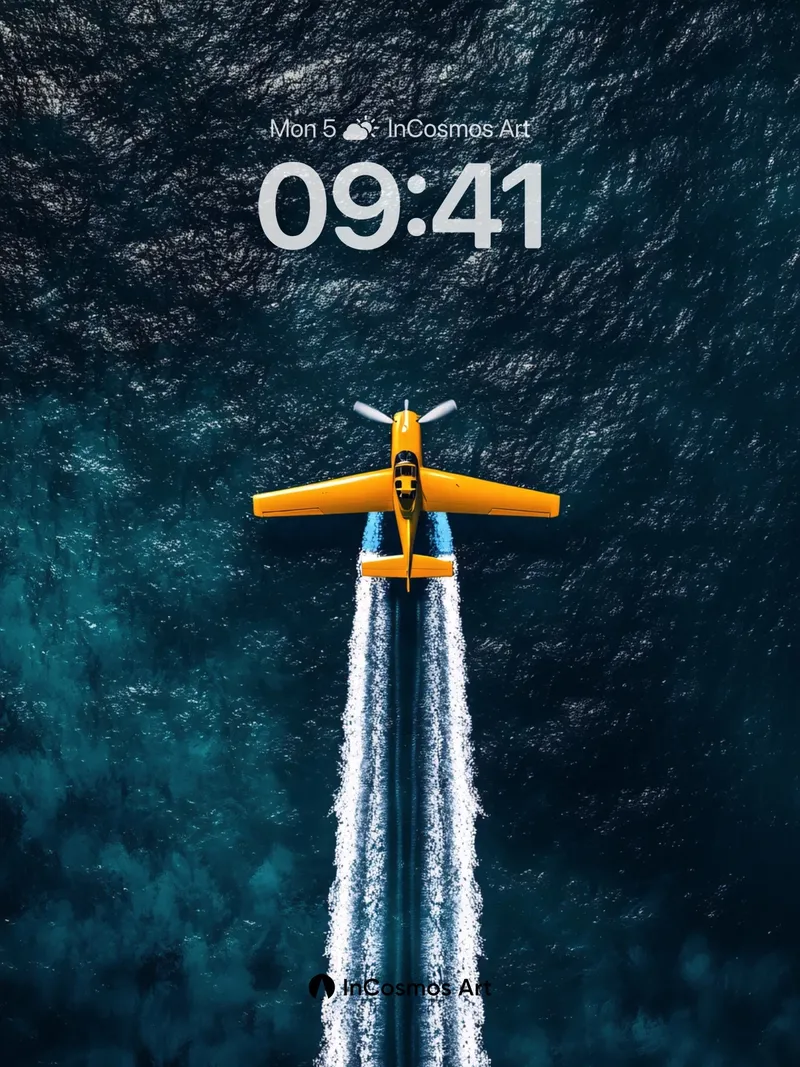
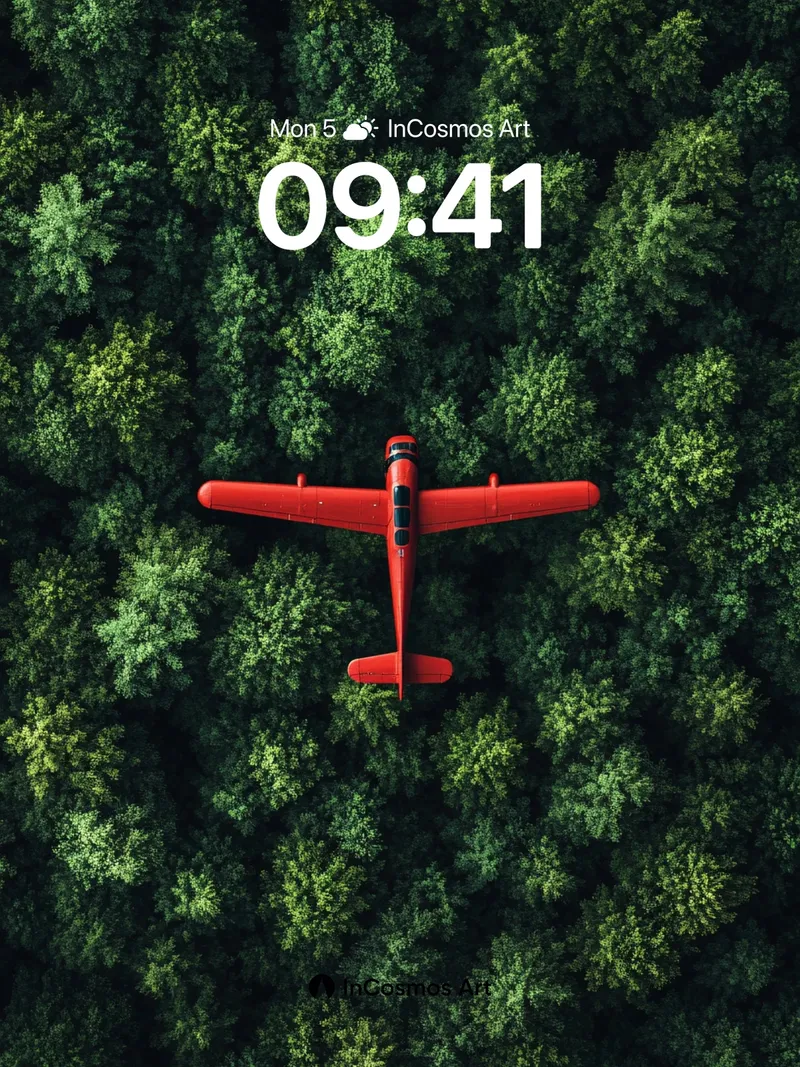
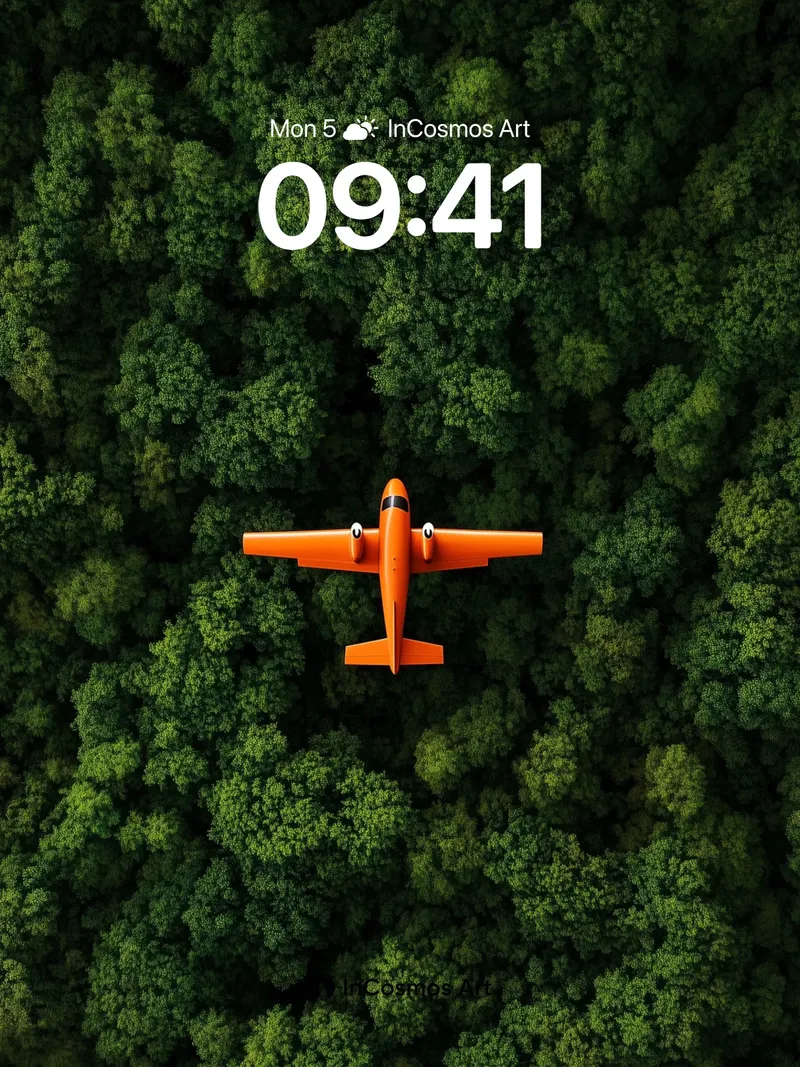
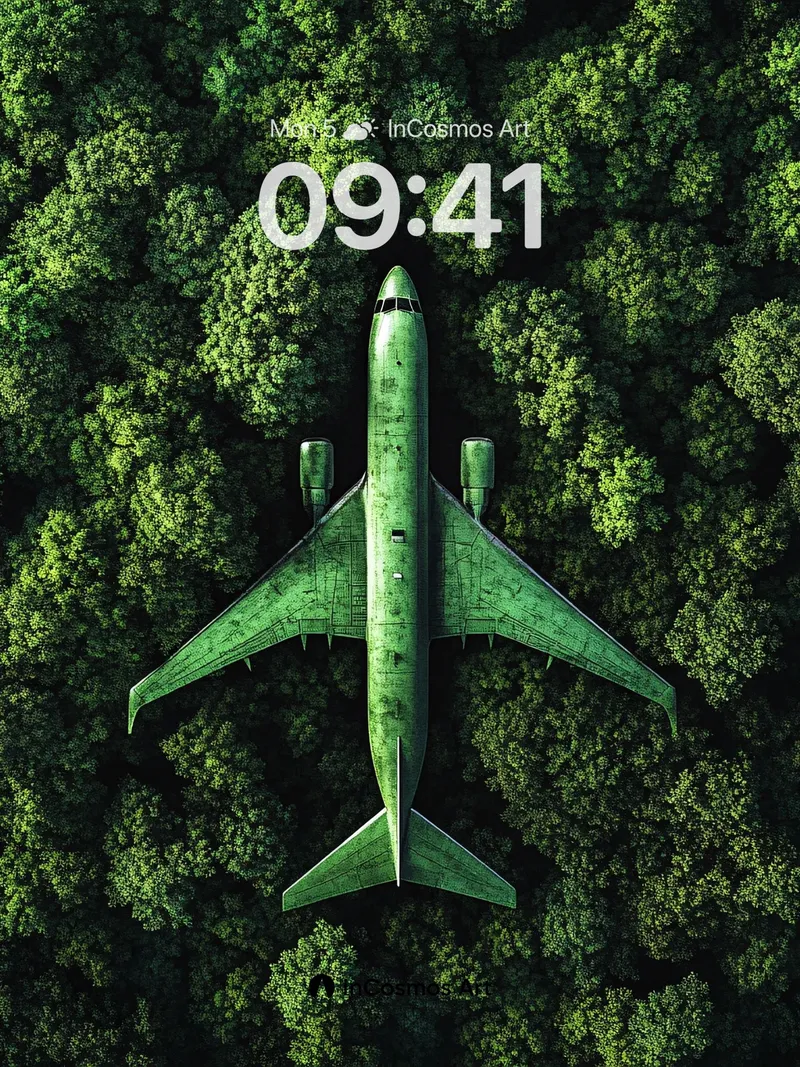
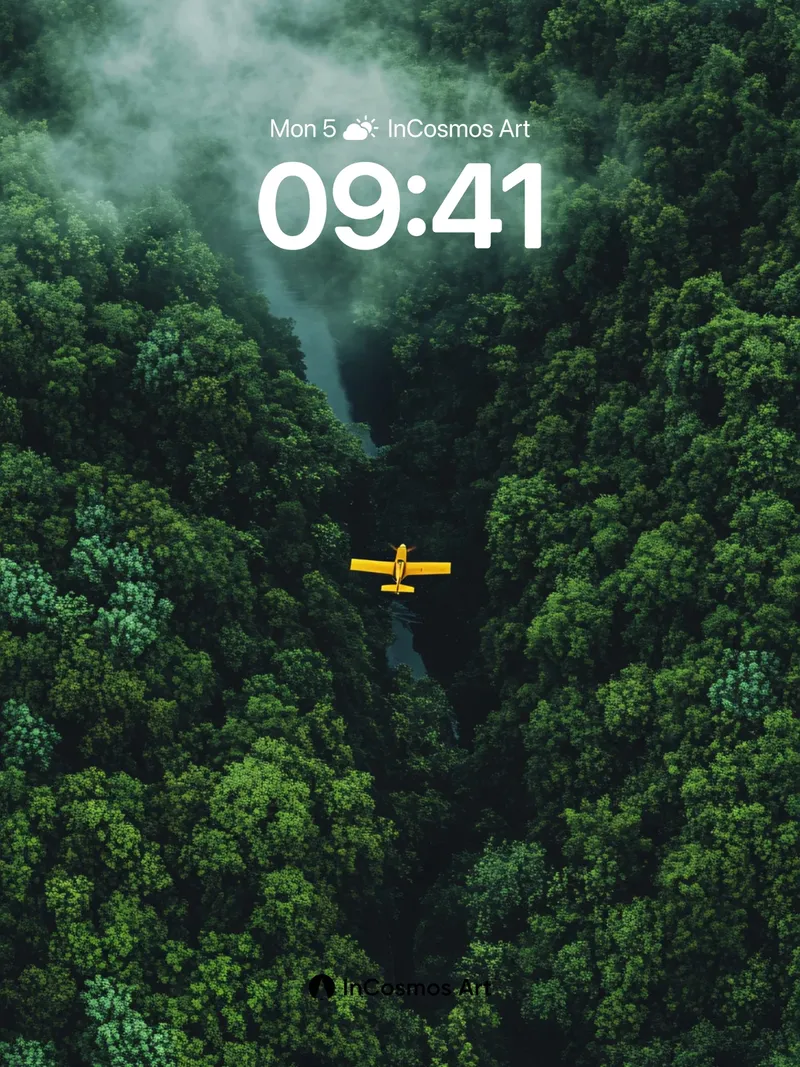
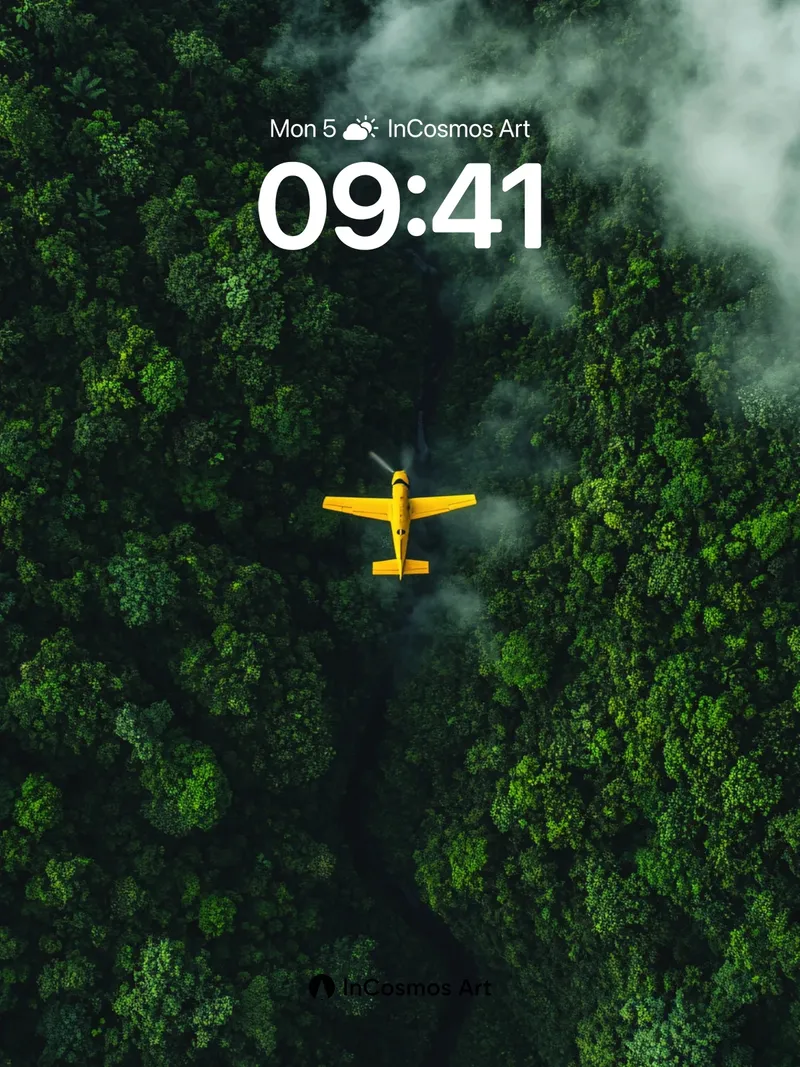
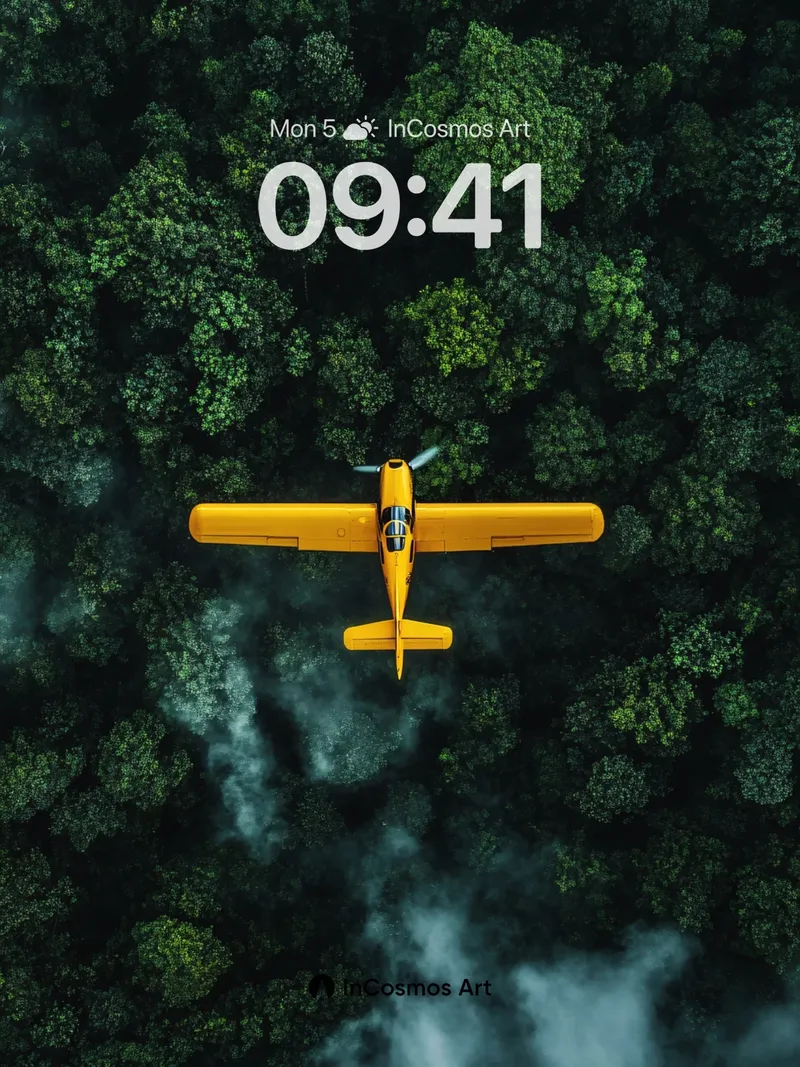
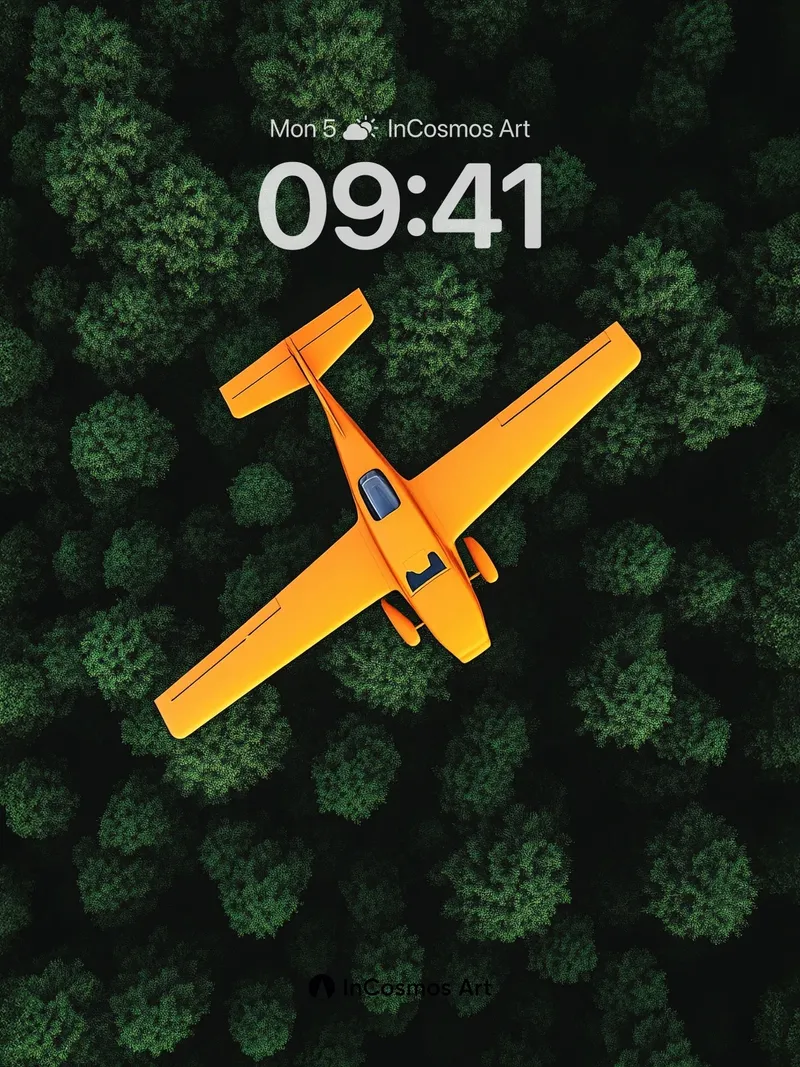
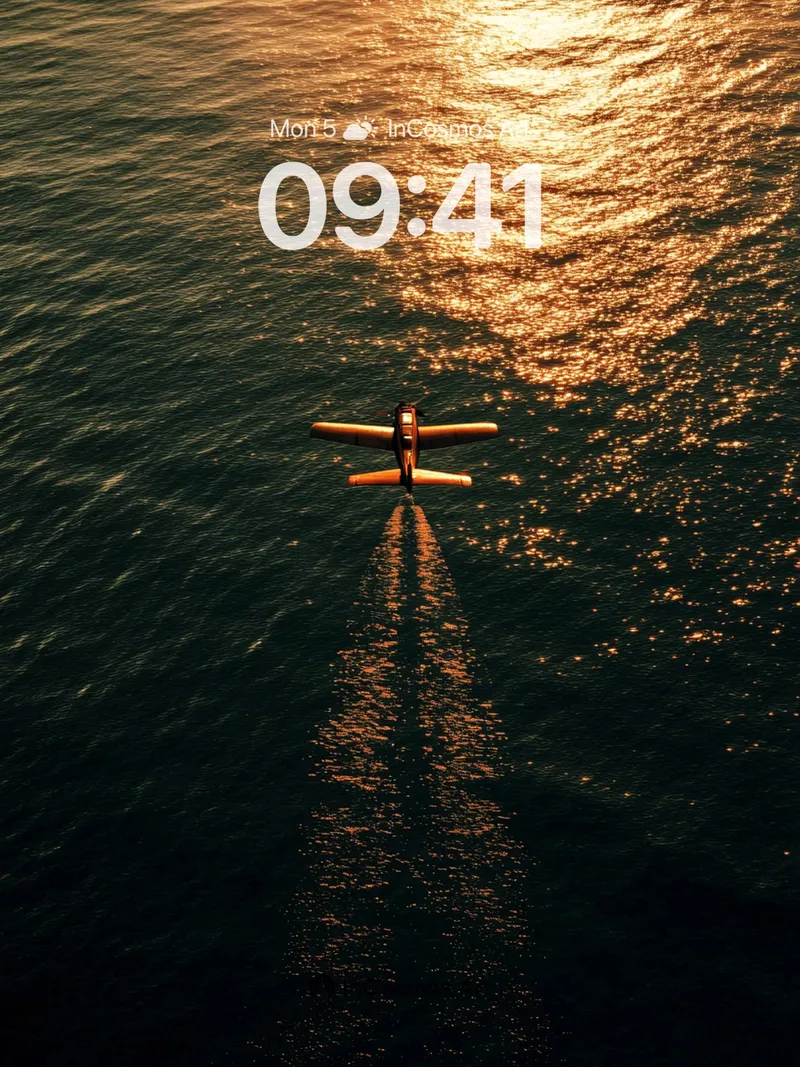
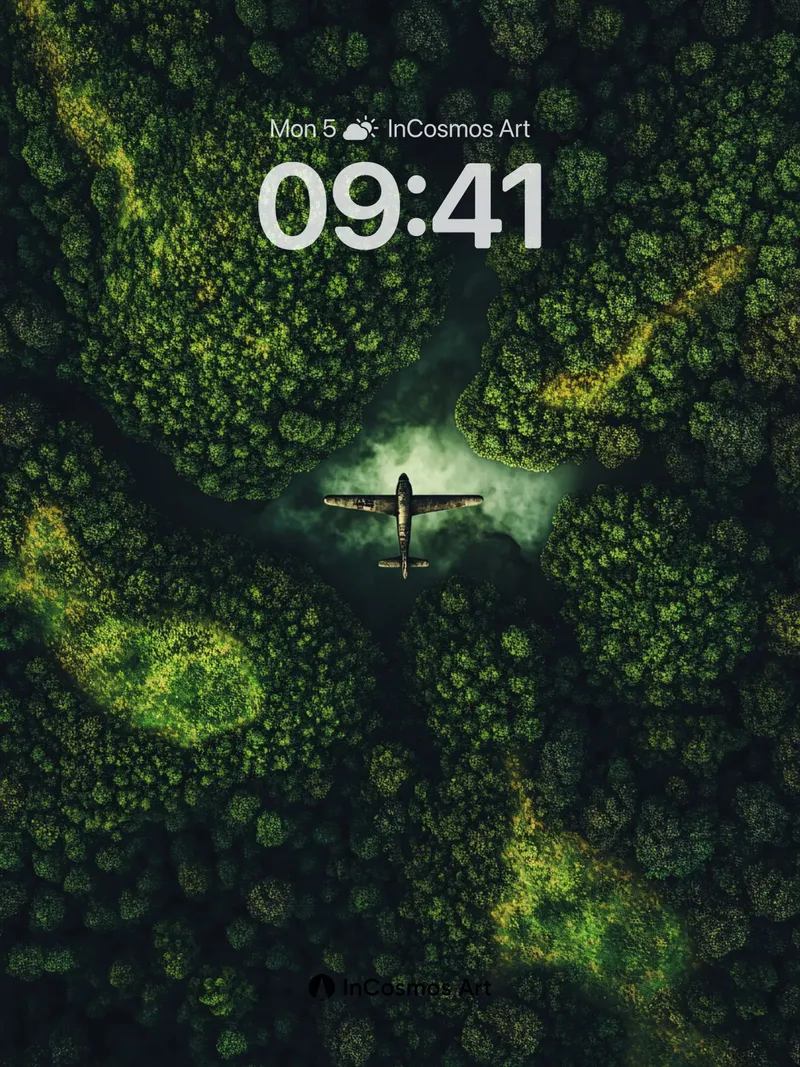
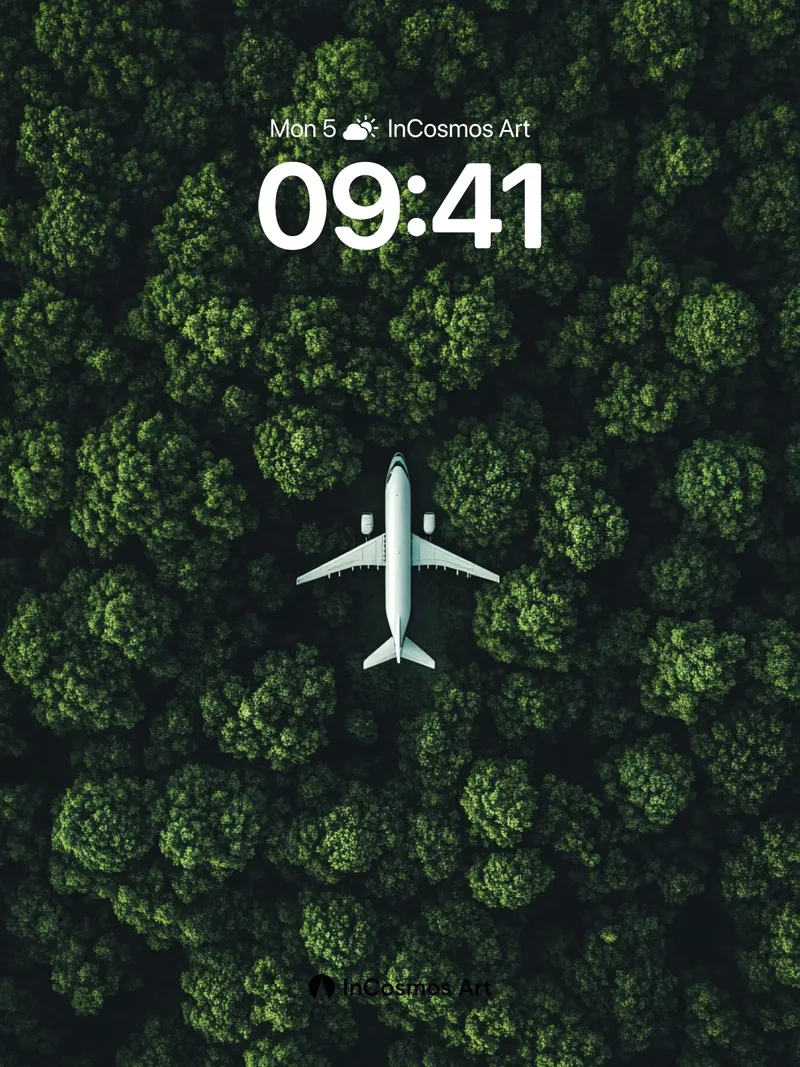
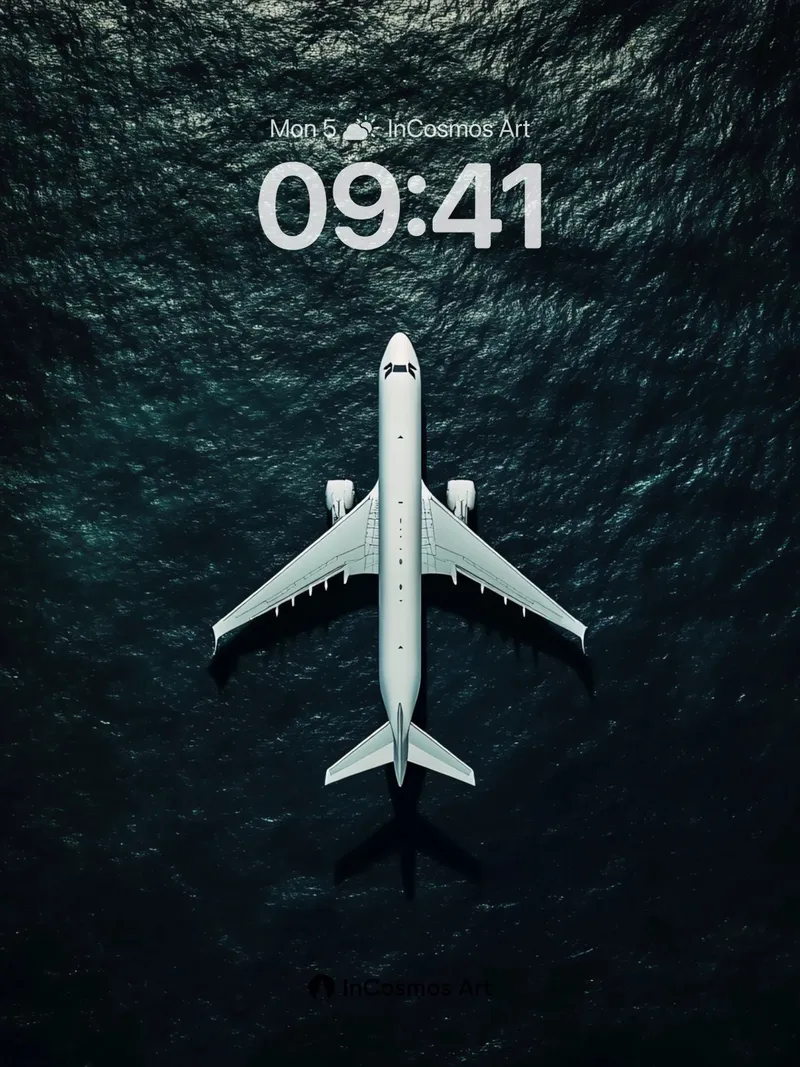
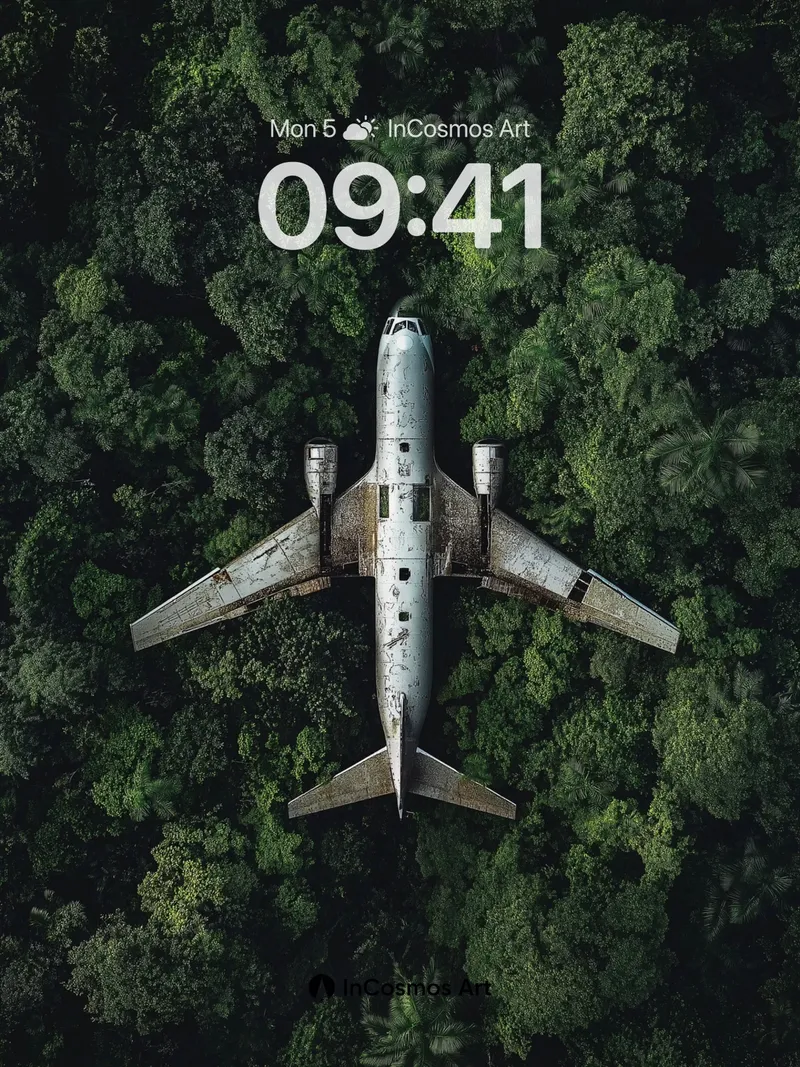
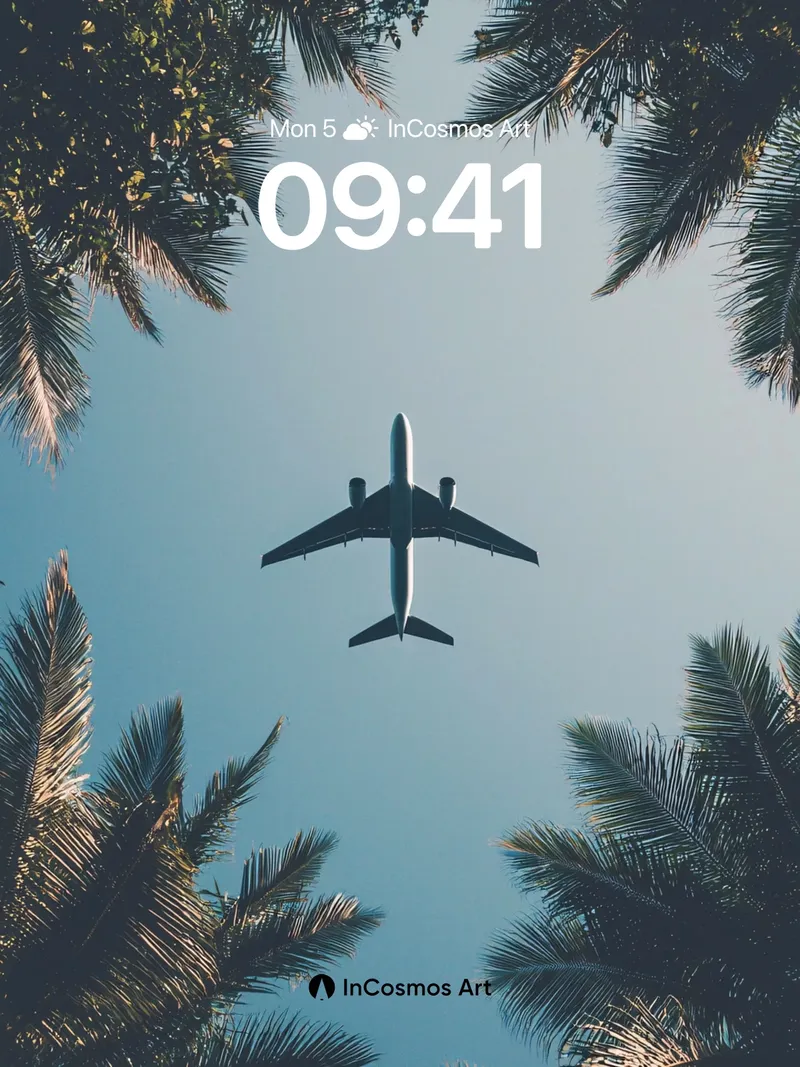
Beyond the edges of human civilization, flight becomes an almost ritualistic act. Aircraft slicing through tree canopies function as temporal symbols, stitching together earth and sky. These flying machines exist beyond mere transportation—they are mediators between natural and artificial orders, poetic responses to boundless space. When orange fuselages glide over dense greenery, or silver jets hover among palm fronds, each descent redefines scale. Flight becomes a mode of observation, a vantage point for understanding the world from above. It is both intrusion into nature and homage to it.
The Geometry of Flight
The silhouettes of aircraft against natural backdrops form sharp geometric shapes. Whether single-engine planes or float-equipped biplanes, their straight lines and angles contrast sharply with the organic chaos below. This visual tension reveals the structural conflict between human engineering and natural ecosystems. Yet in moments like golden sunlight reflecting on water, the plane’s reflection merges with ripples, boundaries dissolve, and technology briefly reconciles with nature.
Zen in the Air
From a vertical perspective, forests resemble green tapestries, while aircraft become moving punctuation marks within them. This dynamic within stillness creates a meditative atmosphere. The pilot’s view transcends everyday experience, entering a transcendental state. Here, speed ceases to be an end—it becomes a medium for contemplation. Flight is no longer arrival but continuous suspension—between ground and sky, humanity momentarily escapes gravity's hold.
Nature's Mirror
As planes cross rivers or misty valleys, their paths extend natural textures. Reflections on water and the aircraft’s image form a flowing artwork. This mirrored relationship suggests how human activity gets absorbed and transformed by nature. The aircraft is not a conqueror but a participant. Its presence reminds us: technology can become part of nature’s narrative, not its antagonist.