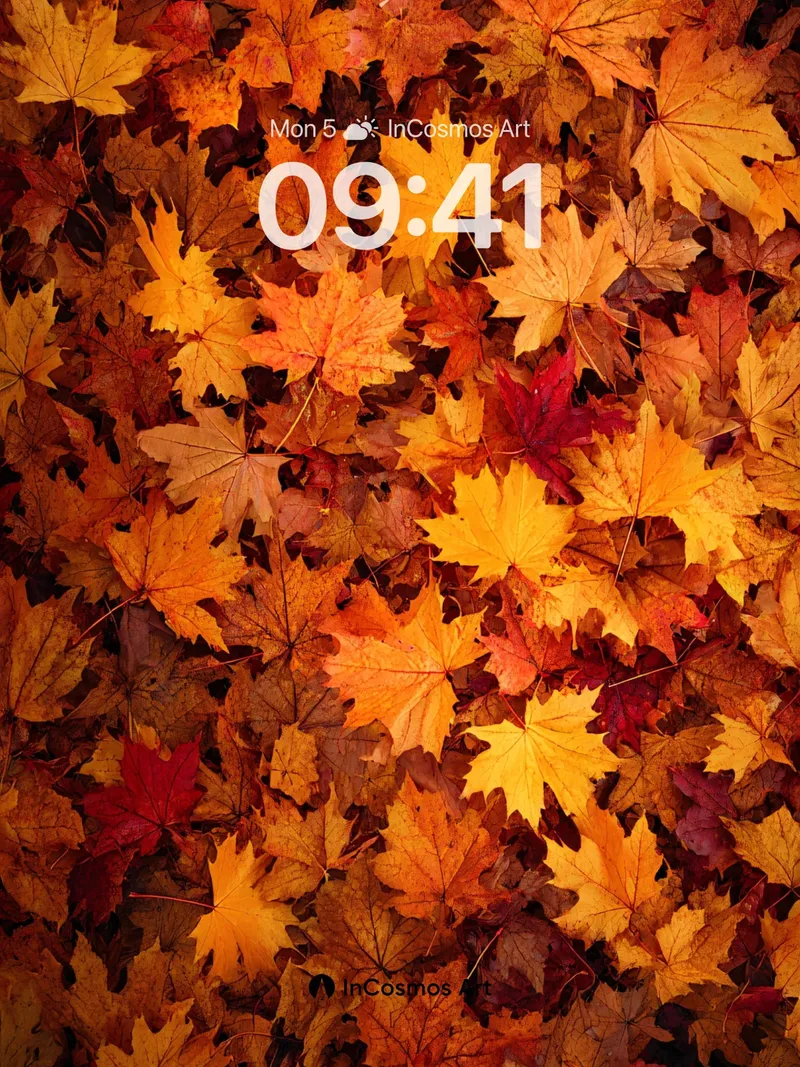
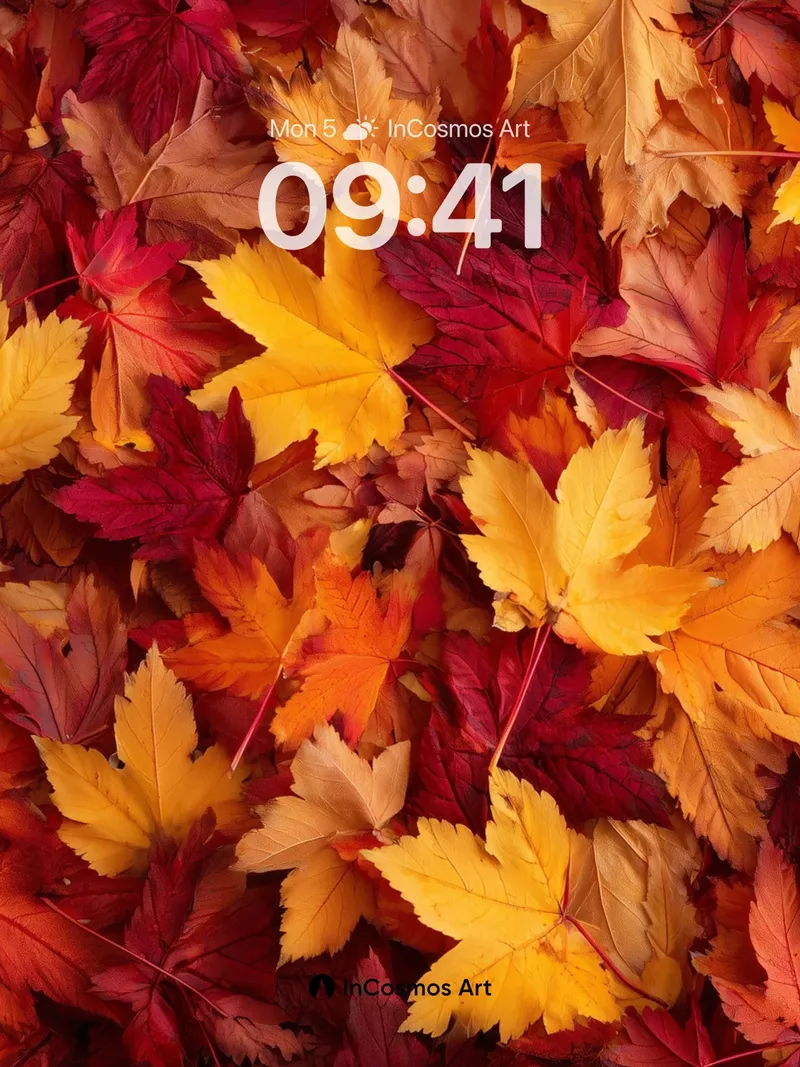
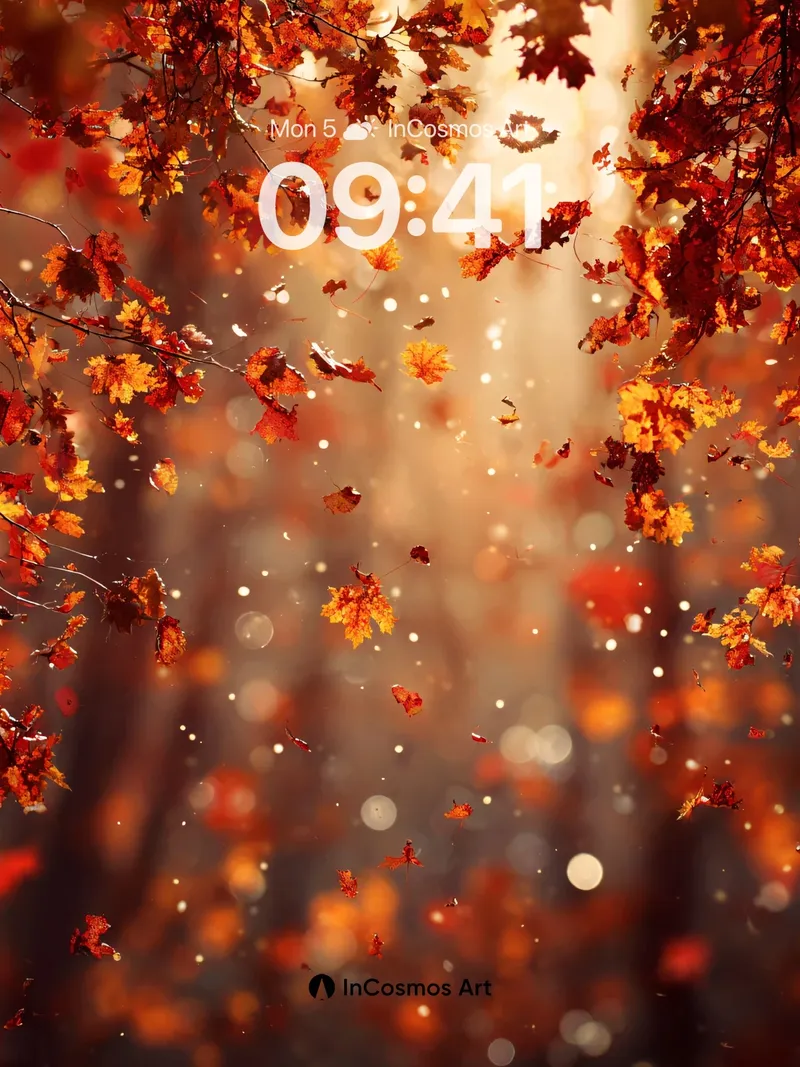
Leaves drift through the air, spinning like fragments of time dancing in light. Each one carries the weight of a season, sliding from branches to embrace the earth. They are not symbols of end, but preludes to renewal. Golds, oranges, deep browns weave into a tapestry on the ground, telling how life continues through decay. This quiet movement is nature's rhythm, echoing human feelings about passage. When leaves detach from trees, they no longer belong to the past, yet become part of what comes next. The process lacks noise, only silent farewells and gentle returns.
Nature's Script
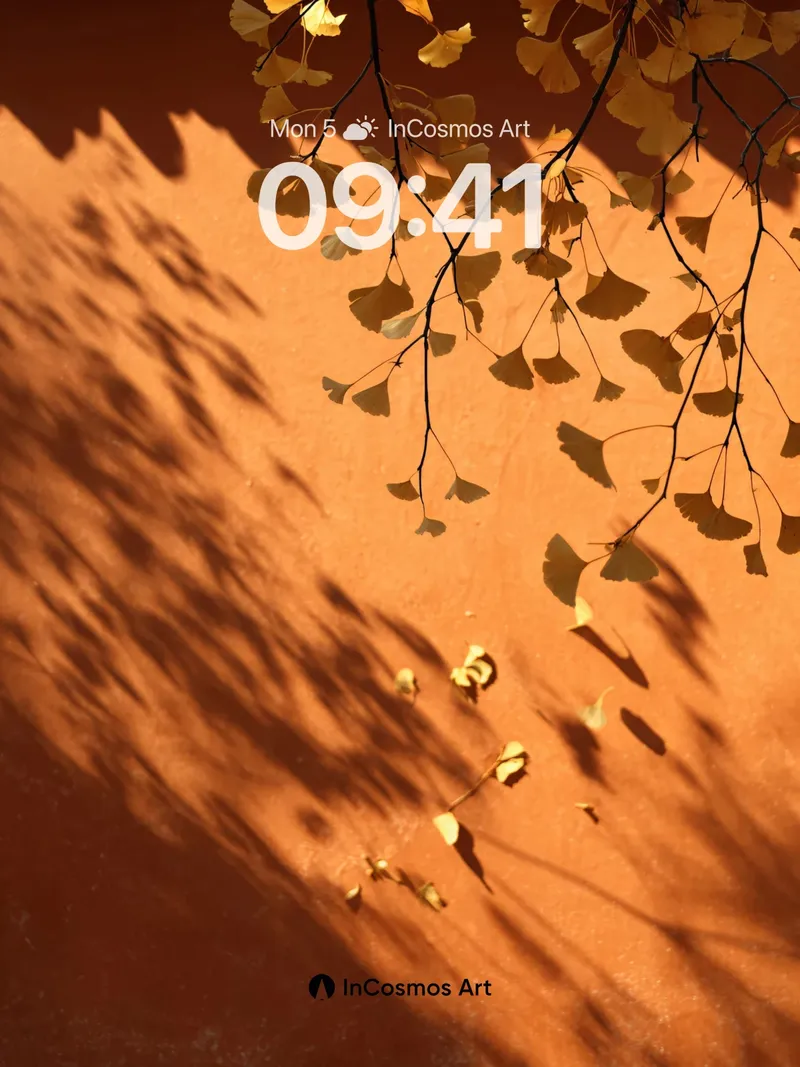
Falling leaves are the earth's oldest letters. Their shapes record climate, their colors mark time. Ginkgo's fan-like forms, maple's palmate veins—each pattern is a line of botanical poetry. Wind delivers these missives to the soil, layering them into stacks that cover memory. Sunlight filters through gaps, casting dappled shadows like historical scars on walls, leaving brief but profound marks. These traces vanish, yet they existed, were seen, felt.
Metaphor of Time
Leaf fall is not an announcement of decline, but completion of maturity. Trees shed abundance to store strength for return. This surrender is wisdom, understanding of cycles. Human societies mirror such rhythms—individual departures, organizational shifts, cultural transitions. Falling leaves remind that true growth includes release. As autumn does not resist decay, people need not fear endings. Every separation enables deeper connection.
Emotional Resonance
Those who watch leaves often feel sorrow, because beauty coexists with brevity. Yet it is precisely this fragility that gives value. When a leaf spins in wind like a dancer, it shows not death, but freedom. Its journey has no destination, only motion. This resembles modern pursuit of meaning—no need to reach an end, just remain aware and sensitive along the way. Fallen leaves teach that beauty lies not in eternity, but in completeness of the moment.