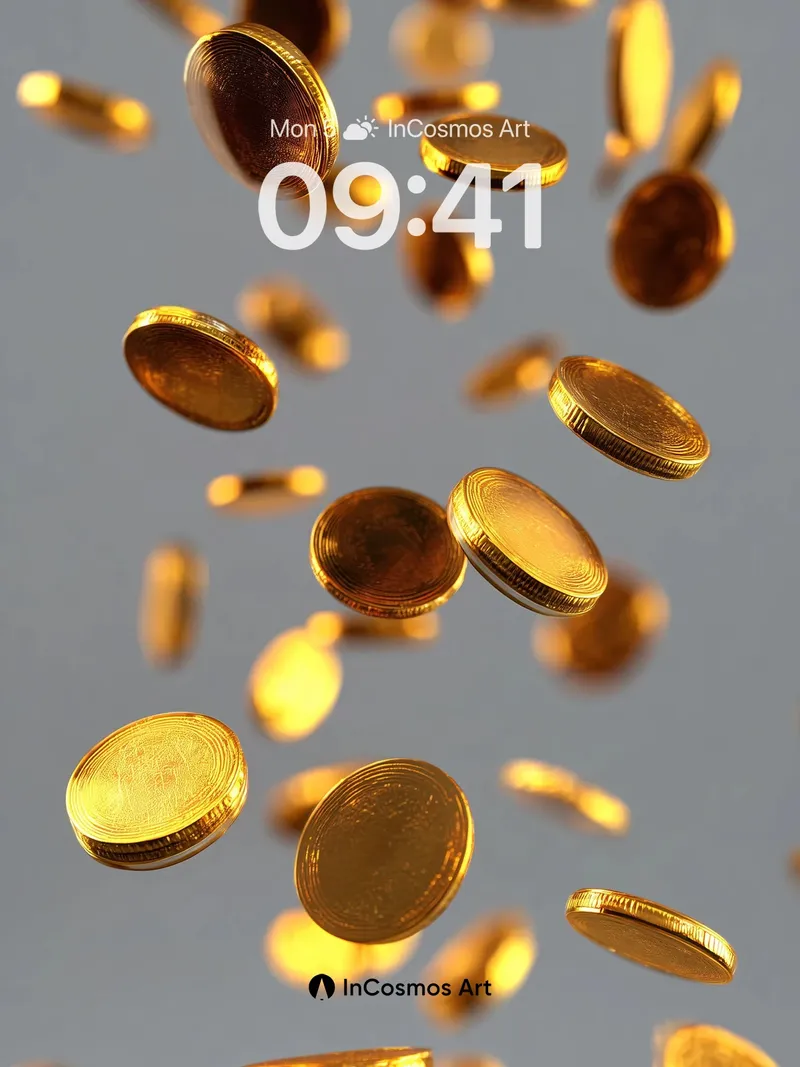
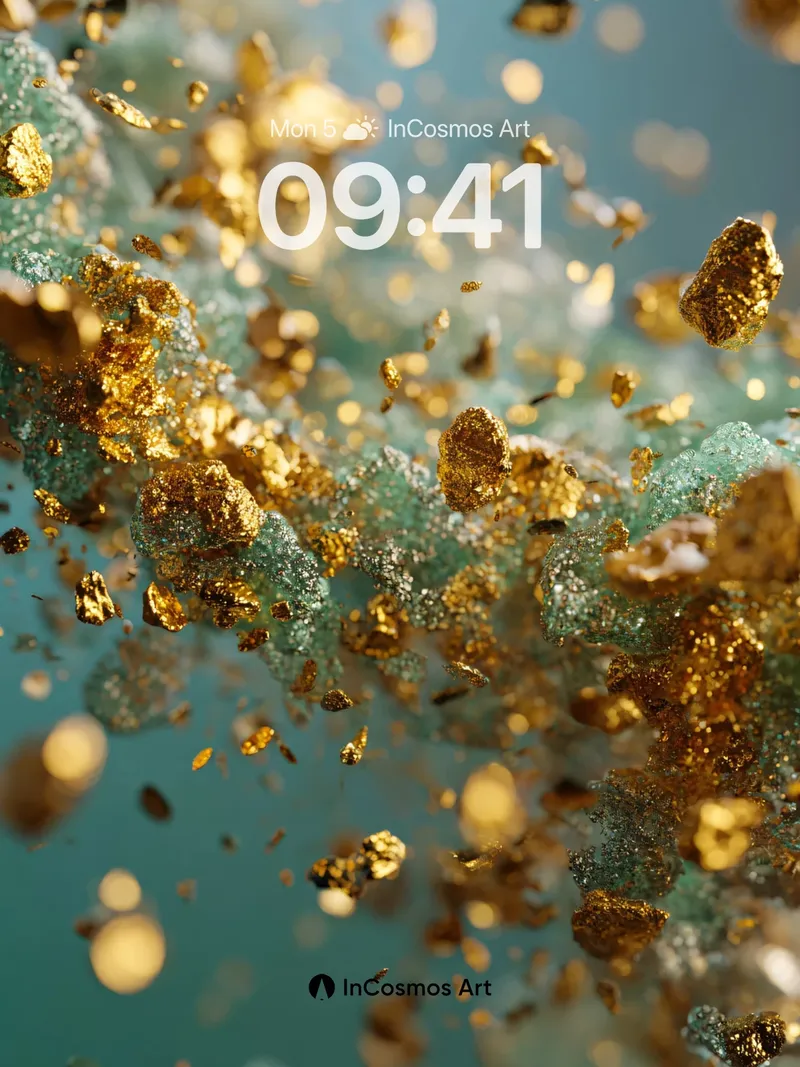
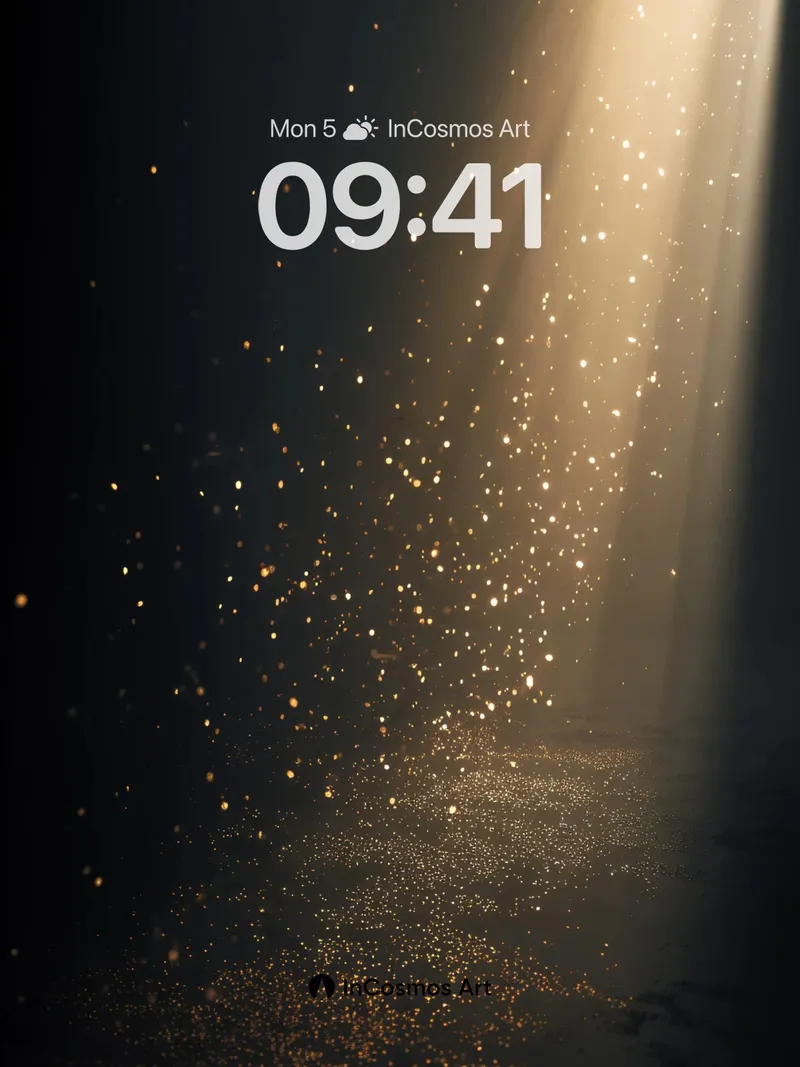
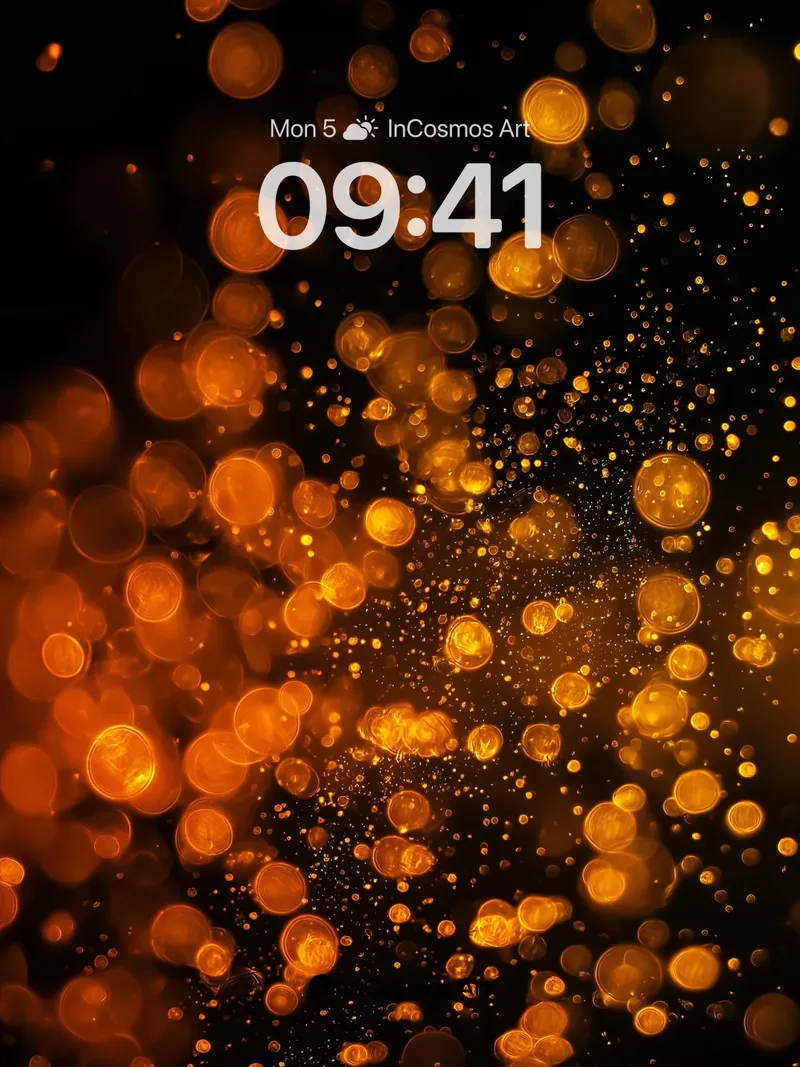
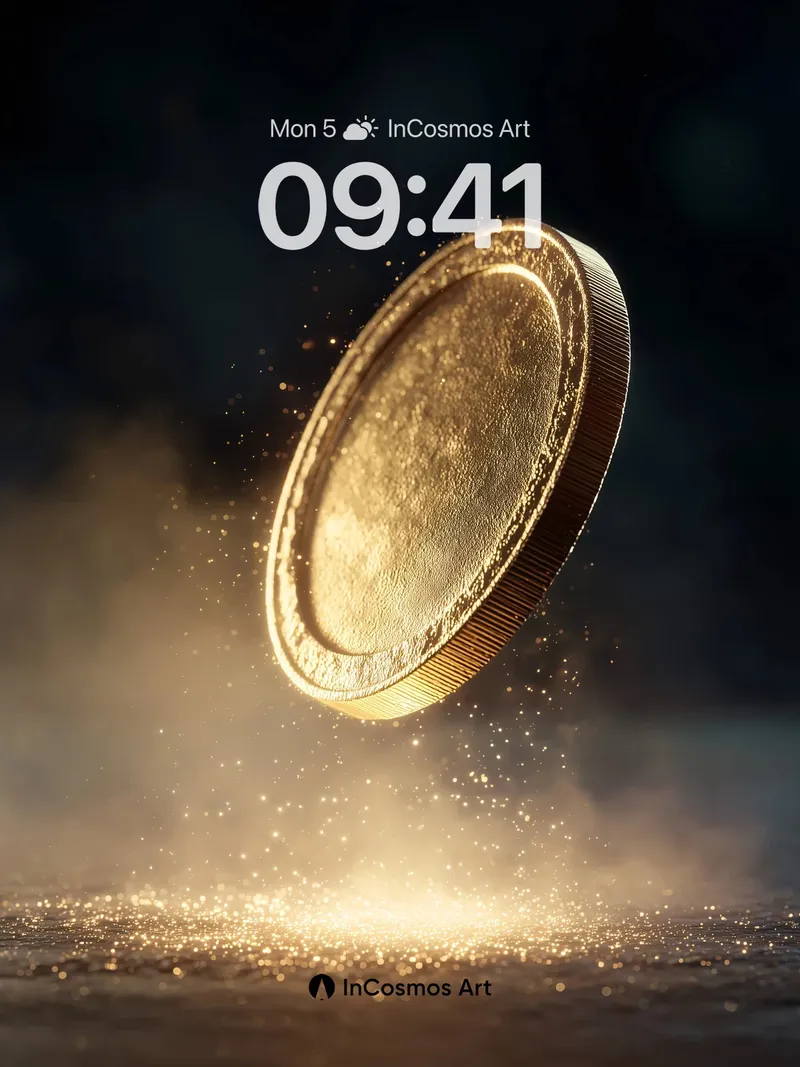
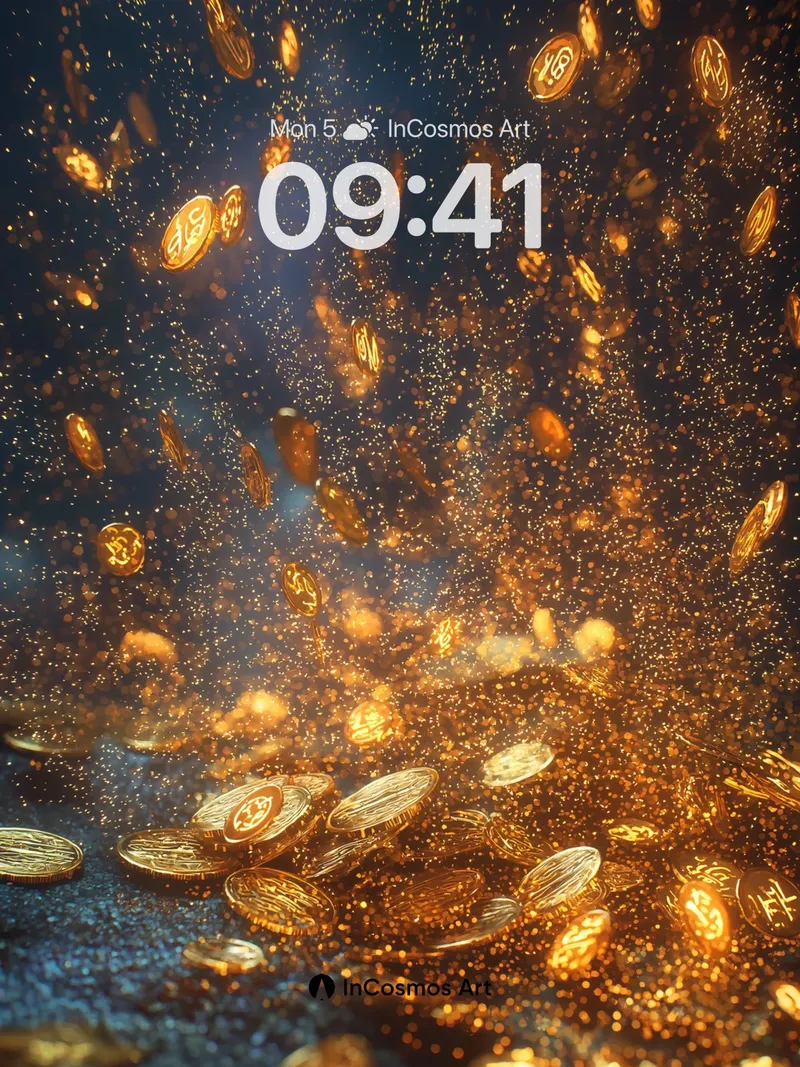
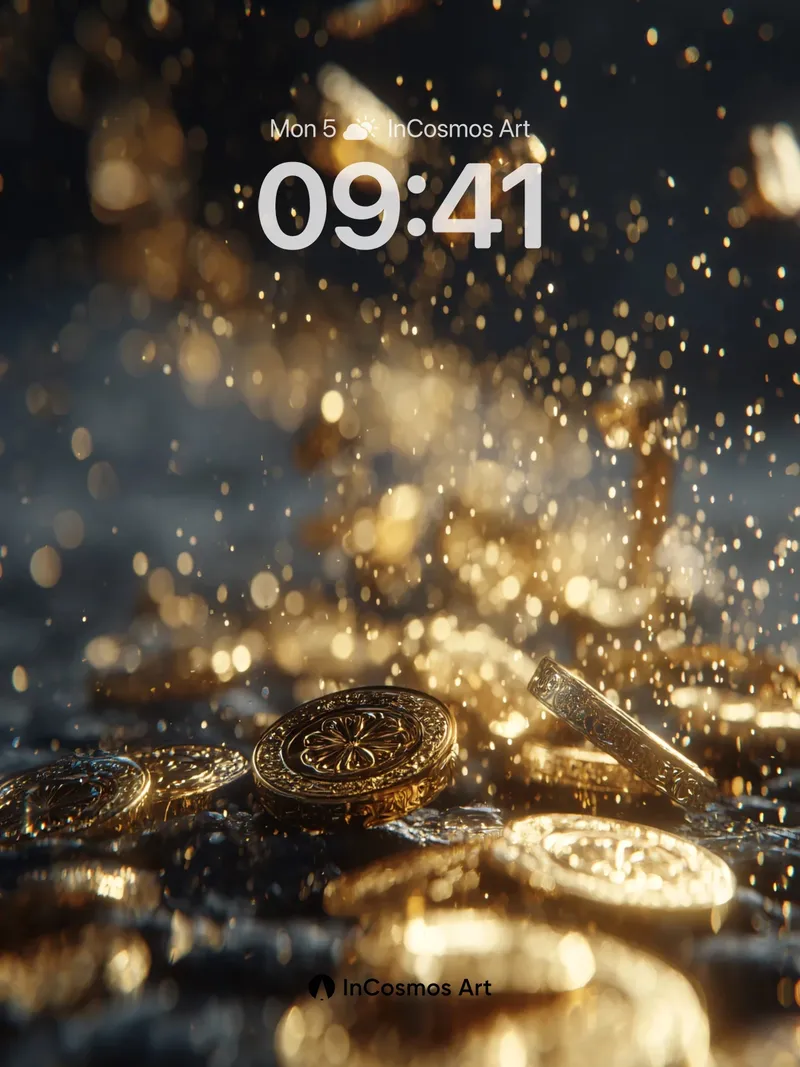
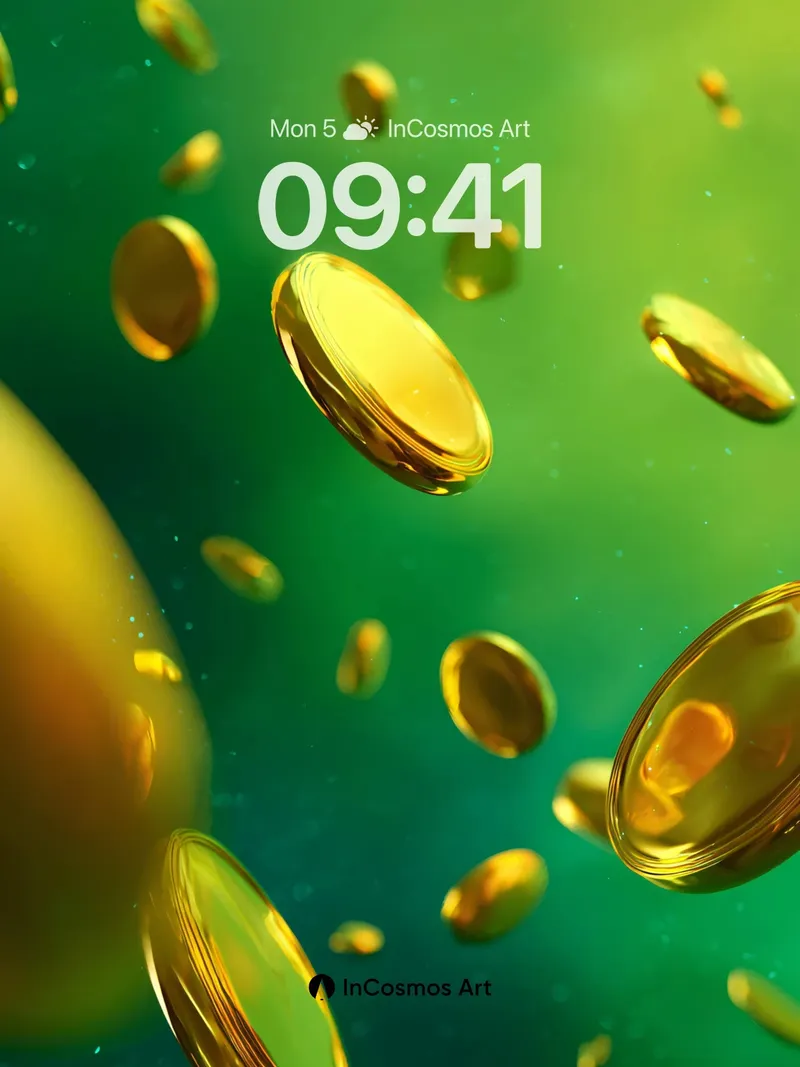
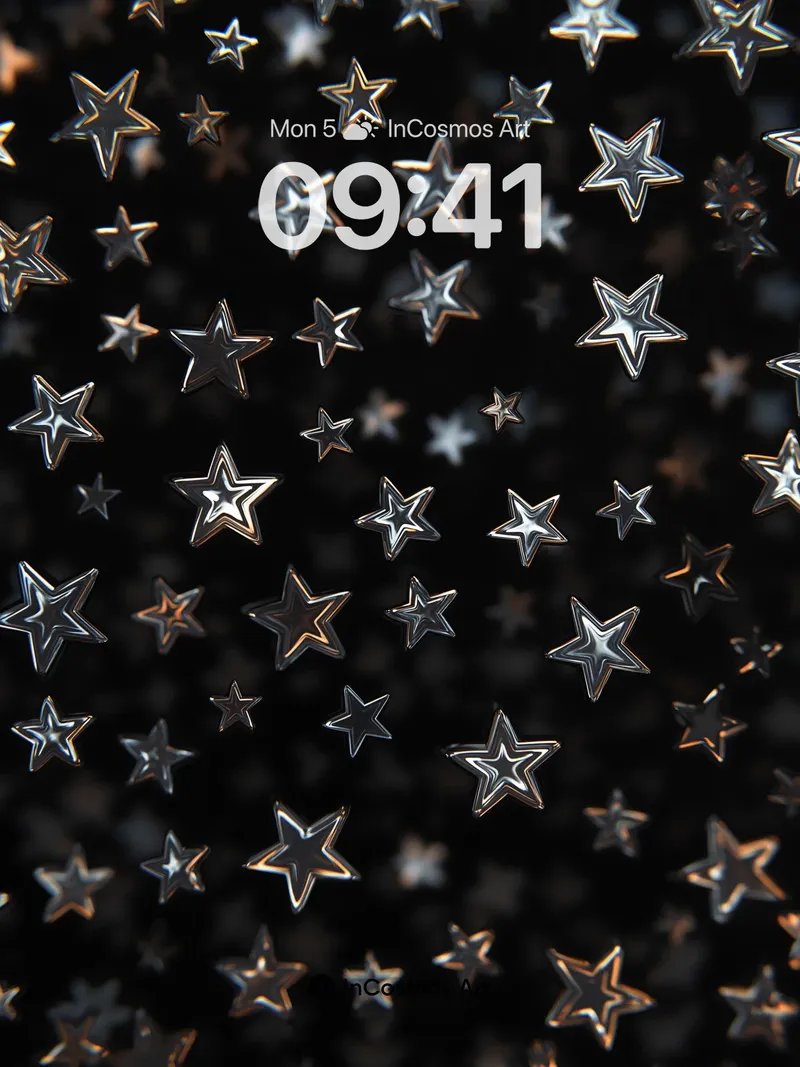
Golden light flows between deep blue and emerald hues, as coins, stars, and particles rotate in empty space. They are not static symbols of wealth but dynamic systems of meaning, constantly redefined across contexts. Coins hover above mist, reflecting humanity's fixation on value; star-shaped glimmers scatter across night skies, mirroring collective memory of cosmic order. These golden forms form a ritualistic cycle between falling and rising, suggesting an eternal dialogue between material and spiritual realms.
The Spiritualization of Currency
Coins spin in darkness, their edges flickering with tiny sparks, seemingly drawn by invisible forces. They cease to be transactional tools and become vessels carrying desire and belief. Each engraved pattern resembles a mark of time, documenting individual and collective economic acts. Yet when lifted from the ground and suspended in void, they transcend utility, entering the symbolic realm. This ascent becomes a metaphor for transformation from matter to spirit.
Coexistence of Stars and Dust
Golden star points drift over dark blue backgrounds, resembling fragments from the dawn of the universe. Neither real stars nor mere decoration, they represent cultural projections of order and wonder. Repeated star motifs create visual rhythm, echoing ancient human reverence for the cosmos. Meanwhile, countless microscopic particles float through air, blurring boundaries—star dust or gold powder? This ambiguity reveals the delicate tension between reality and imagination.
The Narrative Language of Light
Light plays a central role throughout these scenes. It is not merely illumination but a narrative medium. Warm yellow tones dominate, evoking sacredness and nostalgia. Radiating from centers, light spreads outward, guiding the viewer’s gaze through layers of symbols. This composition mirrors halo designs in religious art, reinforcing gold's status as a divine element. Interplay between light and shadow intensifies themes of presence and absence.
Blurring Nature and Artifice
Some scenes depict crystalline structures mingling with metallic fragments, dissolving distinctions between natural and artificial. Gold crystals cover green substrates, suggesting earth giving birth to precious metal, or technology nourishing nature. This fusion challenges traditional classifications, proposing an open ecological vision: human-made objects can become part of nature, and vice versa. Here, gold no longer belongs solely to economic systems—it enters geological and biological evolutionary chains.