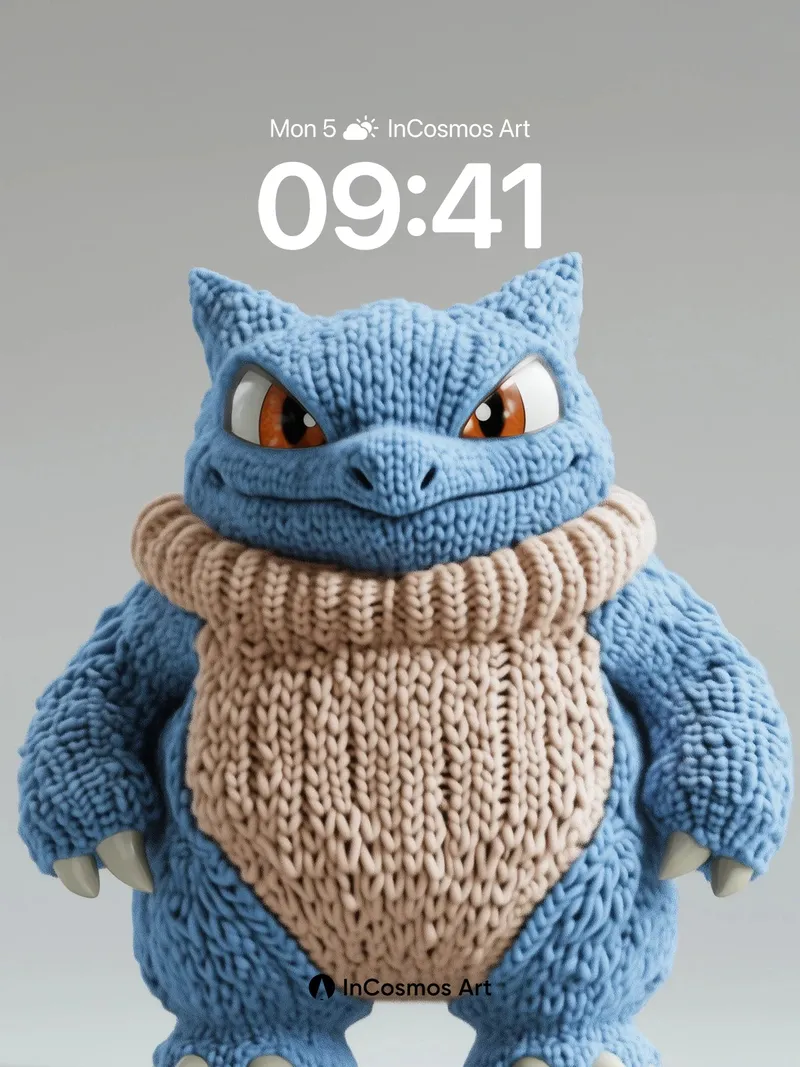
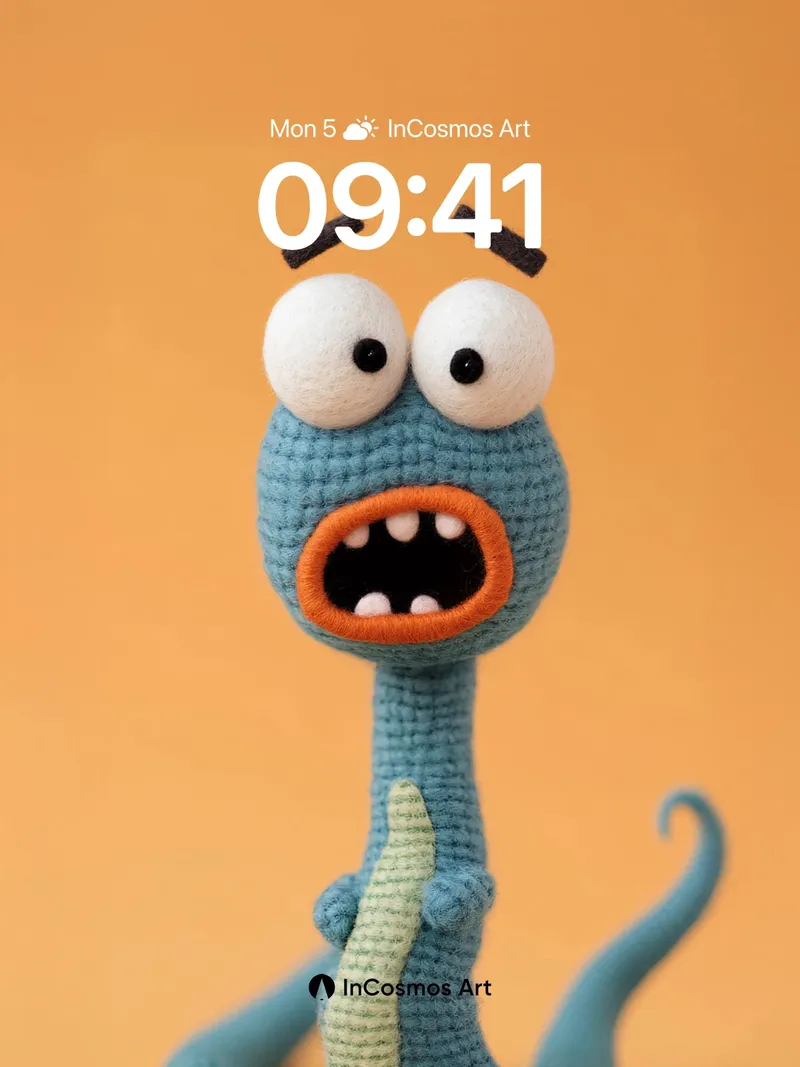
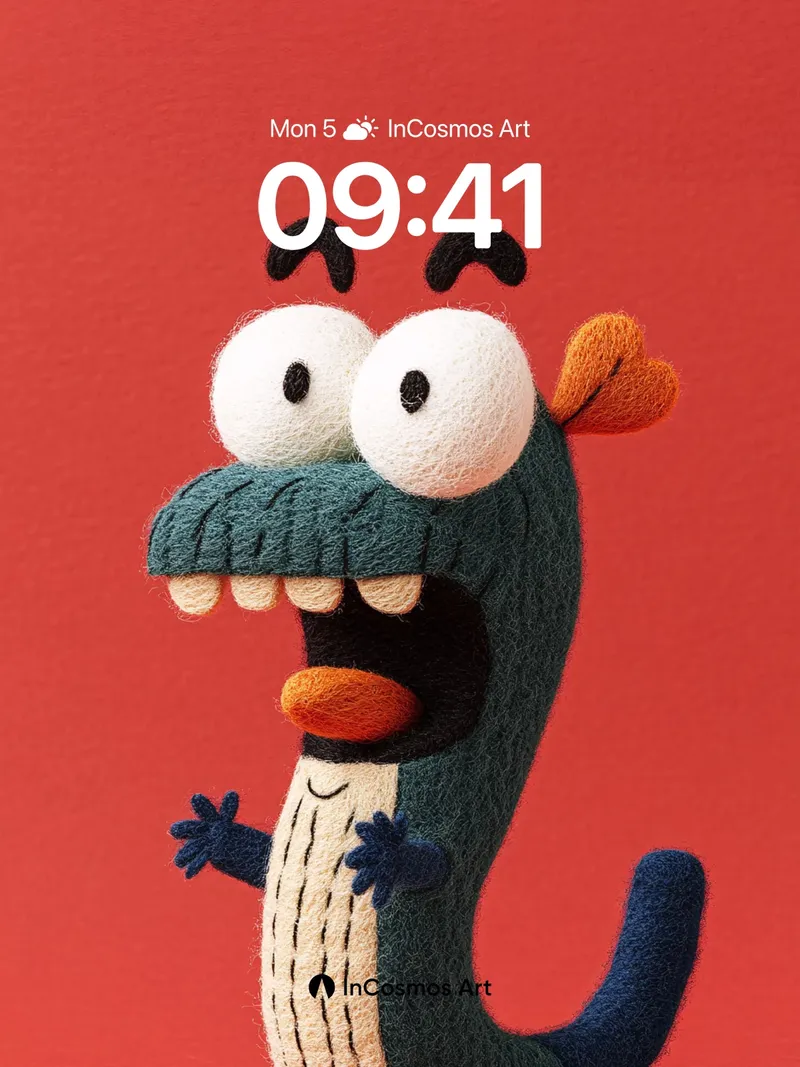
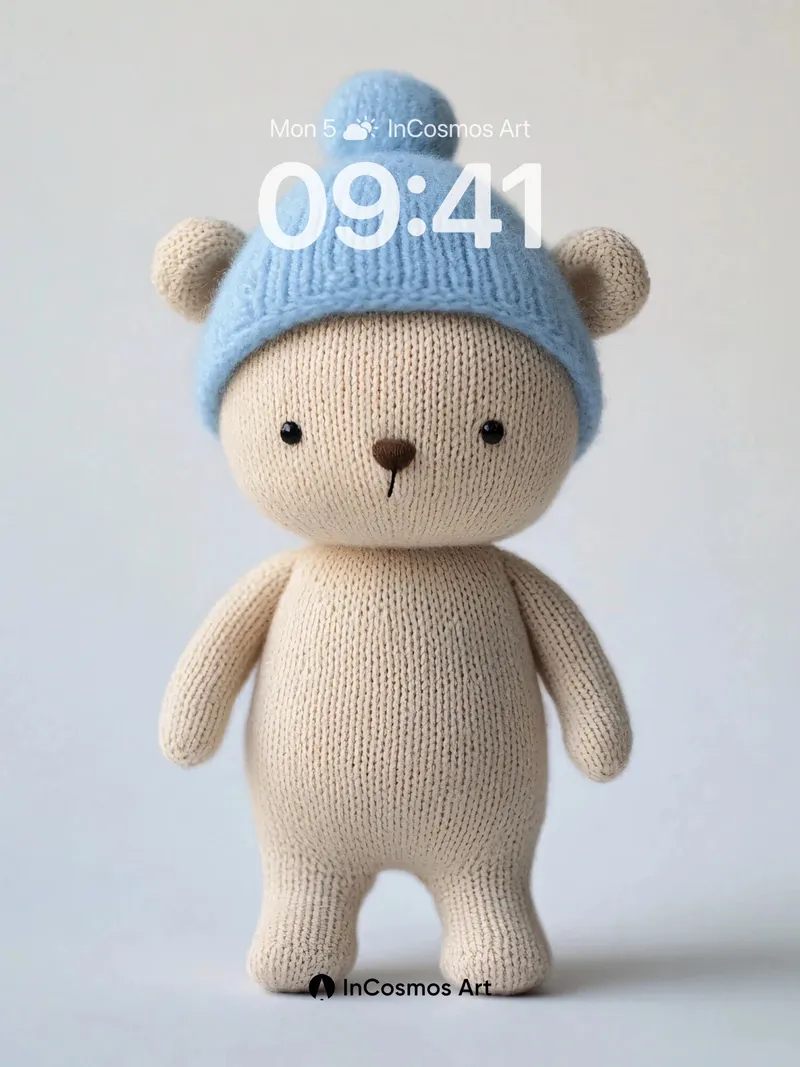
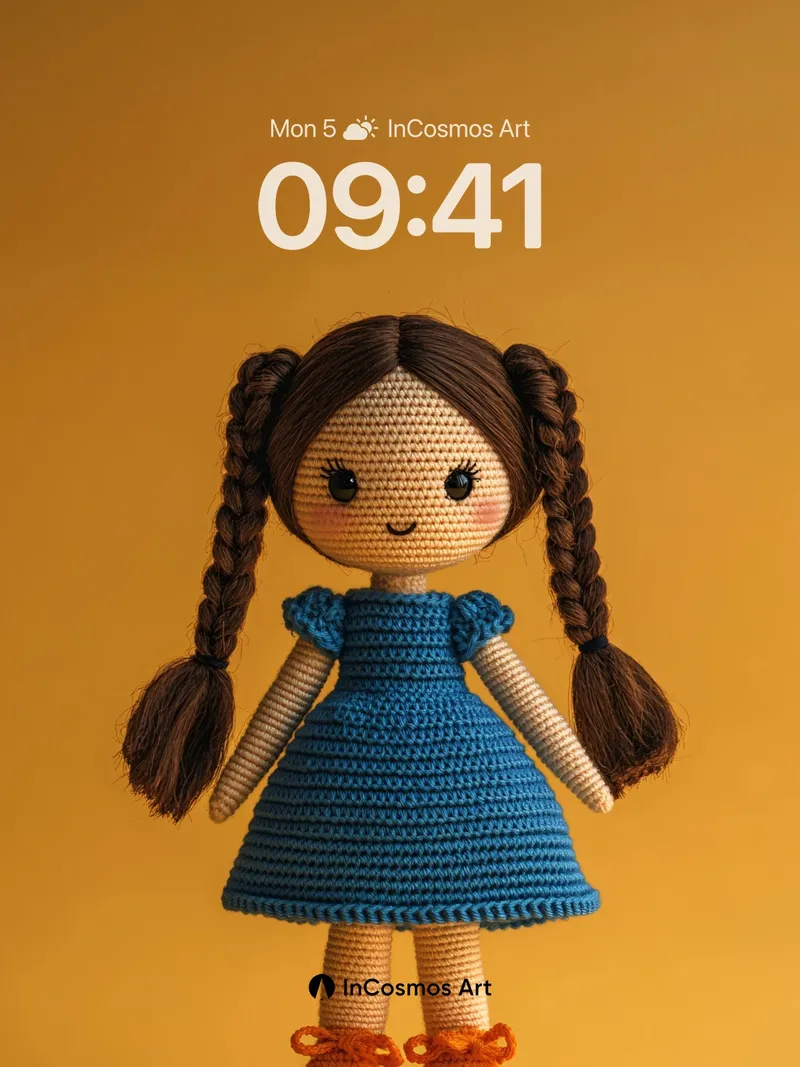
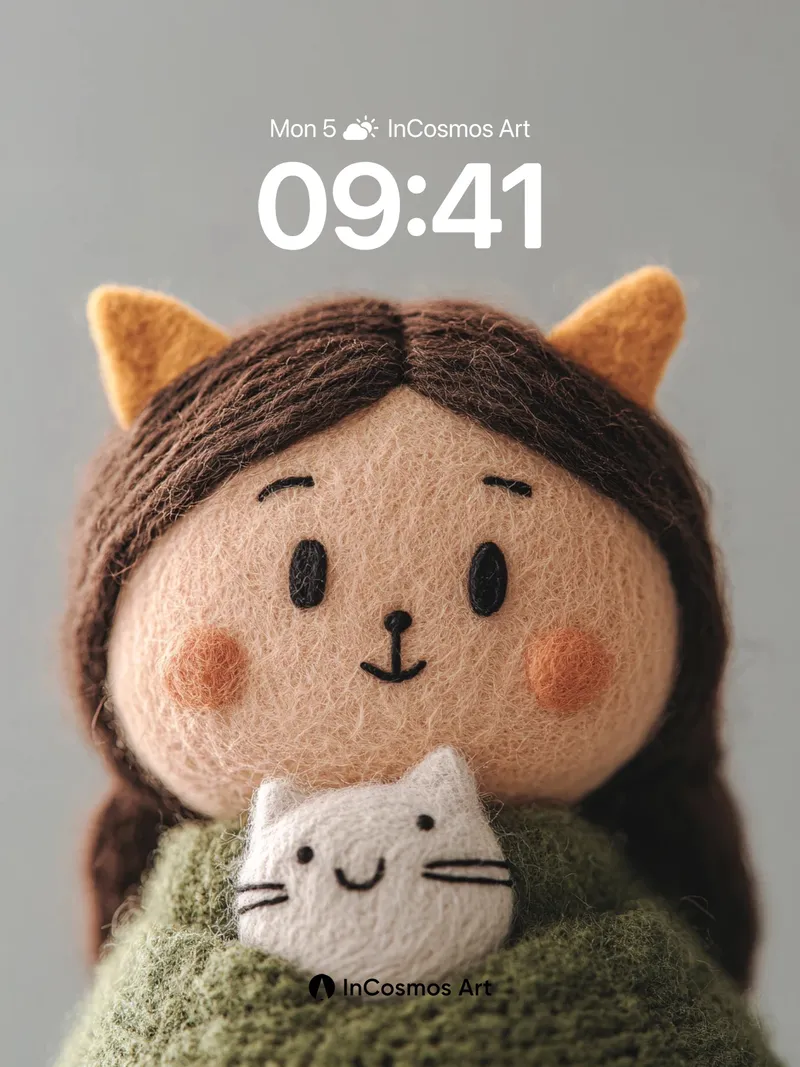
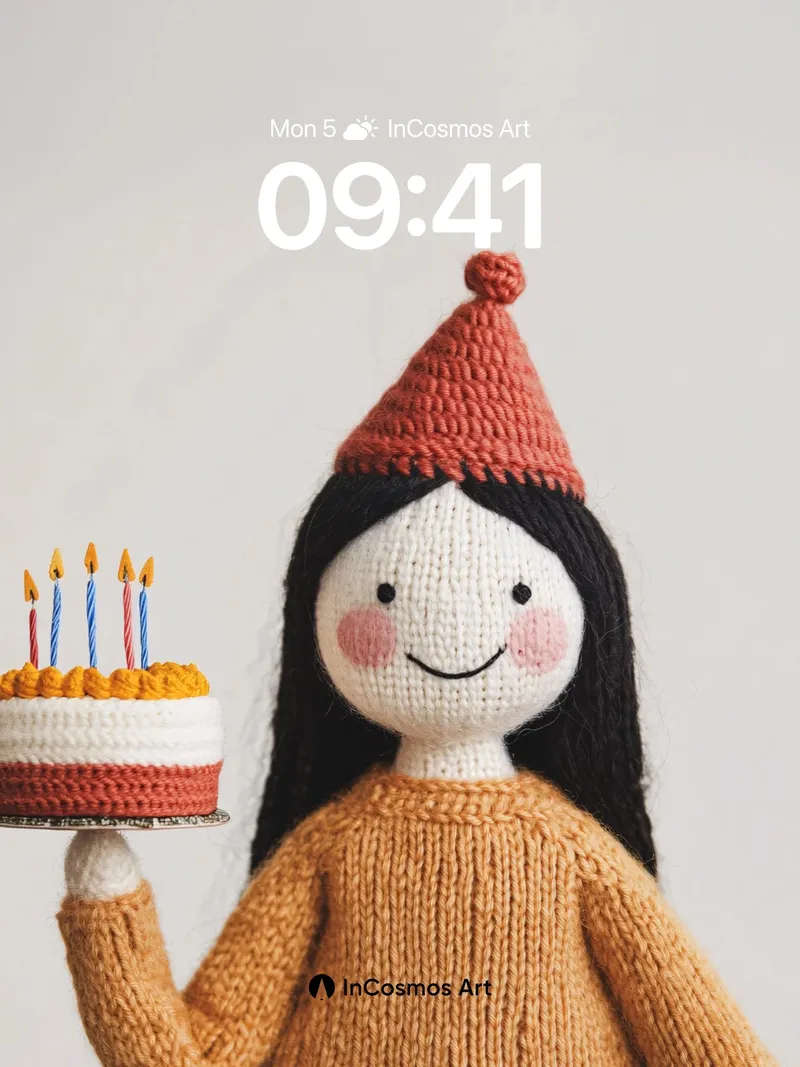
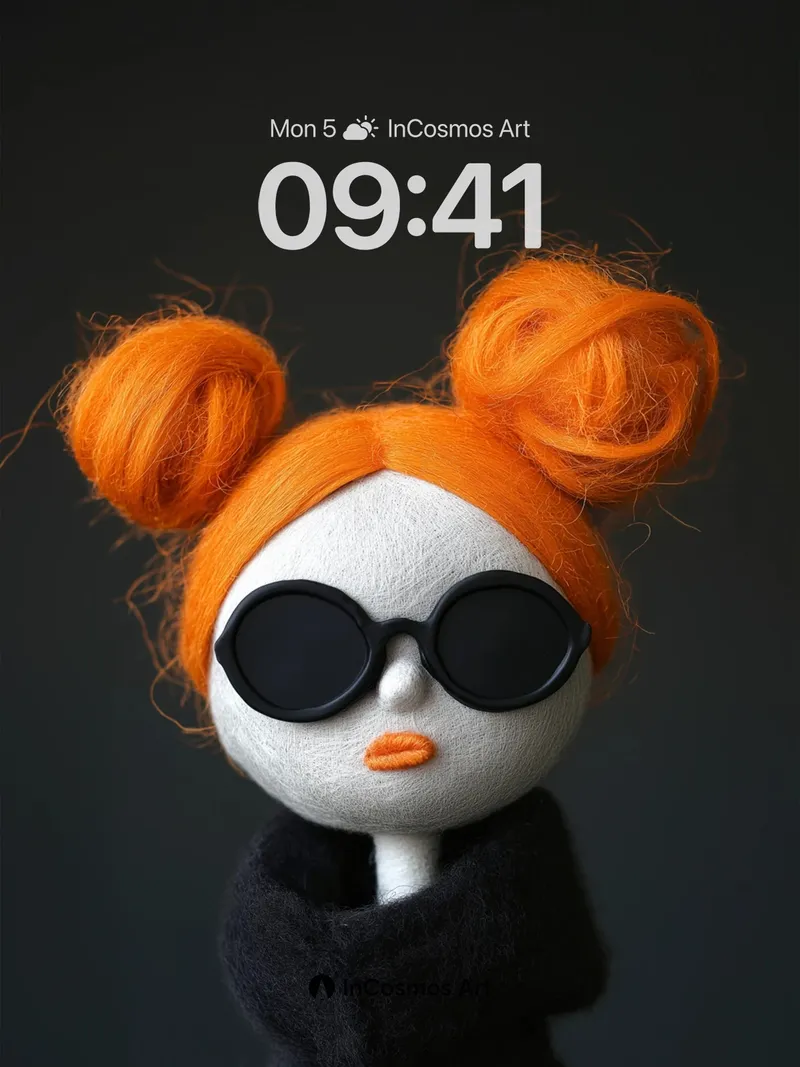
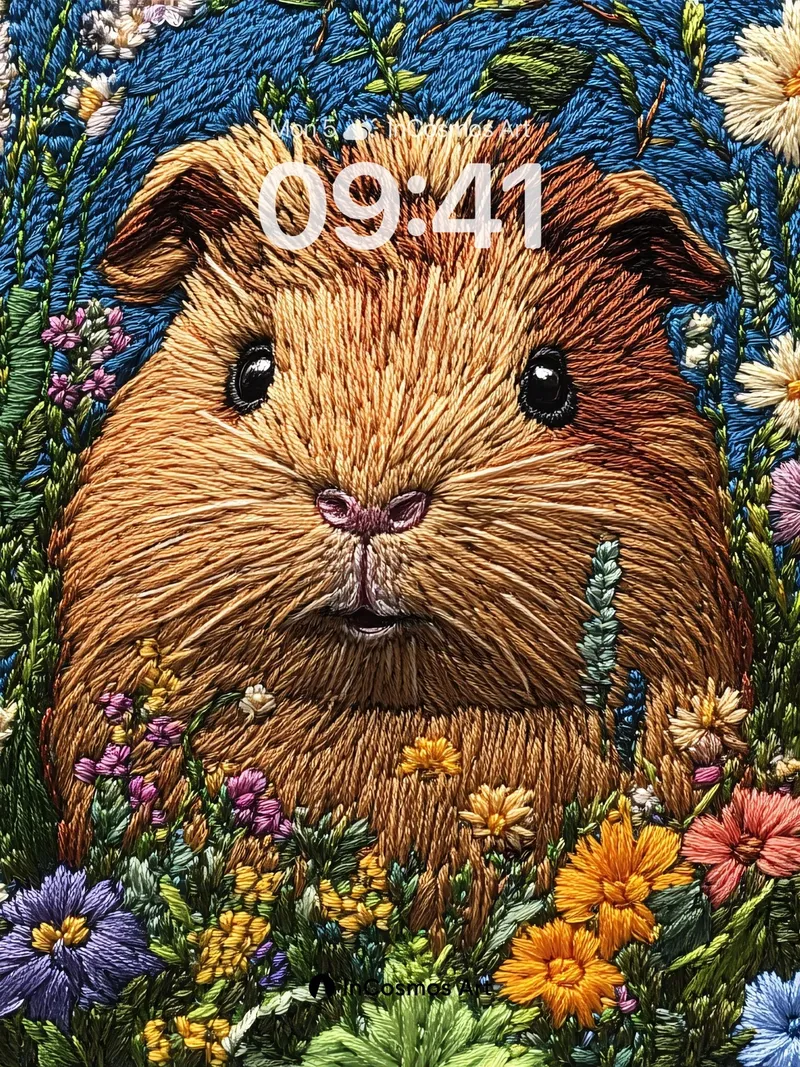
Yarn winds through fingers, weaving not only forms but vessels of memory. Each stitch carries unspoken emotion, every fiber narrates a dialogue between individual and world. These handcrafted figures reconstruct childhood’s outline with soft material, transforming abstract feelings into tangible objects. They are not mere toys but extensions of emotion, projections of identity, gentle resurrections of cultural symbols in contemporary context.
Fabric of Feeling
Facial expressions on yarn figures range from shock to joy, seriousness to innocence, mapping the spectrum of human emotion. These expressions are not arbitrary; they distill everyday psychological states. The blue monster’s wide-open mouth suggests silent shouting; the girl holding a cake radiates celebratory delight. Such details capture fleeting yet profound emotional moments of childhood, triggering resonance in viewers.
Symbols of Self
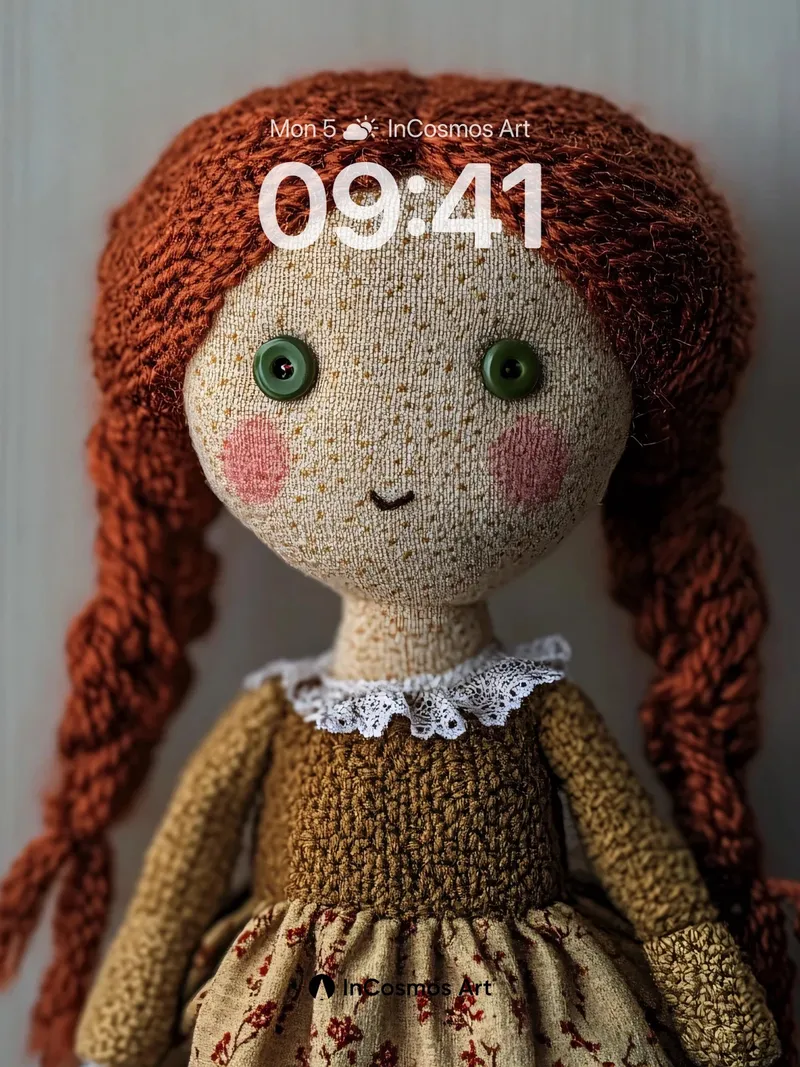
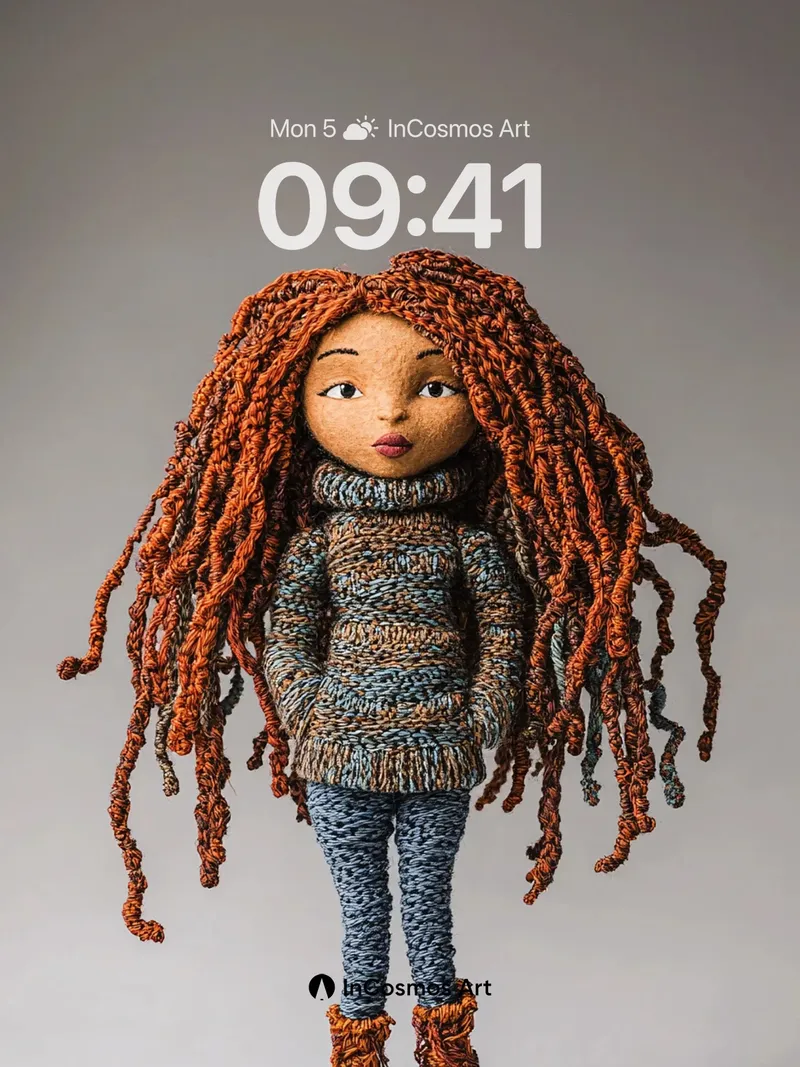
The girl with braids, the one in a party hat, the figure with cat ears—each form tells an identity story. Hairstyles, clothing colors, accessories serve as visual codes for social roles and self-perception. Red dreadlocks paired with thick sweaters convey independence and resilience, while a green shawl cradling a tiny cat hints at tenderness and companionship. Together, these elements build miniature personas, inviting viewers to find reflections of themselves.
Web of Culture
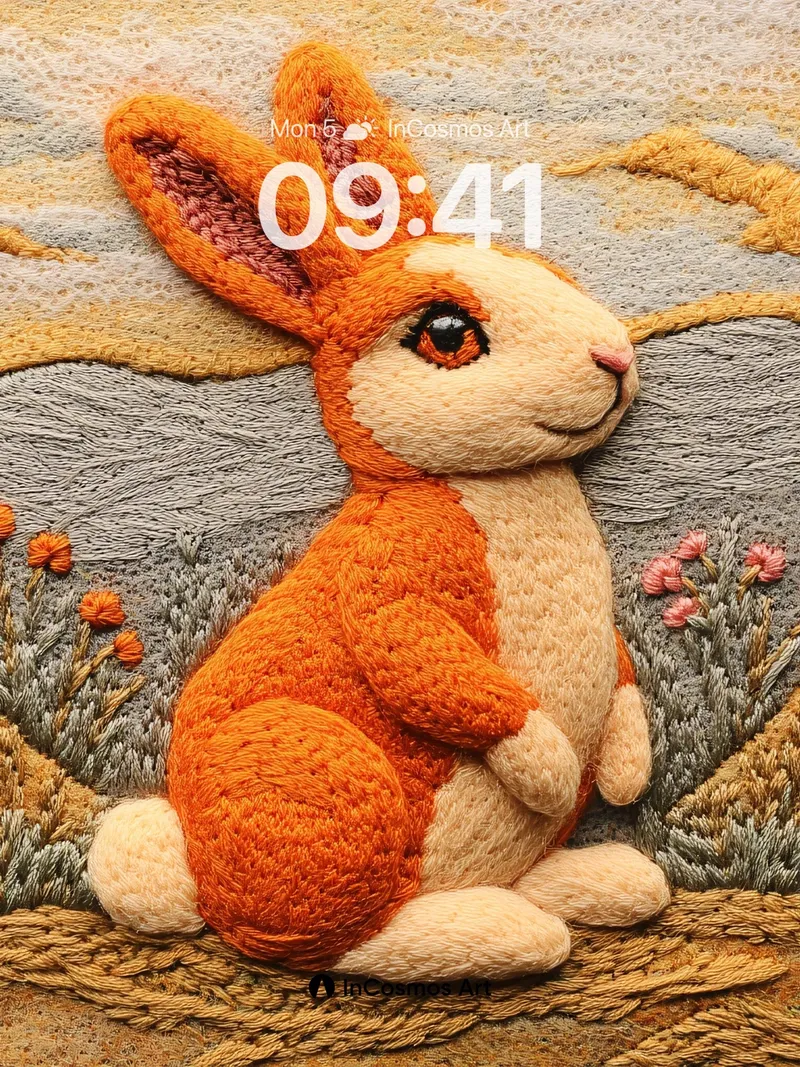
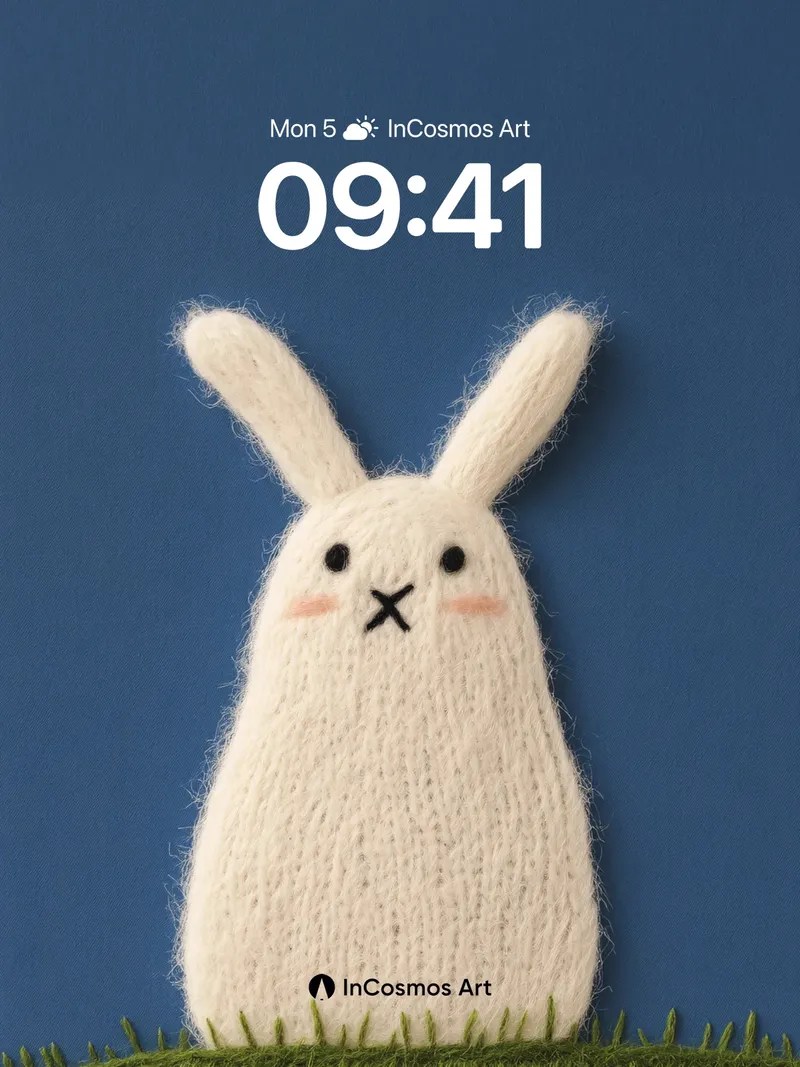
Yarn art transcends geography and time, becoming a bridge between tradition and modernity. Rooted in folk craftsmanship, it renews itself in contemporary aesthetics. Whether Pokémon-inspired creatures or anthropomorphic rabbits, these creations reflect cultural fusion and reinvention under global influence. This medium preserves the warmth of handmade work while embracing pop culture's playfulness, forming a unique visual language.
Gentle Resistance
In the digital age, these handmade pieces offer slow-paced resistance against fast life. Their presence reminds that beauty need not be flawless, and emotion does not require concealment. The irregular texture of yarn, minor imperfections in stitches, enhance authenticity. This 'imperfection' is their charm—rejecting industrial replication, affirming individuality and warmth inherent in craft.