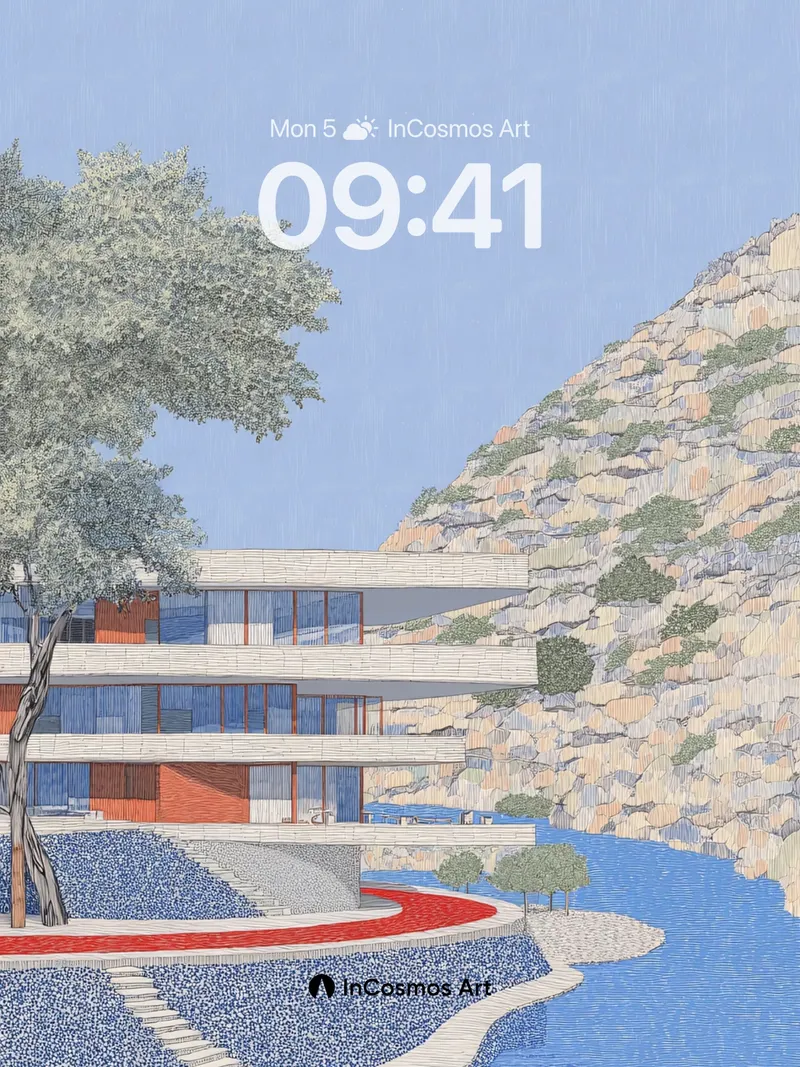
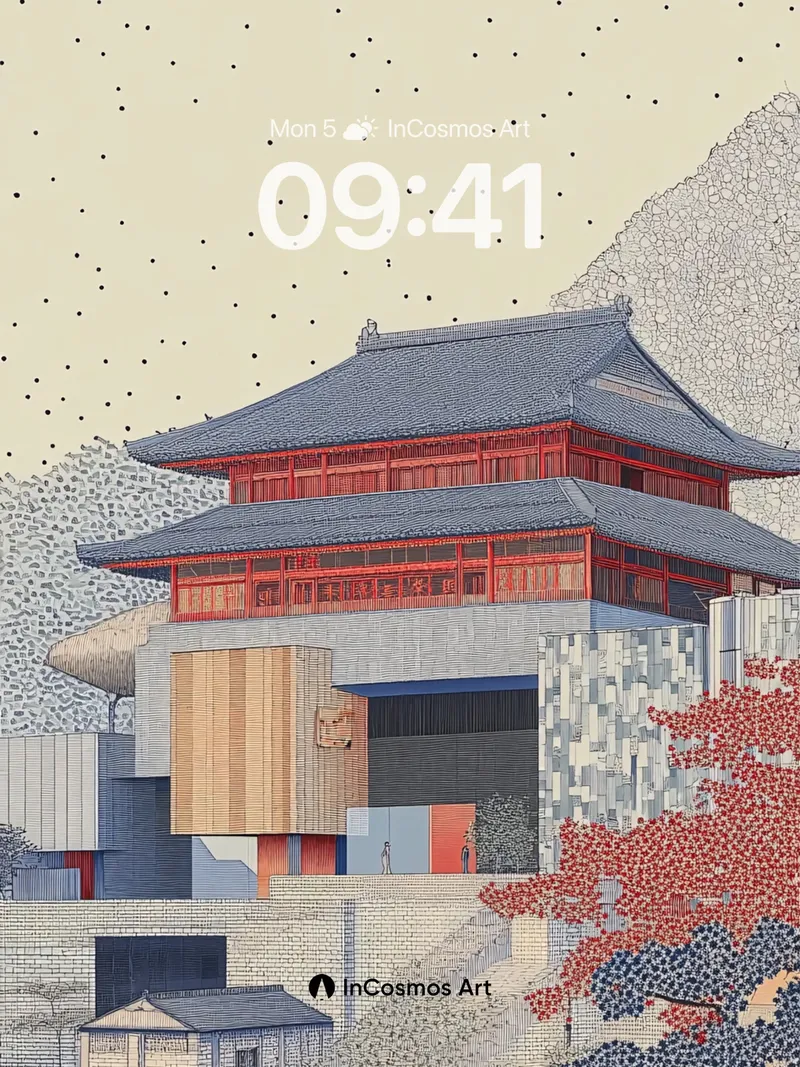
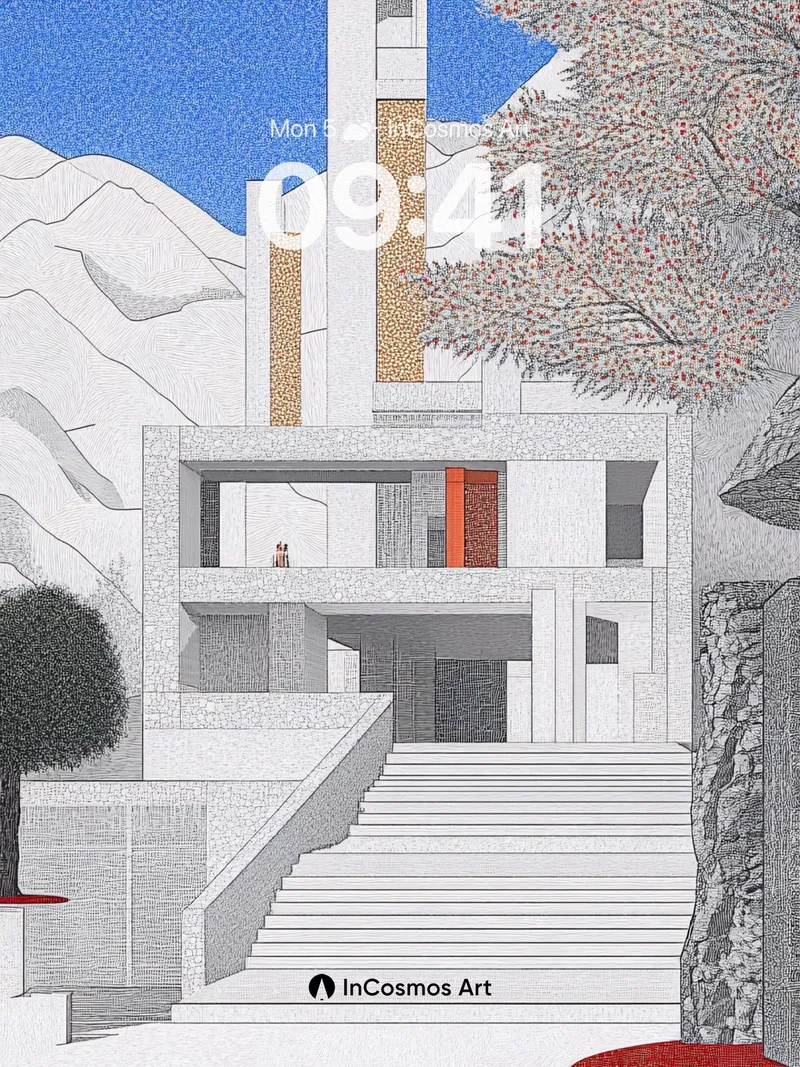
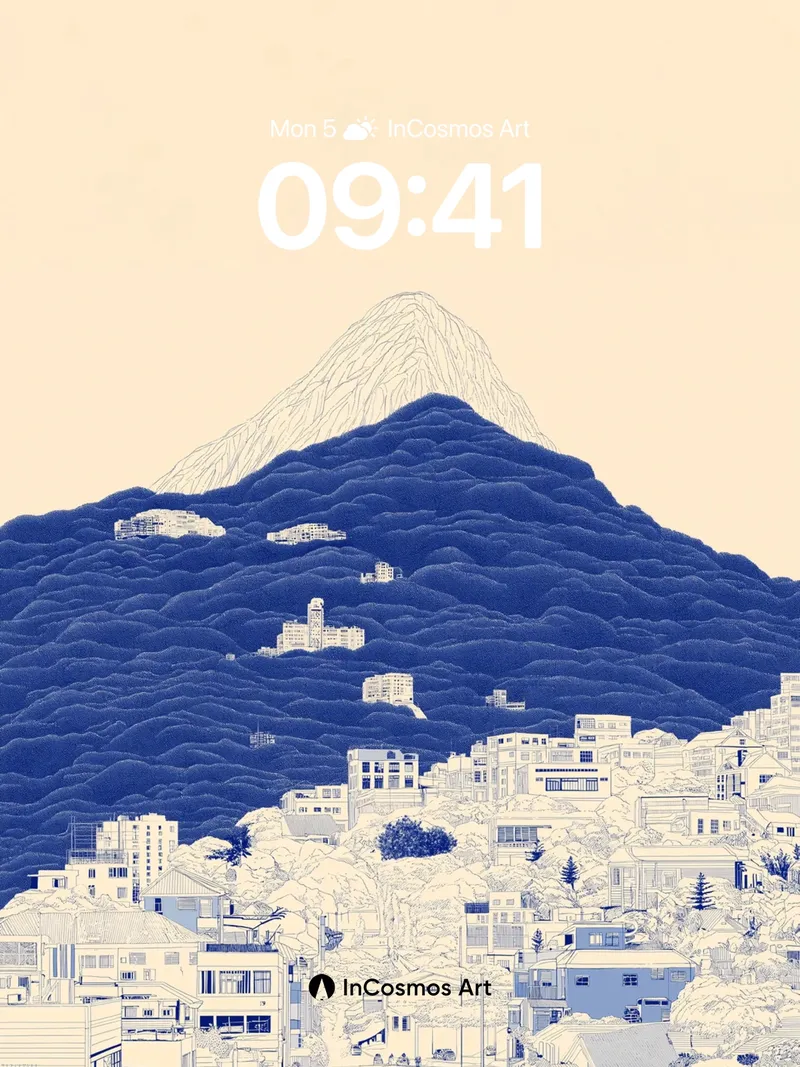
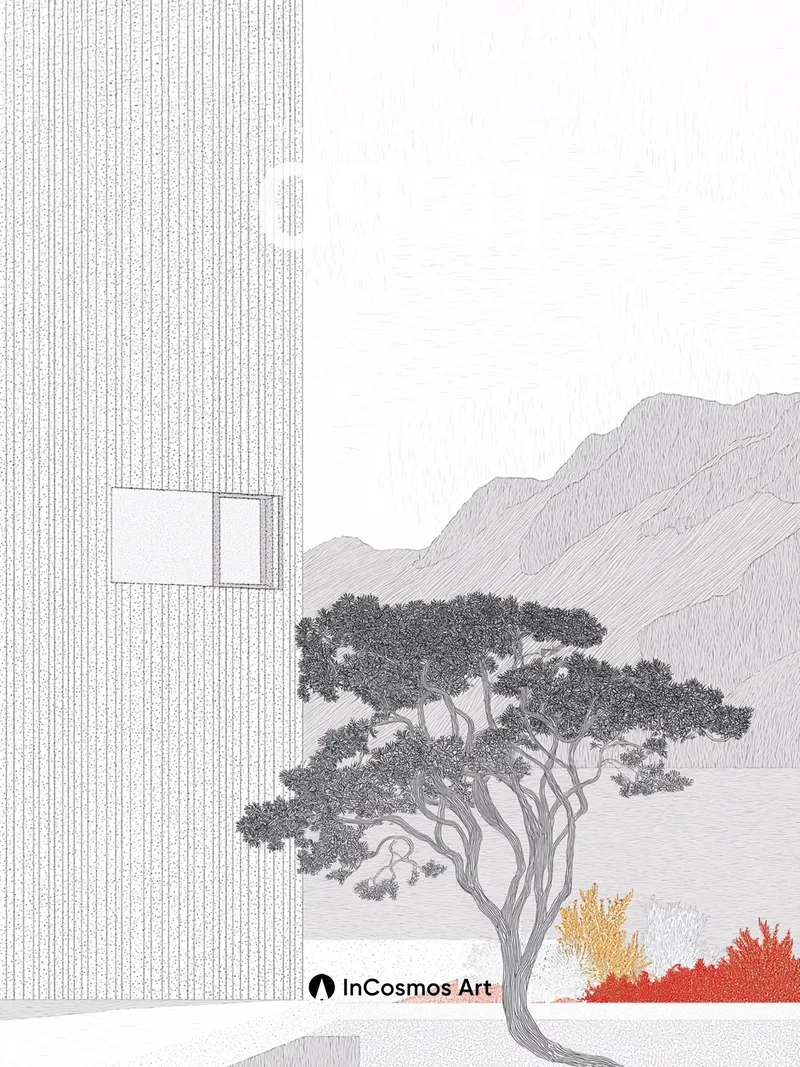
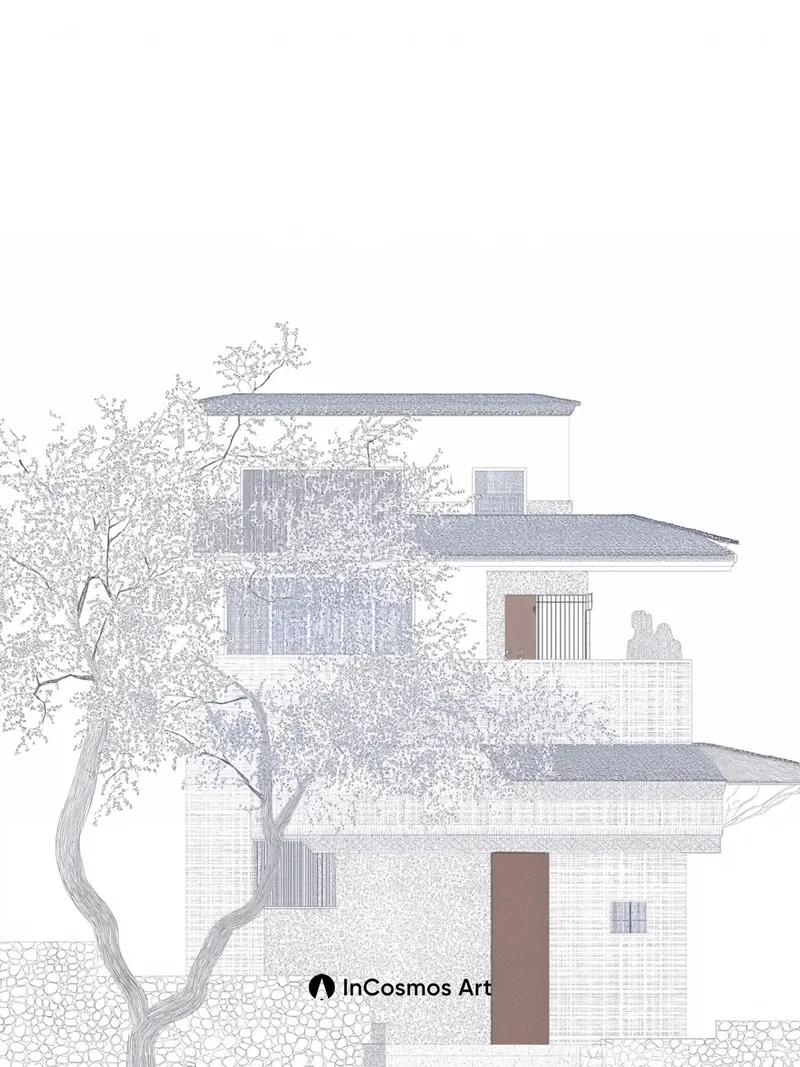
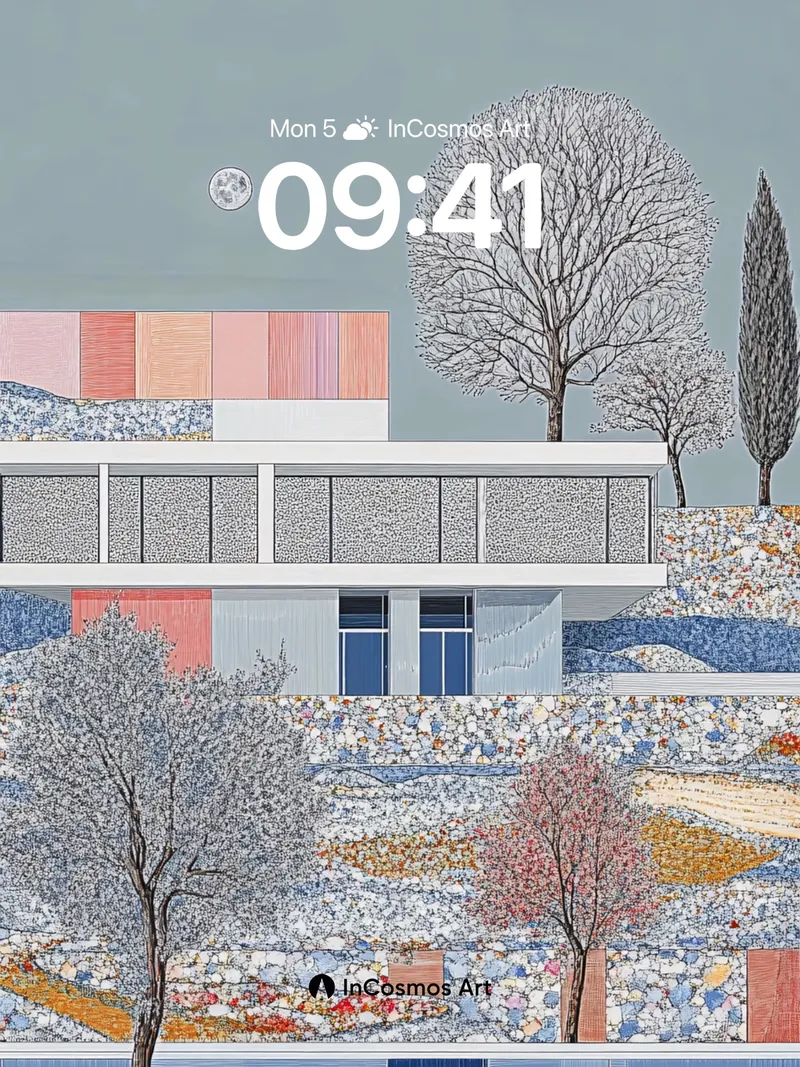
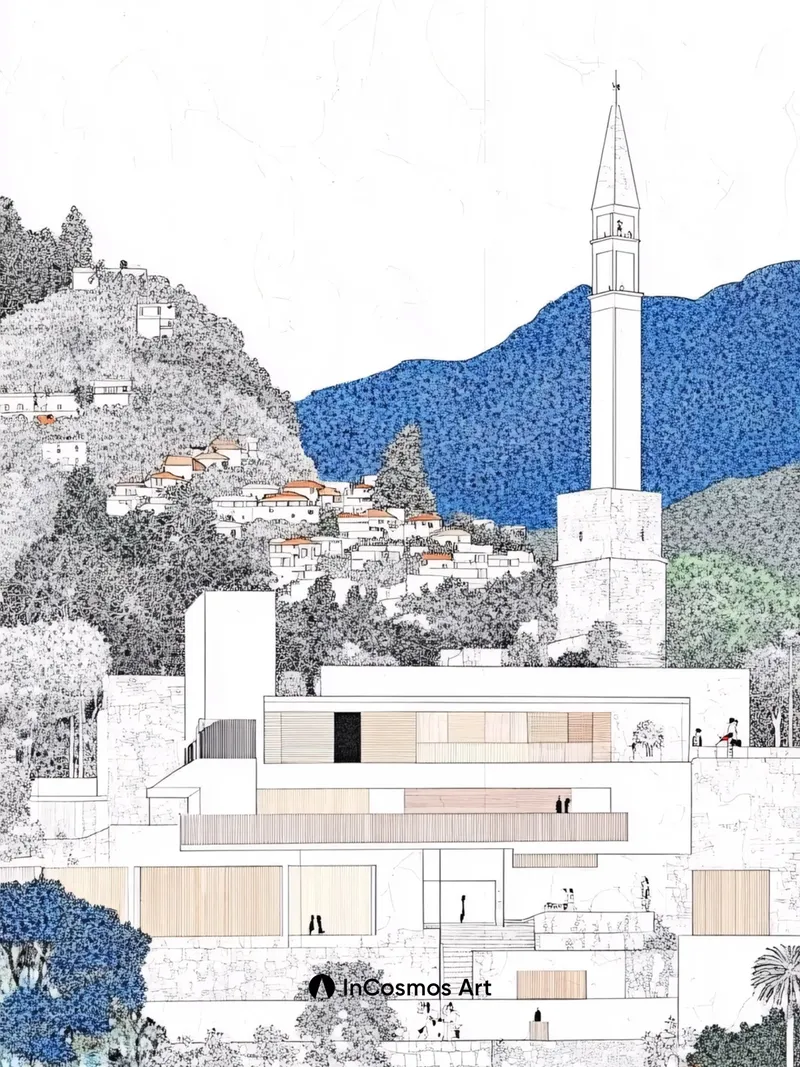
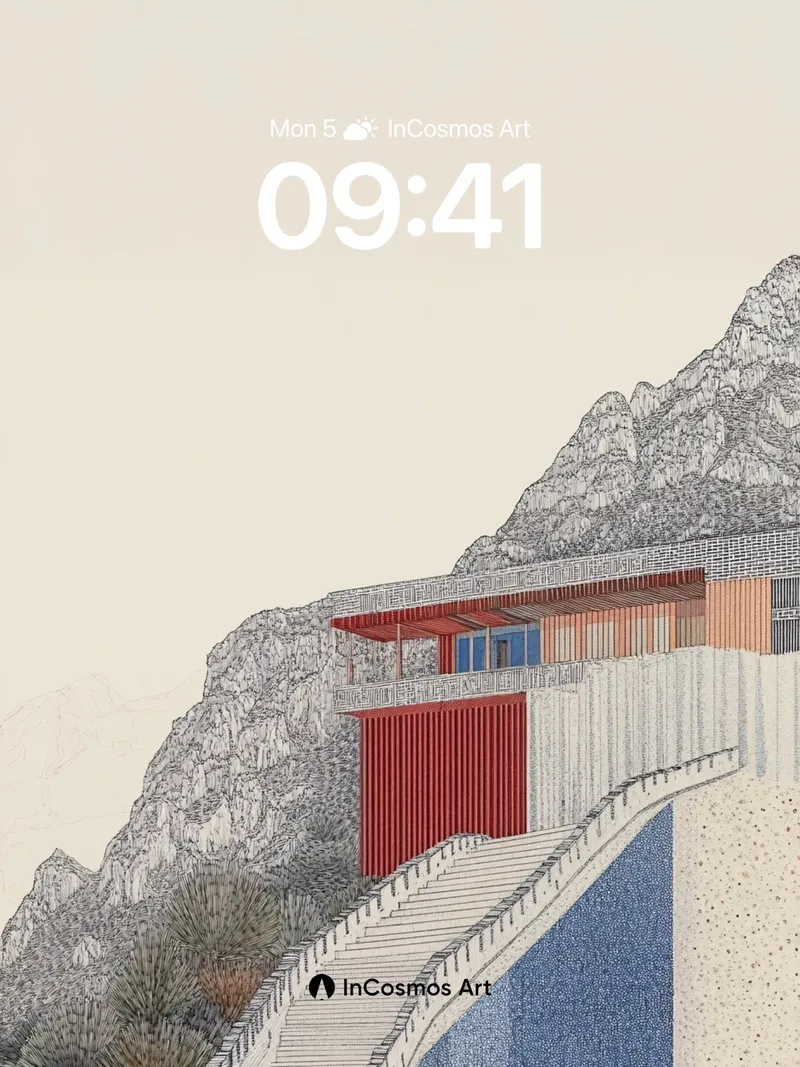
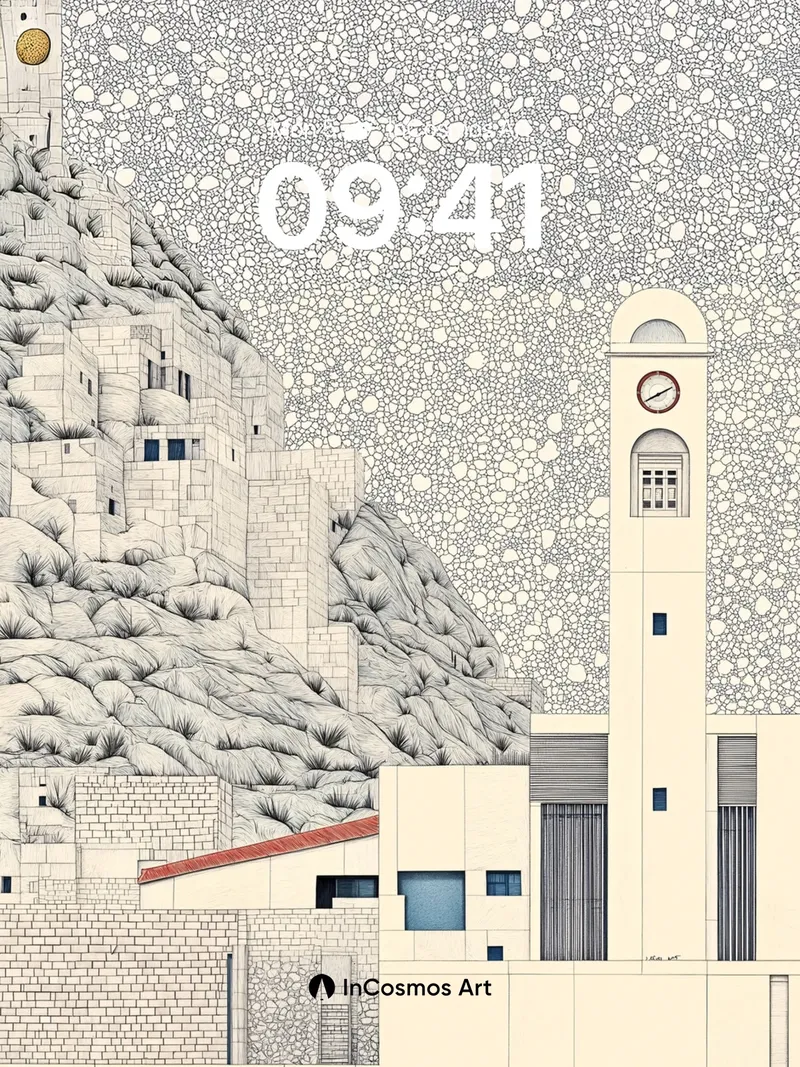
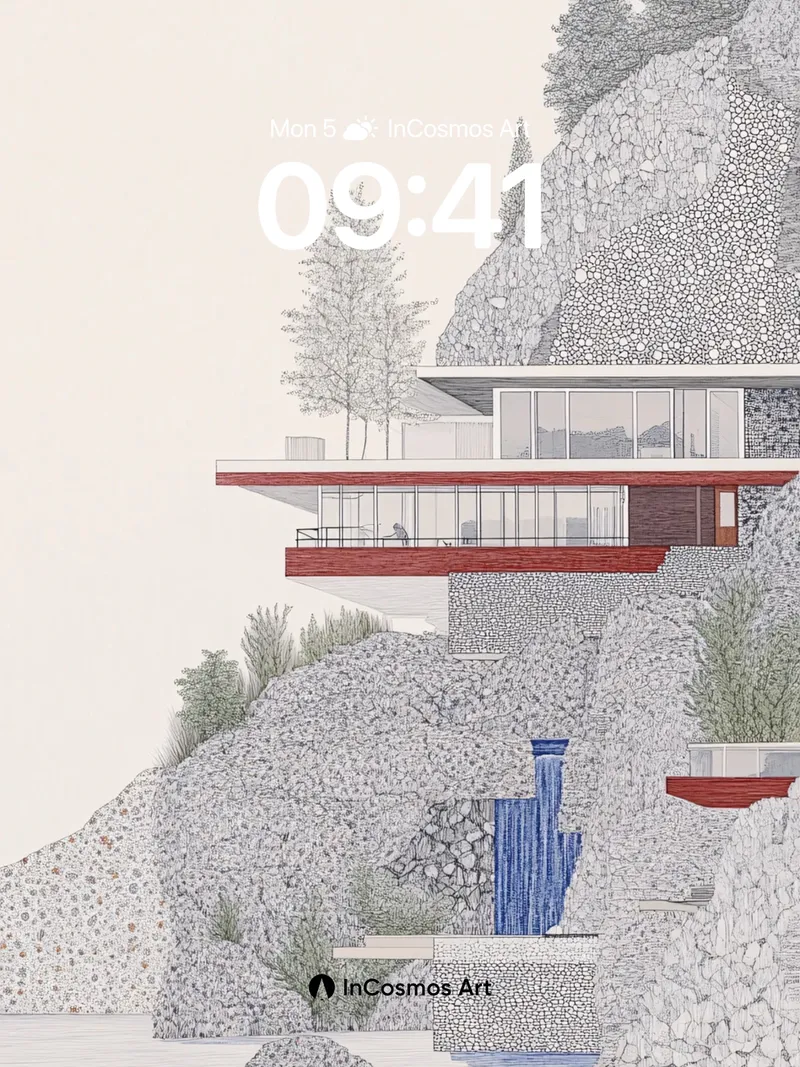
Mountain ridges stretch under daylight, resembling the earth's backbone. Architecture does not intrude upon nature but embeds itself humbly within rock formations, water edges, and trees. Glass facades reflect lake ripples, wooden elements echo the warmth of fallen leaves, and concrete steps guide the gaze upward. This is not conquest but a silent dialogue. Every line embodies spatial order; every window frames a fragment of landscape. Buildings become mediators, linking human breath with the rhythms of sky and land. When autumn leaves drift onto steps, when moonlight glides over an endless pool, time appears suspended in a state between reality and dream. Living here is not possession but participation in an ongoing narrative of scenery.
Dwelling as Landscape
Modern architecture avoids monumental expression, instead using minimalist geometries to merge with terrain. Horizontal platforms hover above water, aligning with mountain slopes to create visual balance. Walls combine local stone and concrete, keeping hues subdued to avoid dominance. Expansive transparent surfaces expose interior life to nature while integrating external views into living spaces. This strategy erases boundaries between inside and outside, enabling perception of fluid, continuous space.
Rhythm of Nature
Seasonal shifts leave traces around structures. Cherry blossoms bloom lightly in spring, summer shade covers courtyards, autumn maples ignite in crimson, winter branches outline stark silhouettes. Buildings adapt to these changes through material and color adjustments. Red metal accents stand out vividly in fall, echoing leaf tones; winter favors gray-white palettes, blending with snowscapes. This dynamic coexistence transforms architecture from static object into part of natural rhythm.
Human Scale
Despite abstract forms, details preserve traces of human presence. Stair widths, door heights, balcony depths all respect bodily experience. Figures reading by windows, walking along paths—these small acts imbue space with warmth. Architecture functions not only as shelter but as vessel for daily life. It holds laughter, silence, solitude, and encounters, becoming a place where emotions settle.
Emotional Projection
Certain spots invite lingering—such as cantilevered terraces overlooking lakes or viewing platforms atop towers. These are not just extensions of vision but psychological outlets. Standing there allows temporary escape from routine, reorienting one’s relationship with the world. Thus, architecture transcends physical utility, becoming a carrier of spiritual refuge. In such environments, solitude ceases to be burden and becomes a path toward self-awareness.