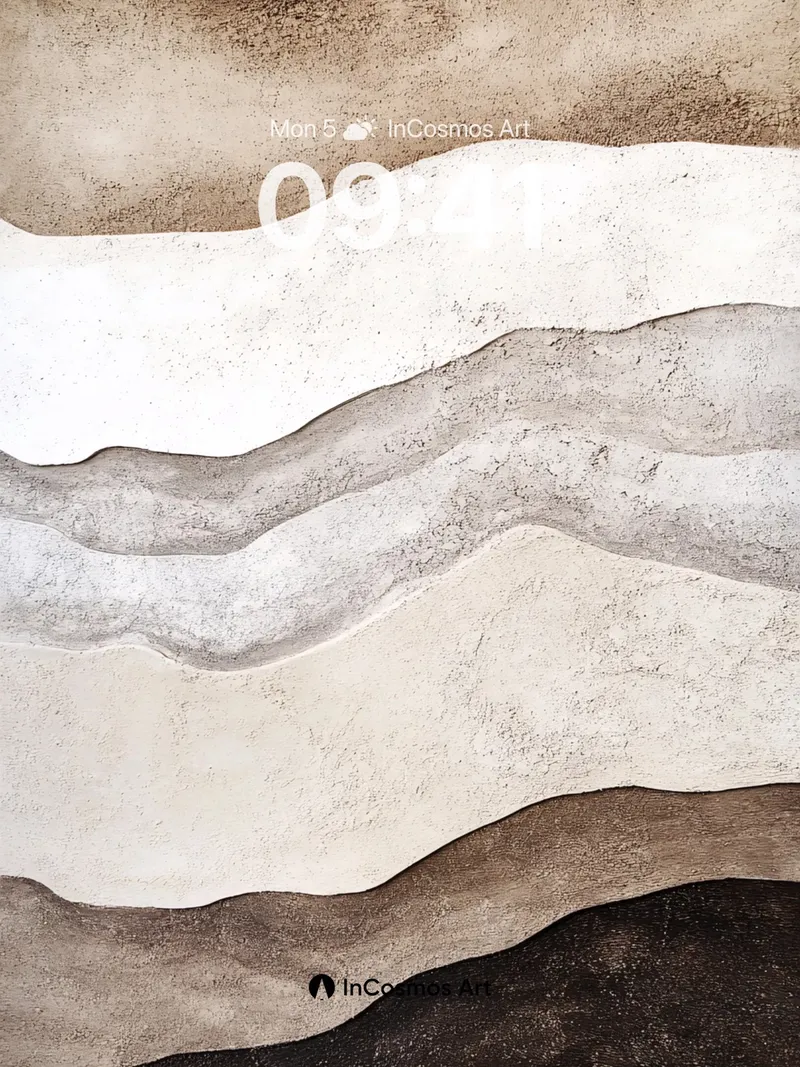
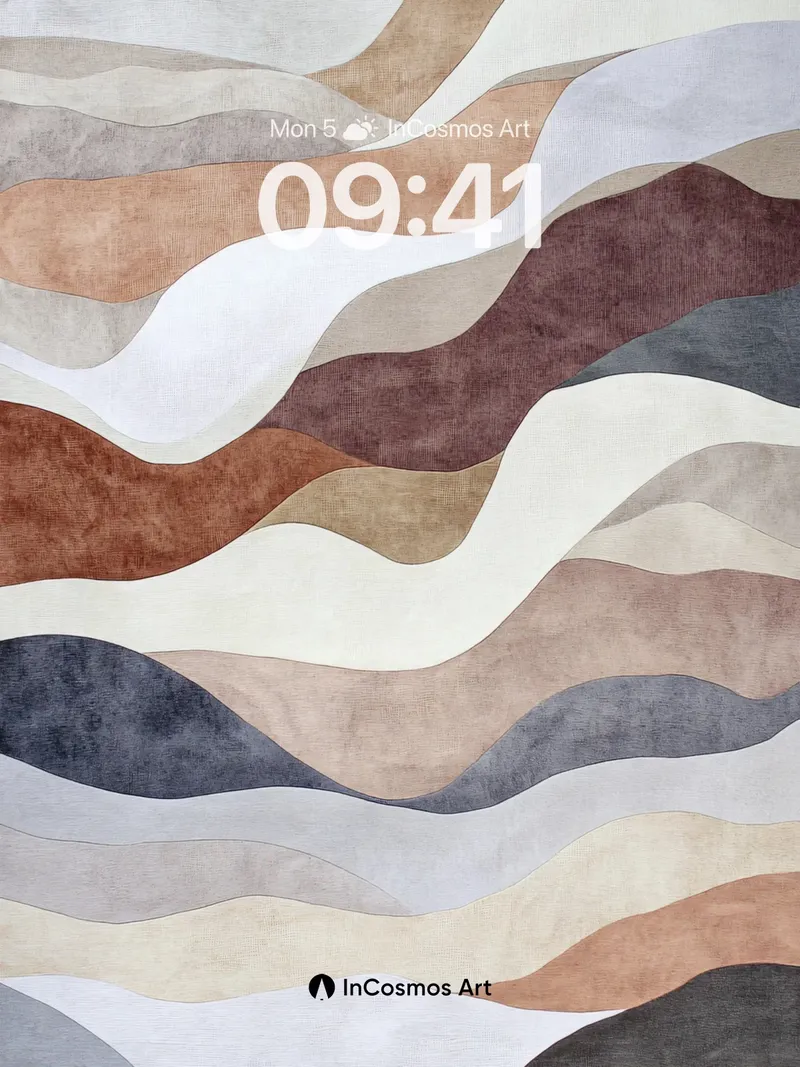
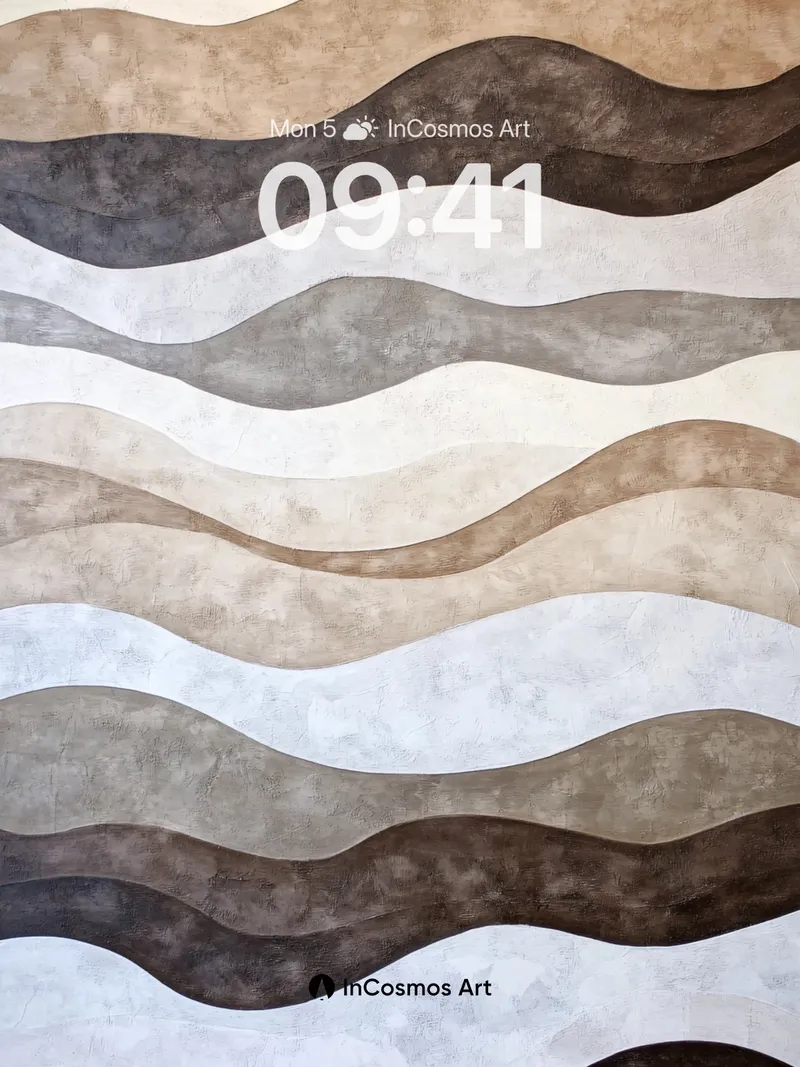
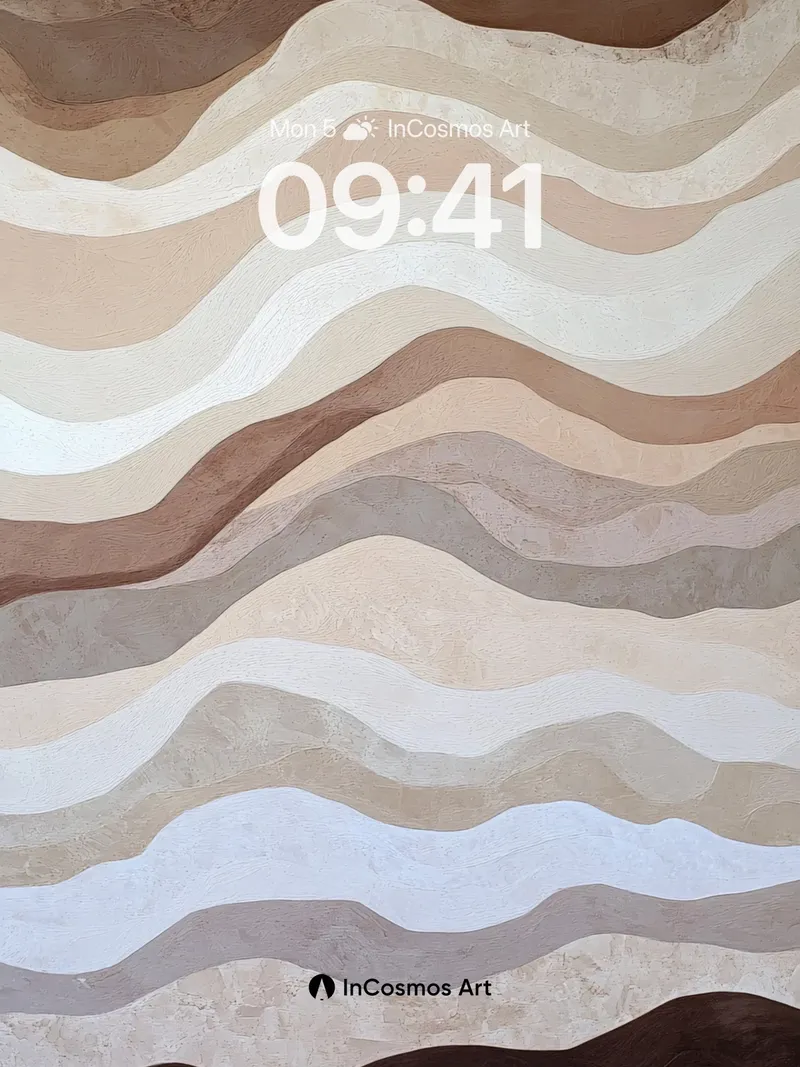
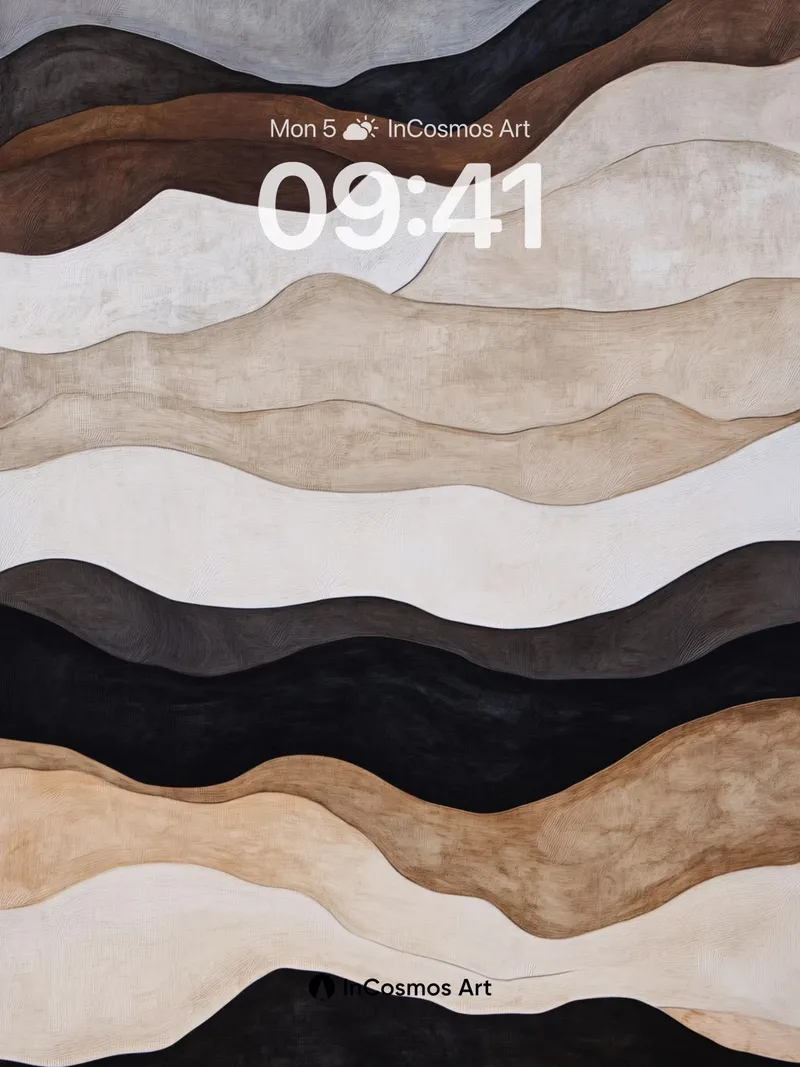
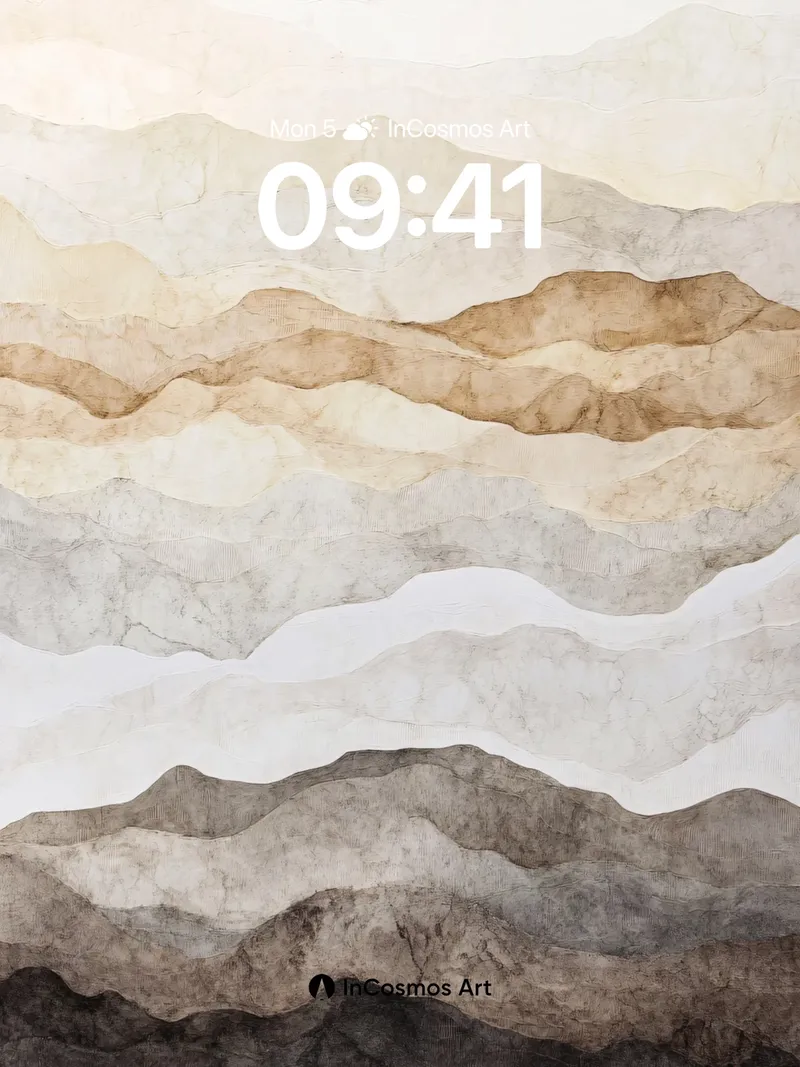
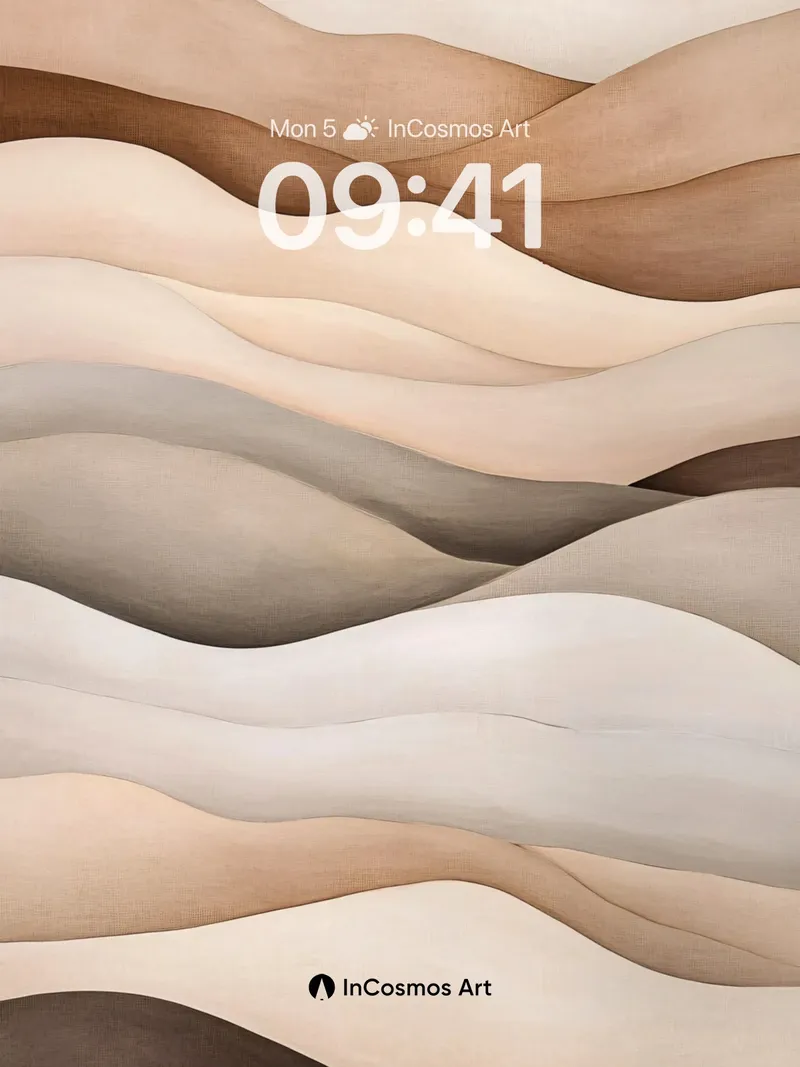
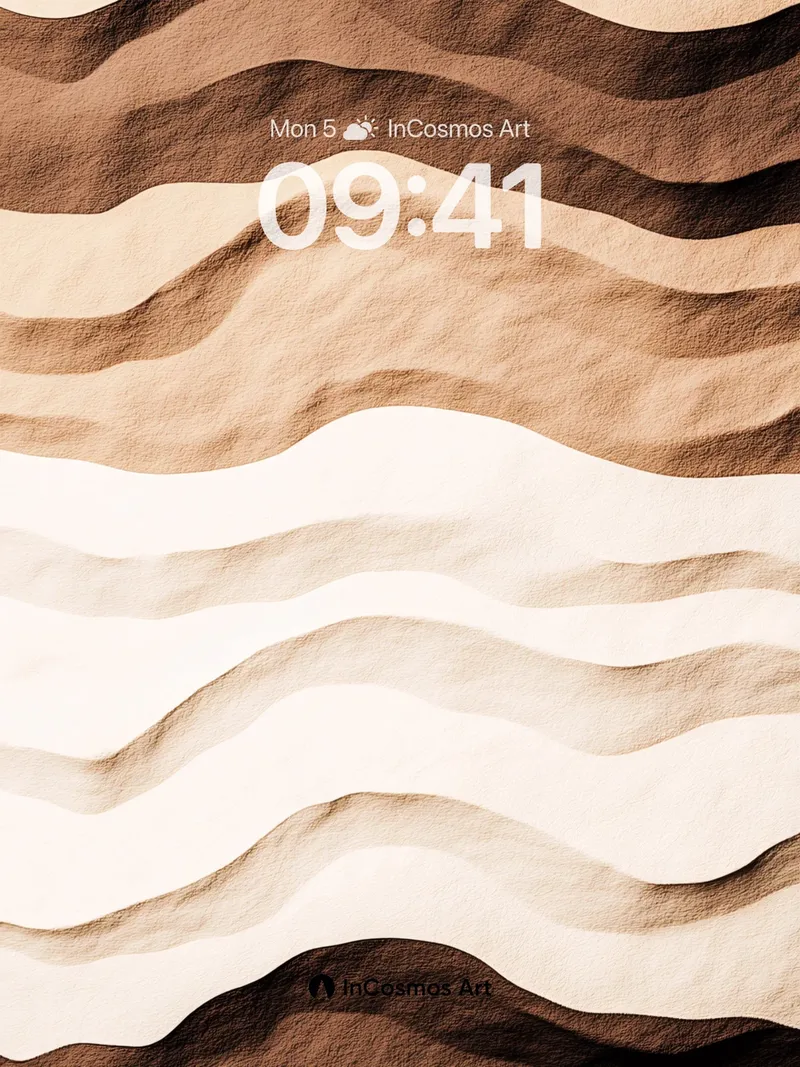
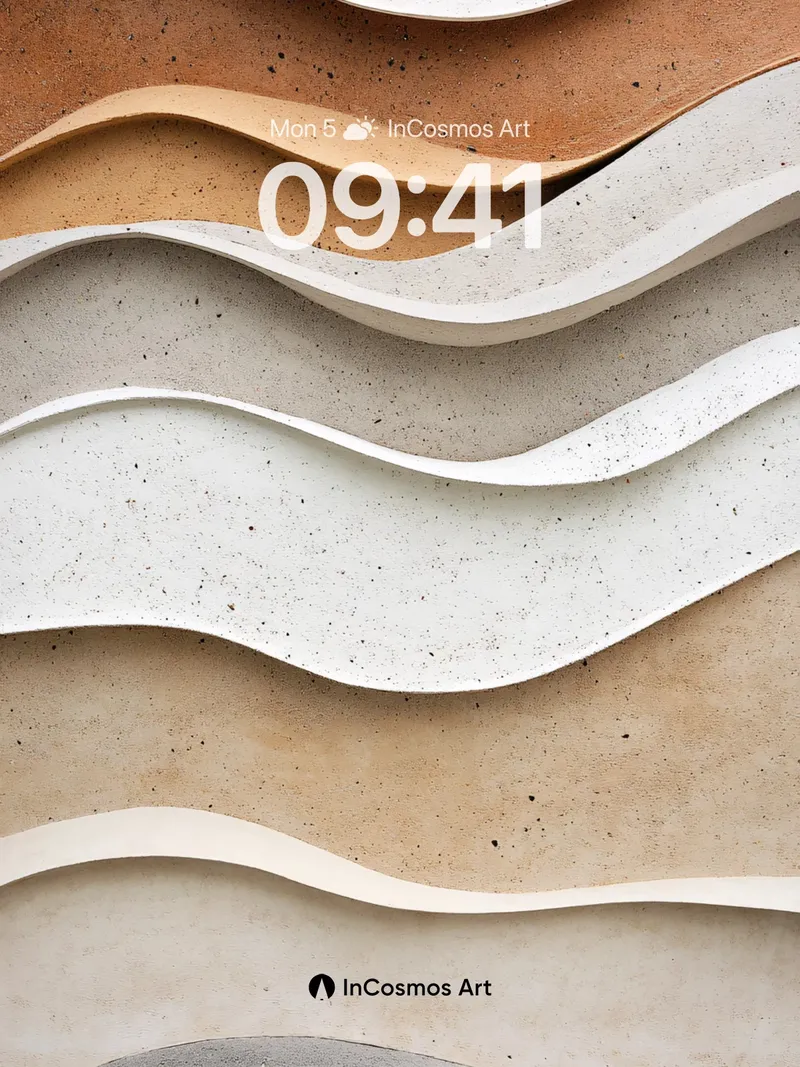
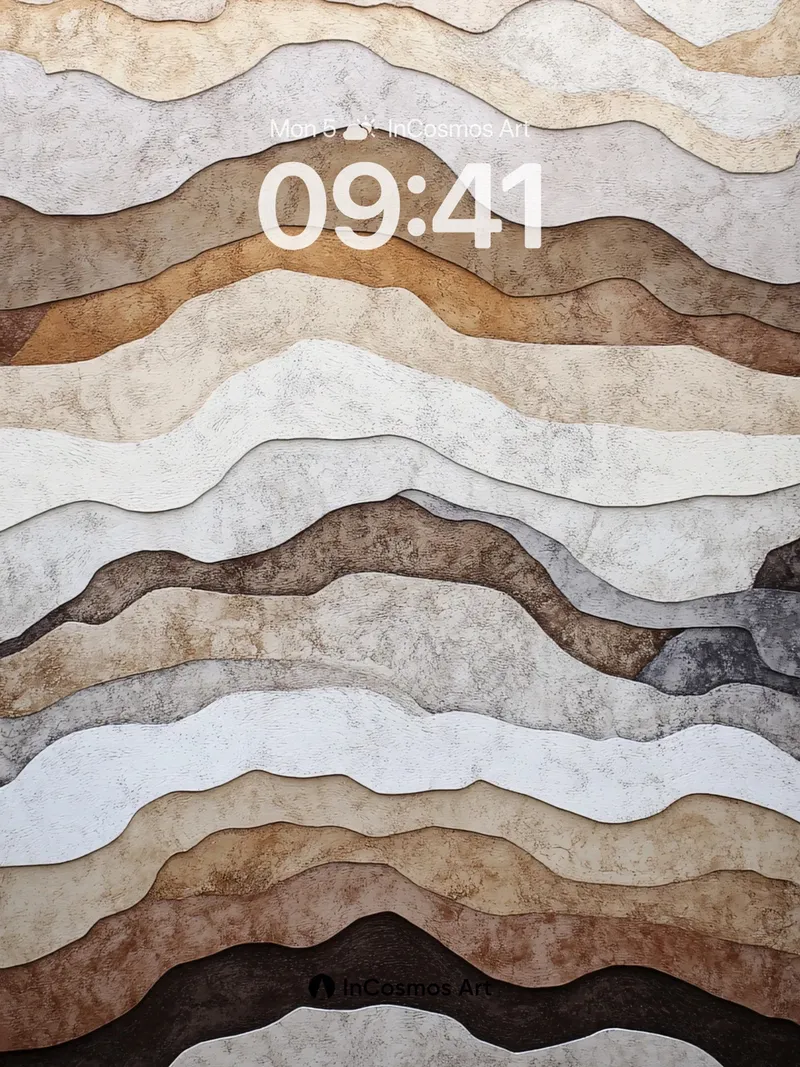
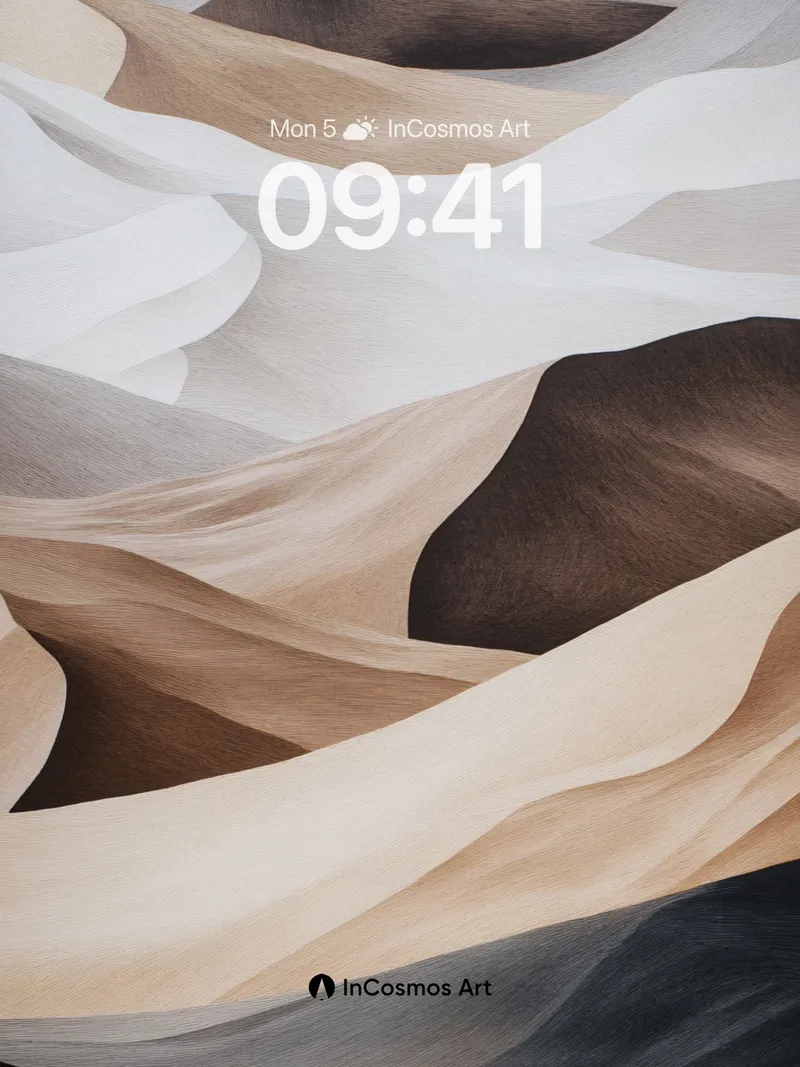
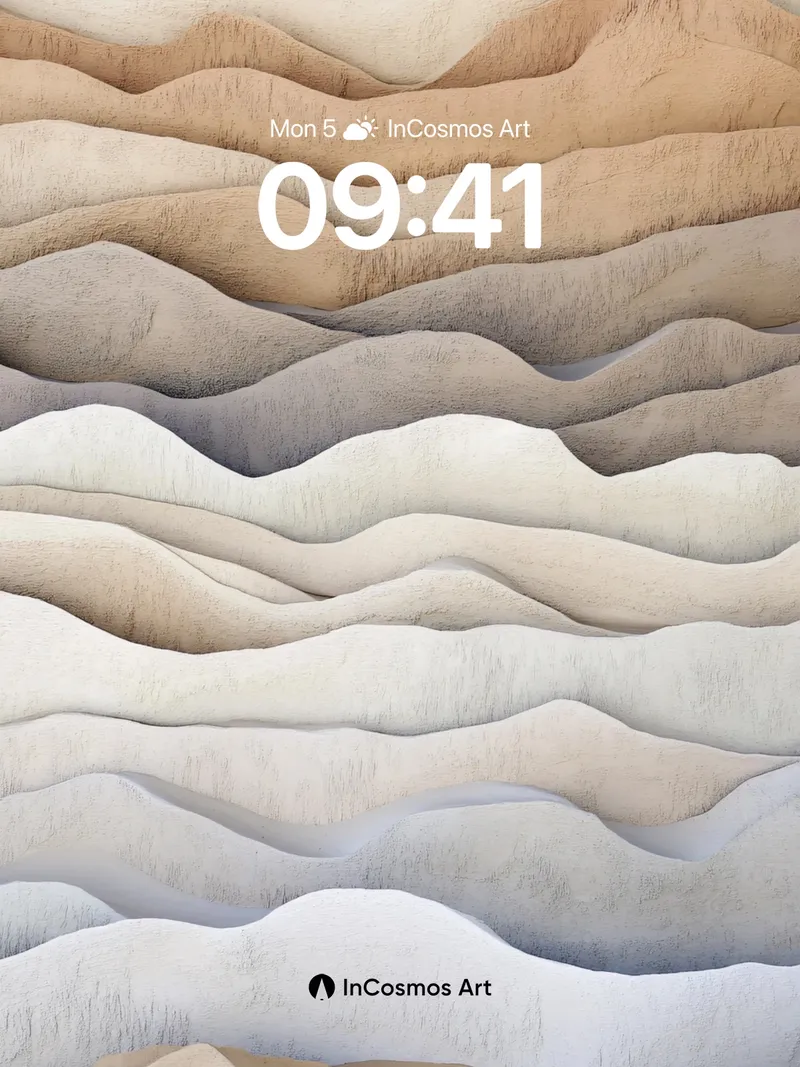
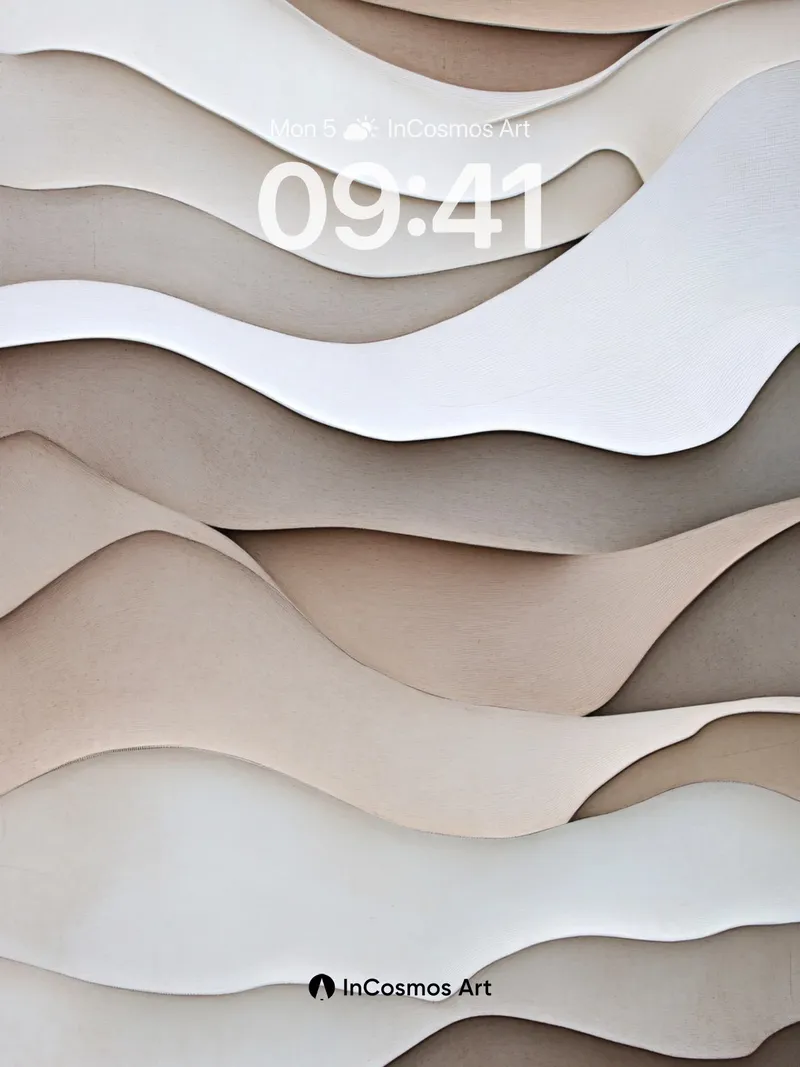
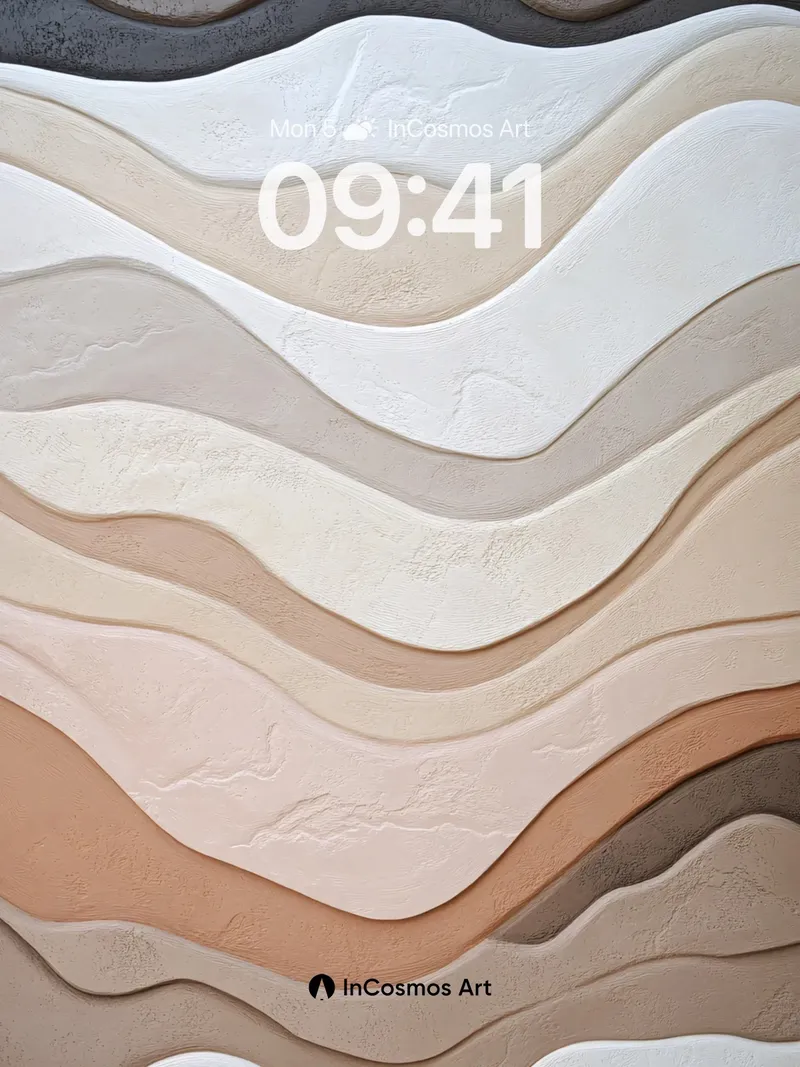
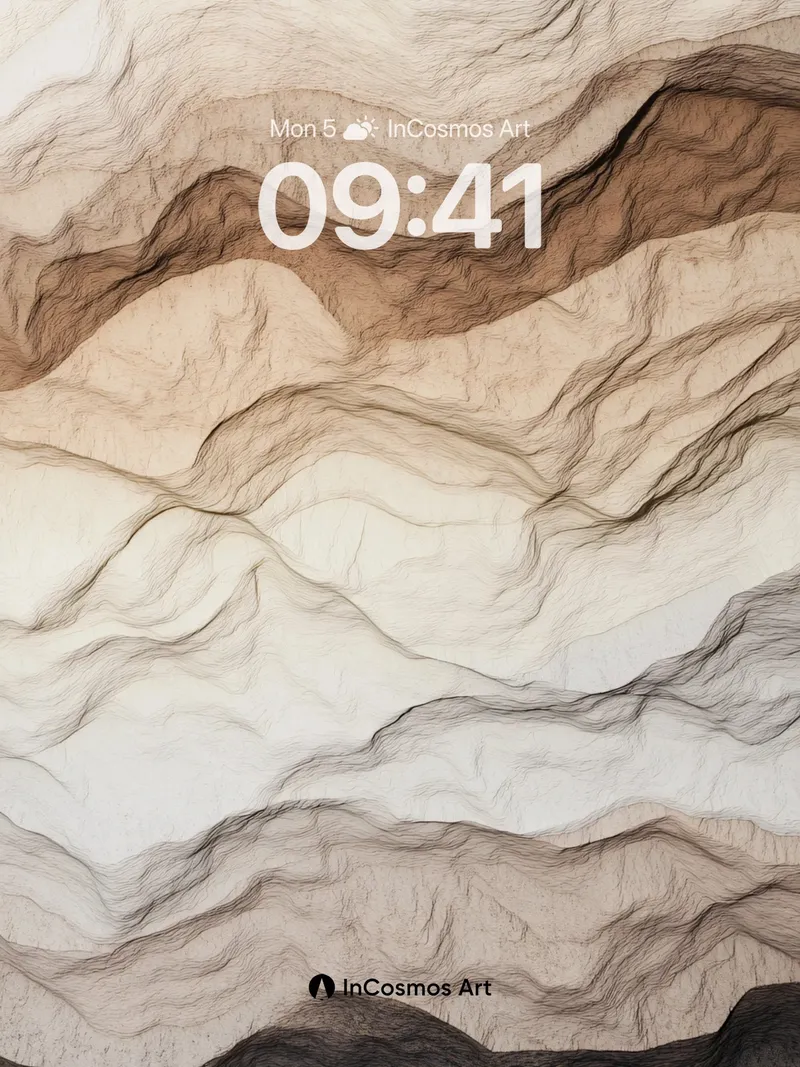
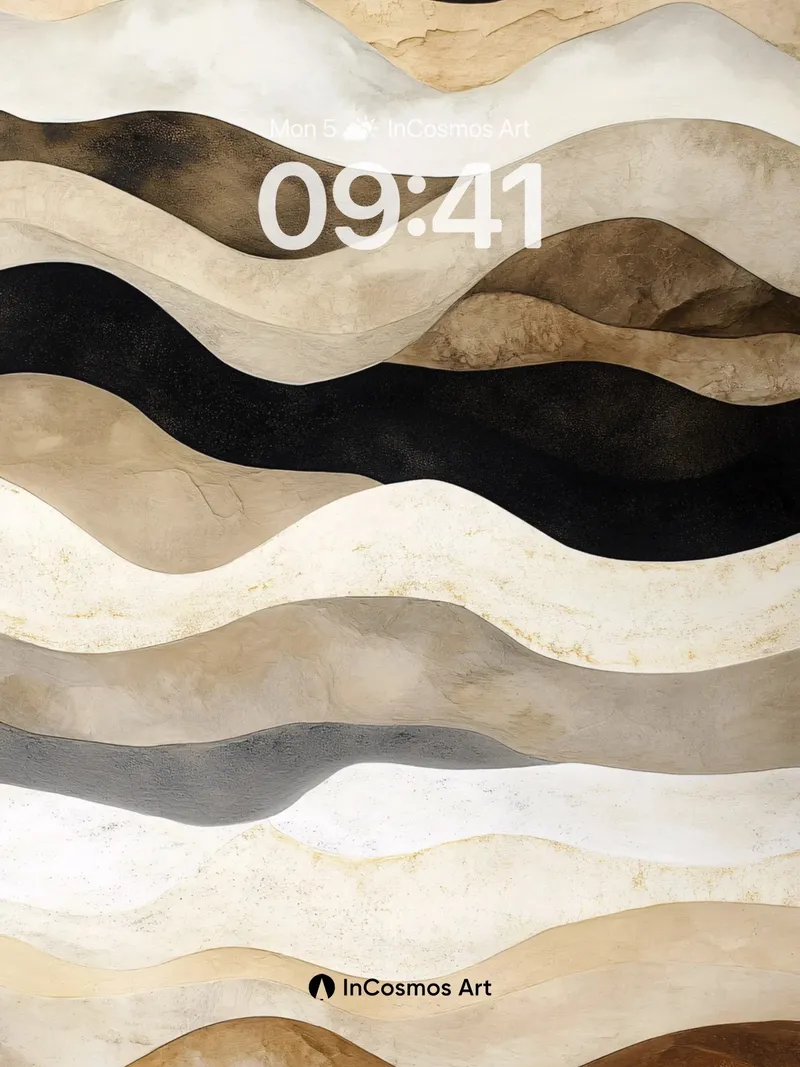
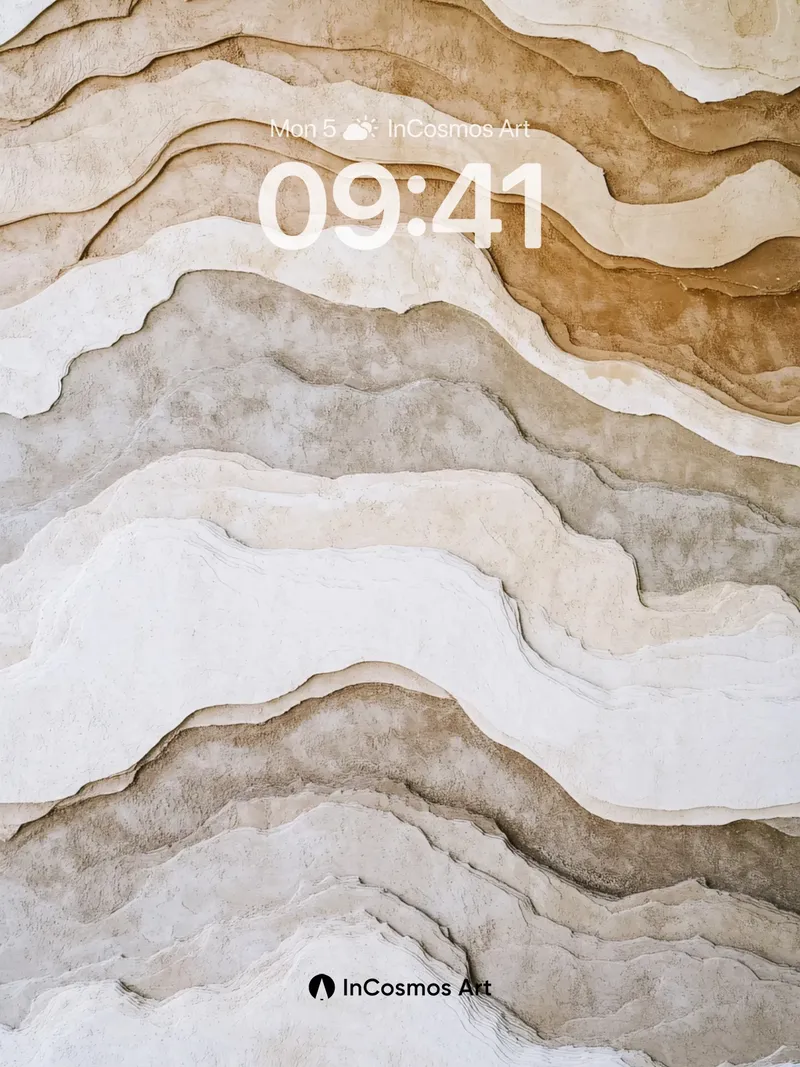
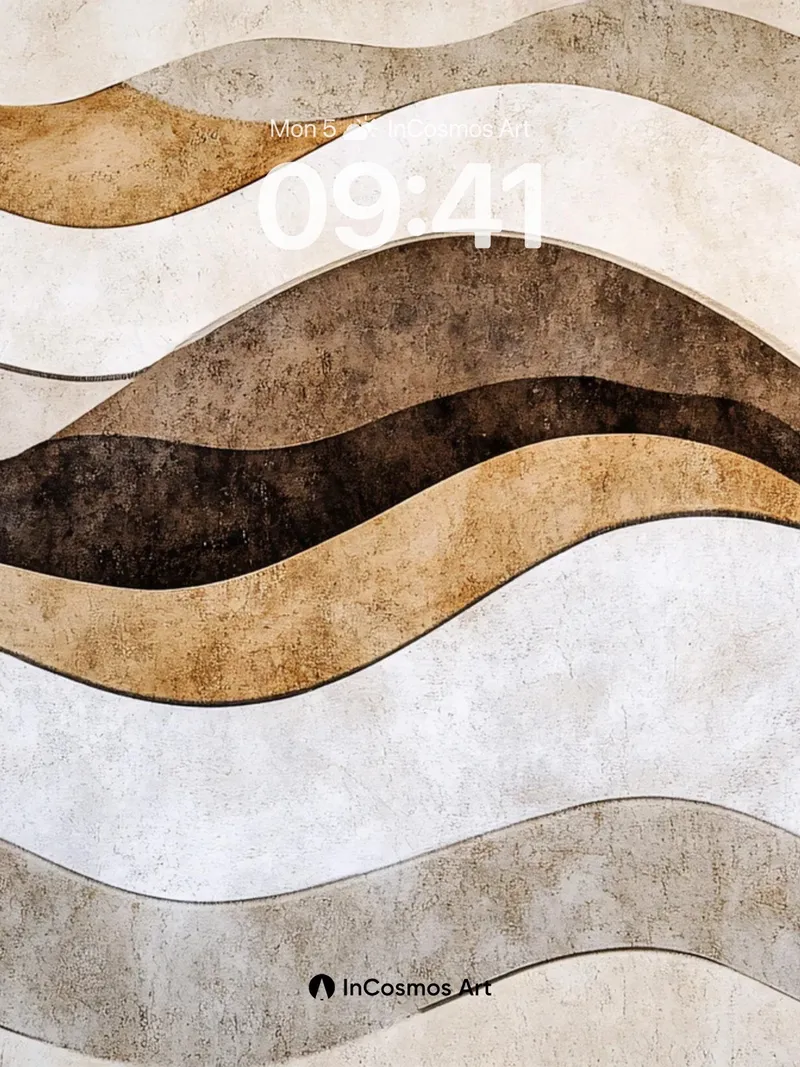
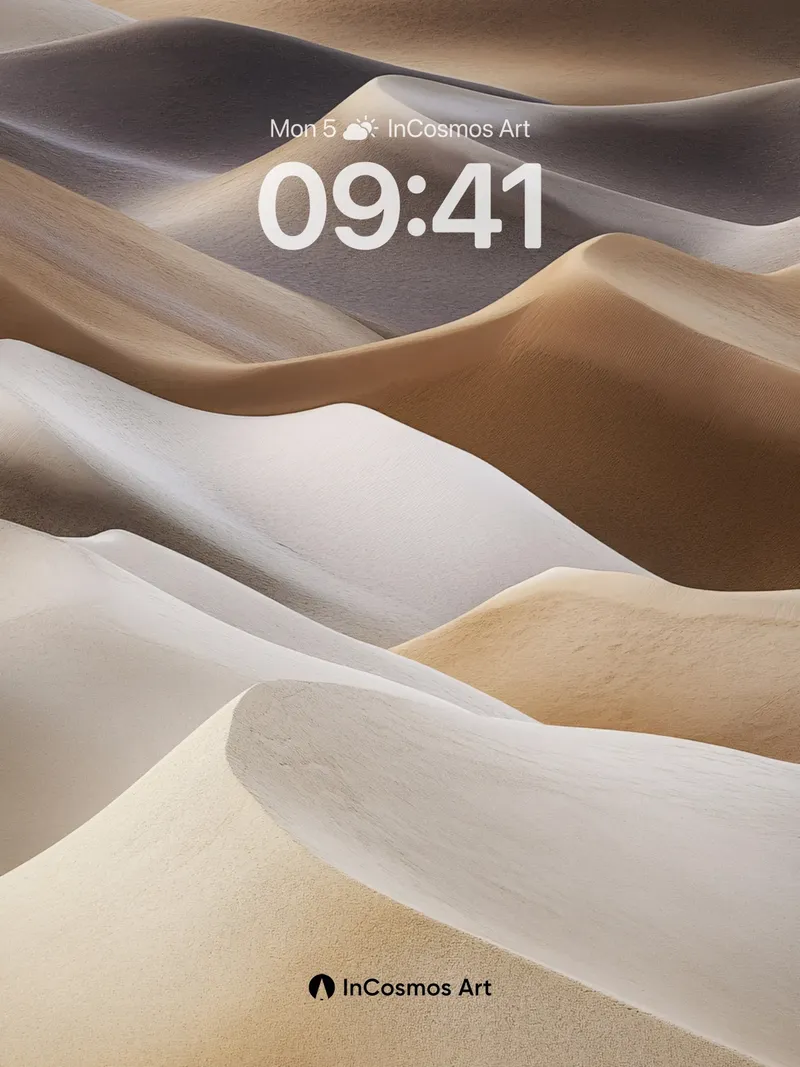
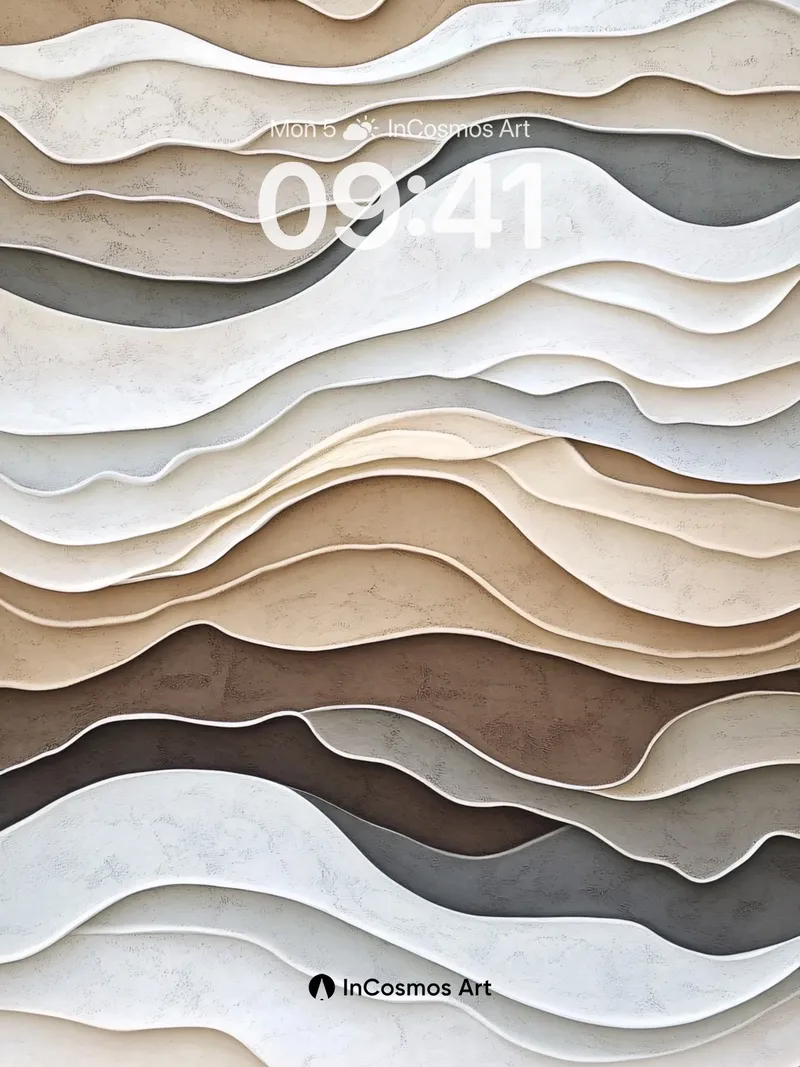
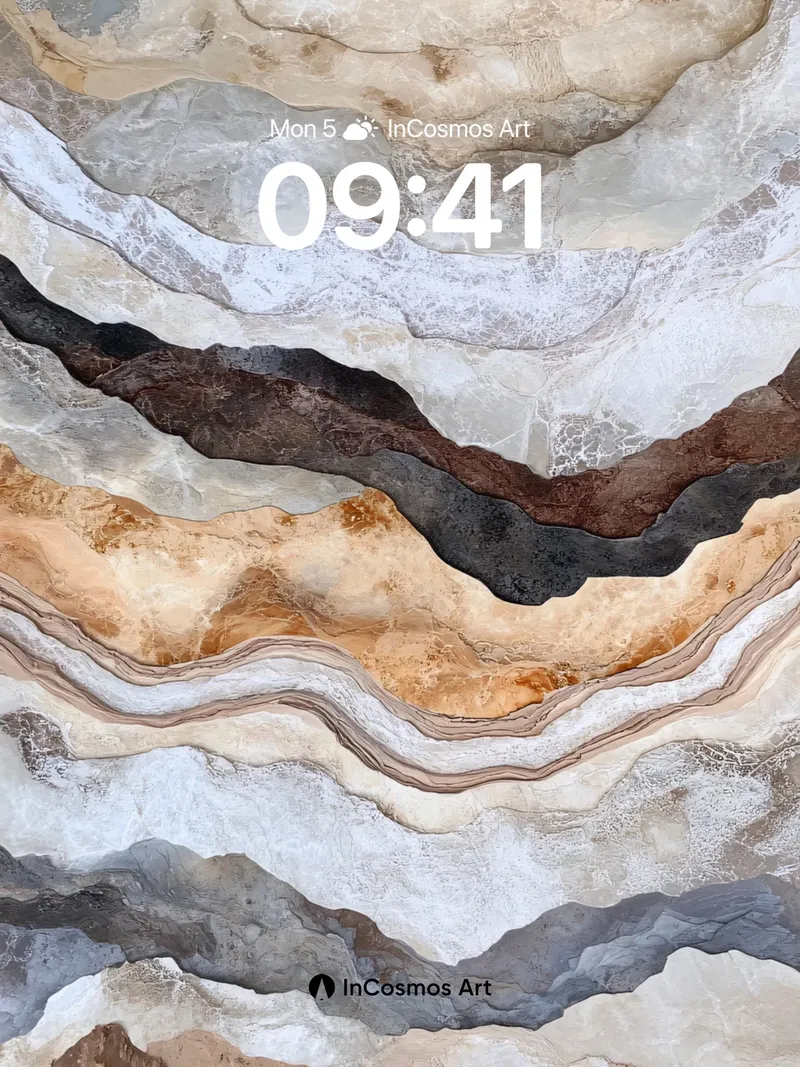
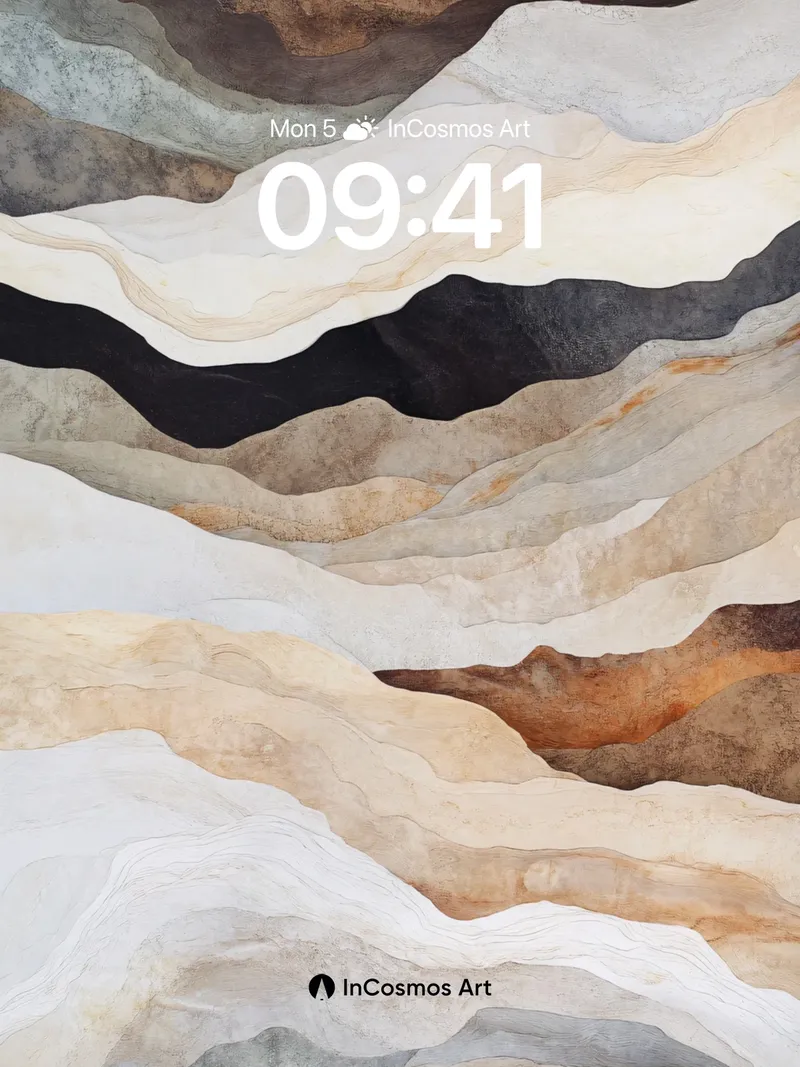
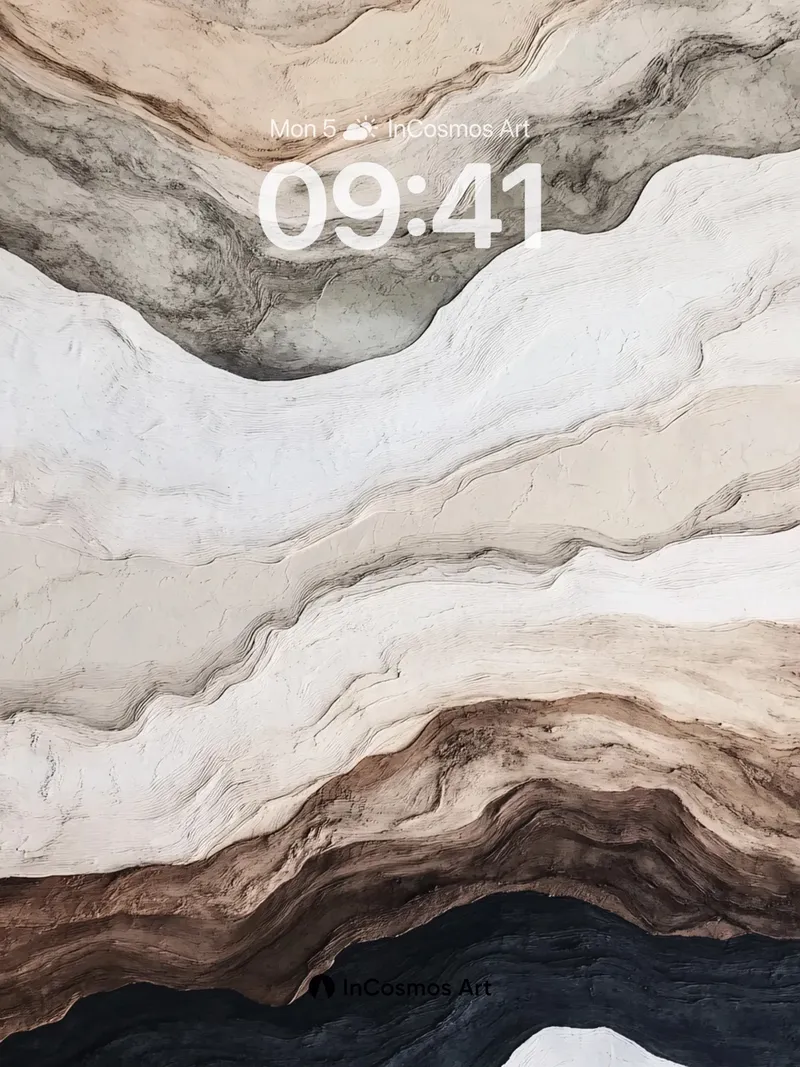
Time etches folds across the surface, each layer a history unspoken. These undulating forms are not accidental accumulations but poetic lines inscribed by geological epochs and wind erosion. They narrate existence in silence, marking transformation through color and curvature. Nature never writes words, yet constructs narratives beyond language using raw materials—minerals, sand, sediments—into structural metaphors.
The Poetics of Sedimentation
The cross-sections of rock strata resemble slices of time, each wavy boundary sealing an era. Dark bands indicate volcanic activity or organic deposits; light layers record arid periods or receding seas. These layers interlock, forming a non-linear historical grammar. No beginning, no end—only cycles of formation and overlay. This structure inspires modern architecture and design’s pursuit of continuity and rhythm, translating natural cadence into fluid artificial spaces.
Wind's Sculptural Art
Dune curves result from air and particles in dialogue. Wind, as invisible hand, constantly transports, piles, and erodes, shaping soft yet resolute contours. These forms do not rely on fixed geometry but emerge from dynamic equilibrium. They remind that beauty is not static completion but solidified process. In a digital age obsessed with control and precision, dunes offer gentle resistance—they prove change itself can be form.
Material Memory
From marble to concrete, from natural strata to engineered panels, material texture bears traces of civilizations. Some layered surfaces show tiny pores, hinting at past habitats; others are smooth like mirrors, polished by time. These details constitute 'material memory,' allowing viewers to sense past warmth and weight even without touch. Imitating such textures in design is a tribute to natural ethics.
Rhythm of Being
When layers stack vertically, they create visual upward momentum. It is not ascent, but accumulation—each new layer extends meaning upon the old. This additive pattern echoes human society’s collective memory: individual experiences embed into public cognition, building cultural depth. Thus, silent landscapes become vessels for thought, holding philosophical reflections on origin, continuity, and disappearance.