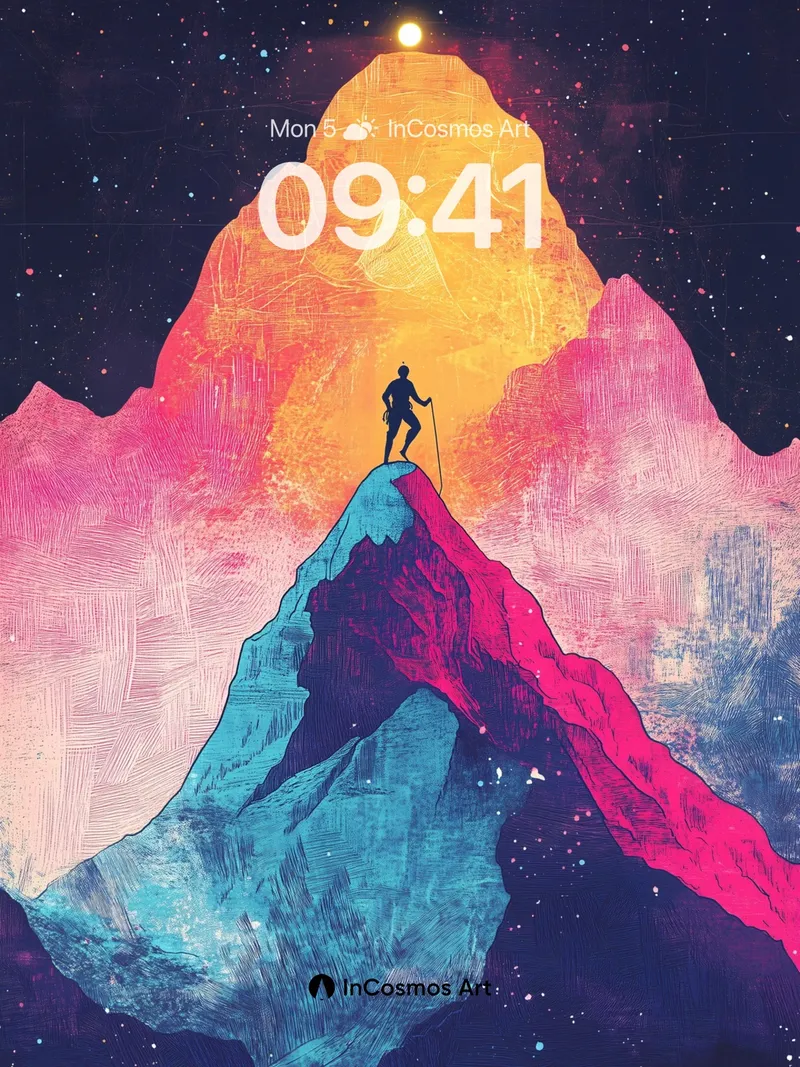
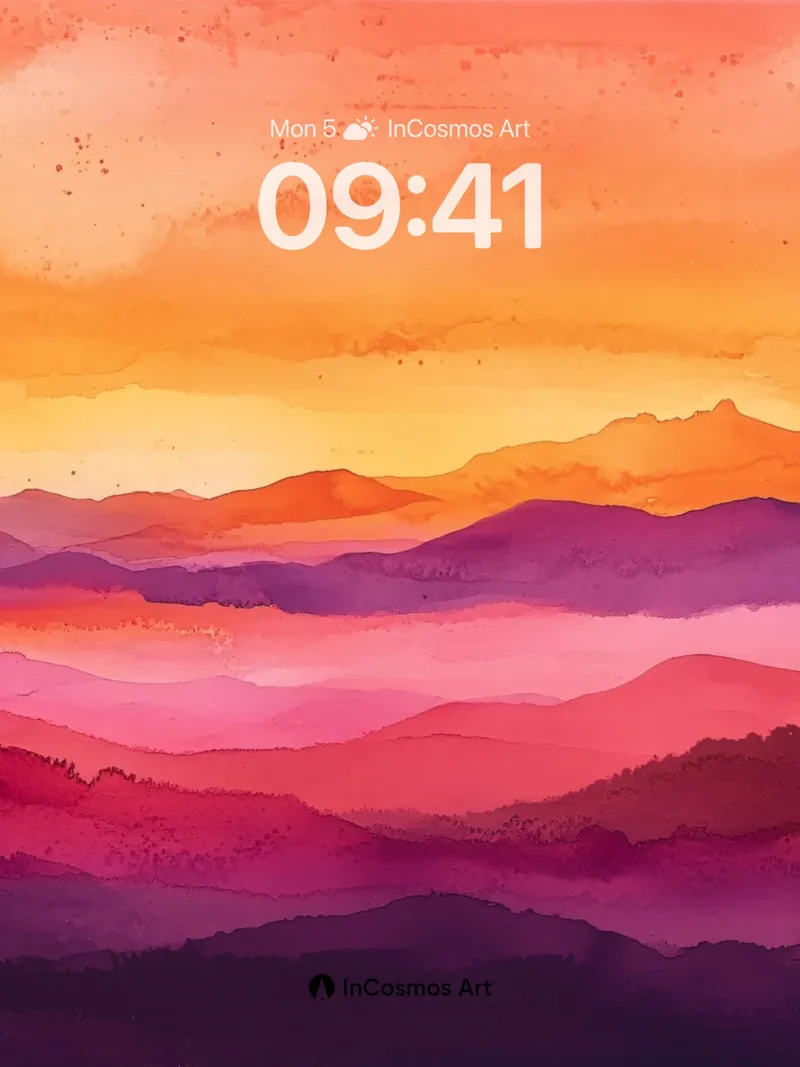
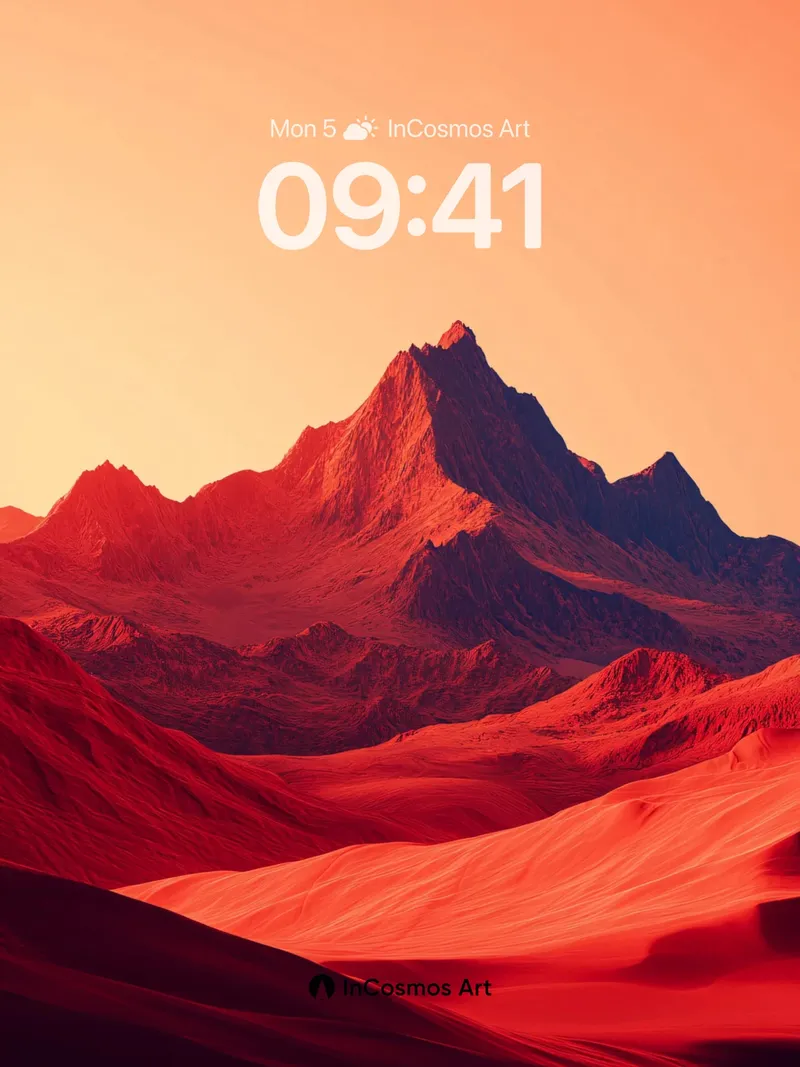
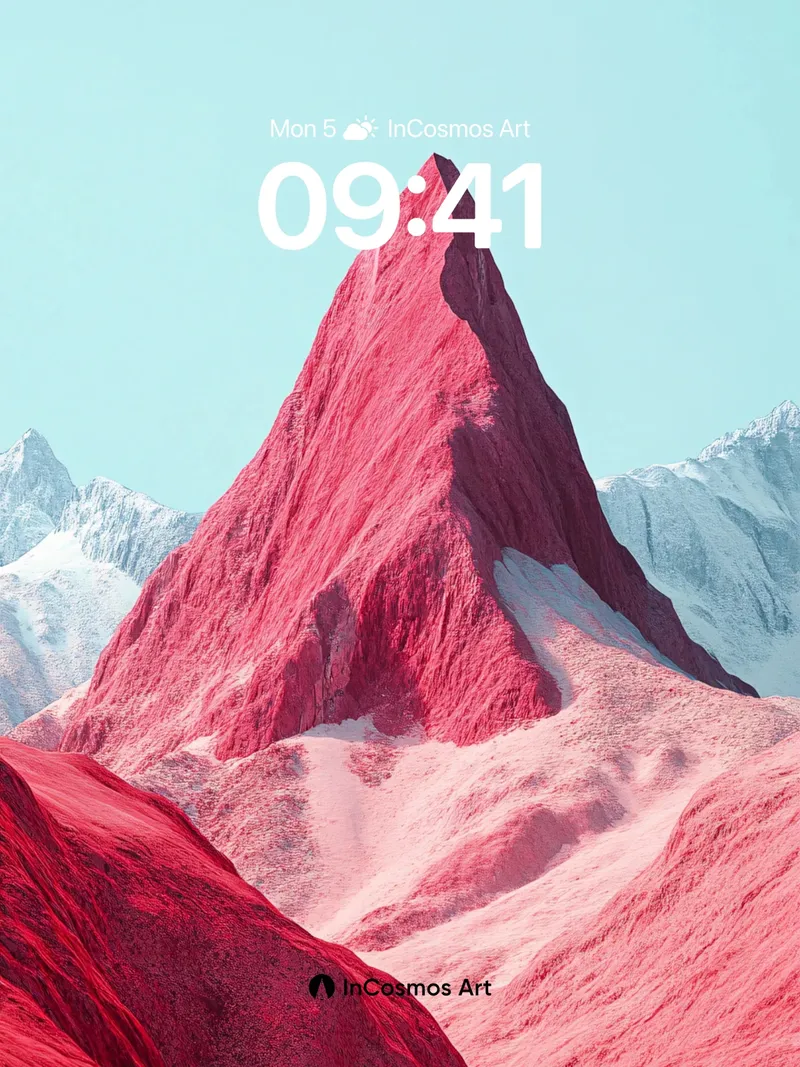
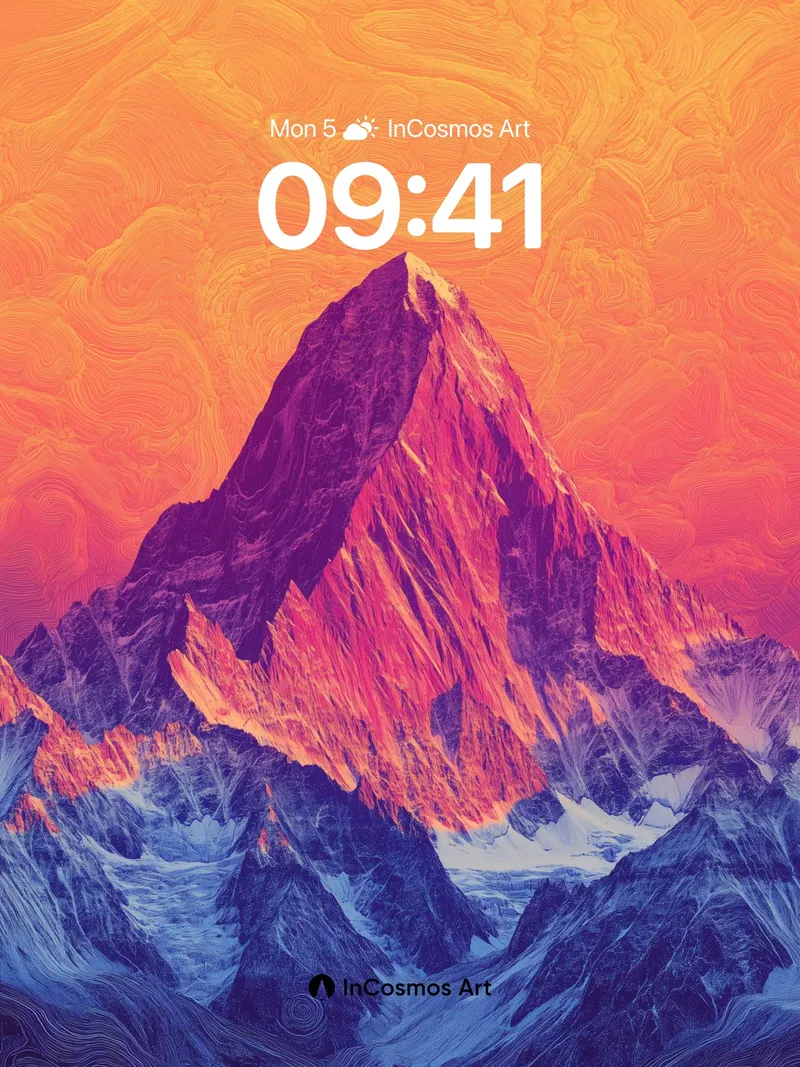
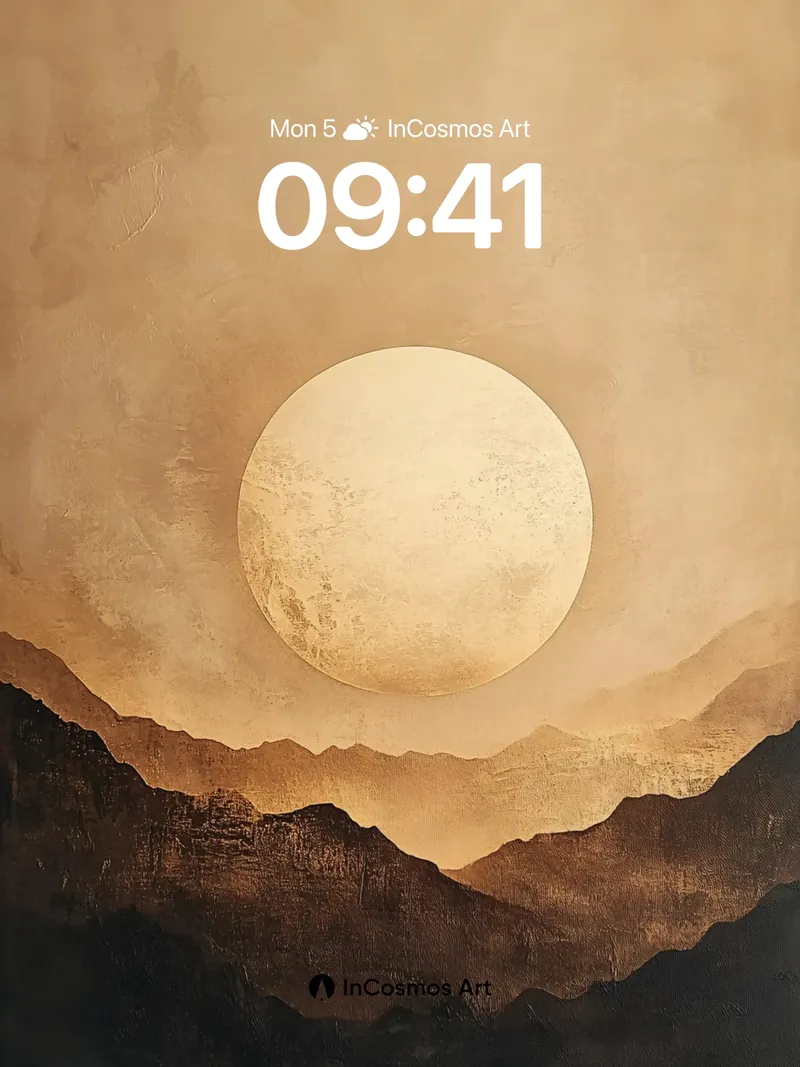
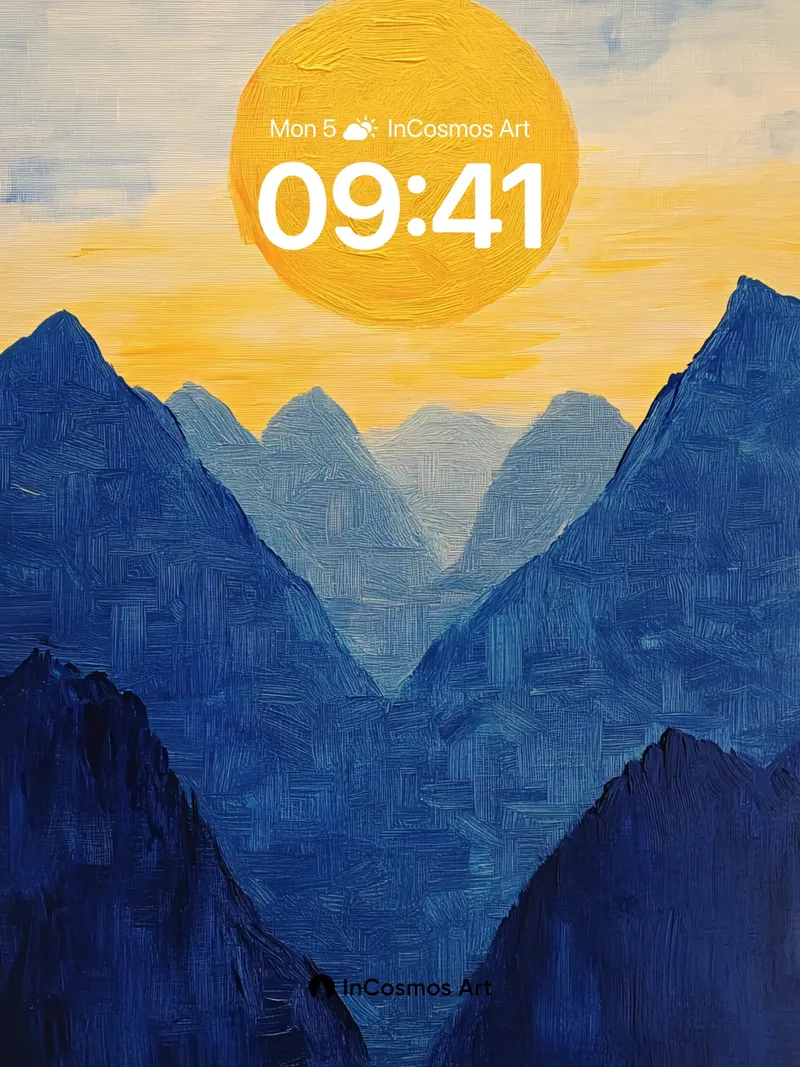
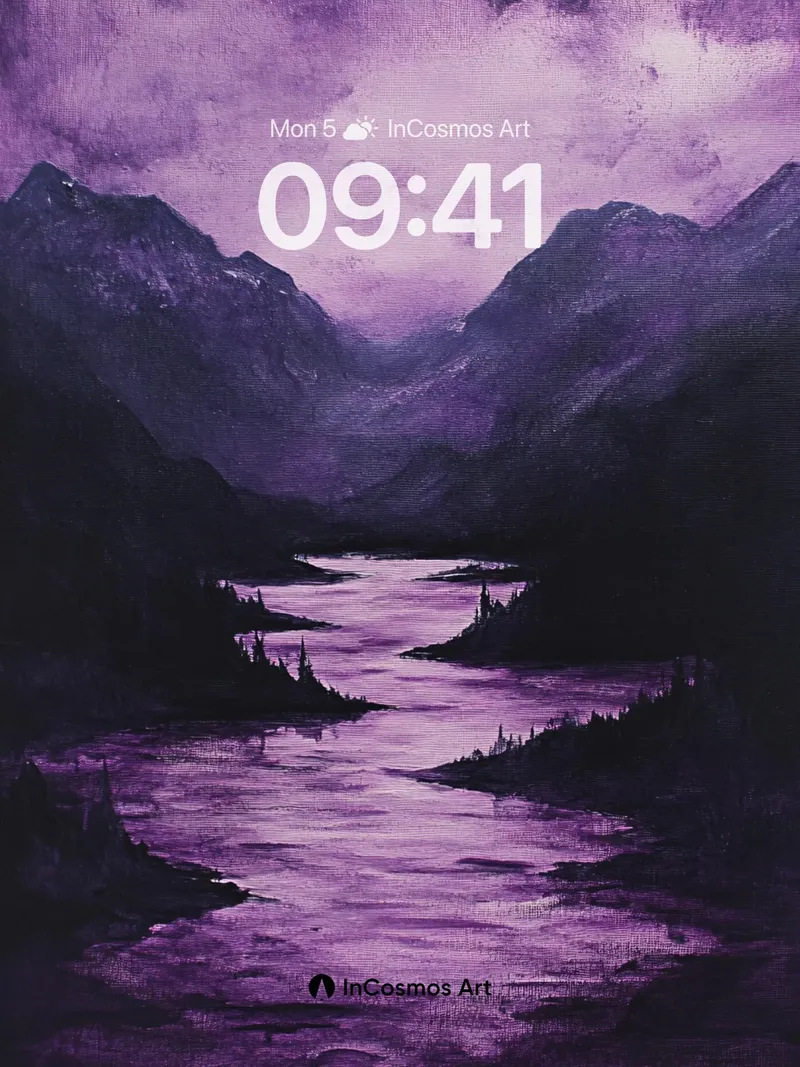
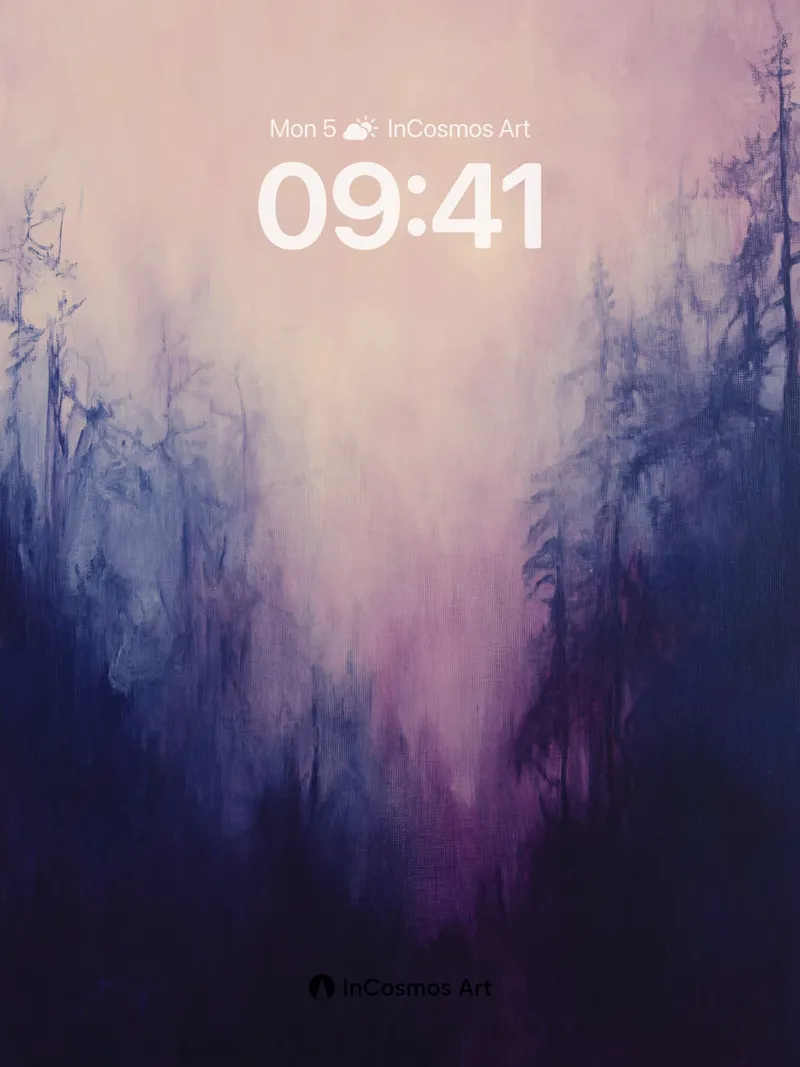
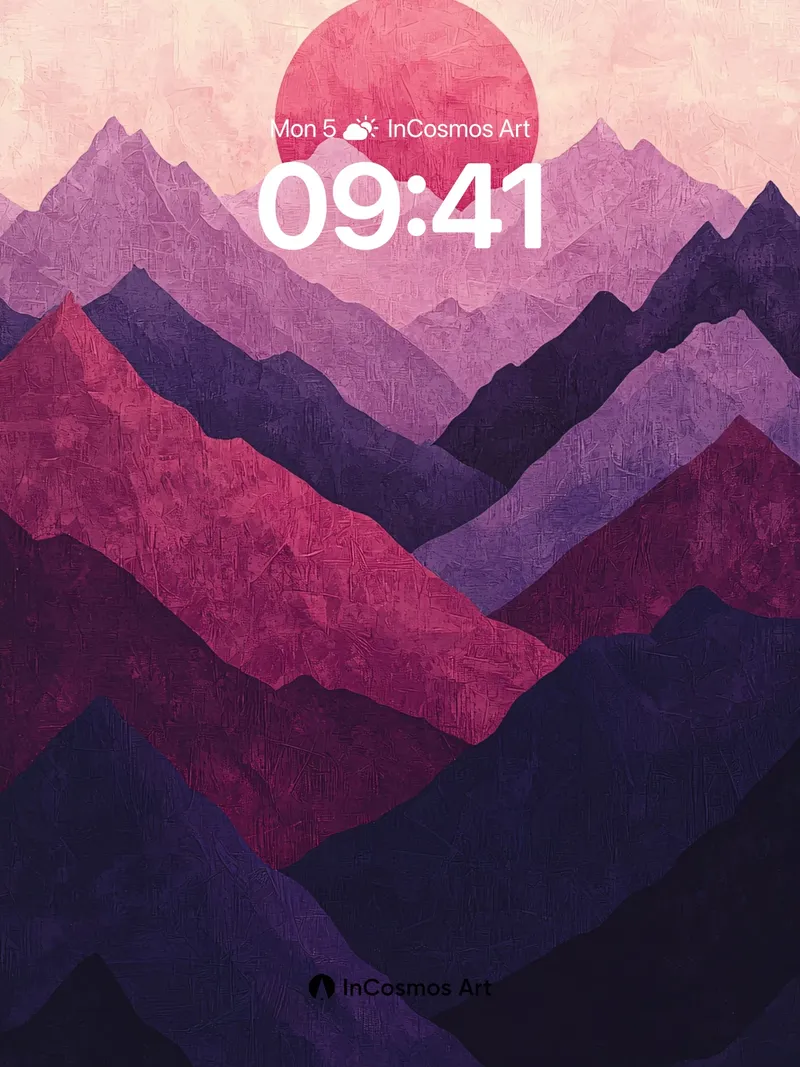
Between peaks, light and shadow weave silent dialogues. Each mountain stands as a quiet declaration, bearing the weight of time without words. When skies are soaked in pink, amber, and deep violet, the earth ceases to be mere geography and becomes an extension of emotion. These terrains are not scenery but projections of soul—echoes of human insignificance before nature’s vastness. The undulations of mountains mimic breath rhythms; every rise and fall speaks of an existence beyond language. Here, color is not ornament but vessel—crimson holds burning desire, indigo carries still introspection, gold retains embers of hope. Together, they form a non-linear cosmos that resists rational definition, existing only to be felt.
Mountains as Symbol
Mountains often represent spiritual ladders in cultural imagination—pathways into the unknown. They resist conquest yet invite ascent. This contradiction grants them philosophical depth: the closer one approaches the summit, the more evident personal limits become. Standing atop a peak is not victory, but witnessing. The act itself becomes ritual, recalibrating the relationship between self and nature.
Emotional Encoding of Color
Color in visual experience carries psychological resonance. Warm hues evoke memories of warmth; cool tones summon distance and contemplation. When red and purple converge, creating near-surreal tension, they challenge the boundaries of everyday perception. This palette is not accidental—it externalizes inner states: anxiety, longing, reverence coexisting.
The Aesthetic Value of Solitude
Solitude is not negative; it is prerequisite for deep being. In boundless wilderness, individuals shed social roles and return to essence. Isolation fosters reflection and sparks creativity. The solitary figure in art mirrors modern spiritual struggle: in an age of constant connection, true communion occurs in silence.
Non-Human Narratives of Nature
These landscapes belong to no human perspective. They operate on geological time, untouched by civilizational cycles. Mountain permanence contrasts human transience. This contrast prompts existential questions: Are we merely fleeting moments in nature’s grand narrative? Answers lie not in logic, but in the act of gazing.