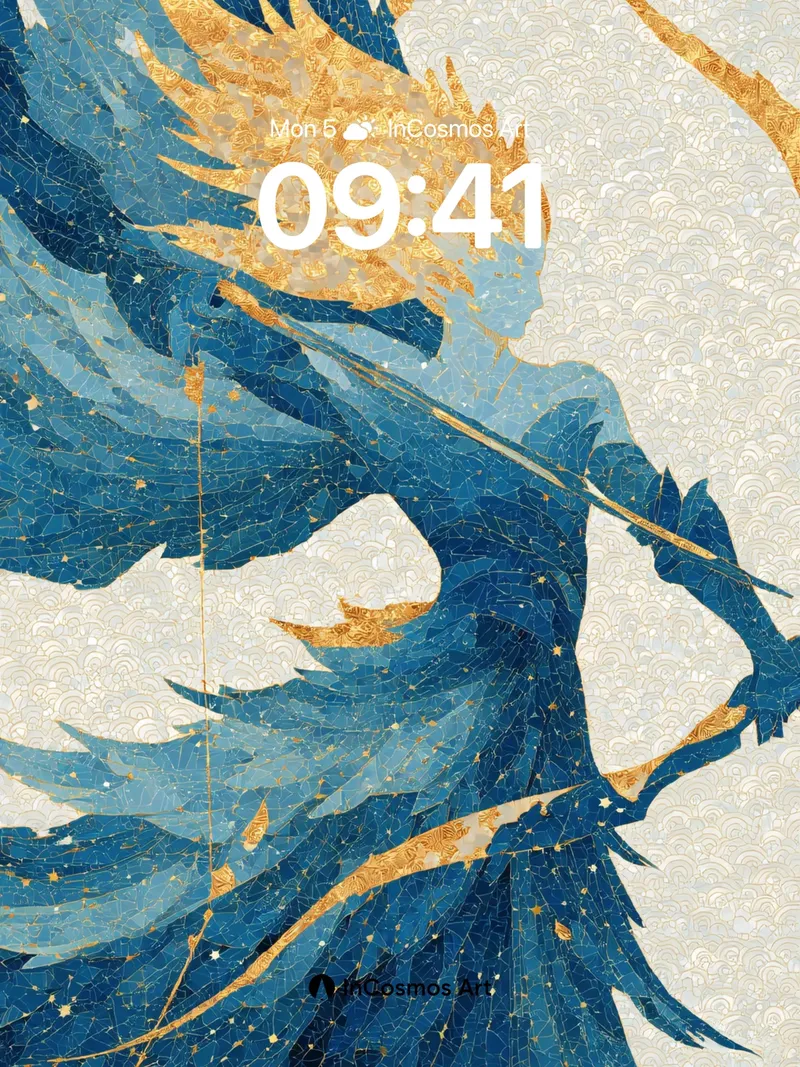
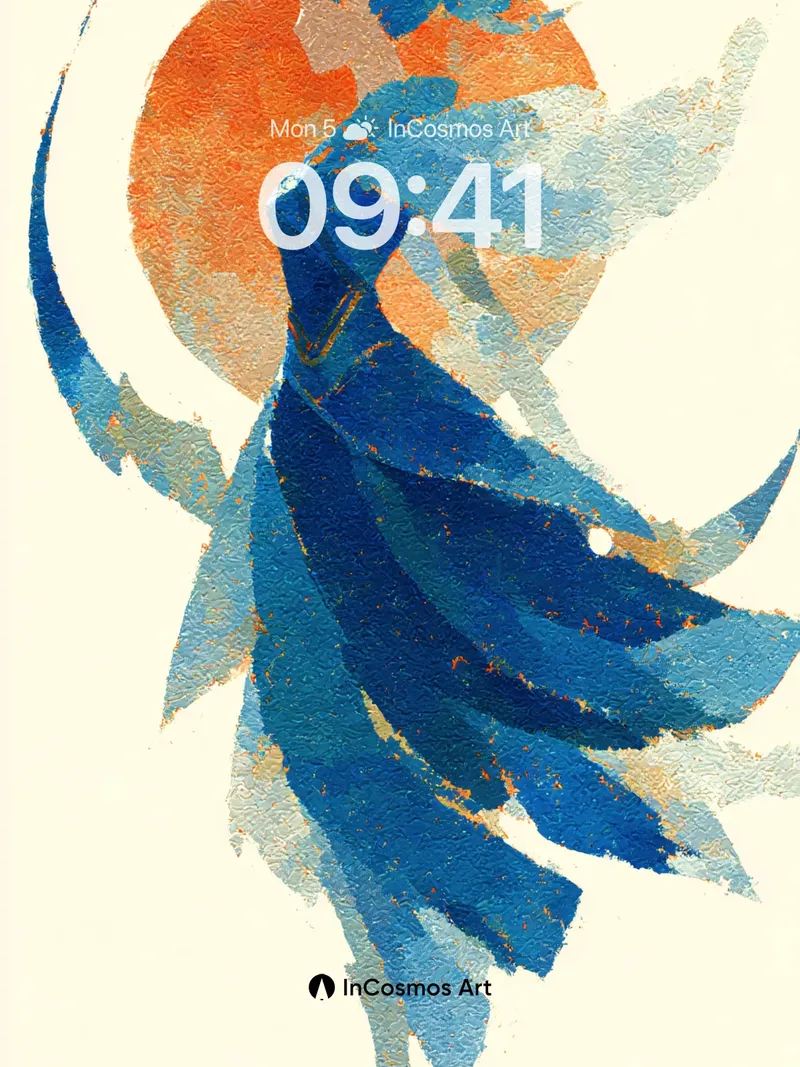
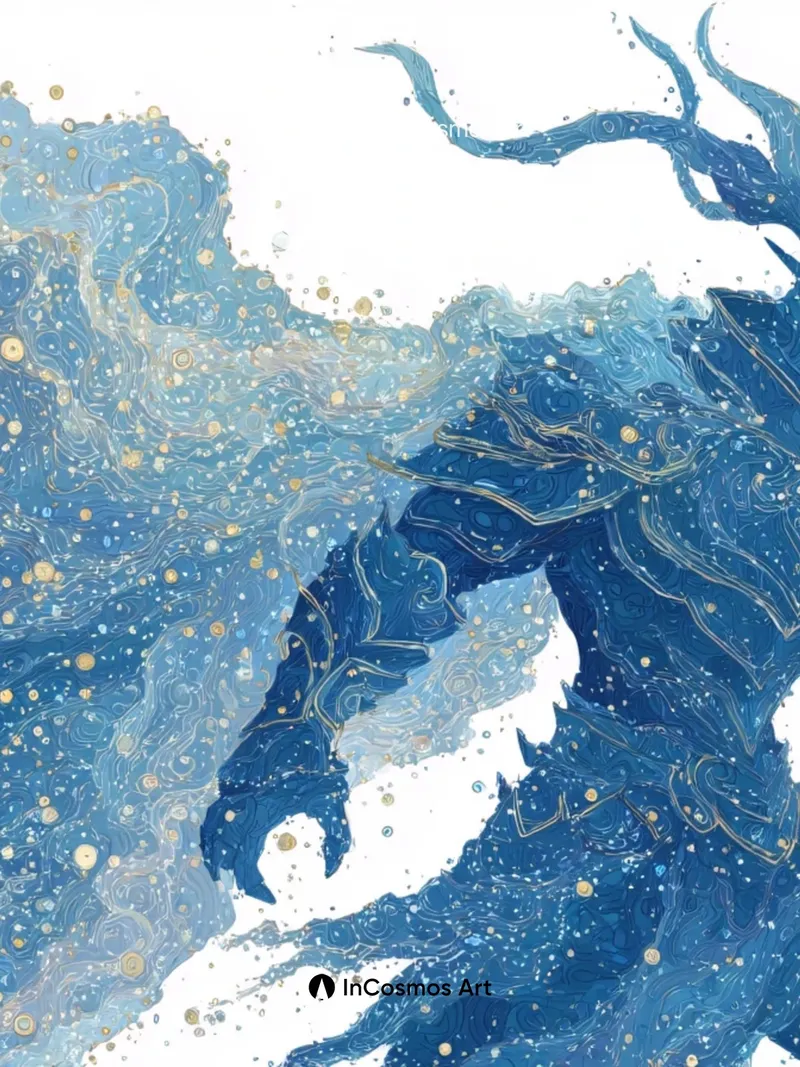
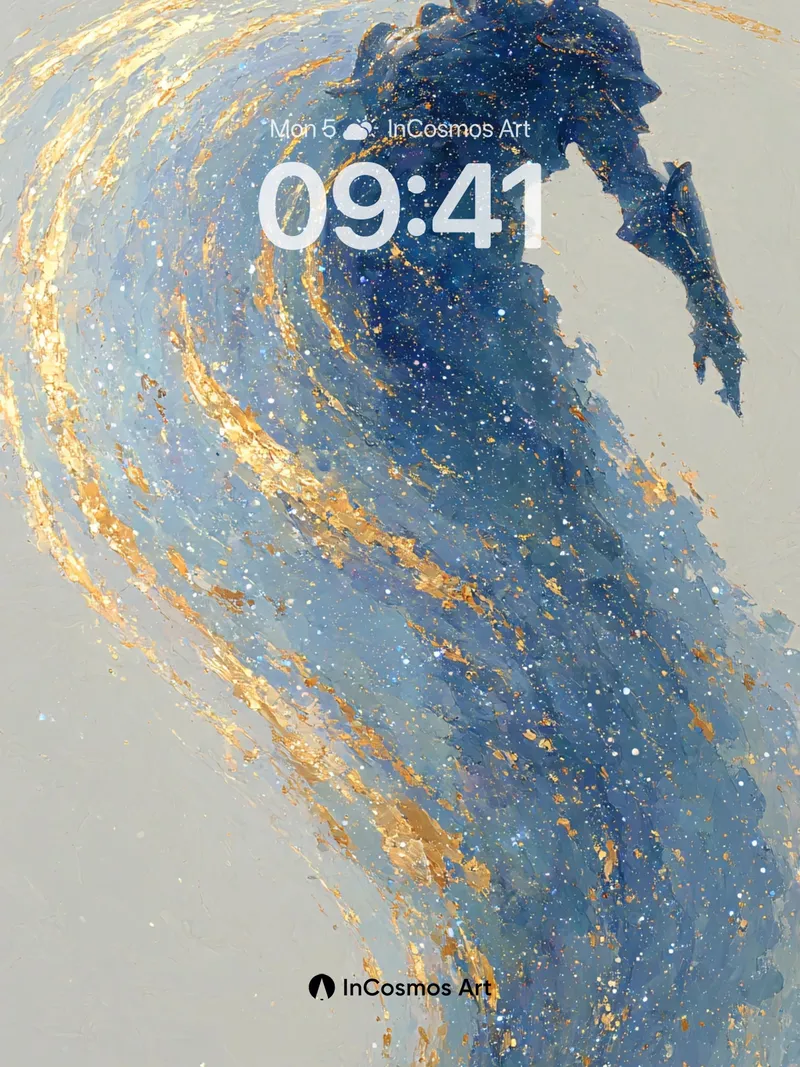
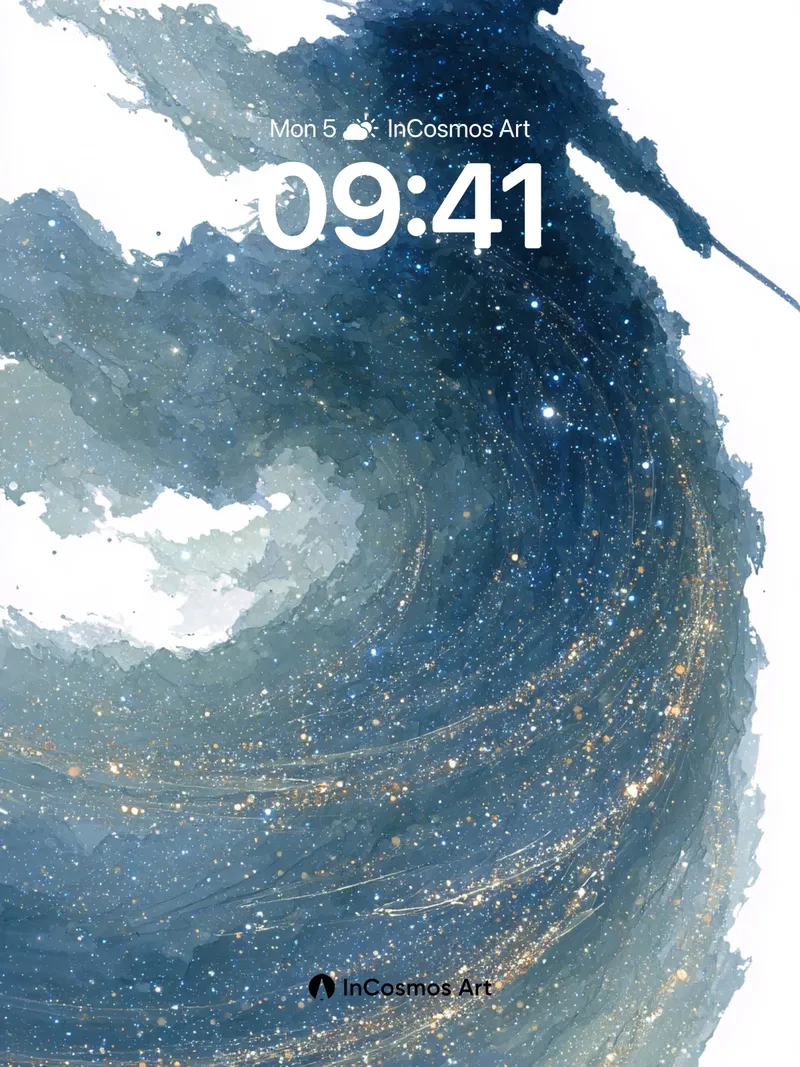
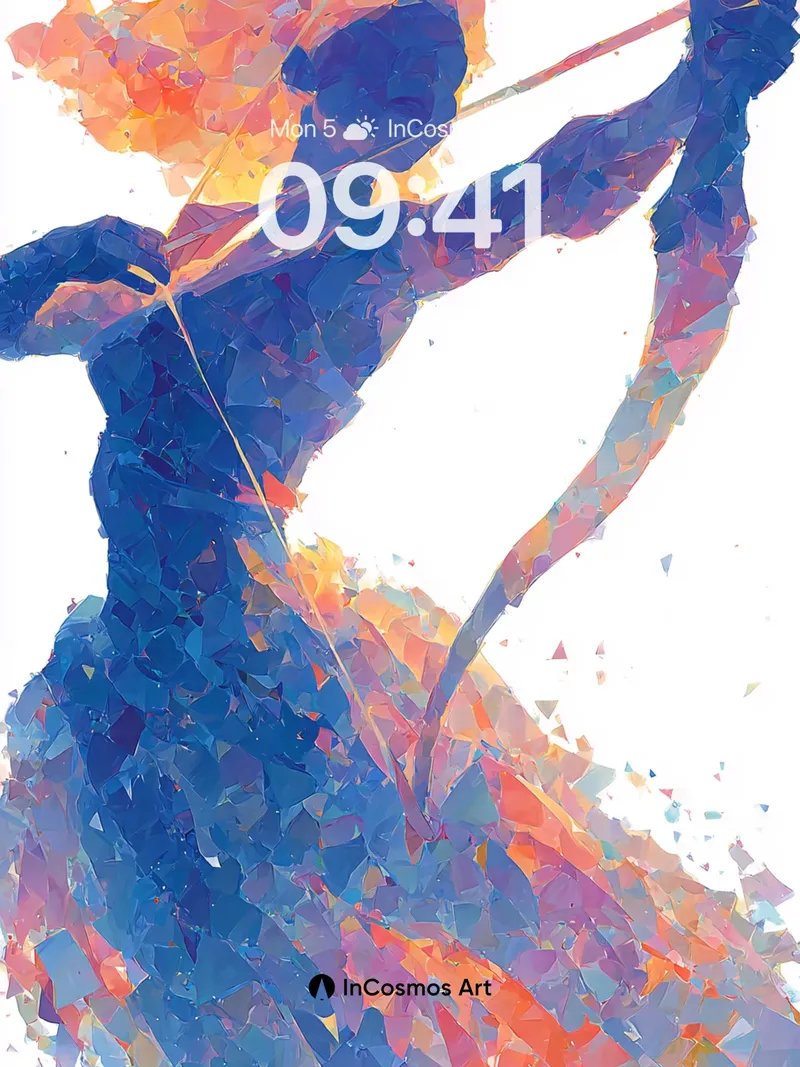
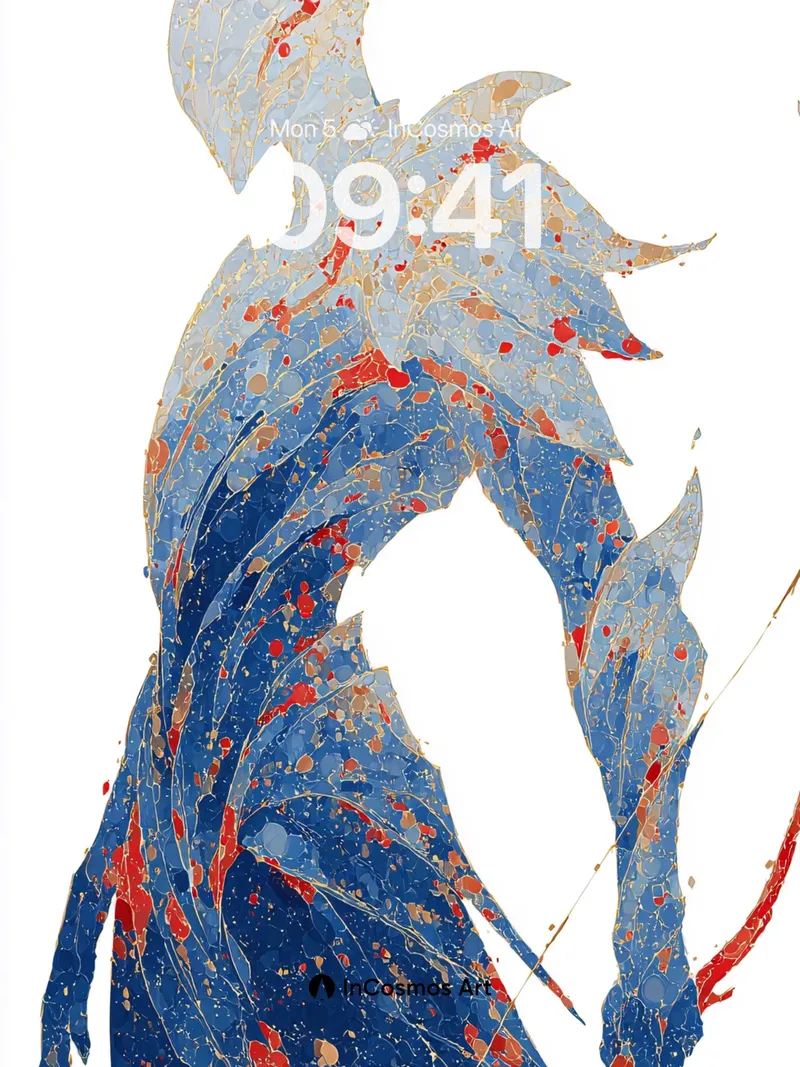
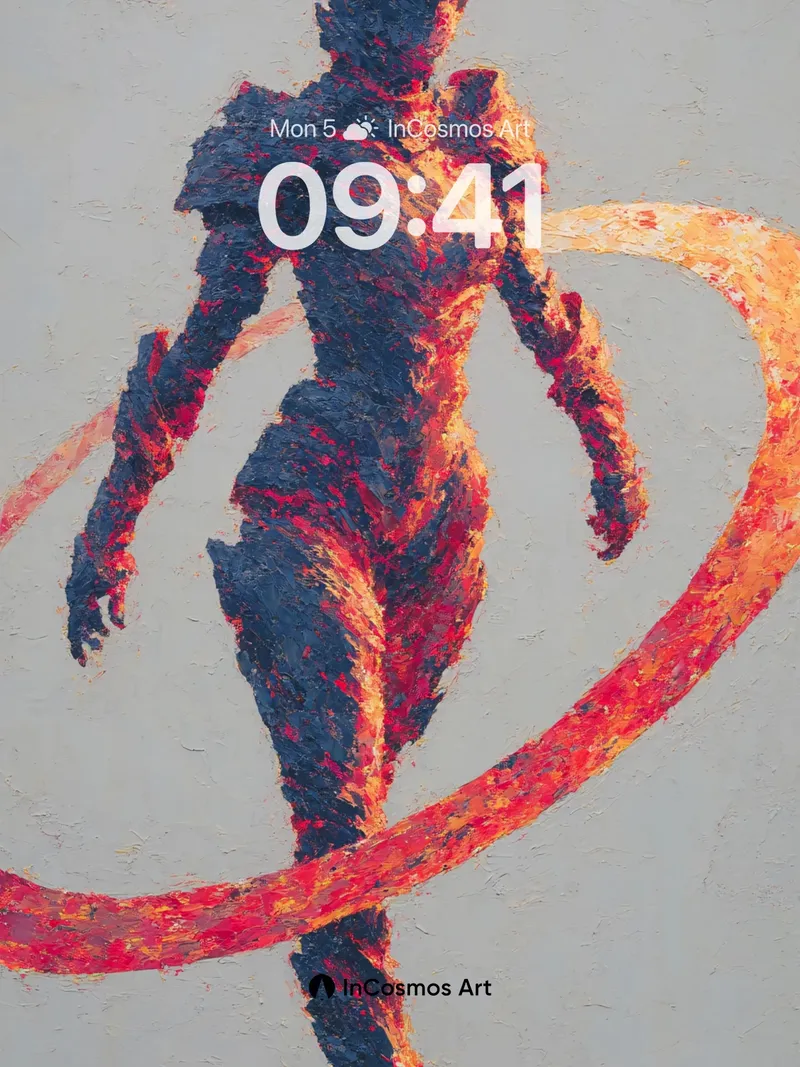
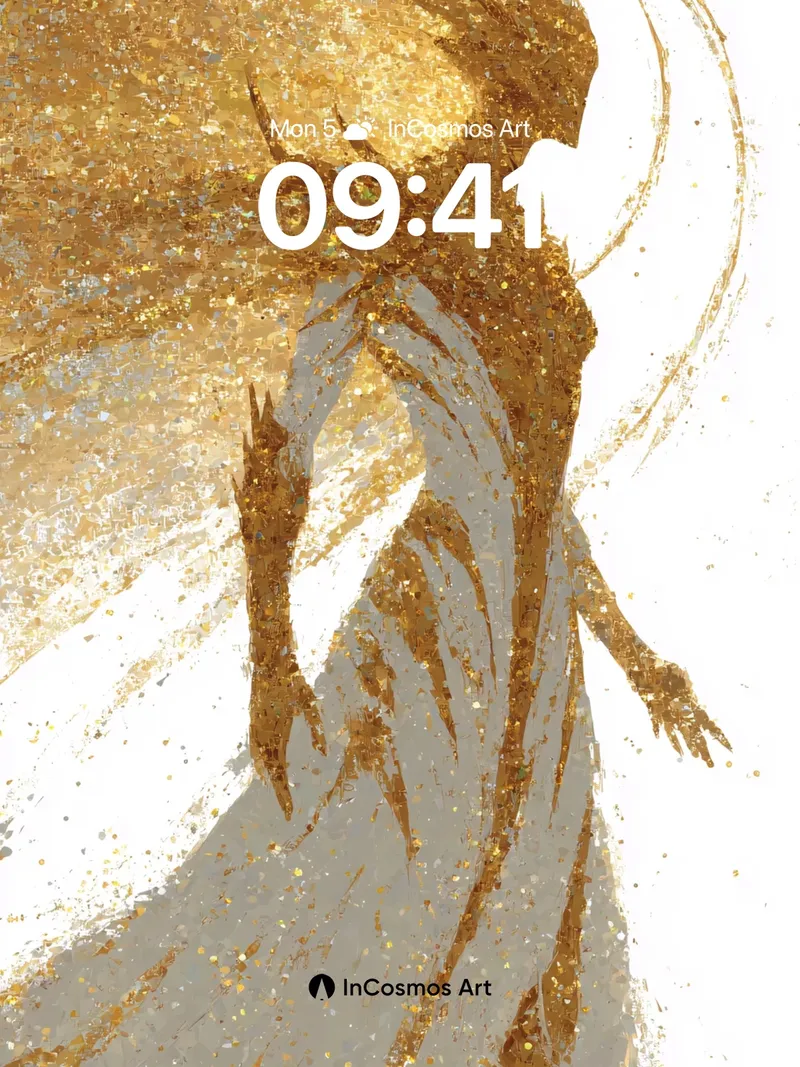
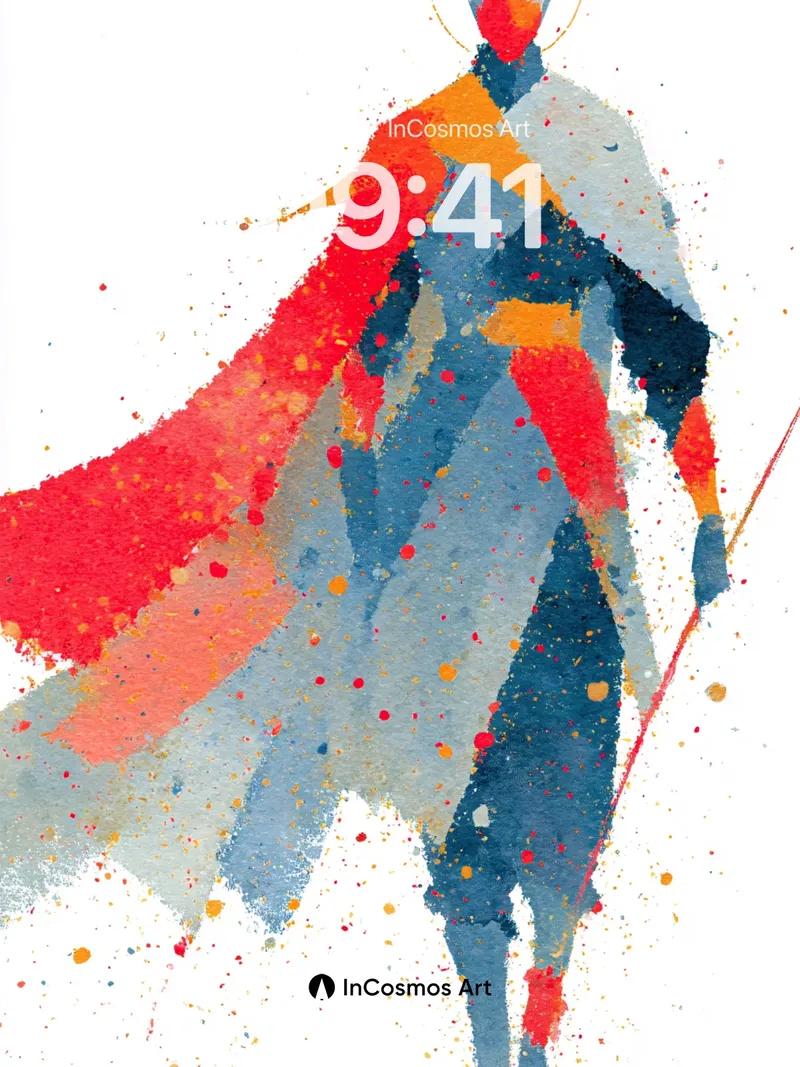
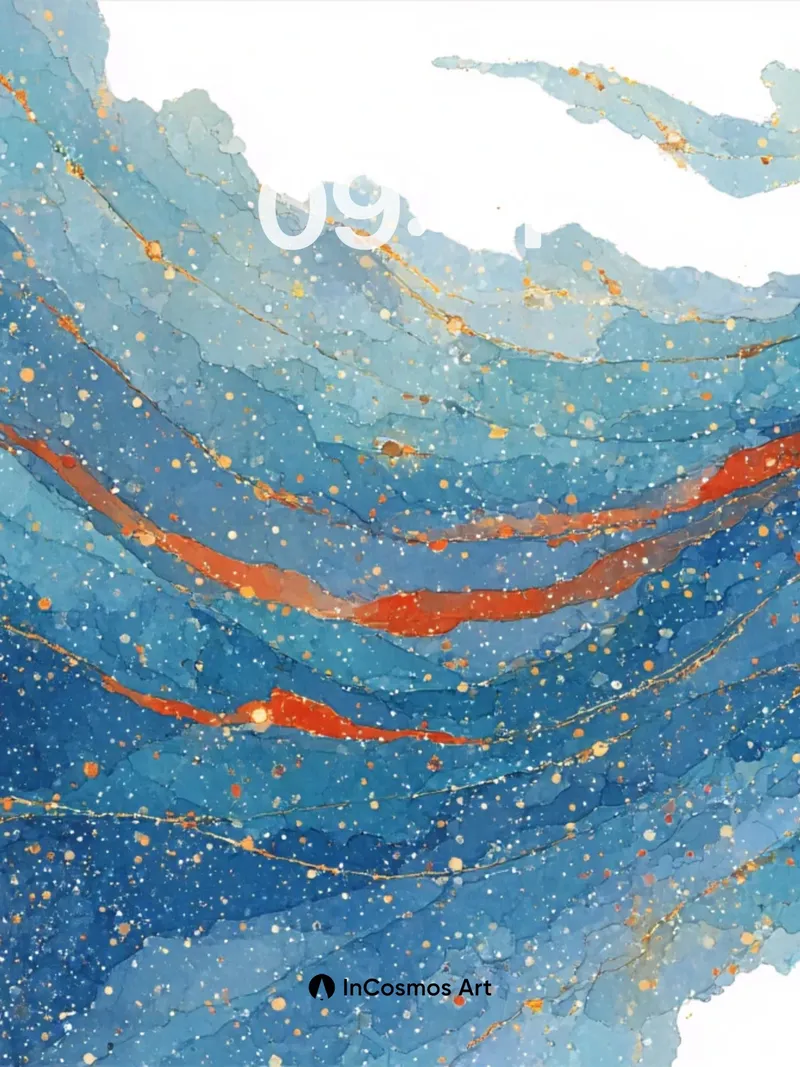
When the bowstring is drawn, time halts. This is not a physical confrontation but an extension of spirit—a ritual where posture becomes language and breath, rhythm. The body serves as vessel, garments as extended metaphors; every fold traces the path of power. Red and blue intertwine on fabric like bloodlines and cold currents, symbolizing the eternal tension between inner conflict and balance. These figures are not hunters in reality but embodiments of cultural memory, expressing the Eastern aesthetic dialectic of stillness and motion.
Stillness in Motion
The peak of action often appears as stillness. At the moment the bow is fully drawn, muscles tighten like taut threads yet show no tremor. This stillness is not stagnation but the threshold of accumulated energy. Visually, the flowing garments intensify the sense of bodily stability, as if wind pushes while the figure remains unmoved. This inverse contrast reveals the Eastern philosophical wisdom of 'controlling motion through stillness,' echoing traditional martial arts' concept of 'accumulating force before release.'
The Language of Fabric
Clothing here transcends mere coverage—it becomes a symbolic system of emotion and identity. Layered textiles form dynamic textures; each cut, each pattern, functions narratively. Golden lines weave through, resembling fates or celestial movements, placing individuals within cosmic order. The red-blue palette is more than aesthetic choice—it carries cultural metaphor: crimson represents passion and sacrifice, deep blue denotes contemplation and protection. Their entanglement mirrors the dual nature of human character.
The Weight of Will
Archers lack faces, yet their will feels purer. Eyes are omitted, expressions erased—but posture speaks volumes. They are not performers but ritualists. The bow, tool and symbol alike, bridges heaven and earth, life and death. Each draw affirms existence, responds to a call beyond utility. This act rises above practicality, becoming spiritual practice.