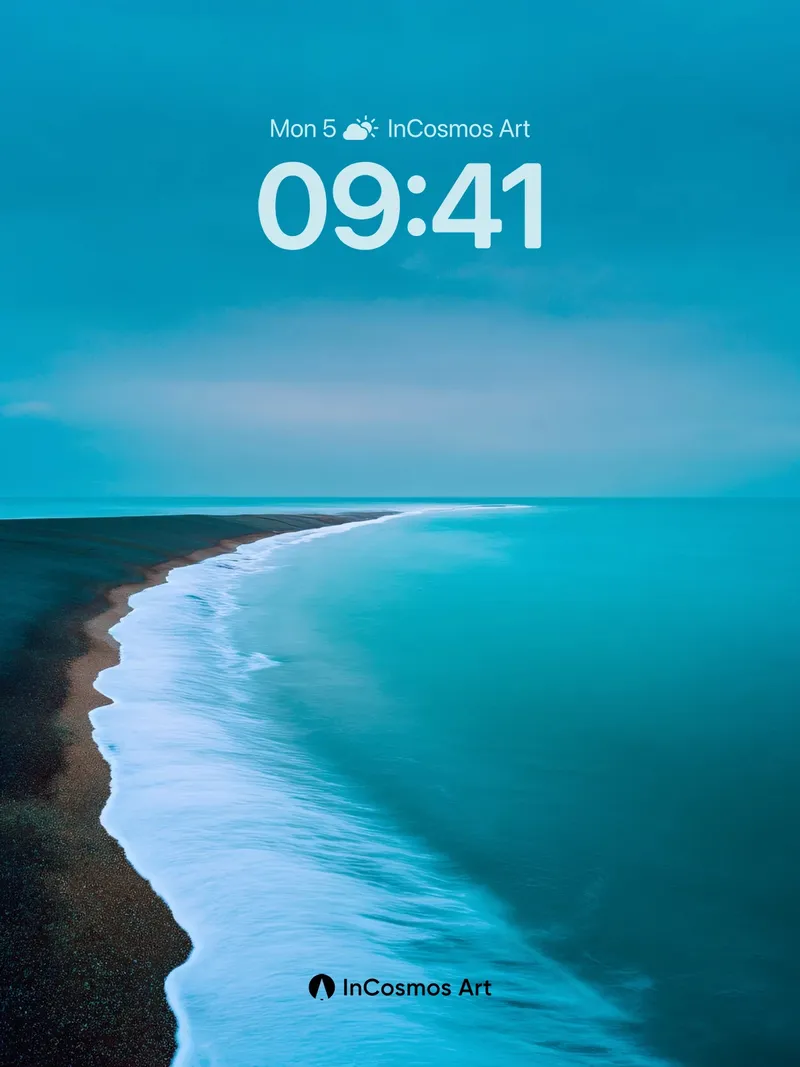
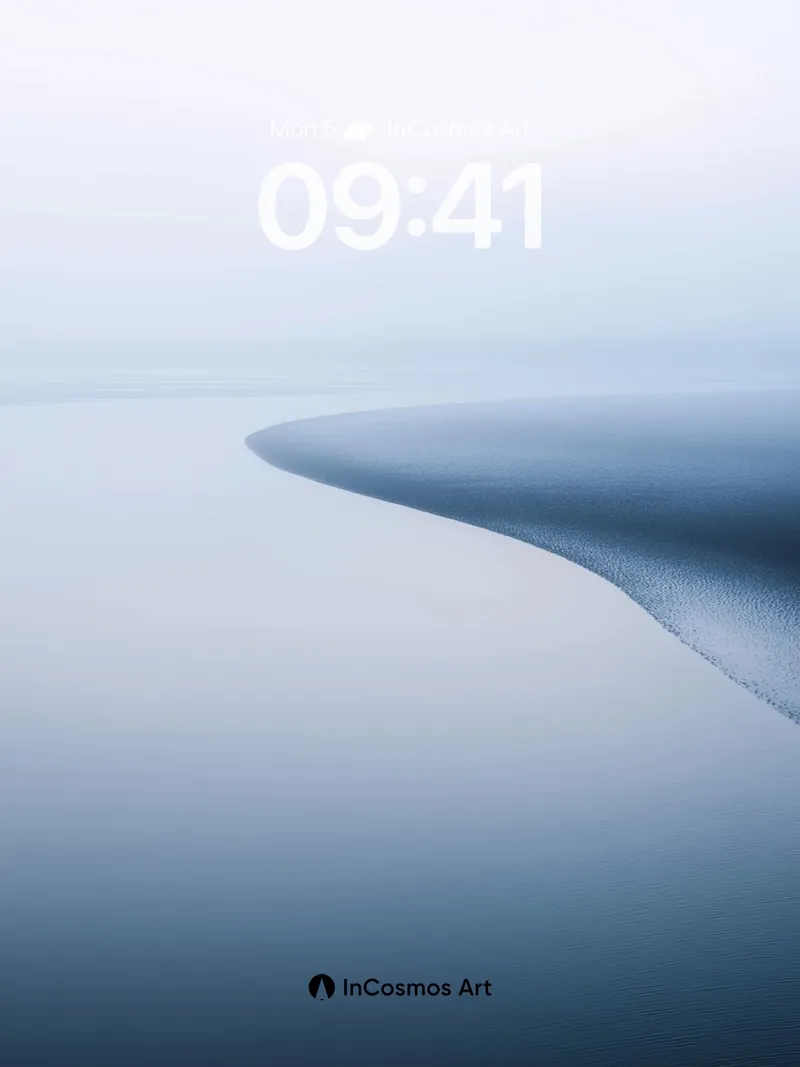
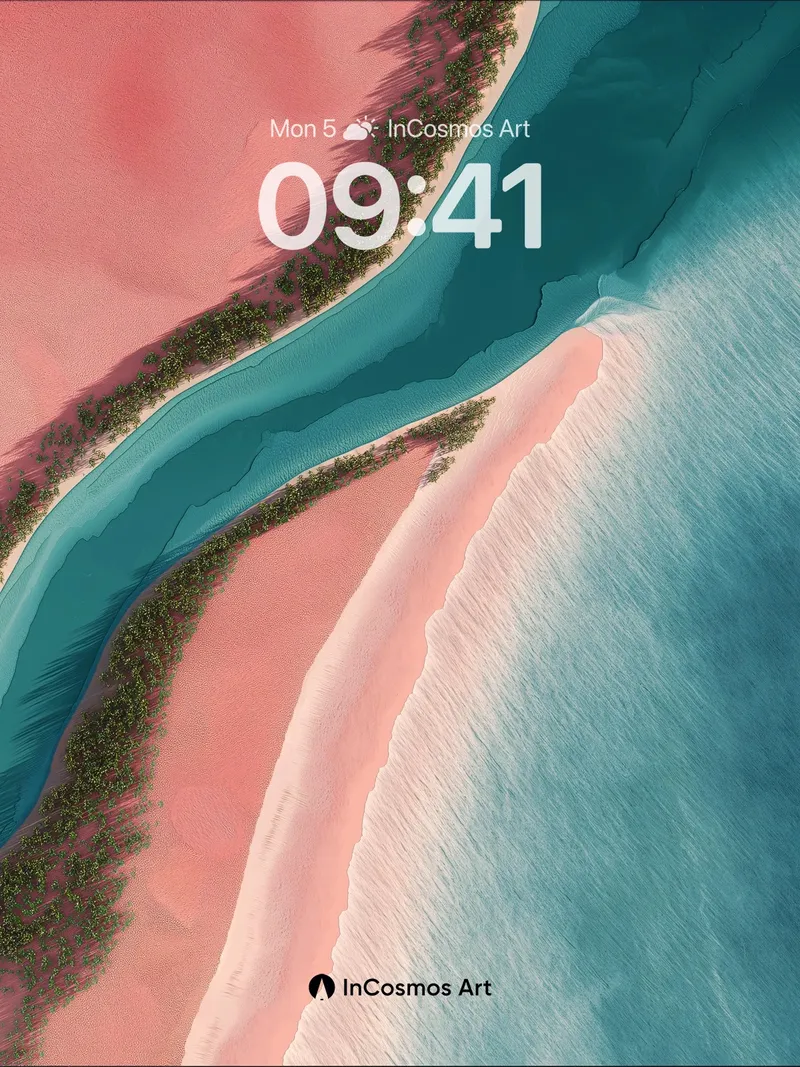
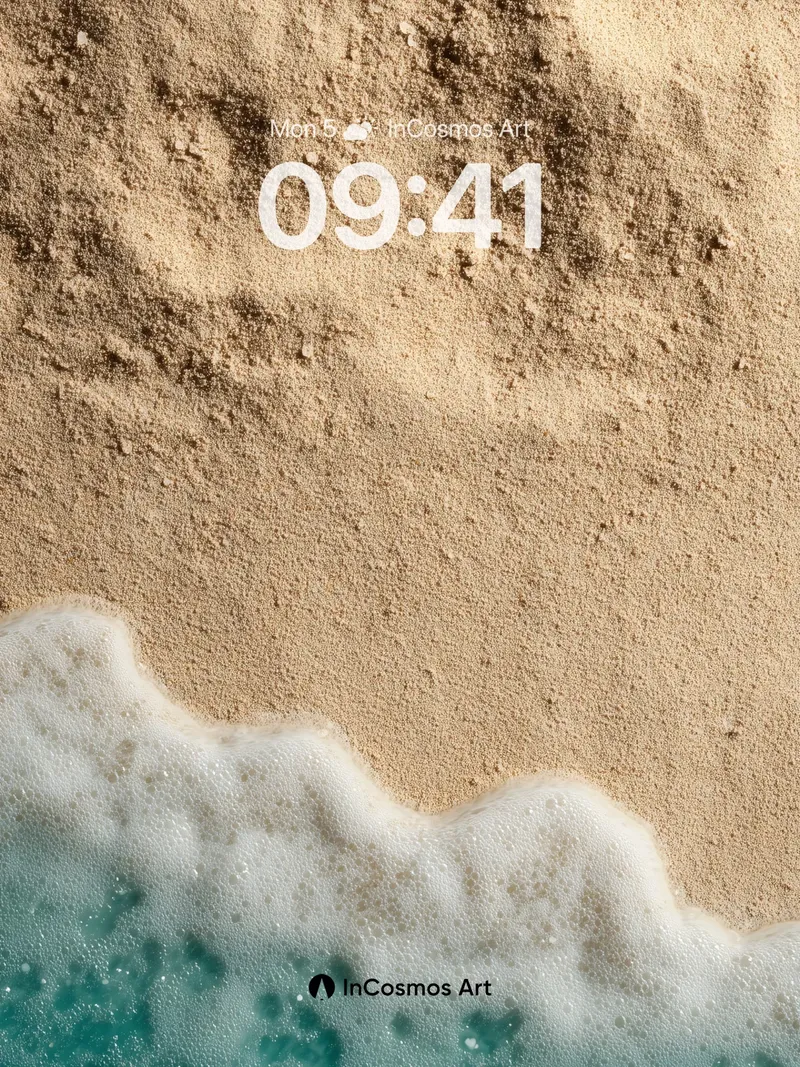
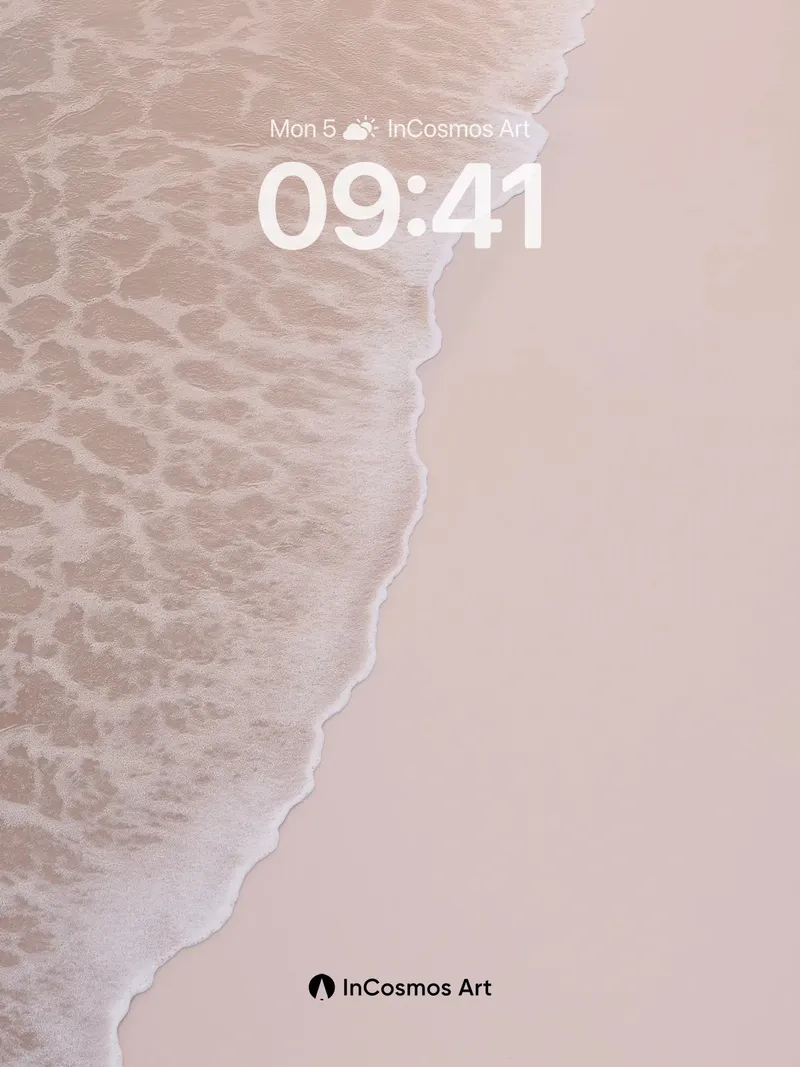
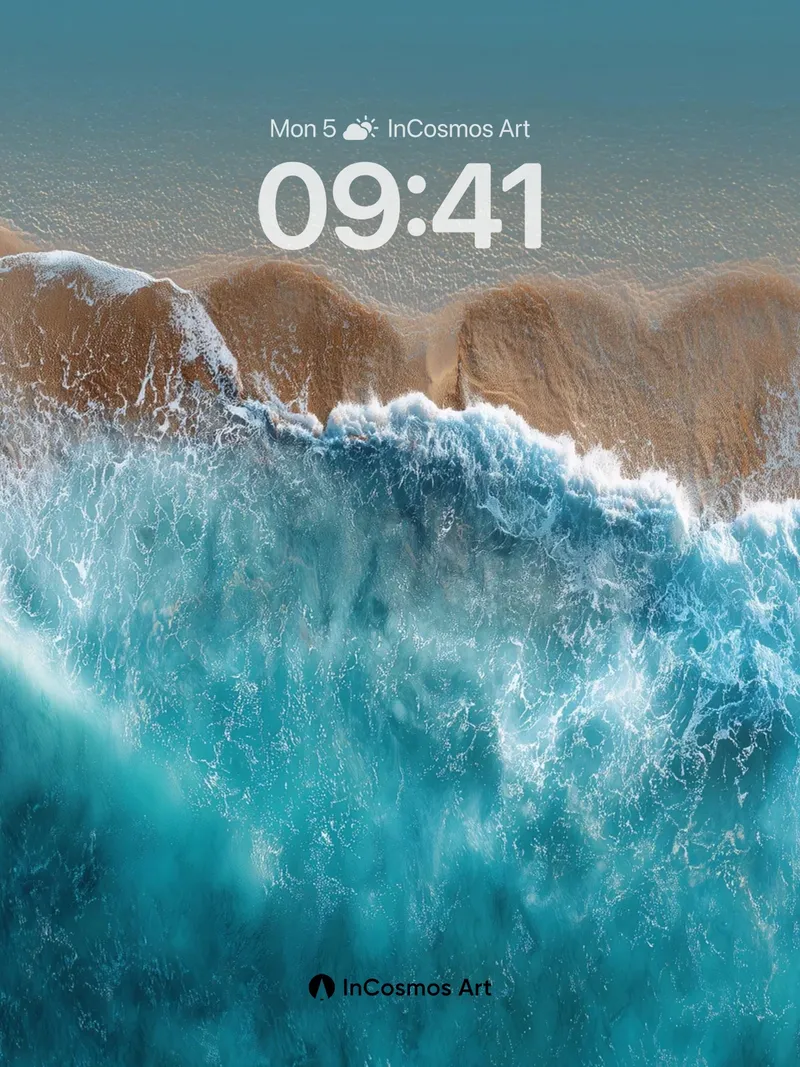
Where water meets land, time and space engage in quiet dialogue. No noise, no traces—only fluid forms and settled textures confronting one another. These edges are not fractures but gentle transitions in nature's language. From mist-shrouded shores to boundless blue oceans, from foamy ripples on fine sand to vividly cracked earth meeting vibrant waters, each line carries the breath of terrain and whispers of climate. They are not scenery, but contours of being itself.
The Boundary as Continuum
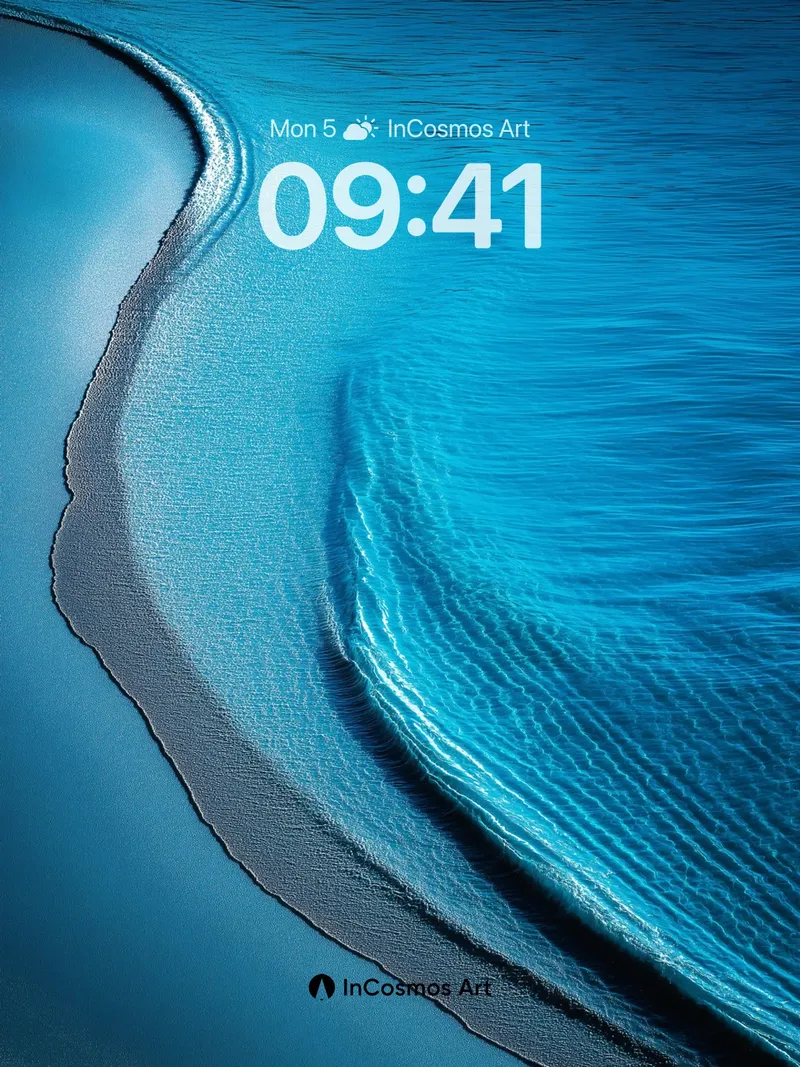
Here, boundaries are not divisions but expressions of continuity. The curve of water glides softly over land, like memory slipping through consciousness. The cool blue of sea contrasts with the warm yellow of sand, yet their tactile qualities converge. This tension arises from material authenticity—the liquidity of water and granularity of sand defining each other at contact. Humanity tends to divide the world into clear zones, but nature resists such absolutes. It embraces ambiguity, allows transition, makes change its norm.
Poetic Motion of Water
Foam leaves fleeting white marks on shore before receding. In this advance and retreat lies energy circulation and temporal measurement. Water’s movement condenses into transient patterns—web-like textures, layered foam, light refracting across ripples. Each moment is unique yet follows an inner rhythm. This is not randomness, but a physics-driven cadence, akin to breathing, to pulsing. The observer, pausing here, enters meditative synchrony with natural cycles.
Soil's Memory
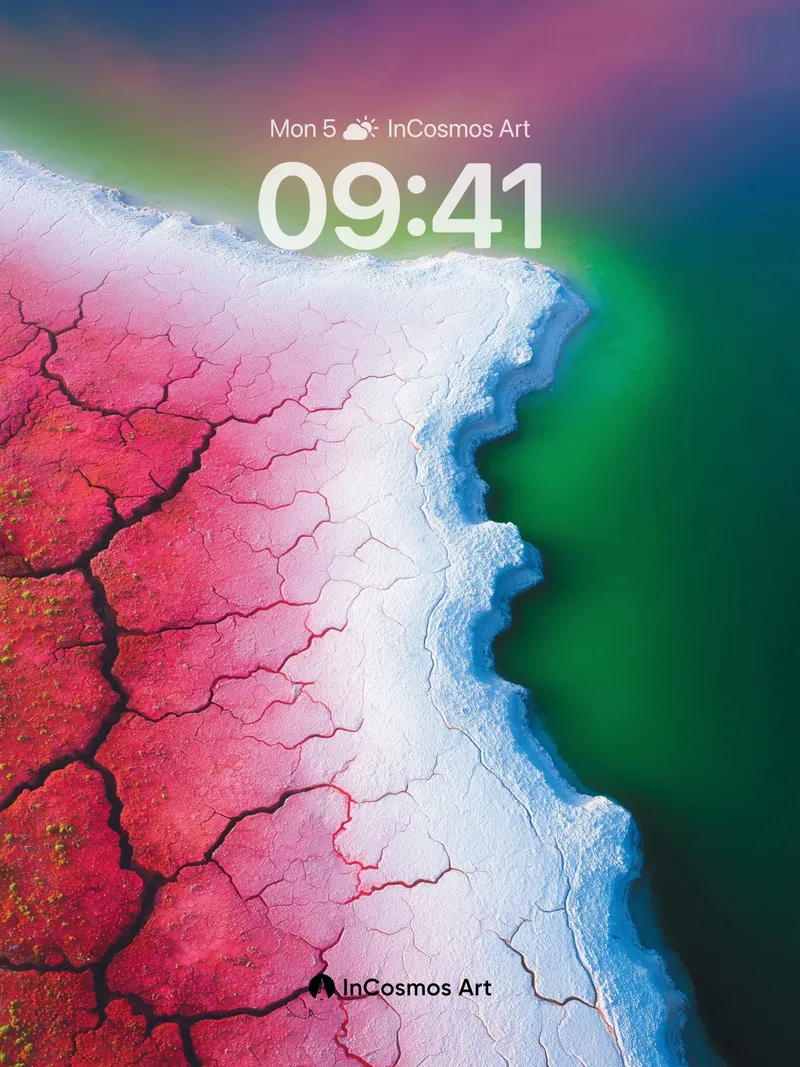
Some borders display extreme chromatic contrast—red earth, green lakes, intersecting fissures forming geological collages. Water once flowed here; now it dries. Life once thrived; now it rests. Cracks in the ground are drought’s signature, also rings of time. Colors are not decoration but chemical outcomes—salt deposits, microbial activity, mineral oxidation. These details expose ecosystem fragility and resilience, reminding that human intervention always leaves visible imprints.
Depth in Simplicity
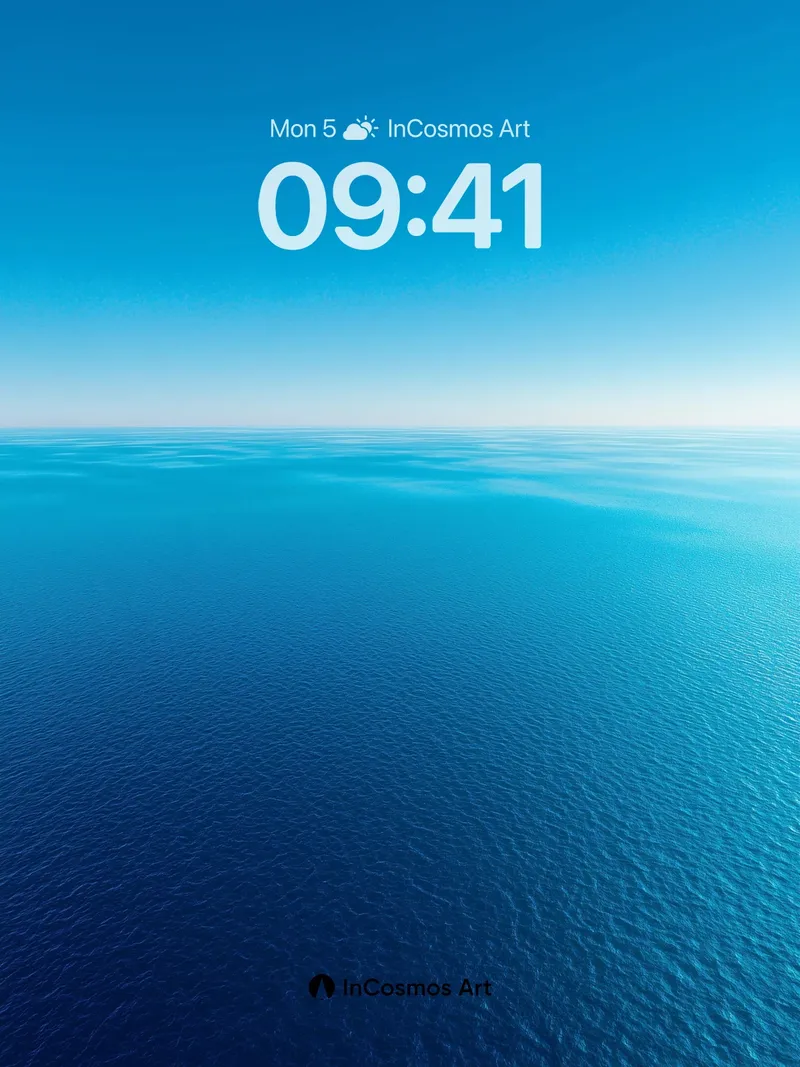
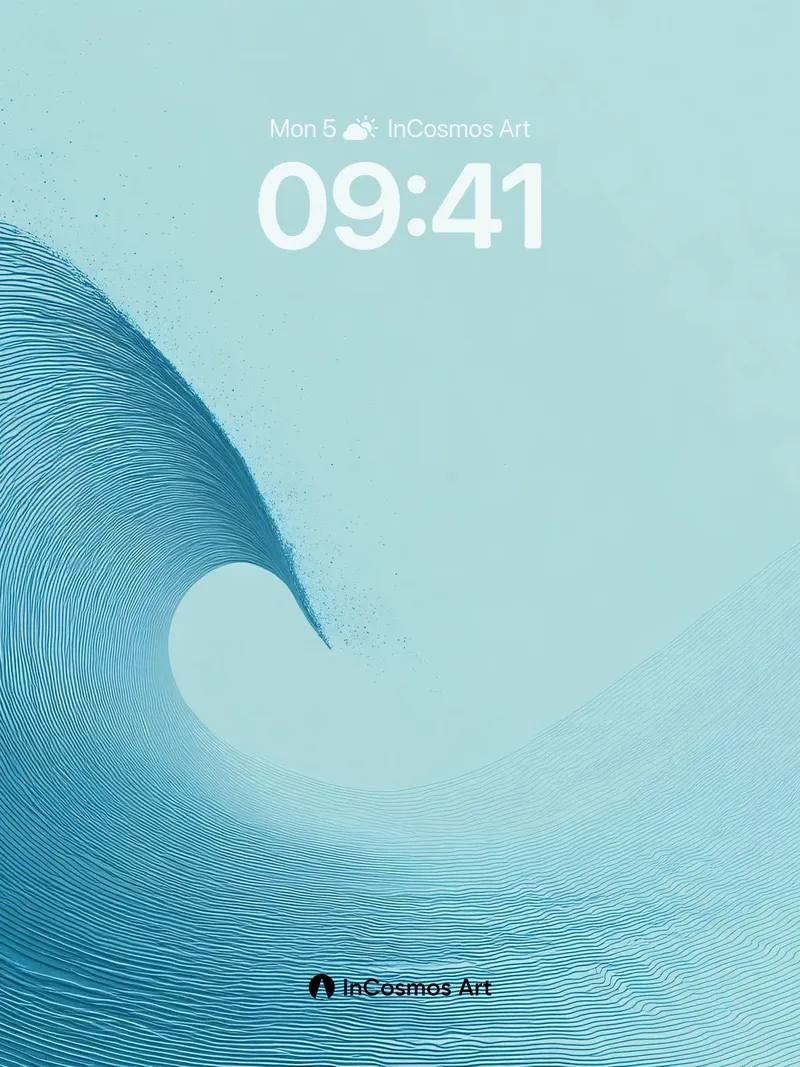
Minimalist composition does not mean emptiness. When elements reduce to essential lines and color blocks, perception intensifies. Absent objects—humans, structures, flora—highlight nature’s self-sufficiency. This negative space is not indifference, but reverence. It invites viewers to discard assumptions and feel pure presence. In such expanses, emotions settle, thoughts drift.