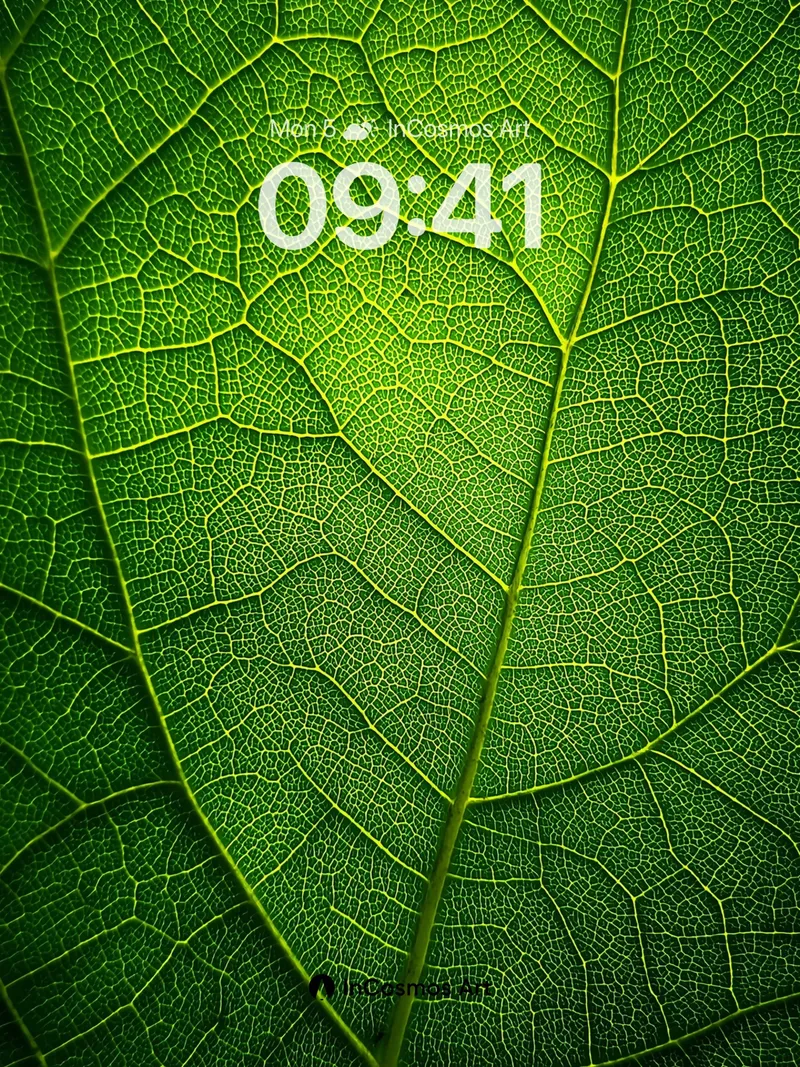
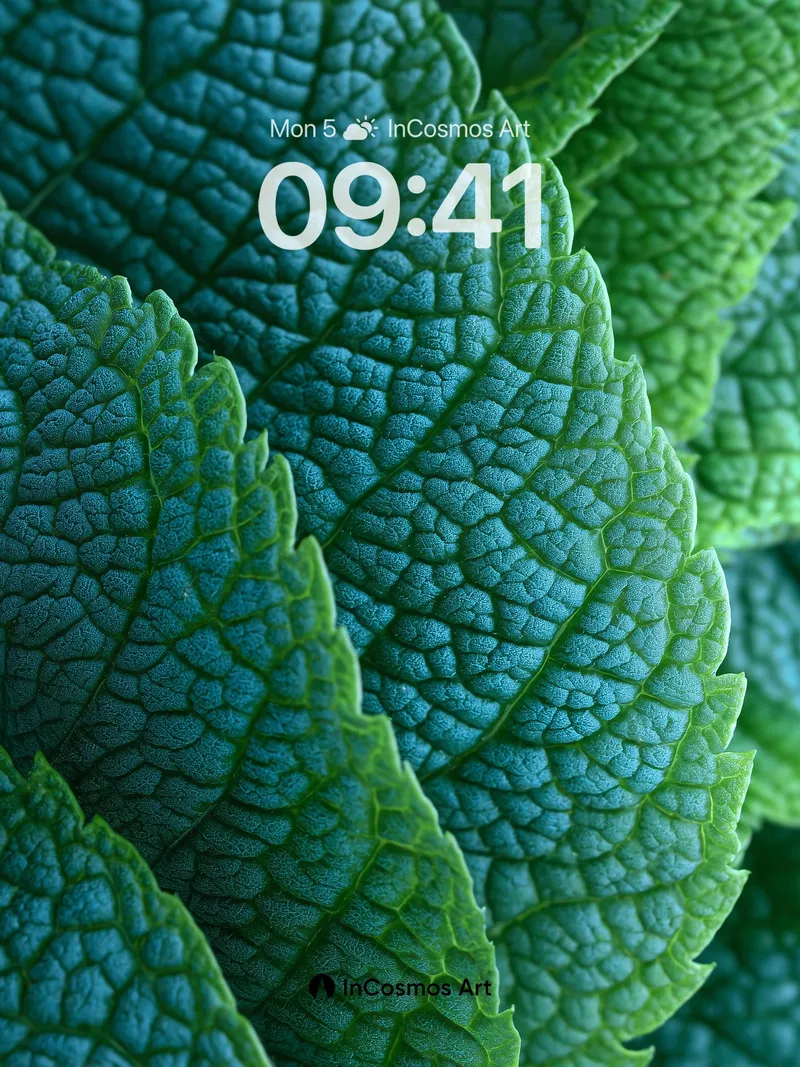
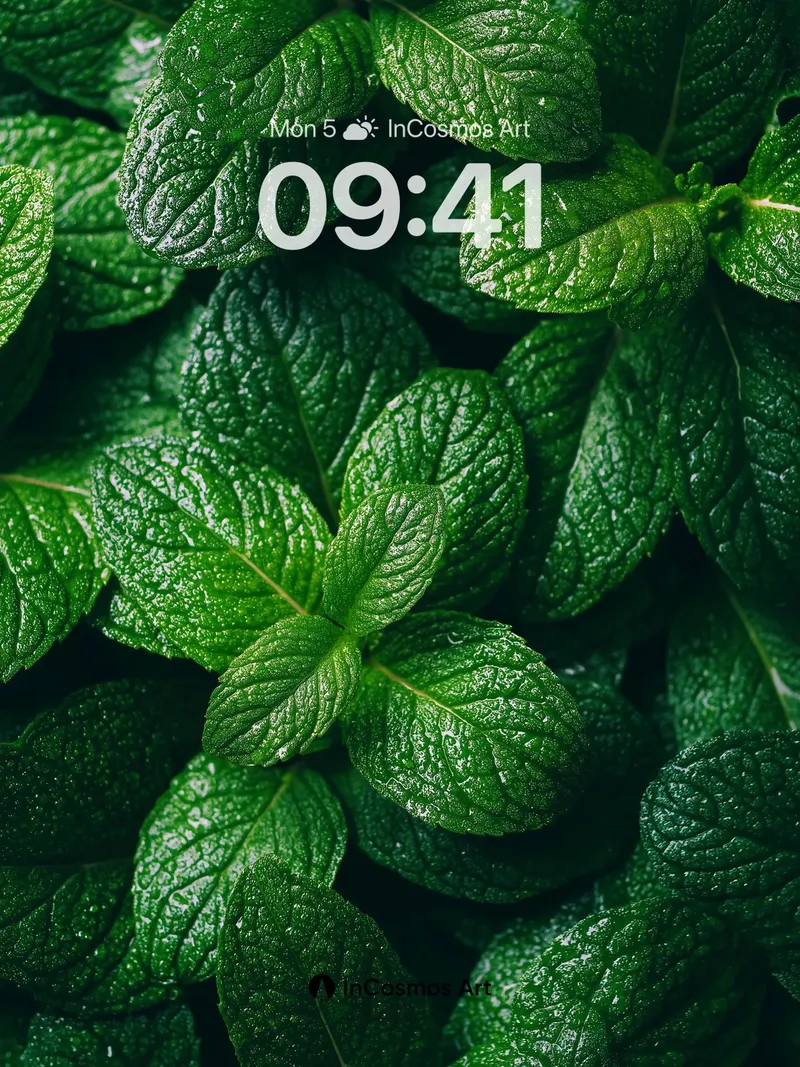
Life manifests in the most minute details. The texture of a leaf is nature's intricate poetry, recording the rhythm of photosynthesis, the flow of water, and seasonal transitions. Veins extend like neural networks, delivering energy to every cellular corner and carrying the plant's silent breath. When green fades into yellow, its internal structure does not vanish but reveals a more complex order through transparency—this is beauty in decay, a measure of time, and fragments of ecological memory.
Topology of Life
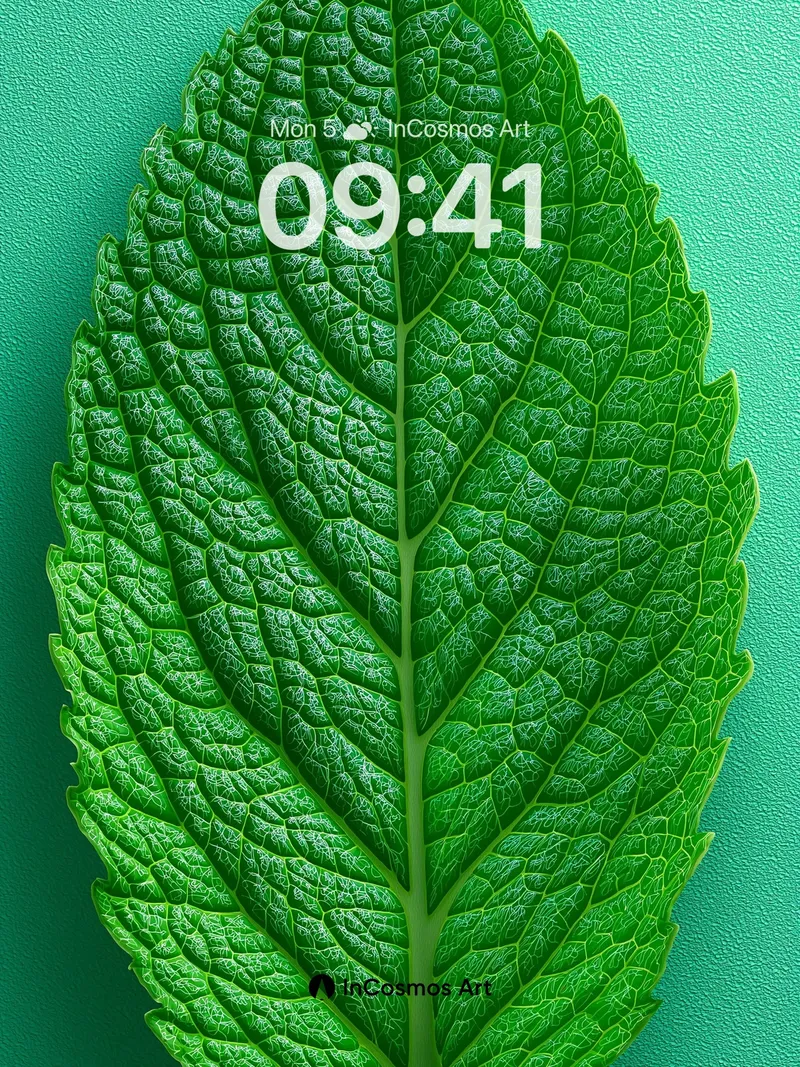
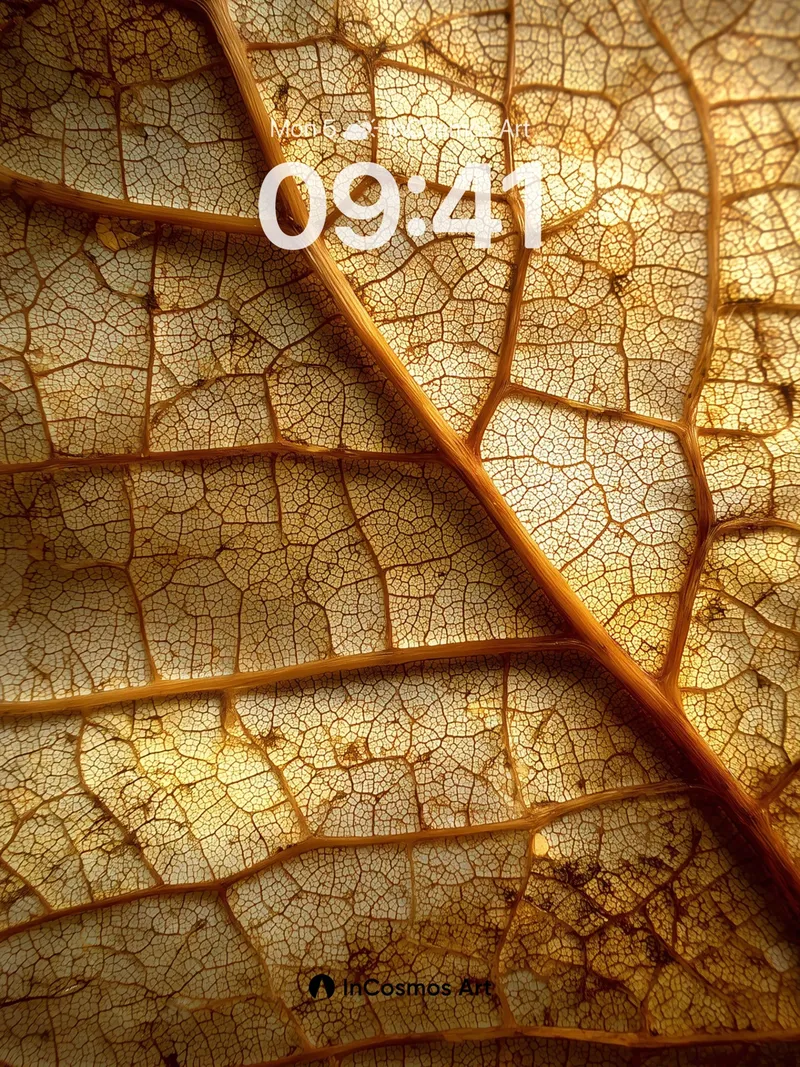
Leaf venation is not random but follows principles of optimal pathways, resembling urban transit grids or circulatory systems. A central midrib runs through the core, lateral veins branch tree-like, and fine veins form a mesh, creating efficient transport channels. This geometric pattern evolves differently across species yet shares a common logic: minimal energy, maximum coverage. Human engineering draws inspiration from it, designing lightweight, high-strength biomimetic structures—but nature has already completed this evolutionary experiment.
Traces of Time
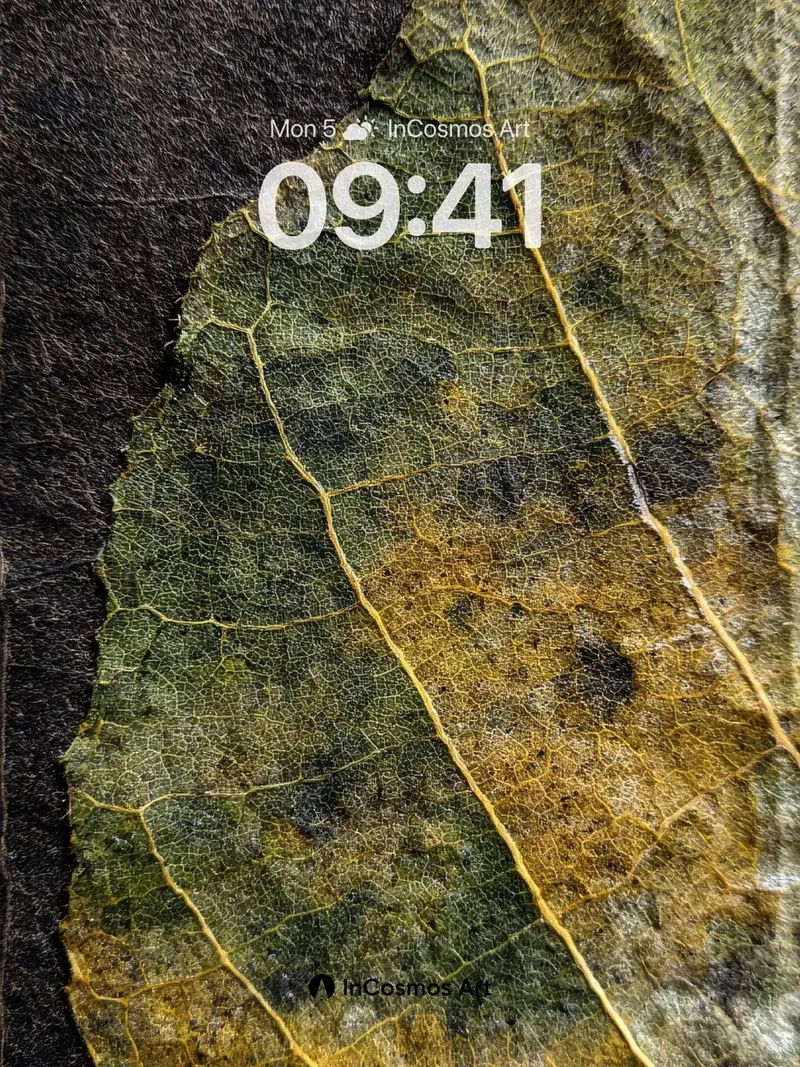
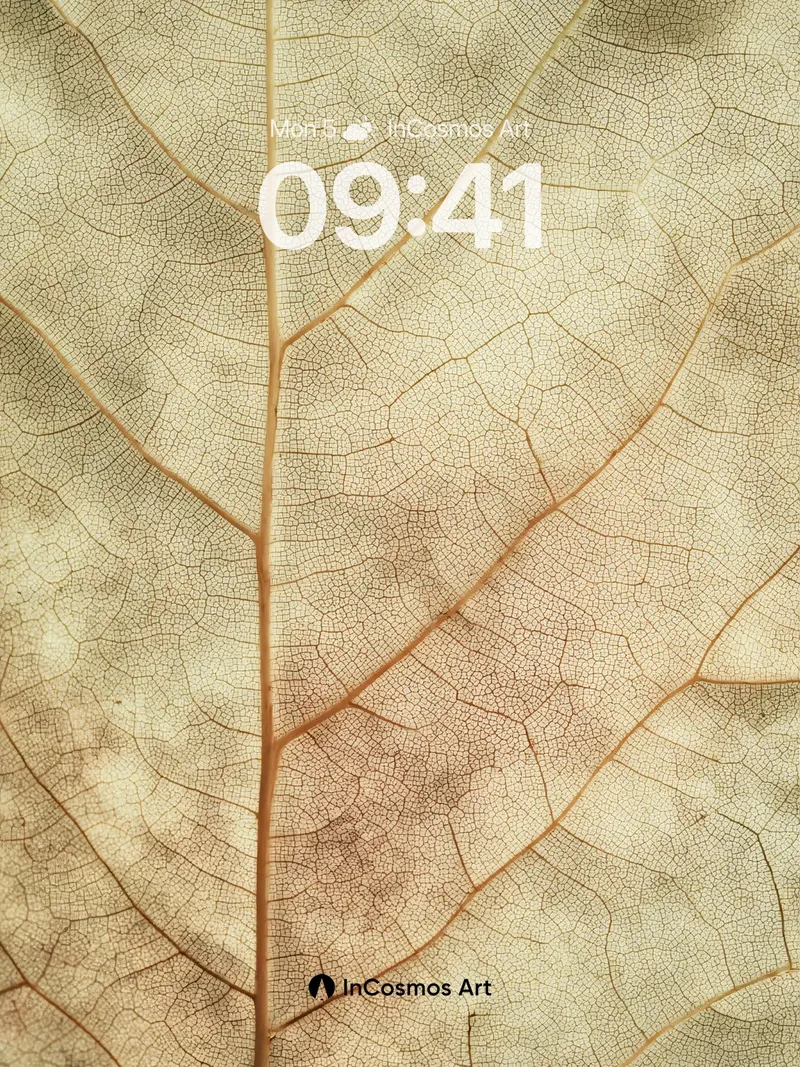
The transition from vibrant green to brown is a direct representation of life cycles. After dehydration, leaf tissue dissolves, leaving only vascular bundles as skeletal frameworks. At this stage, leaves no longer block light but become lenses, illuminating previously hidden patterns. This translucent state exposes the plant’s sophisticated design and mirrors human aesthetic preference for 'remnants'—objects that lose function but retain form, carrying the weight of past existence.
Silent Collective
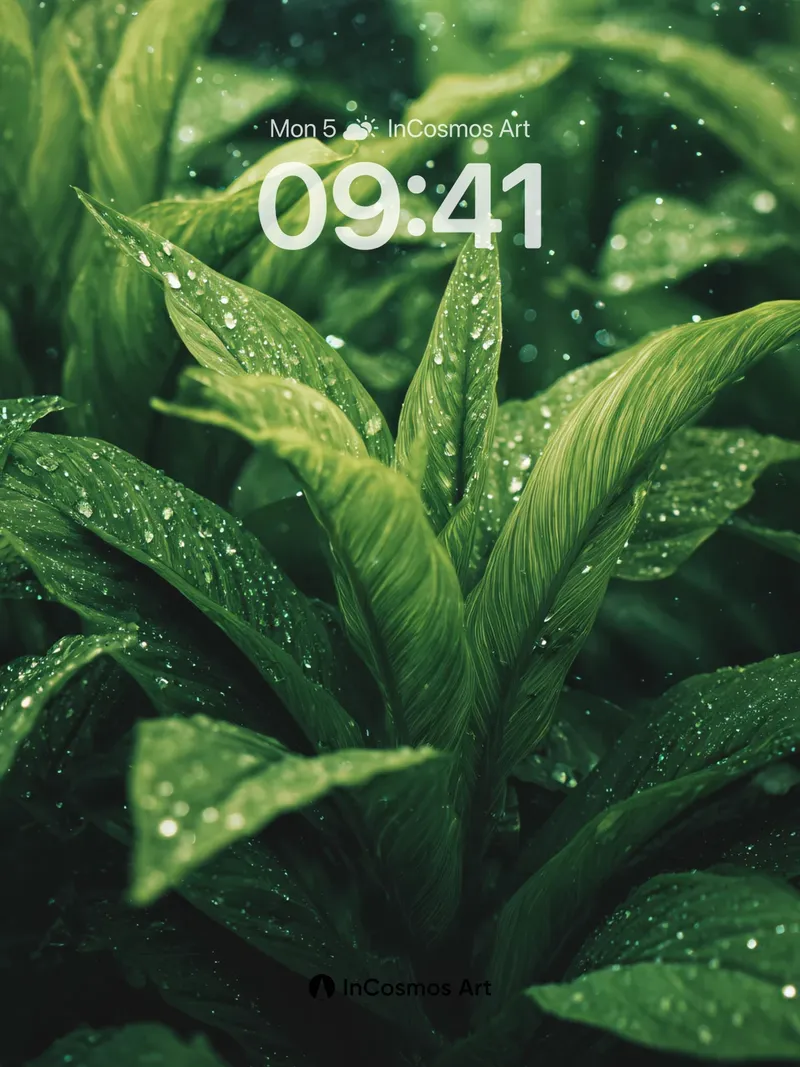
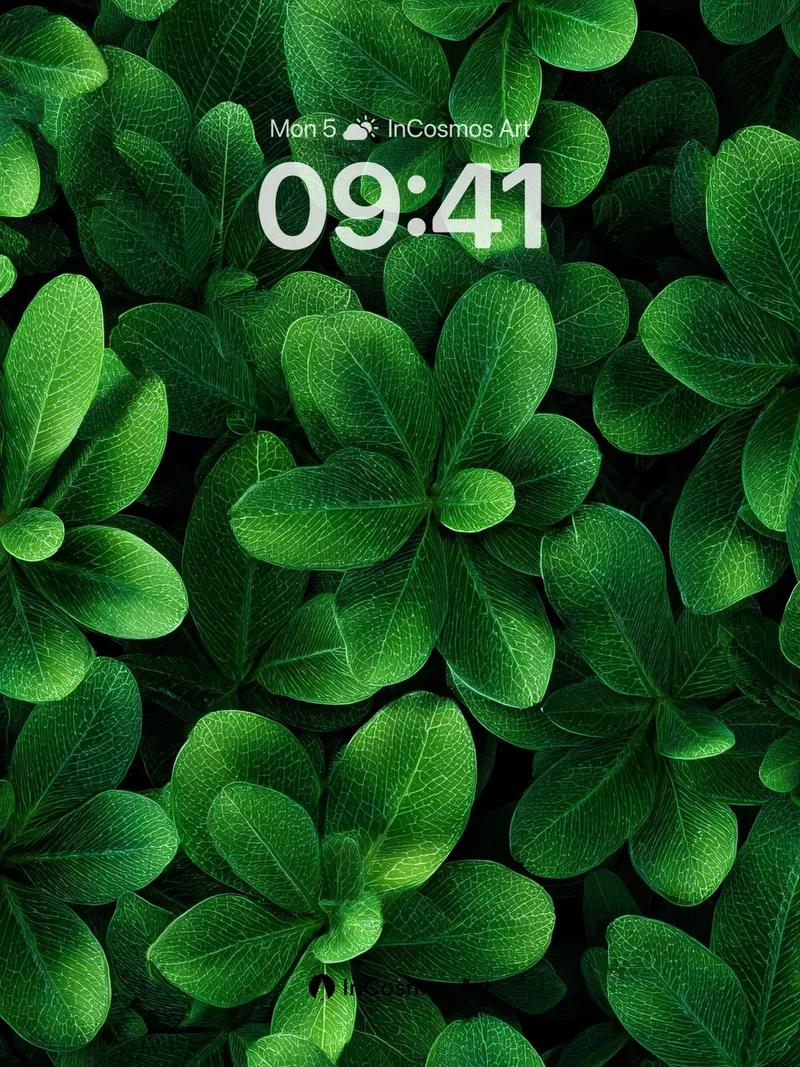
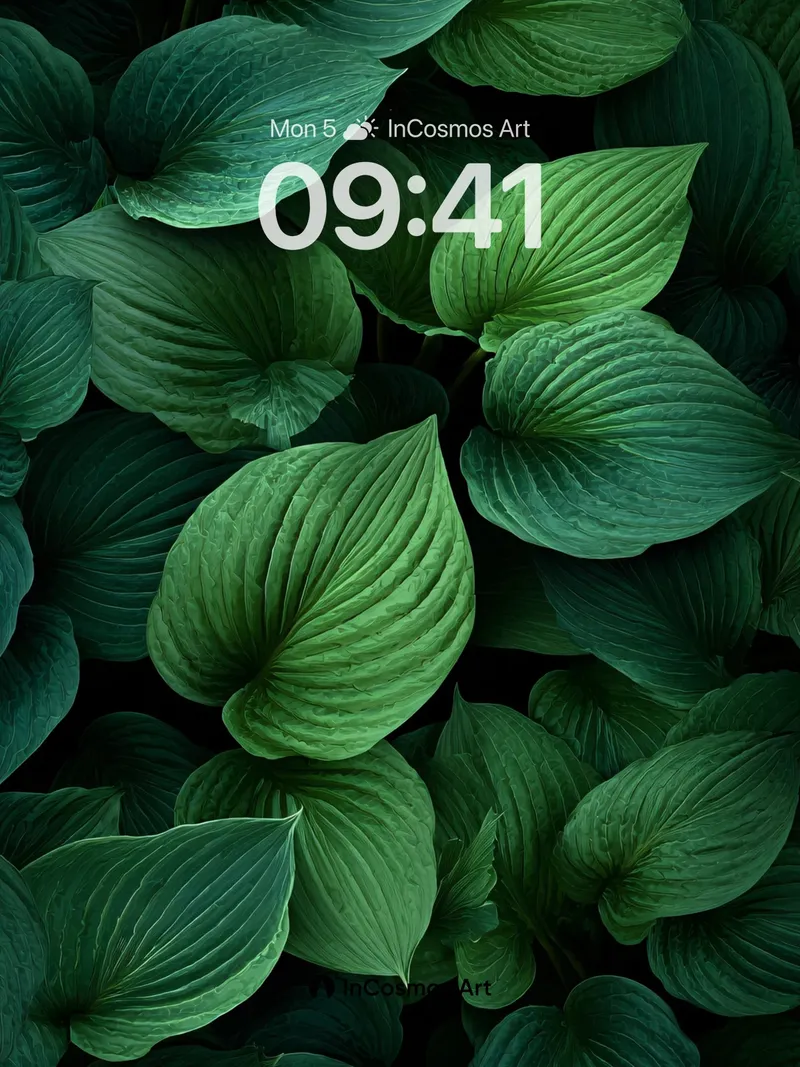
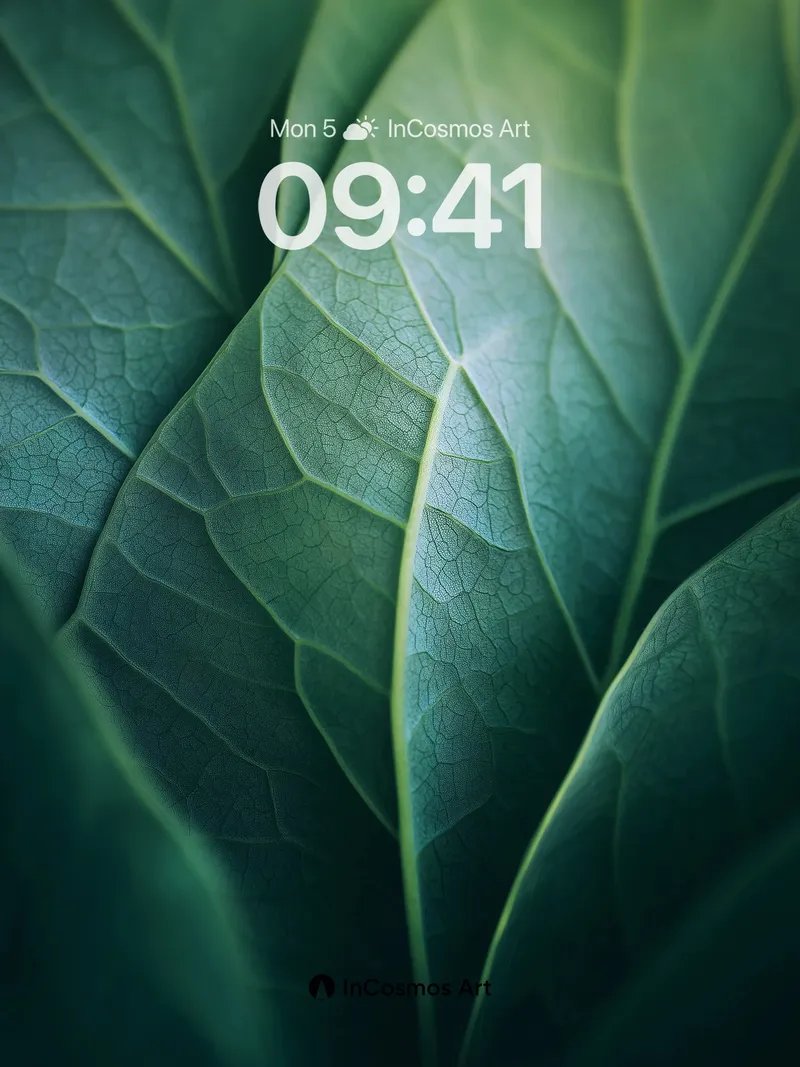
Leaves gathered together form visual forests. Dense arrangements create repeating patterns, both individual accumulation and collective rhythm. Varying shades of green undulate with light and shadow, mimicking breathing motions. They coexist without competition, interdependent, expressing presence through silence. In modern cities, this pure natural order is seen as a healing symbol, reminding people to return to slow, stable rhythms of life.
Dew and Stardust
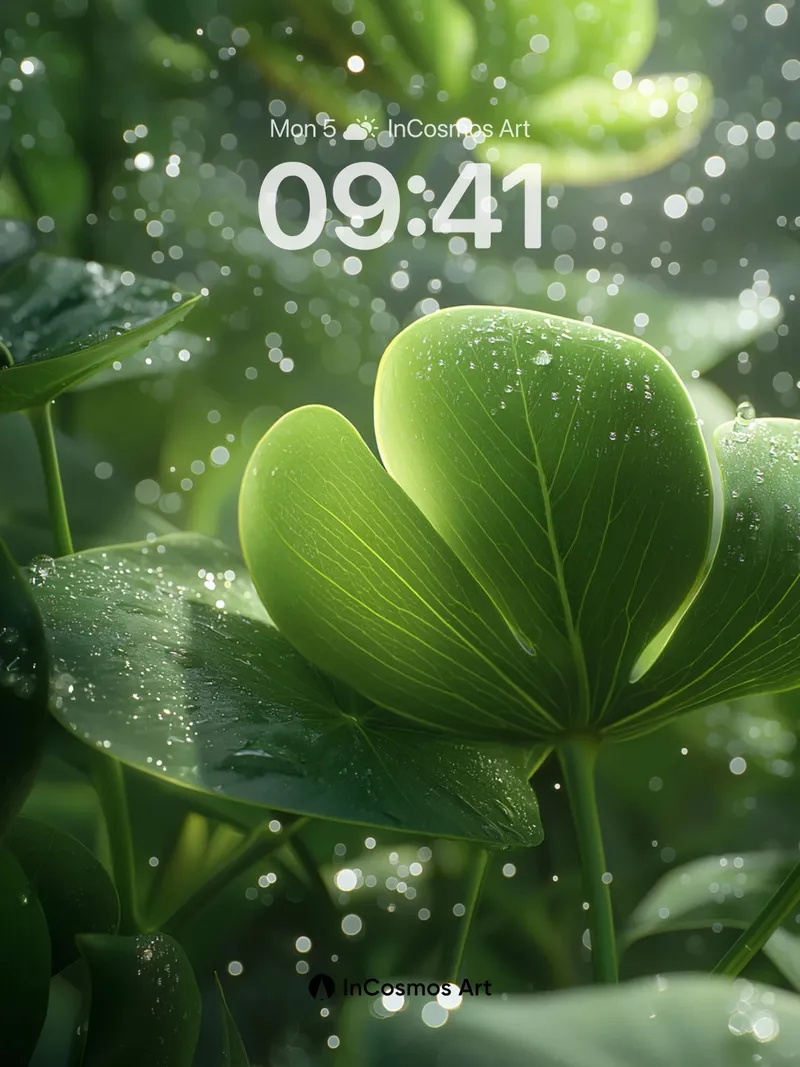
Dew forms at leaf tips, refracting miniature worlds. Each droplet is an independent universe, encapsulating sky reflections and morning chill. After rain, plant surfaces shimmer with crystalline beads, resembling stardust scattered across night skies. This fleeting beauty vanishes quickly but profoundly shapes perception—it evokes reverence for transience and reinforces nature’s paradoxical role as both ephemeral and eternal.