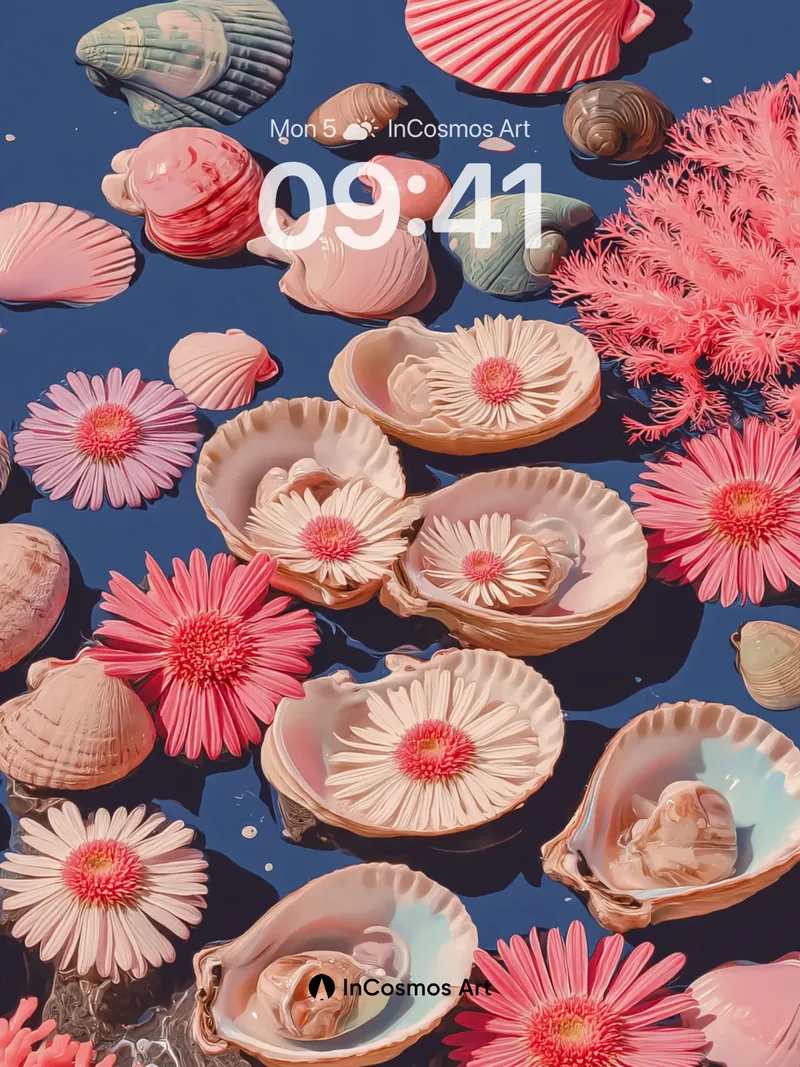
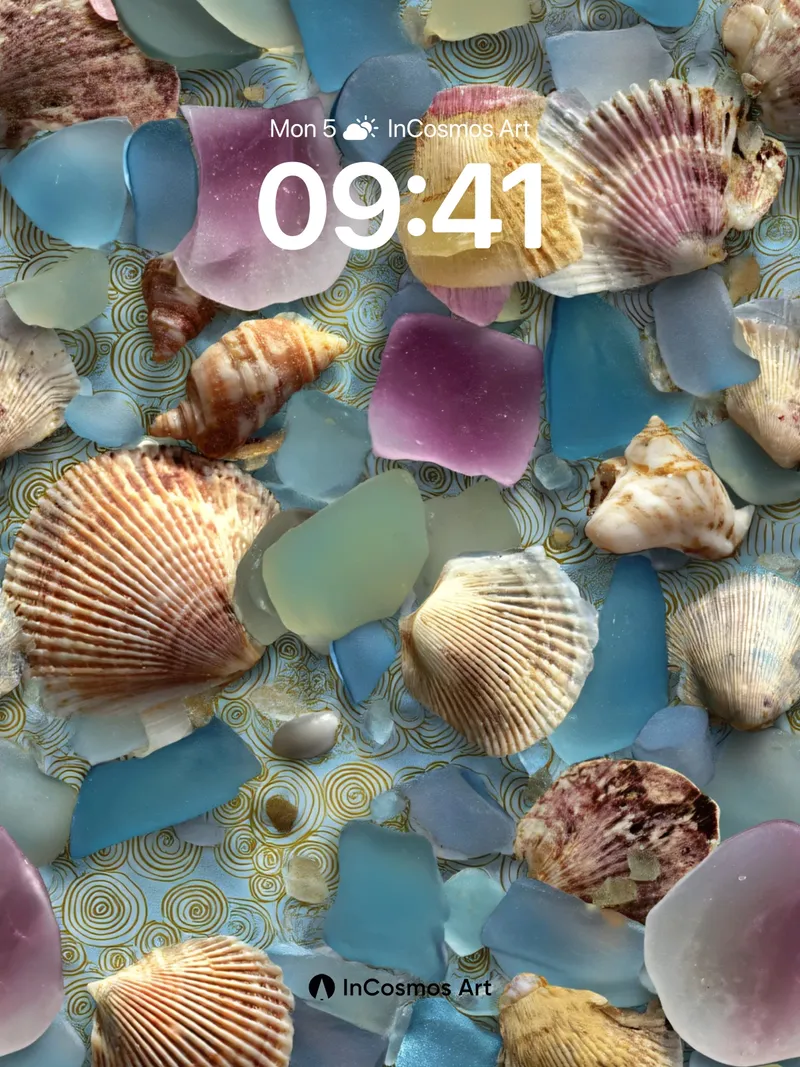
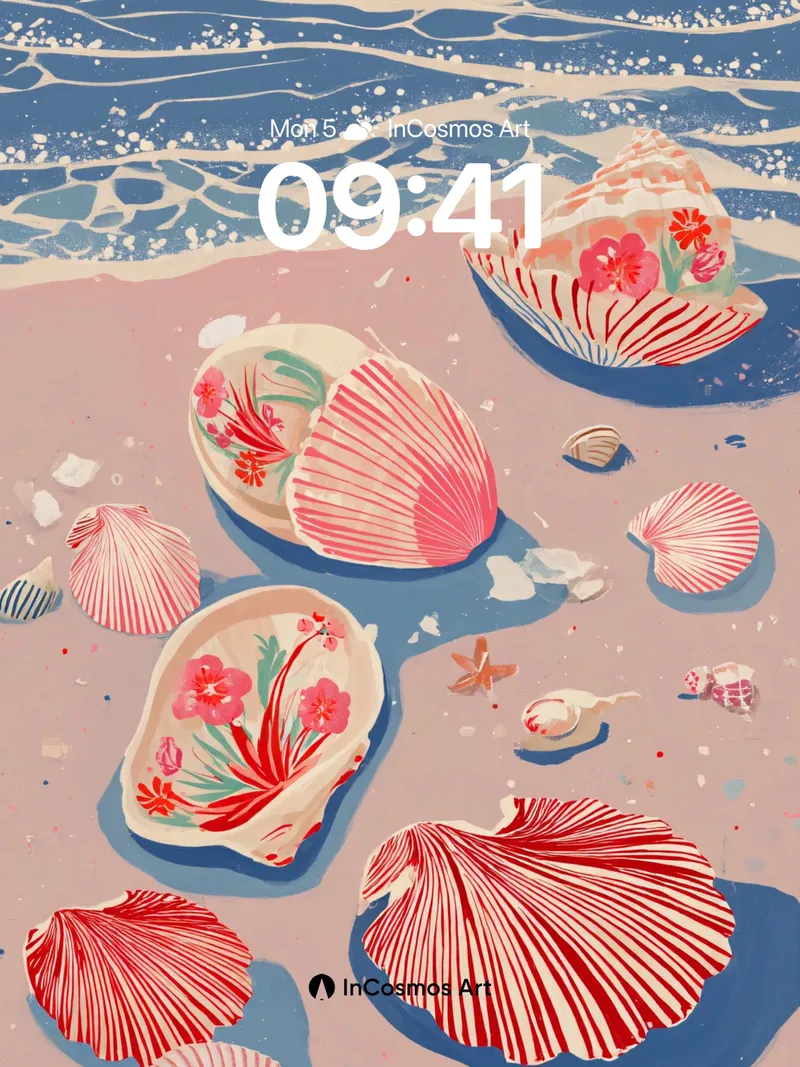
Beneath the deep blue, rays of light pierce through the surface, illuminating vibrant coral formations. Schools of fish glide among them, as if performing a silent choreography orchestrated by nature. These colors are not random; they represent the visual language of marine ecosystems, each form embodying survival strategies. Corals build resilient homes with delicate structures, while fish maintain energy flow with agile movements. This is more than scenery—it is a demonstration of existence: dynamic in stillness, ordered in chaos.
The Tapestry of Life
Coral reefs are among the most complex ecosystems in the ocean, structured like miniature cities. Different coral species interdependently form symbiotic networks. They sustain growth through photosynthesis and parasitic relationships, providing shelter for thousands of organisms. Observers often see them as decorative landscapes, overlooking their role as vital infrastructure. Color here is not aesthetic choice but evolutionary function—pinks, oranges, purples serve camouflage, defense, or attraction of symbionts.
Daily Narratives on the Shore
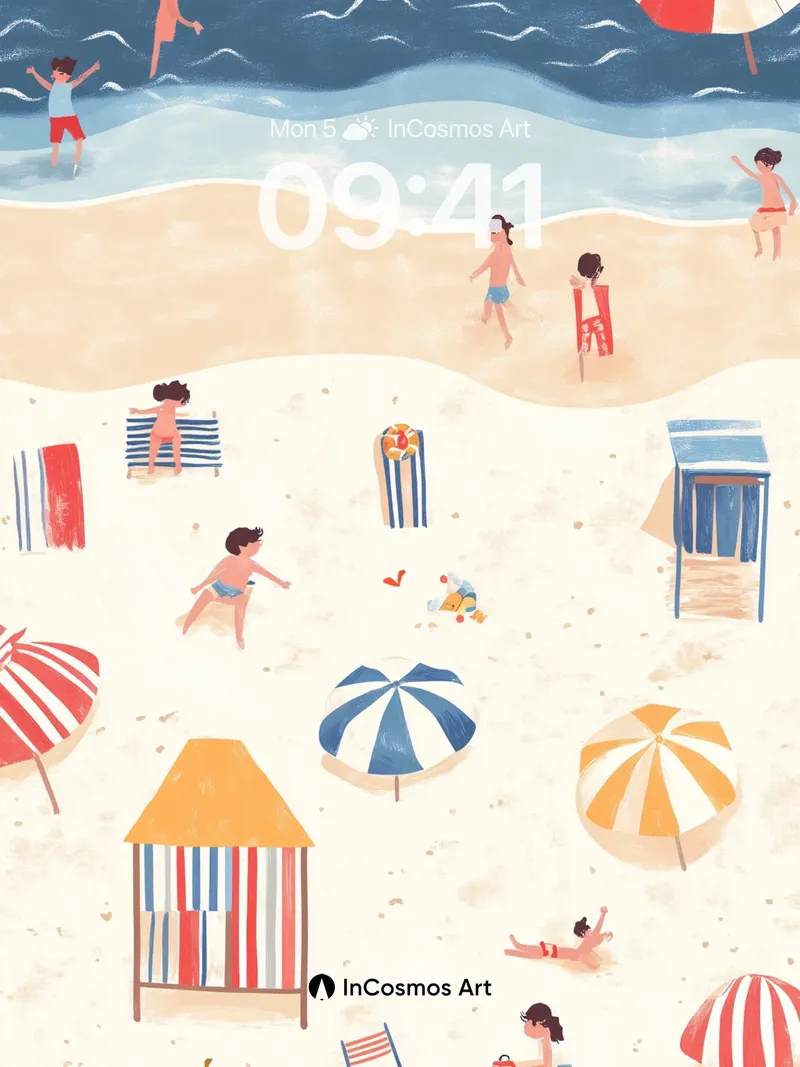
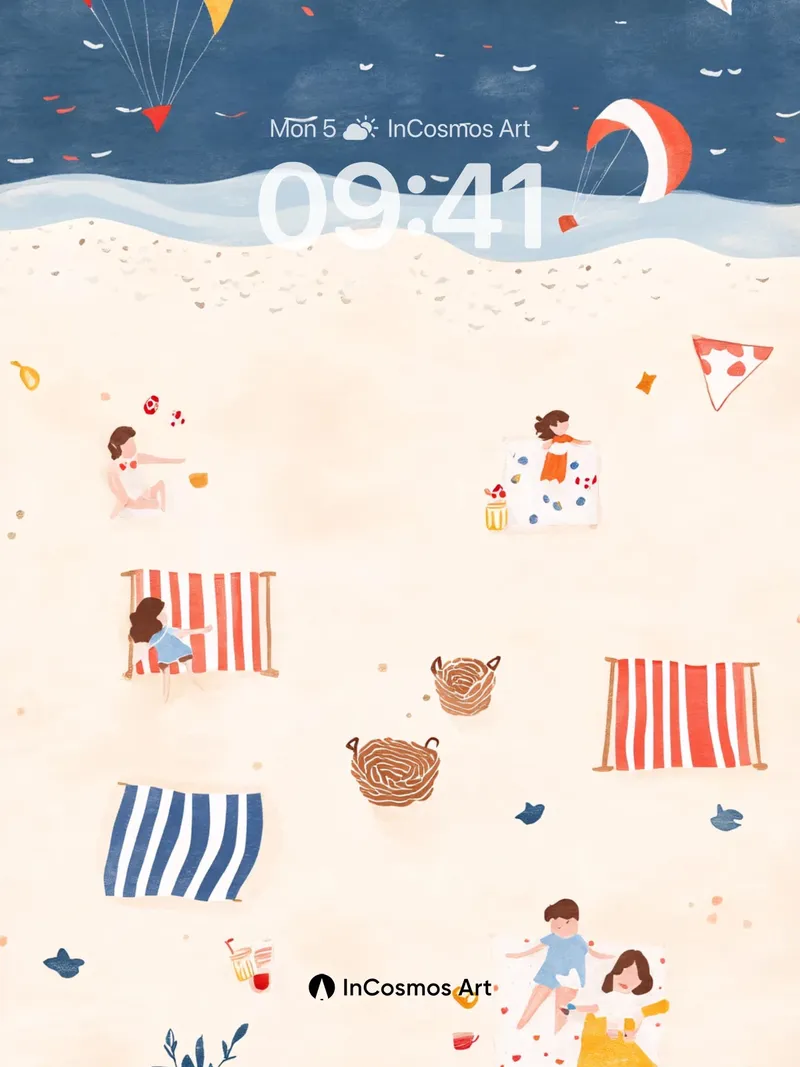
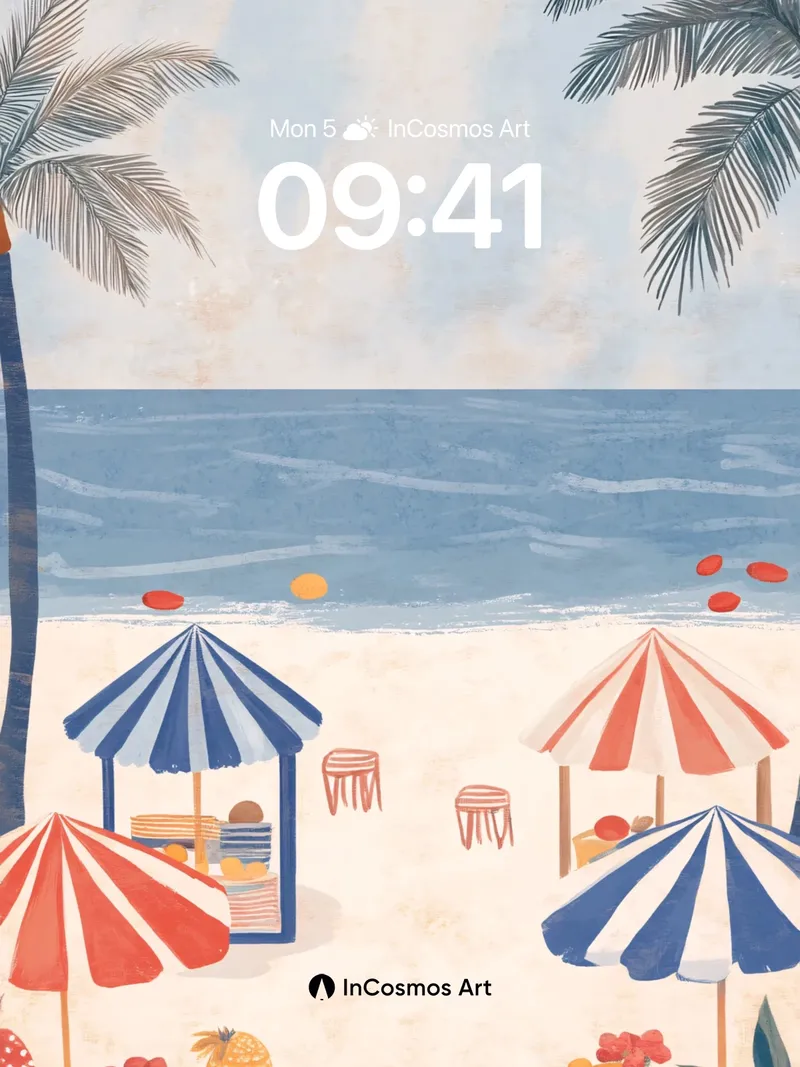
When gaze shifts from depths to coastlines, the scene transitions into human domains. Beaches become stages for social interaction, where umbrellas, vendor carts, and striped towels form an orderly leisure tableau. People gather under sunlight, eating, resting, playing—their behaviors highly standardized. This collective activity reflects modern society's logic of organizing free time: space divided into functional zones, time segmented into consumption units. Yet beneath repetitive motions lie subtle emotional currents—a child’s focus while picking up a shell, a couple’s silence while sitting side by side—moments briefly escaping systemic rules.
The Boundary Between Nature and Civilization
Waves continuously crash onto shores, both physical force and symbolic divider. They separate two worlds: one wild and untamed, the other meticulously planned. But at certain moments, these realms merge—a starfish washed ashore, shells scattered among footprints, seeds carried by wind into the sea. These chance events remind us that boundaries are not absolute but fluid. Humans attempt to define nature, yet nature retains its capacity to infiltrate back.
Dual Aesthetics
Oceanic beauty exists both in hidden depths and bustling surfaces. Underwater light spots and fish shadows create dreamlike tranquility, while beach activity brims with energy and warmth. These dual aesthetics coexist without contradiction, forming a complete experience. One evokes reverence, the other belonging. When people leave footprints on sand and hold their breath underwater, they complete a dual understanding of nature: participation and distance.
Resonance Beyond Vision
All elements converge into an experience transcending sight. Color, form, motion, rhythm together compose an ecological melody. This is not passive viewing but active perception. The observer searches for personal placement—do they belong to the reef or one of the figures on shore? The answer may not matter. What matters is that in this moment, the line between human and nature blurs, consciousness expands.