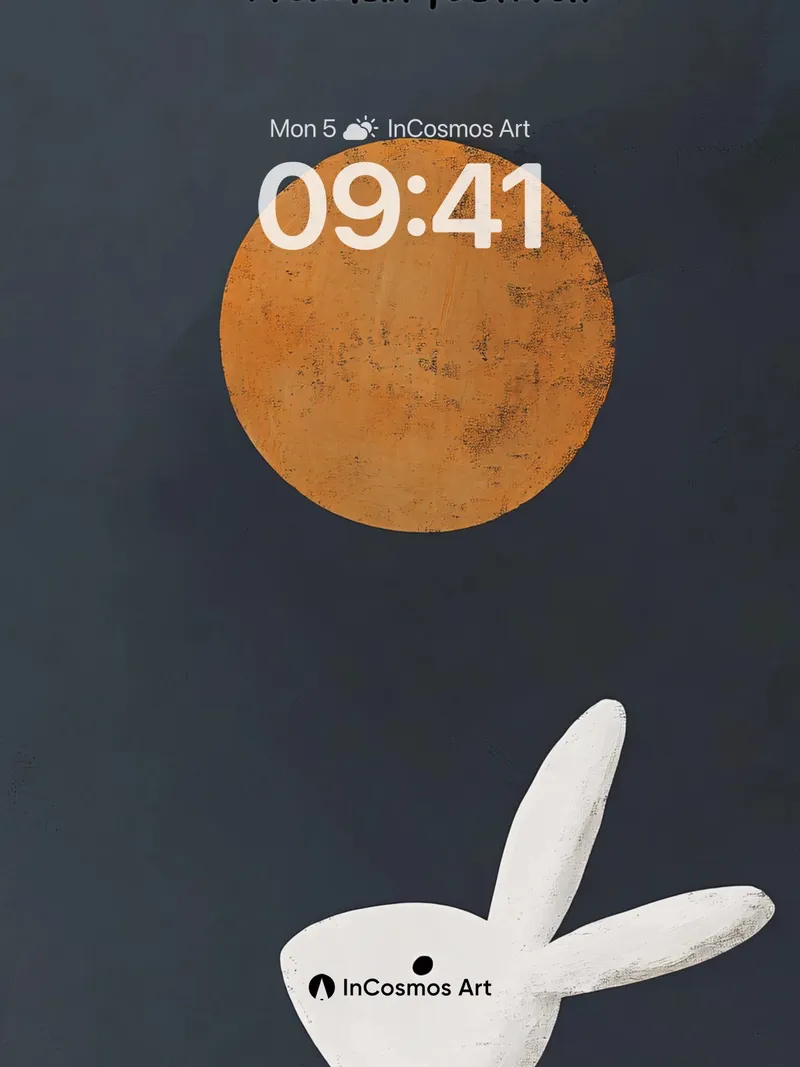
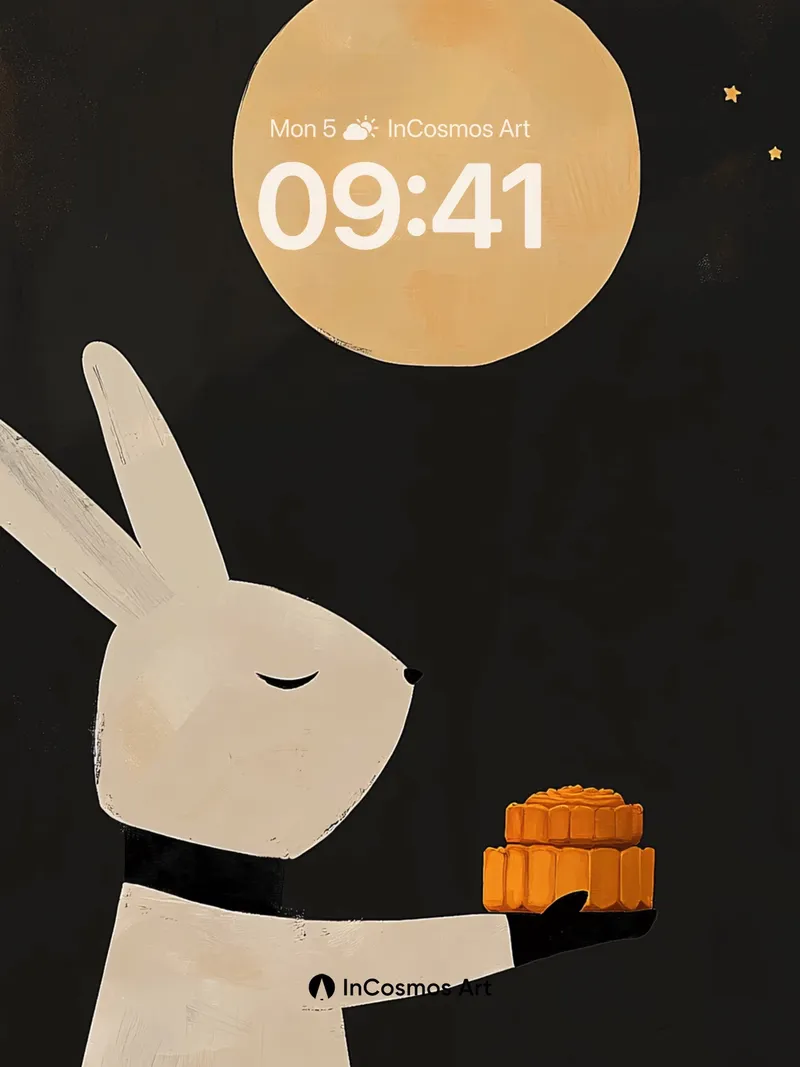
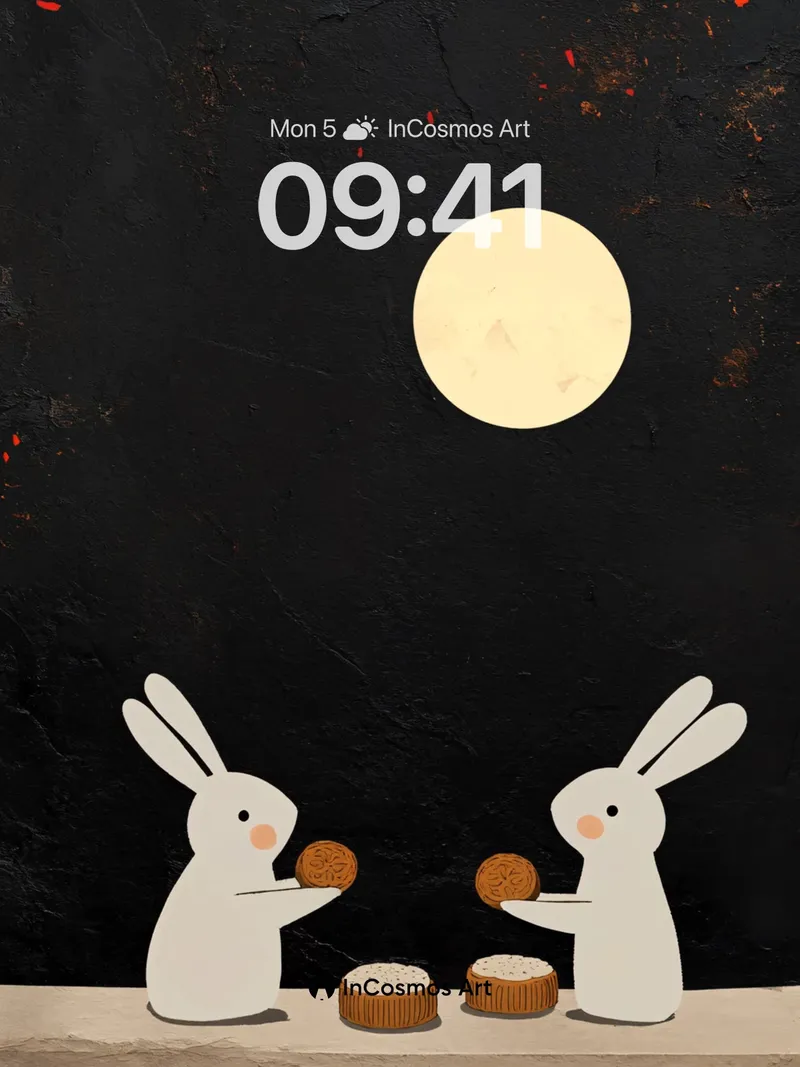
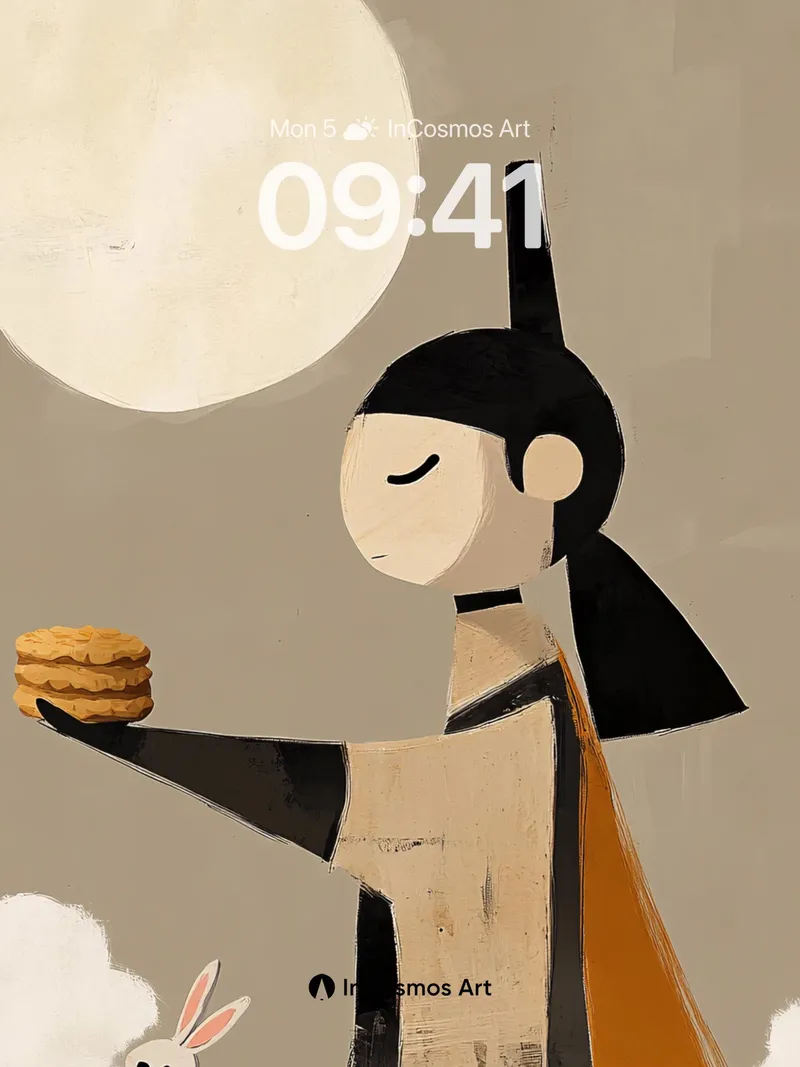
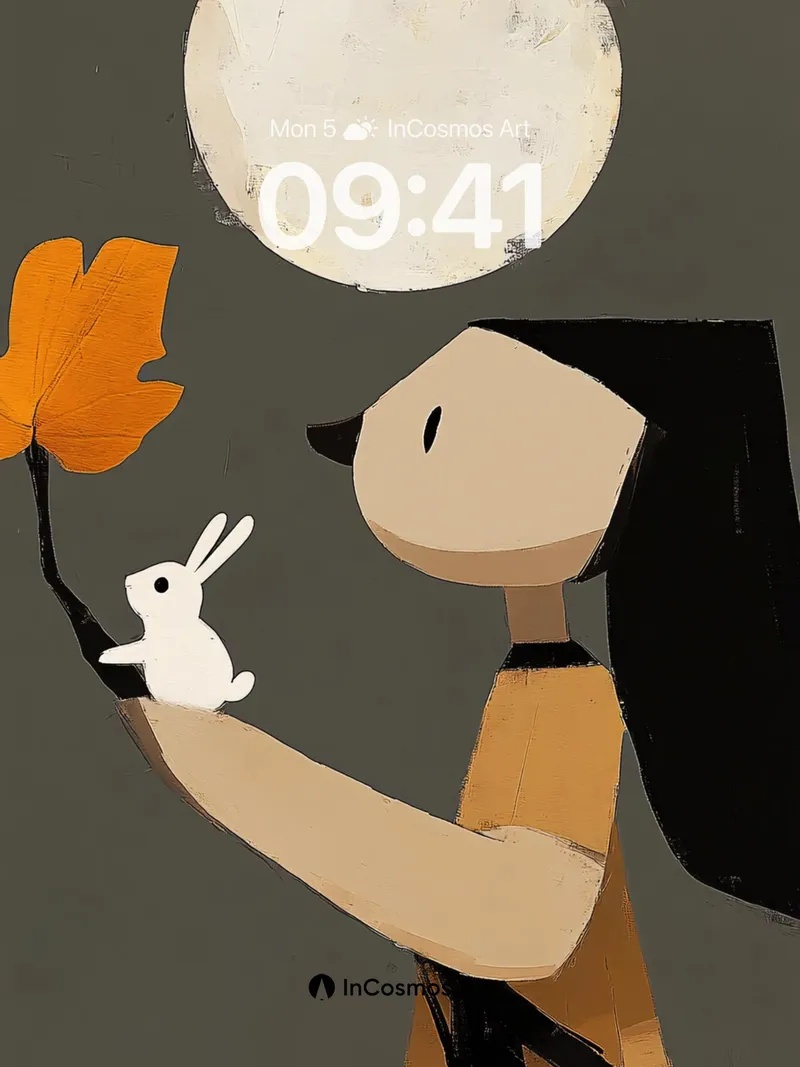
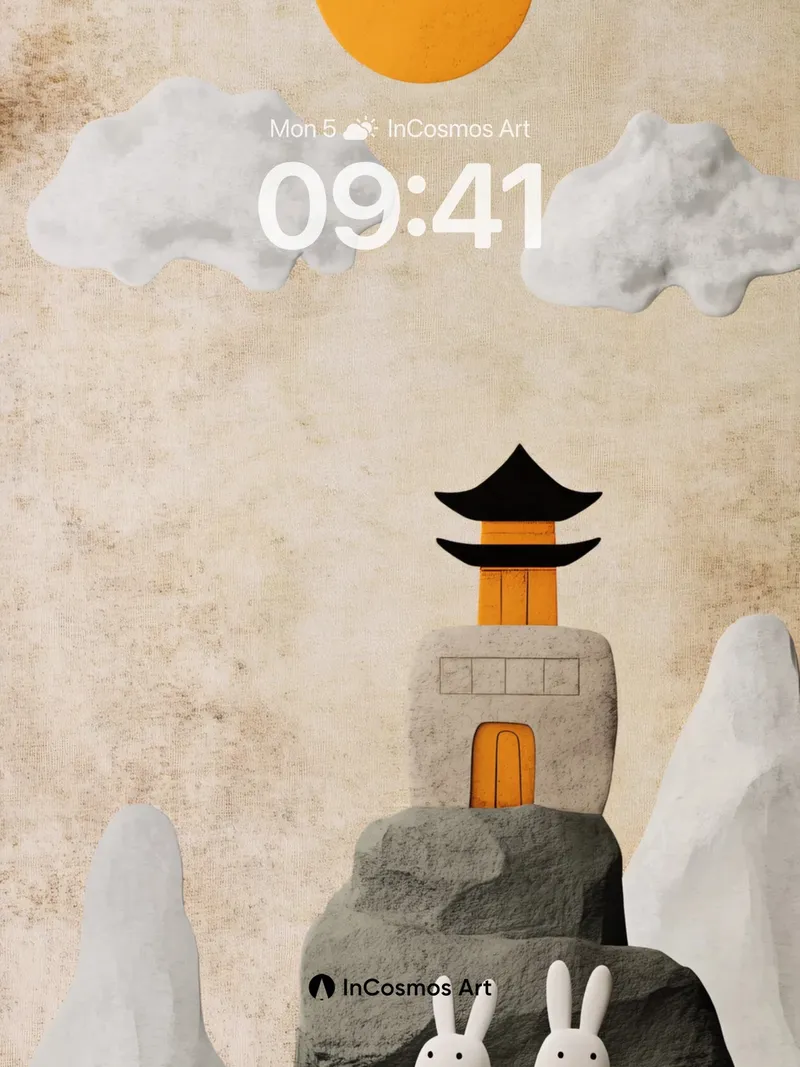
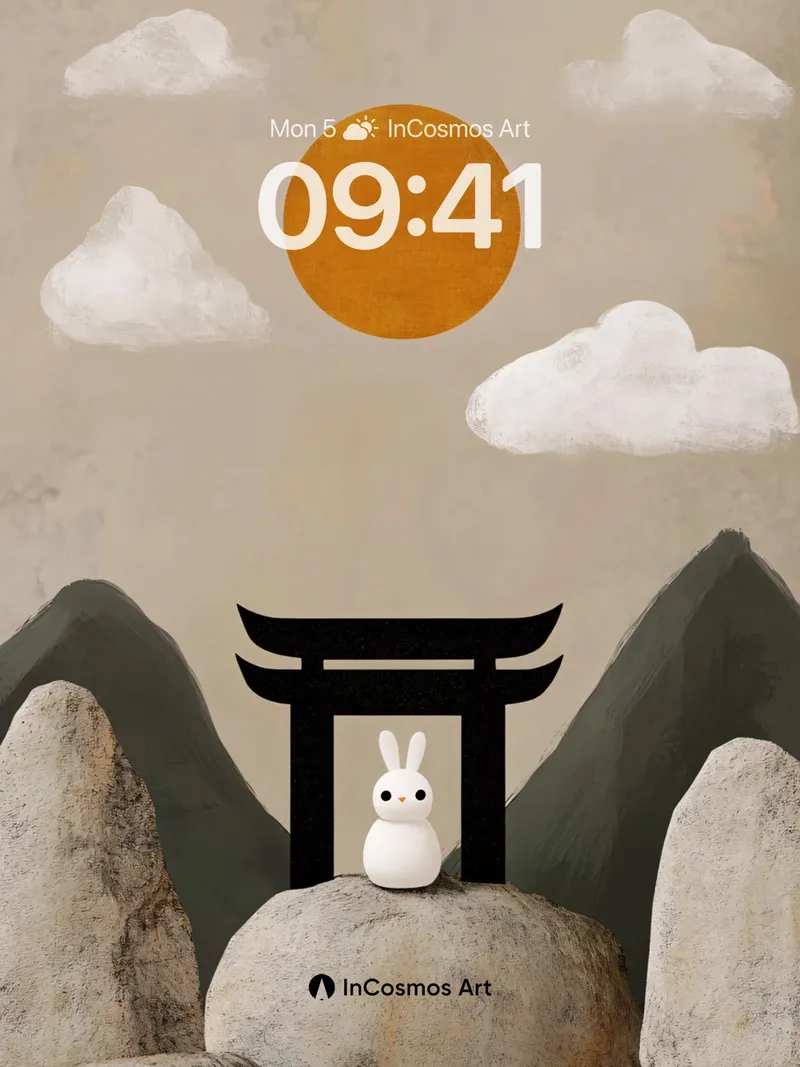
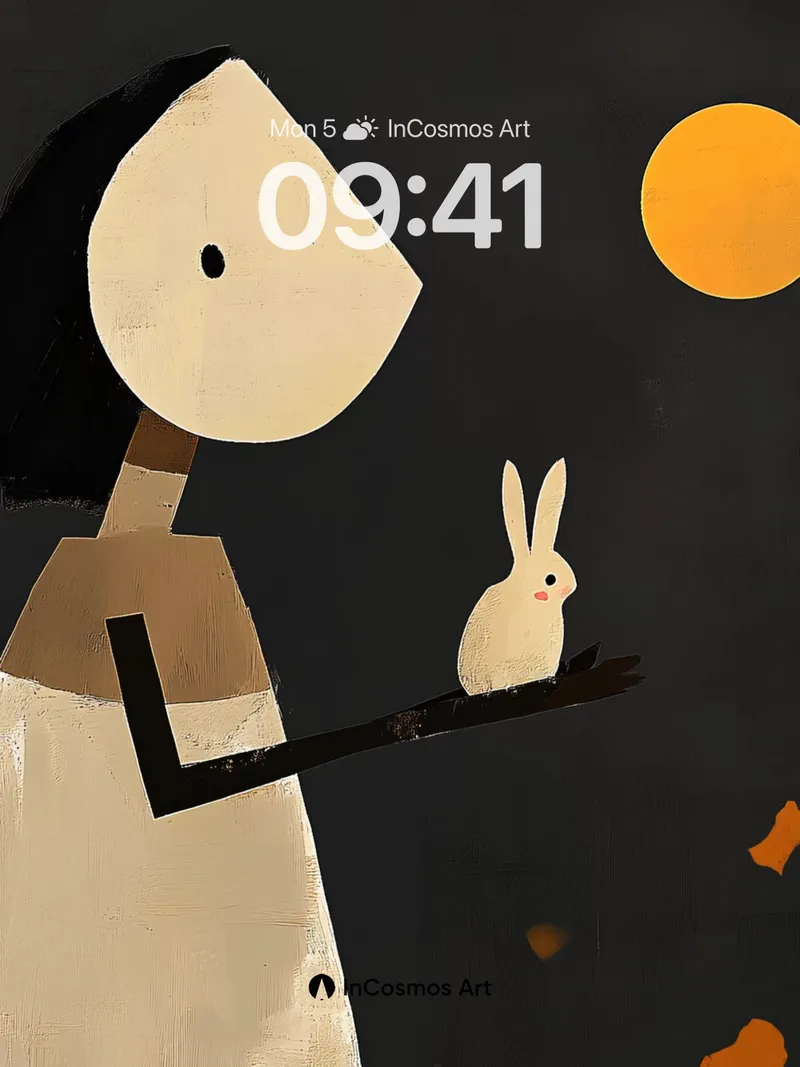
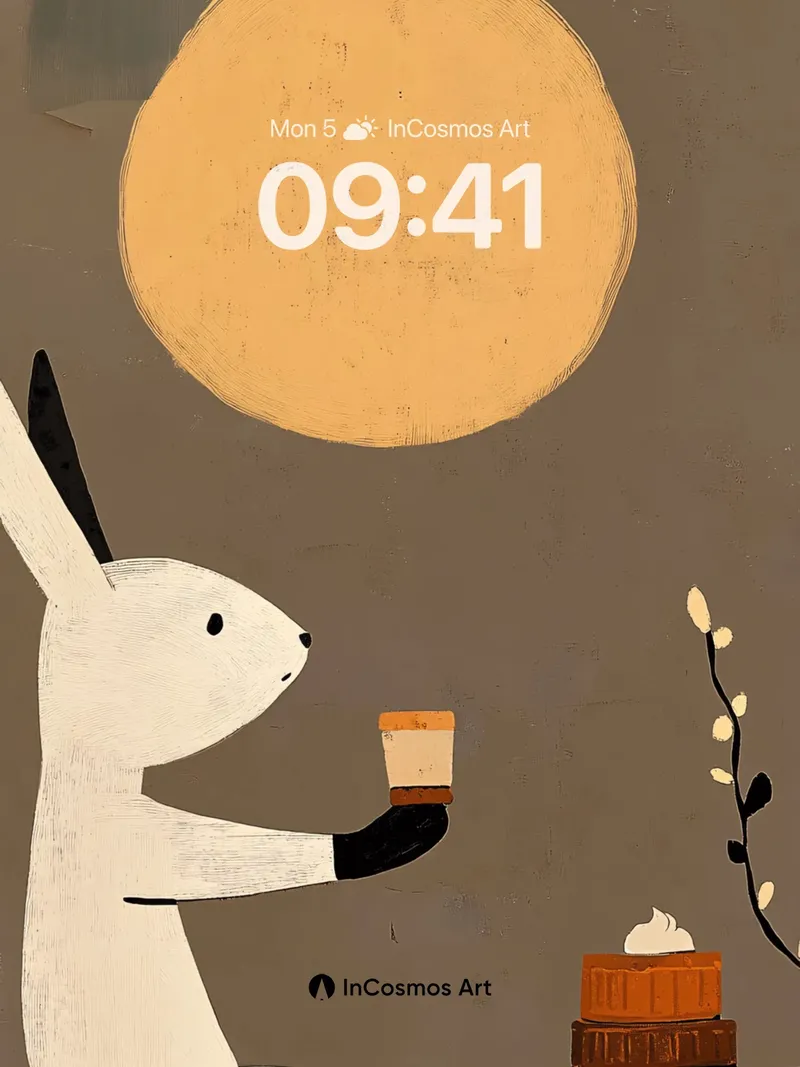
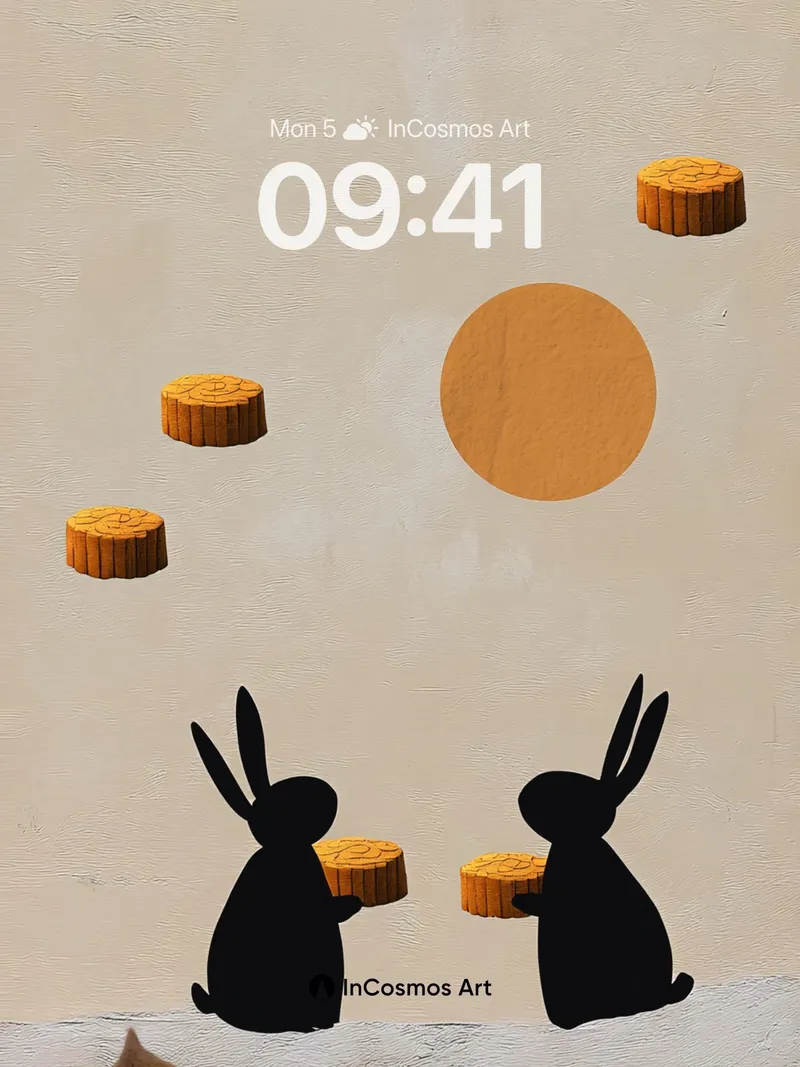
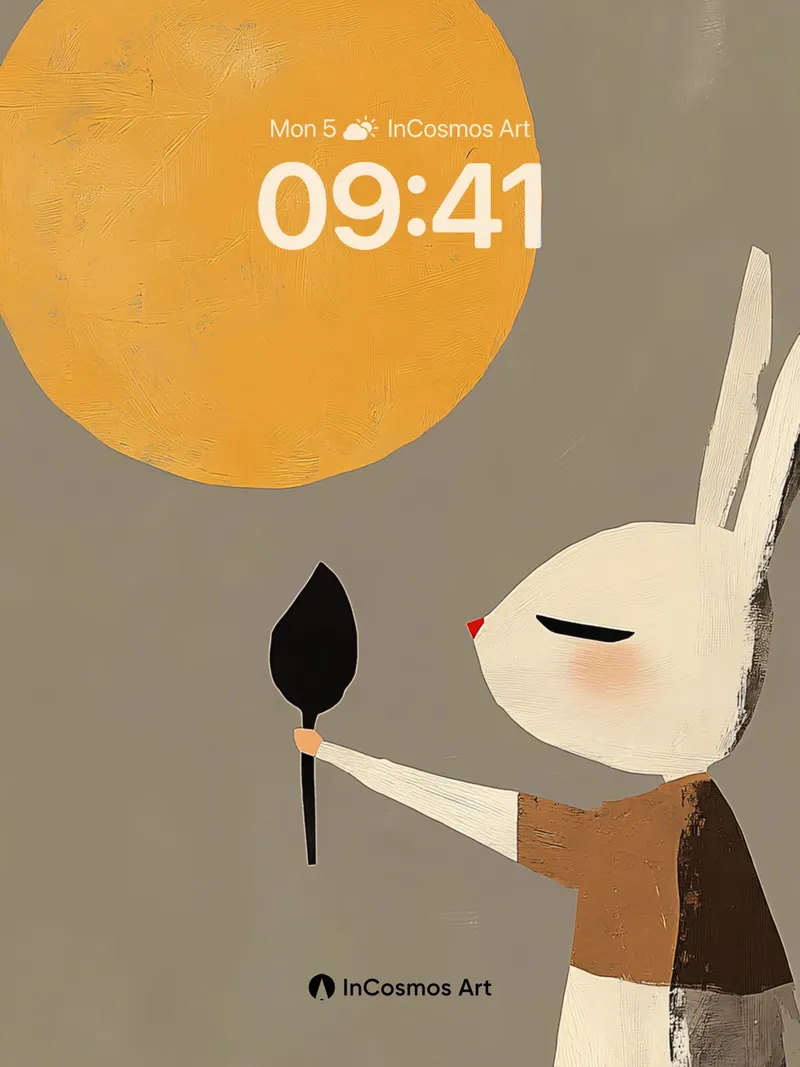
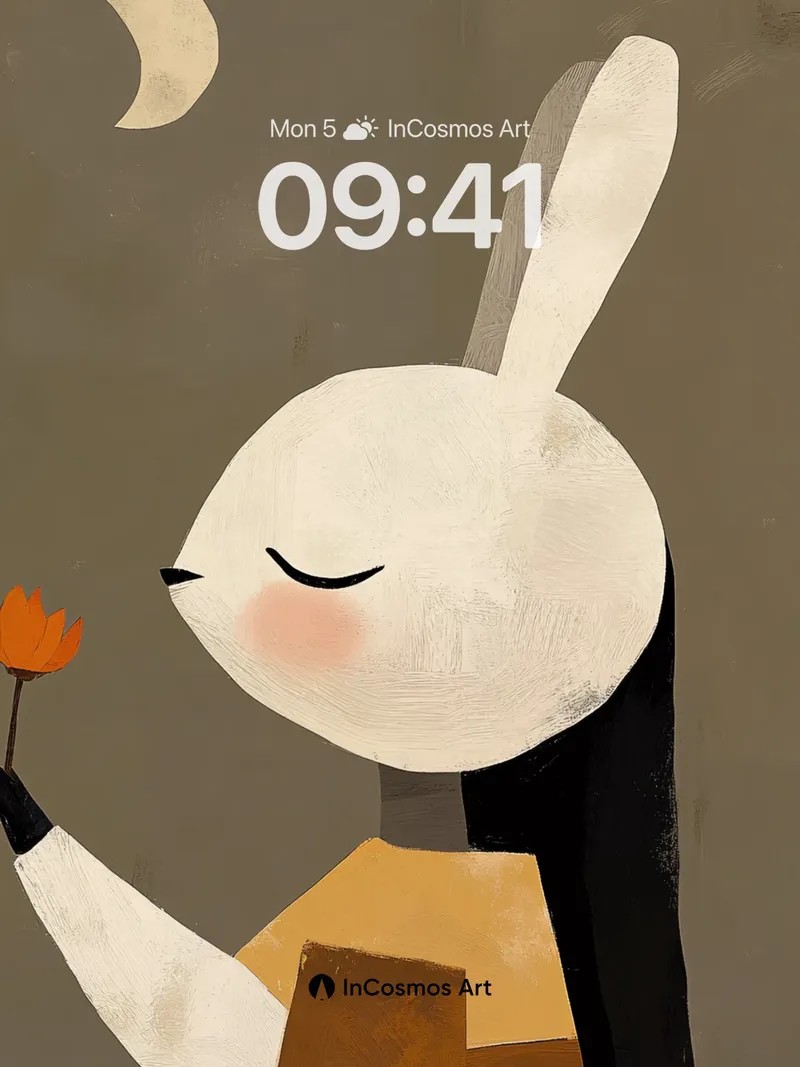
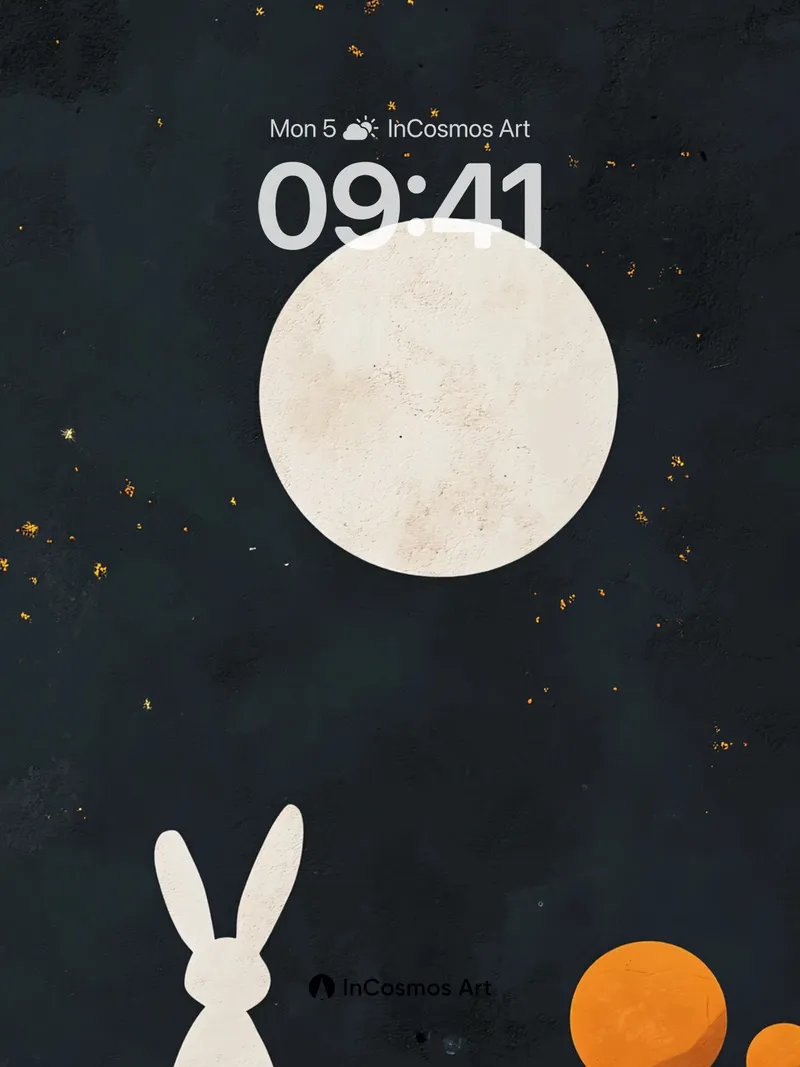
When the moon is full, the rabbit gets busy. This is not some mysterious ritual, but a gentle imagination that people have endowed upon the Mid-Autumn Festival for thousands of years. In those legends about the moon, the rabbit is always associated with pounding medicine, reunion, and sharing. It is not as majestic as the dragon, nor as gorgeous as the phoenix. It just sits quietly on a rock, holding a mooncake in its hand, or pounding herbs under the osmanthus tree. This image caters precisely to people's simplest expectations for the festival: no grand narrative is needed, just a little warmth, a little companionship, a little sweetness.
The Symbiotic Relationship Between Rabbits and Mooncakes
In the context of the Mid-Autumn Festival, rabbits and mooncakes have become almost inseparable symbols. The rabbit pounds medicine for immortality; people eat mooncakes for reunion. The two seem unrelated, yet they achieve a strange resonance in the concept of 'completeness.' The roundness of the mooncake symbolizes the integrity of the family; the rabbit's round ears, round eyes, and round body reinforce this visual harmony. When the rabbit appears holding a mooncake, it is no longer just an animal, but a carrier of festival emotions. Through the rabbit, people express their longing for relatives, their satisfaction with life, and their good wishes for the future.
Soft Transformation from Myth to Daily Life
In the traditional story of Chang'e flying to the moon, the Jade Rabbit is a spiritual beast accompanying Chang'e, carrying a bit of fairy air. But in modern interpretations, the rabbit has gradually stepped down from the altar and become more approachable. It is no longer a high-and-mighty divine beast, but a cute character that eats mooncakes, spaces out, and interacts with humans. This transformation reflects the contemporary attitude towards traditional festivals: no longer bound by solemn sacrifices, but more inclined towards relaxed and joyful celebration methods. The moe-ification of the rabbit image is precisely the projection of this mentality. It makes the ancient festival lighter and easier for the younger generation to resonate with.
The Dual Metaphor of Loneliness and Companionship
The moon hangs high, the rabbit sits alone; there is a subtle sense of loneliness hidden in this picture. The Mid-Autumn Festival is originally a day for reunion, but for many who cannot go home, the moon becomes the only comfort. The rabbit's solitude in the moon palace, to some extent, mirrors the survival state of modern people: in the bustling city, everyone is an island. However, the existence of the rabbit provides an illusion of companionship. Looking at that rabbit holding a mooncake, people feel as if they are not alone. This emotional compensation is exactly the most moving part of festival imagery.
Festival Expression Under Minimalist Aesthetics
In recent years, visual expressions related to the Mid-Autumn Festival have increasingly tended towards minimalism. Large areas of white space, simple lines, and soft colors constitute a new aesthetic paradigm. The rabbit no longer needs complex decorations; a moon, a rock, a leaf is enough. This minimalism is not poverty, but a kind of restraint. It removes unnecessary noise, allowing the viewer to focus more on the emotion itself. In this style, the rabbit becomes a quiet observer; it does not speak, yet it speaks louder than words.