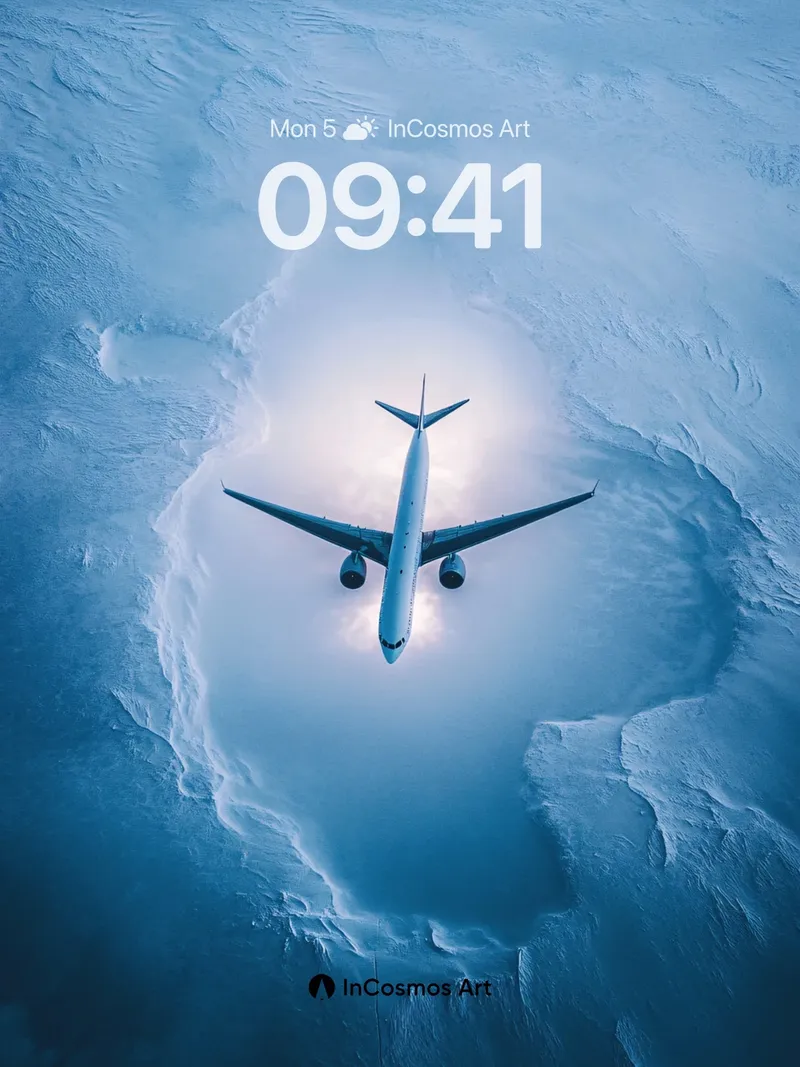
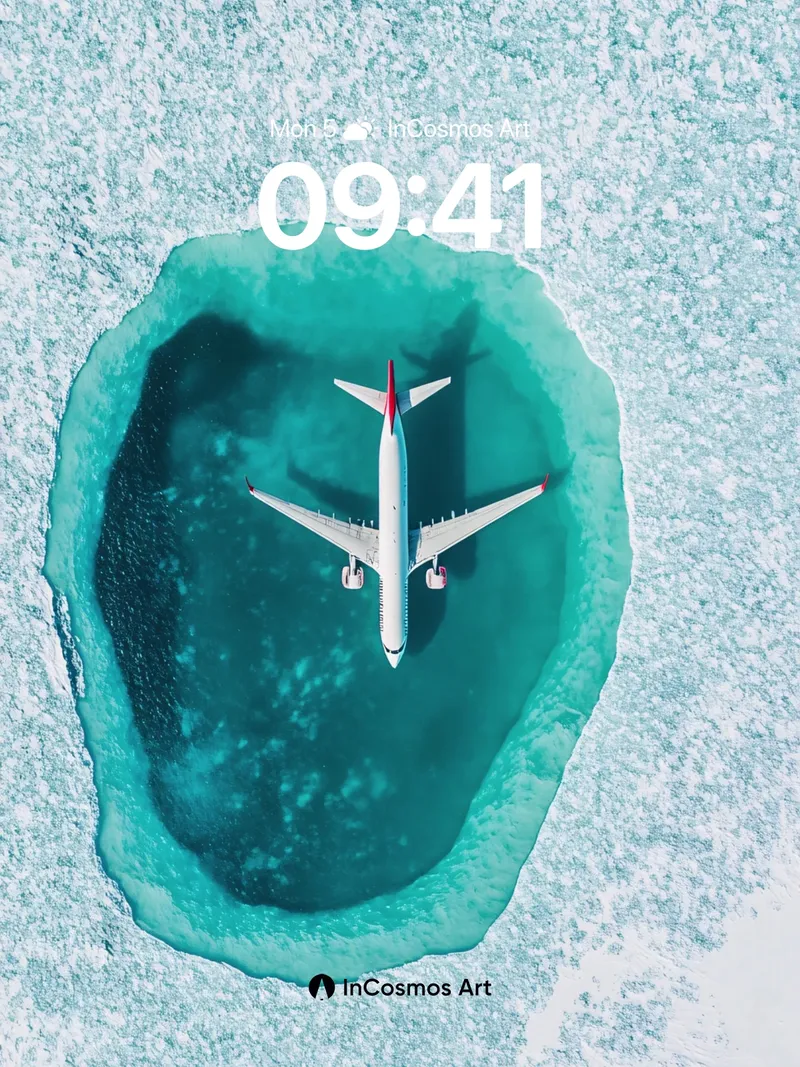
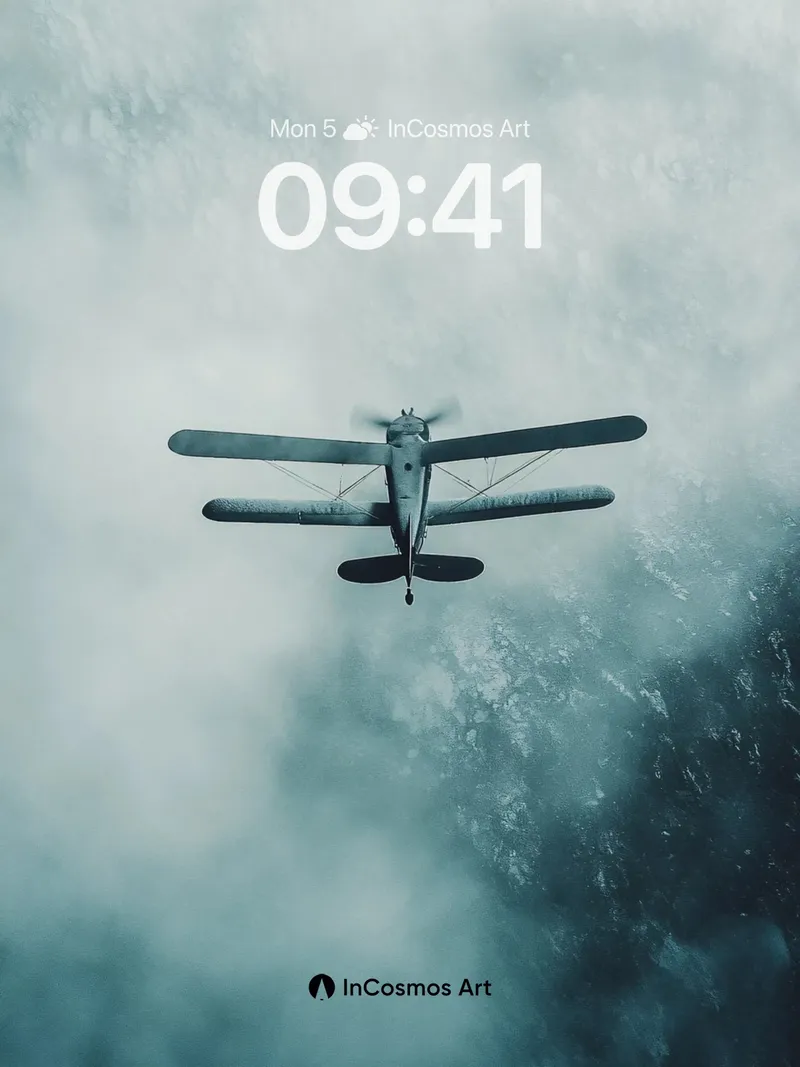
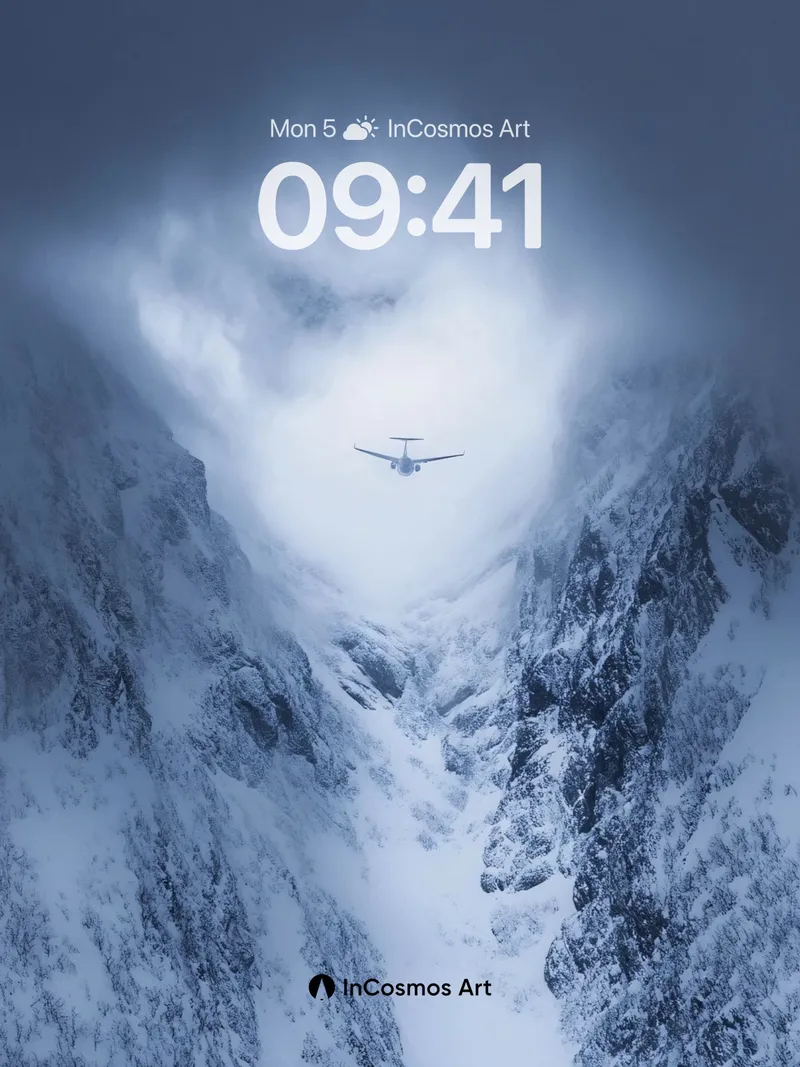
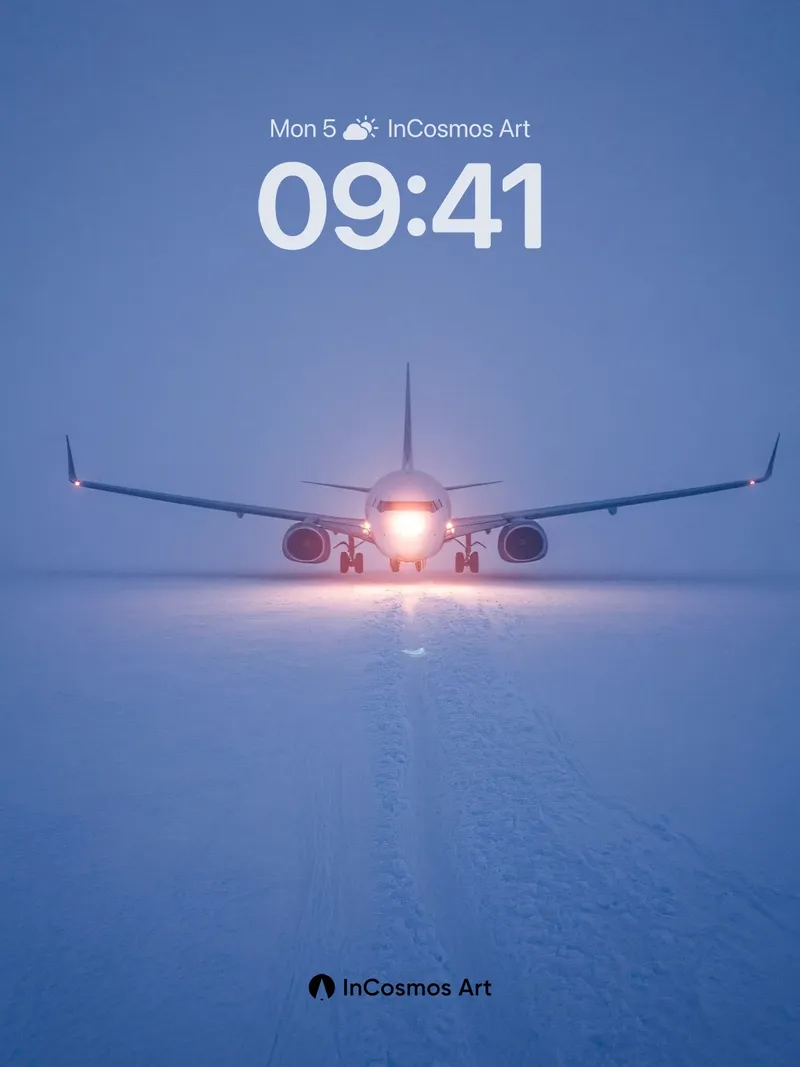
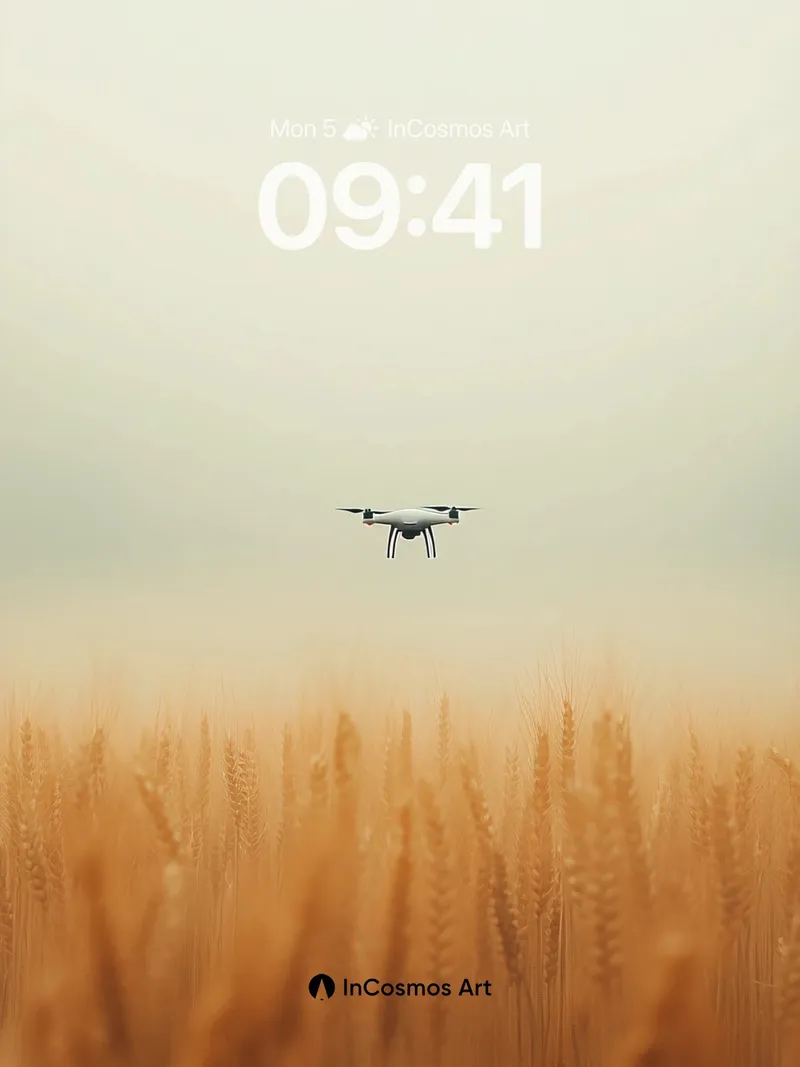
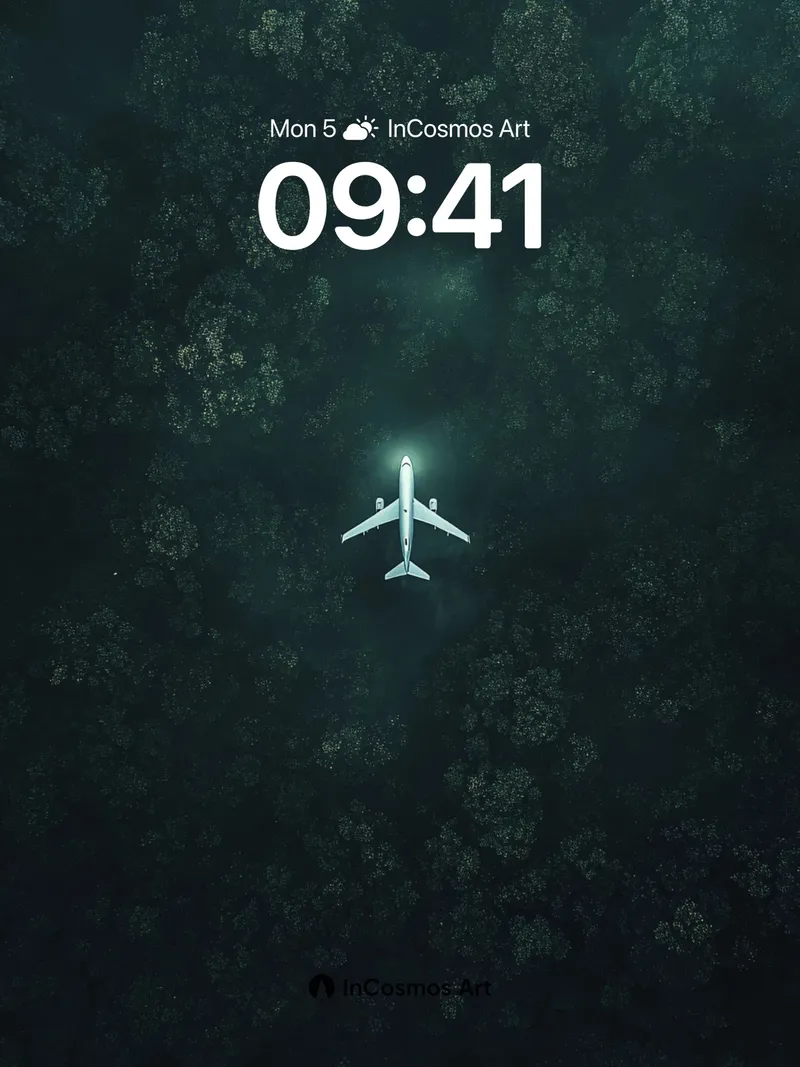
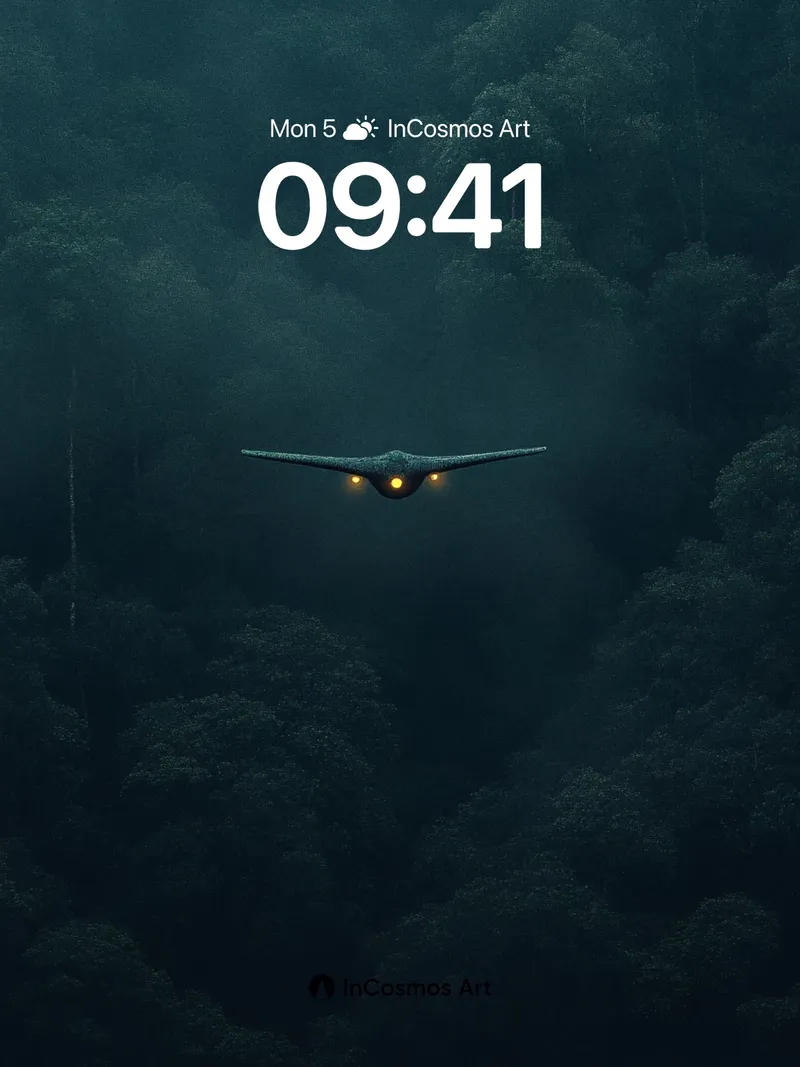
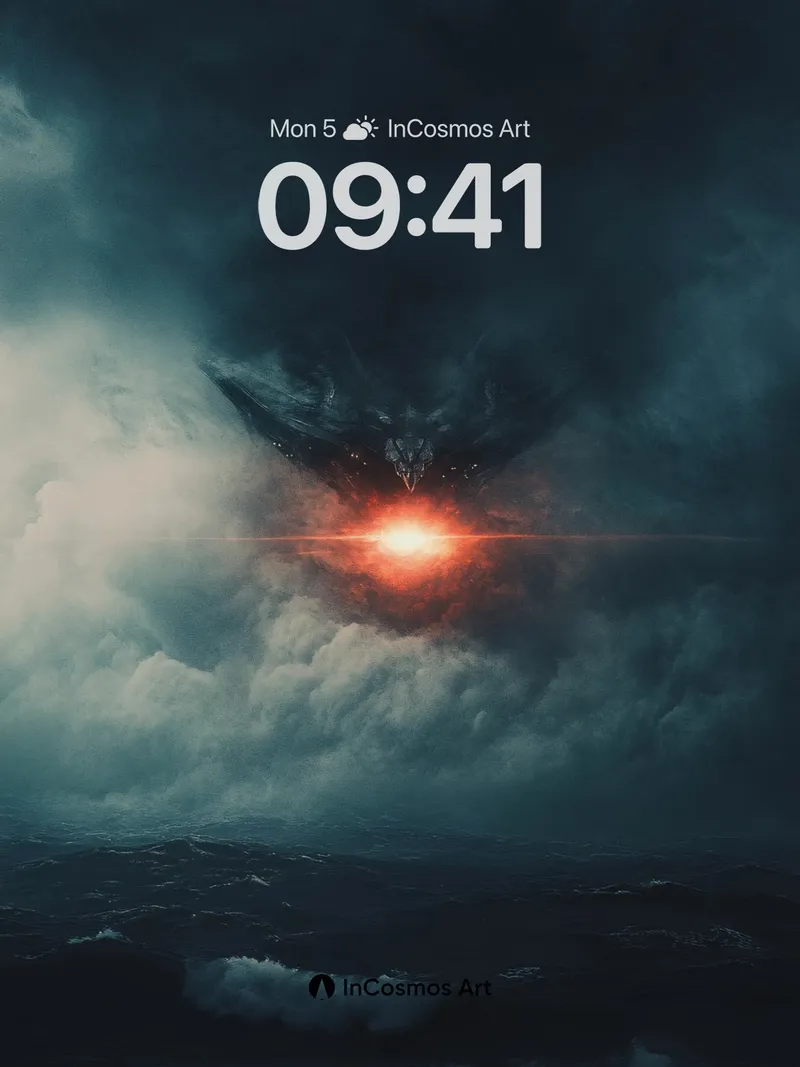
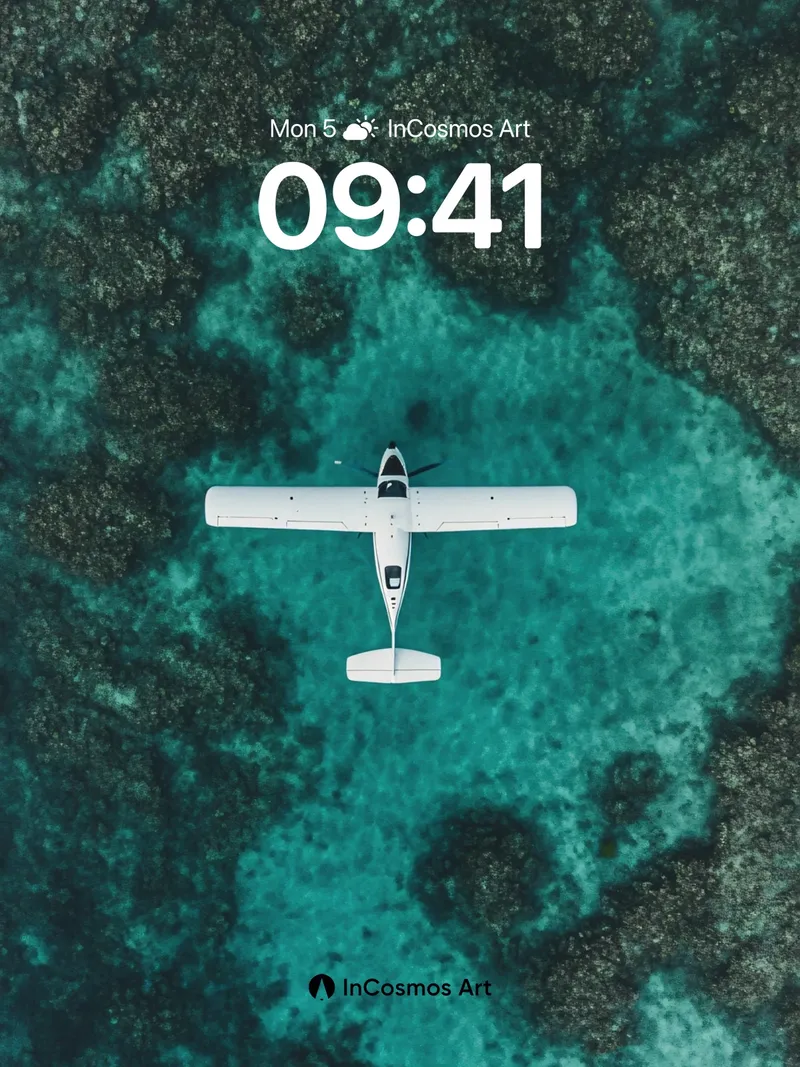
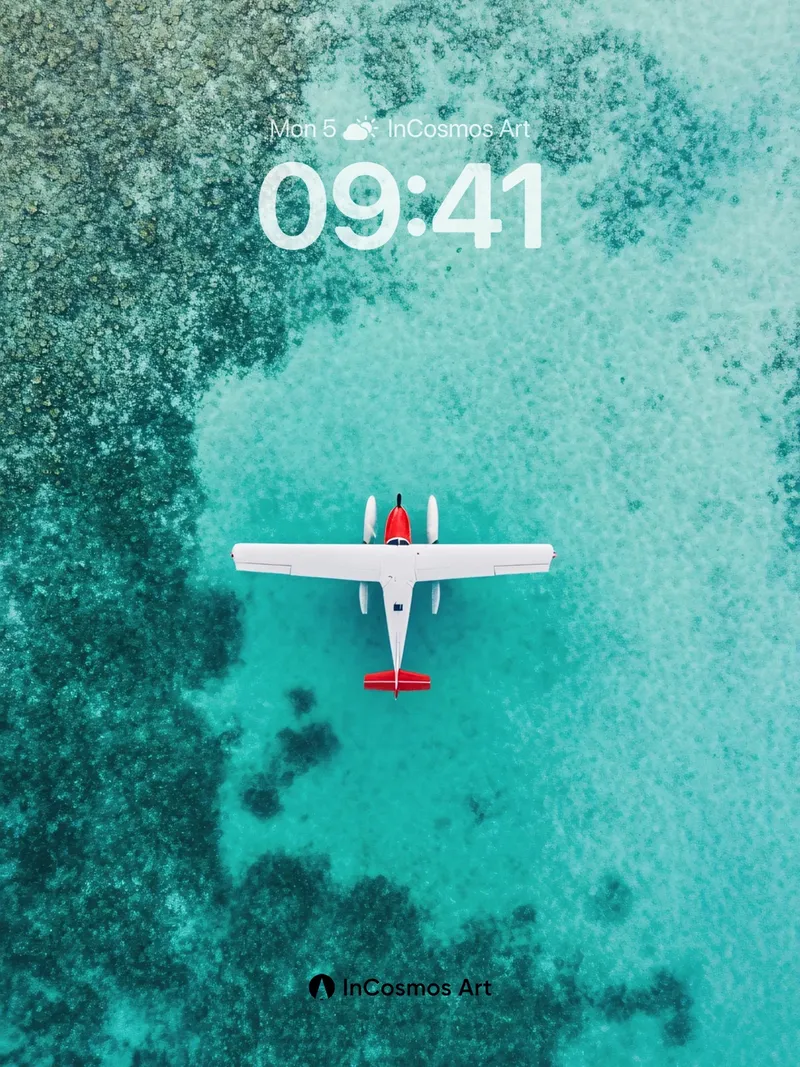
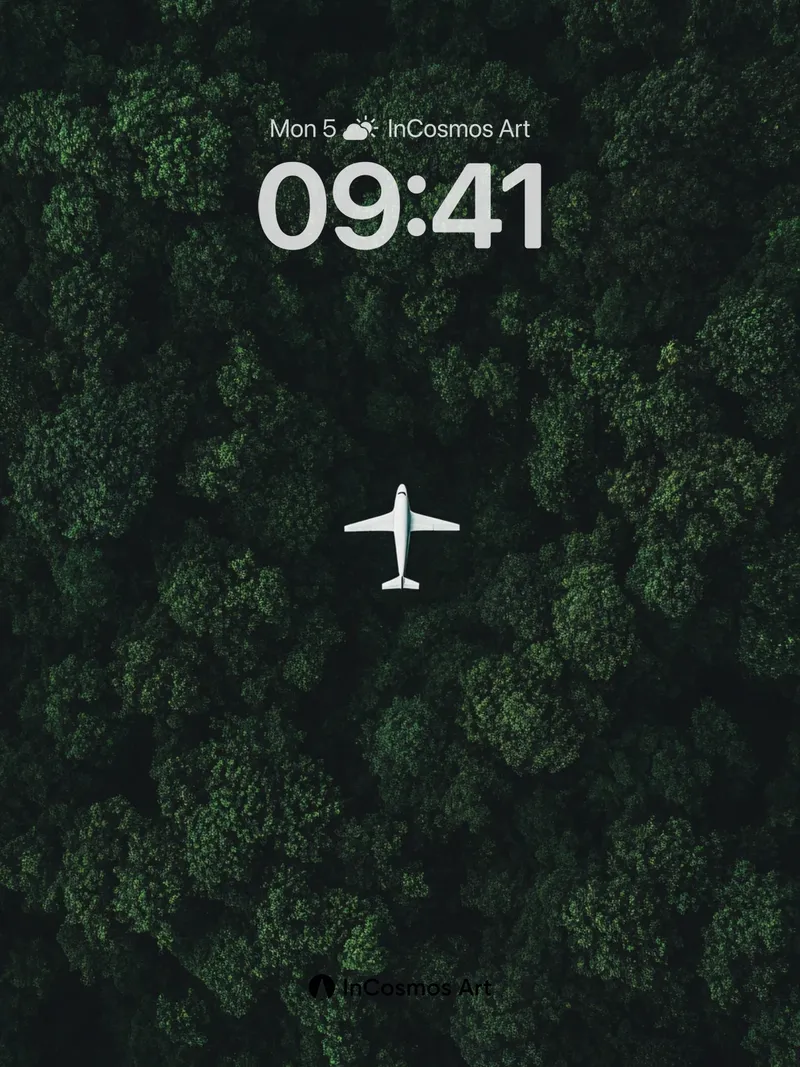
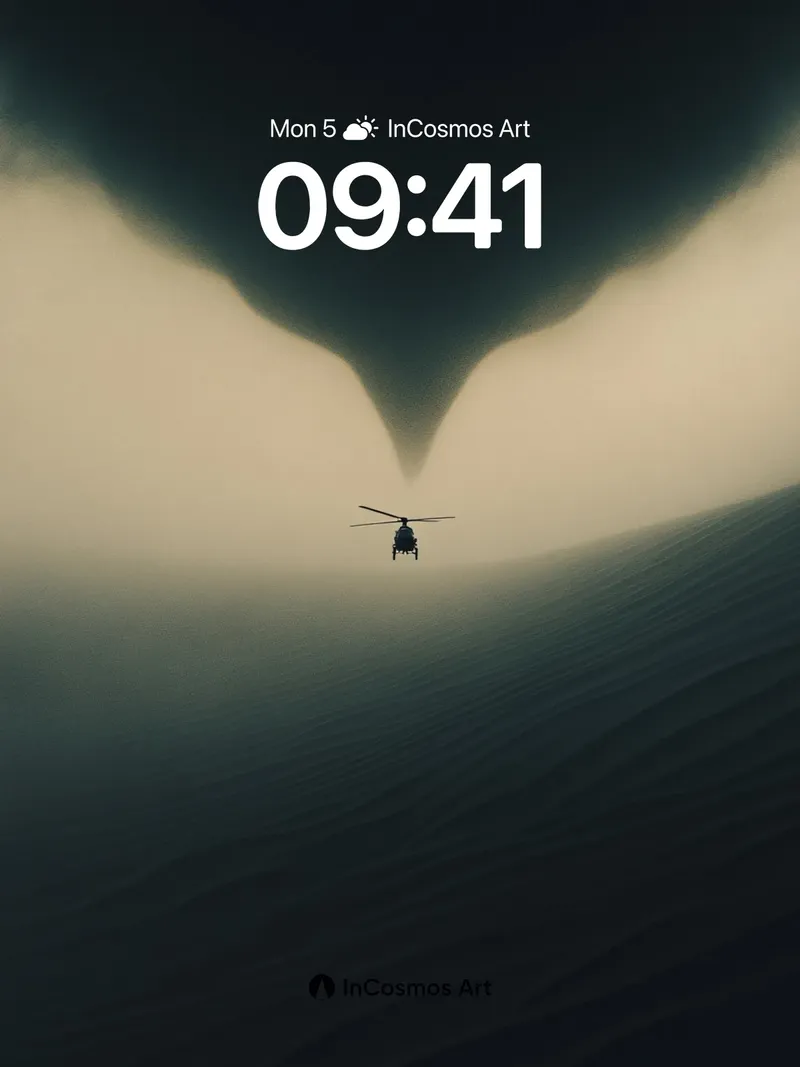
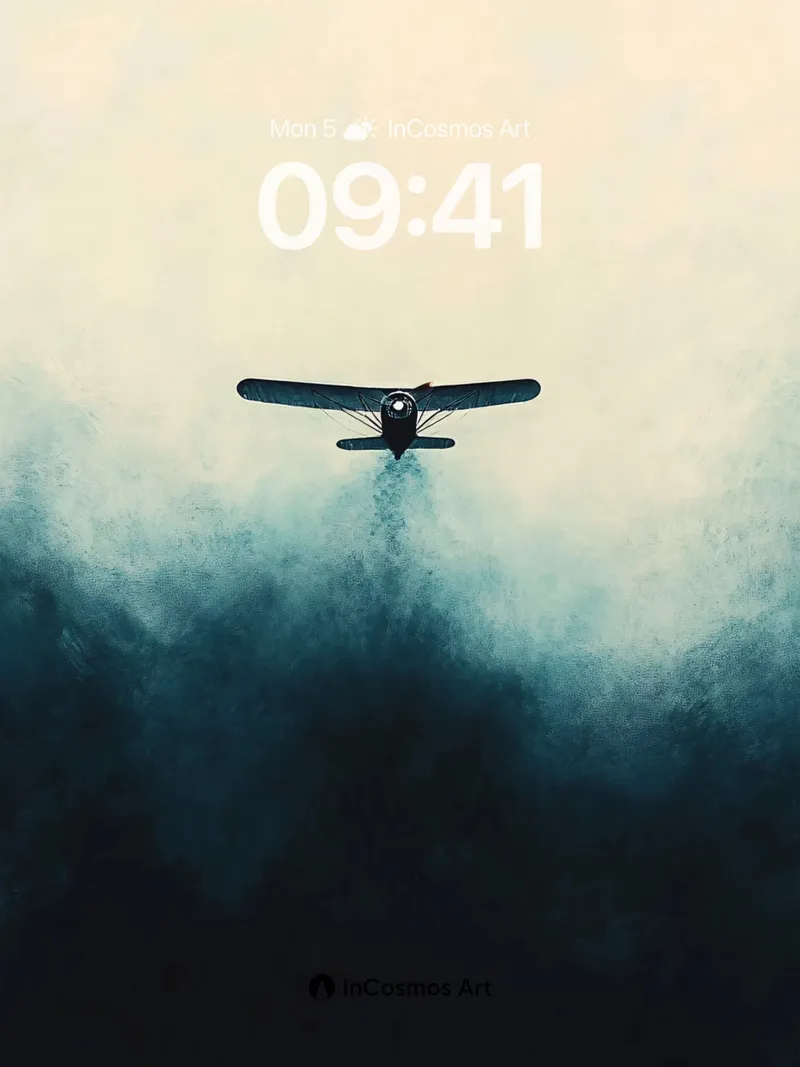
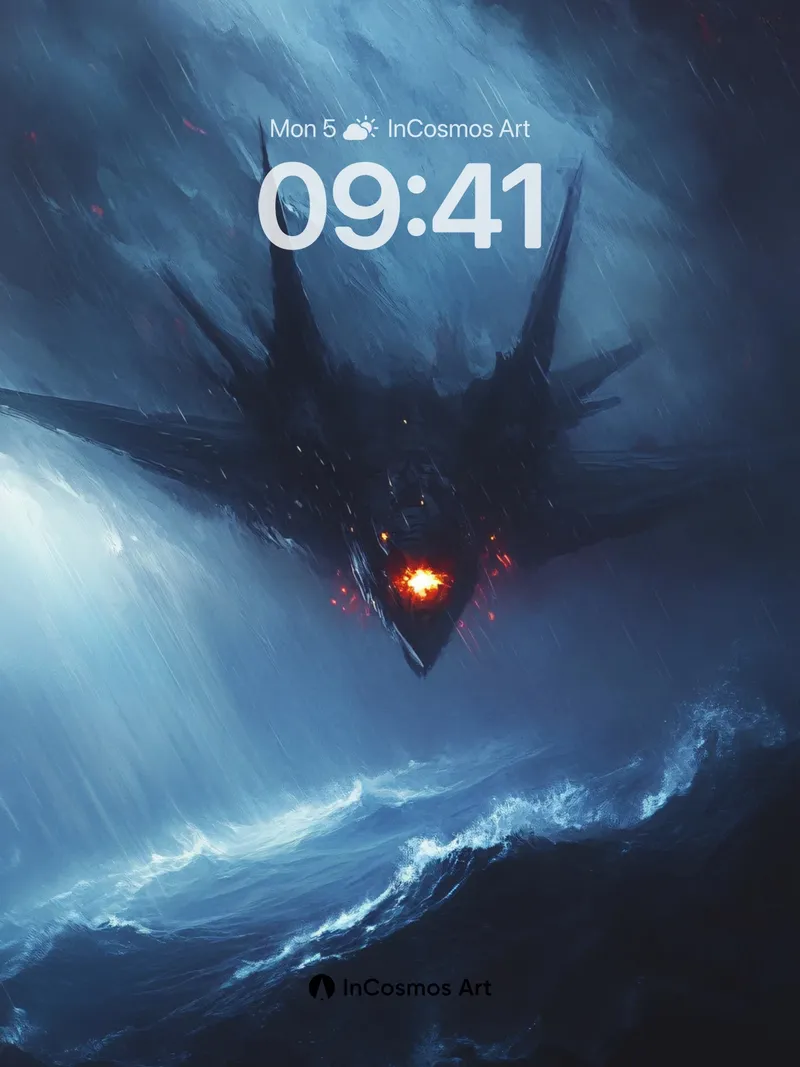
Flight vehicles traversing cloud layers inscribe not just paths across the sky but symbols of human will etched into natural order. Each takeoff and landing becomes a probe into the unknown, an existential state suspended between control and surrender. On boundless white plains, aircraft lights glow like solitary stars, illuminating silent snow and reflecting the delicate balance between technology and environment. When diving over deep green forests, afterburners tear through mist, whispering civilization’s reach into primal realms. Over turquoise waters, light aircraft glide in forms that speak of freedom and grace. These trails are not routes but temporal slices—efforts to comprehend one’s place in the cosmos. They leave marks in air yet cannot be owned, fleeting as memory.
The Solitude of Flight
The essence of flight is isolation. Whether above cloud seas or forest crowns, the vehicle exists in a separate dimension. Its speed severs terrestrial noise; its altitude transcends daily scales. This solitude is not negative but a form of clarity. It reminds the observer: individual position within vastness is both minute and resolute. Every ascent defies gravity; every descent affirms belonging. This motion itself becomes ritual—a silent homage to the heavens.
Boundaries of Nature and Human Intervention
From snowfields to jungles to oceans, flight challenges nature’s integrity. It does not destroy terrain but redefines space through light and trace. Runway imprints on snow mark human intrusion; flame trails over forests declare power. Yet these interventions do not bring triumph—they evoke reverence. Humans access unreachable lands through technology, but never fully dominate. The aircraft is merely a conduit; the true subject remains untamed earth and sky.
Narrative of Light and Shadow
Light plays a central role in these scenes. Whether headlights piercing polar night or afterburners igniting fog, light is not decoration but meaning. It symbolizes hope, direction, existence itself. In darkness, it becomes the only reference. Aircraft lights illuminate ahead while casting their own silhouette—making invisible presence visible. This visual dynamic suggests cognitive limits: we understand the world only through light, and light is inherently limited.