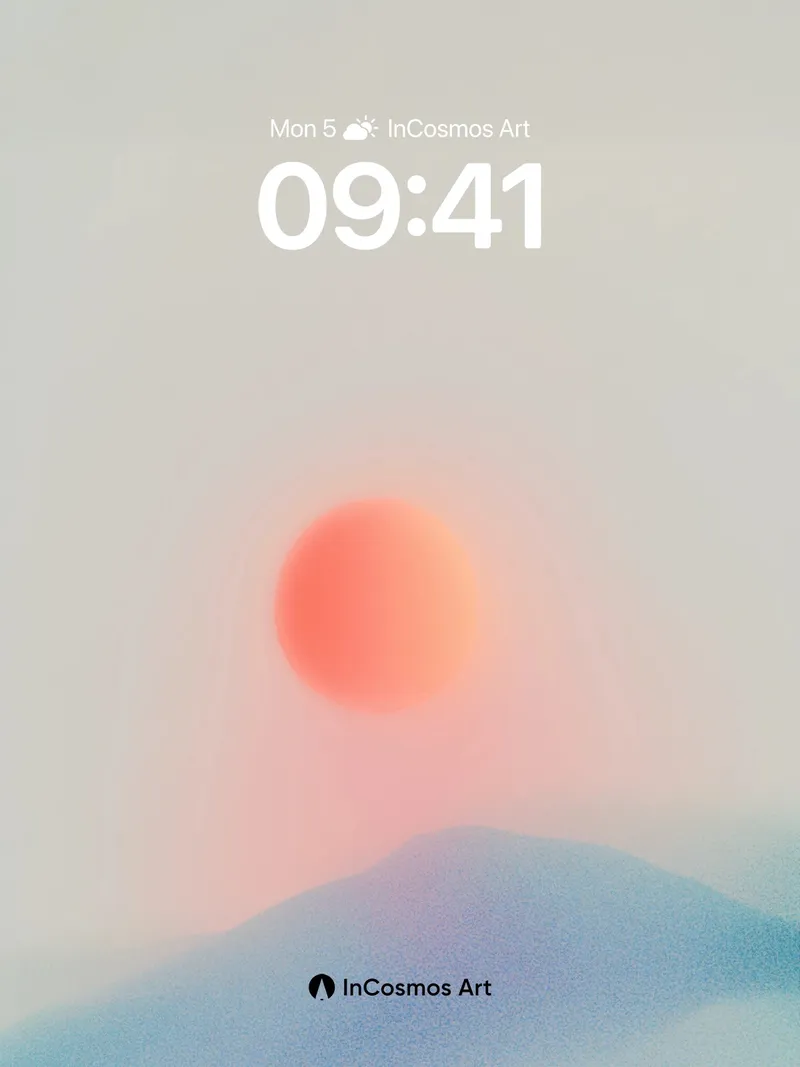
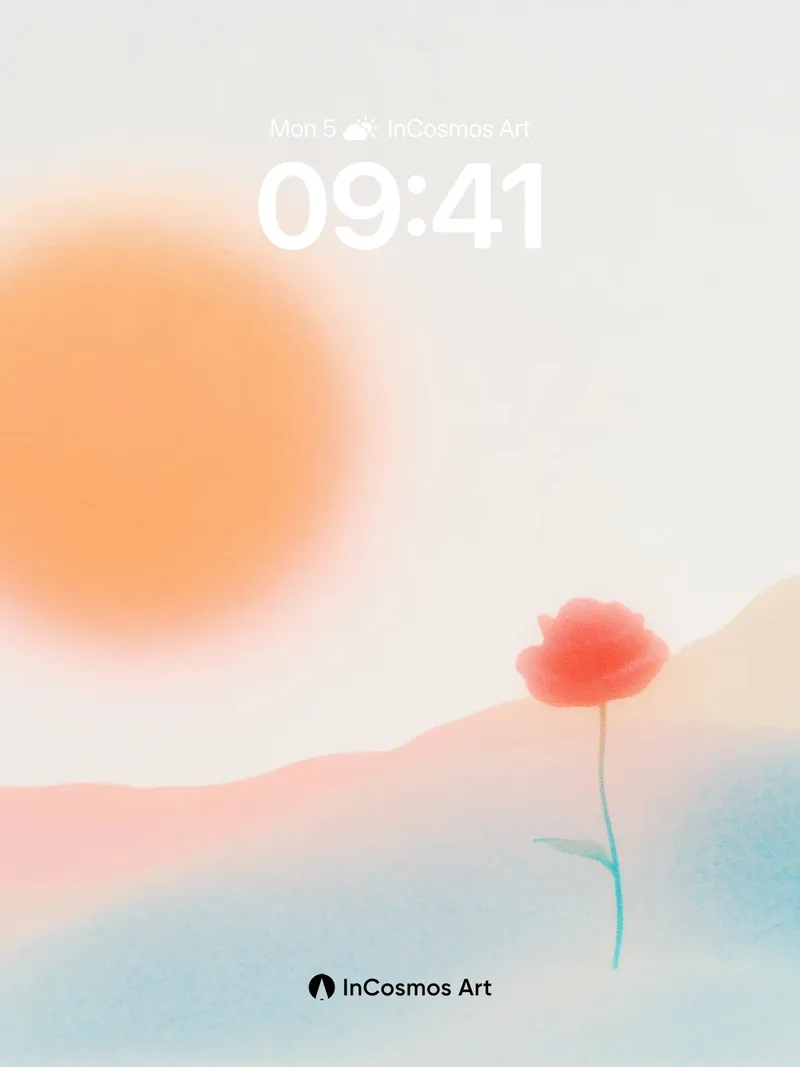
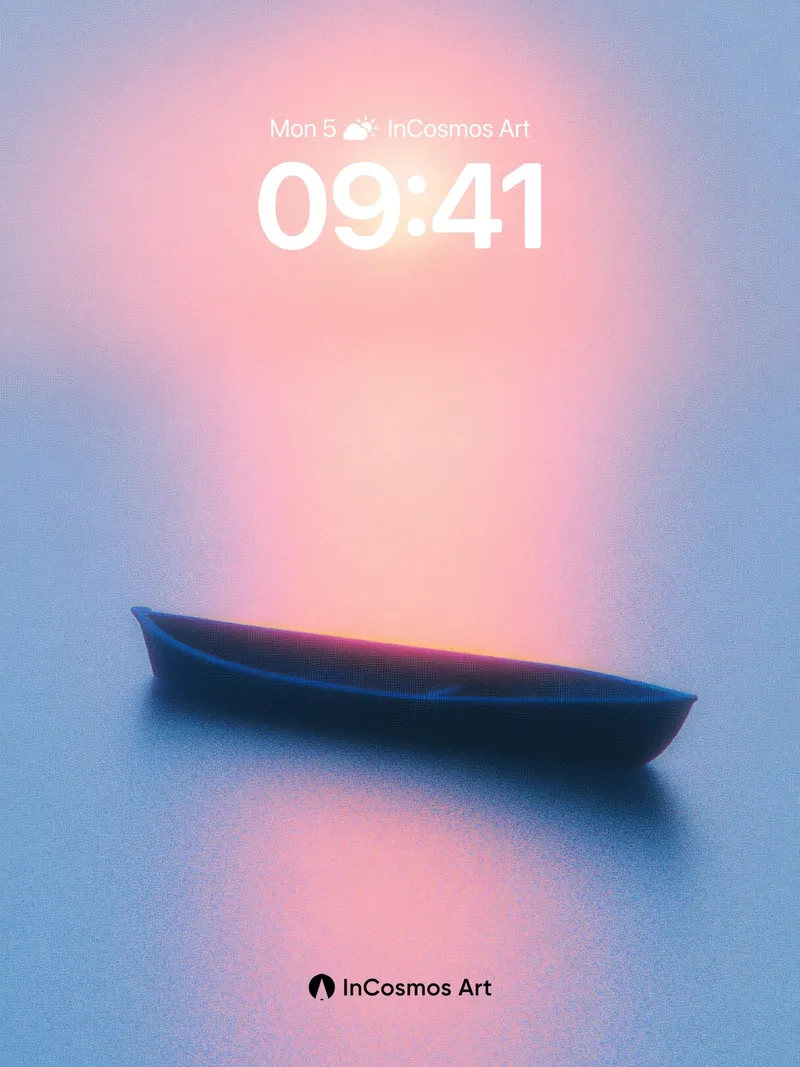
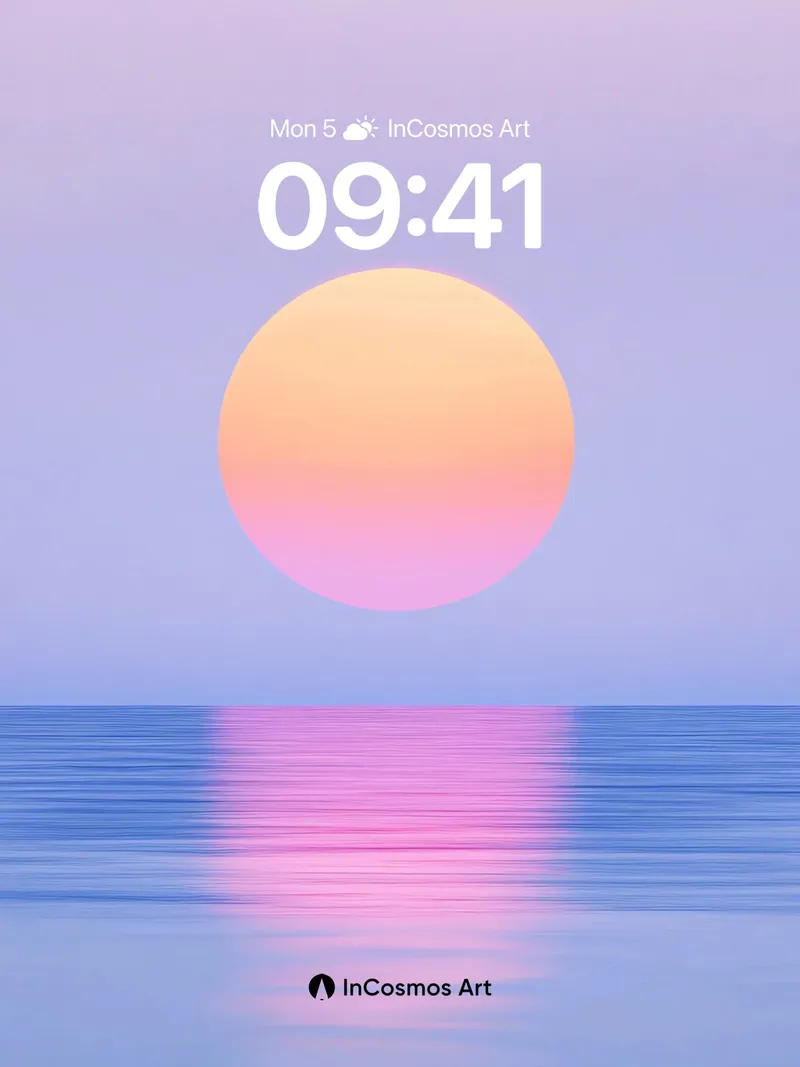
At dusk, light descends slowly along the horizon, forming a delicate equilibrium between sky and earth. This balance is not physical but perceptual, a gap between time and presence. Light no longer stings; it softens, seeping into space, blurring outlines, dissolving borders. Mountains, water, hands—all become vessels for light, holding a silence that cannot be named. This is not nature replicated, but an emotional projection, a human gaze fixed on the relationship between transience and eternity.
The Weight of Light
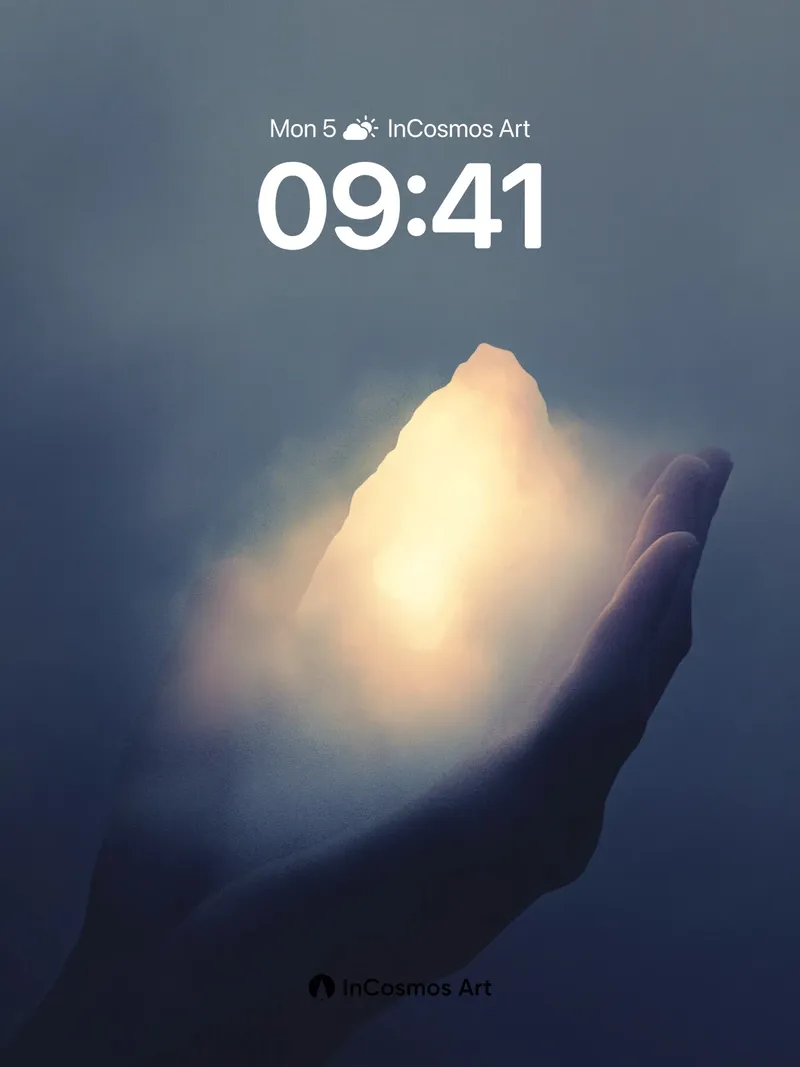
Light acquires substance in this moment. It ceases to be a transparent medium in the air and becomes something tangible, something held. A hand cradles a glowing orb, as if grasping time itself. This visual embodiment stems from a deep human desire—to make the invisible visible, to fix the fleeting, to shape the intangible. The warmth of light passes through skin, becoming an anchor in memory.
Silent Dialogue
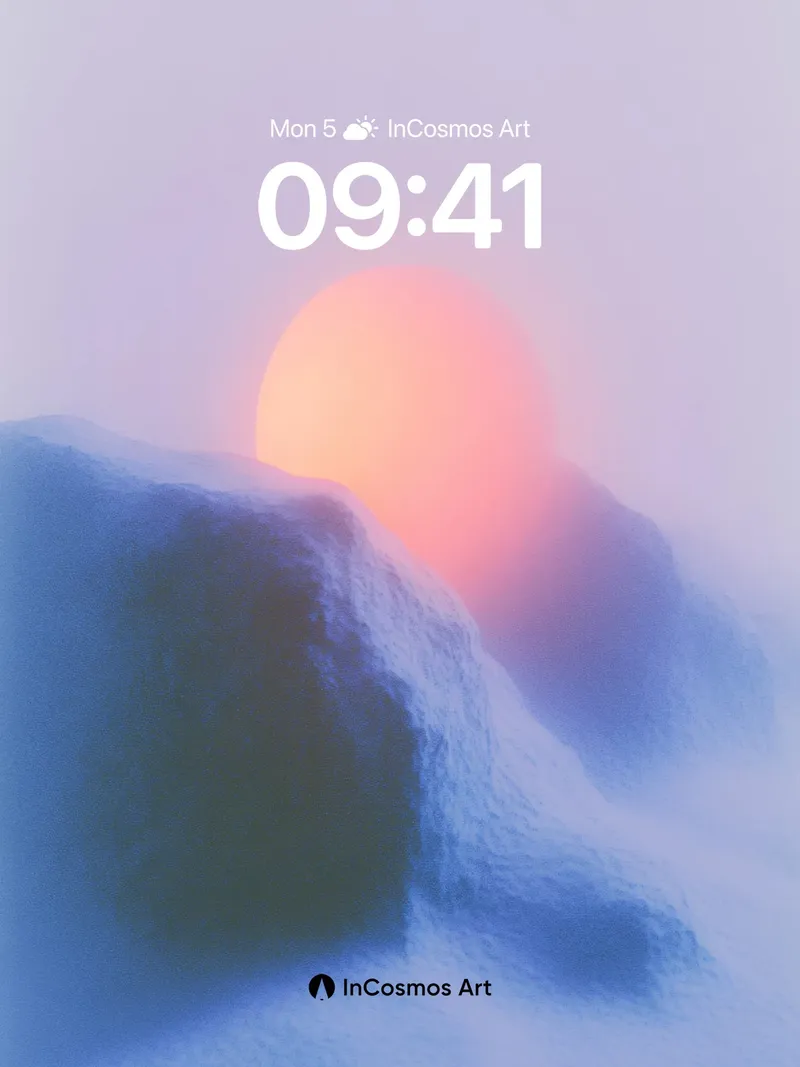
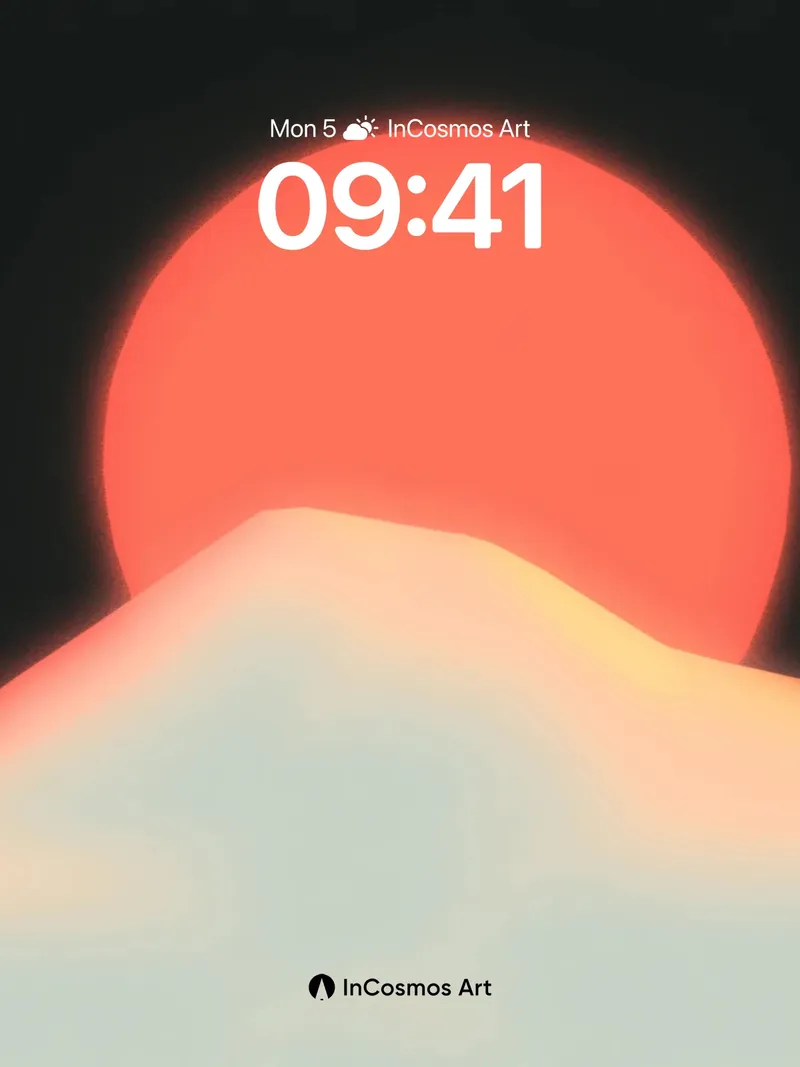
Between mountain and sun, there is no speech, yet an ongoing exchange exists. The mountain's stillness is a response to light; the light’s shift is the mountain’s breath. Colors transition from warm to cool, dense to faint, constructing a narrative without words. This rhythm depends not on sound or motion, but on visual flow and layered depth to build meaning.
Topography of Emotion
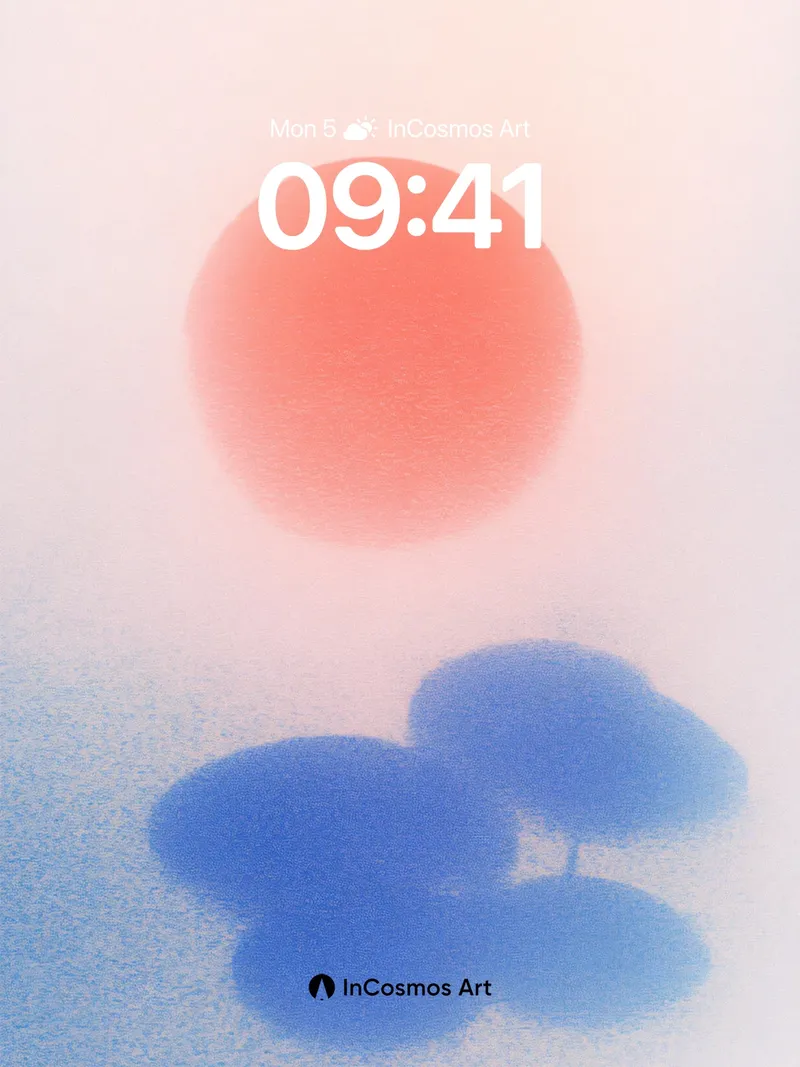
Each composition functions as an emotional map, charting coordinates of inner states. Orange-red signifies departure, pink-purple marks transition, deep blue points toward contemplation. These hues are not arranged randomly but follow the logic of psychological perception. Together, they trace an internal journey—from clarity to haze, from action to passivity, from being to vanishing.
Echoes of Time
As the sun sinks, its image does not vanish—it lingers on water, ridges, palms. These traces are echoes of time, proof that the past has not fully left reality. They remind that all things end, yet ending itself is a form of continuation. In still images, movement remains visibly etched.