In the collective imagination of humanity, angels are often depicted as divine messengers, cloaked in pristine wings, traversing between heaven and earth. However, the image of angels is far from singular. They carry complex emotions and symbolic meanings, ranging from divine guardianship to fallen redemption, each facet reflecting humanity's profound contemplation on faith, morality, and existence.
The Divine Guardians
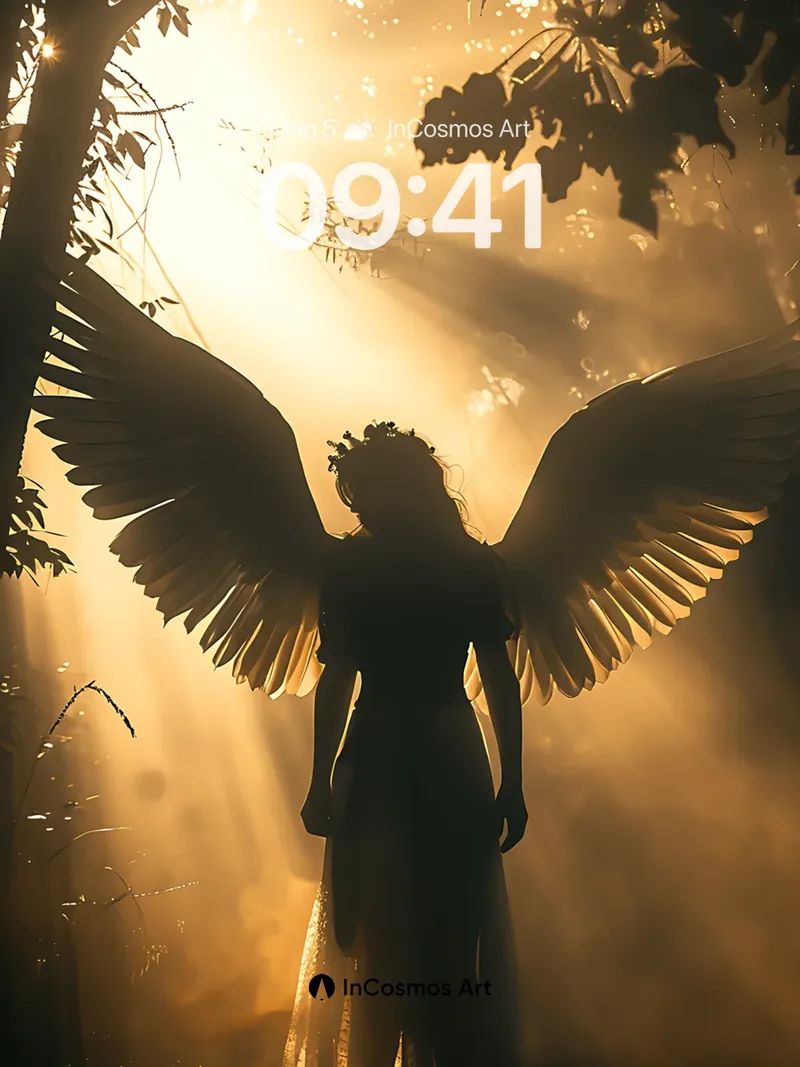
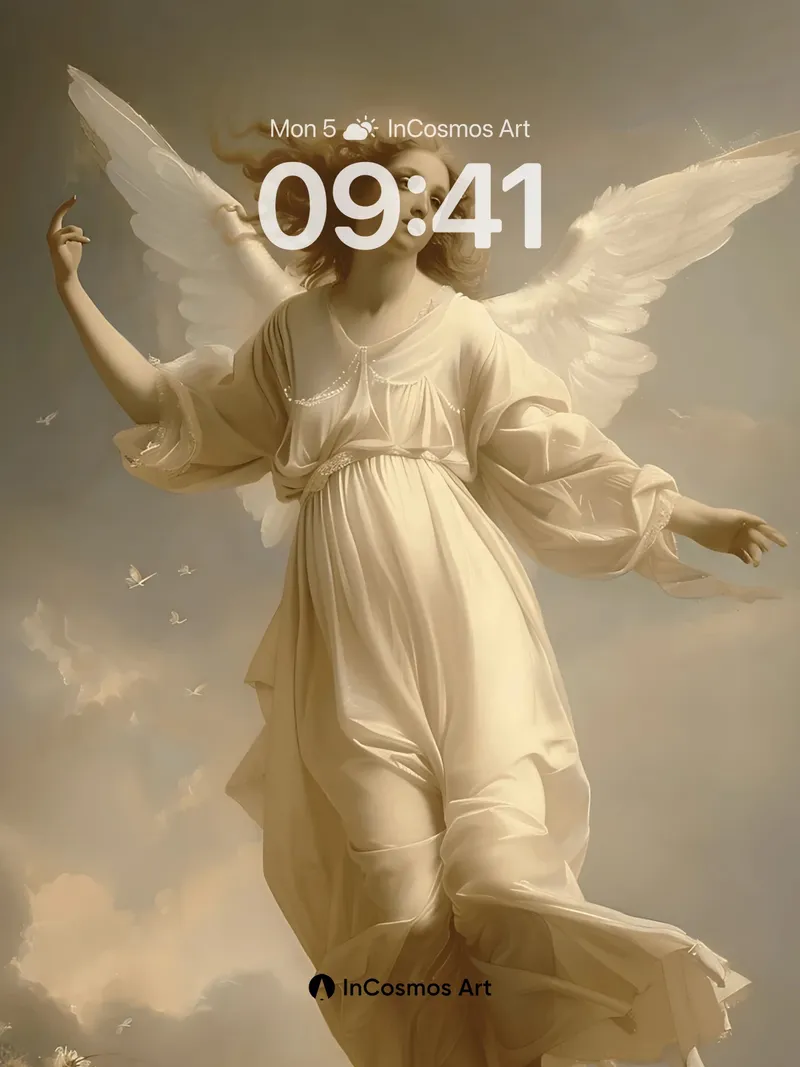
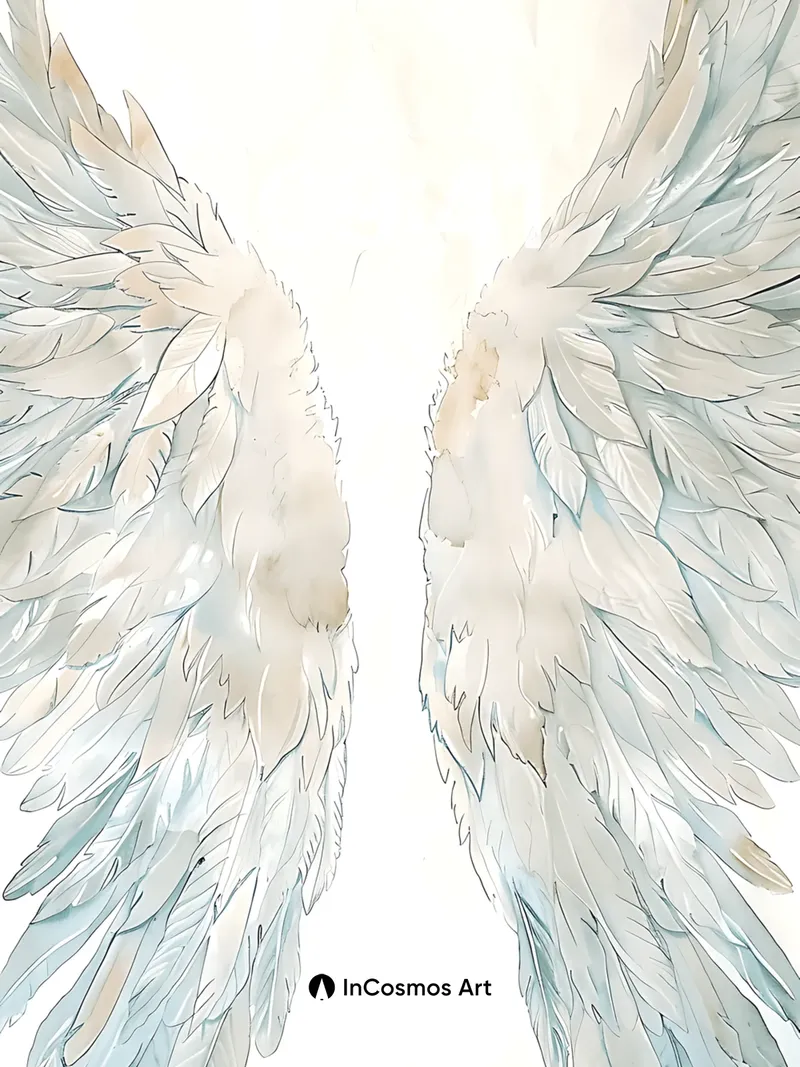
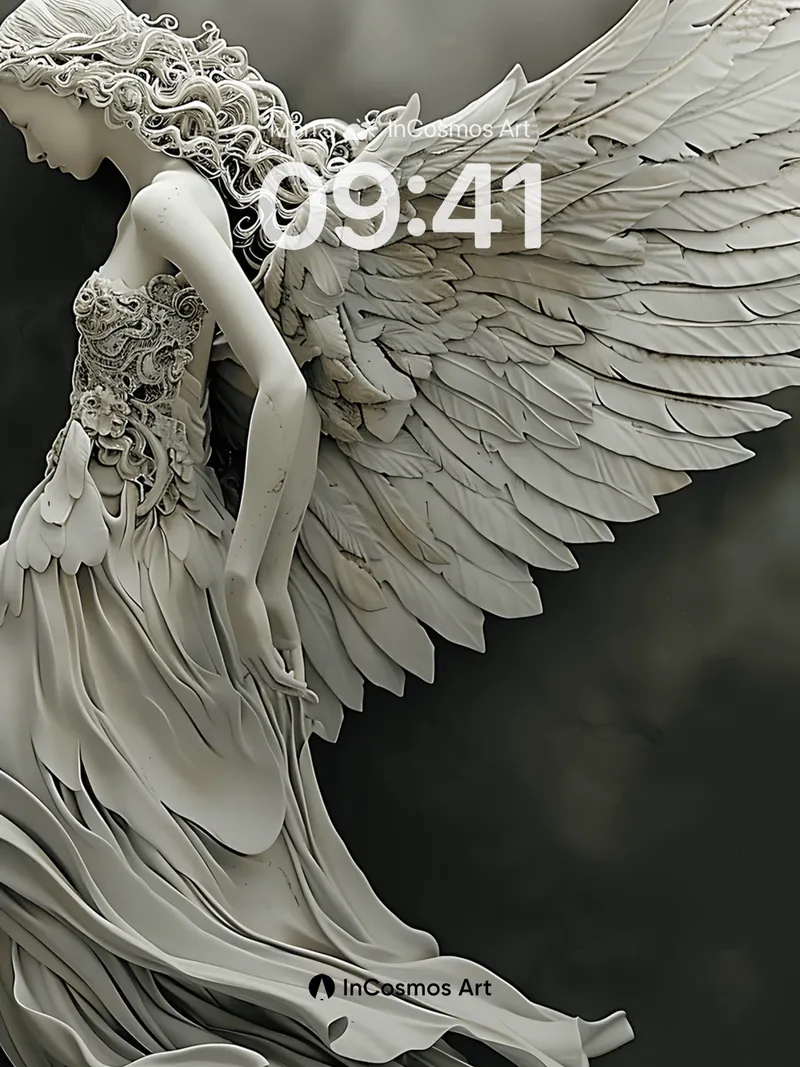
The initial image of angels is that of divine guardians. They appear in religious texts and artworks with immaculate white wings and solemn postures. These angels symbolize purity, justice, and divine protection, often depicted wielding swords or holy light to dispel darkness and evil. Their existence offers hope and comfort, becoming a tangible symbol of faith.
The Warrior Angels
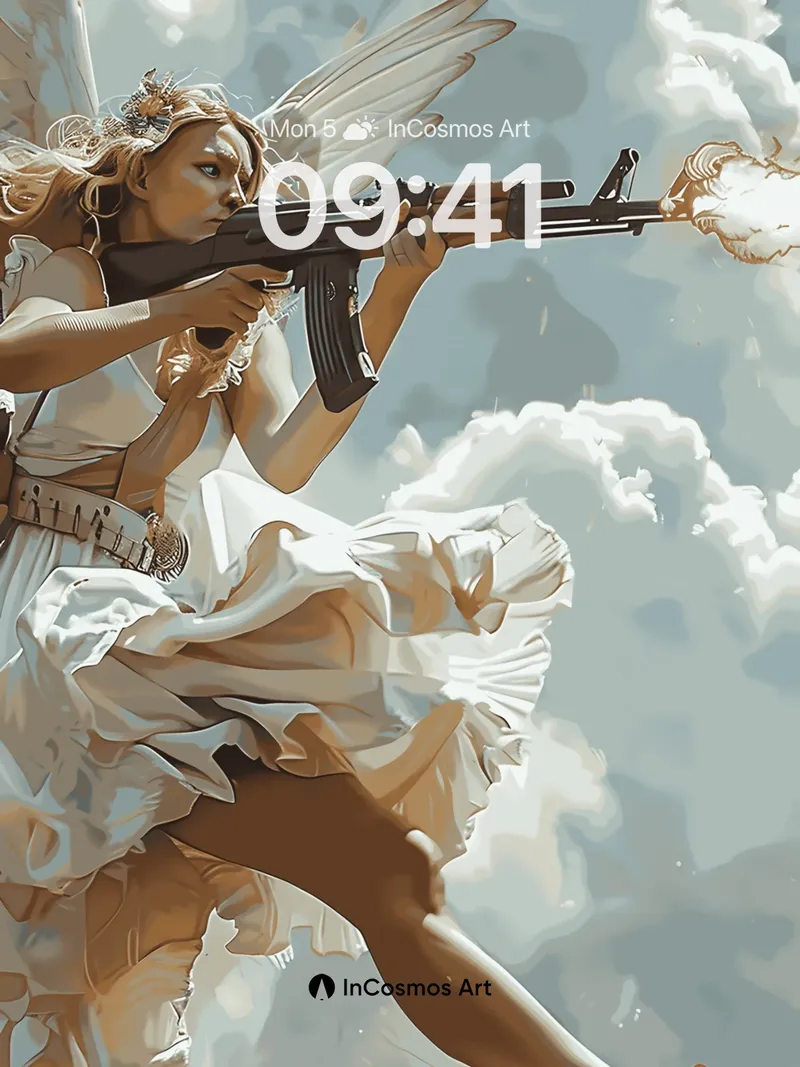
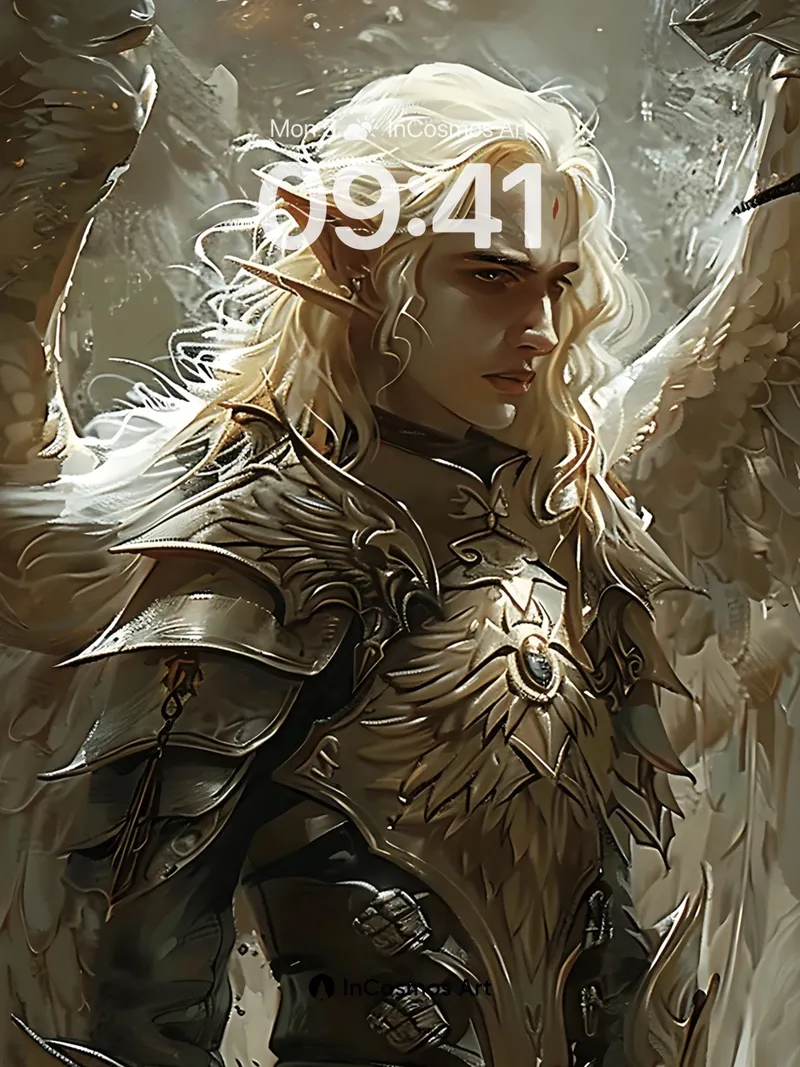
However, angels are not always gentle beings. In certain legends, angels are warriors, tasked with combating evil forces. Clad in armor and armed with weapons, they defend justice with fearless determination. This image reflects humanity's understanding of conflict and struggle. The battles of angels are not merely physical confrontations but also moral and spiritual contests.
The Fallen Angels
The image of angels also encompasses a fallen aspect. The story of fallen angels stems from discussions on free will and betrayal. Cast out of heaven due to pride or rebellion, they become symbols of darkness and temptation. Yet, the image of fallen angels is not purely evil. They often carry complex emotions such as regret, loneliness, and a longing for redemption. This duality makes fallen angels a compelling theme in literature and art.
The Sorrowful Angels
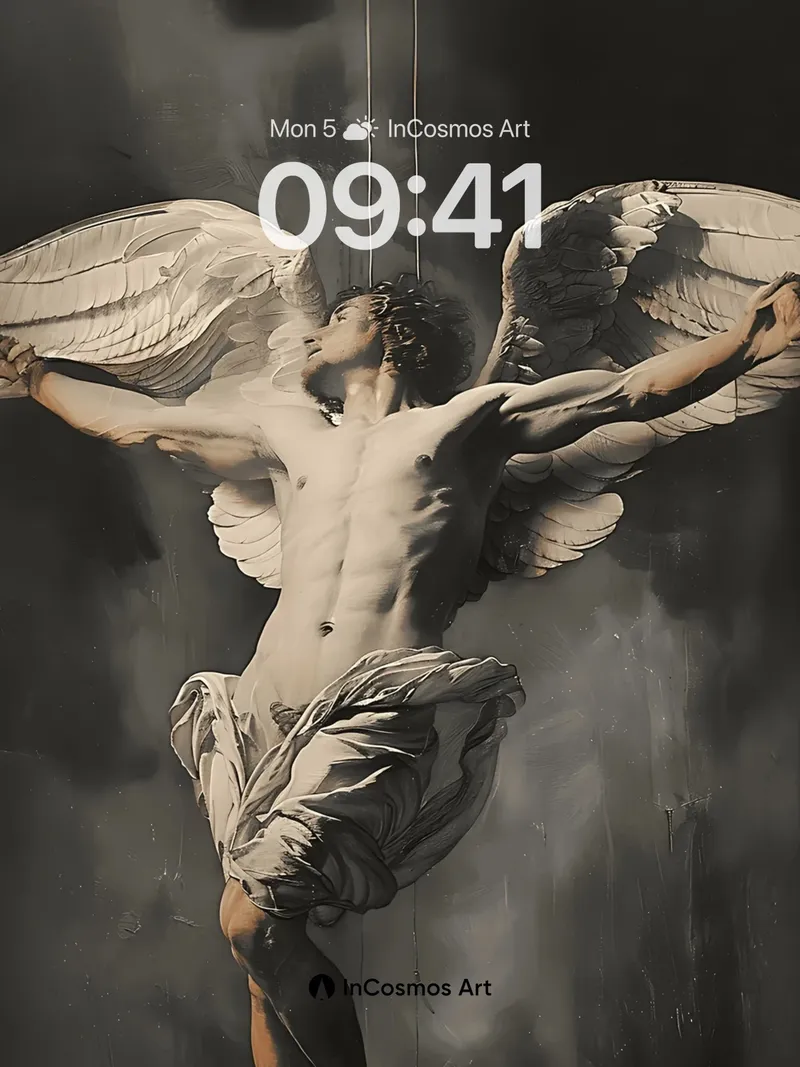
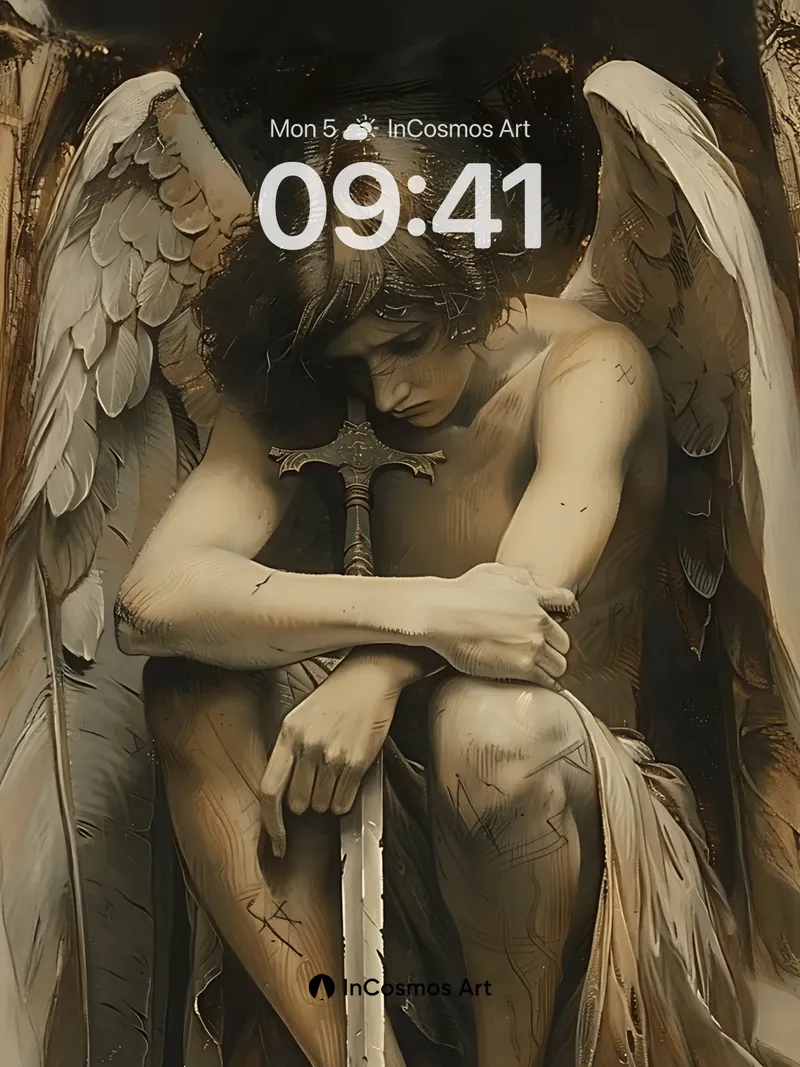
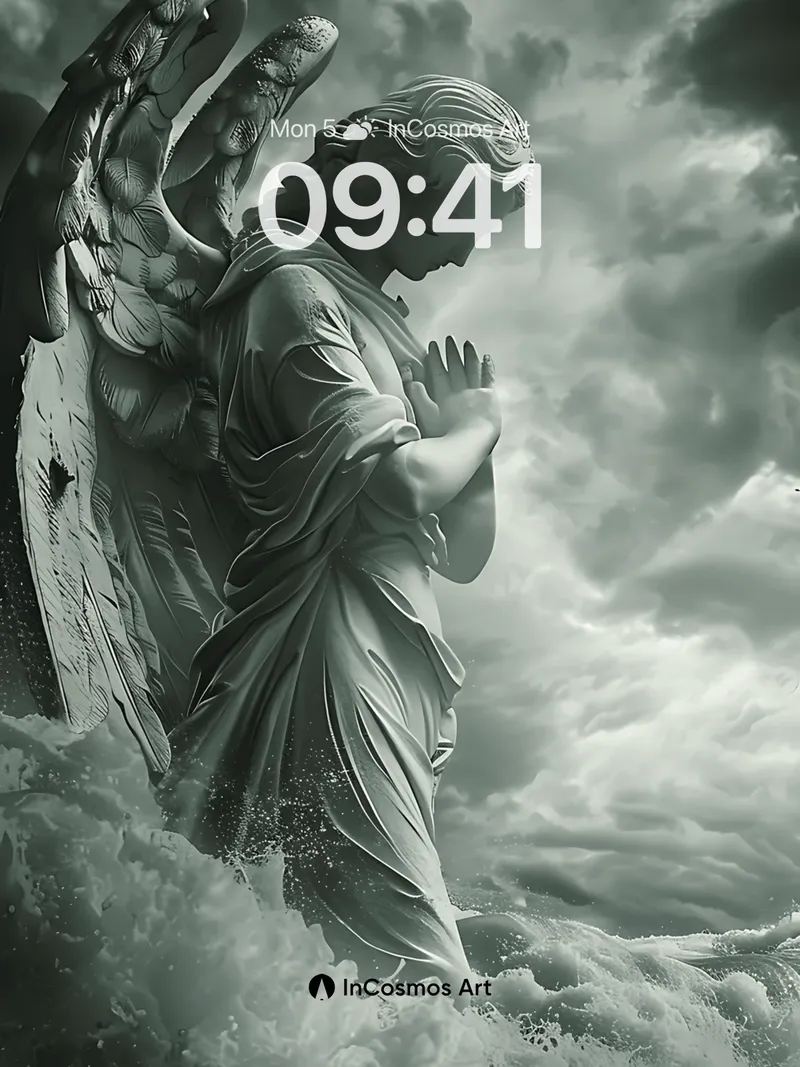
The sorrowful image of angels reveals the emotional depth of divine beings. They are not indifferent observers but entities capable of feeling pain and loss. Sorrowful angels are often depicted in postures of低头沉思 or weeping, symbolizing empathy for human suffering. This image bridges the gap between angels and humanity, making the divine presence more relatable.
The Dark Angels
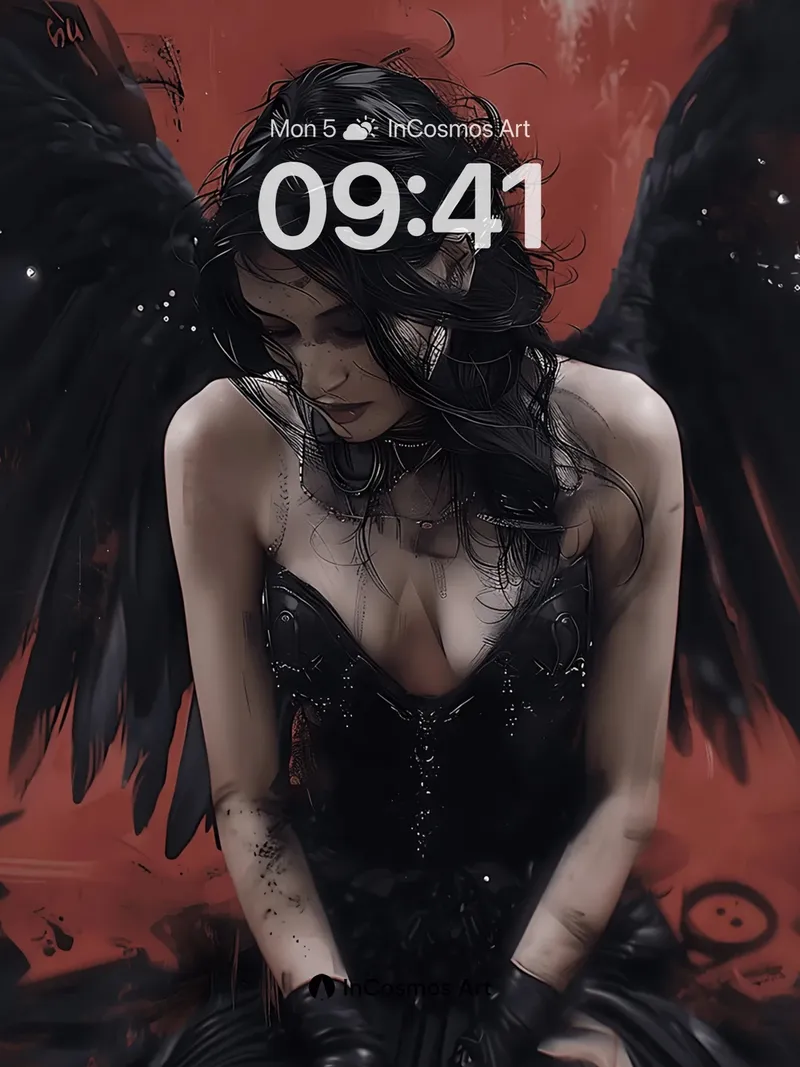
The image of dark angels challenges the traditional dichotomy of good and evil. Appearing with black wings and a mysterious aura, they symbolize the unknown, fear, and inner shadows. However, dark angels are not purely evil. They often represent repressed emotions or misunderstood truths. This image reflects humanity's recognition of complexity and contradiction.
The Redeeming Angels
The redeeming image of angels embodies themes of hope and rebirth. Whether it is the return of fallen angels or the salvation of humanity by divine angels, redeeming angels symbolize forgiveness and new beginnings. Their existence reminds people that even in the deepest darkness, there is always the possibility of light.
The Multifaceted Symbolism of Angels
The richness of angelic imagery lies in their承载 of humanity's multiple reflections on faith, morality, and existence. From divine to fallen, from warriors to redeemers, every facet of angels mirrors the complexity and diversity of the human heart. They are not merely beings in religion and mythology but projections of human emotions and thoughts.