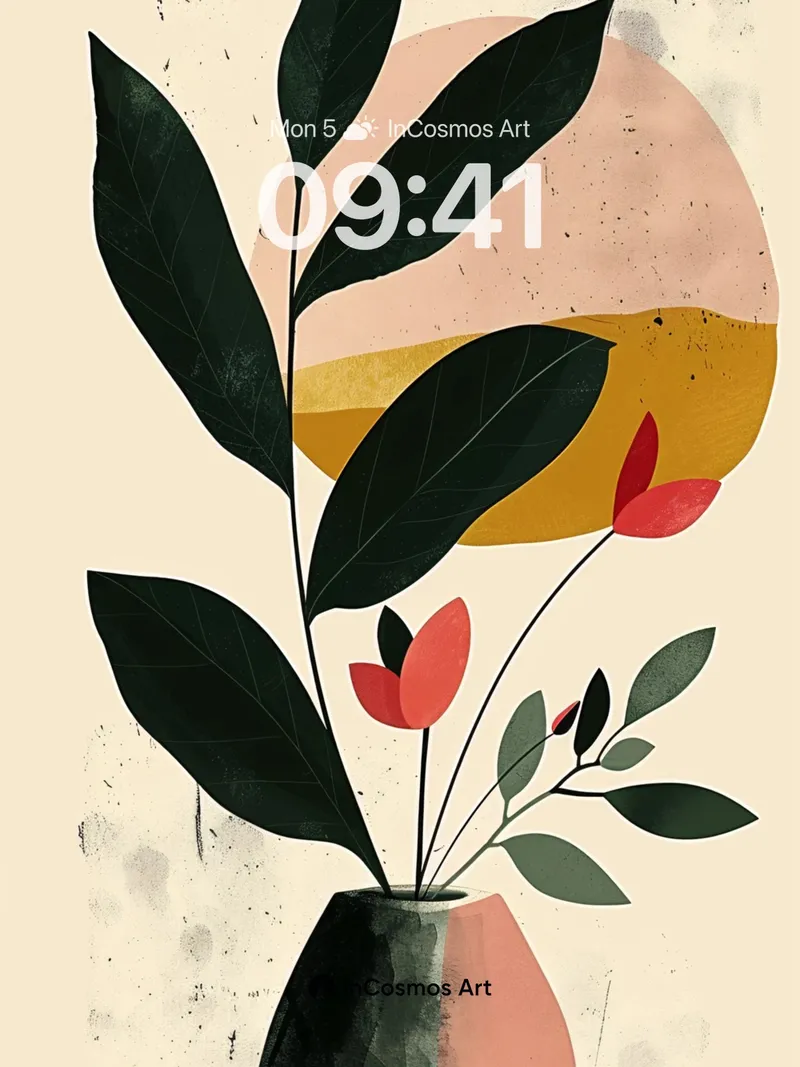
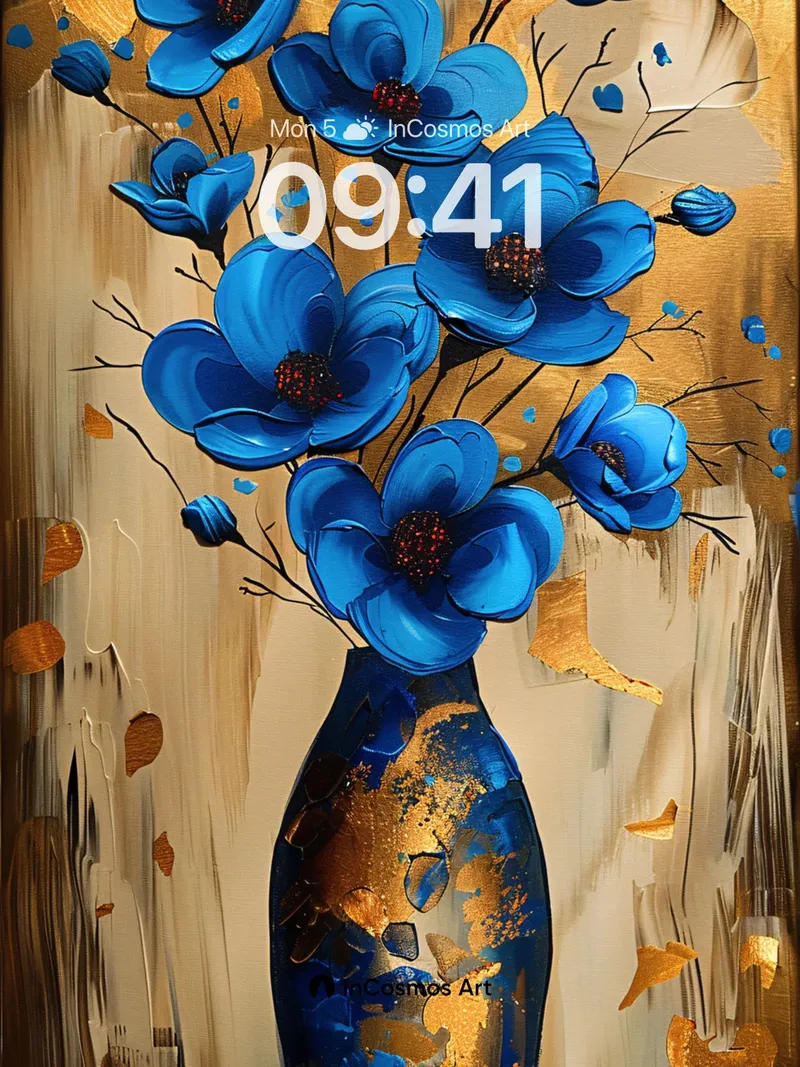
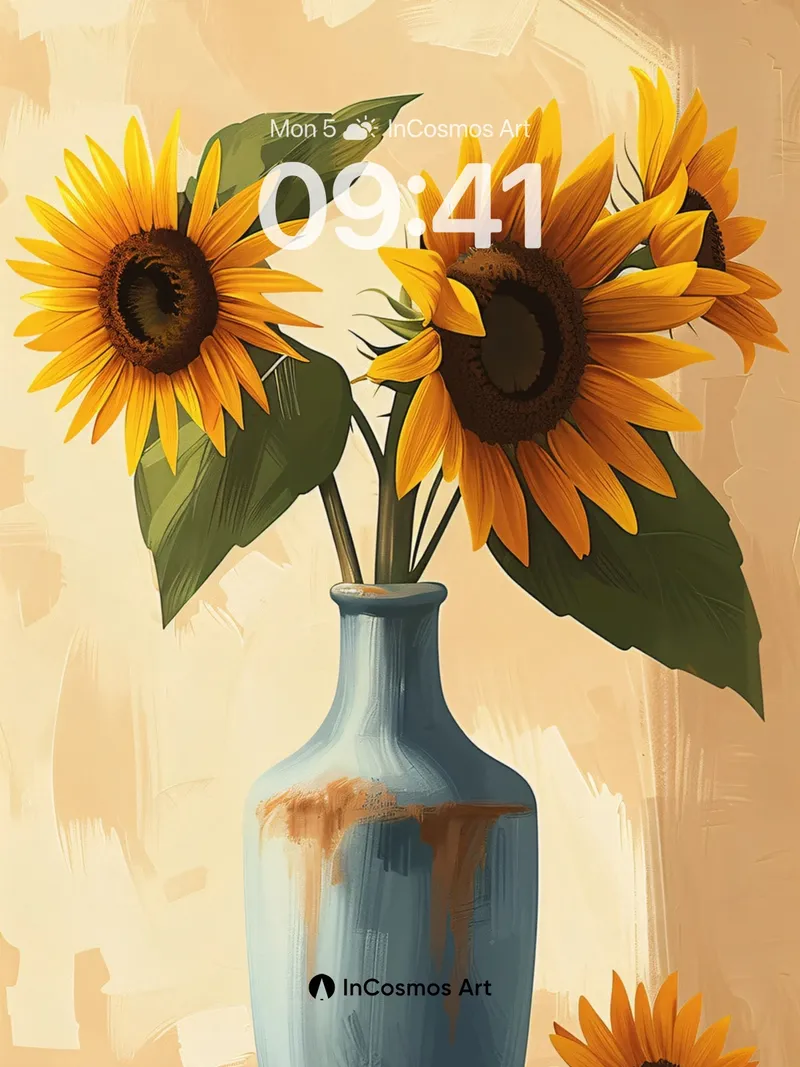
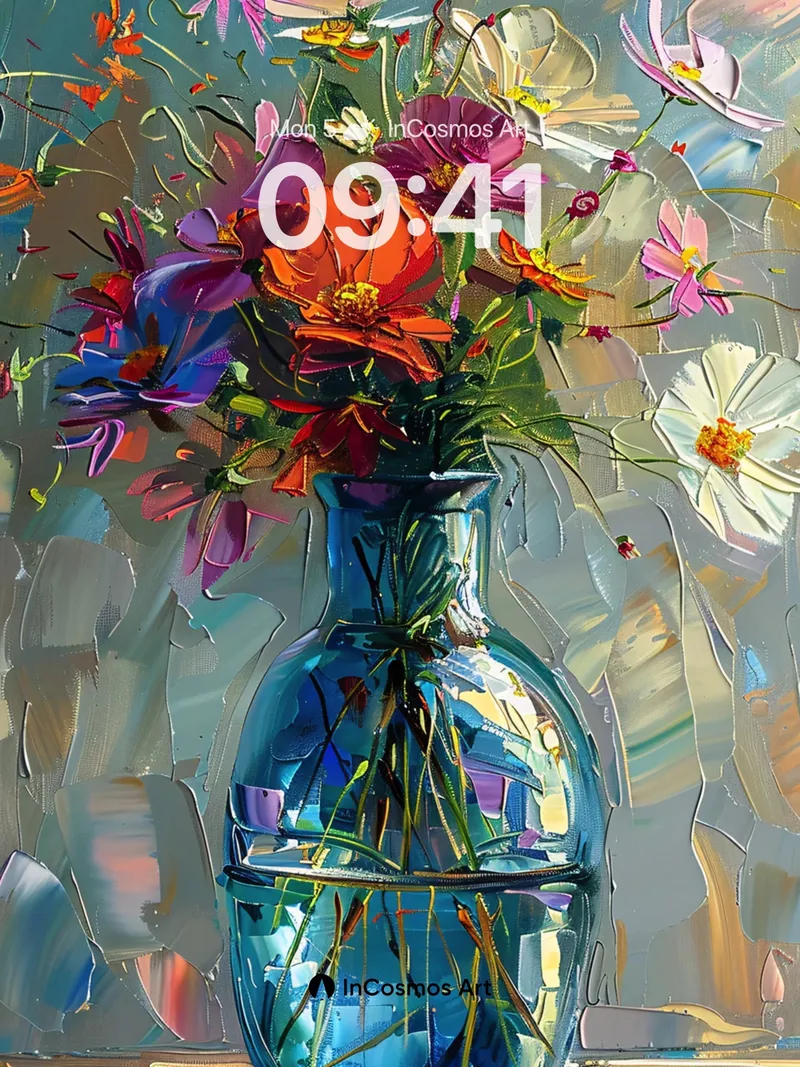
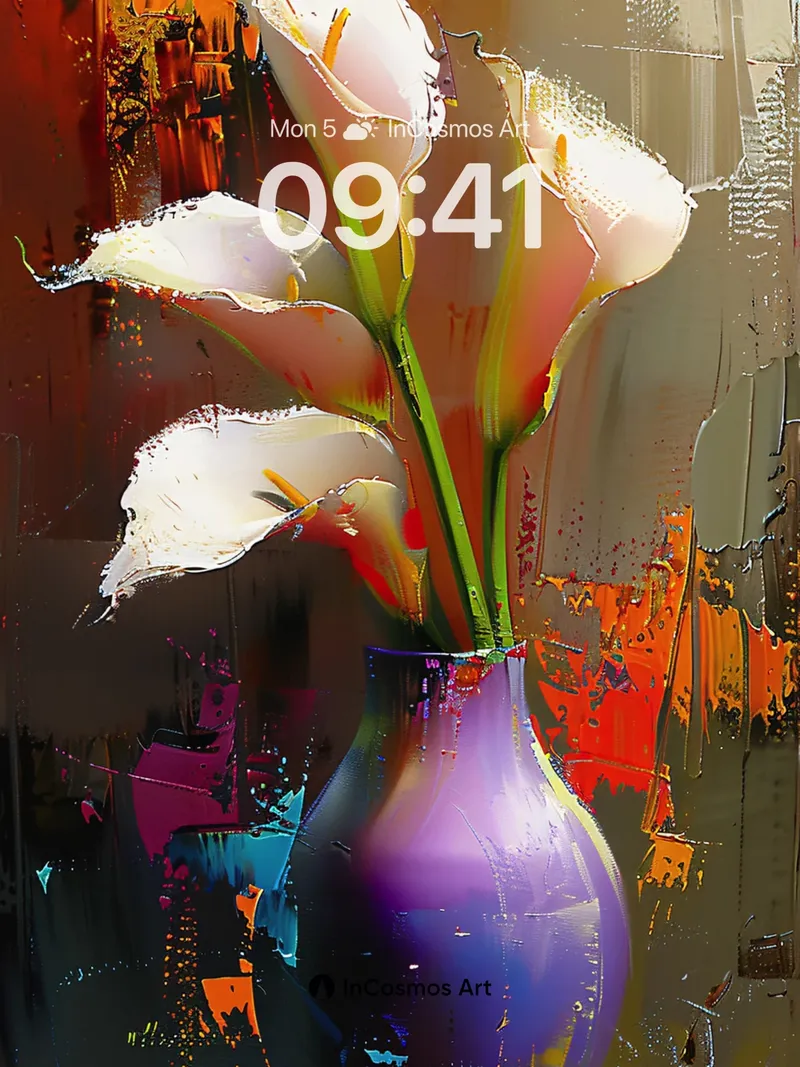
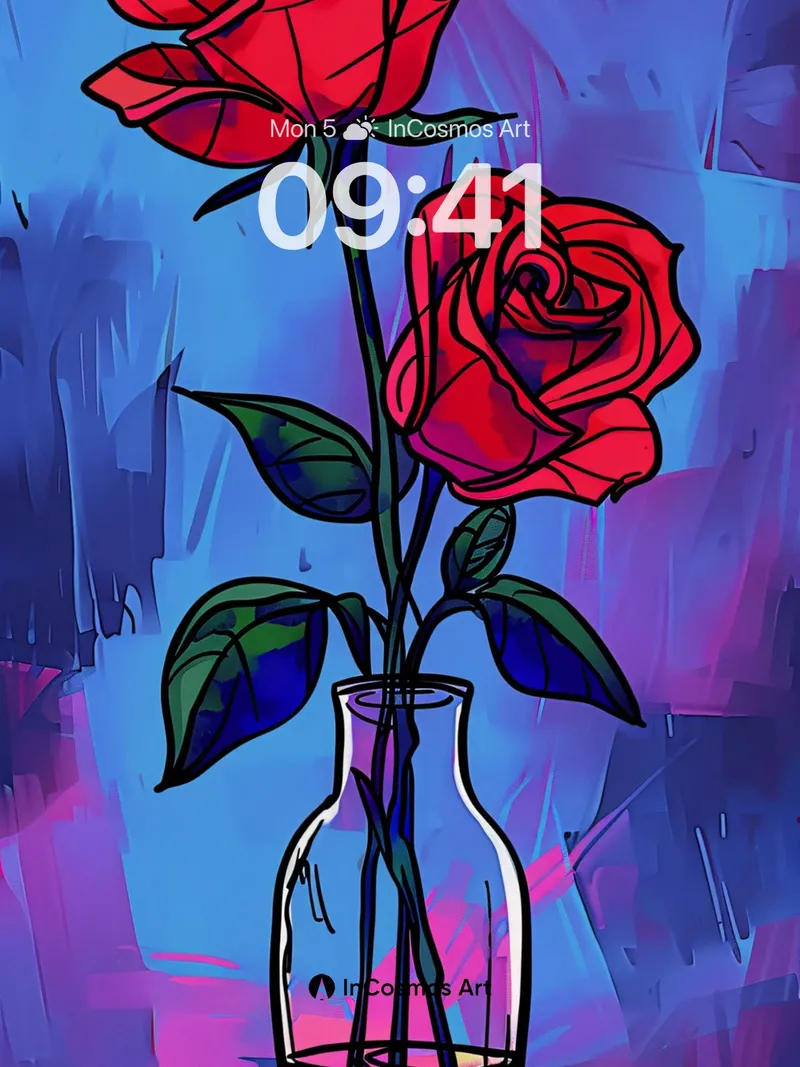
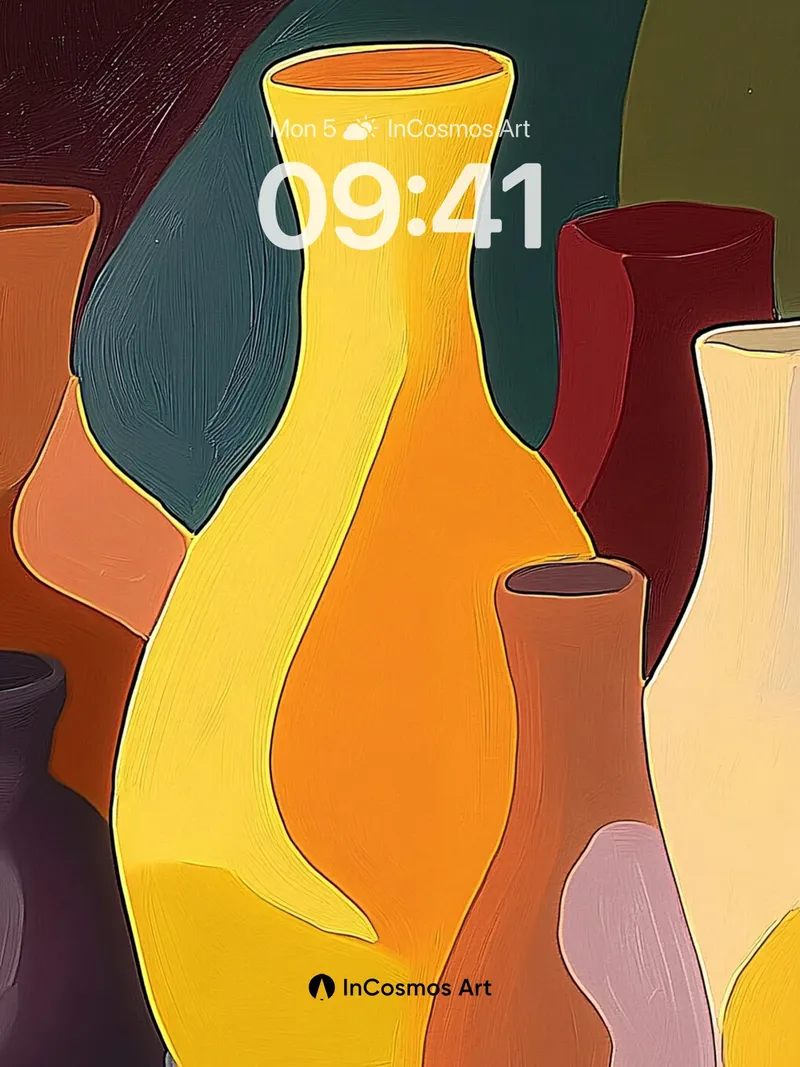
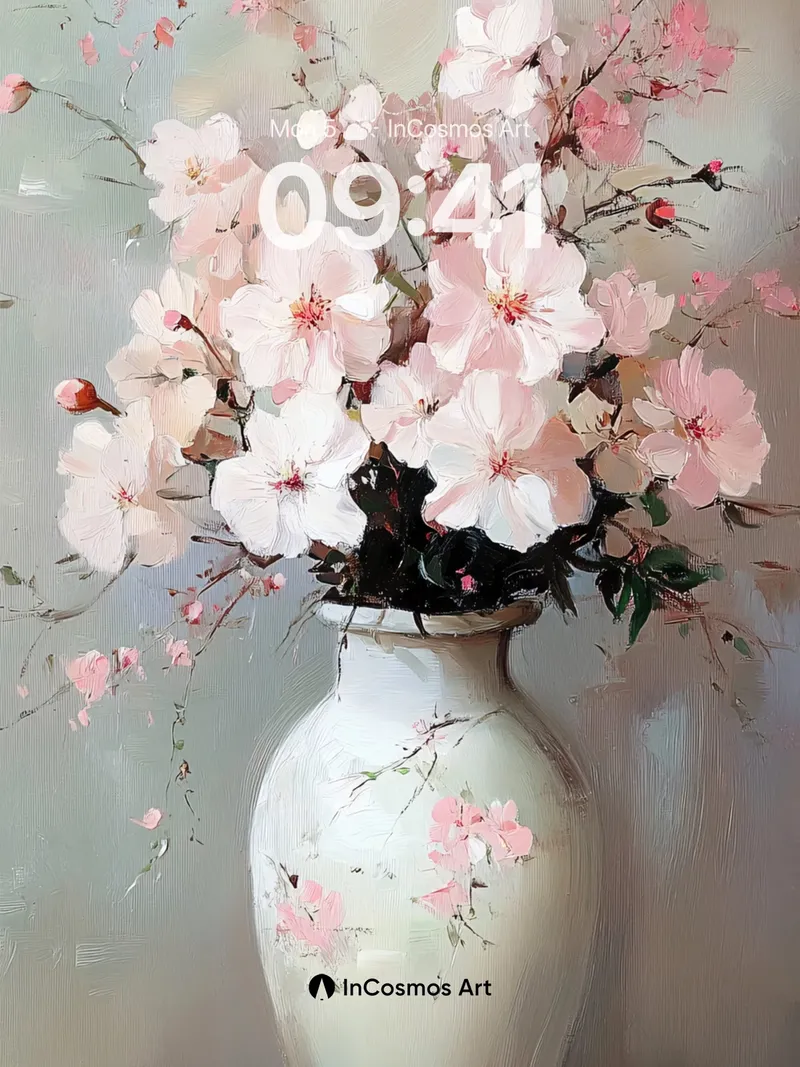
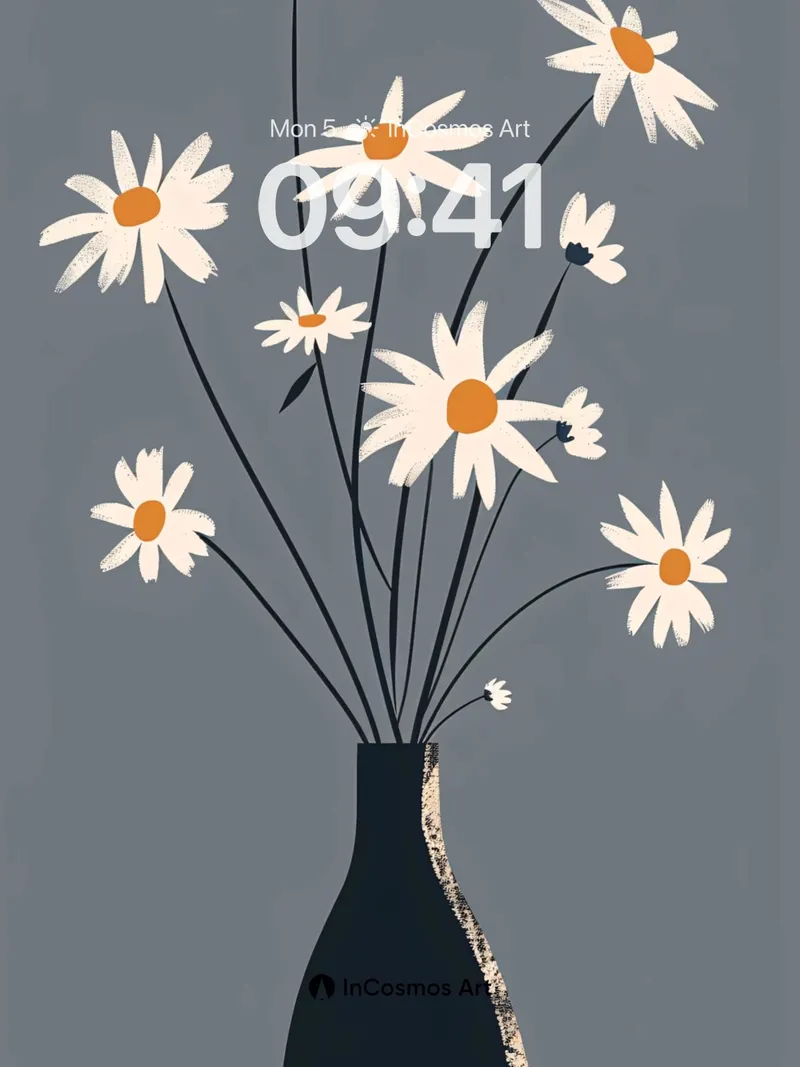
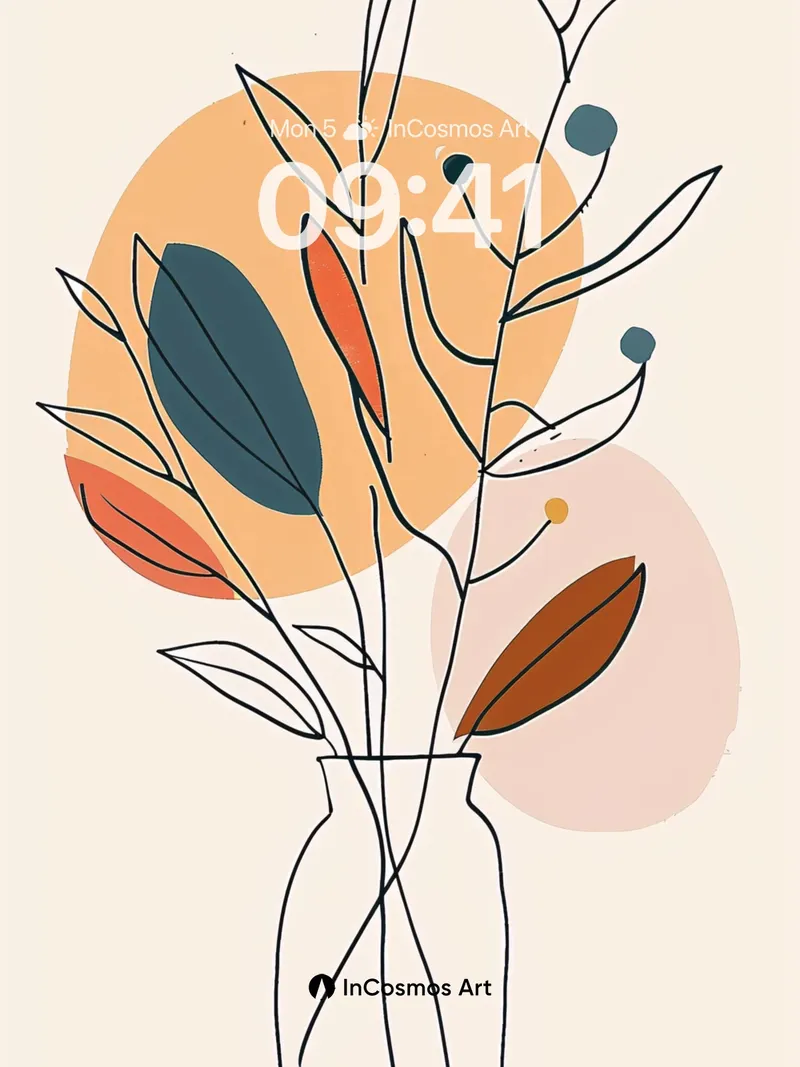
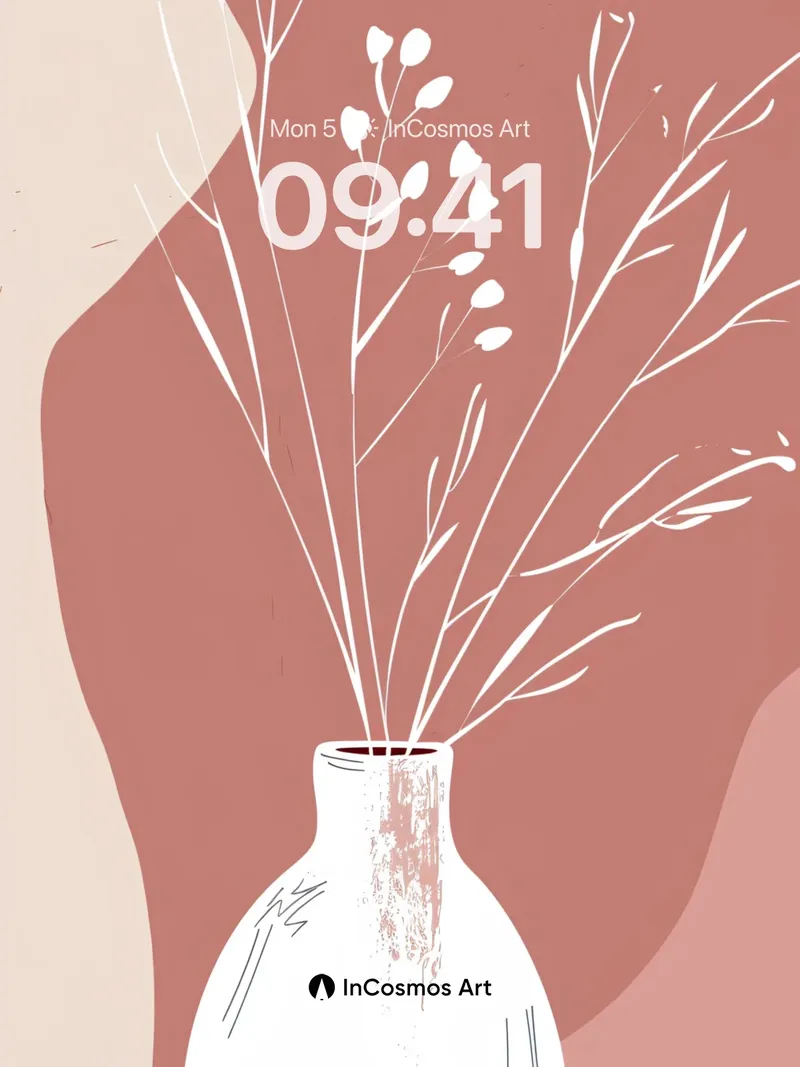
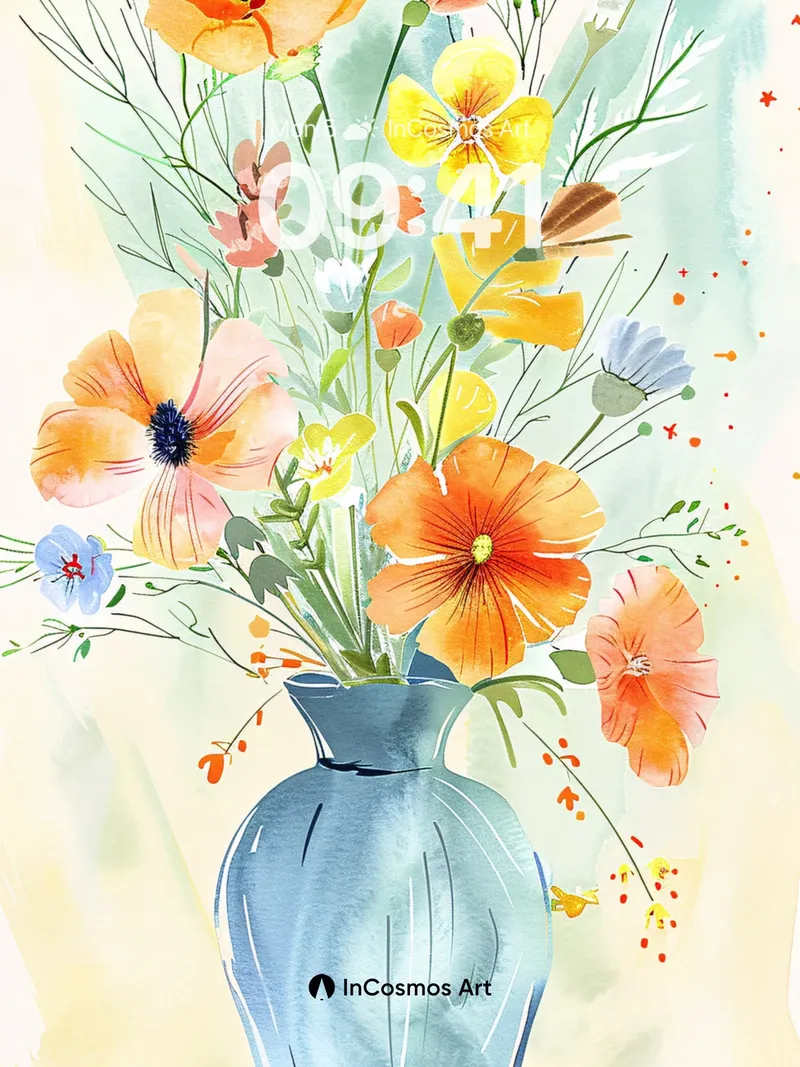
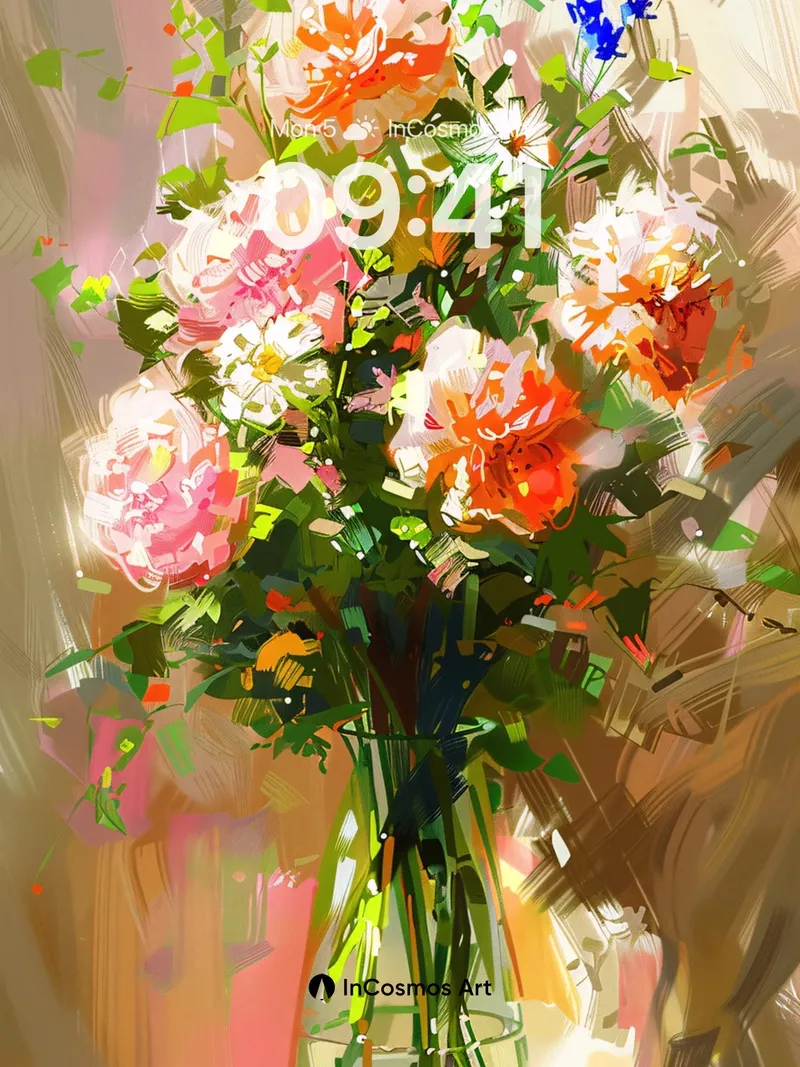
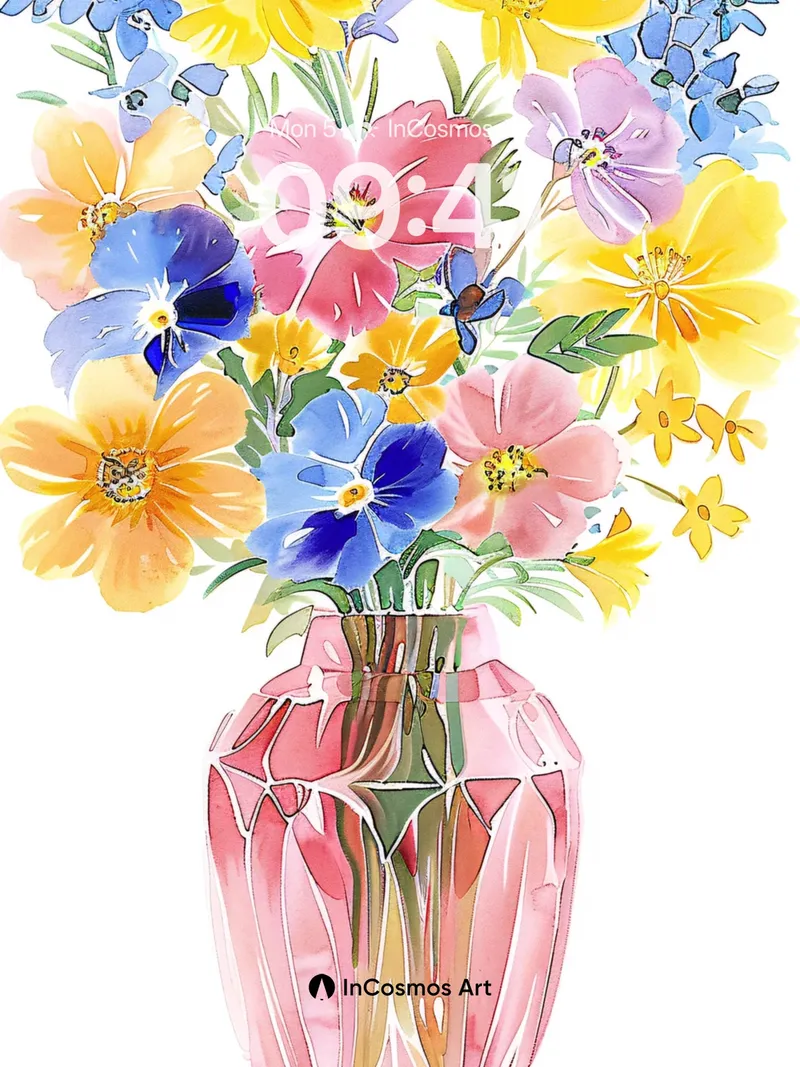
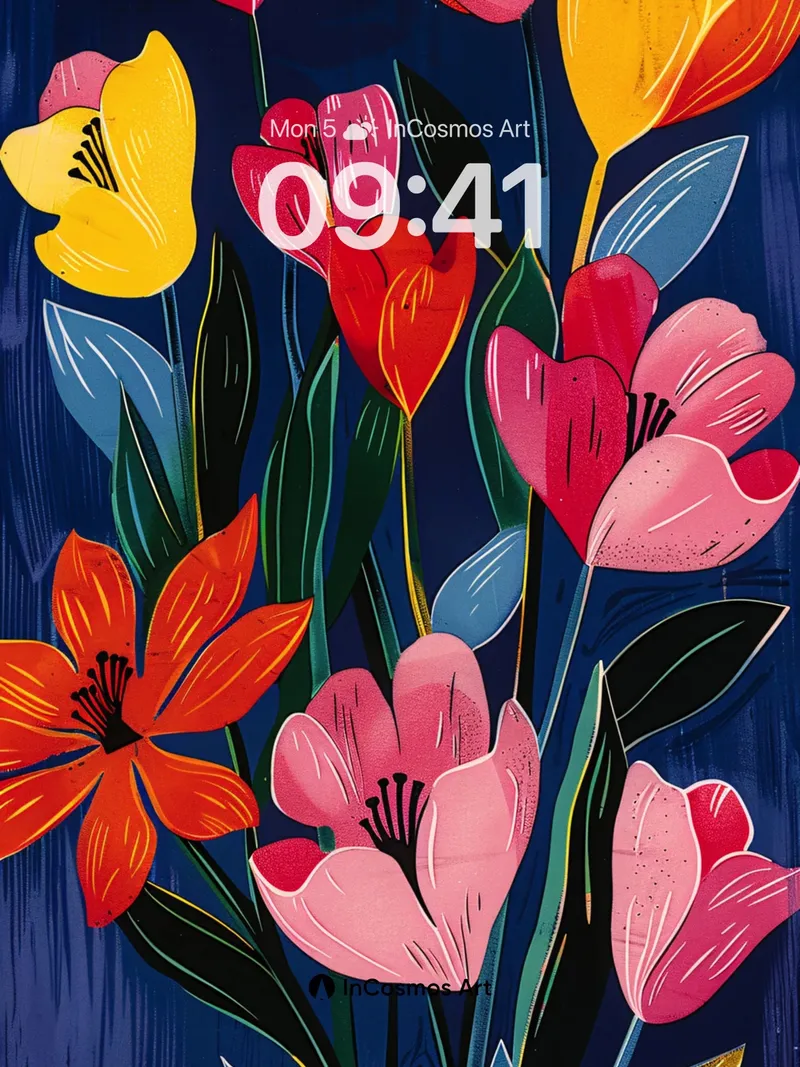
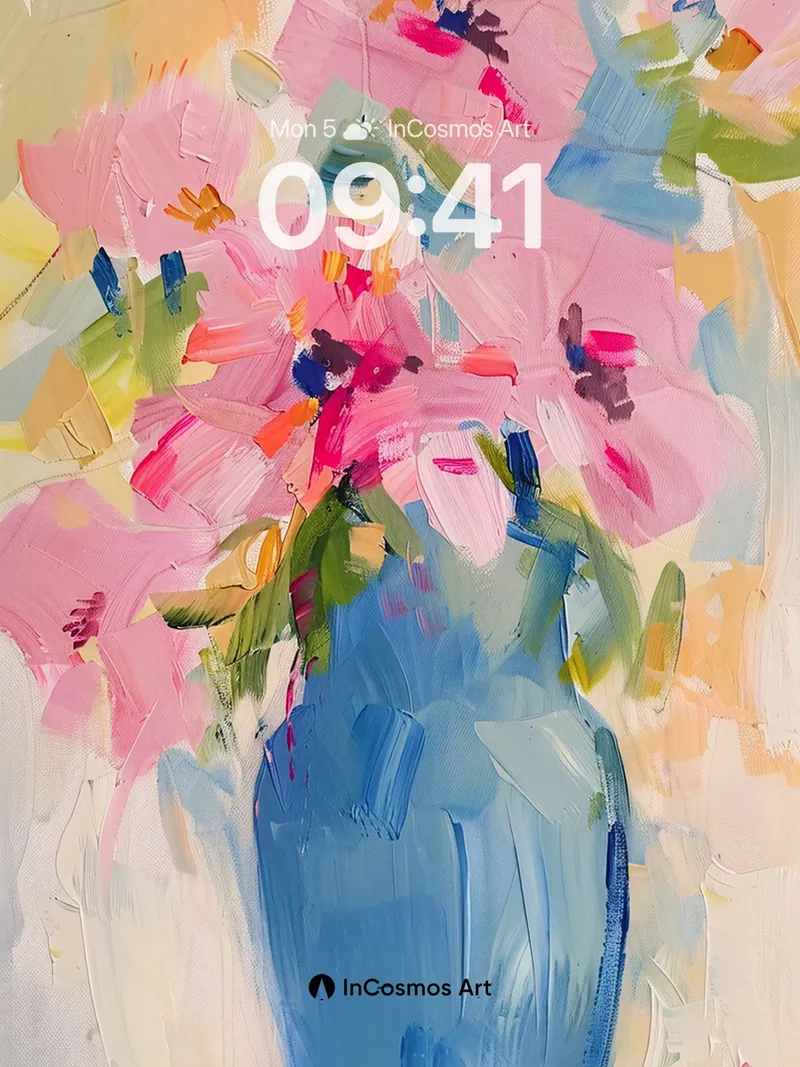
The combination of a vase and flowers is often seen as decoration, yet it is also one of the most direct sensory records in daily life. The vase is a container, the flowers are life, and their meeting creates a brief but concrete balance. The form, color, and arrangement of each bouquet silently narrate a certain mood or state. This combination does not seek permanence but offers a visual and psychological stability in the present moment.
The Emotion of Color
The color of flowers often corresponds directly to human emotional responses. Red flowers are passionate, blue flowers are calm, and white flowers are pure. The pairing of colors not only influences the atmosphere of a space but also subtly adjusts one's mood. The presence of vase flowers turns color from an abstract concept into a tangible daily experience.
The Tension of Form
Flowers take on various postures—some spread out, some remain in bud, and some tilt. These differences in form create a visual rhythm. The lines of the vase echo the shapes of the flowers, forming an internal tension. This tension is not conflict but a dynamic balance, making the overall arrangement lively without being chaotic.
The Breath of Space
Vase flowers are often placed on table corners, windowsills, or cabinet tops, becoming a focal point in a space. This focal point is not aggressive but occupies its position gently, allowing the space room to breathe. The presence of vase flowers ensures the space is neither empty nor crowded, existing in a just-right state.
The Trace of Time
Flowers wither, and vases gather dust—this change is itself part of time. The combination of vase and flowers does not resist this change but embraces its transience. This acceptance makes vase flowers a reflection of a life attitude: not seeking perfection but finding beauty in change.