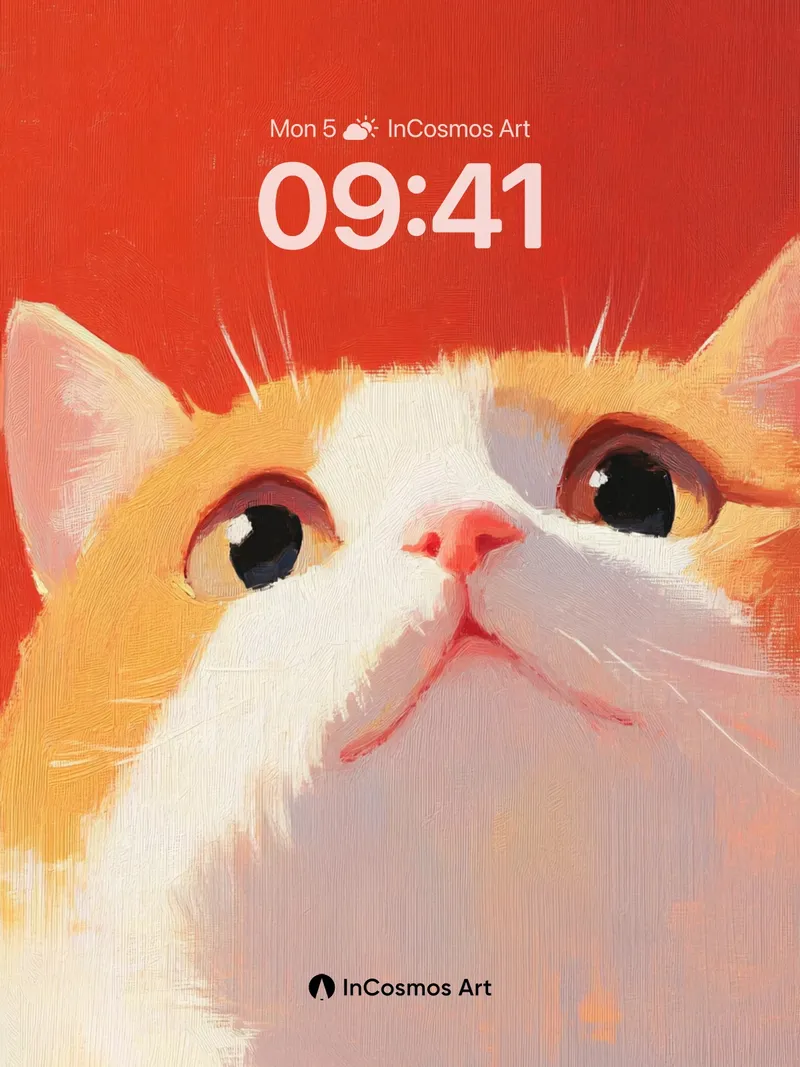
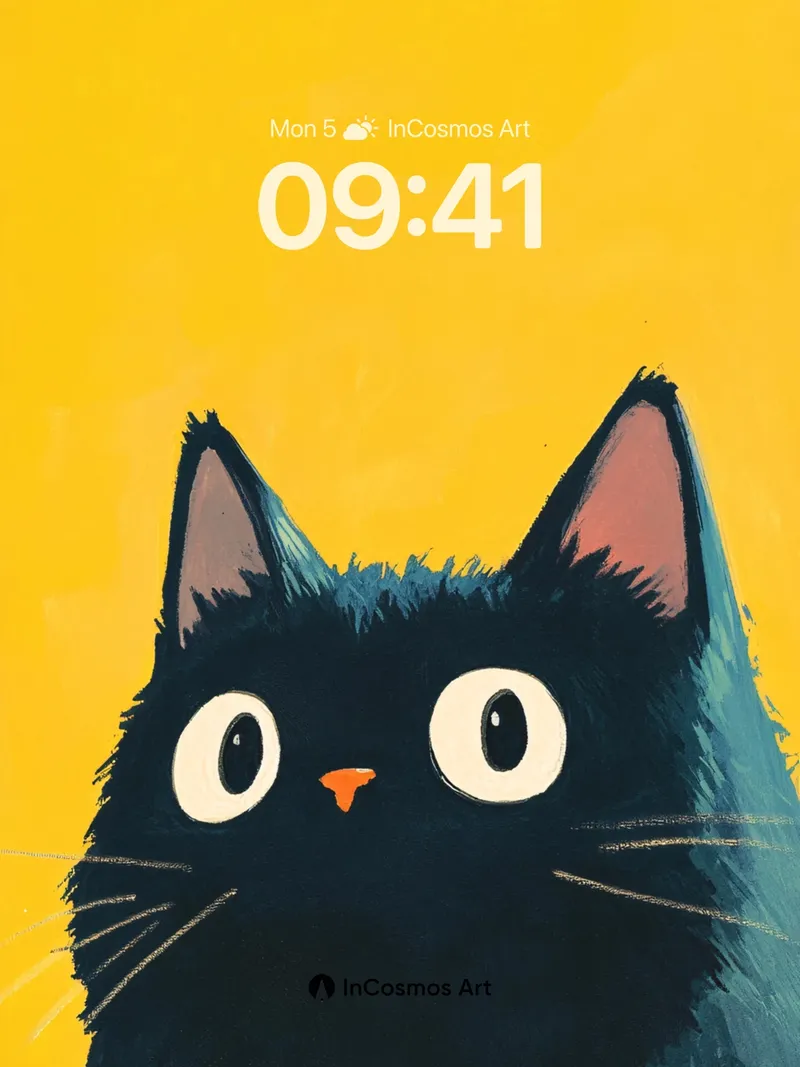
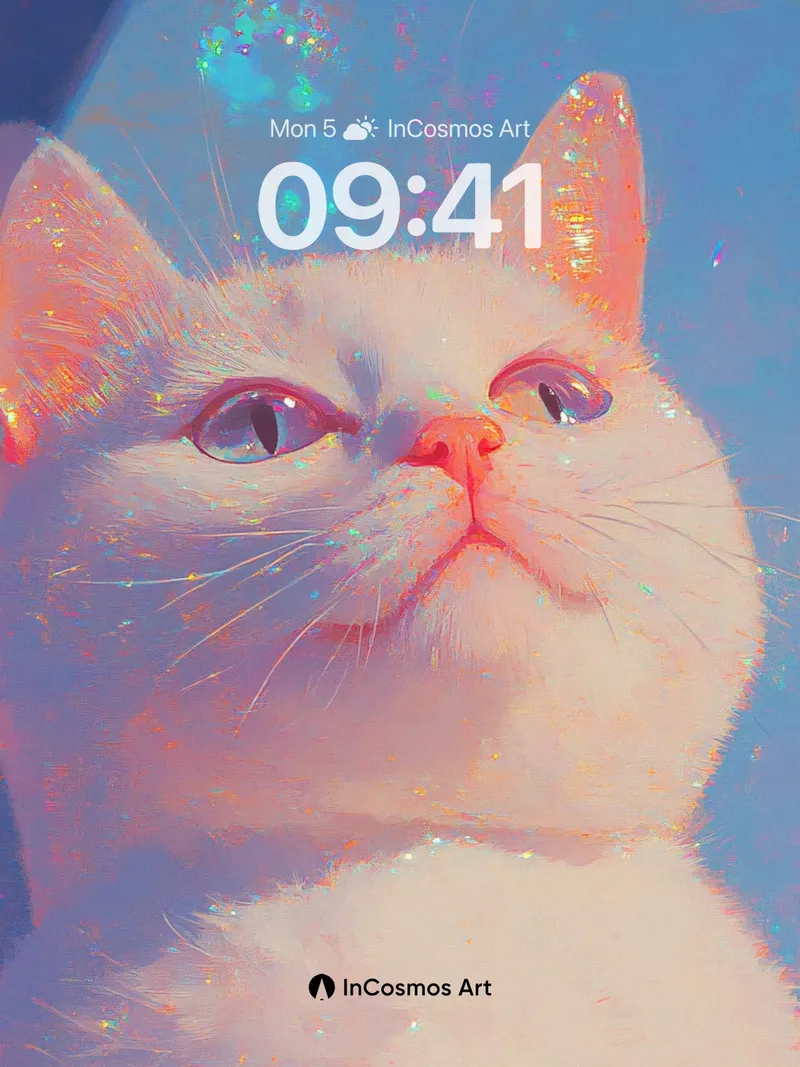
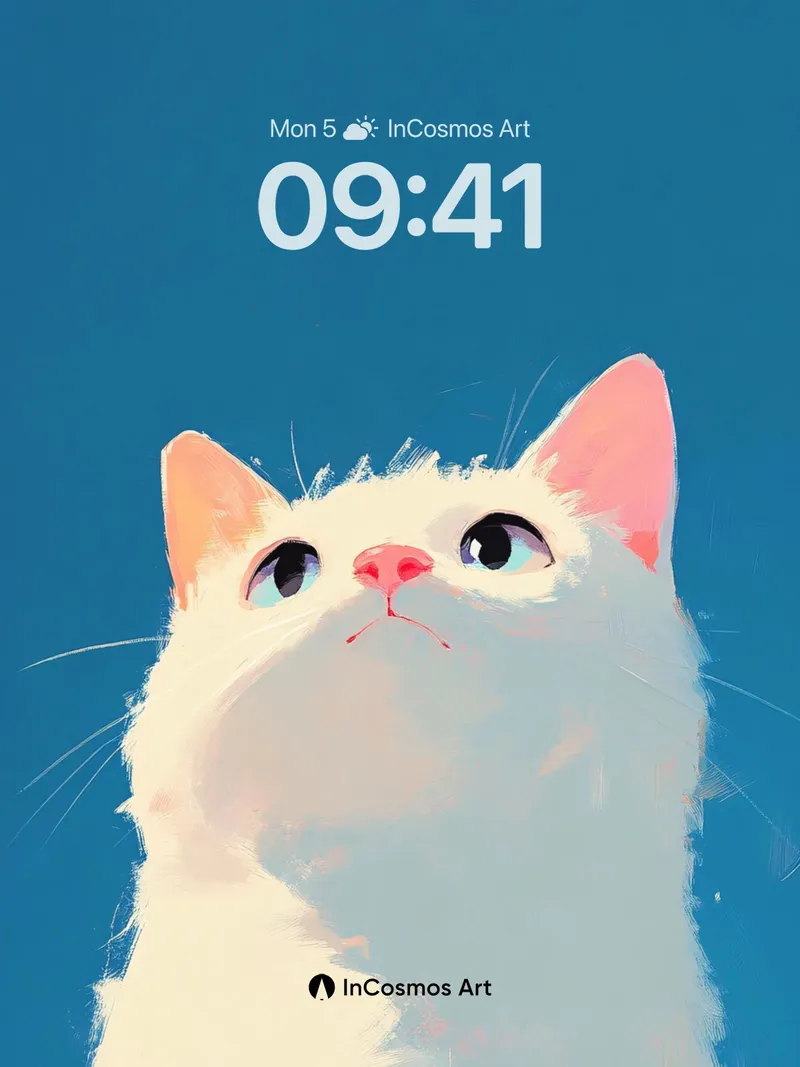
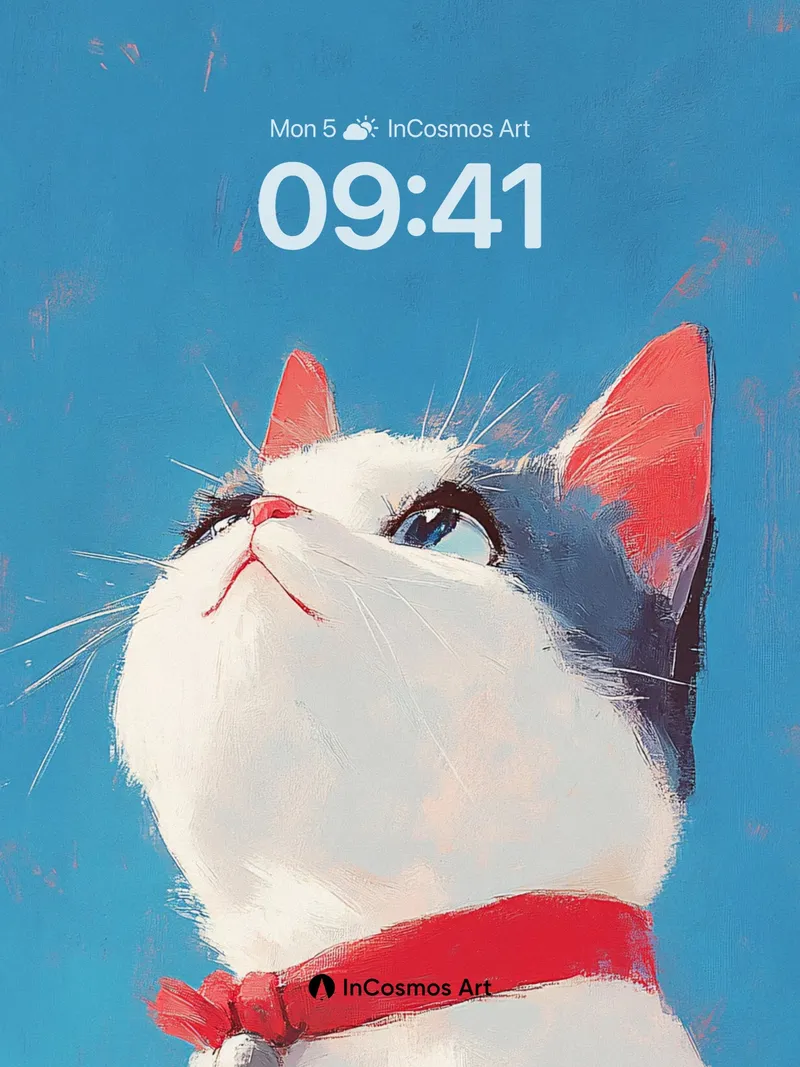
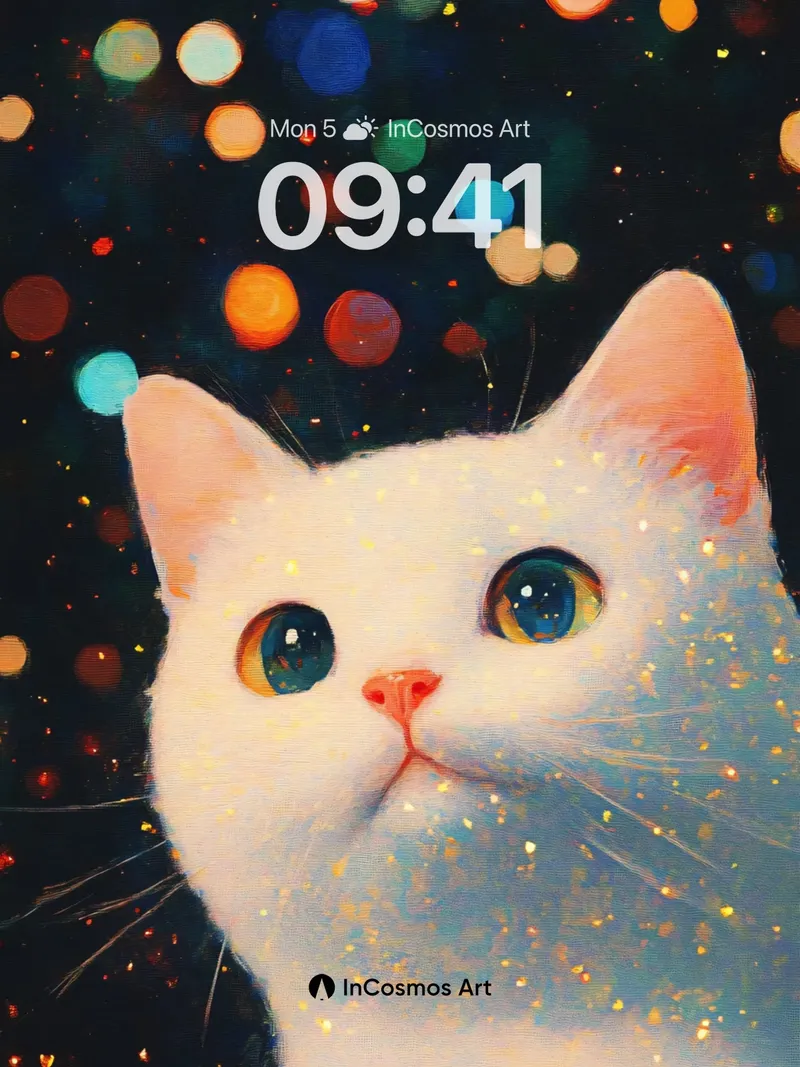
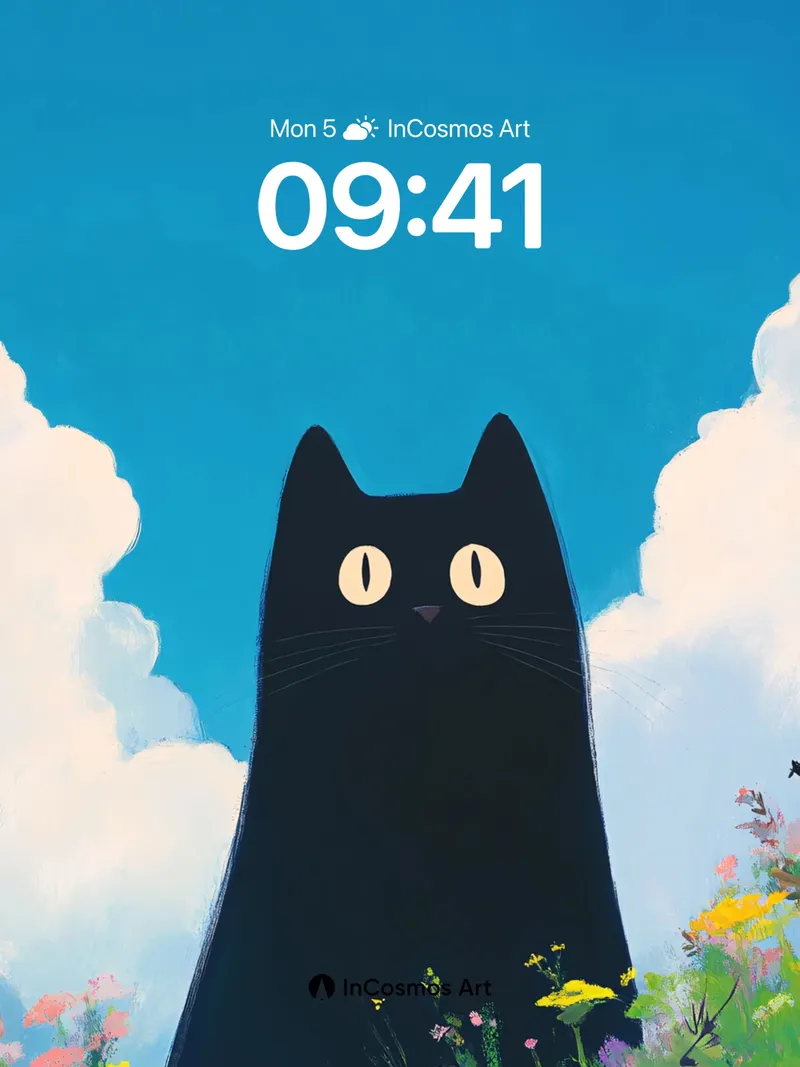
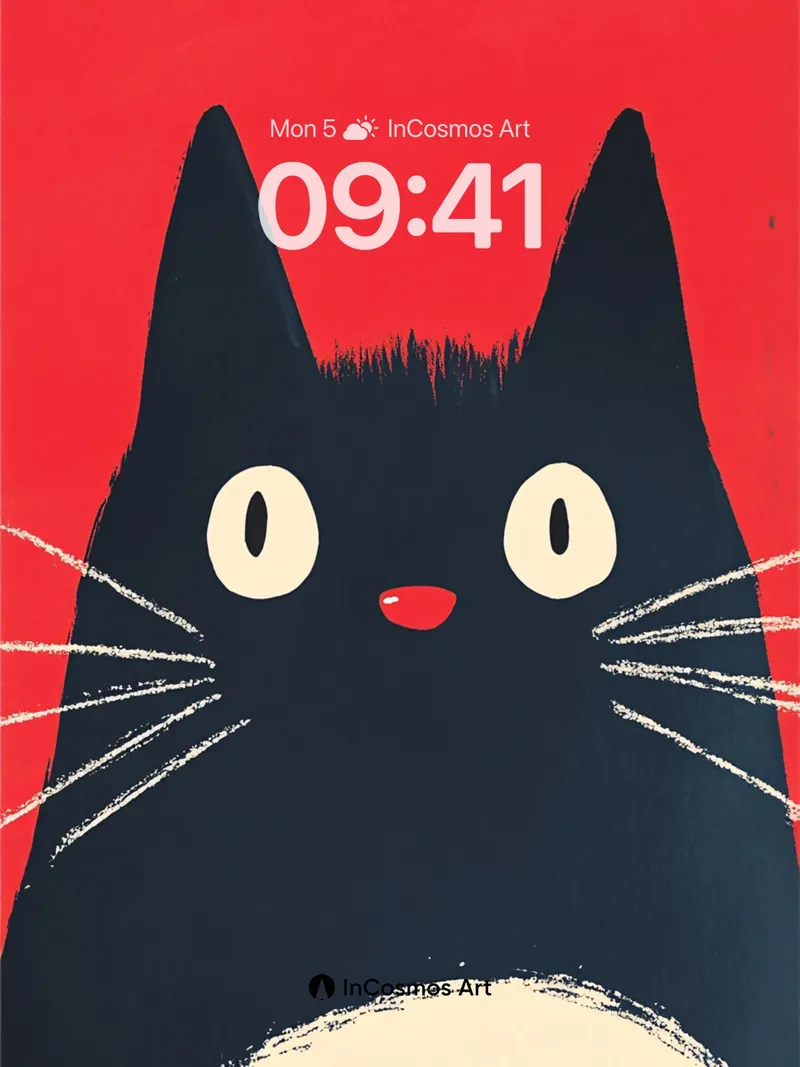
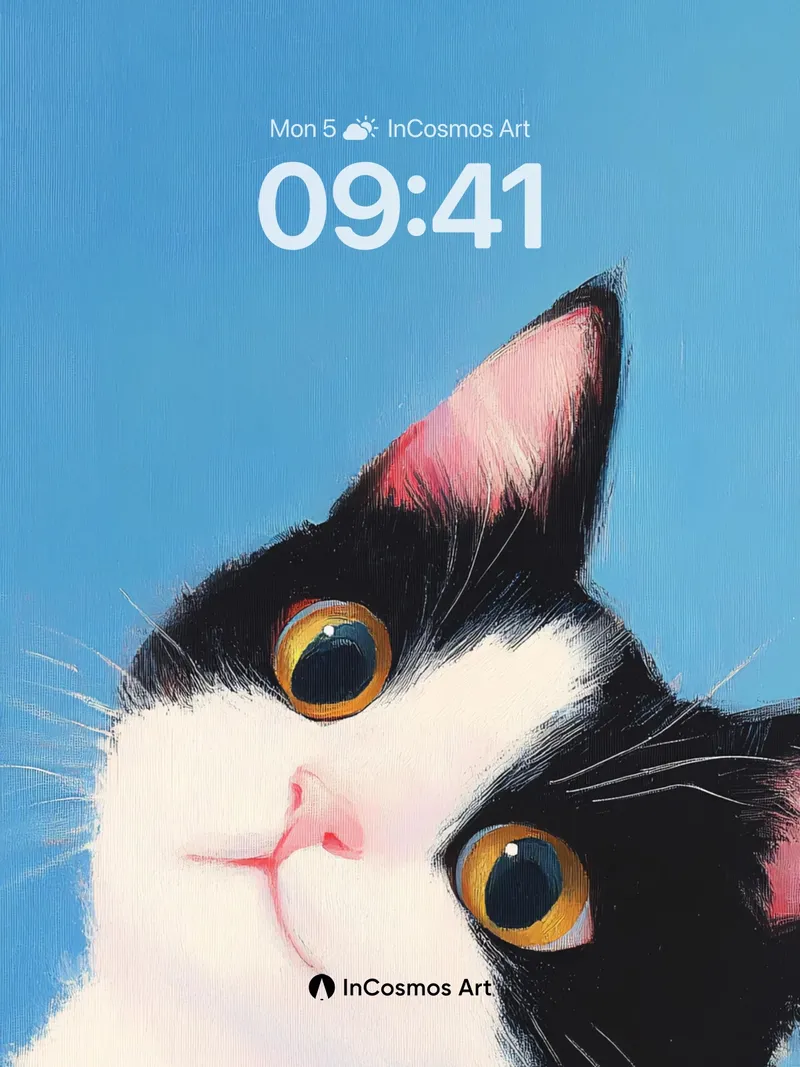
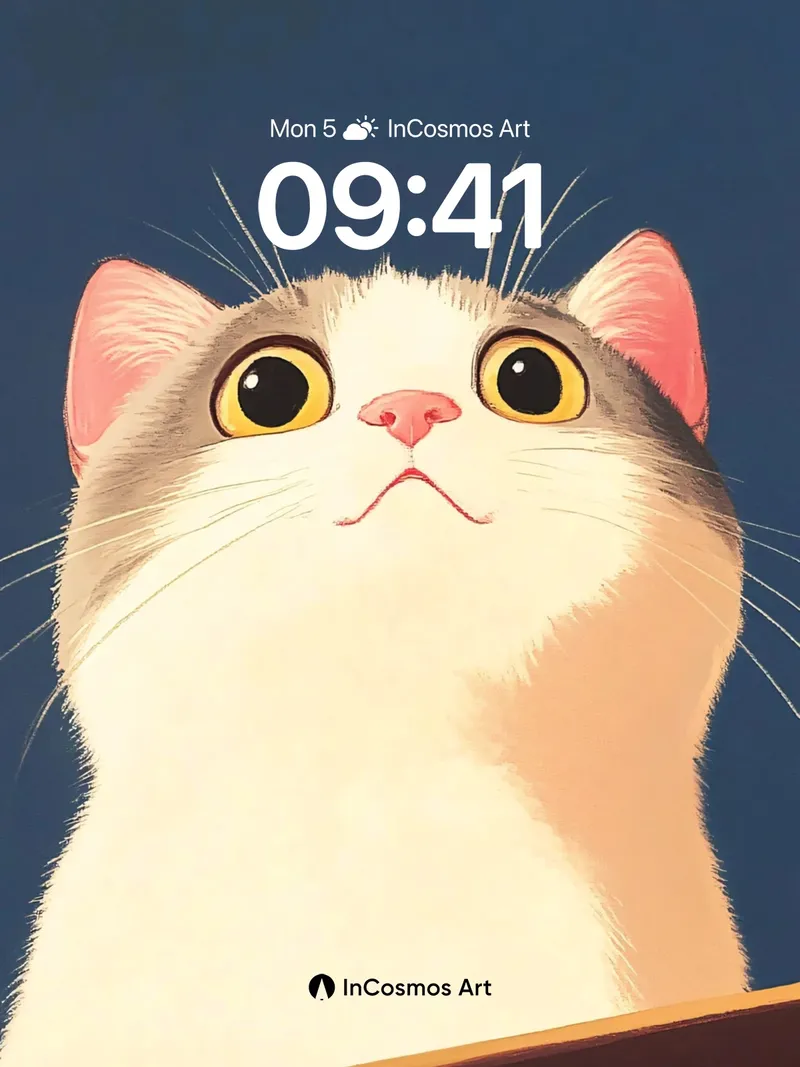
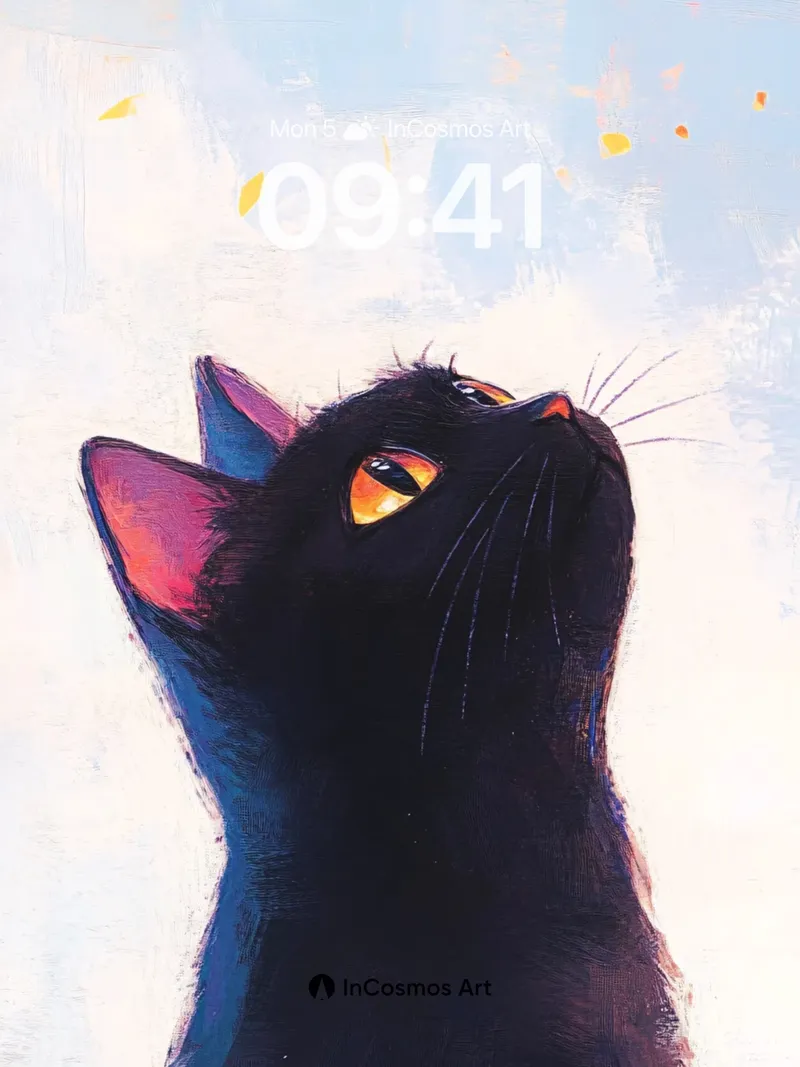
Under a clear blue sky, a black cat stands still among flowers, its gaze fixed straight ahead. Its eyes shine like amber, its silhouette simple yet profoundly present, as if time has paused. This scene is not accidental—it echoes a cultural memory, a visual language born from Eastern animation aesthetics, where minimal lines and bold colors create an emotional space beyond reality. Each cat acts as a mirror, reflecting humanity’s eternal questions about solitude, curiosity, and freedom. They do not speak, yet their eyes convey countless words; they do not move, yet their posture dominates the entire frame. This is more than animal depiction—it is psychological metaphor, a tangible expression of individual consciousness in modern society.
The Cat's Eyes: Modern Reinterpretation of Visual Symbols
A cat’s pupils shift dramatically under different light conditions, from round to narrow, mirroring human emotions. In these depictions, the eyes are enlarged to near-exaggerated proportions, creating a powerful sense of 'gaze.' This stare is not passive reception but active engagement, pulling viewers into a non-ordinary perceptual dimension. It reminds people that in an age of information overload, genuine connection often arises from a quiet look. The cat’s presence itself is resistance—against noise, against efficiency, against standardized rhythms of life.
The Legacy of Miyazaki: Coexistence of Nature and Fantasy
Though unnamed, these images clearly inherit the artistic style of a Japanese animation master. Cats in his works often serve as bridges between reality and magical realms. They are not pets but sages, guardians, embodiments of the subconscious. When a cat stands in a field of blooms, gazing upward, that moment transcends mere scenery—it becomes a spiritual ritual. Natural elements gain sentience; flowers become language, clouds become thoughts. This harmony between humans and nature reflects an ideal state many urban dwellers long for but rarely achieve.
Mimetic Emotion in the Digital Age
Today, such imagery spreads widely across social media and digital interfaces, becoming a new form of emotional conduit. People no longer merely admire cats’ cuteness—they seek resonance through them. Black cats symbolize mystery and introspection, white cats purity and innocence, orange-and-white ones warmth and intimacy. Behind each color scheme lies psychological implication, forming an invisible system of emotional coding. The choice of which cat to engage with reveals one’s current inner state. This is silent self-expression, a process of collective identity formation.
Empathy Beyond Species
Cats resonate across cultures because they share fundamental life experiences: alertness, independence, sensitivity. They belong neither fully to wild nor complete domestication, existing in ambiguity. This uncertainty gives them unique charm. Humans see reflections of themselves in cats—the soul unwilling to be defined or confined. Thus, every gaze becomes a dialogue of spirits.