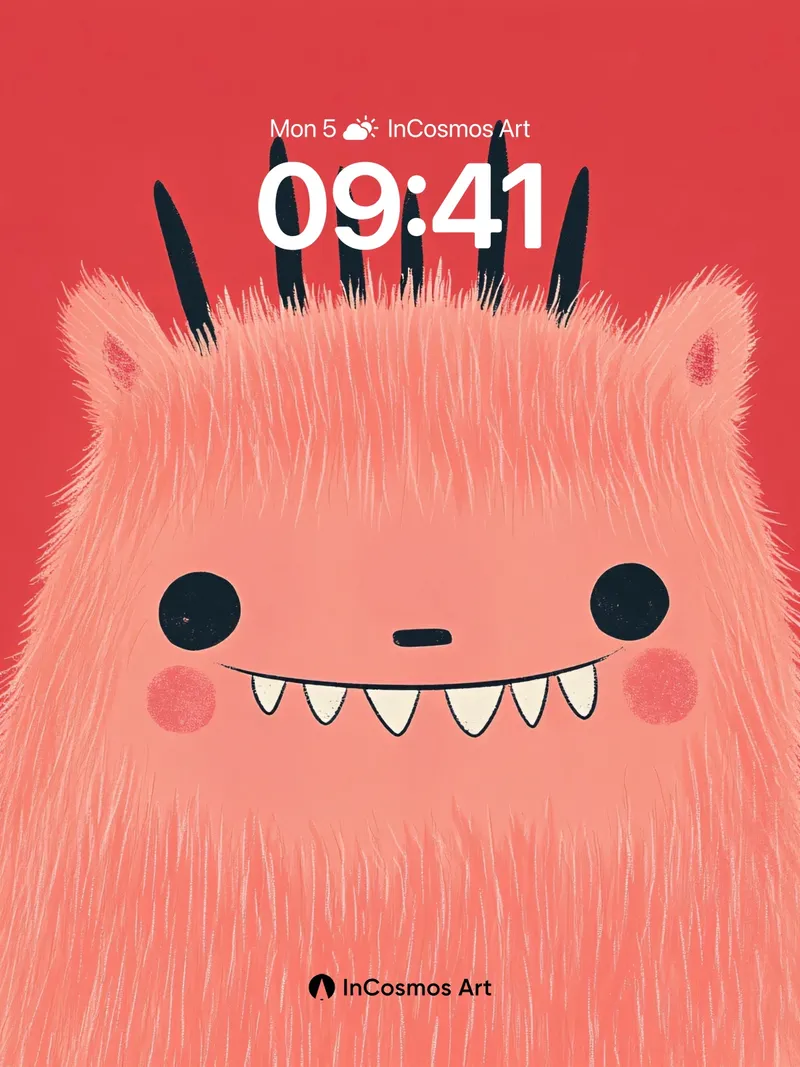
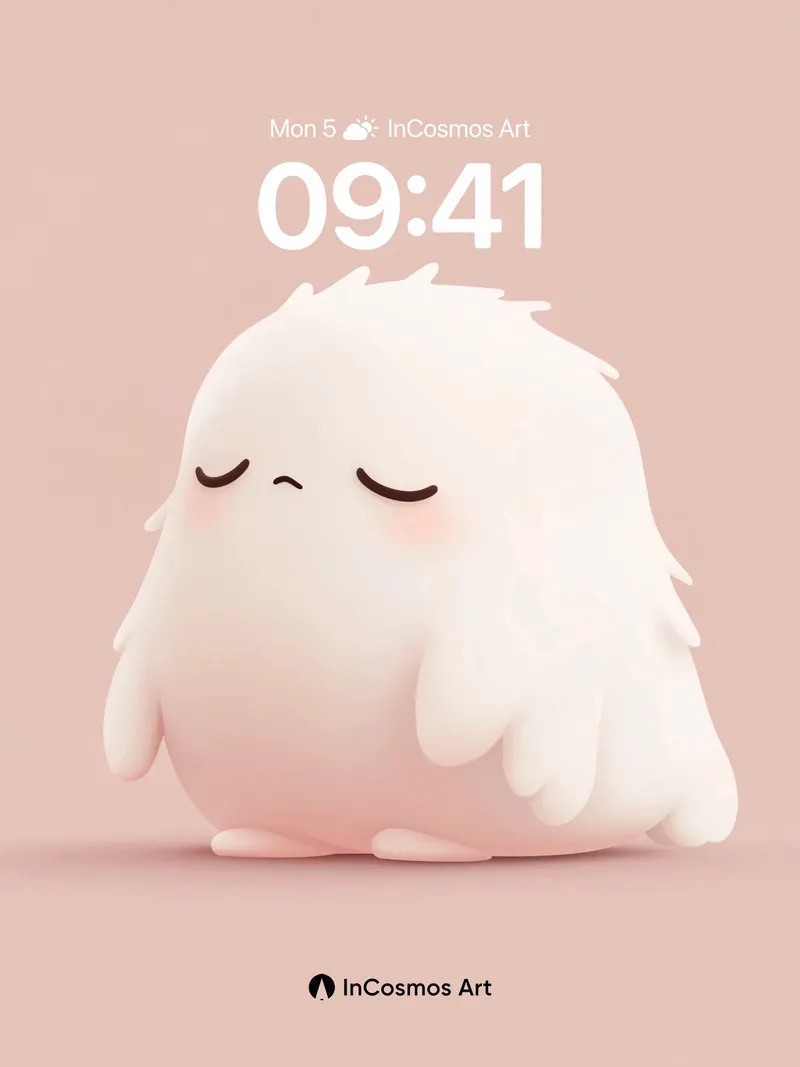
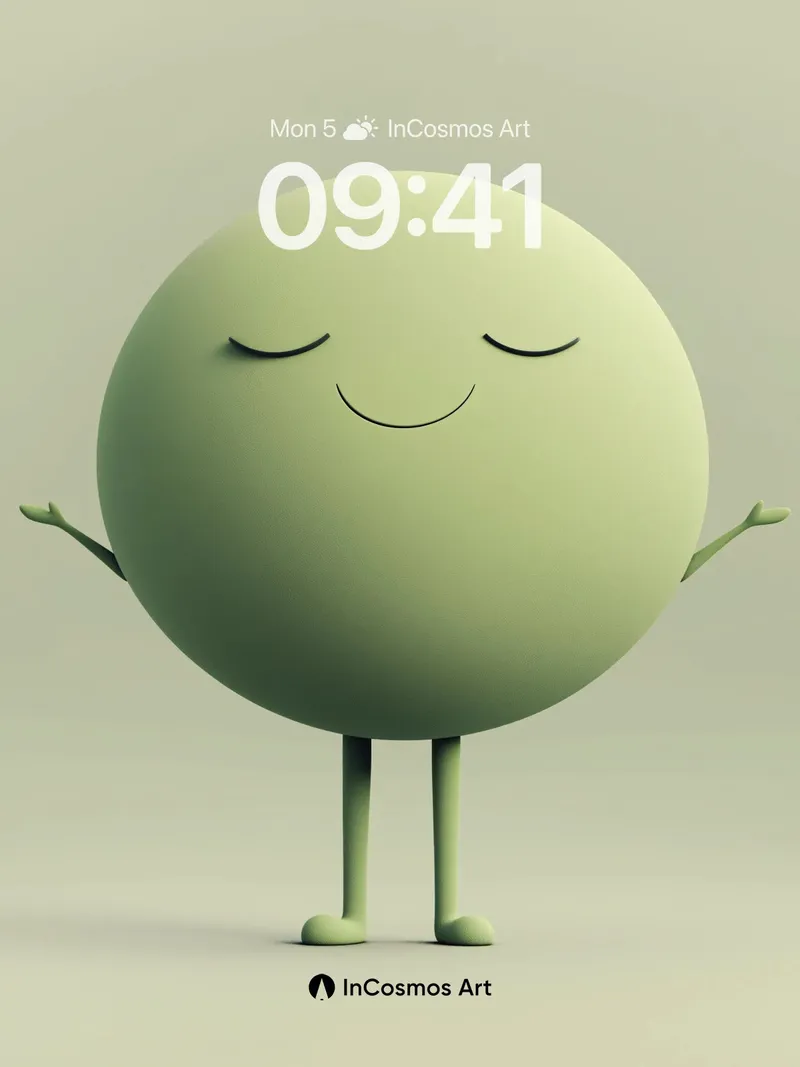
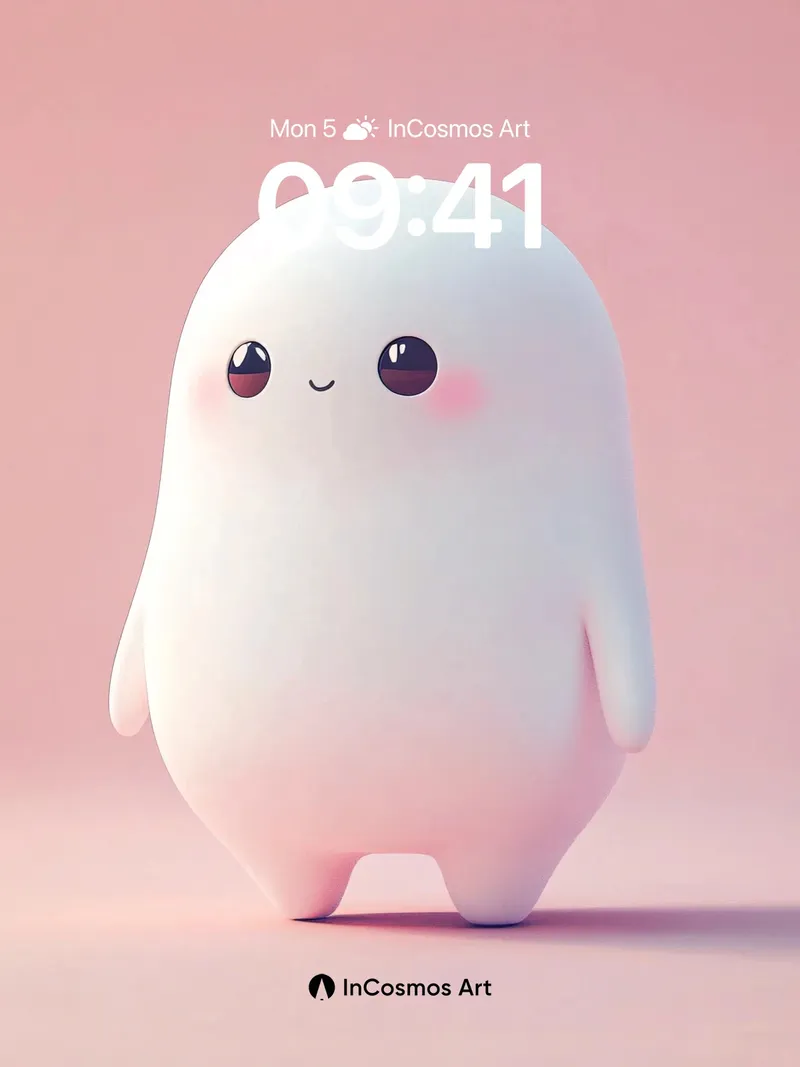
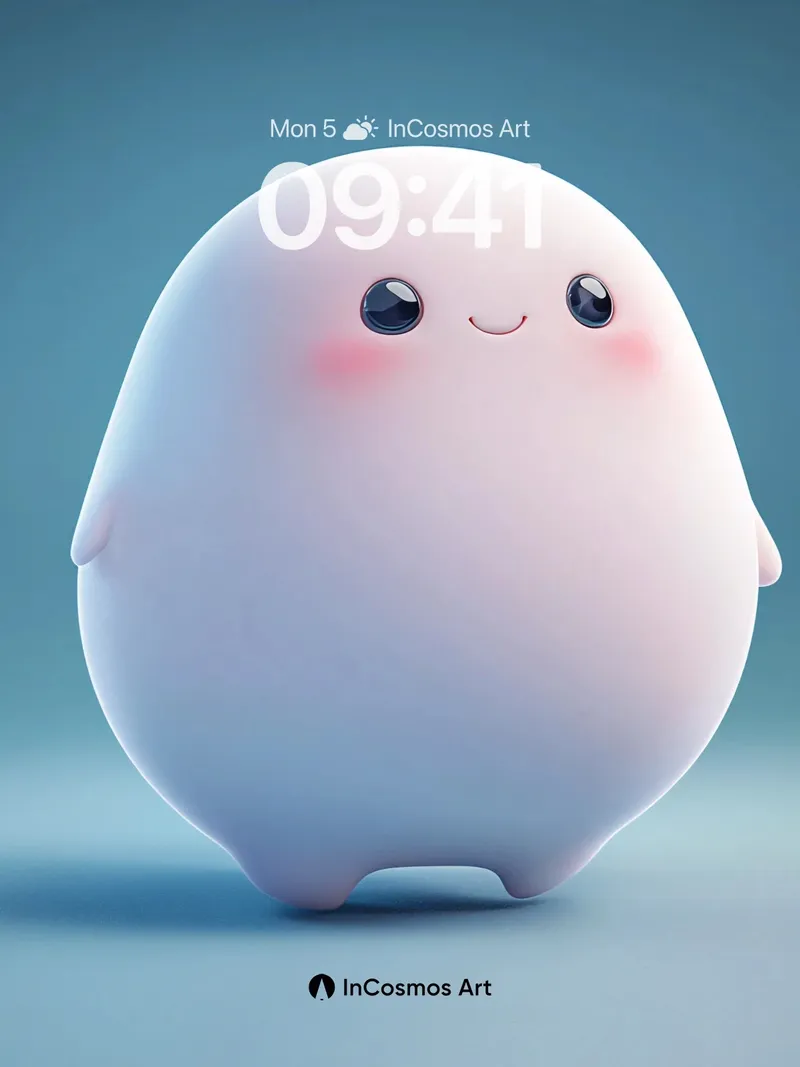
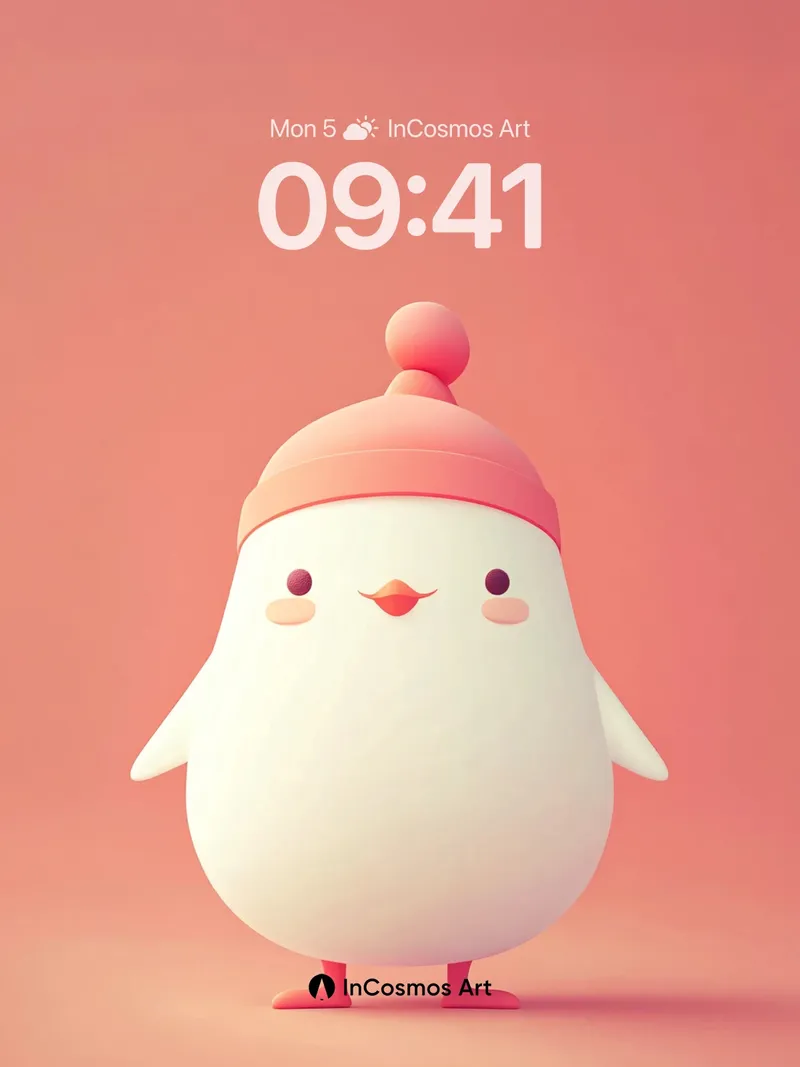
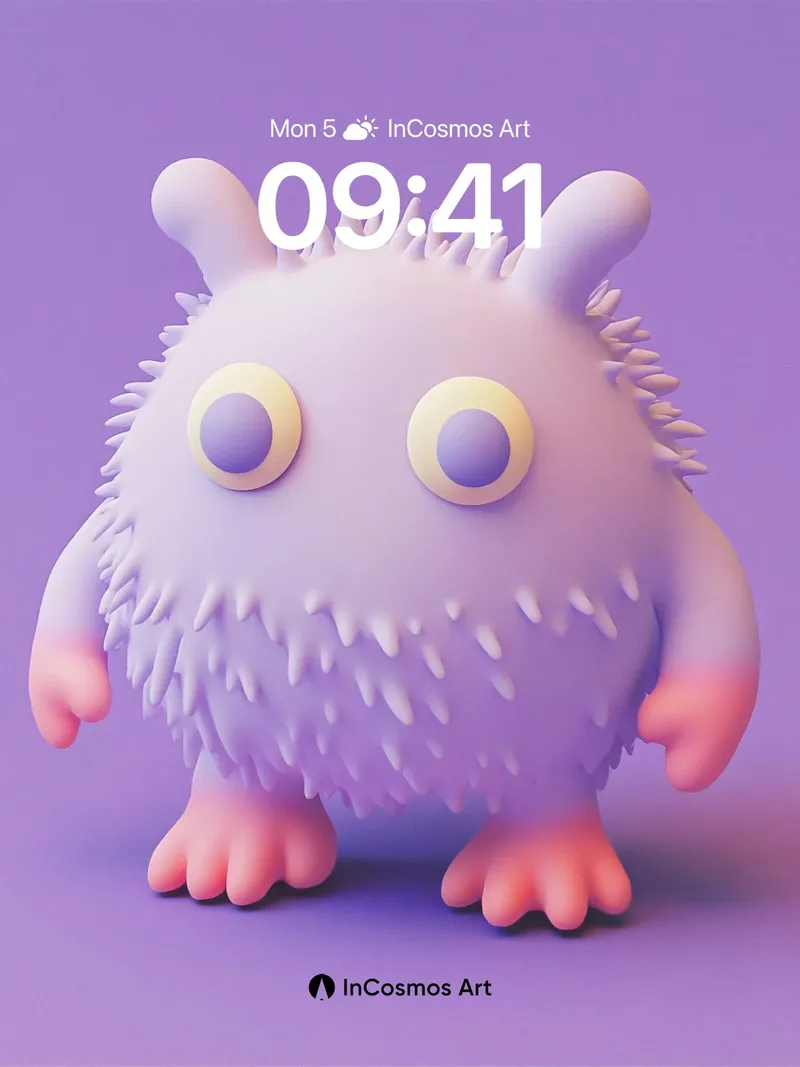
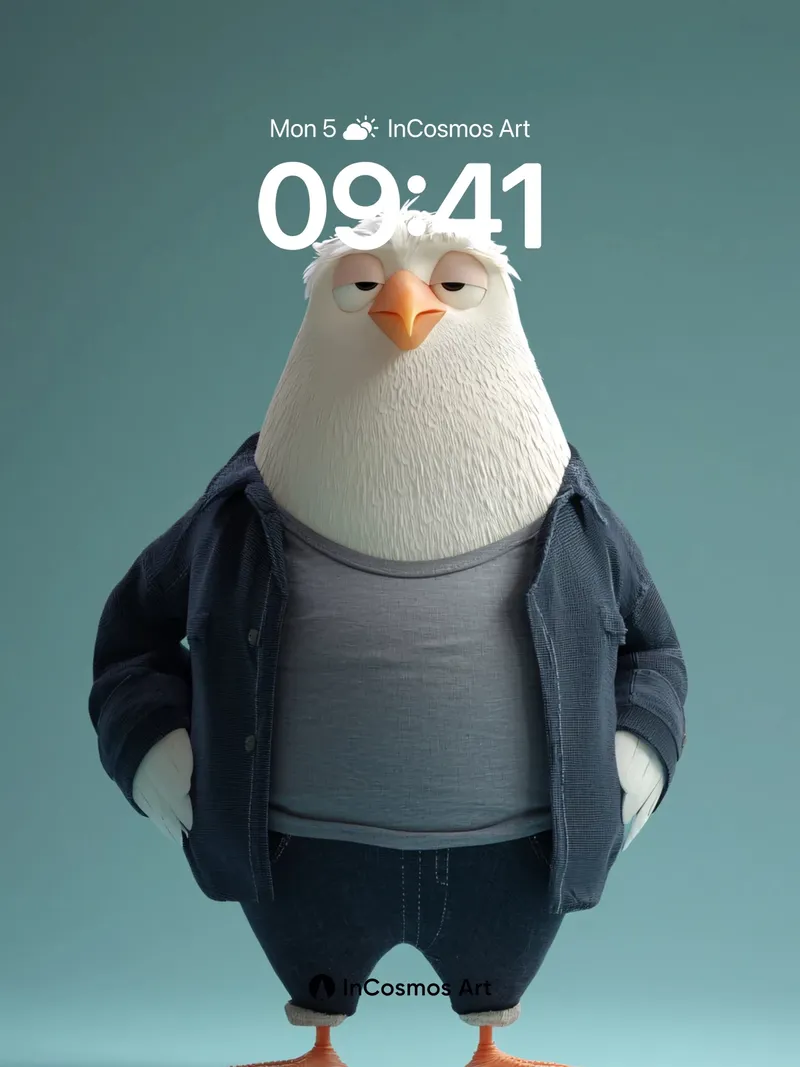
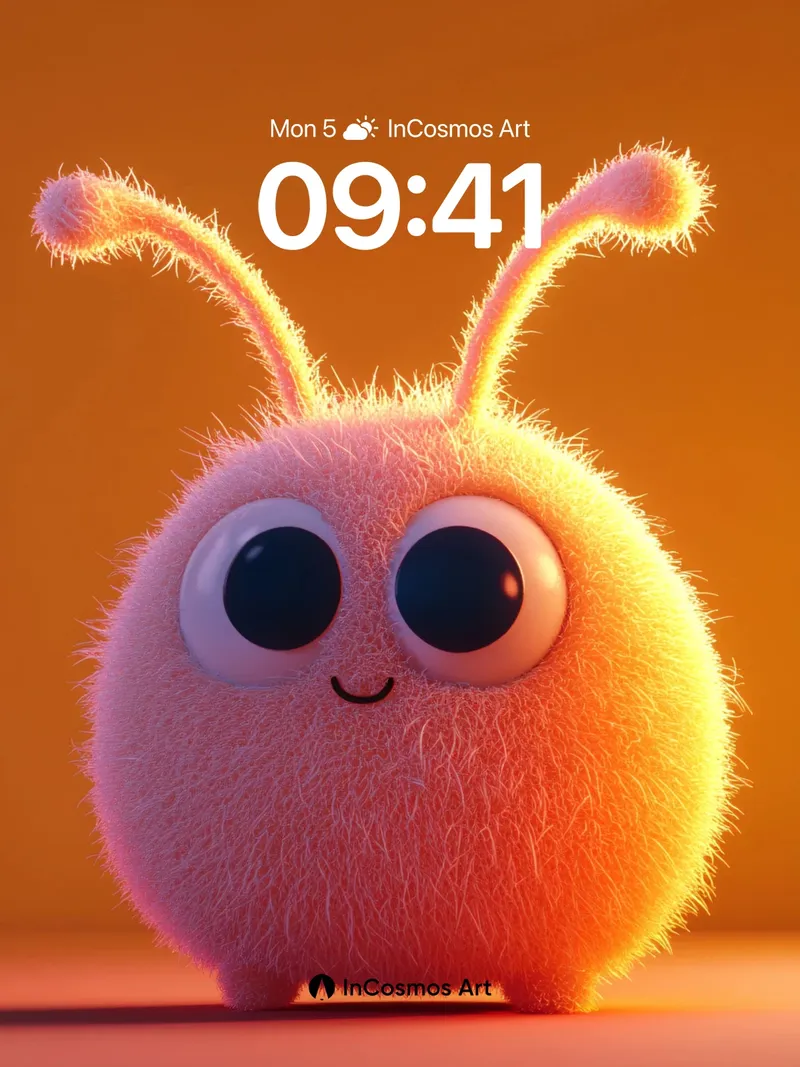
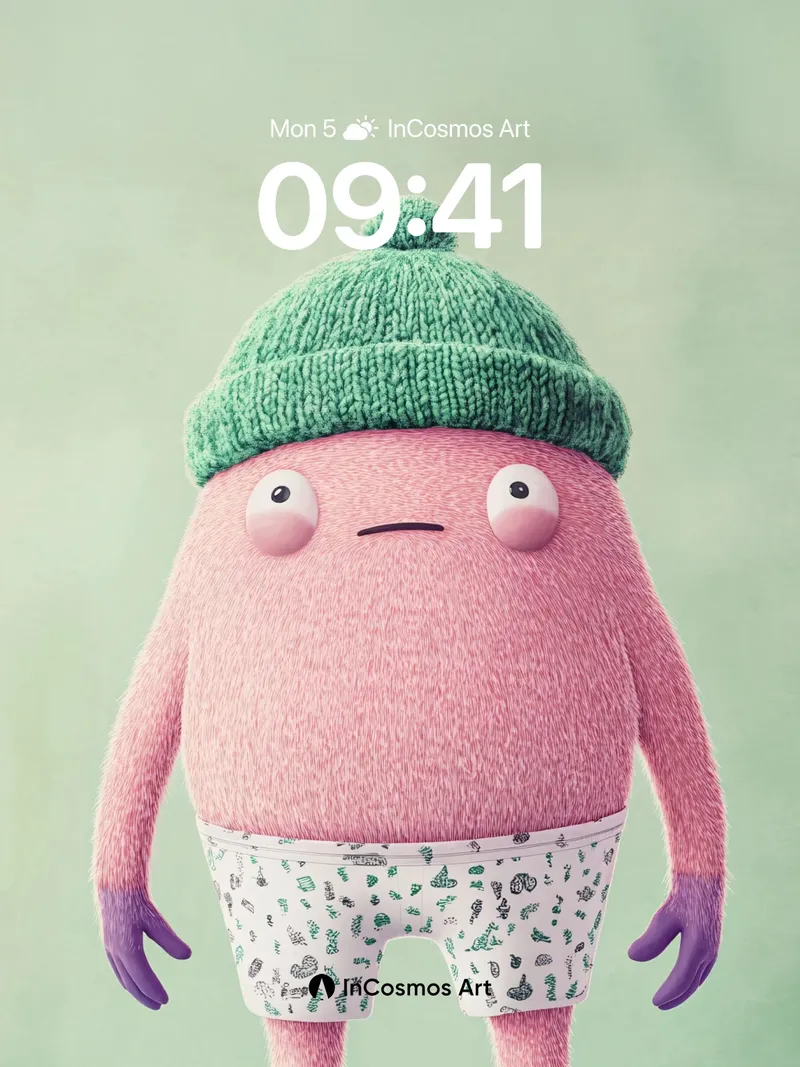
In contemporary digital culture, fuzzy characters have emerged as new mediators of emotional connection. Through exaggerated features, soft textures, and minimalistic gestures, they create a space of empathy that transcends language. These figures do not merely imitate biological forms but use materiality and proportional distortion to trigger responses rooted in childhood memories and unconscious emotions. Their very existence is ironic—using infantile forms to carry the absurdity and solitude of adult life.
The Tactile Politics of Fuzz
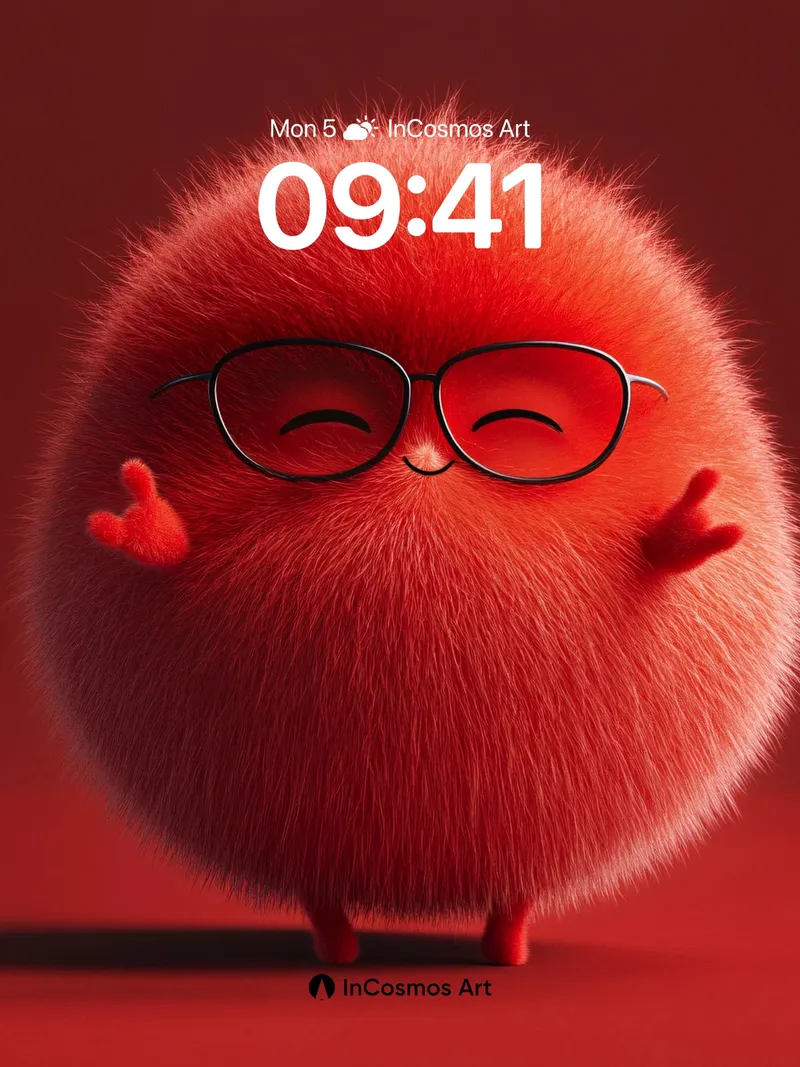
The fine texture of fuzzy surfaces evokes humanity's primal longing for safety and intimacy. This material choice is deliberate, directly linked to tactile experiences from infancy. When vision is reduced to oversized eyes and tiny mouths, physical weight diminishes, replaced by psychological lightness and malleability. This design strategy suggests a new social contract: relationships can form without words, through form alone.
The Game of Anthropomorphic Boundaries
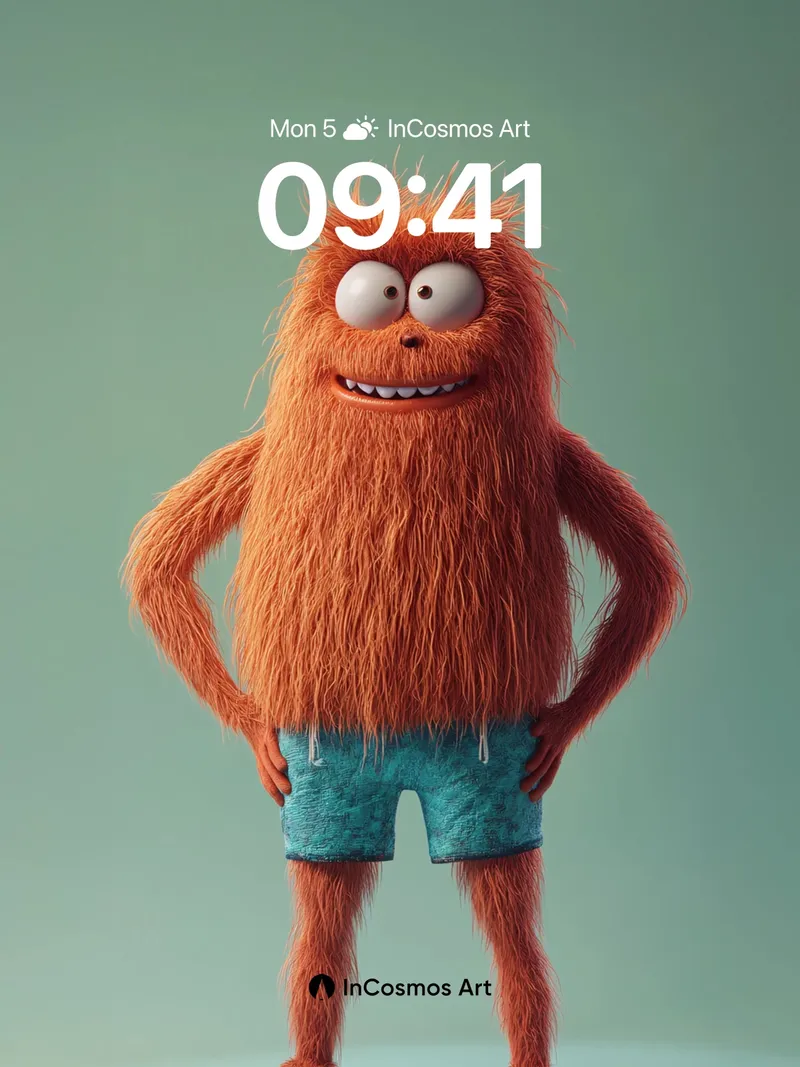
Characters wear human clothing yet retain non-human proportions and movement logic. The pink being under a green knit hat wears underwear patterned with vegetables; the orange furry creature sports slippers; the white bird dons a jacket. This mismatch between attire and form creates cognitive dissonance, generating humor. They are neither animal nor human, but 'others' occupying a liminal space—metaphors for modern identity anxiety.
Emotional Coding in Light and Color
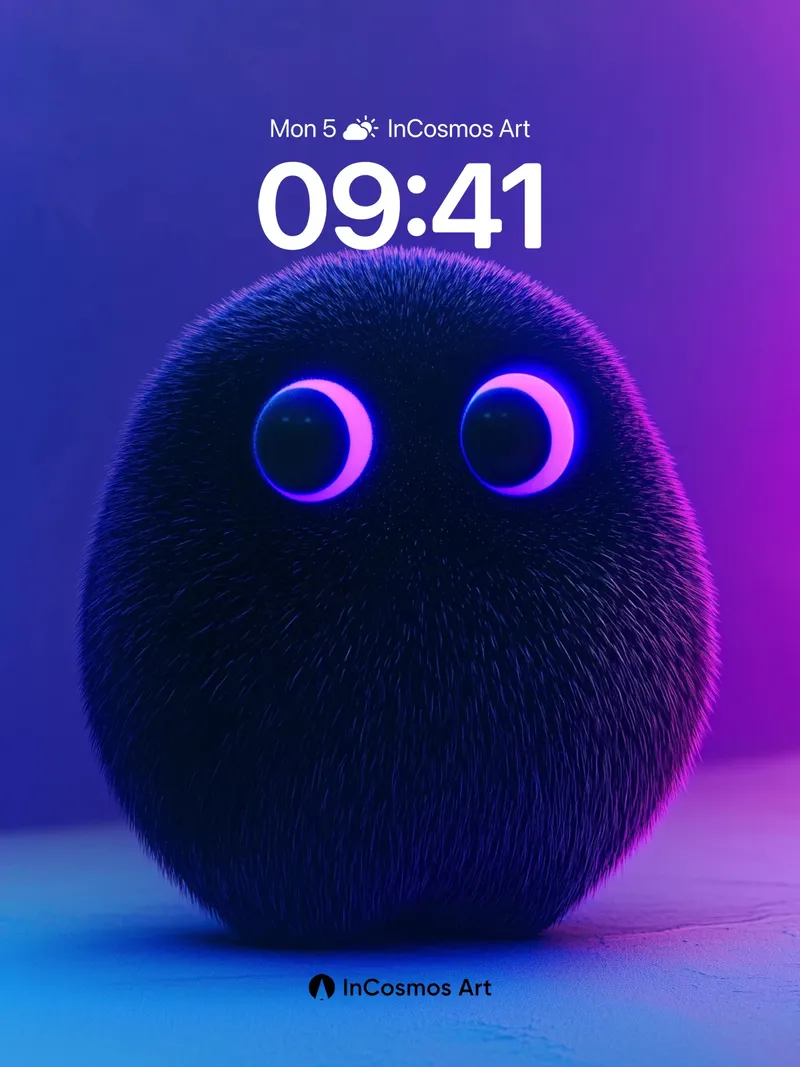
Background hues and lighting actively shape mood. Warm orange light renders the pink ant-like figure cozy and affectionate; cool blue-purple light makes the black spherical character’s glowing eyes feel distant and mysterious. Color ceases to be decoration—it becomes an emotional conduit. Lighting angles and shadow distribution further amplify psychological states, lending static presence dynamic narrative potential.
Humor as Resistance Mechanism
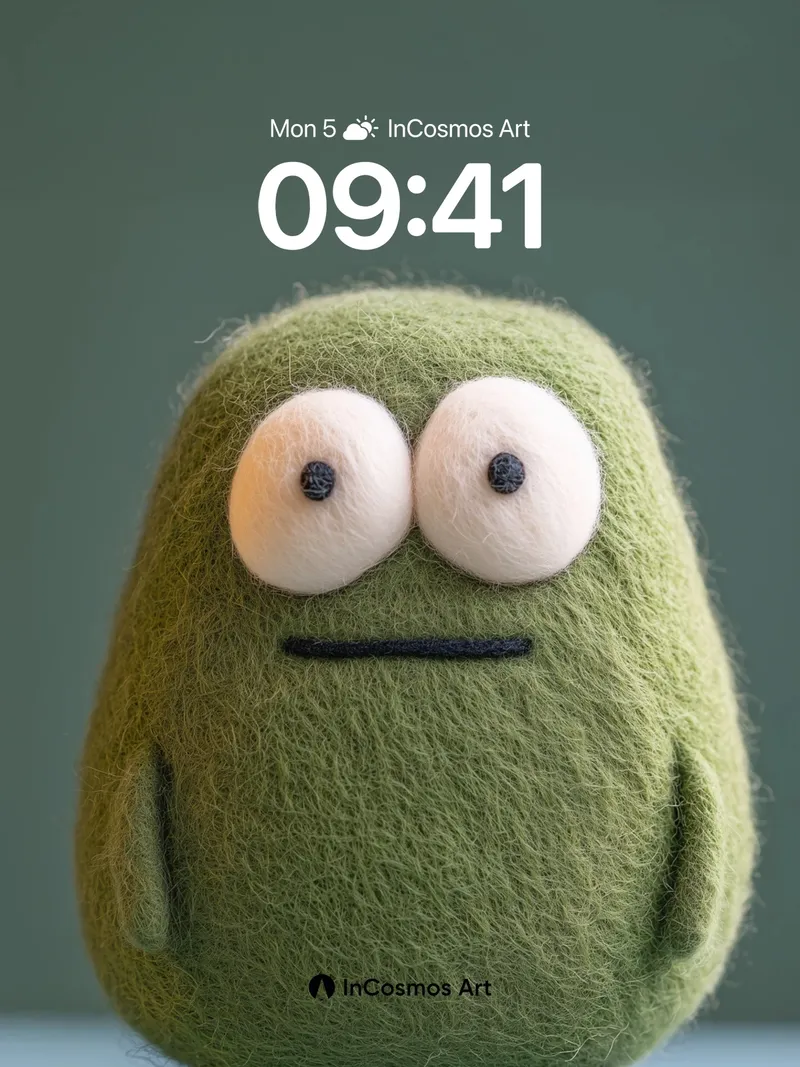
These characters consistently employ neutral or slightly ironic facial expressions. The green egg-shaped figure’s straight mouth, the white bird’s weary gaze, the black sphere’s vacant stare—all convey detachment from mundane burdens. This humor is not slapstick but a satirical dissolution of real-world stress. With adorable bodies, they function as emotional buffers in society.