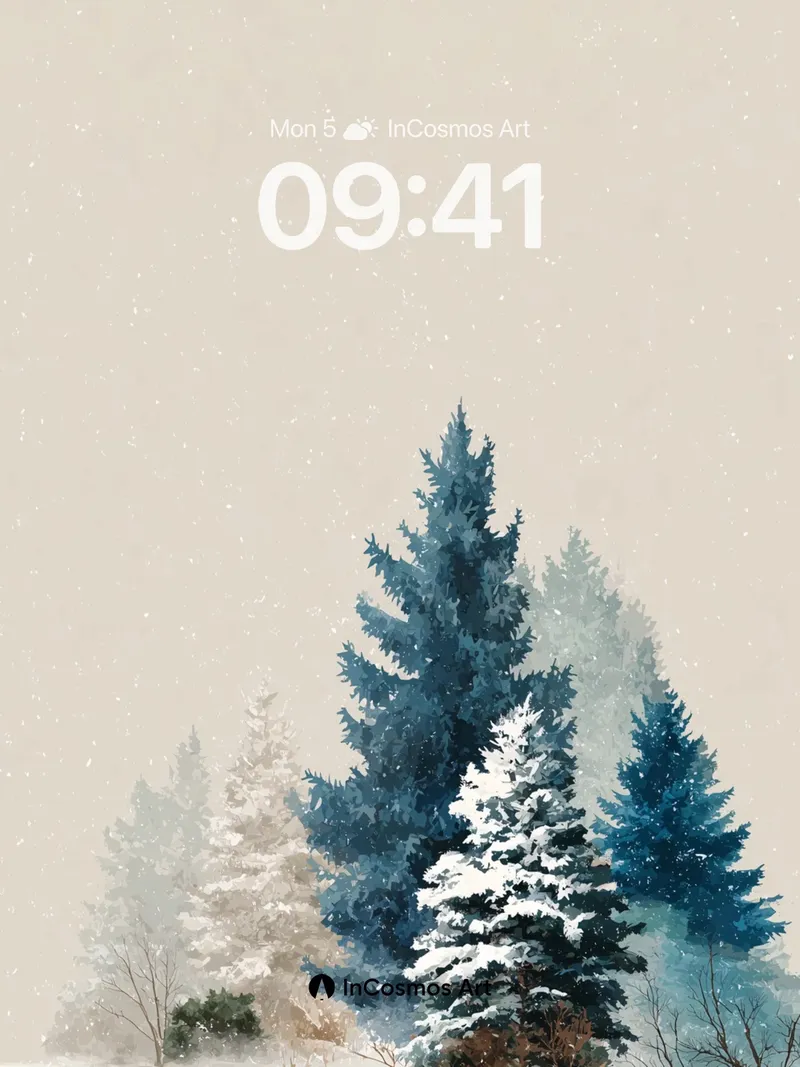
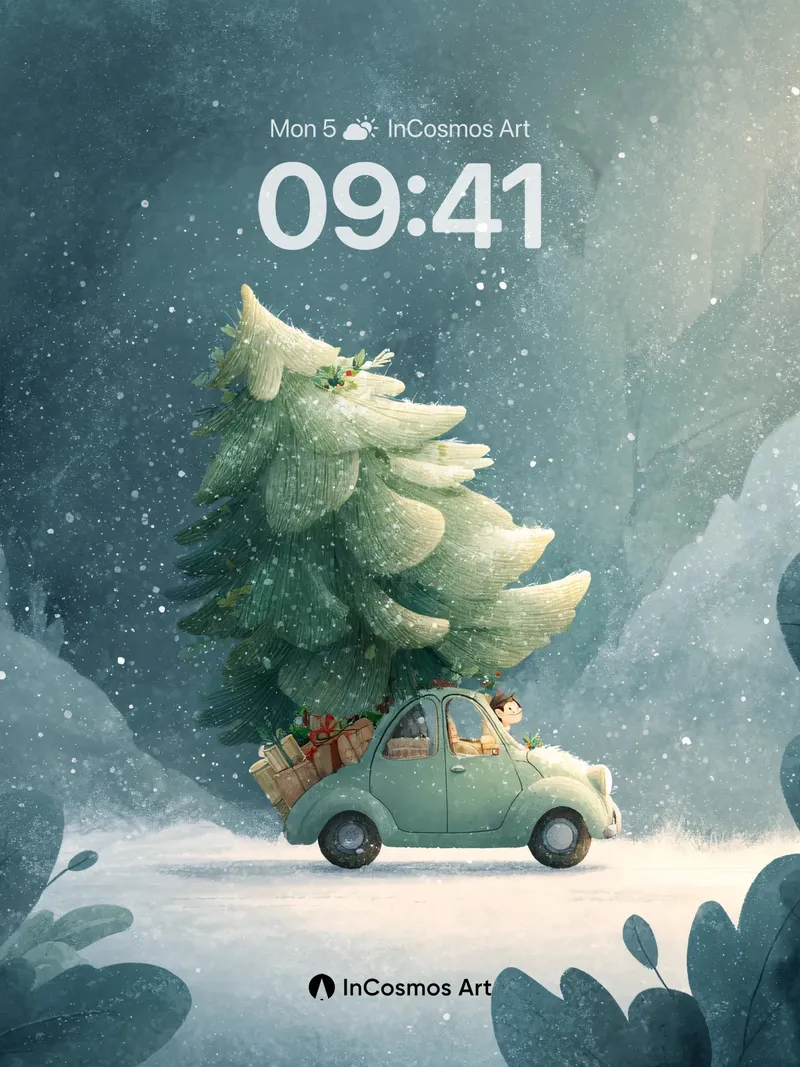
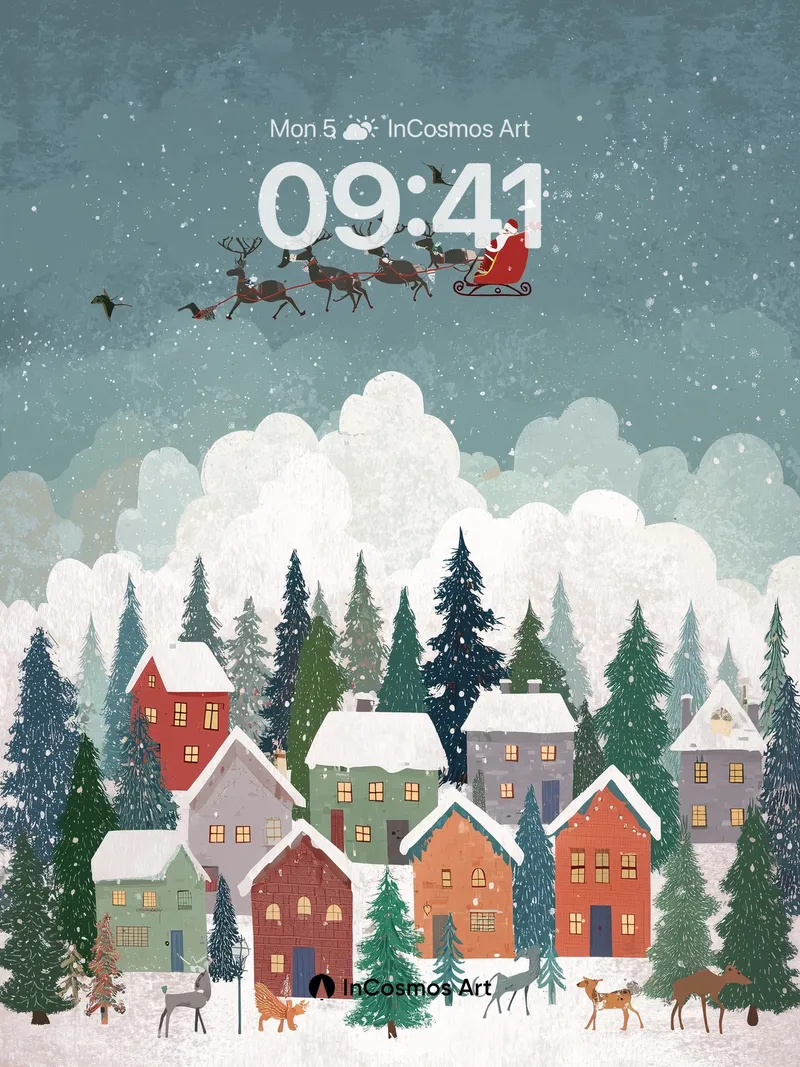
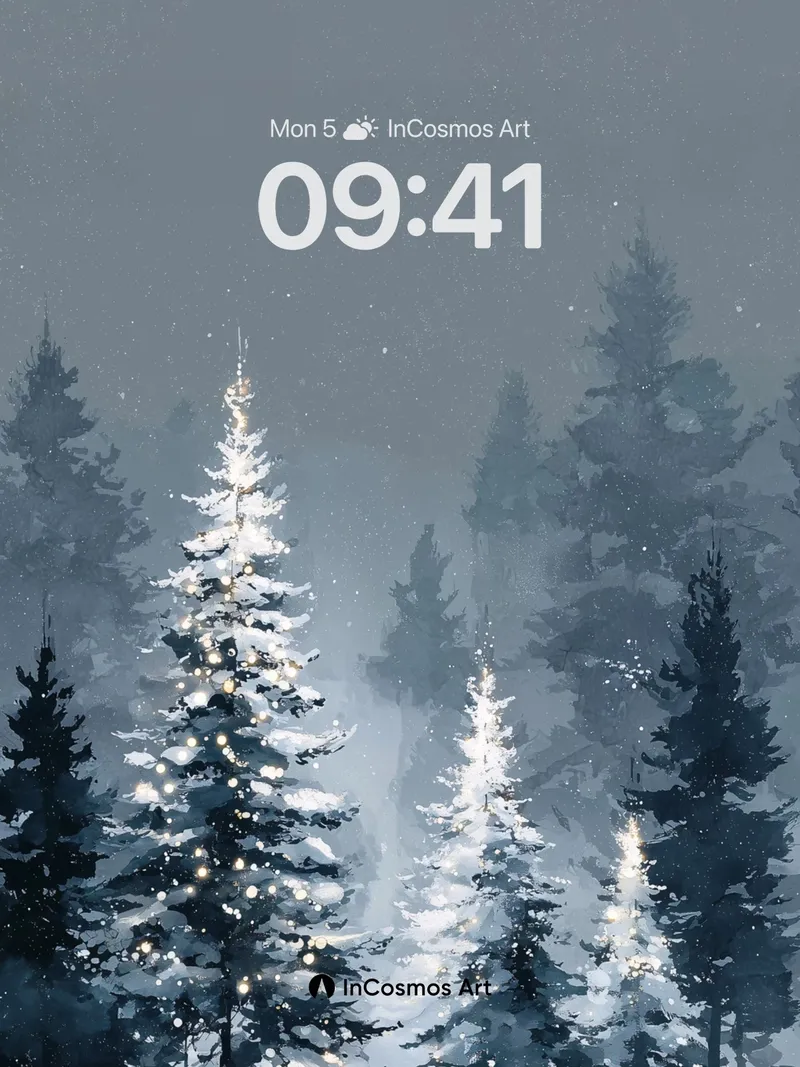
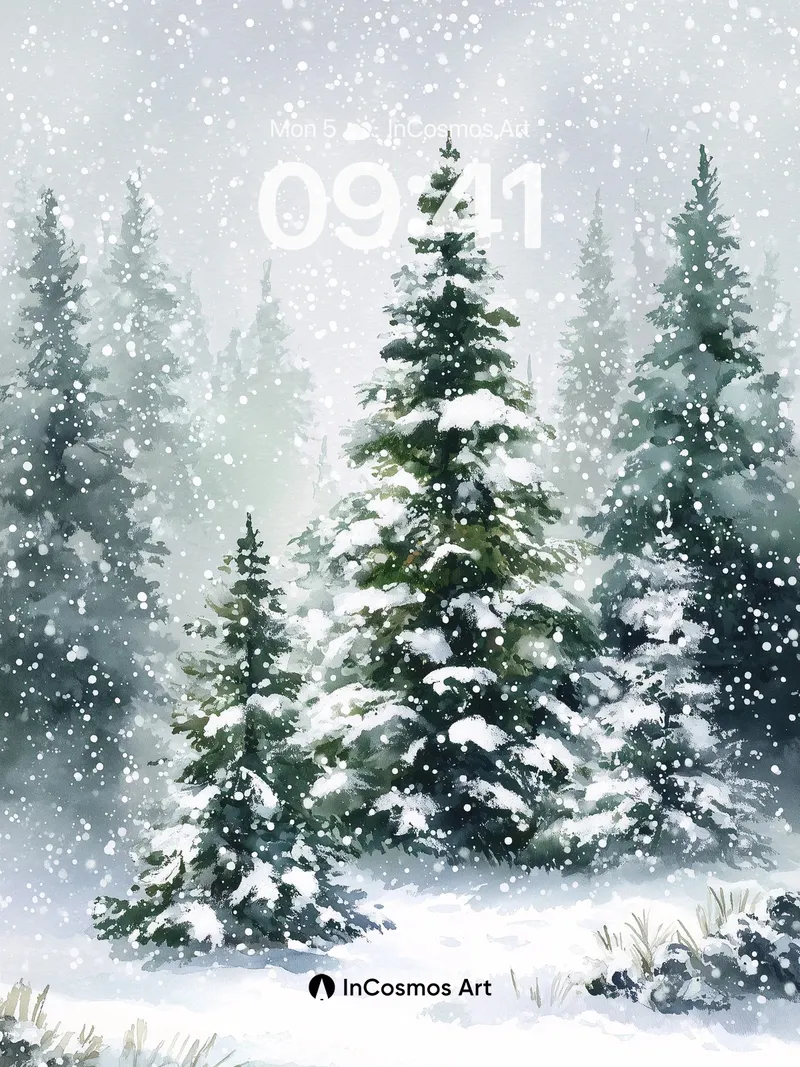
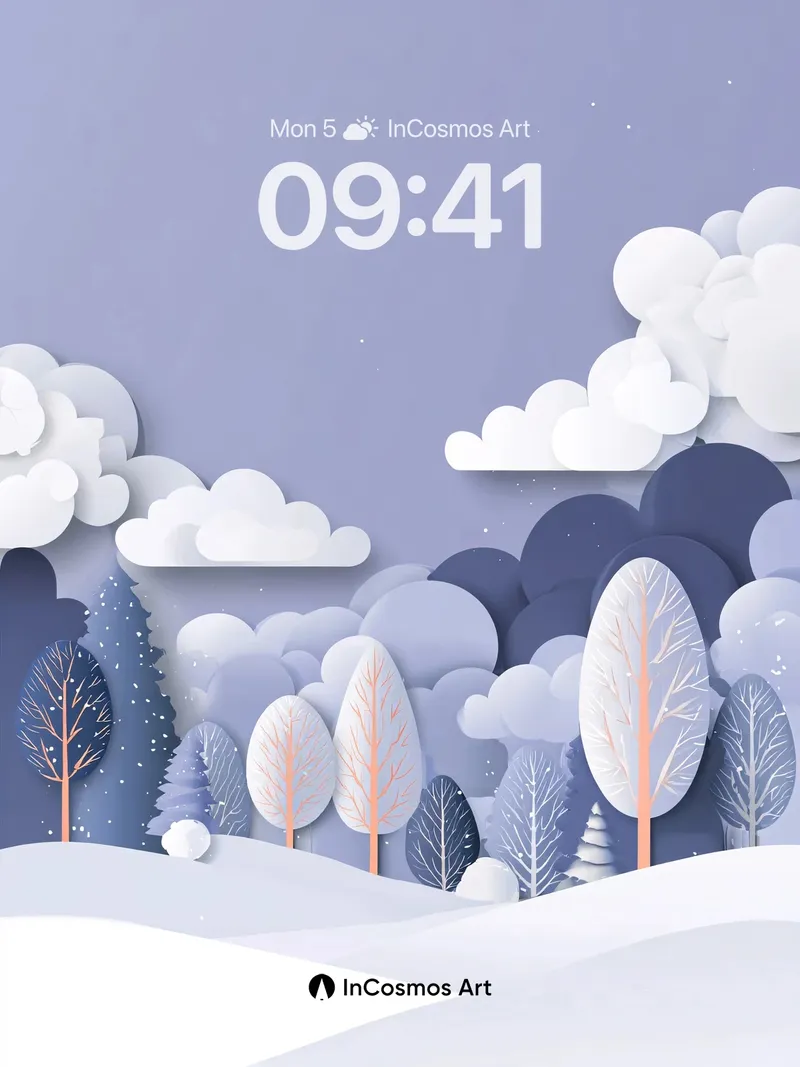
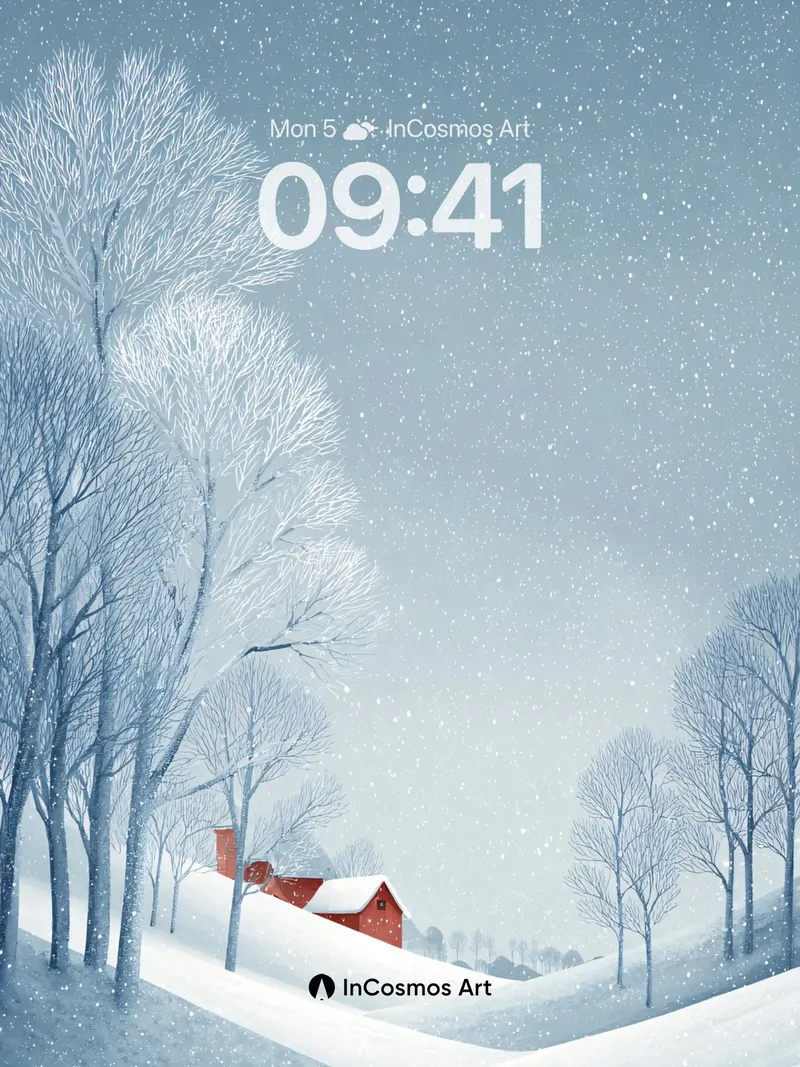
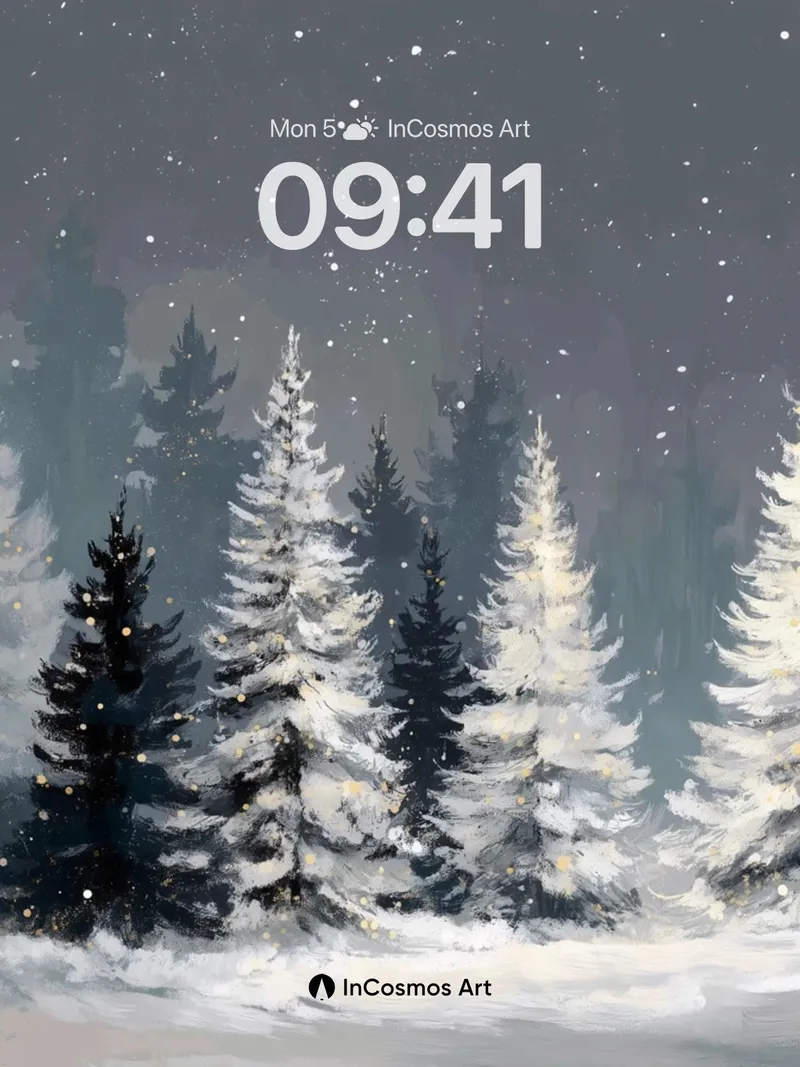
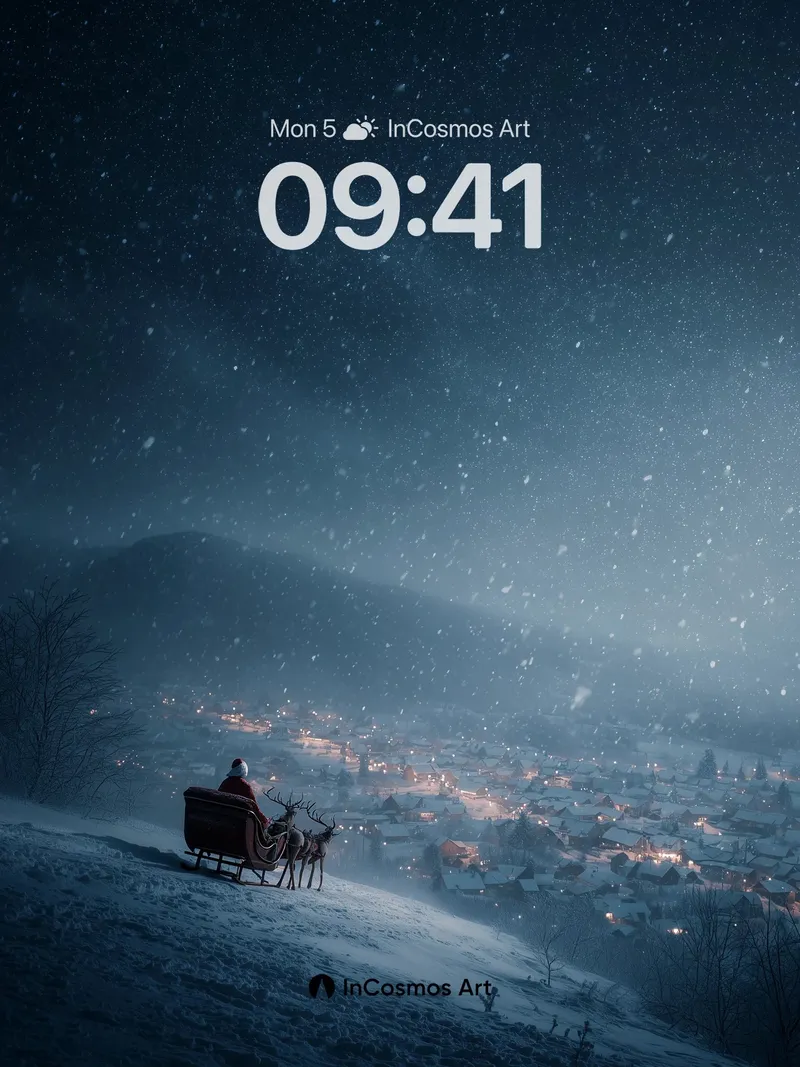
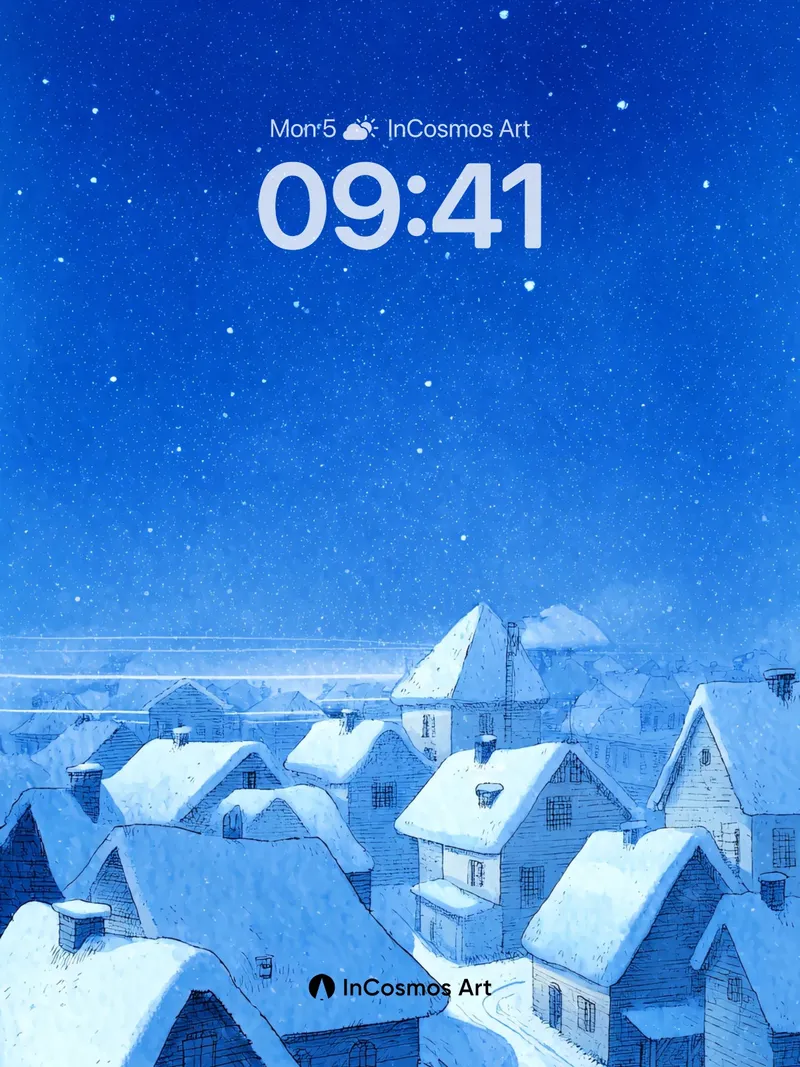
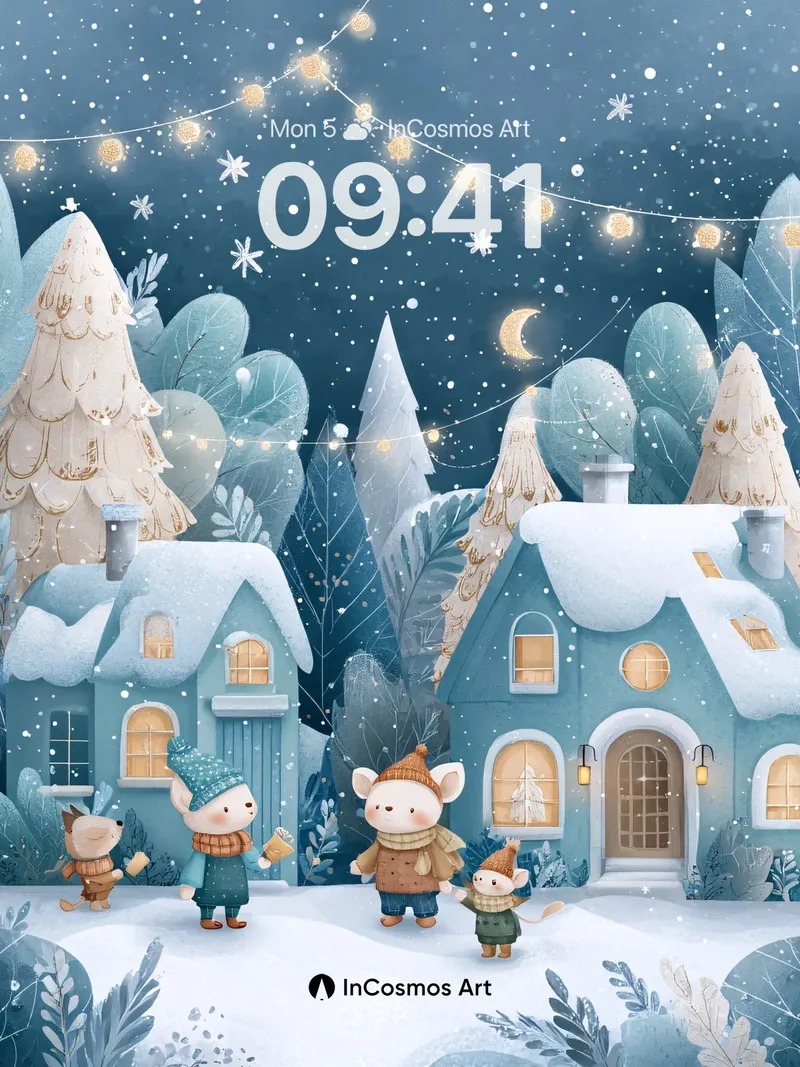
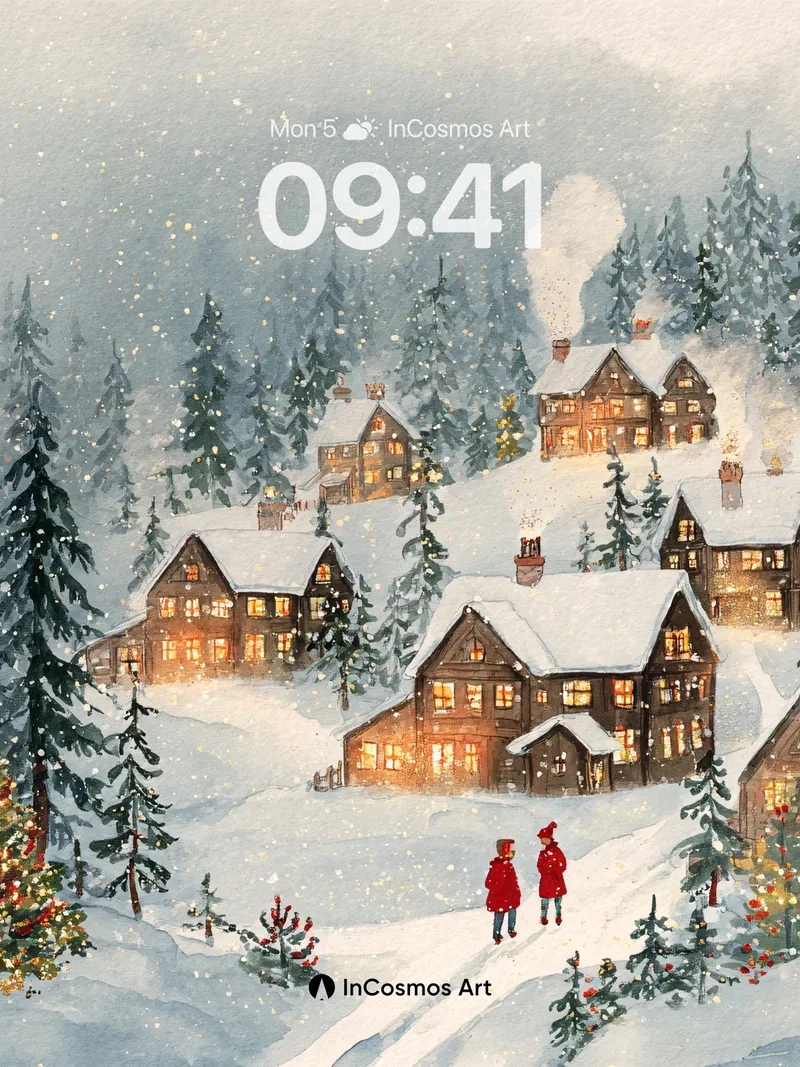
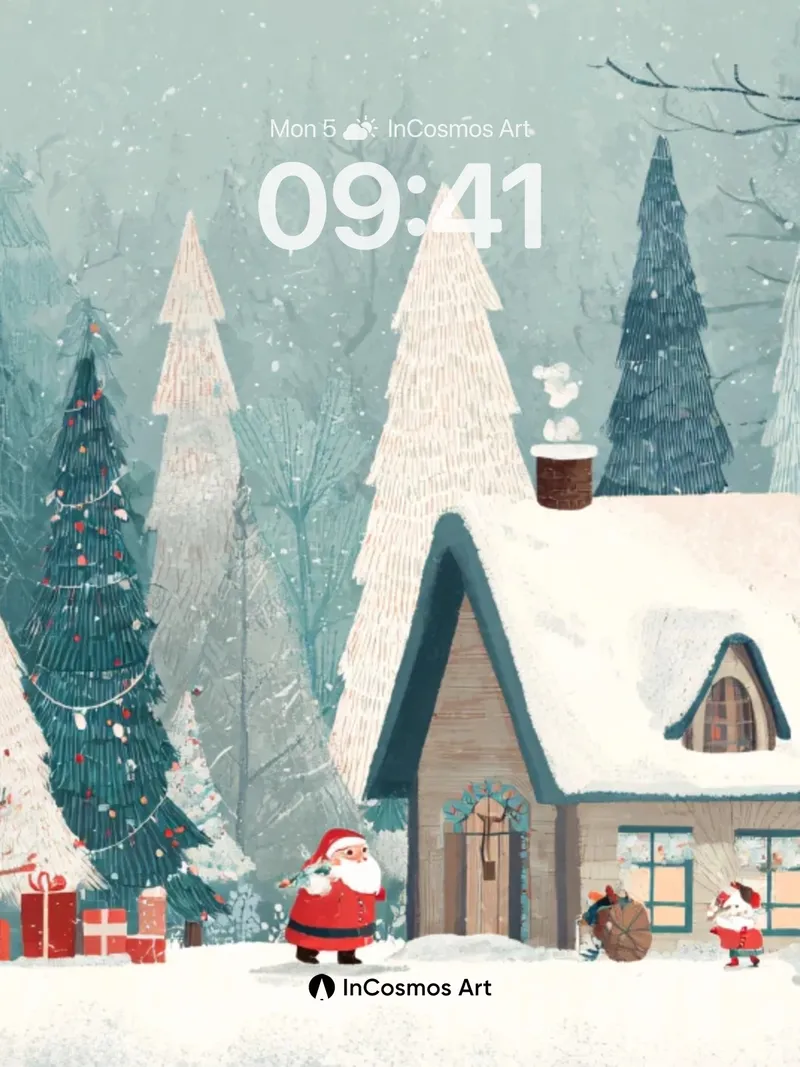
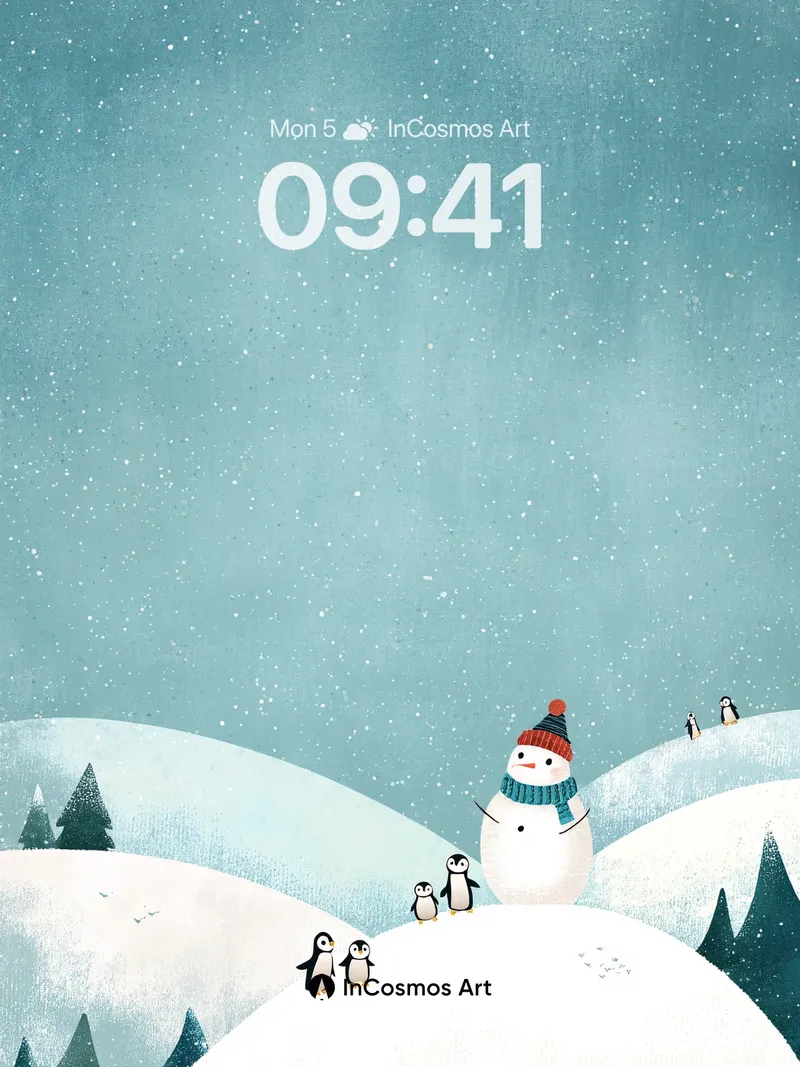
Snowflakes descend silently, blanketing hills and rooftops, encasing the world in a pure expanse of gray-white. In such moments, time seems suspended, daily noise receding into distance. Figures move through snow, small in scale, yet rendered distinctly warm by red cloaks, glowing windows, or silhouettes of reindeer. These scenes are not mere depictions of nature but reflections of human perception and response to seasonal change—a deeply rooted emotional ritual. Winter’s cold is physical reality, yet the warmth and anticipation that follow stem from culturally constructed symbolic systems. Santa Claus riding reindeer over villages, snowmen standing atop hills, penguins gathering in groups—these elements form a cross-cultural festive narrative, belonging equally to fairy tales and emotional projections.
The Aesthetics of Winter Silence
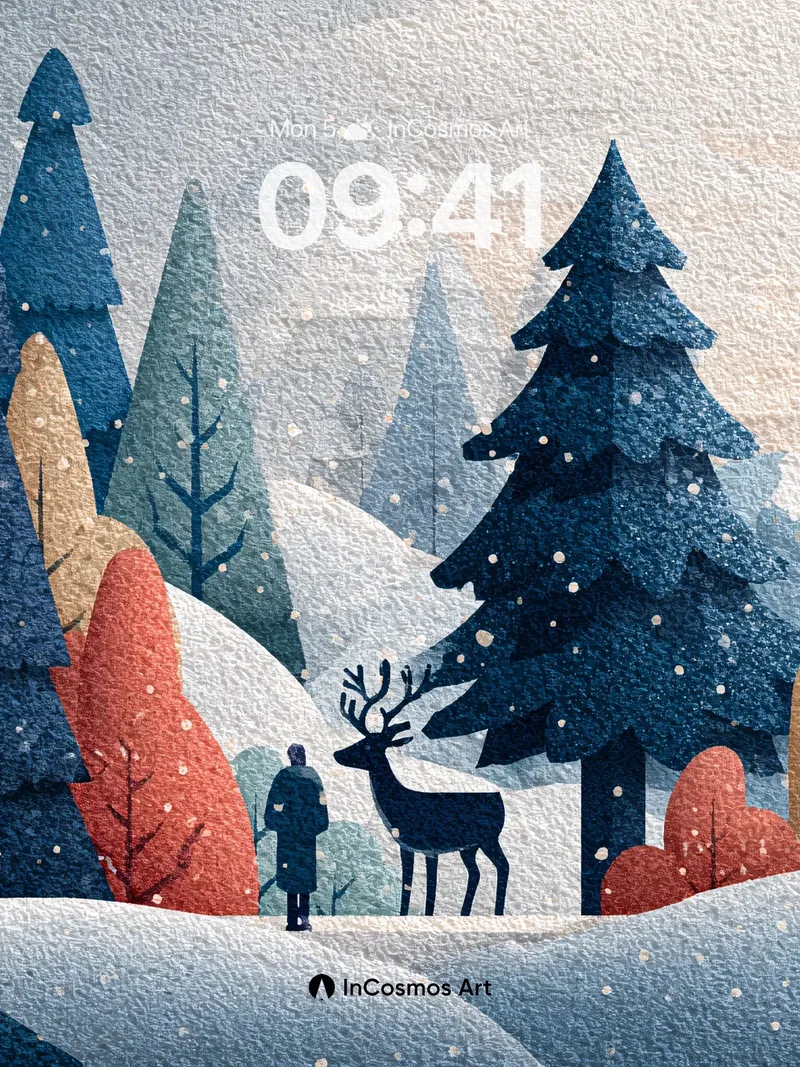
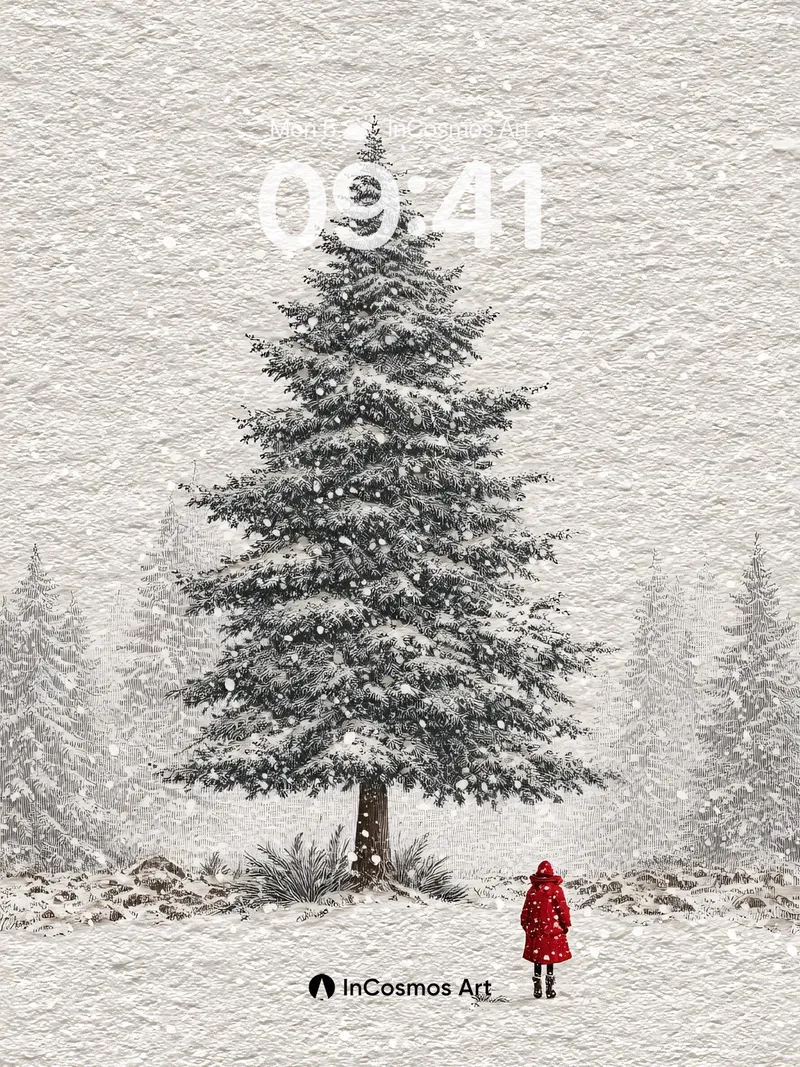
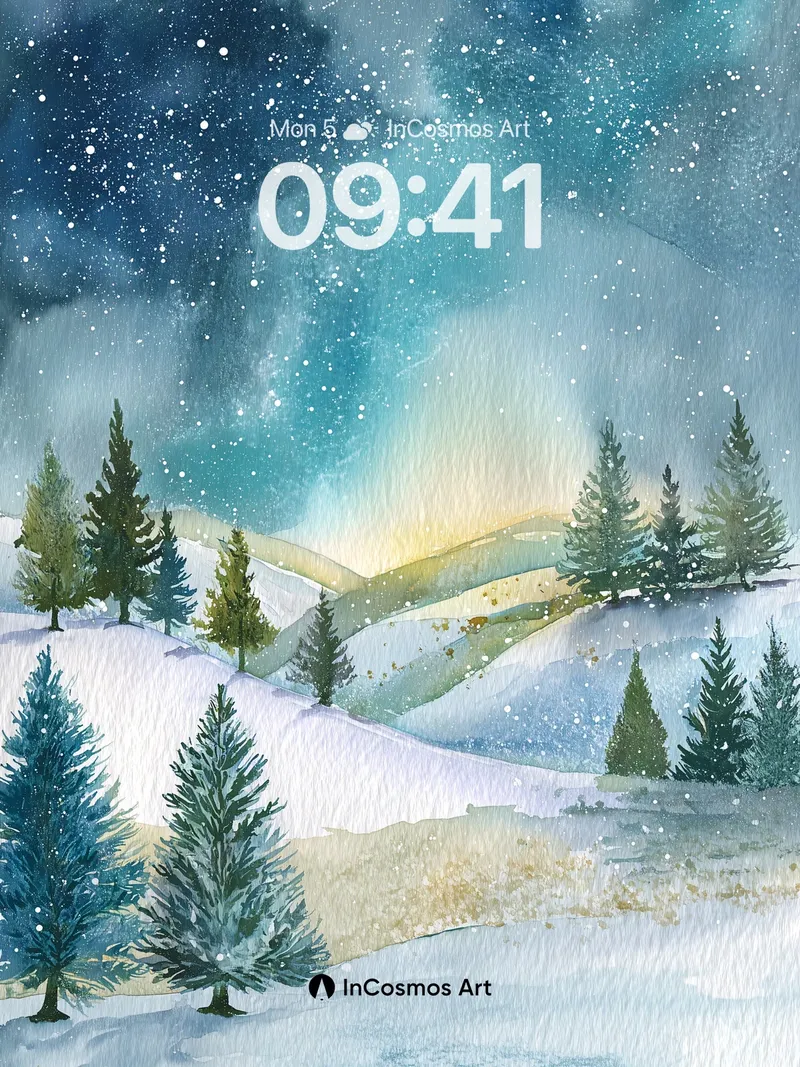
The fall of snow is a slow covering act, erasing differences, unifying forms. Forests, roads, houses emerge with softened edges in snow, visual boundaries blurred. This ambiguity fosters psychological stillness, encouraging slower movement. Pine trees draped in silver, branches drooping, resemble natural sentinels. A figure in a red cloak leaves faint footprints in the snow, color the only disruption of monotony. This contrast is not merely visual but emotional—individual presence in vast nature affirmed through vivid attire.
Collective Memory of Festival Symbols
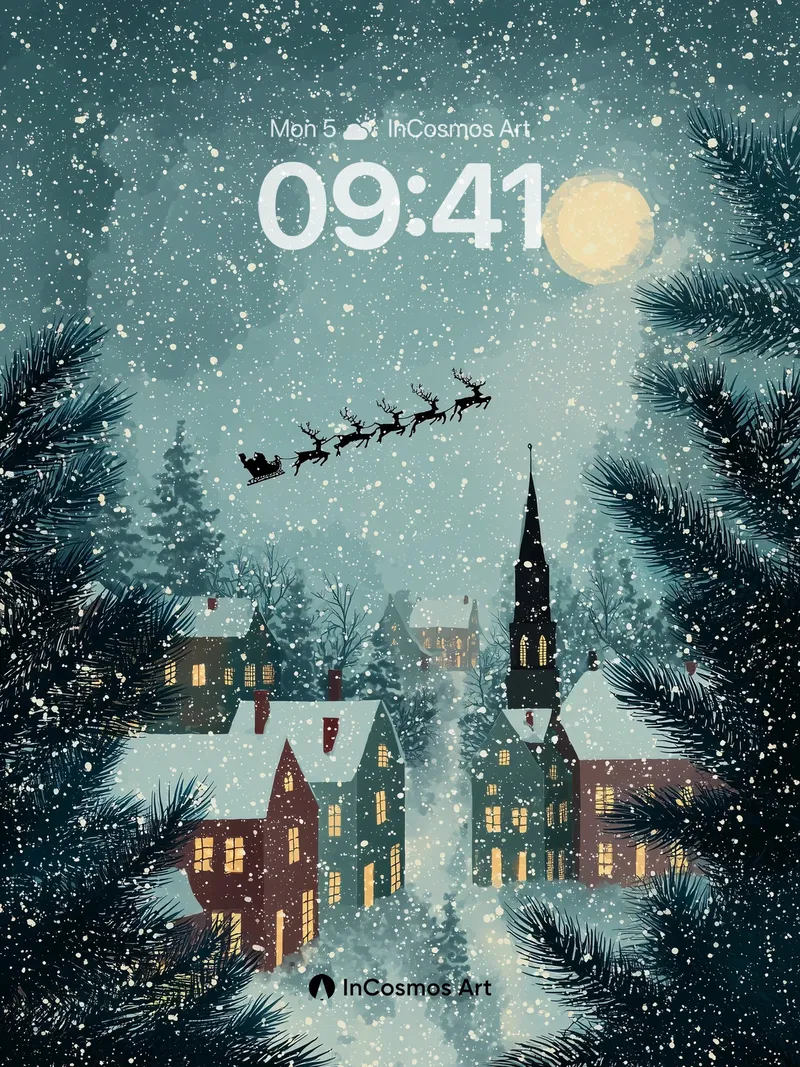
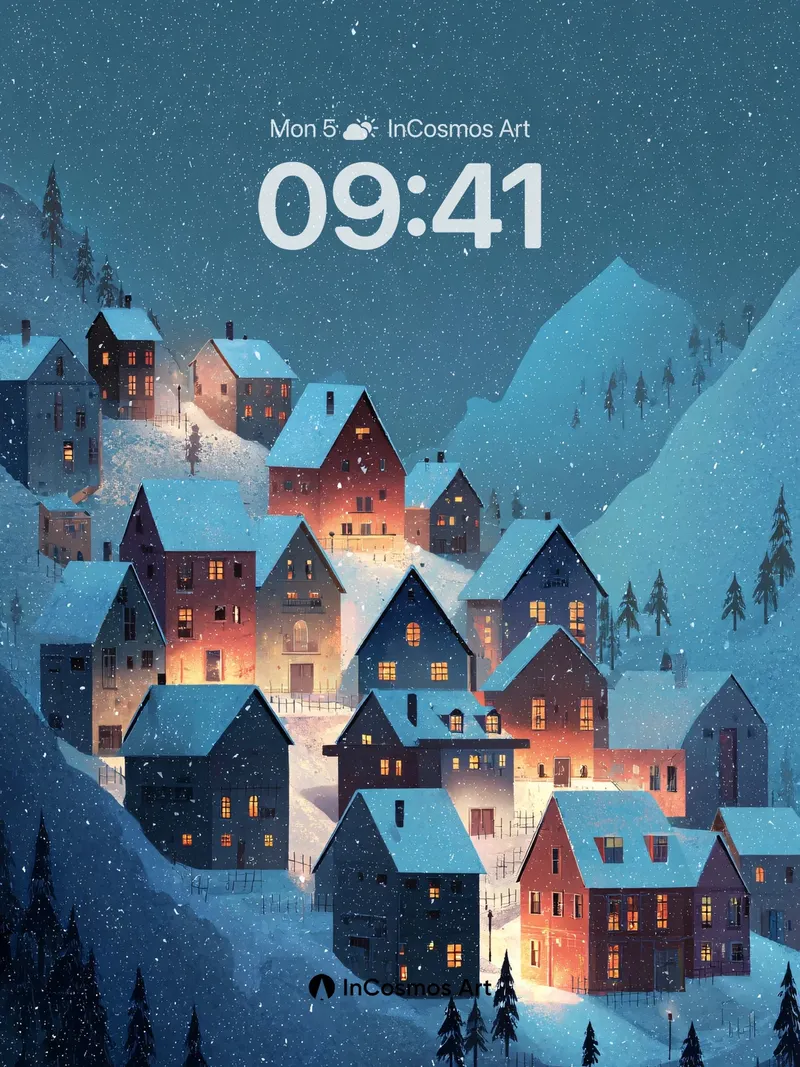
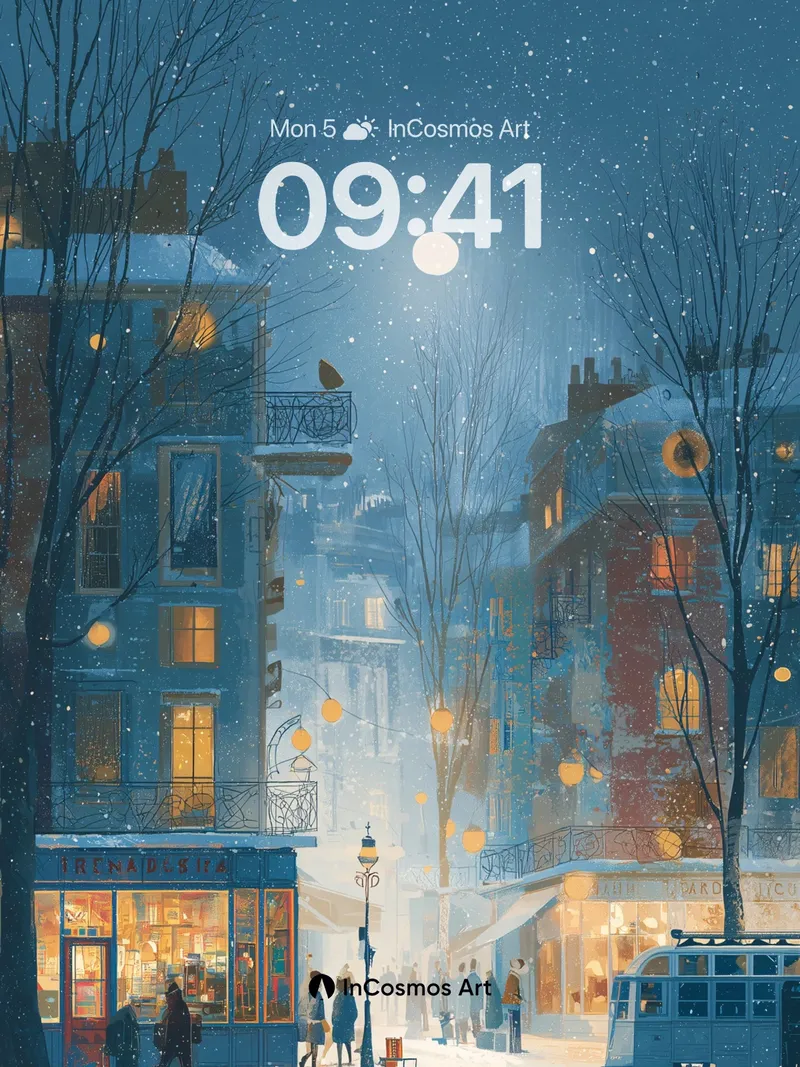
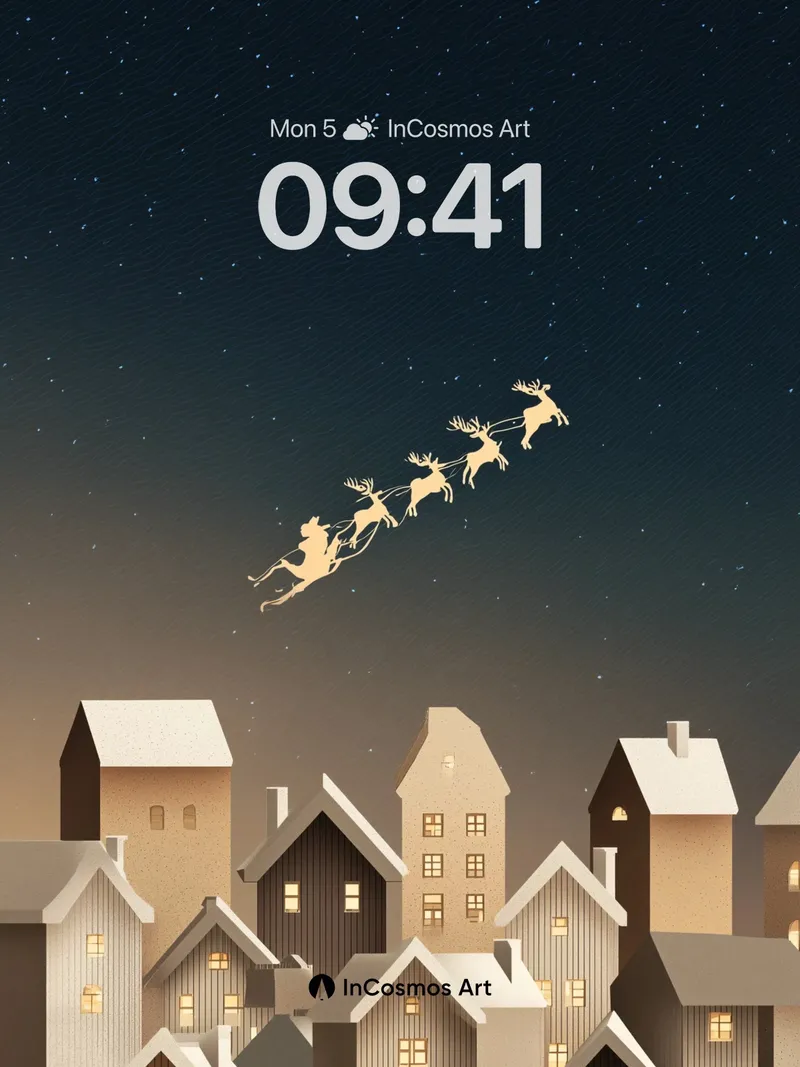
Santa Claus and reindeer flying across skies have long transcended religious meaning, becoming globally shared festive icons. Their path above rooftops, through clouds, connects sky and earth, symbolizing hope’s transmission. Houses in towns glow with light, warm yellow hues seeping from windows, suggesting scenes of family reunion. Animals—deer, dogs, penguins—further emphasize harmony between nature and humanity. These images are not random; they are outcomes of cultural selection, carrying collective desires for peace, belonging, and joy.
Symphony of Nature and Artifice
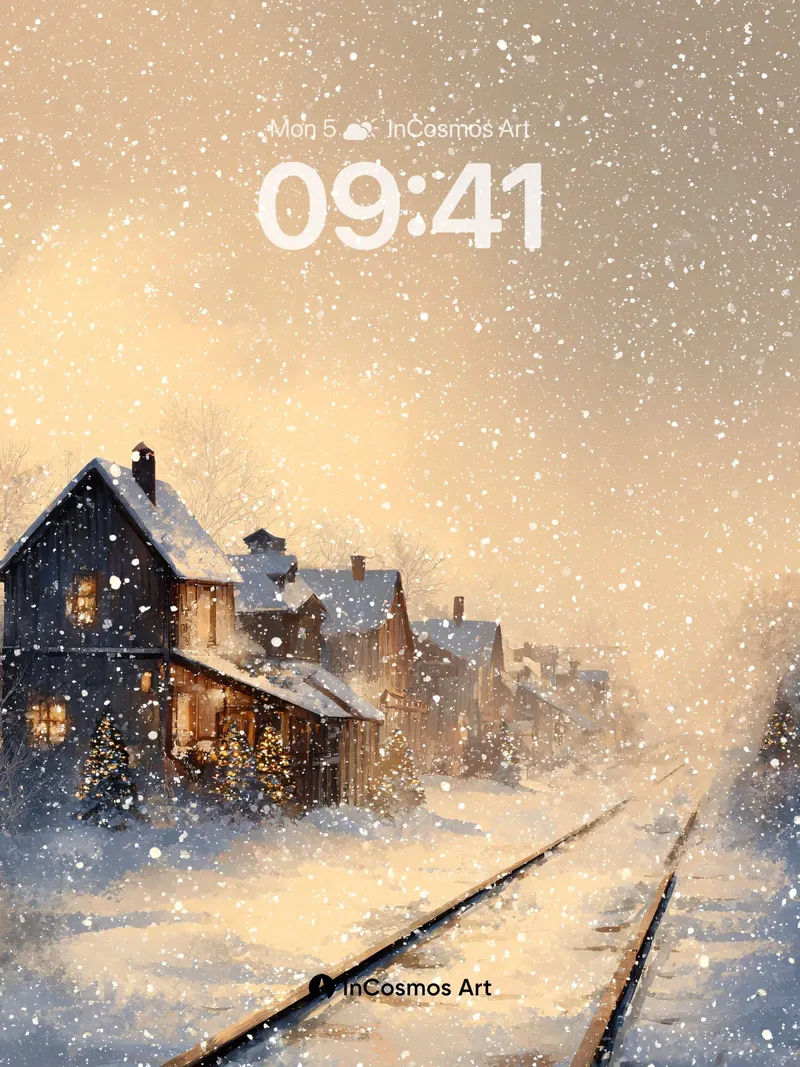
Rail tracks stretch into distance, wooden houses emitting soft light, snow accumulating on rails, forming a pathway toward the unknown. This scene presents both geographical space and psychological journey. Tracks represent order, snow chaos; their coexistence reveals human effort to establish connection amid unpredictability. Under moonlight, church spires pierce clouds, reindeer lines traverse the sky, forming dynamic strokes. Here, architecture and sky no longer separate but engage in dialogue about time and existence.
Emotional Temperature and Distance
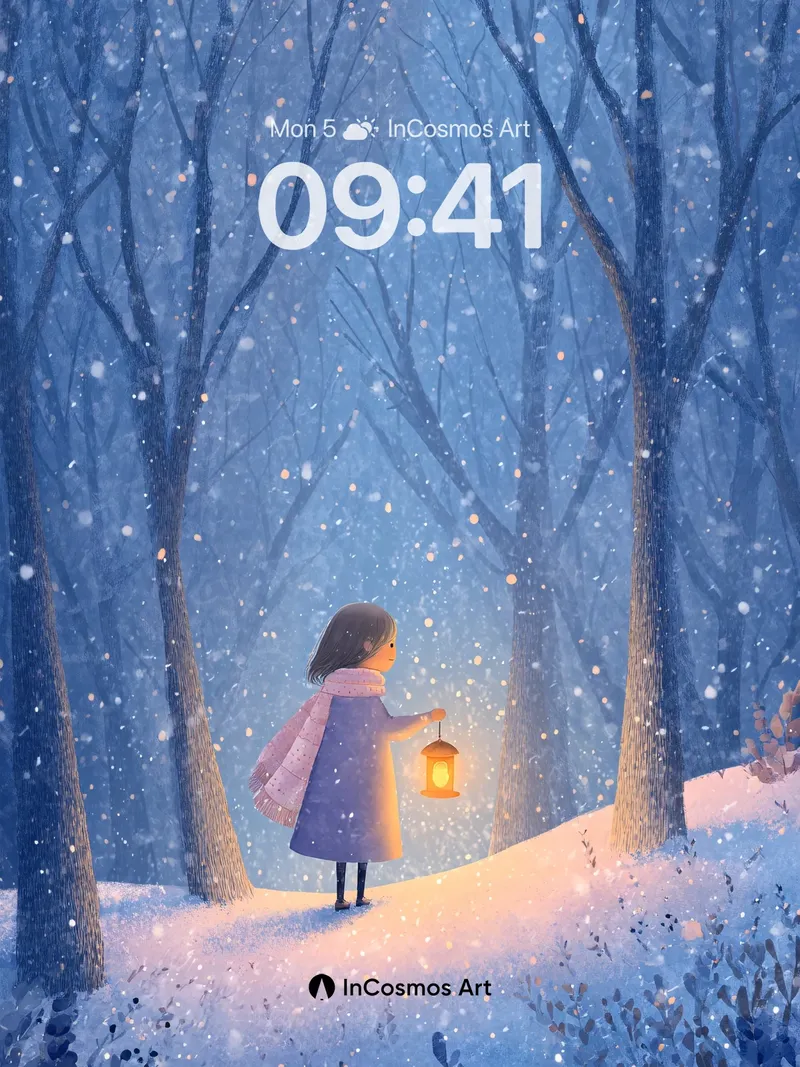
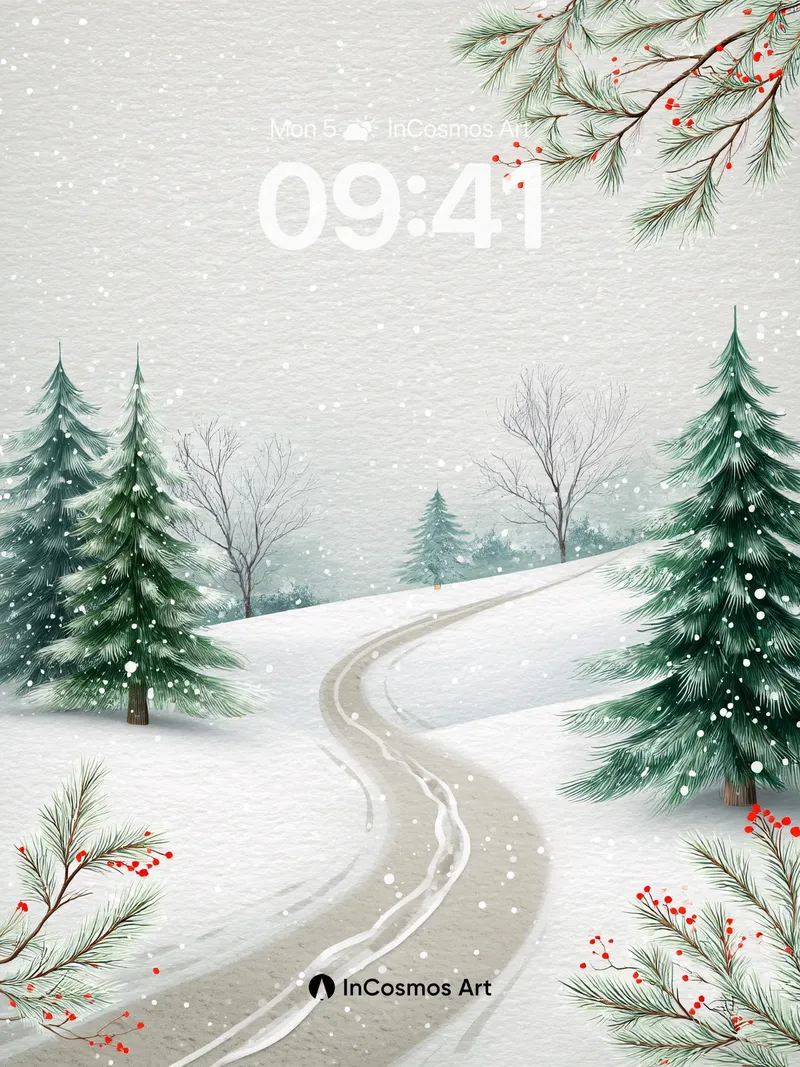
A winding path cuts through woods, pine branches laden with ice crystals, red berries standing out against snow. This route has no destination, only continuous motion. It does not point to a specific place but invites immersion. Cold snow and warm light, distant mountains and near movements, create layered sensory experiences. This balance exists not only visually but emotionally—humans seek companionship in solitude, hear voices in silence, feel warmth in cold.