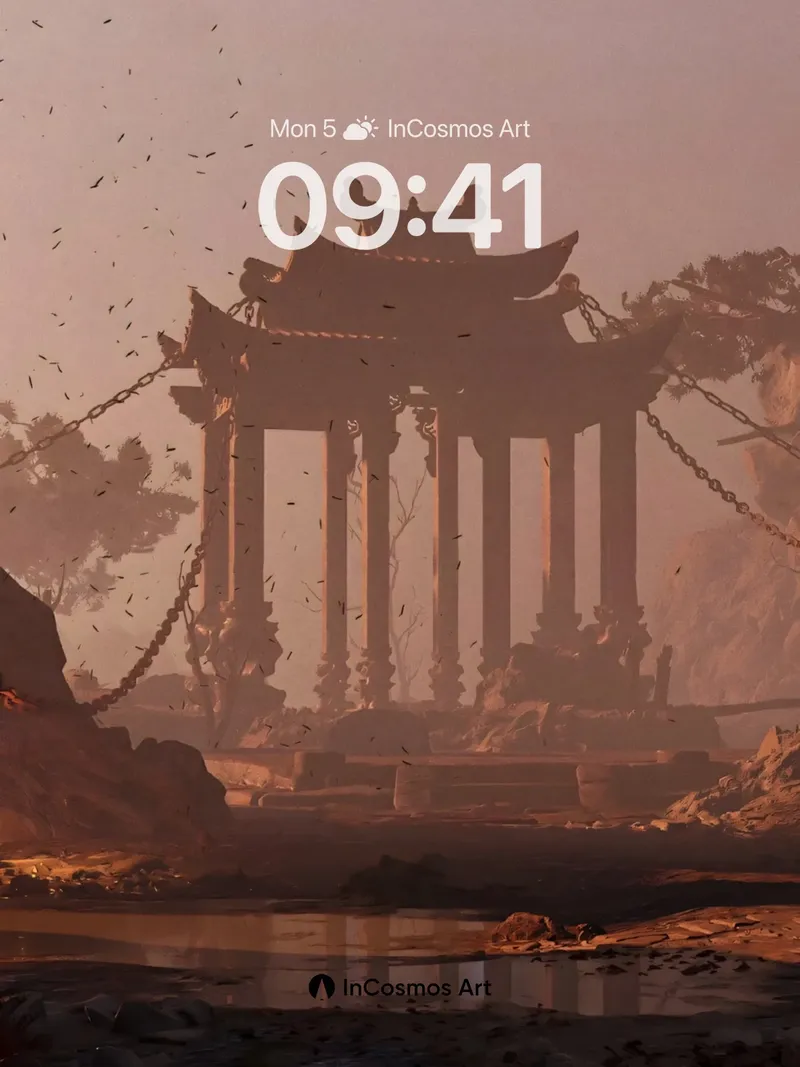
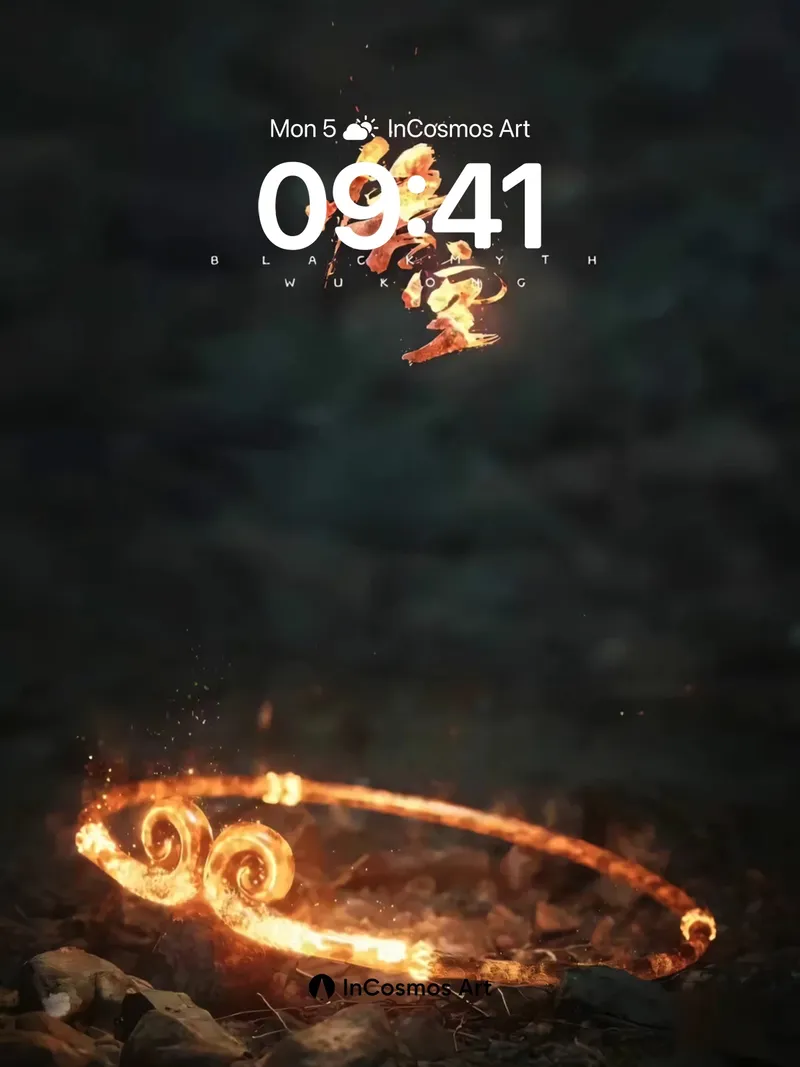
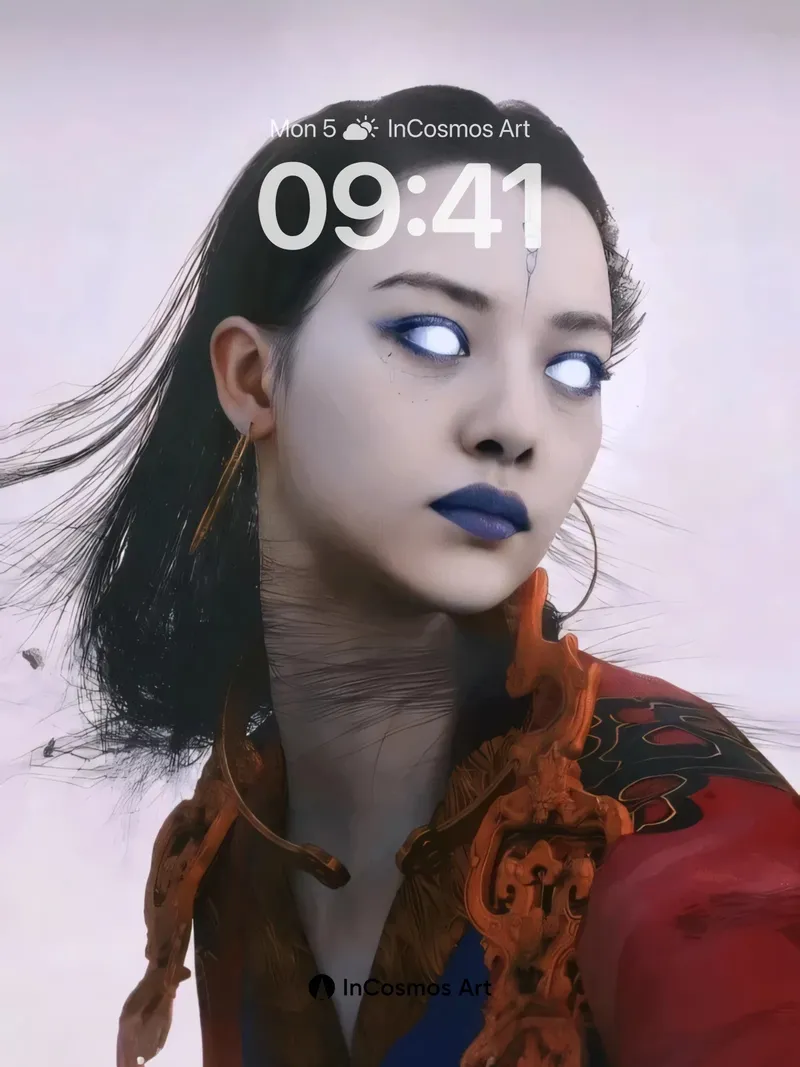
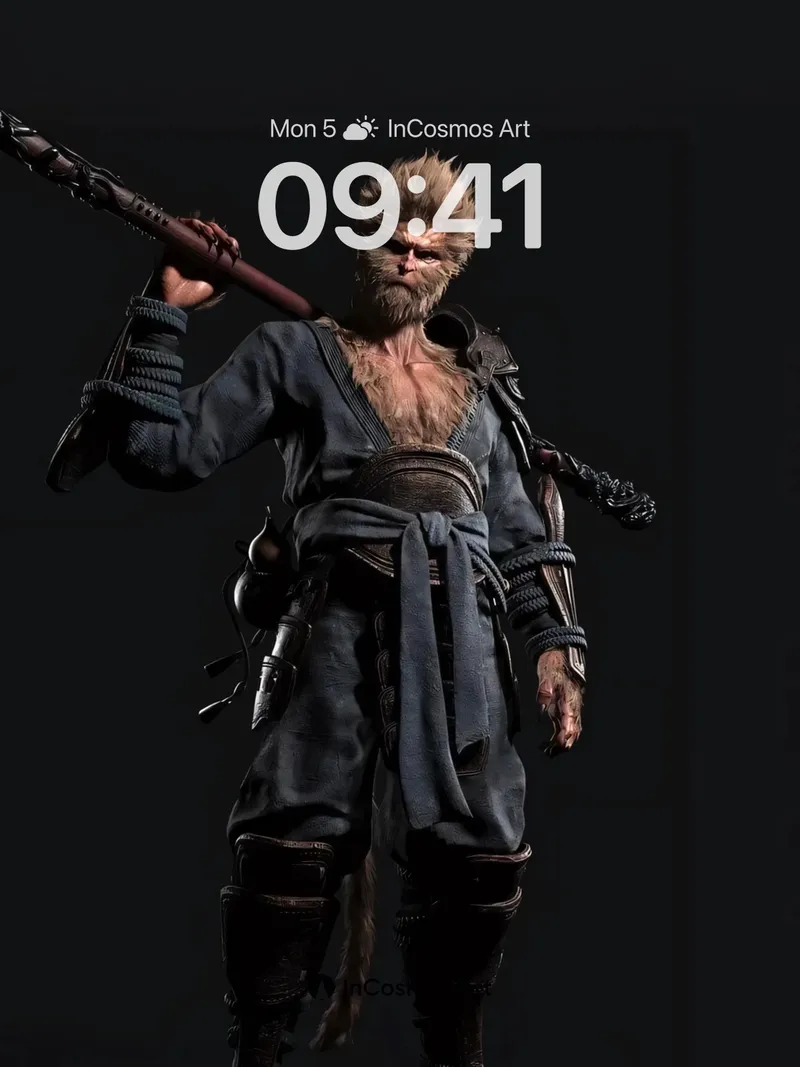
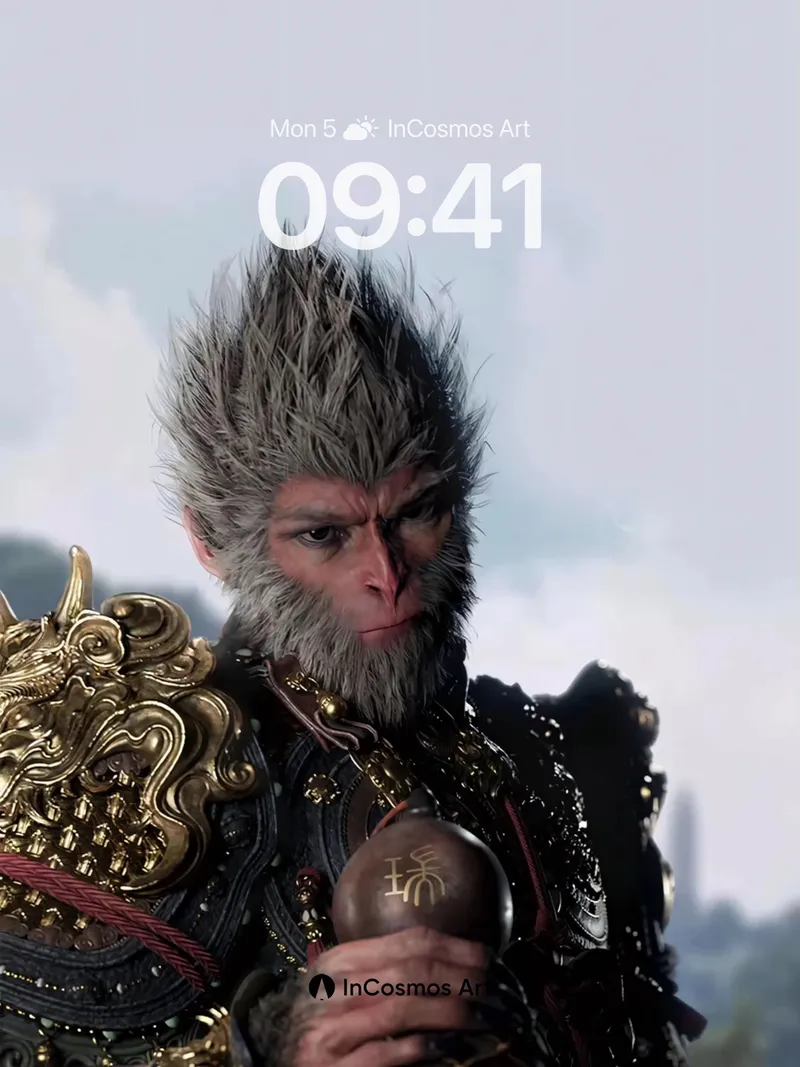
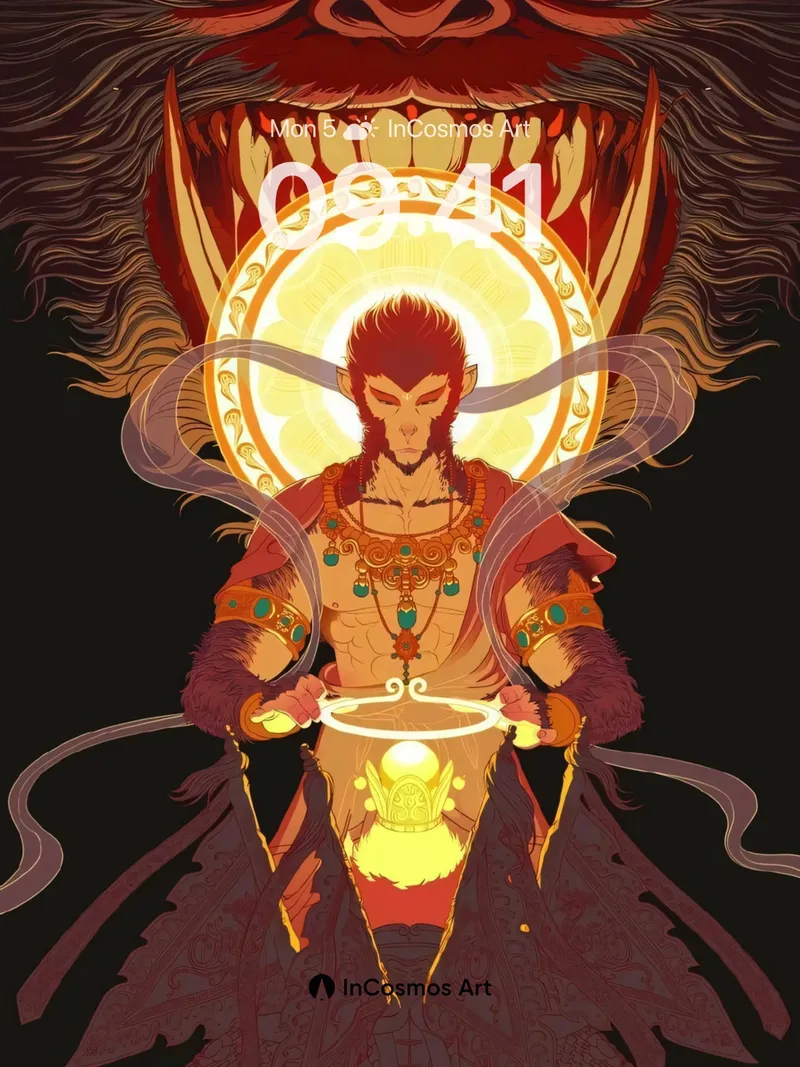
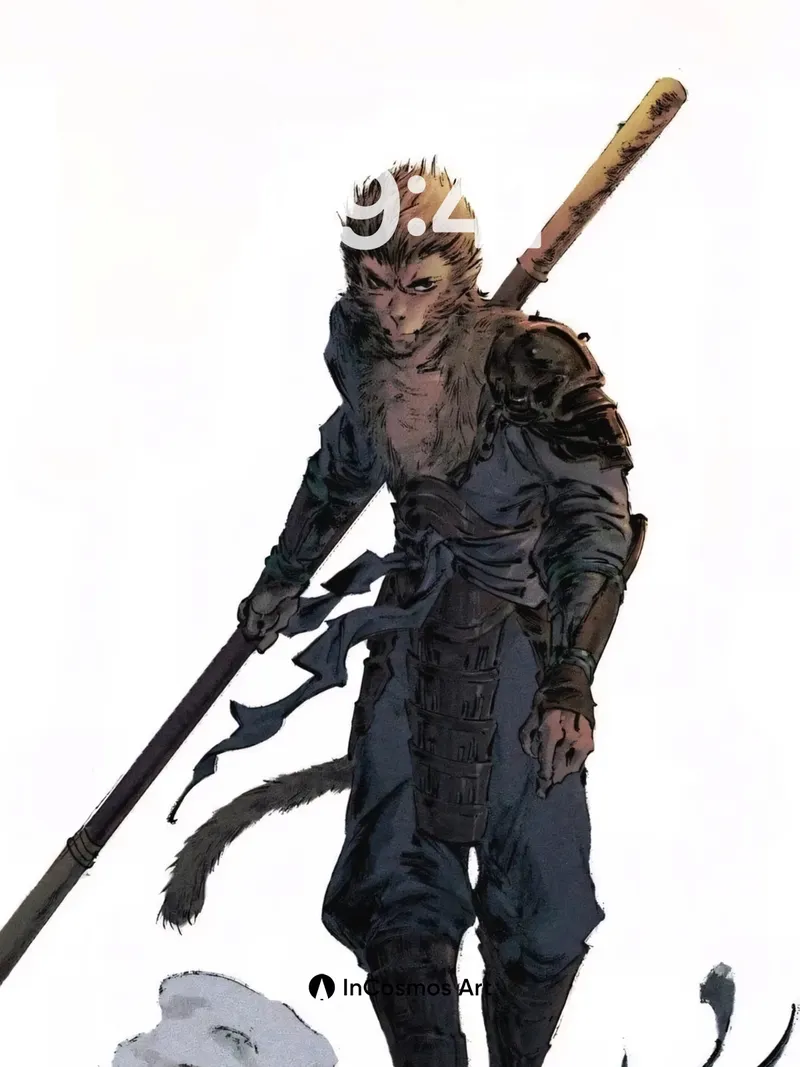
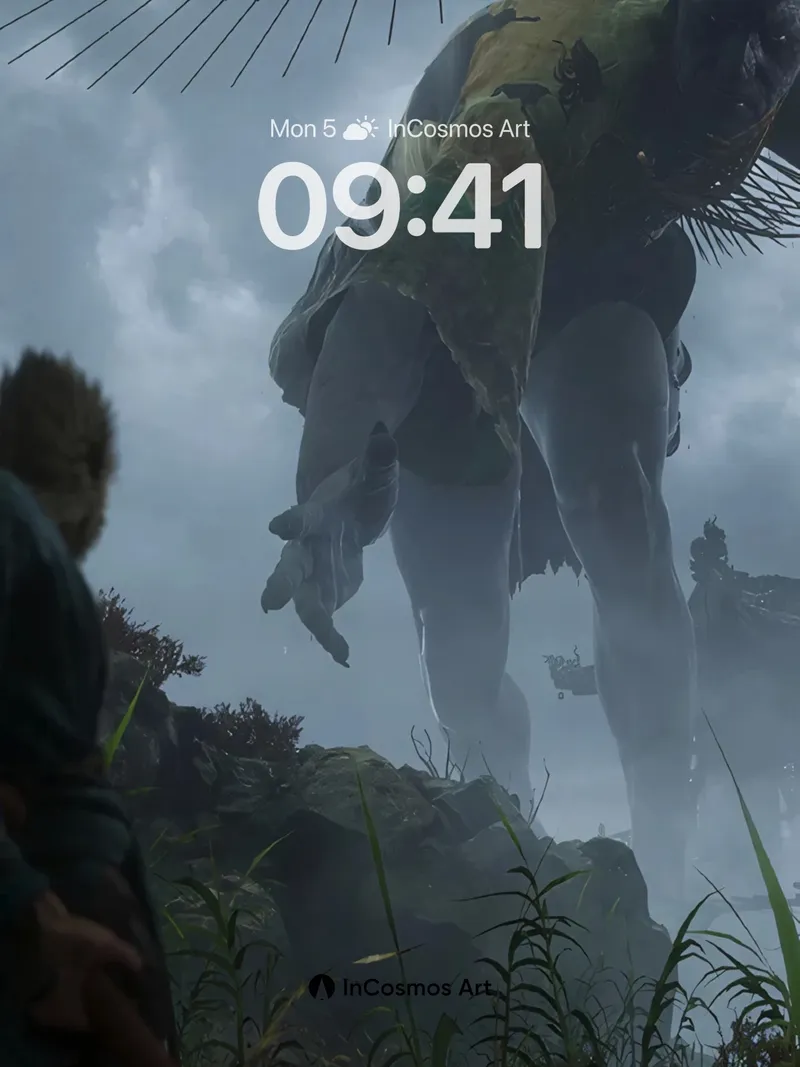
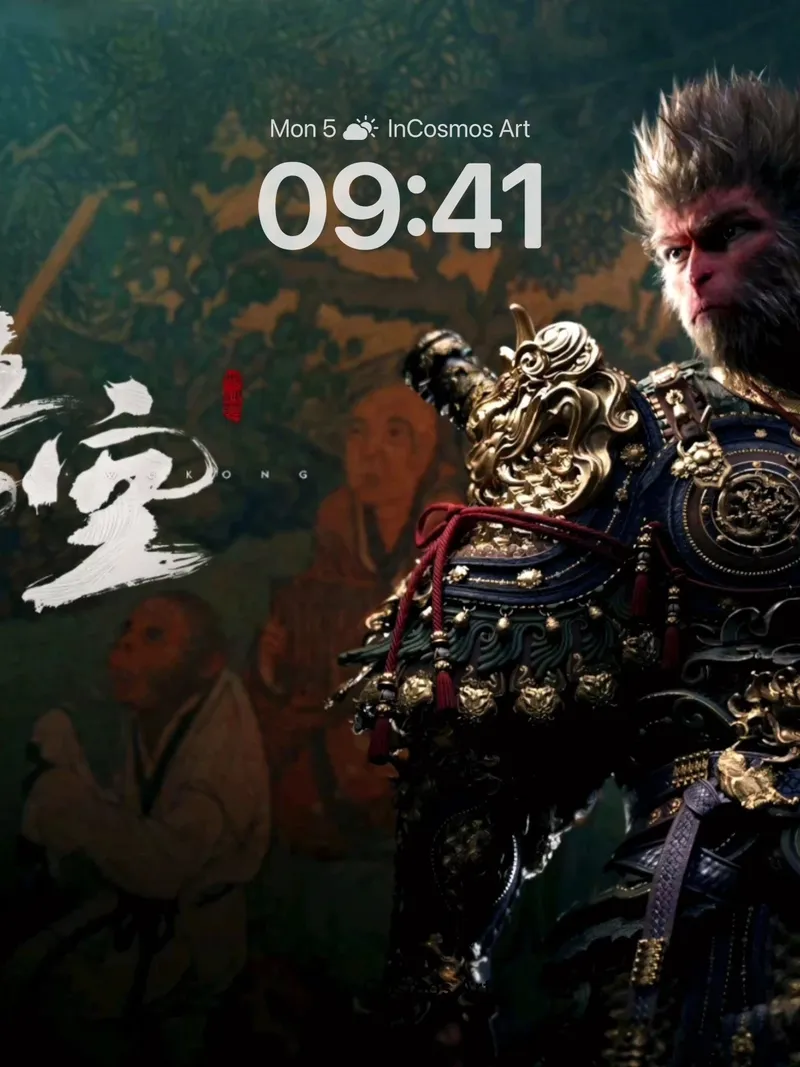
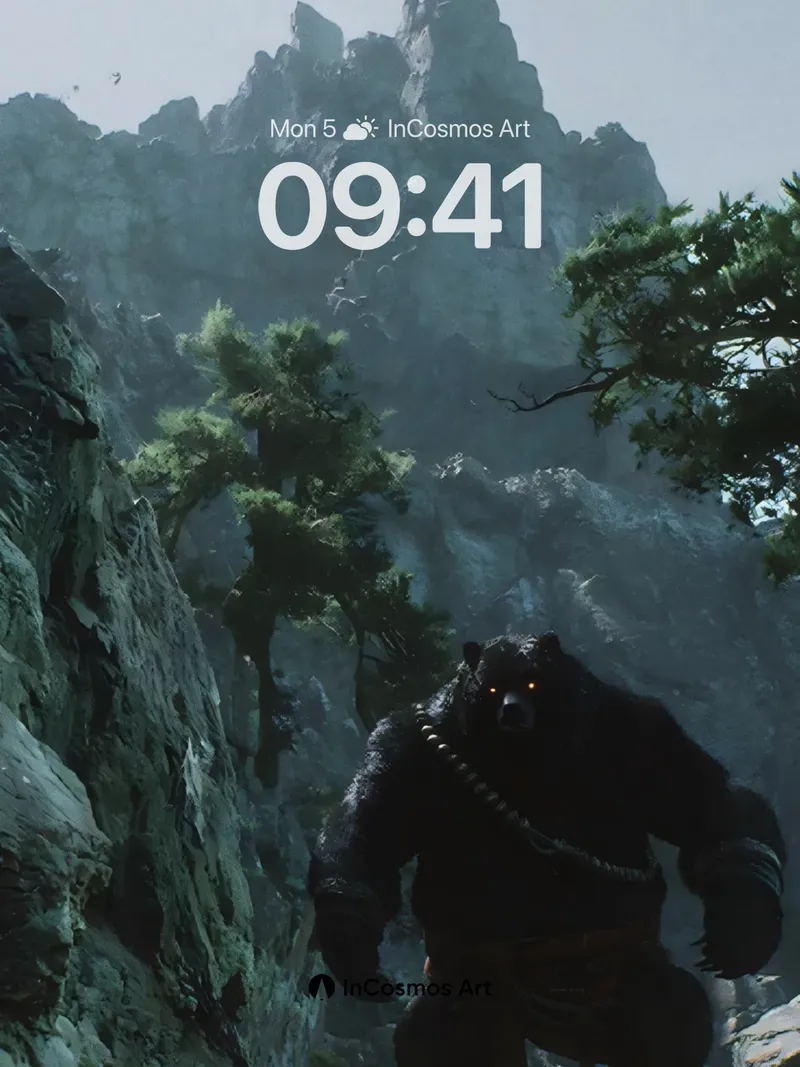
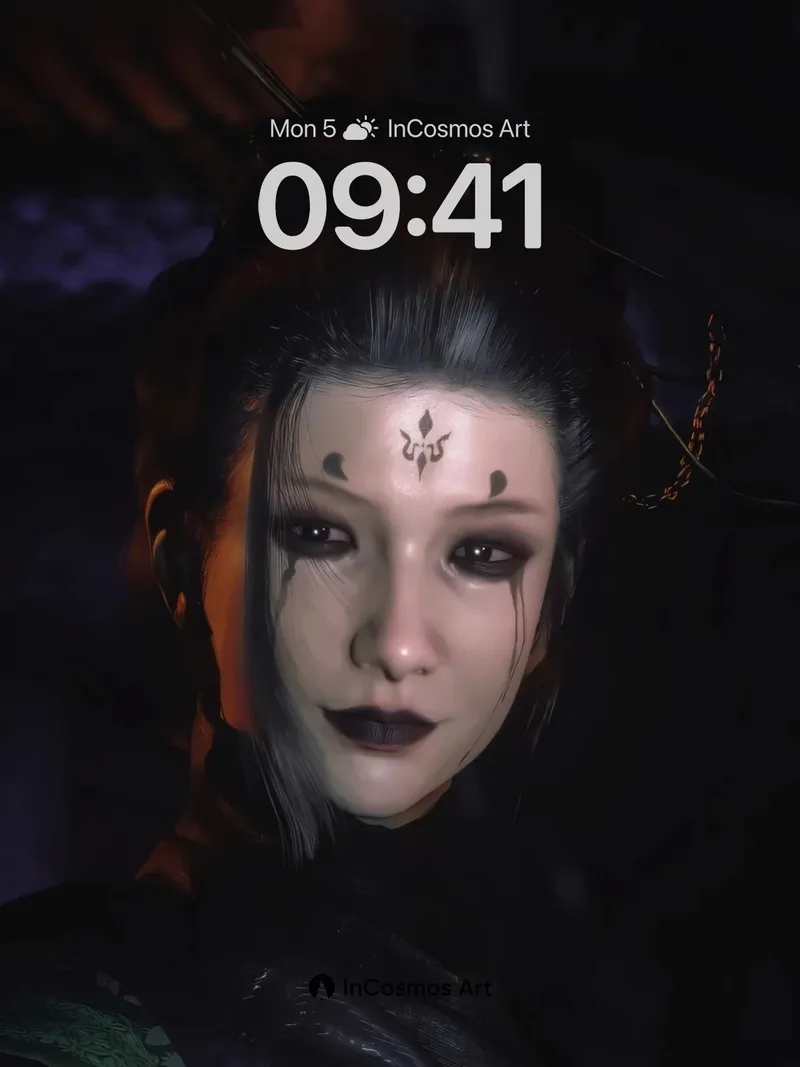
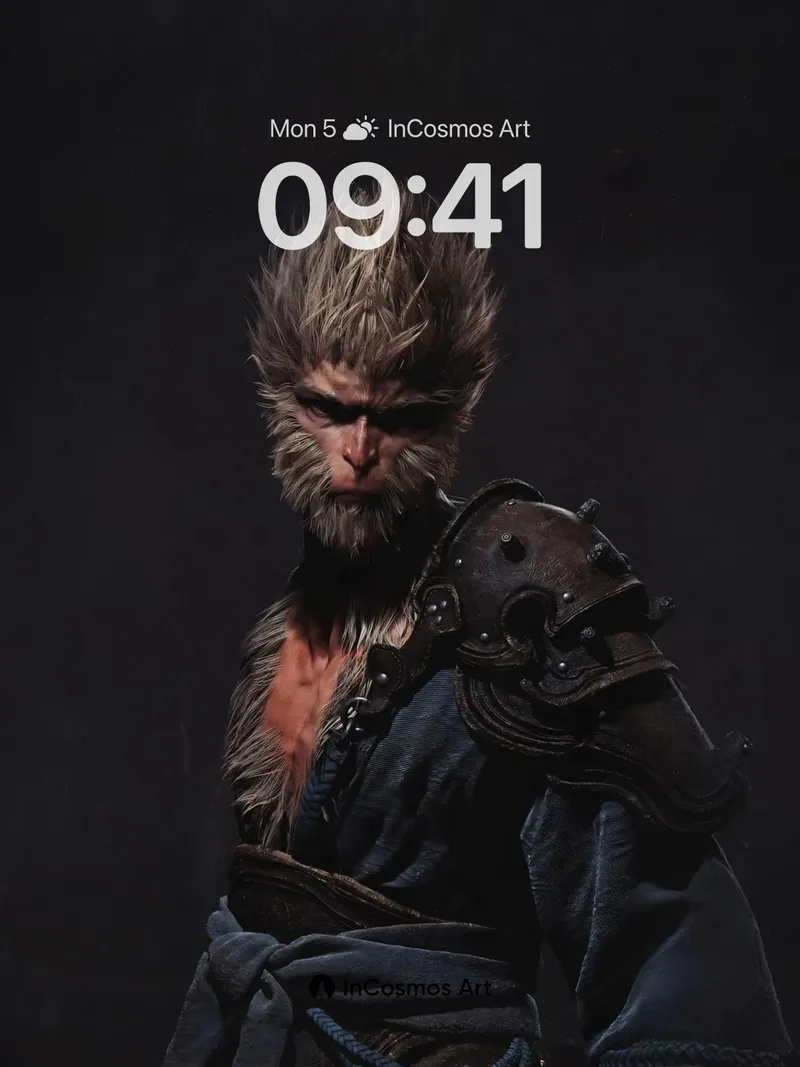
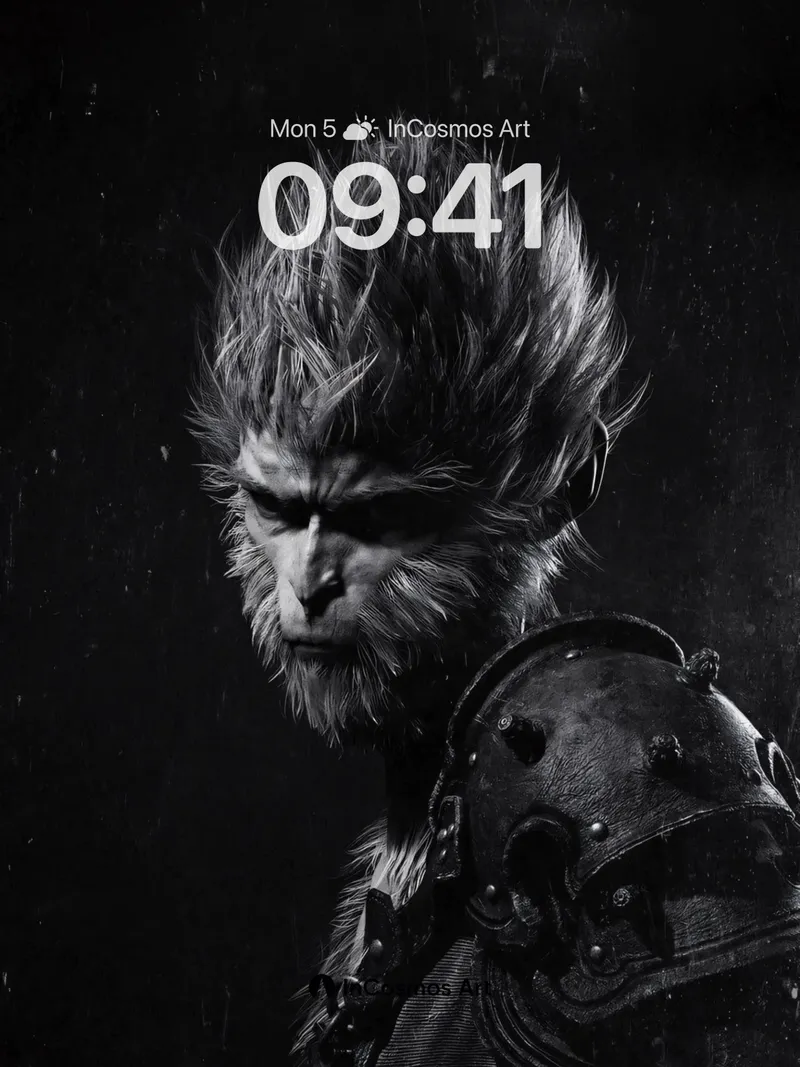
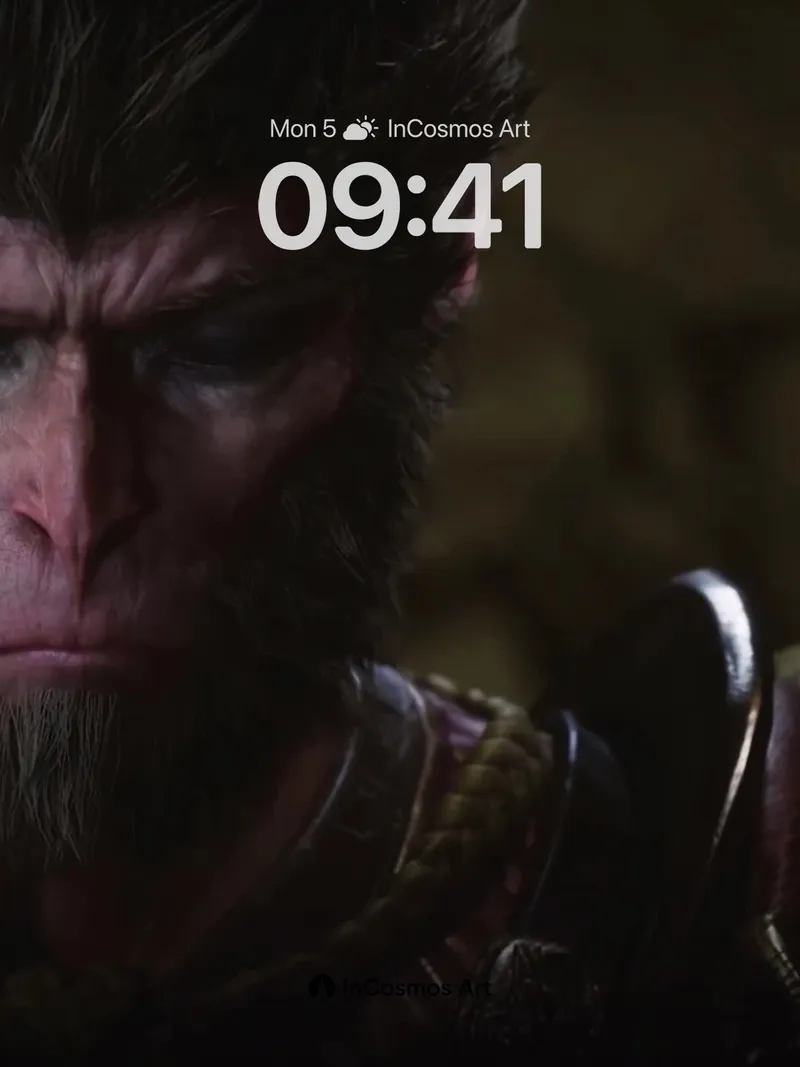
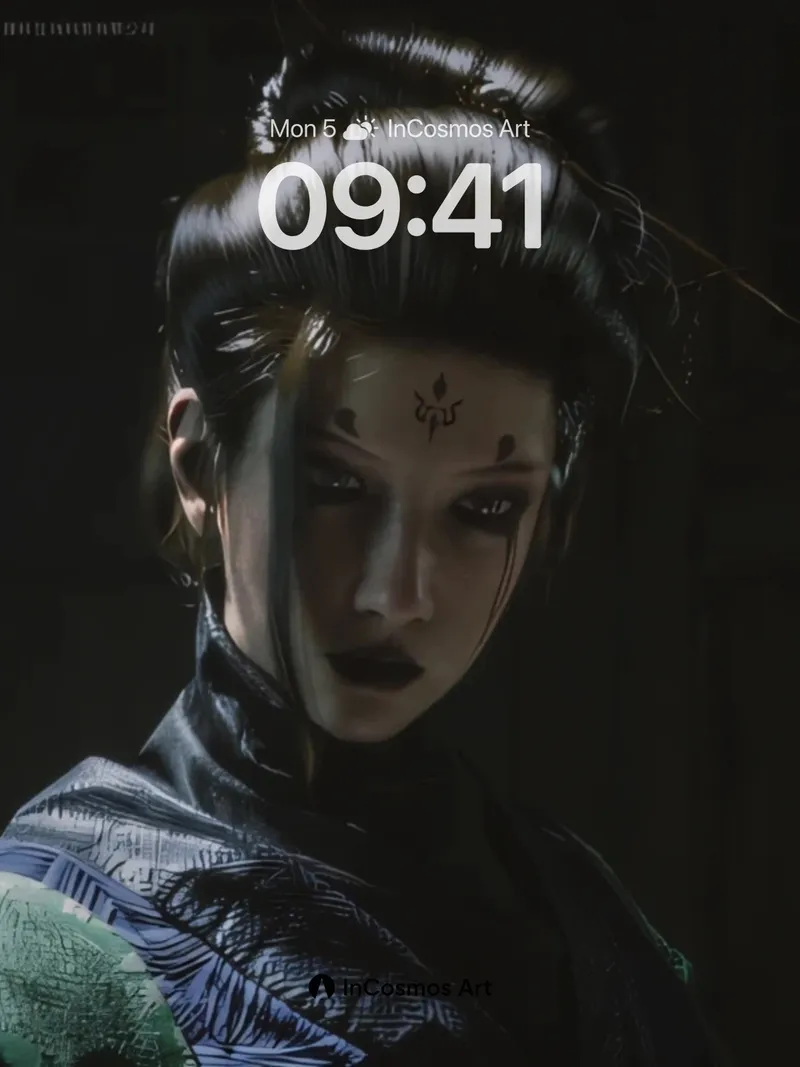
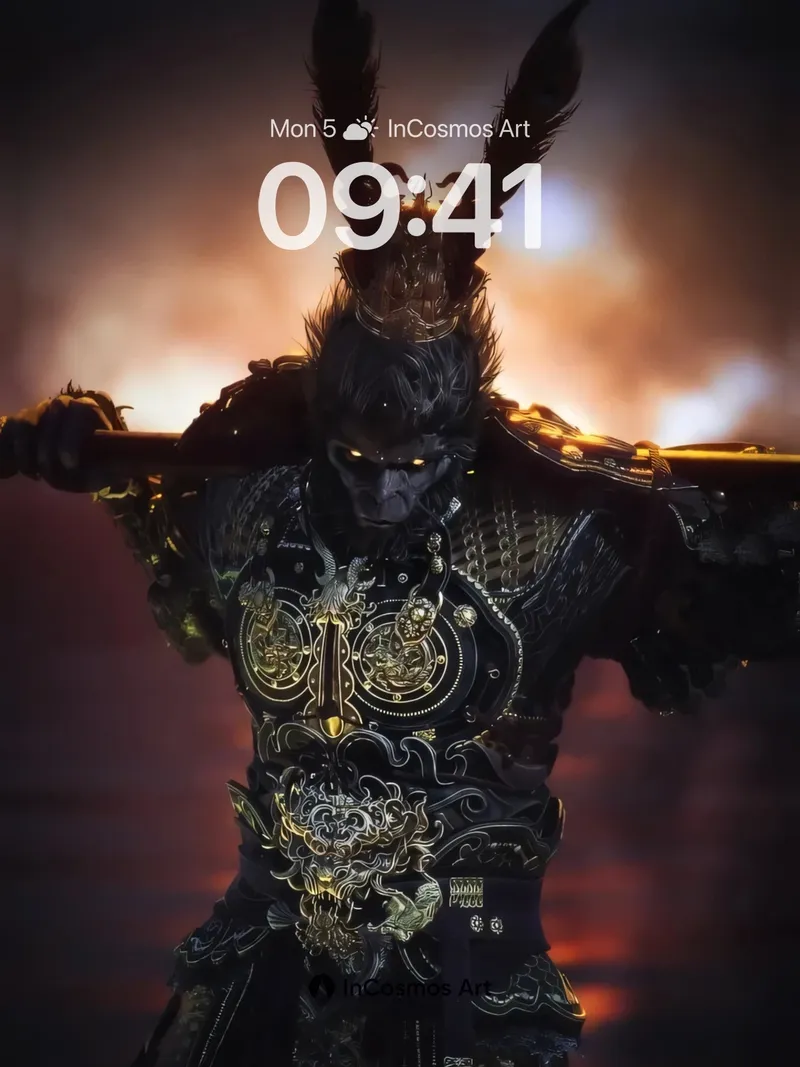
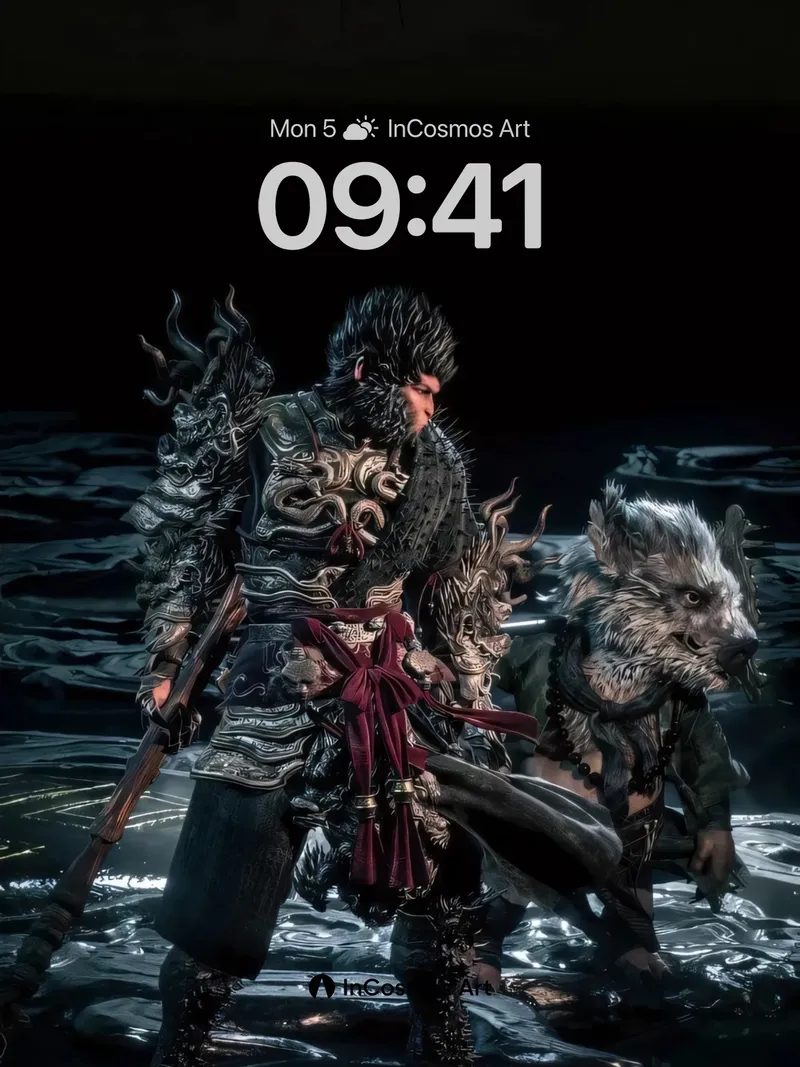
When fire ignites within a stone circle, the embers of myth awaken once more. A figure burdened by fate and fury walks through ash and storm—both legend and rebel. In Black Myth, Wukong is no longer the mischievous Great Sage Equal to Heaven, but a lone warrior confronting the weight of destiny after the collapse of divine order.
Deconstruction and Reimagining of Myth
In the classic Journey to the West, Wukong symbolizes rebellion against authority. Yet in Black Myth, rebellion itself becomes a shackle of fate. Once the havoc-wreaking Great Sage, now trapped in cycles of memory and karma, the golden headband is not merely a physical restraint but a metaphor for the eternal tension between free will and predestined path.
Combat as Mode of Existence
The spinning staff strikes not for victory, but to affirm existence. Each swing asks, “Who am I?” Battle ceases to be a means—it becomes an end in itself. Under the indifferent gaze of gods and buddhas, only through relentless confrontation can one briefly touch the truth of self.
Boundary Between Divinity and Beastliness
Wukong’s form oscillates between human and demon, god and monster. Details like growing fur, wild eyes, and blood-stained armor tell a story: divinity is not innate, but forged through struggle. Beastliness is not flaw—it is raw expression of vitality.
Imagery of Fire and Ash
The burning circlet is both seal and rite of rebirth. Fire consumes the past; ash nurtures the new. This cycle is not just plot device but emotional core—destruction and reconstruction are not opposites, but two sides of the same process.
Loneliness as Ultimate Theme
No companions, no mentors, not even a clear enemy. Wukong’s journey is inward. Loneliness is not punishment but necessary path to awakening. On a battlefield witnessed by none, only oneself can testify to one’s own existence.