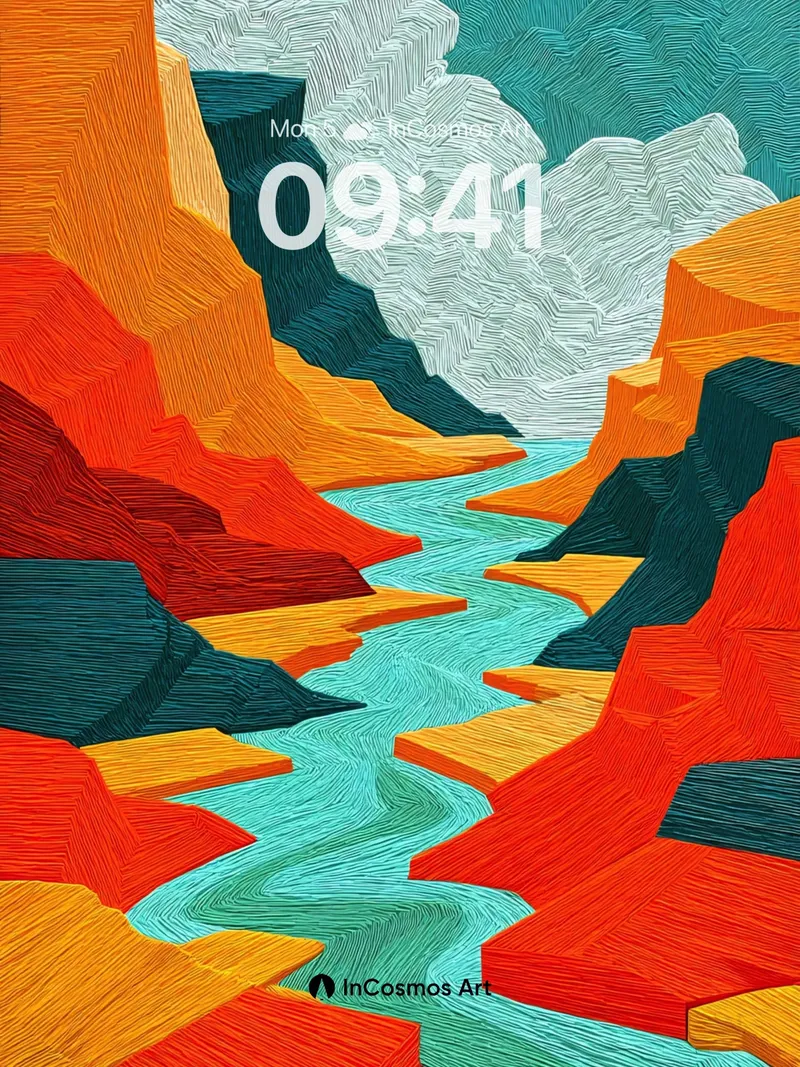
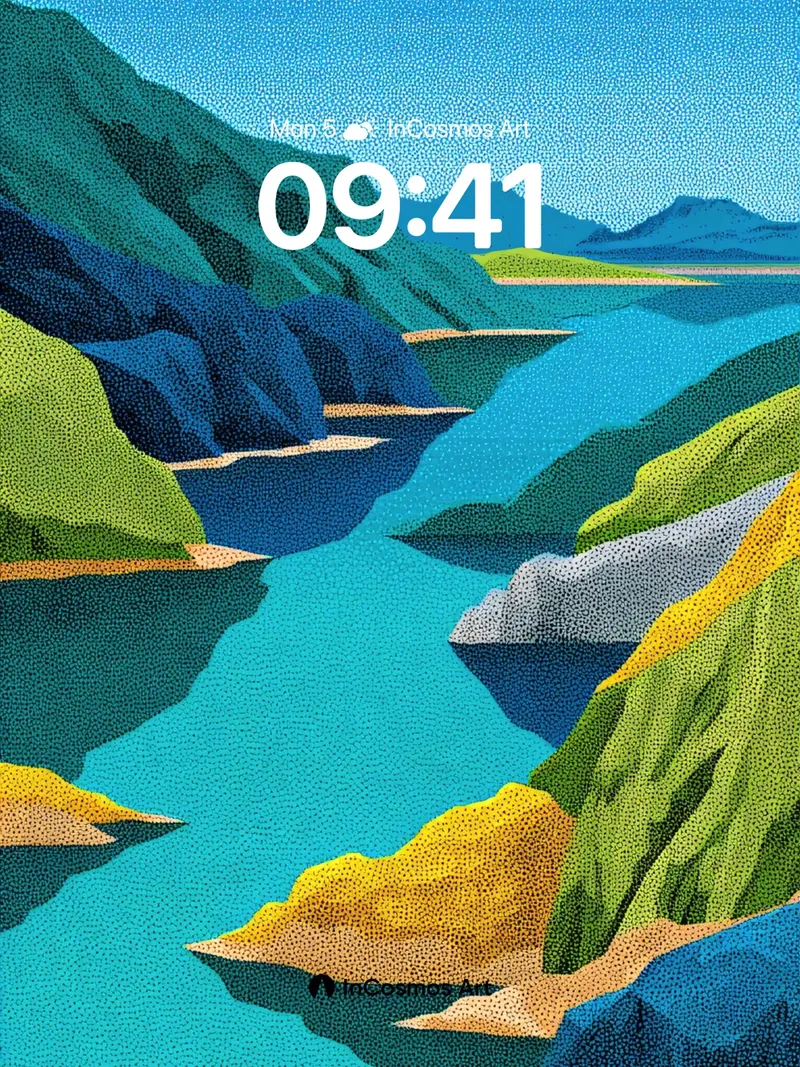
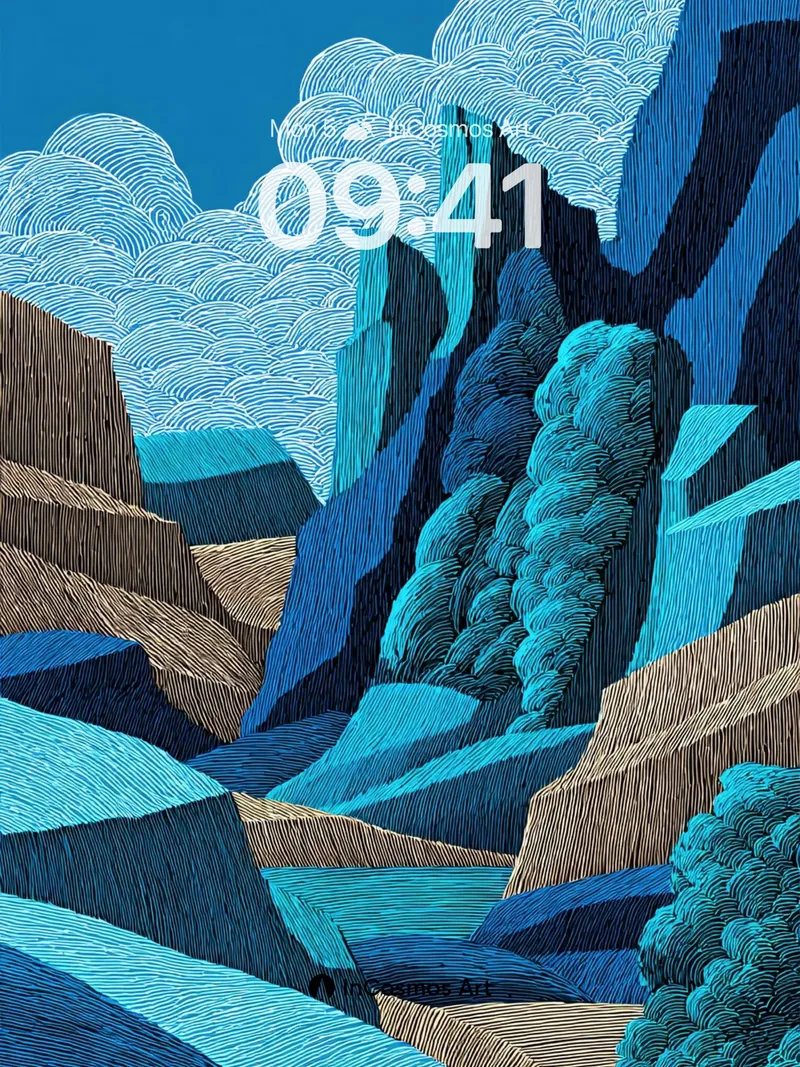
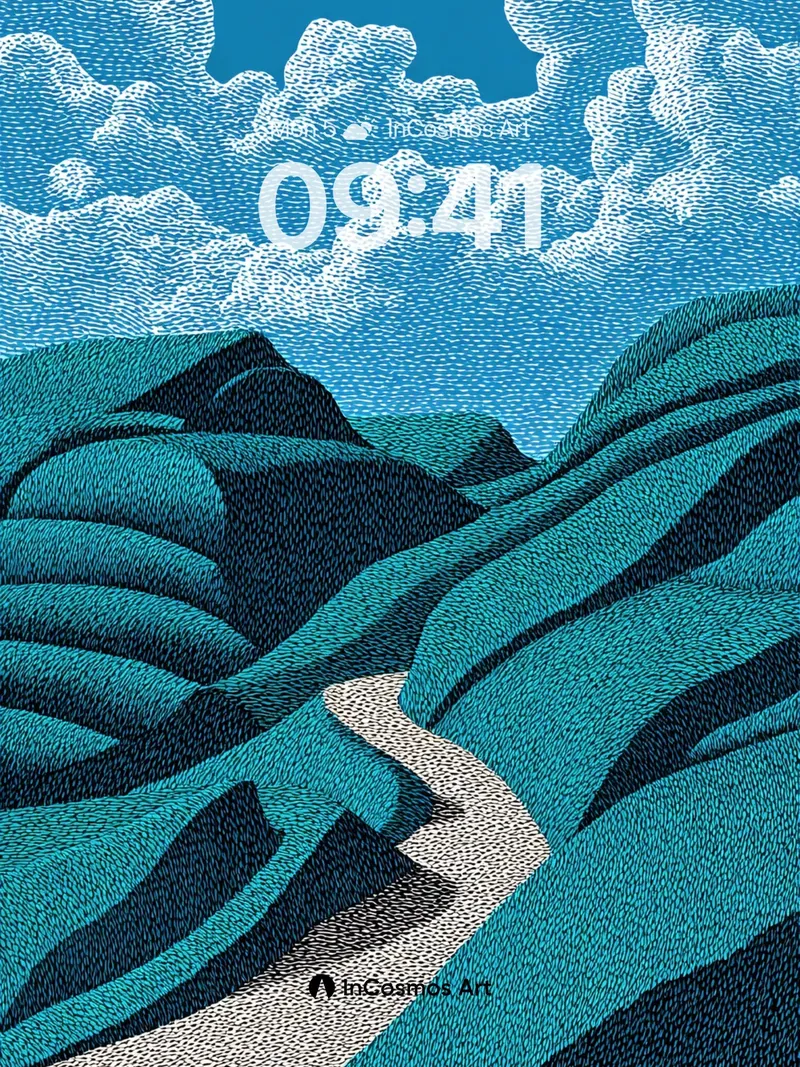
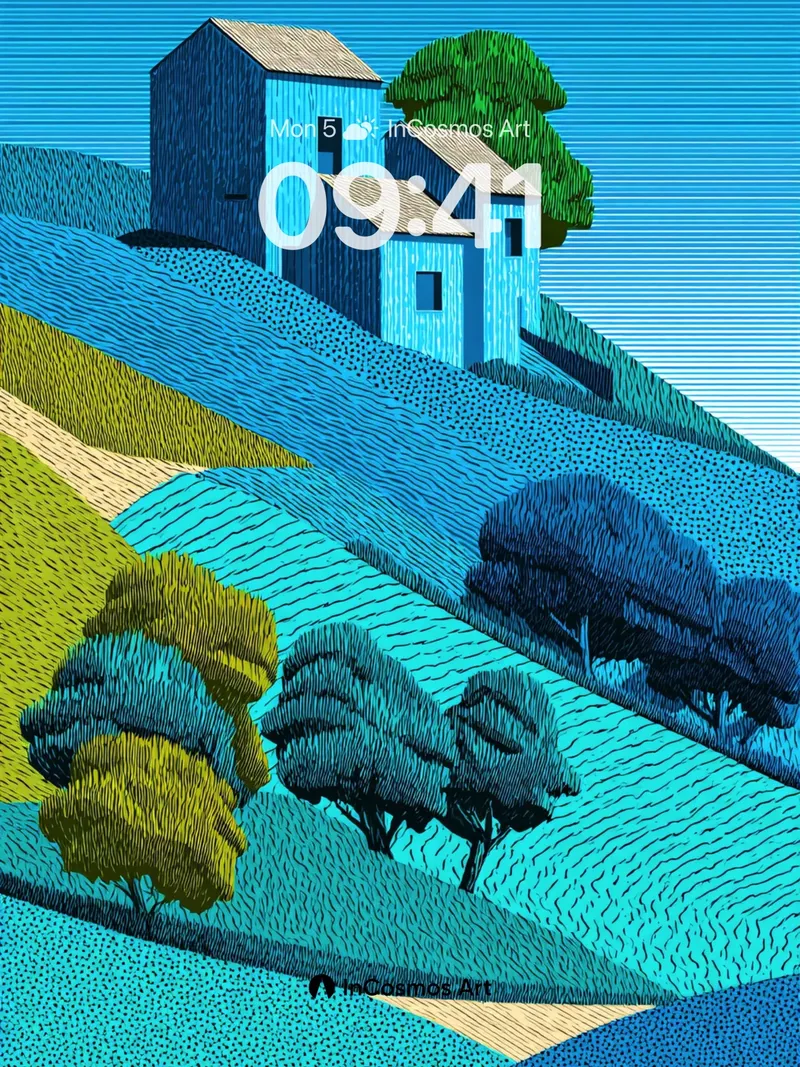
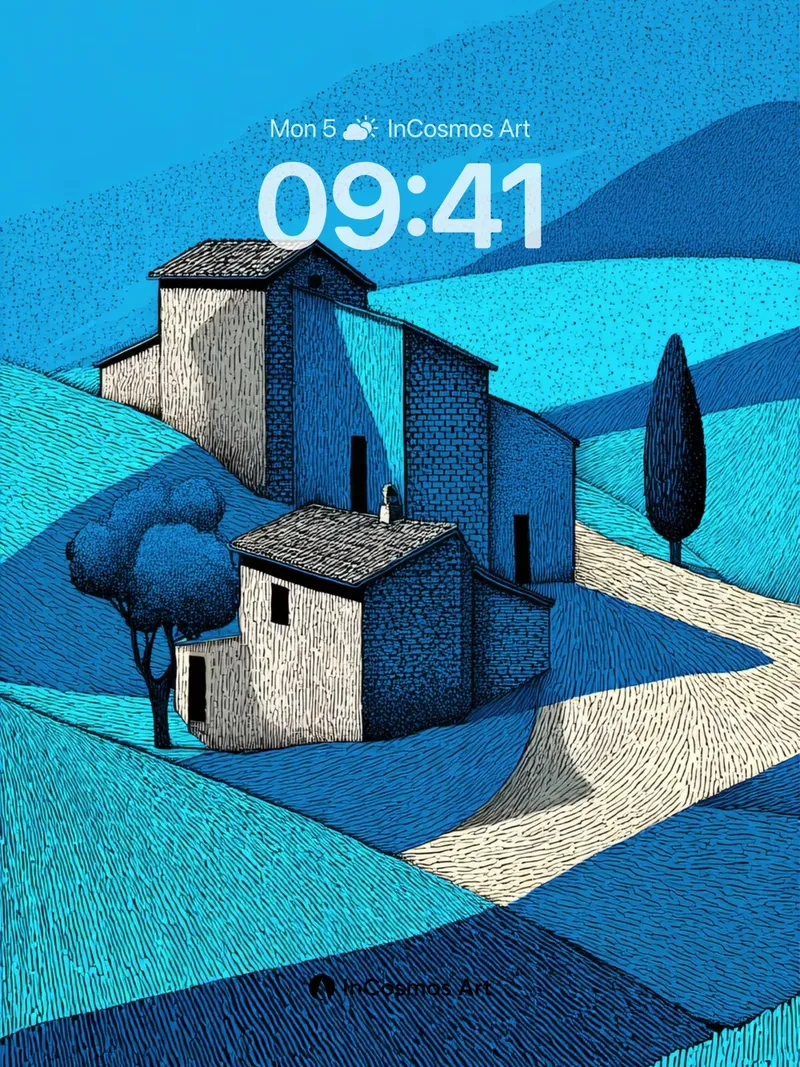
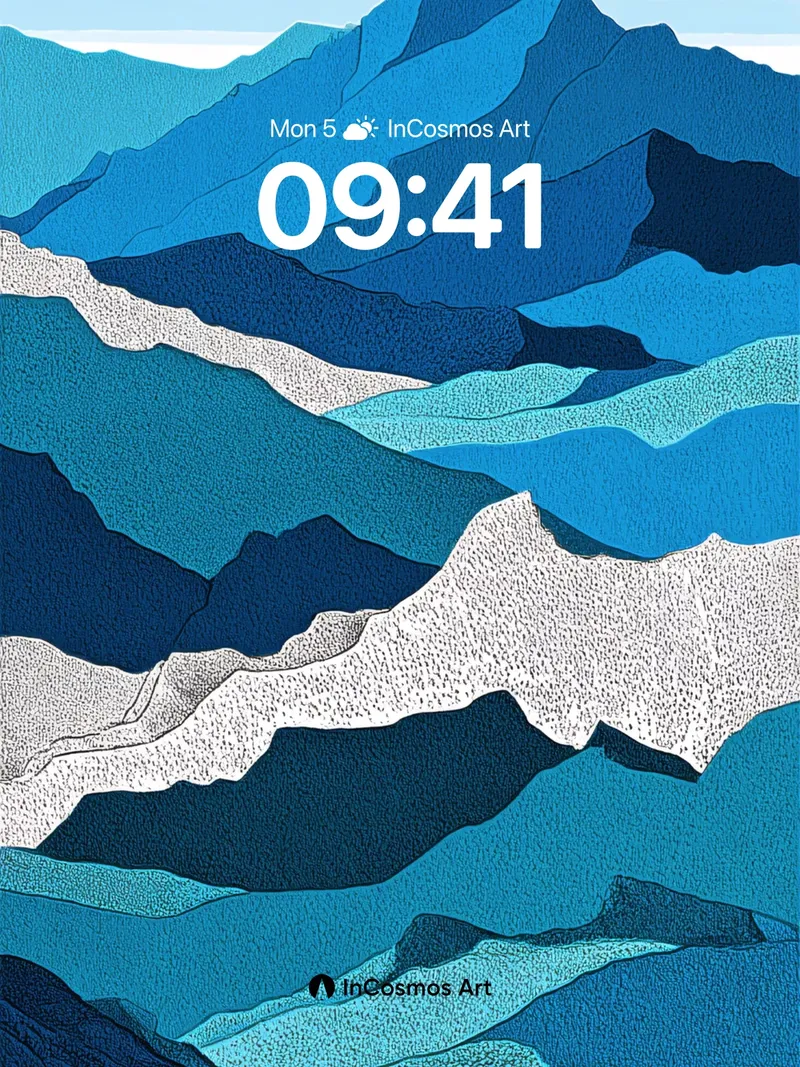
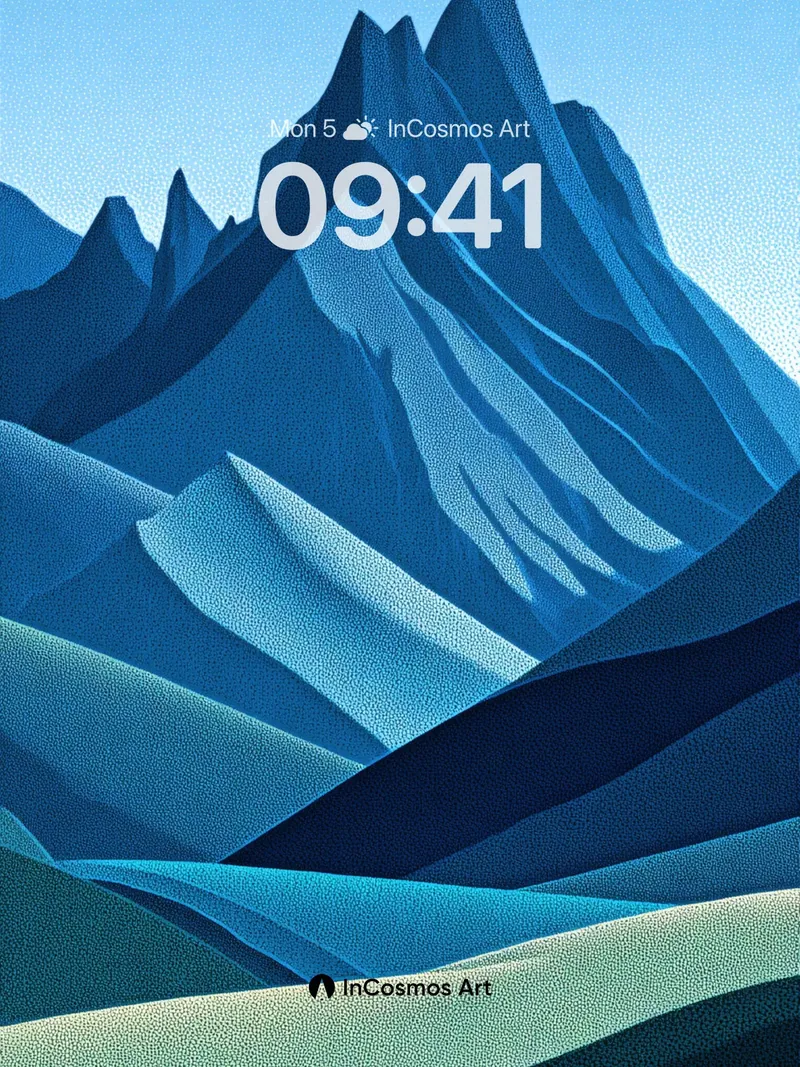
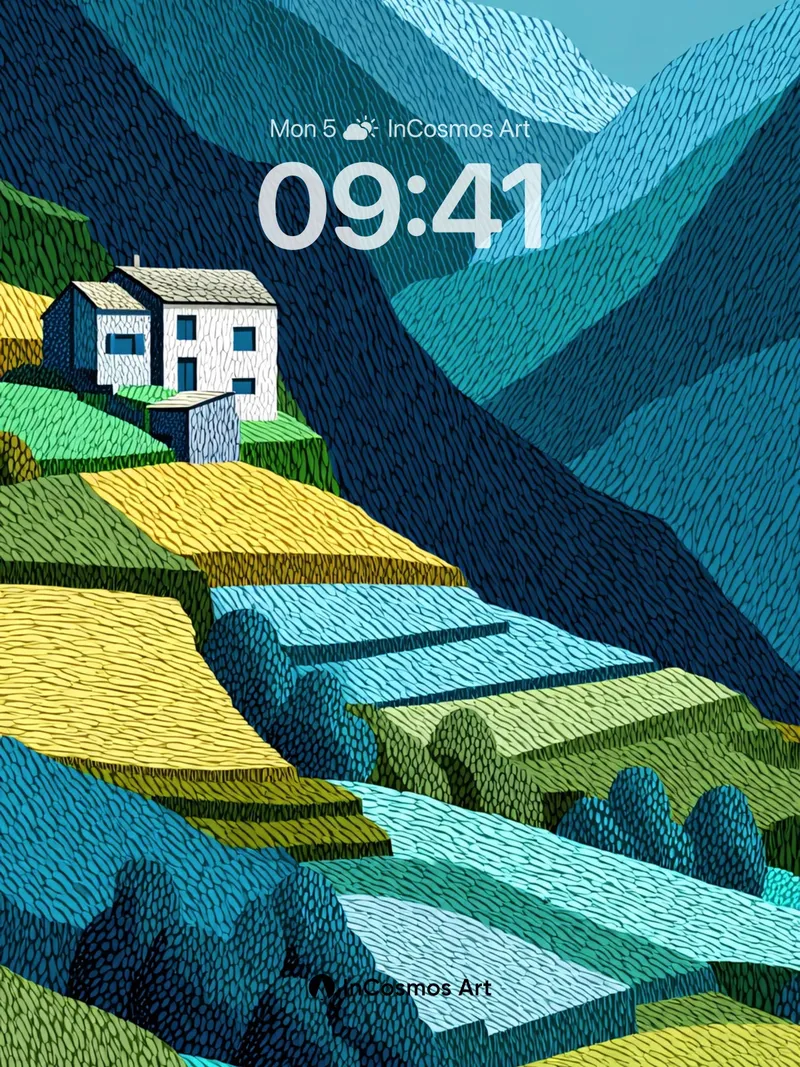
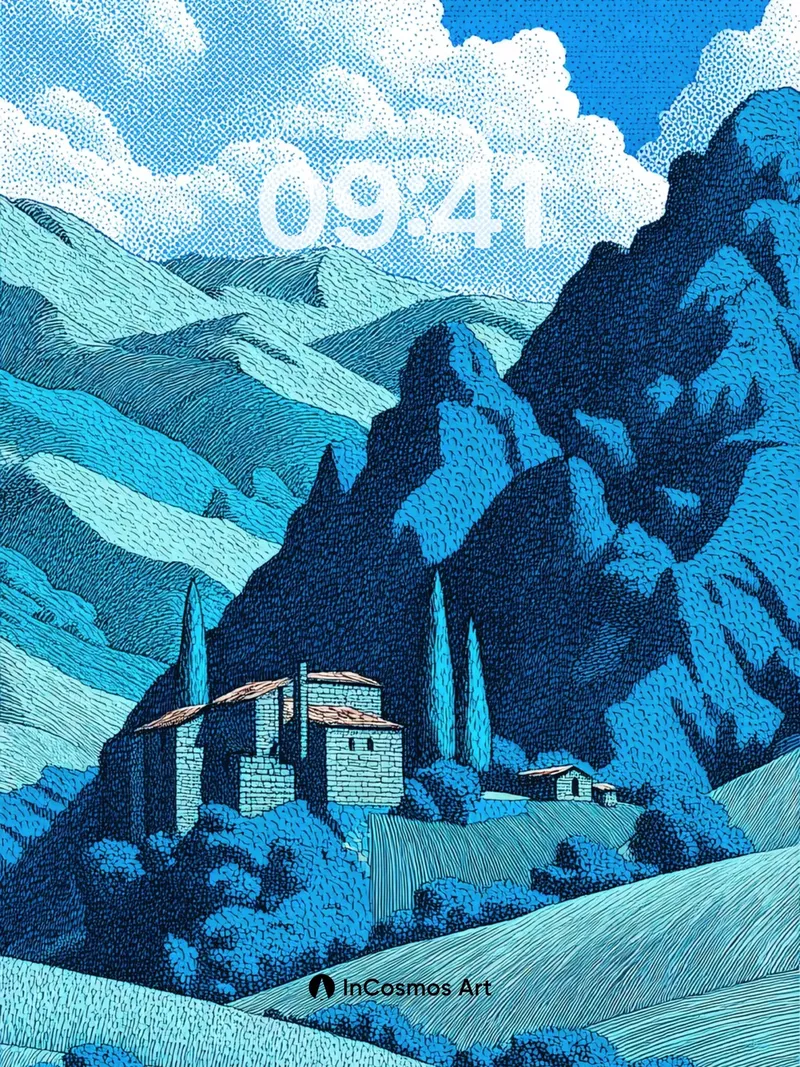
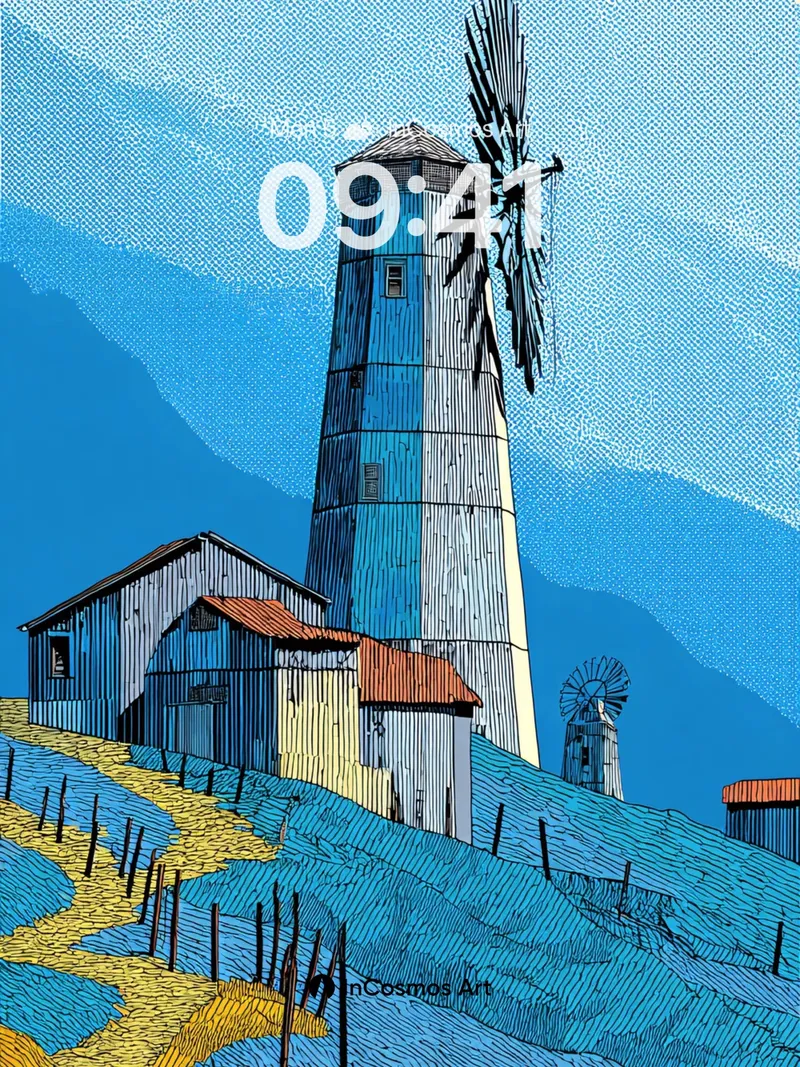
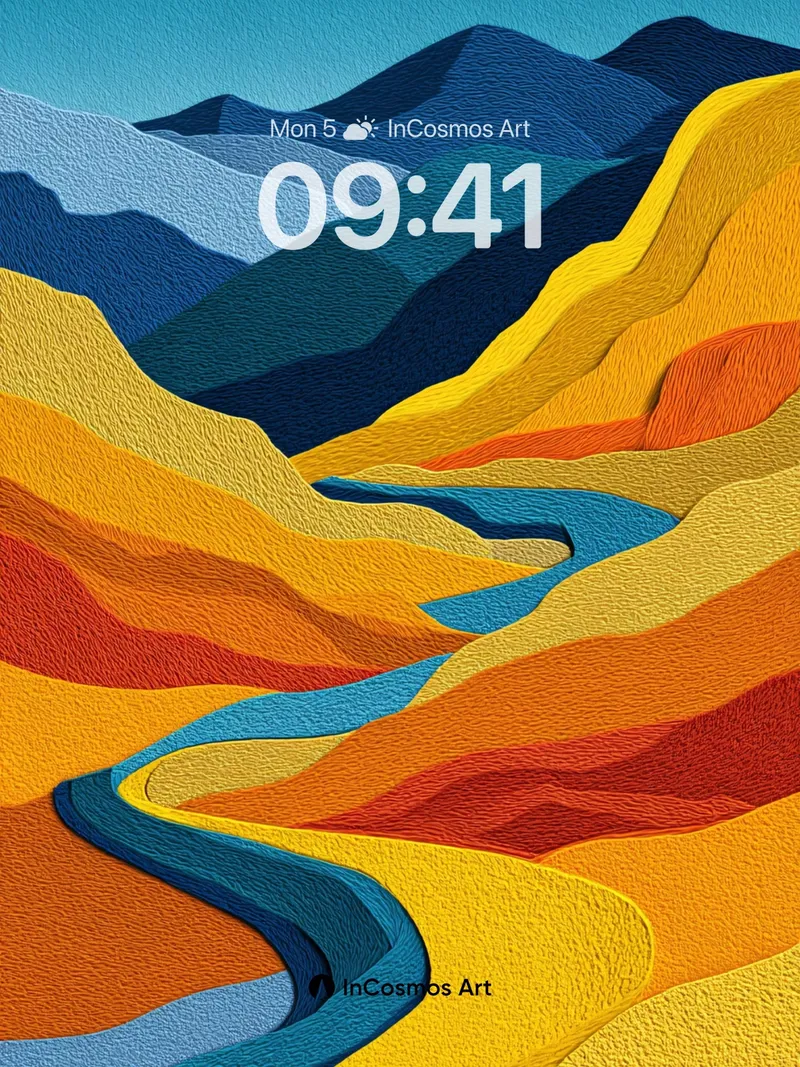
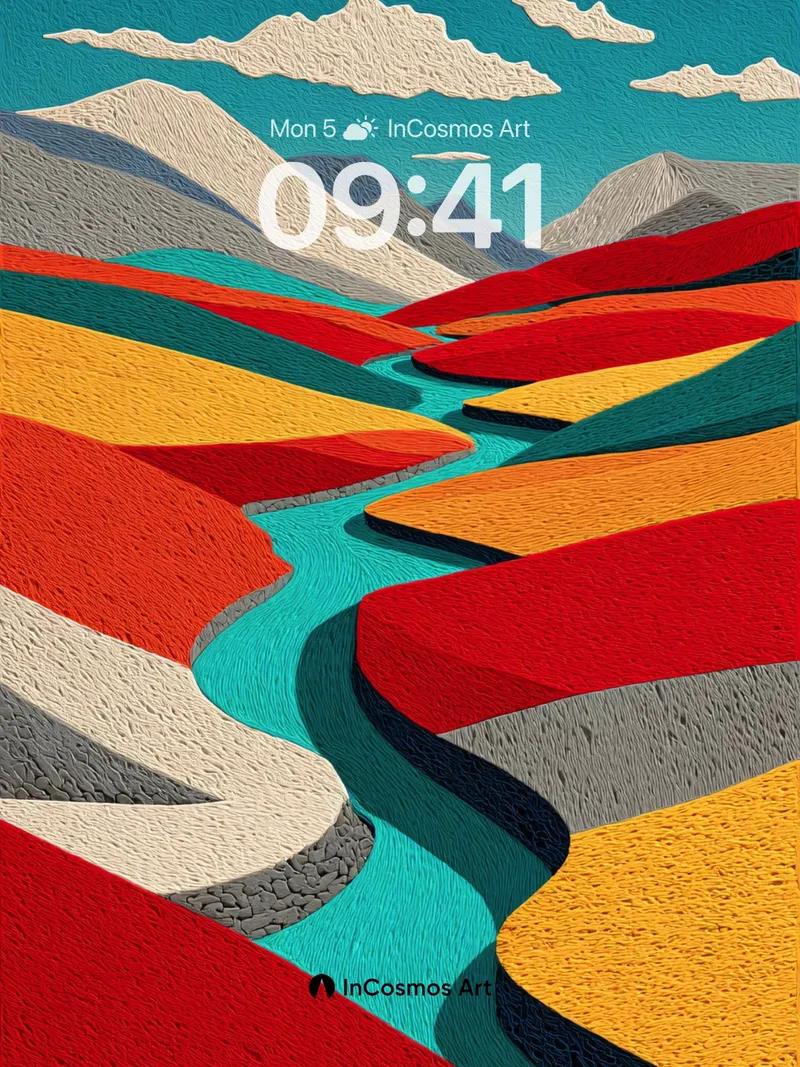
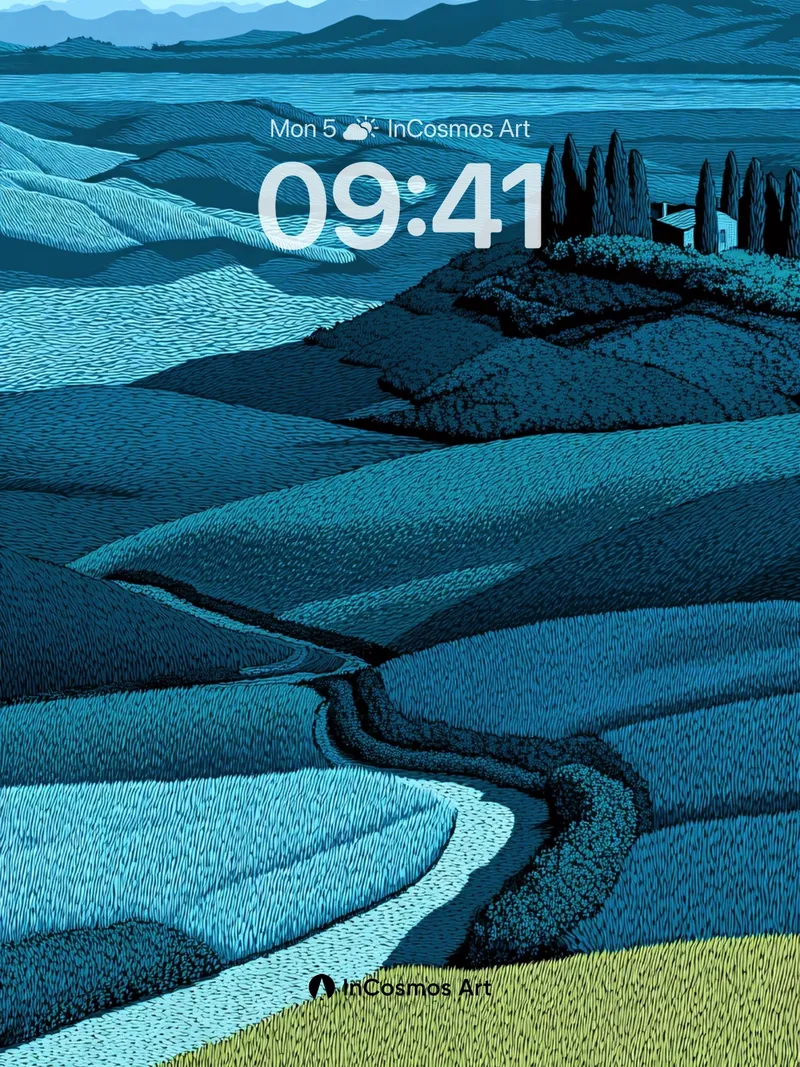
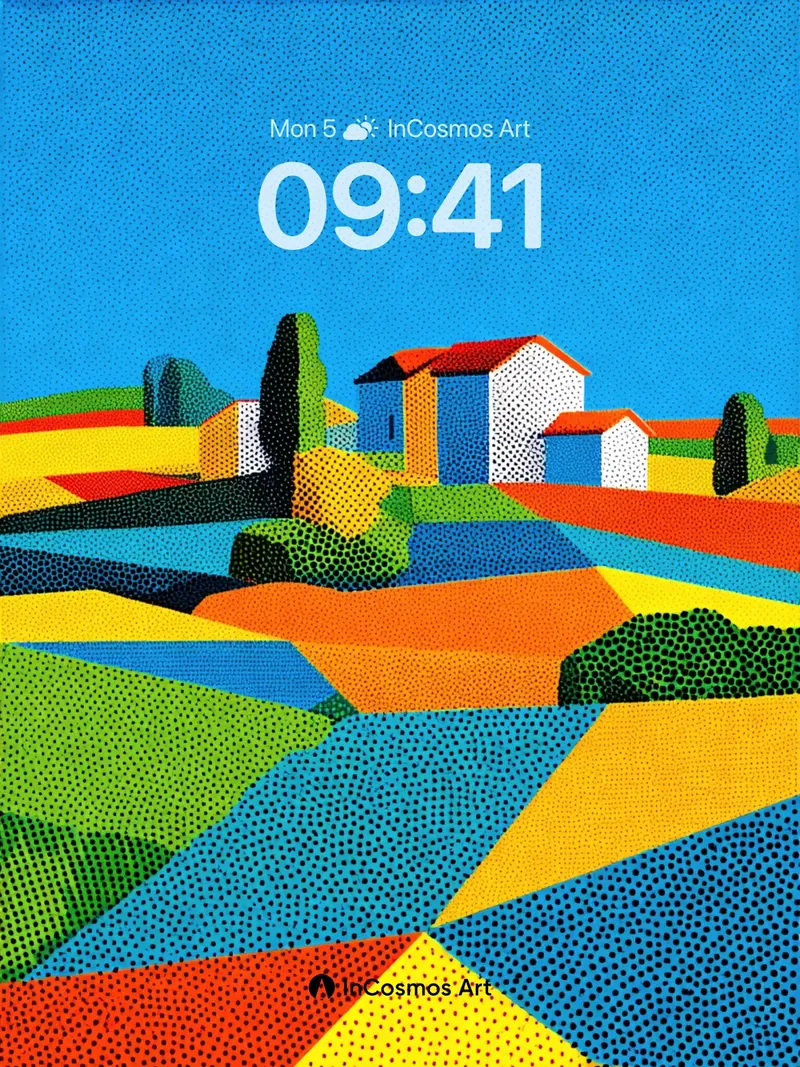
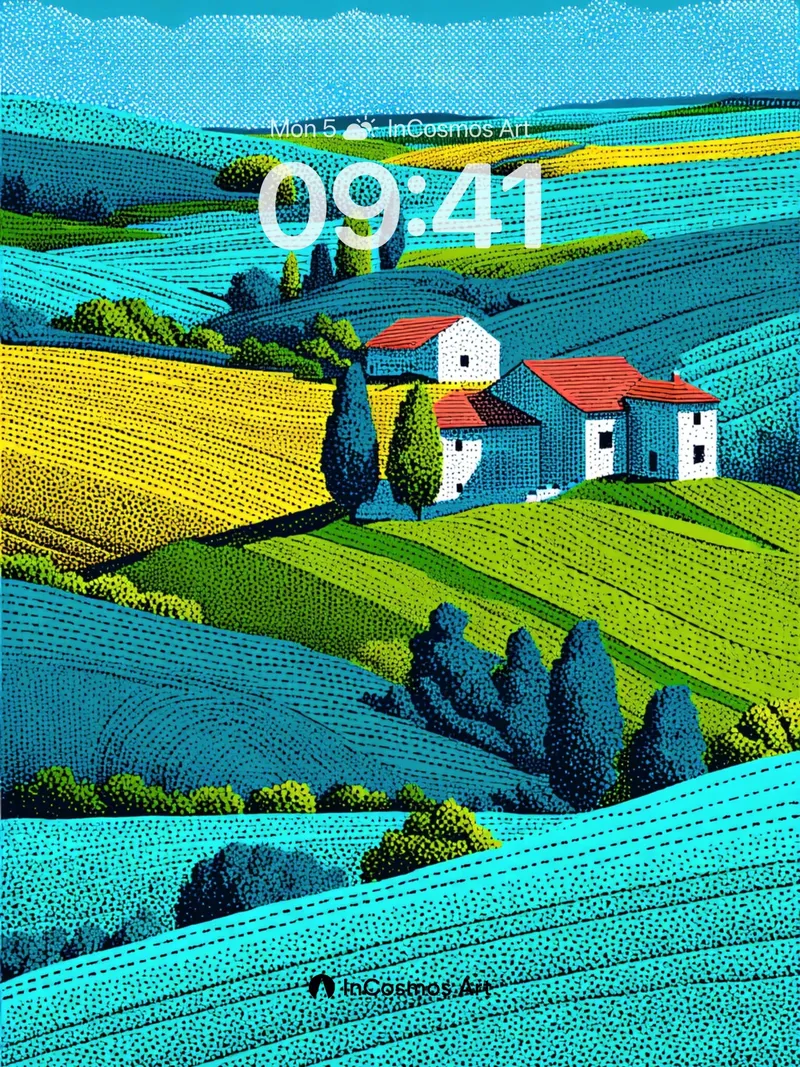
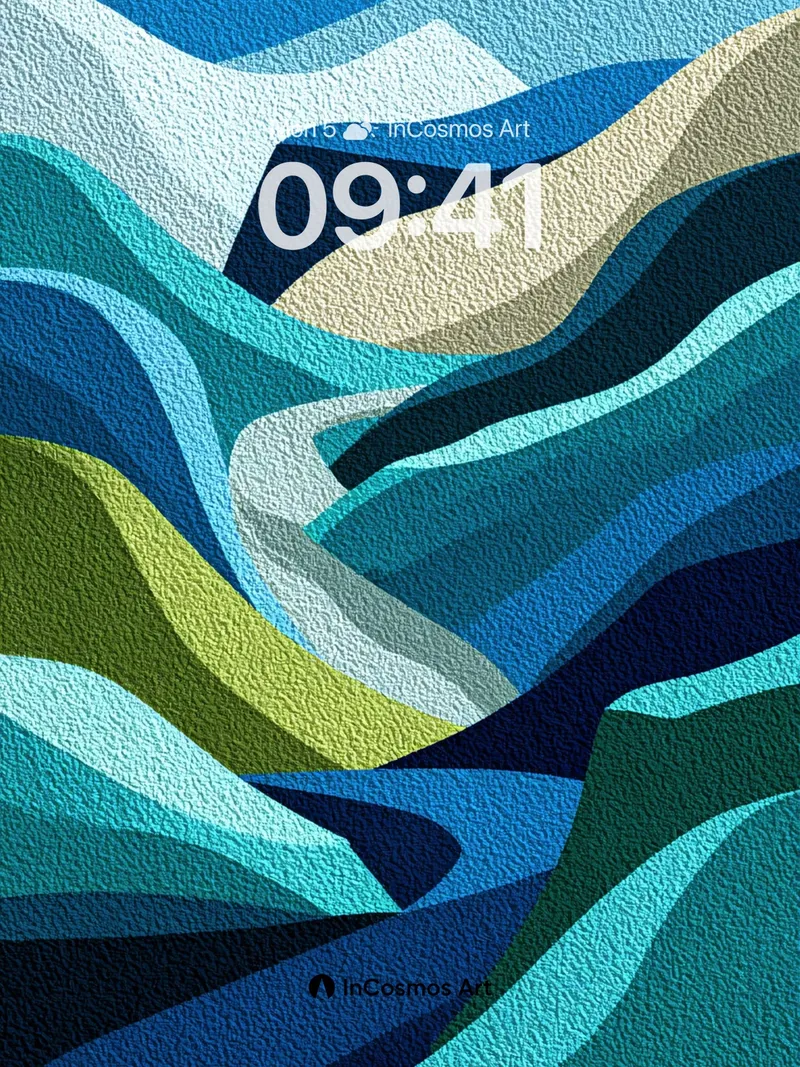
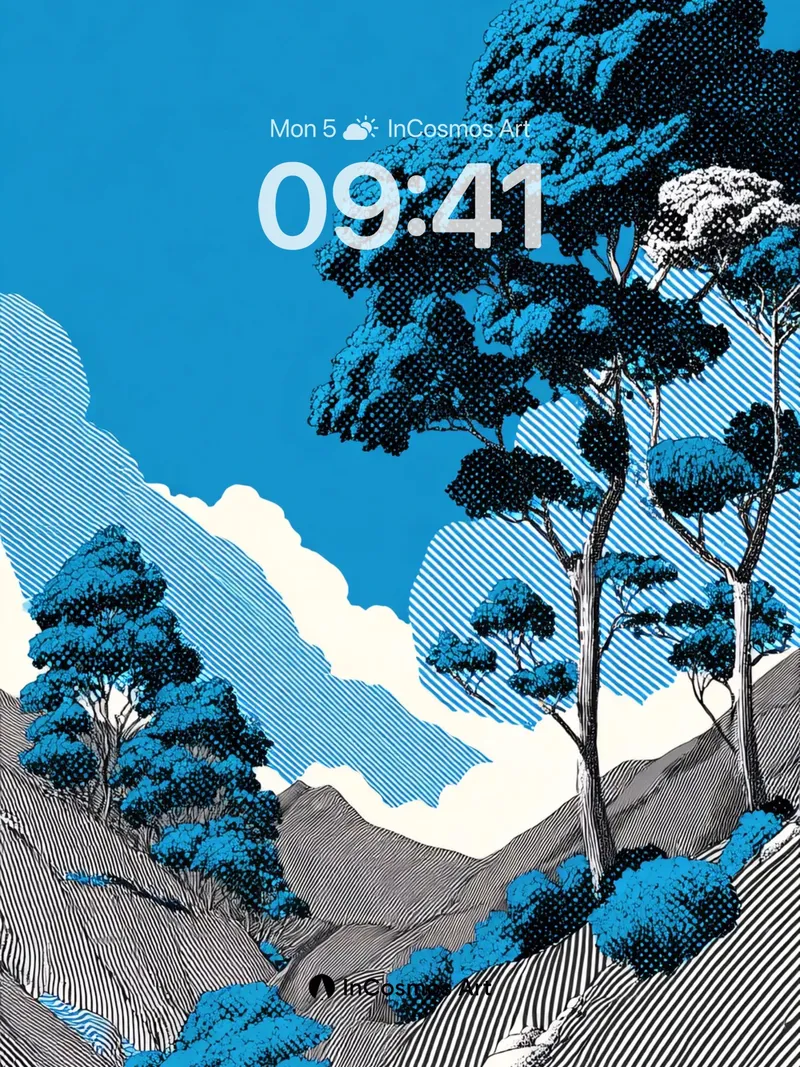
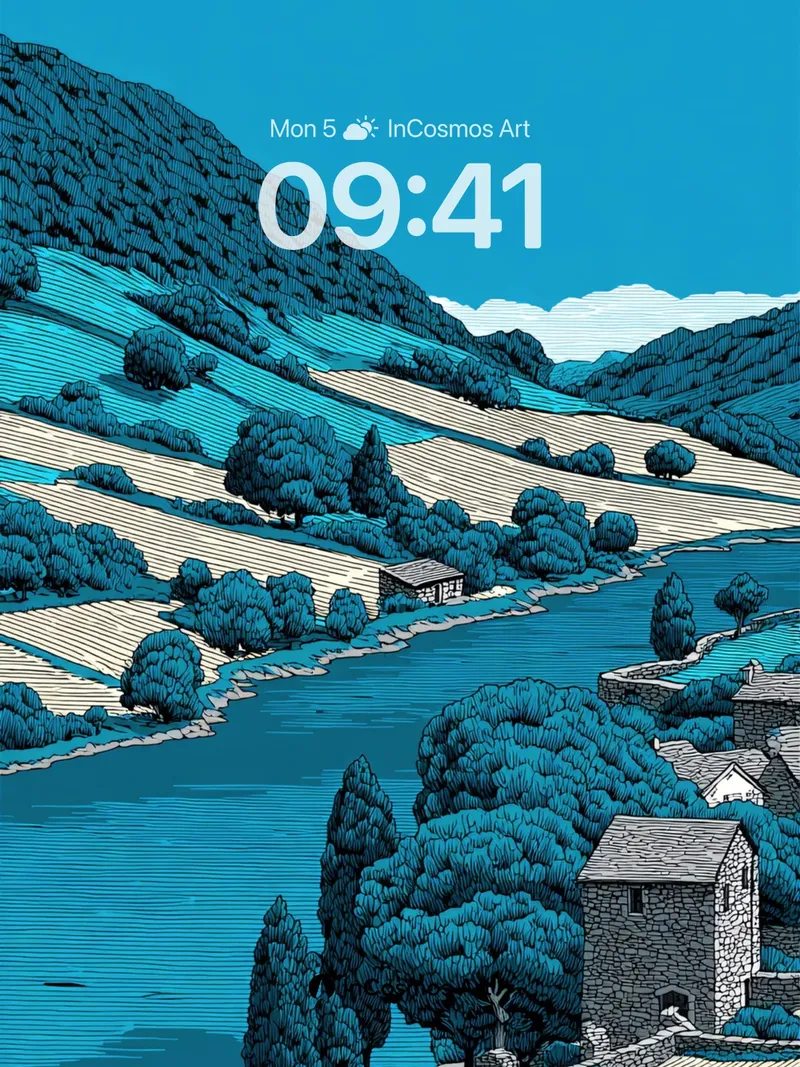
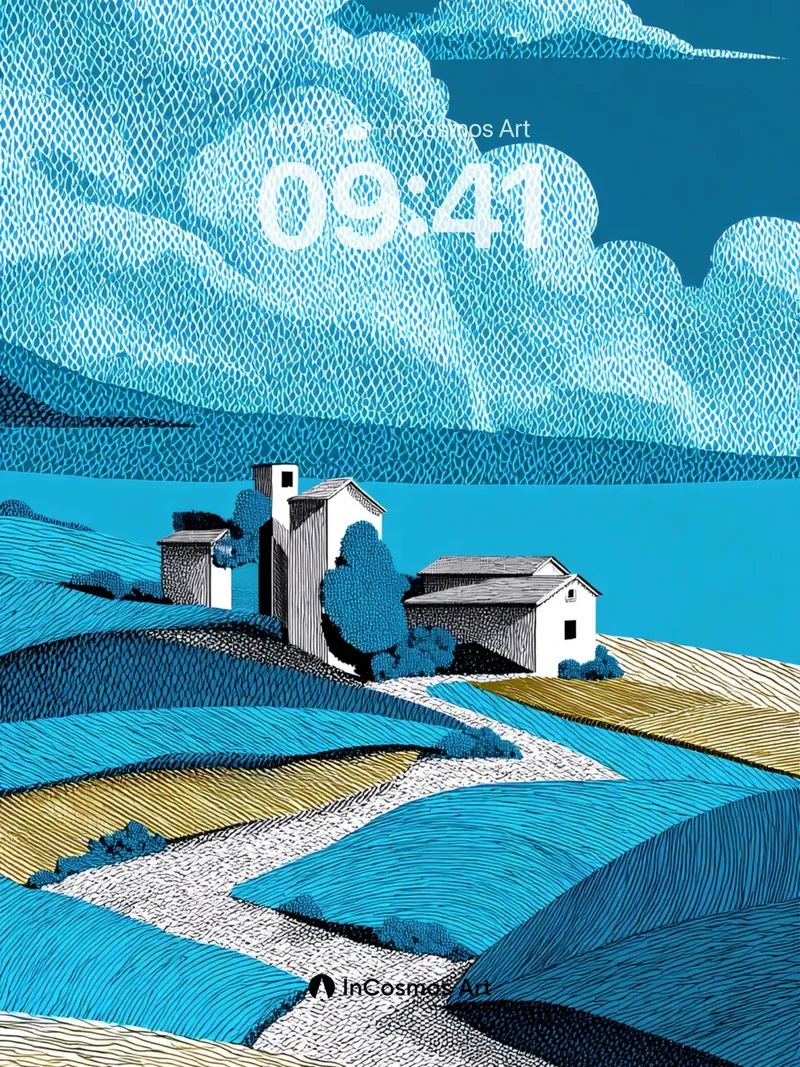
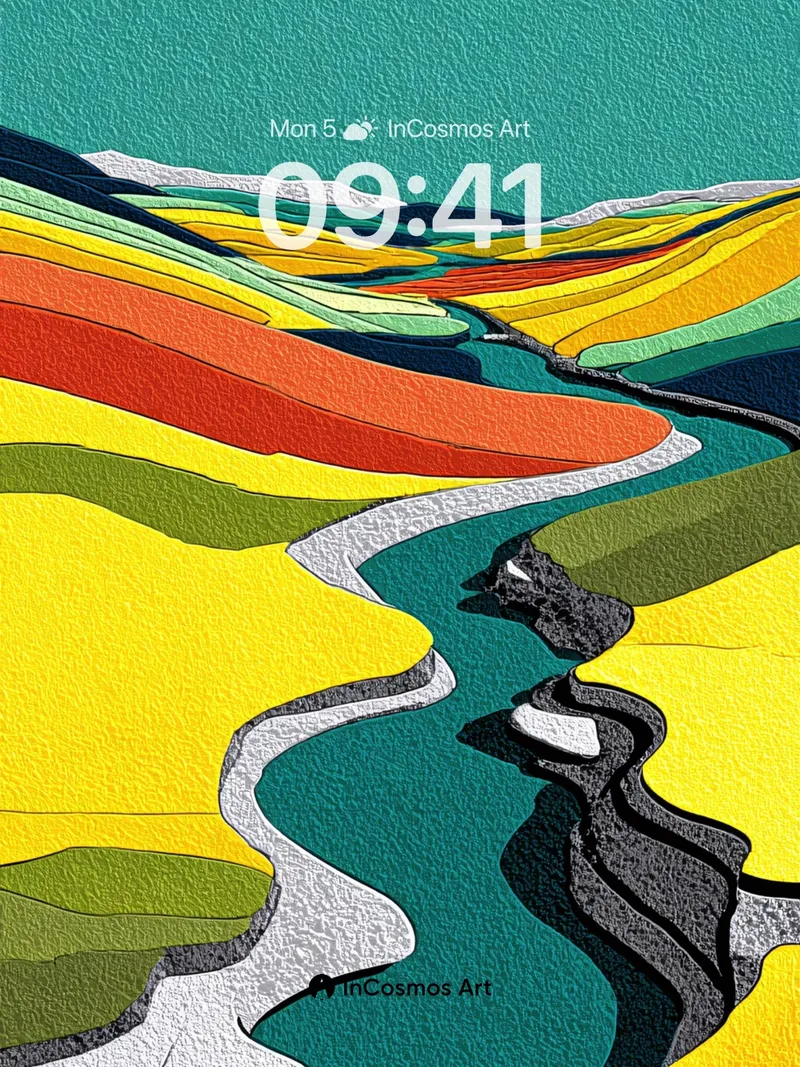
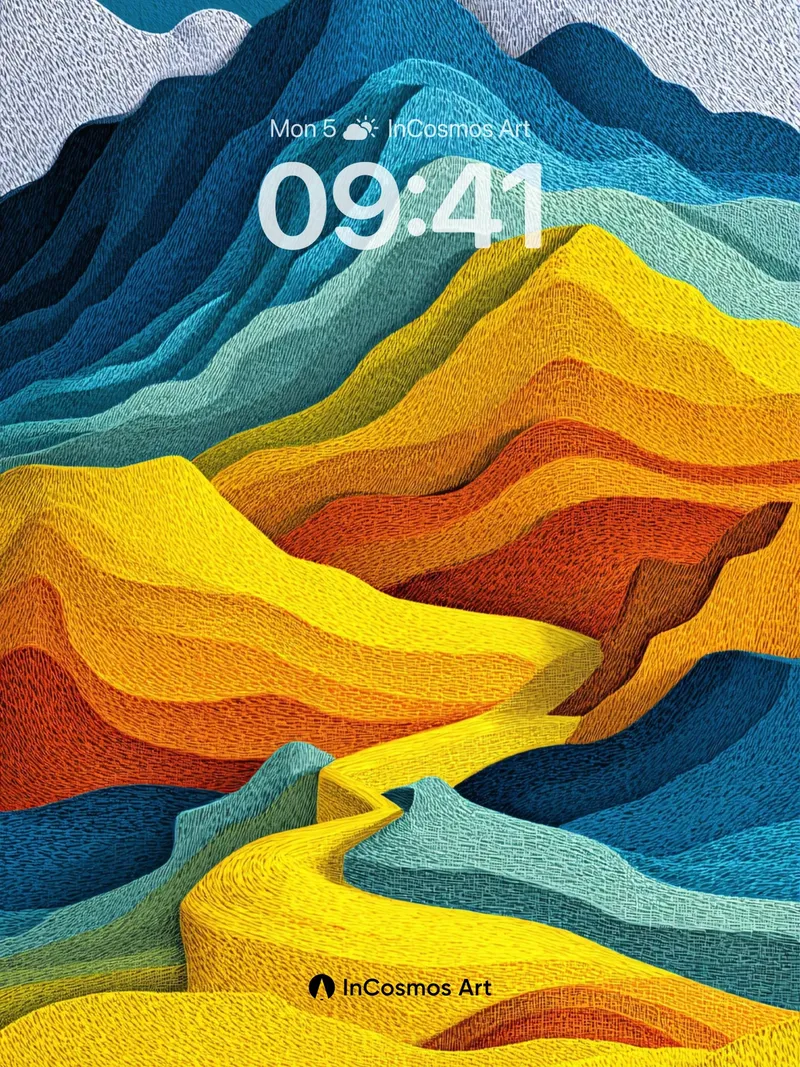
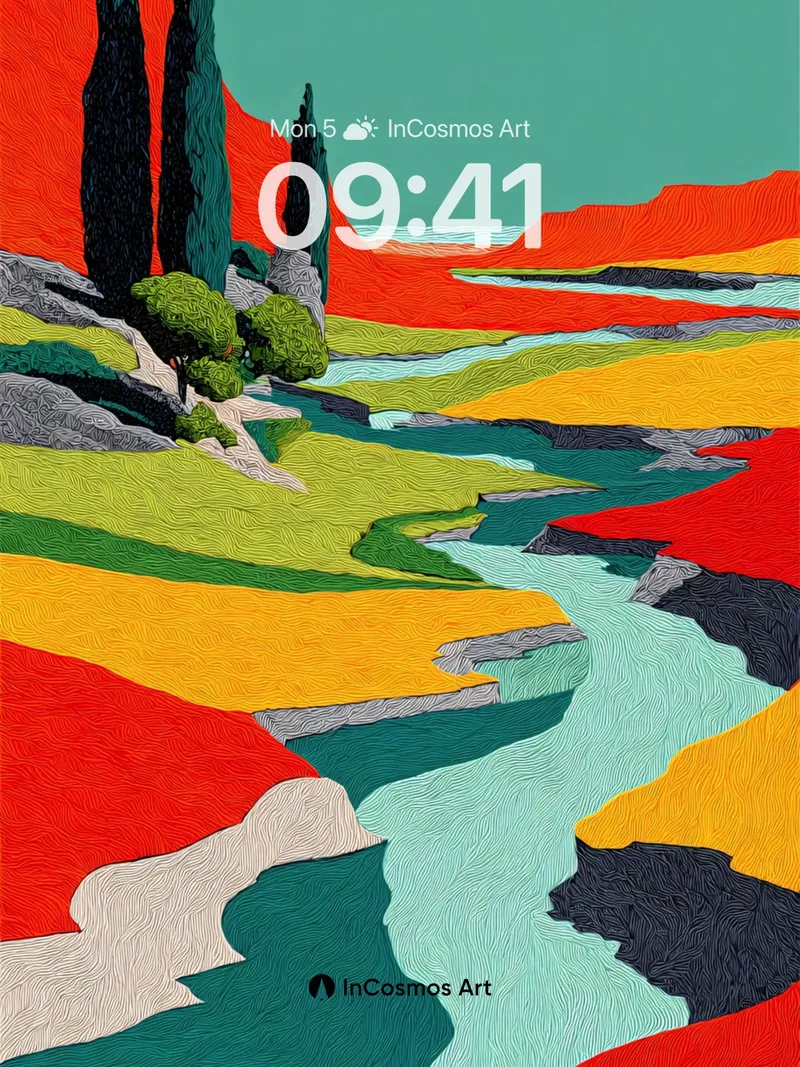
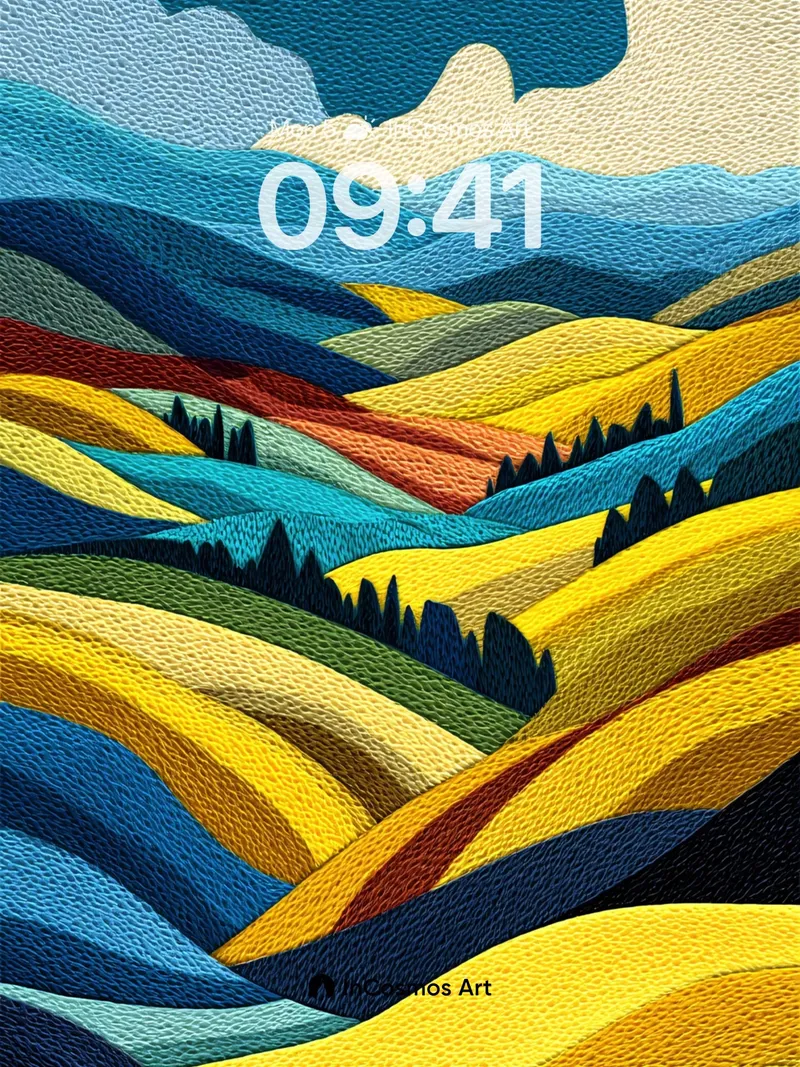
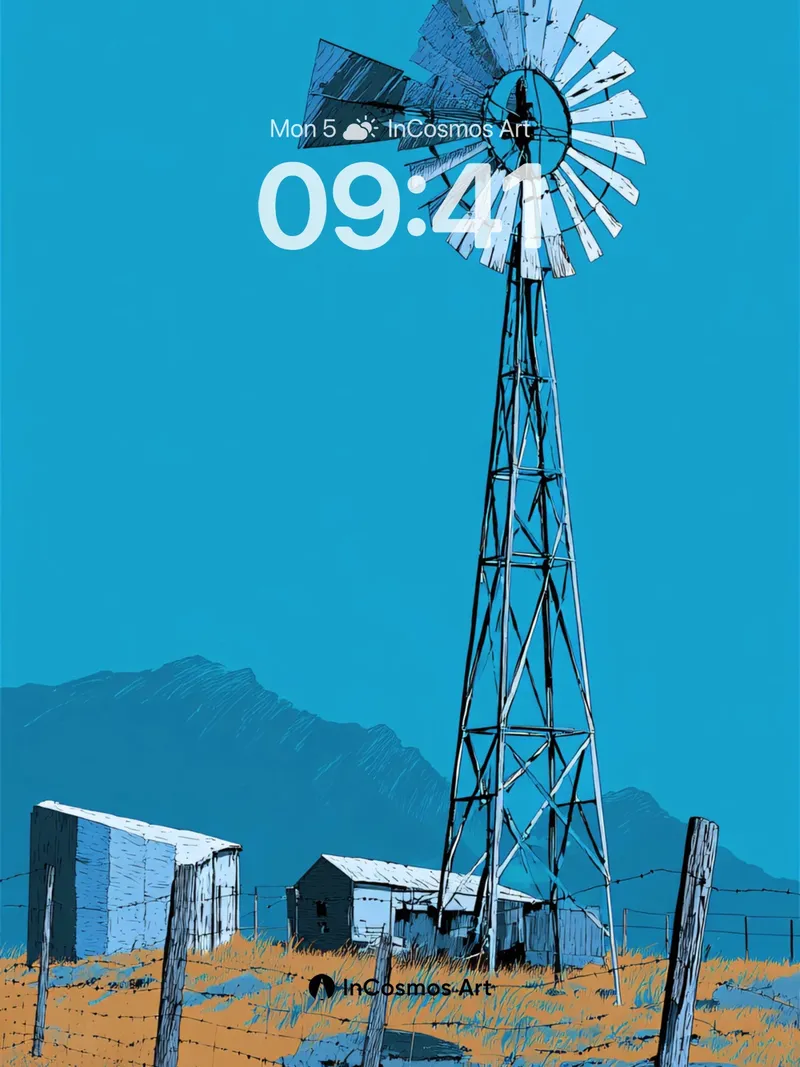
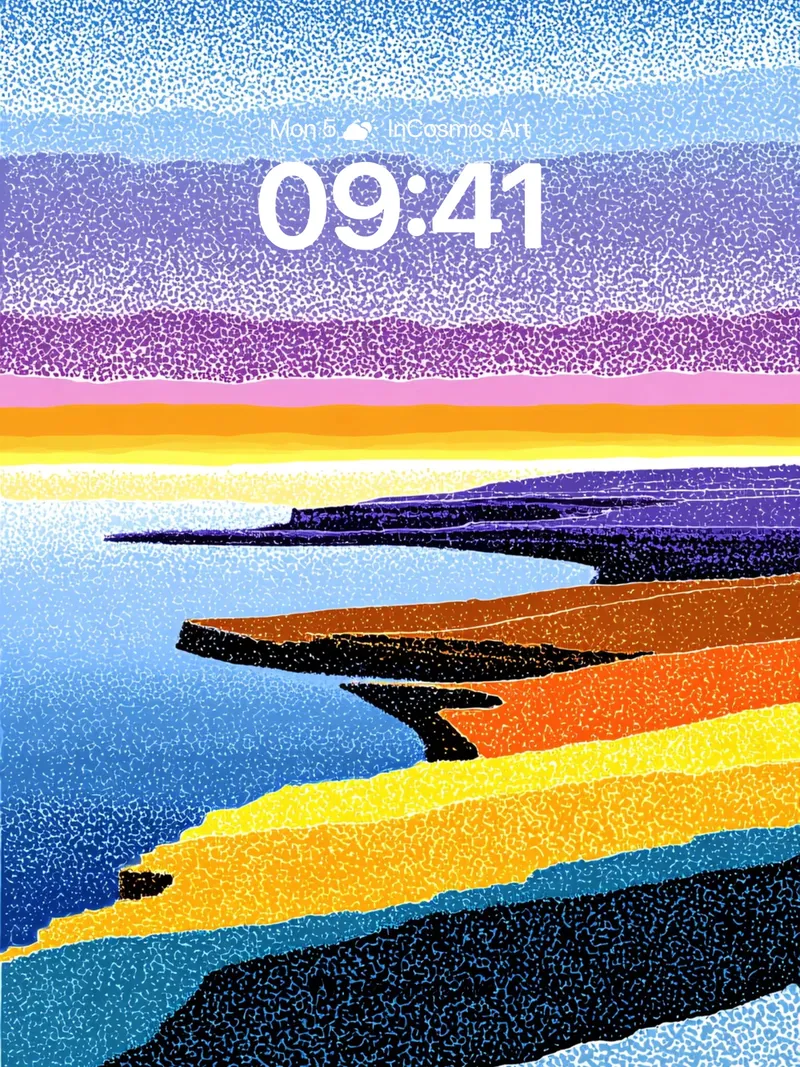
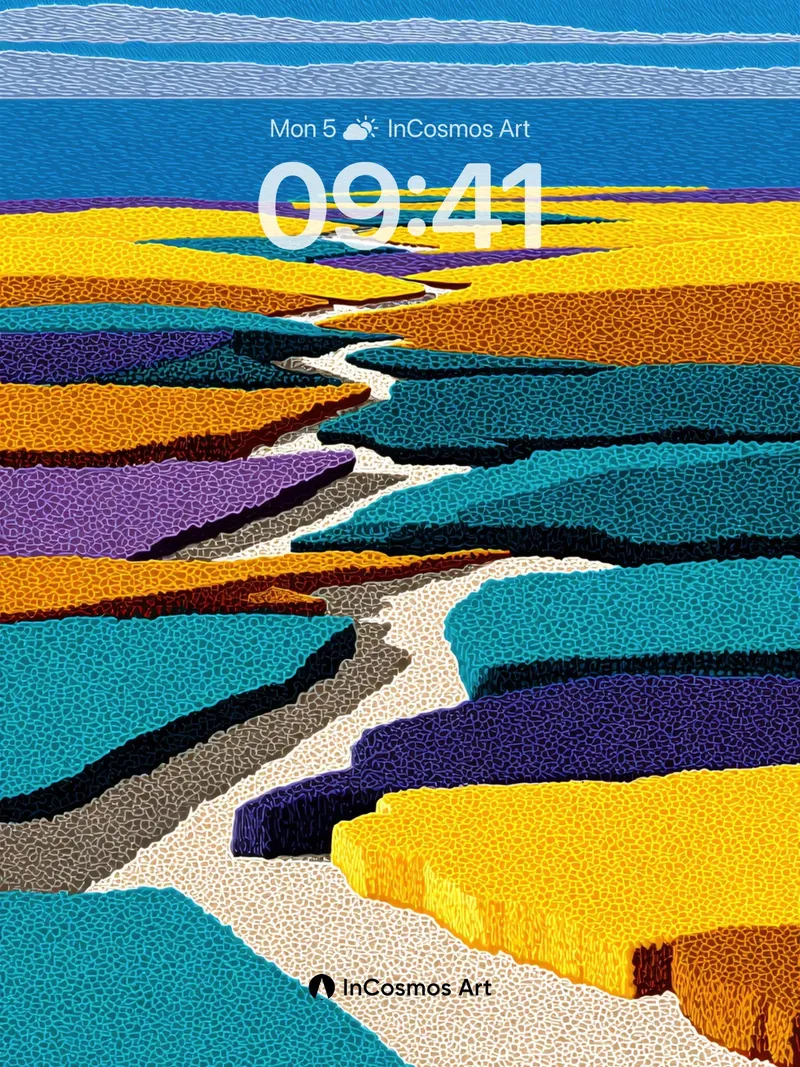
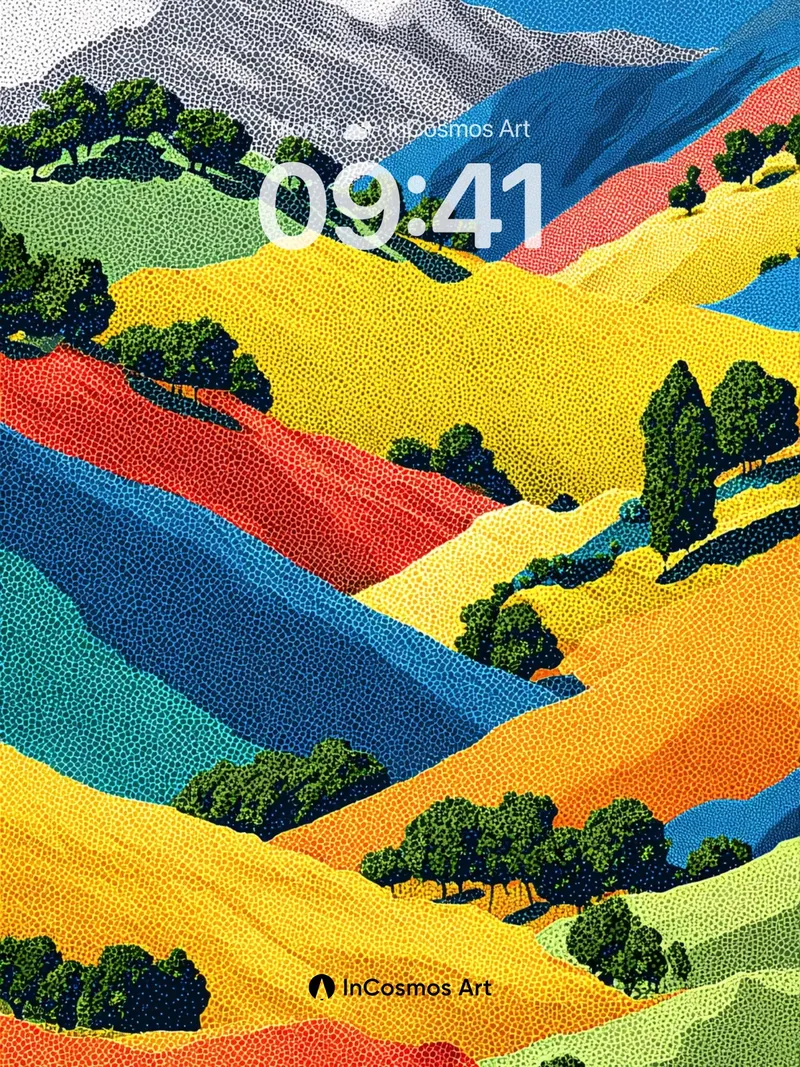
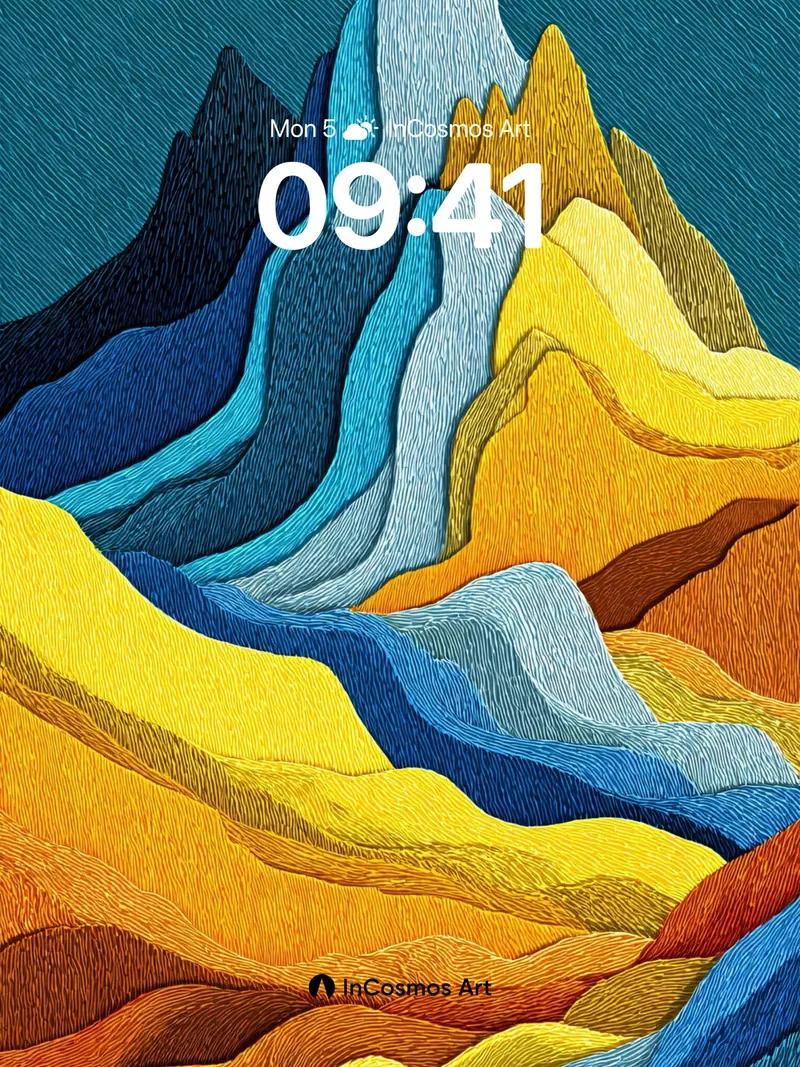
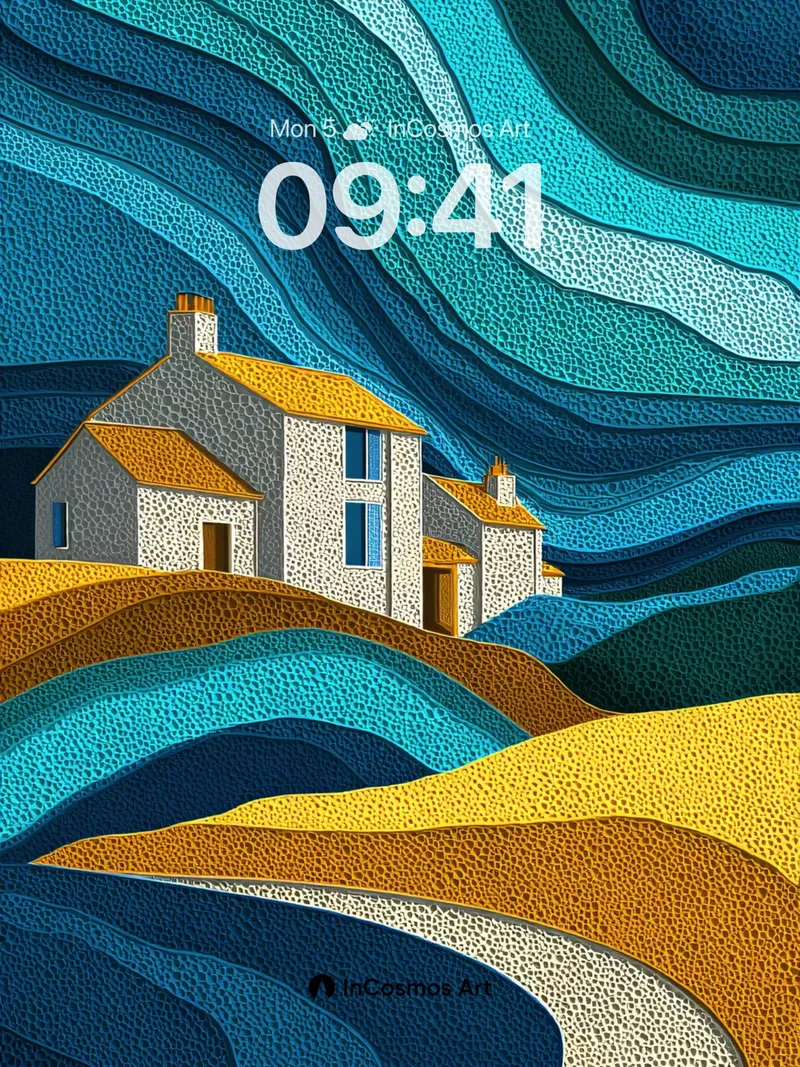
The earth is not a silent substrate but a map redrawn by human perception and cultural coding. The colors in these depictions are not natural replicas but projections of emotion, memory, and collective symbolism. Each geometric patch functions as a language, narrating metaphors about belonging, migration, and the essence of existence. Beneath the visual order lies the construction of psychological space—blue signifies tranquility, red embodies passion, and green carries the hope of enduring life. These scenes transform terrain into emotional topography, allowing viewers to recognize familiar nostalgia within abstraction.
Color as Cultural Symbol
Color choices are never accidental. Warm tones often denote fertile land and traces of human activity, while cool palettes suggest distance and unattainable horizons. The interplay of blue and green in valleys reflects an idealized pastoral vision, a romantic reimagining of pre-industrial nature. This stylized treatment turns geography into readable text, where every slope and river tells a socio-cultural story.
Truth Within Abstraction
Although highly geometric, the internal rhythms mirror real-world topographical undulations. Wavy lines emulate wind-eroded landscapes, dot patterns simulate variations in vegetation density. This abstraction does not detach from reality but distills the essential structure of the surface. It invites audiences to comprehend space non-figuratively, transcending physical cognition.
Emotional Topography
Gradations and juxtapositions of color create psychological flow. Transitions from deep red to pale yellow echo temporal passage; shifts from enclosed mountains to open valleys symbolize longing for openness and freedom. These landscapes are not scenery but externalizations of mental maps. They reveal how humans organize experience through visual systems, internalizing the external world as emotional coordinates.
Poetic Reconfiguration of Geography
When mountains appear as stacked color bands and rivers become curvilinear scores, geography surpasses its cartographic meaning. It becomes a poetic retelling of the world, a heartfelt tribute to nature. This artistic form eschews realism in favor of awakening dormant memories and subconscious images of home.