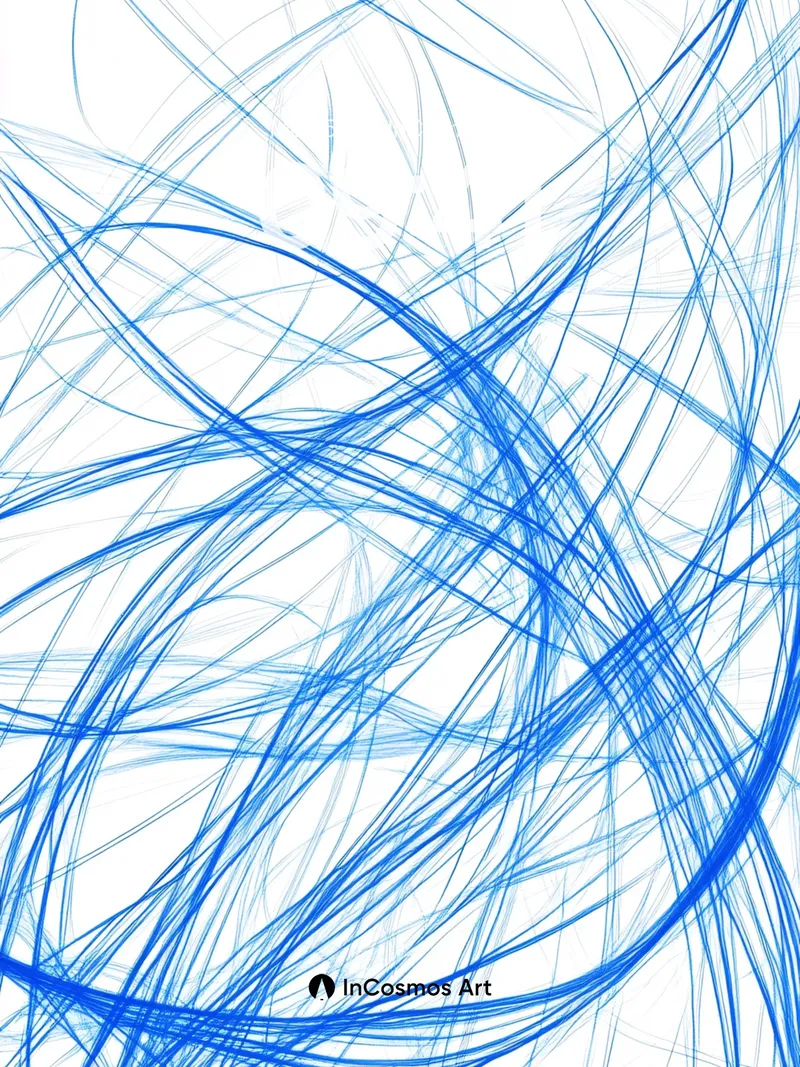
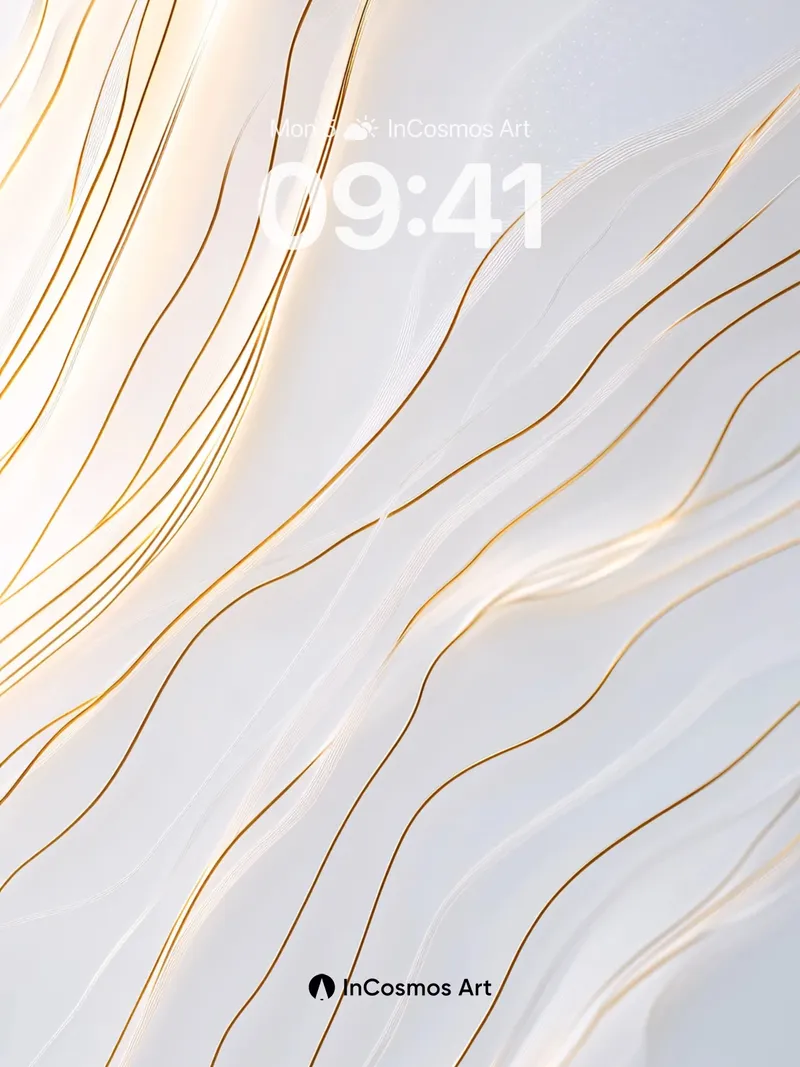
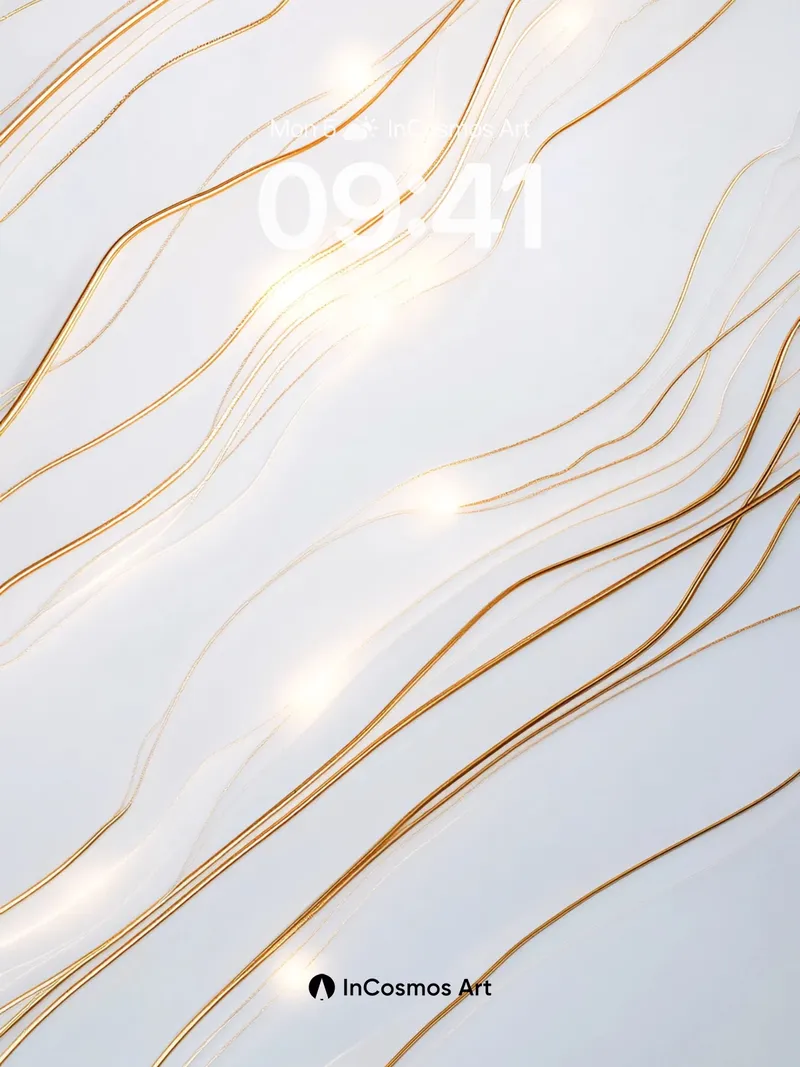
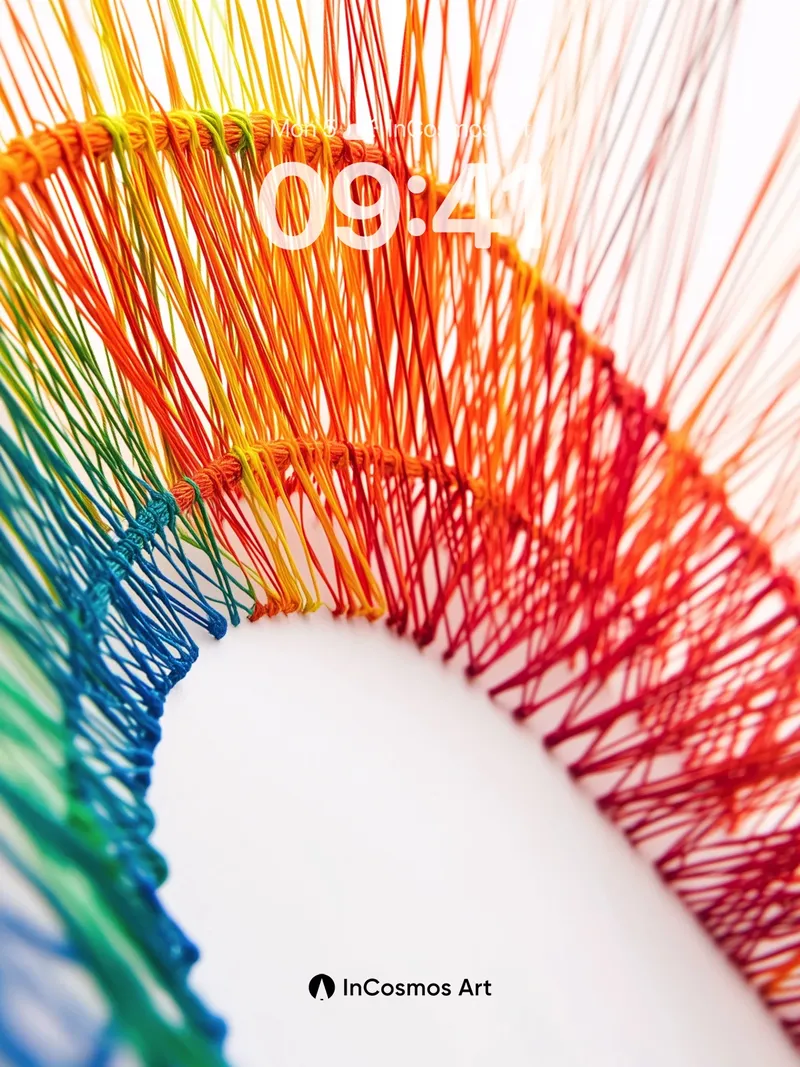
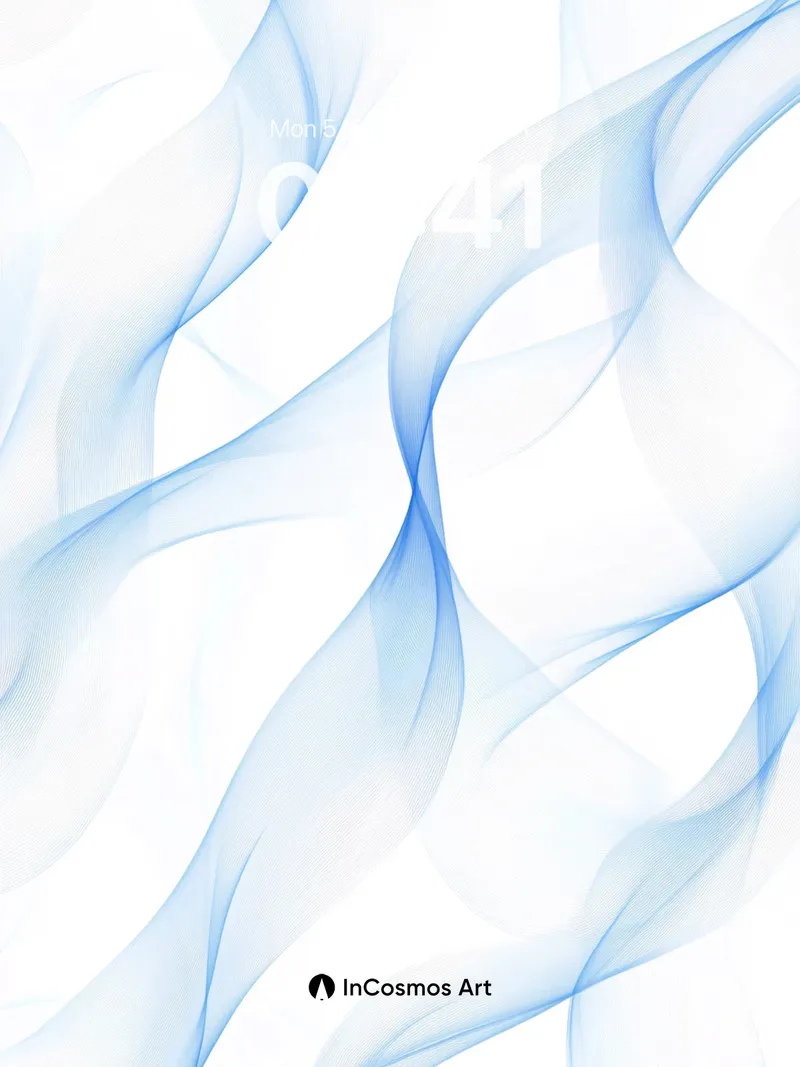
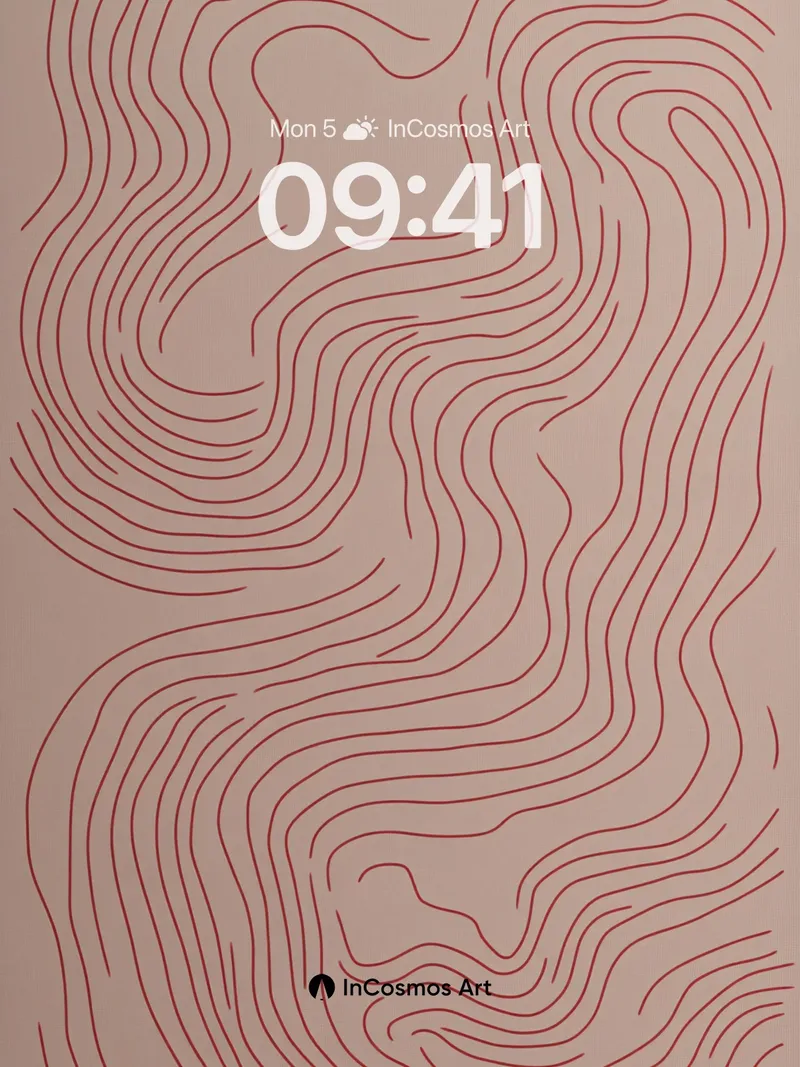
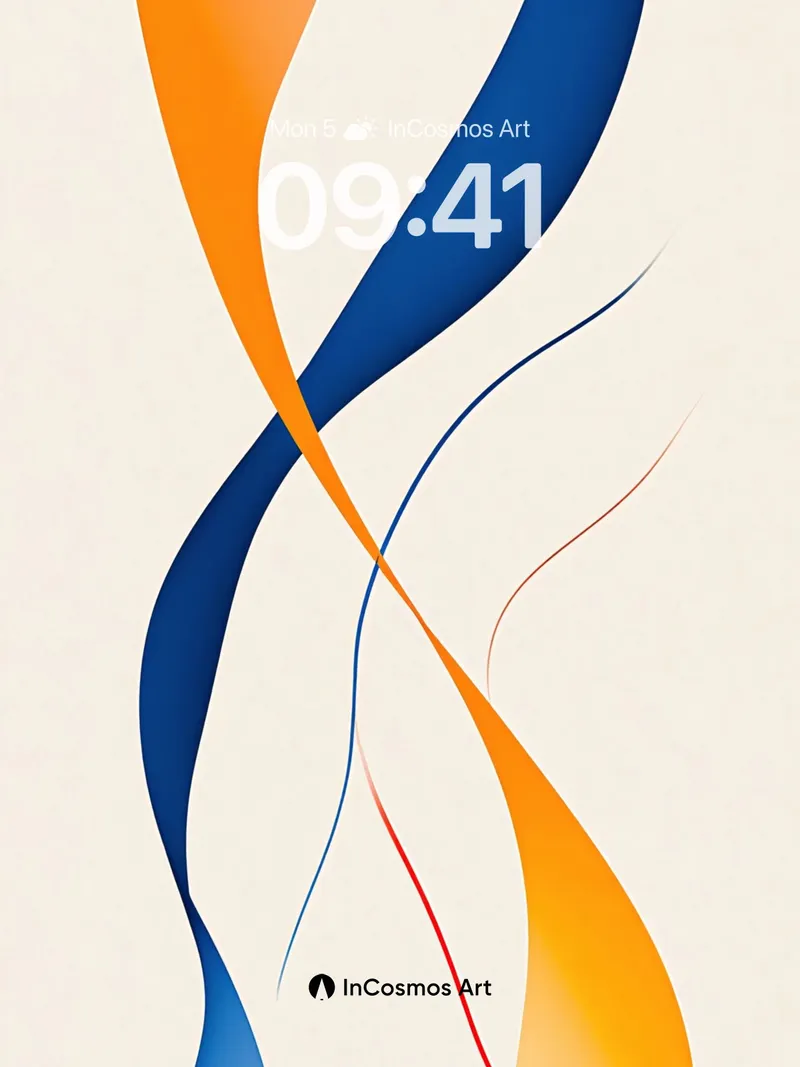
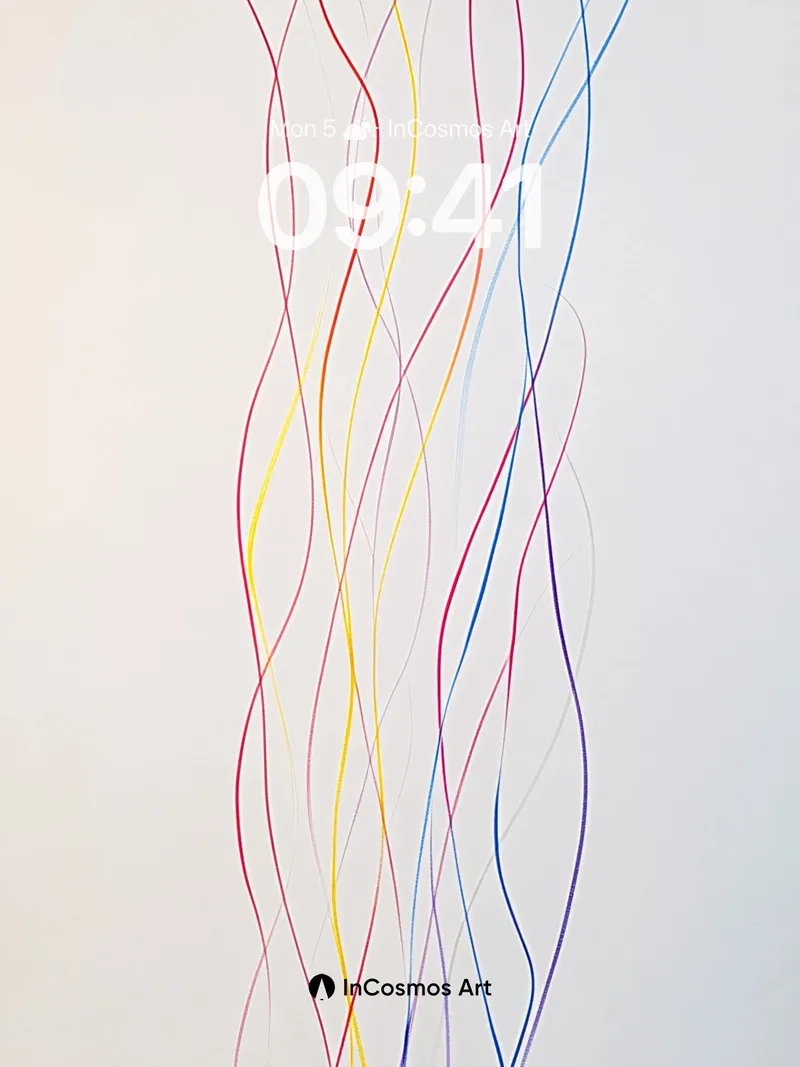
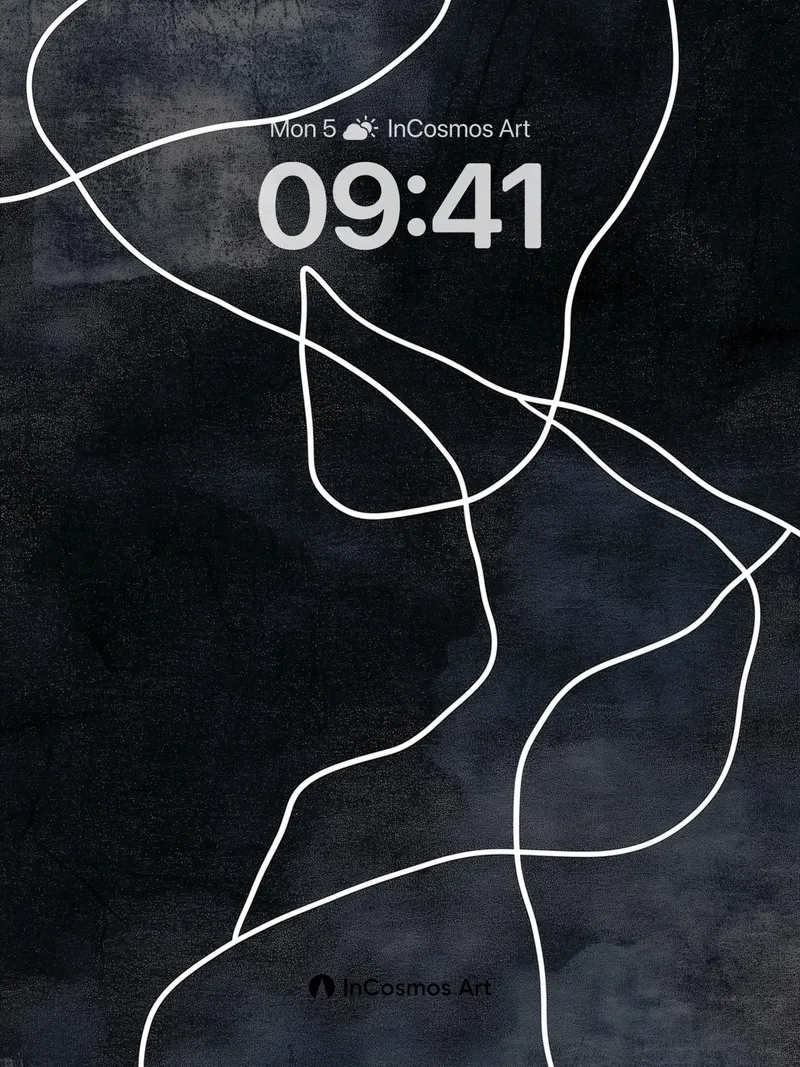
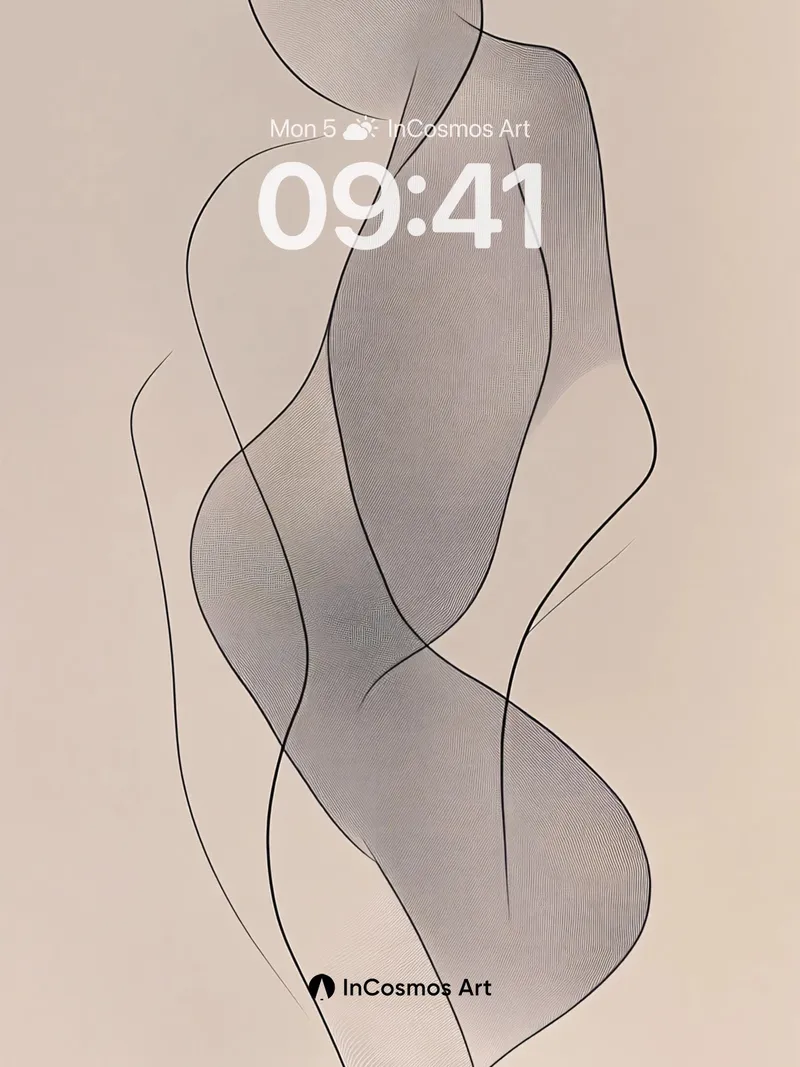
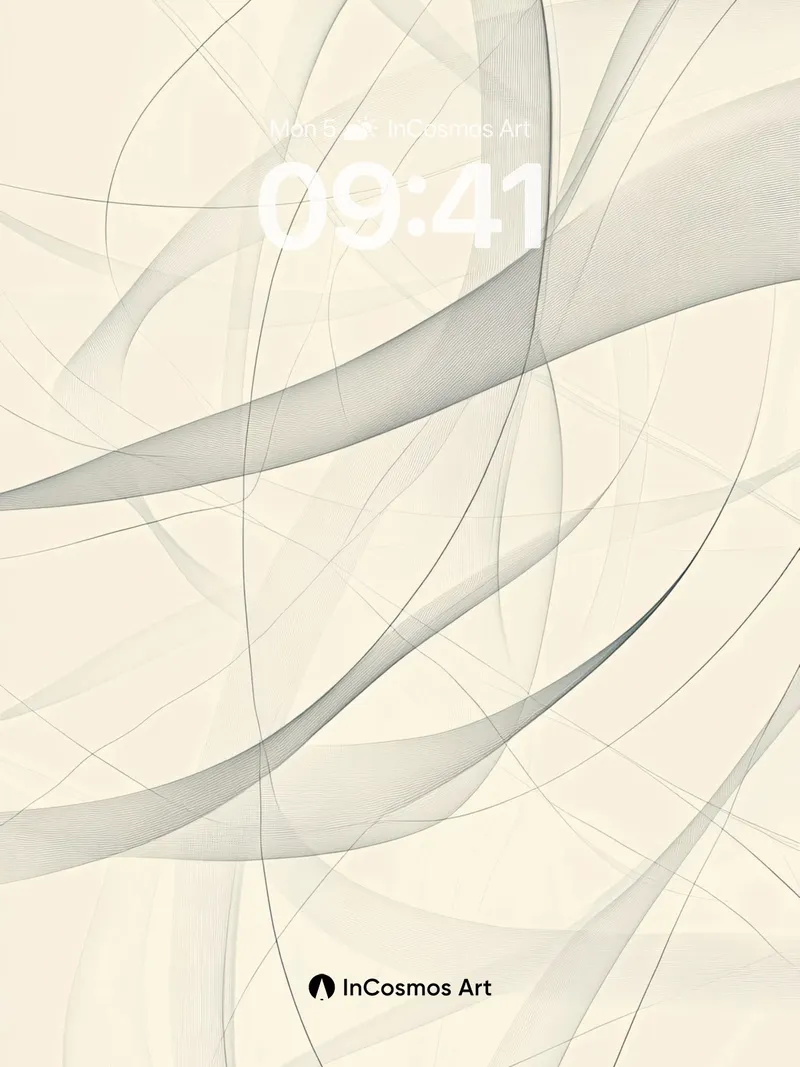
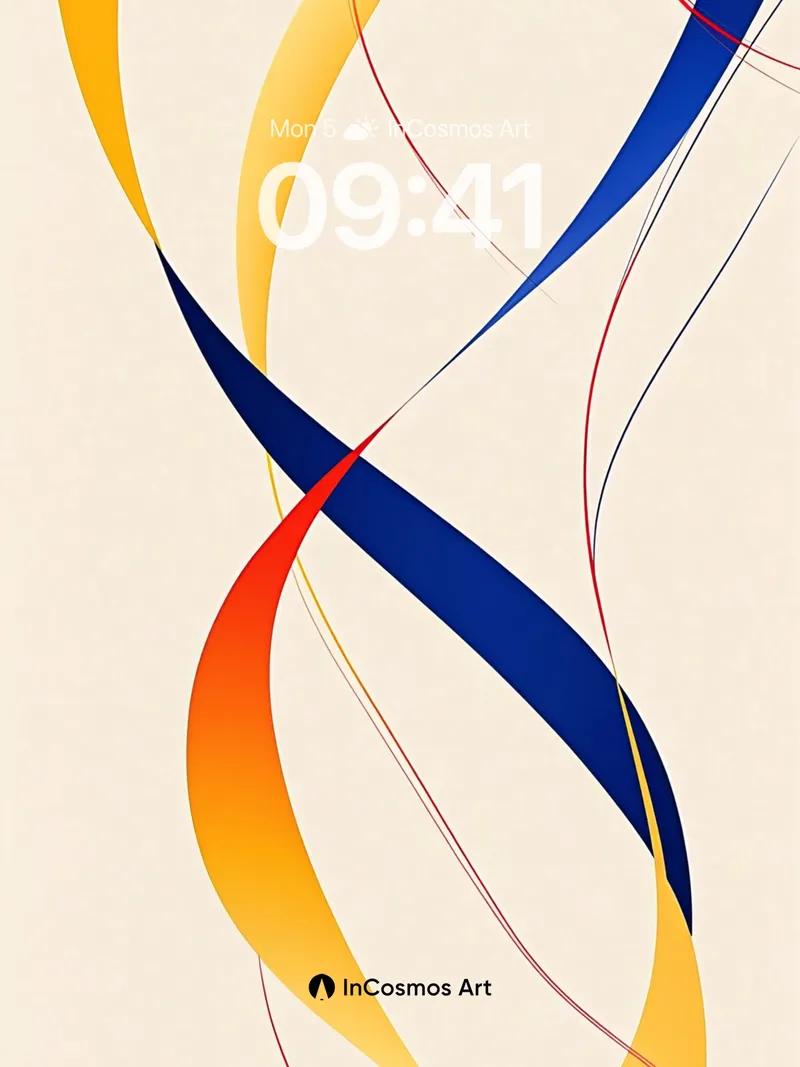
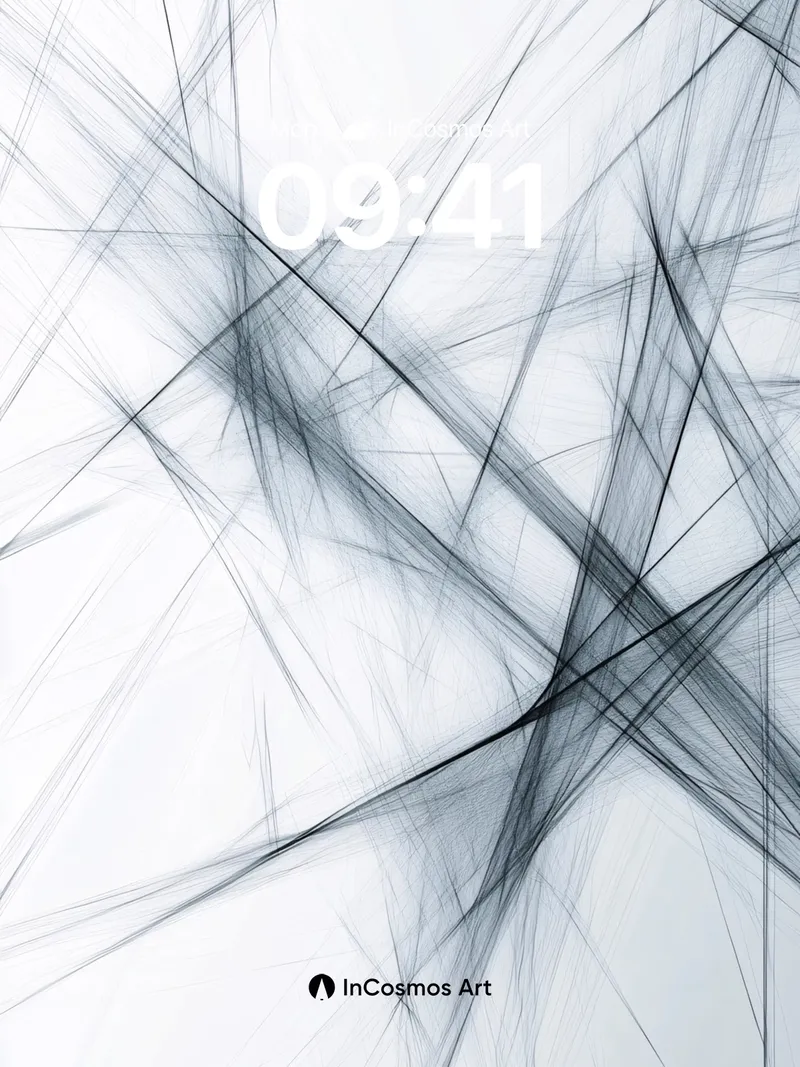
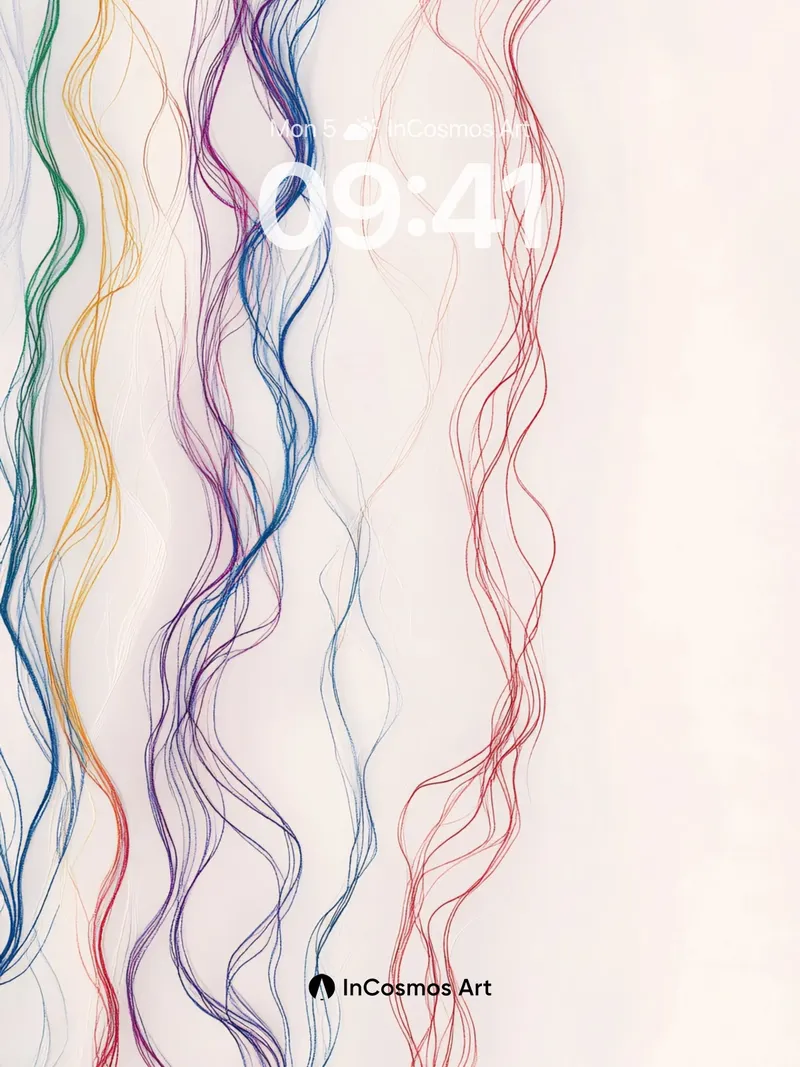
Lines traverse space as thoughts wander through time. They carry no literal form yet convey emotion through shape. Some resemble ink splatters—moments of eruption; others, ribbons entwined—continuous pulls; still others, golden threads floating on light surfaces—subtle glimmers in stillness. These traces are not random but responses to the tension between order and freedom. When lines weave into networks, they suggest the complexity of social structures; when they stretch like waves, they mirror inner fluidity. In minimalist contexts, lines become vessels of meaning—rejecting ornament while animating form with soul.
Lines as Language
Lines are not subordinate to art; they are its origin. In Eastern calligraphy, every stroke holds rhythm and breath; in modern design, a single curve can define brand essence. Thickness, direction, density—all silently narrate modes of being. When interlaced, they form visual rhythms, creating non-verbal storytelling systems. These systems rely on no symbols yet evoke empathy—because they stem from bodily motion and humanity’s innate sense of balance and dynamism.
Order Within Flow
Some lines appear chaotic but follow internal logic. They mimic natural patterns—wind trails, water ripples, neural webs—expressing dynamic stability. This order is not geometric precision but organic harmony. It reminds that meaning can emerge from chaos. Modern urban life often overwhelms with fragmented data, yet these lines offer visual meditation—guiding viewers to find paths amid disorder, to perceive constancy within change.
Color and Emotional Resonance
Though some lines remain monochrome, color deepens psychological impact. Blue evokes calm and depth; orange-yellow ignites energy and hope; gold signifies nobility and spirituality. Combined, color and line create emotional gradients. This is more than aesthetic choice—it is cultural coding. For instance, blue and gold frequently appear in religious art, suggesting sacredness merging with reason. In daily environments, such pairings regulate mood, direct attention, even influence behavior.
Complexity Behind Simplicity
Surface simplicity often masks intricate intention. Each line’s placement, length, curvature serves the whole composition. Minimalism is not emptiness but focused clarity after removing excess. This aesthetic reflects a modern psychological need: in an age of information overload, the desire for lucidity, efficiency, purposeful experience. Thus, lines become metaphors of the mind—simple, yet profoundly complex.