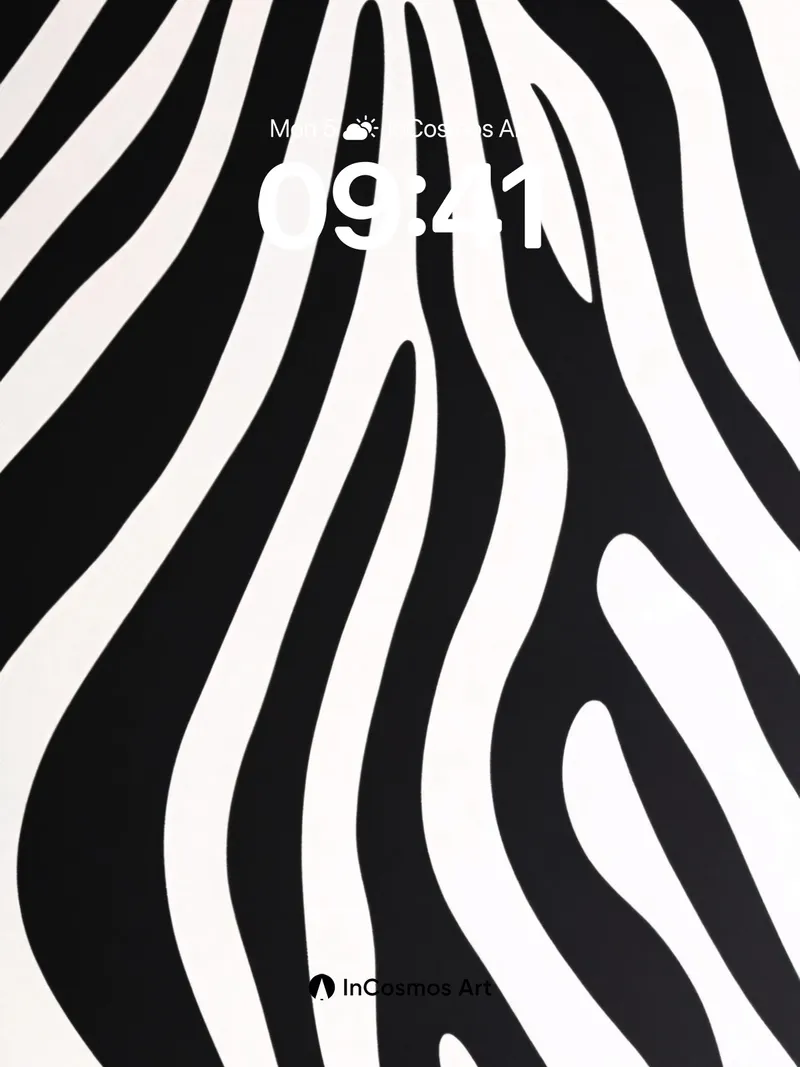
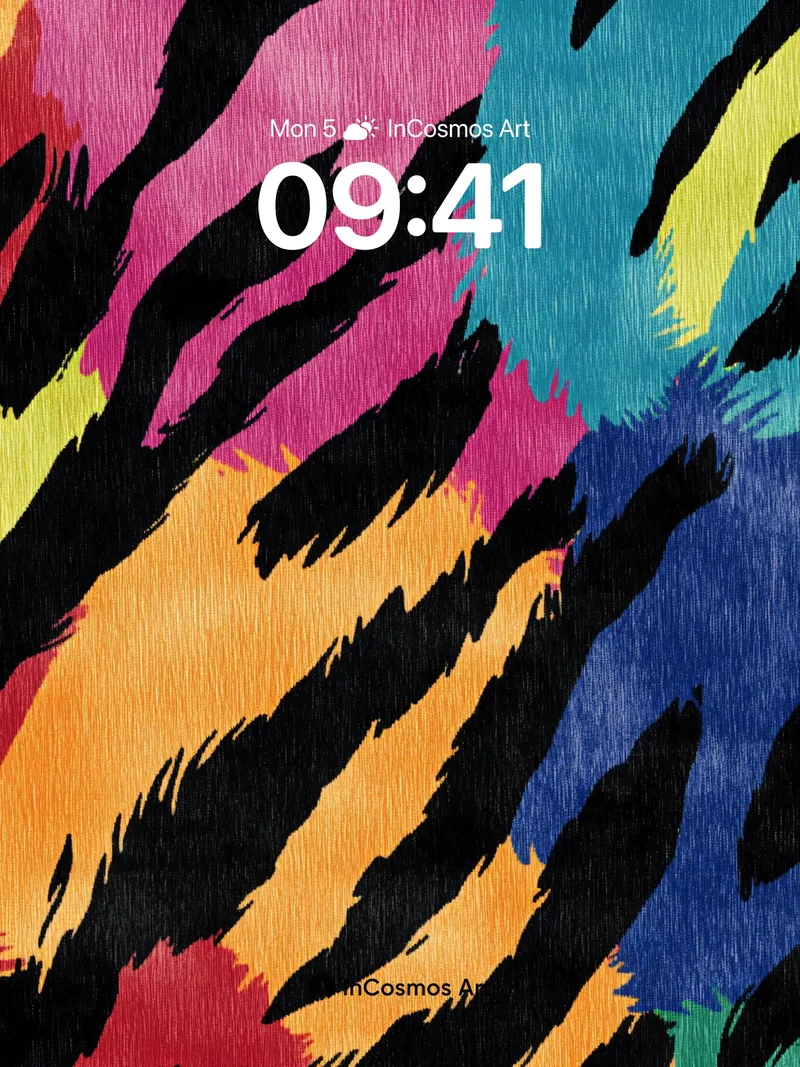
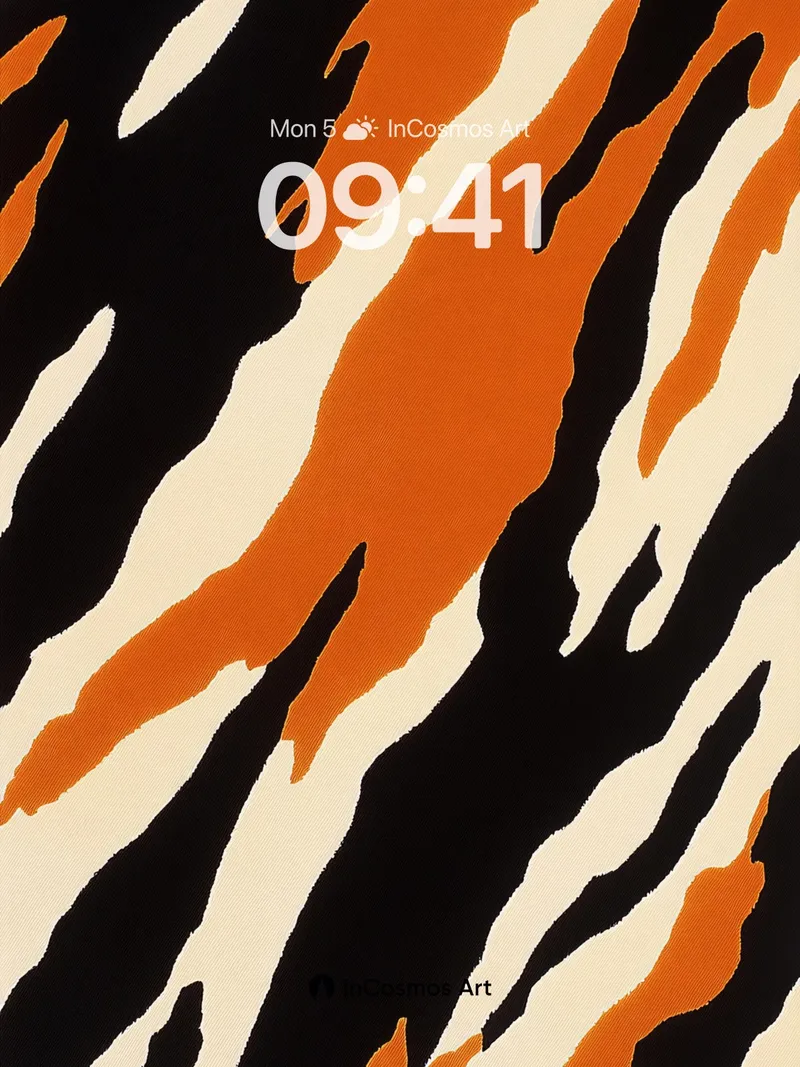
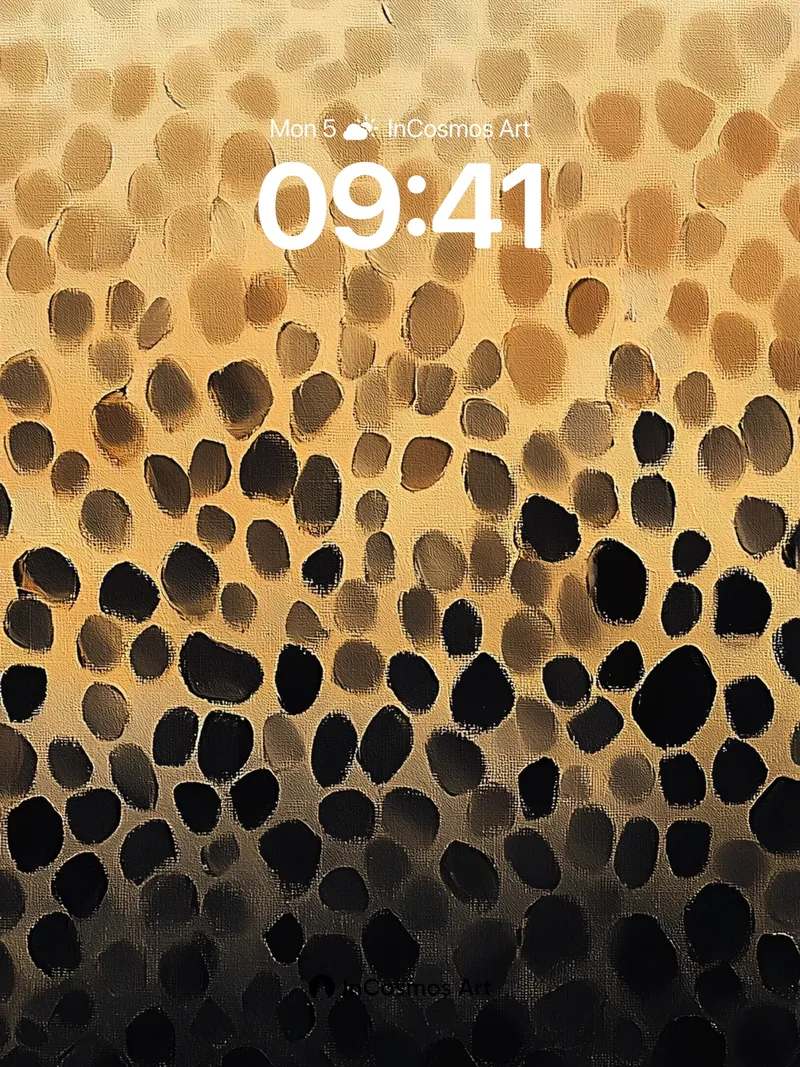
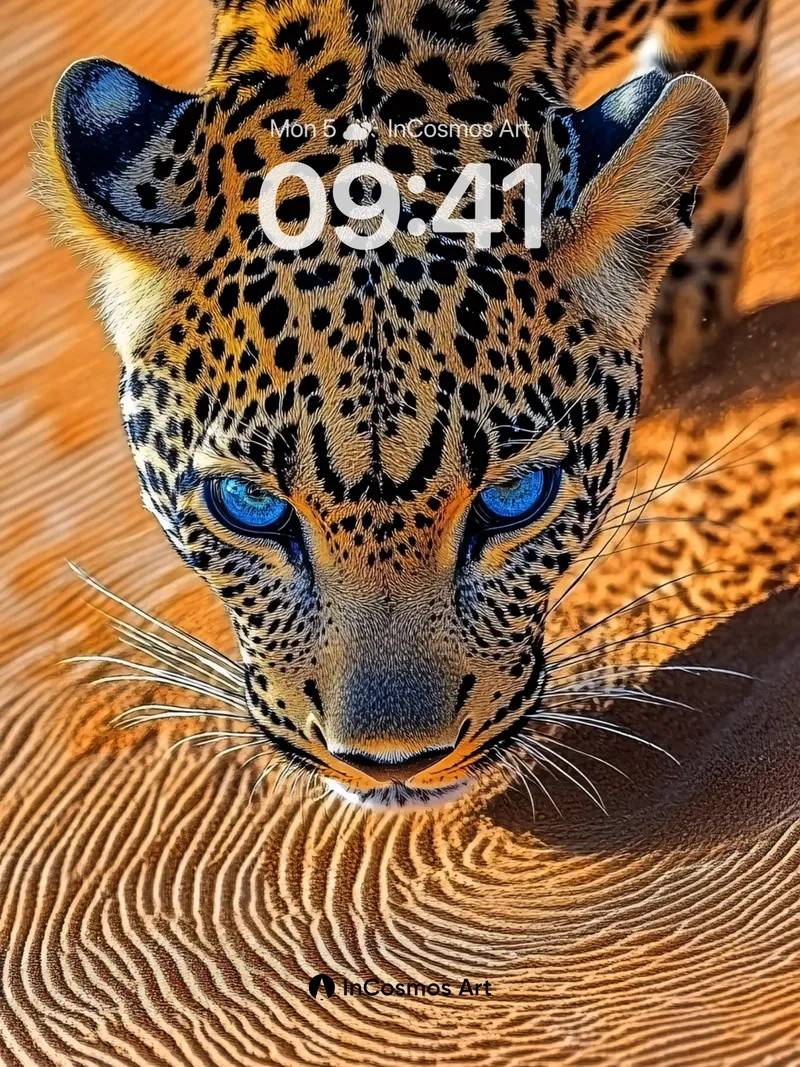
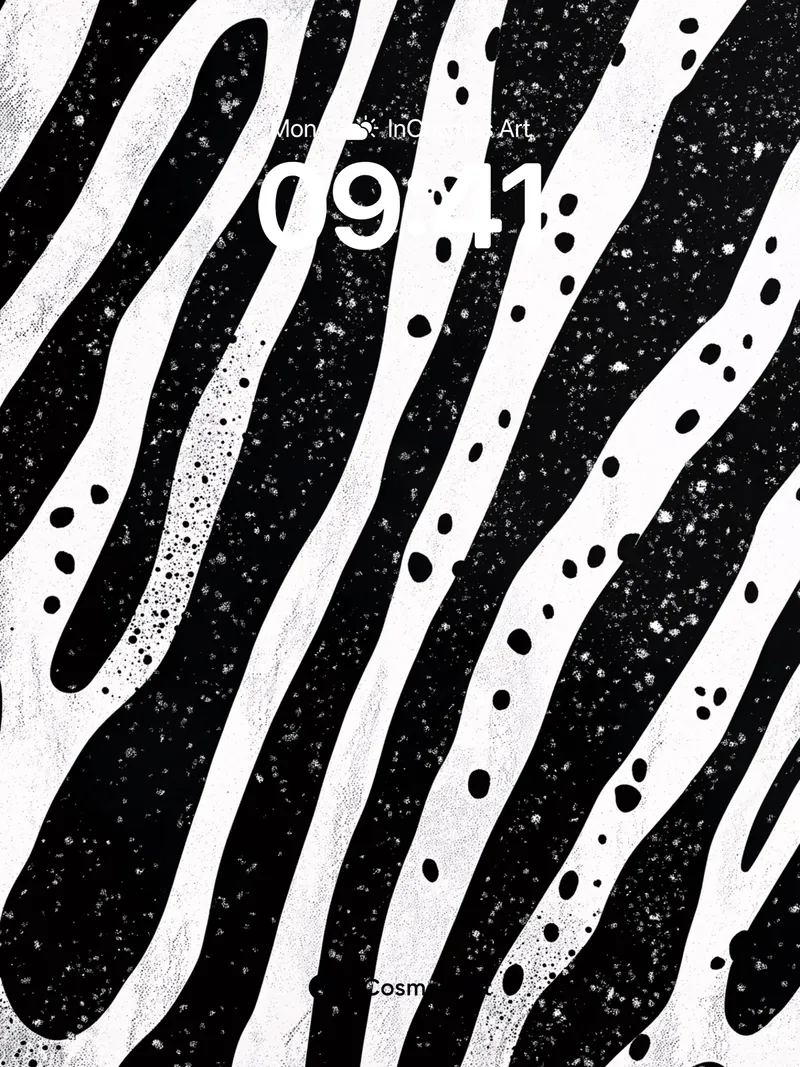
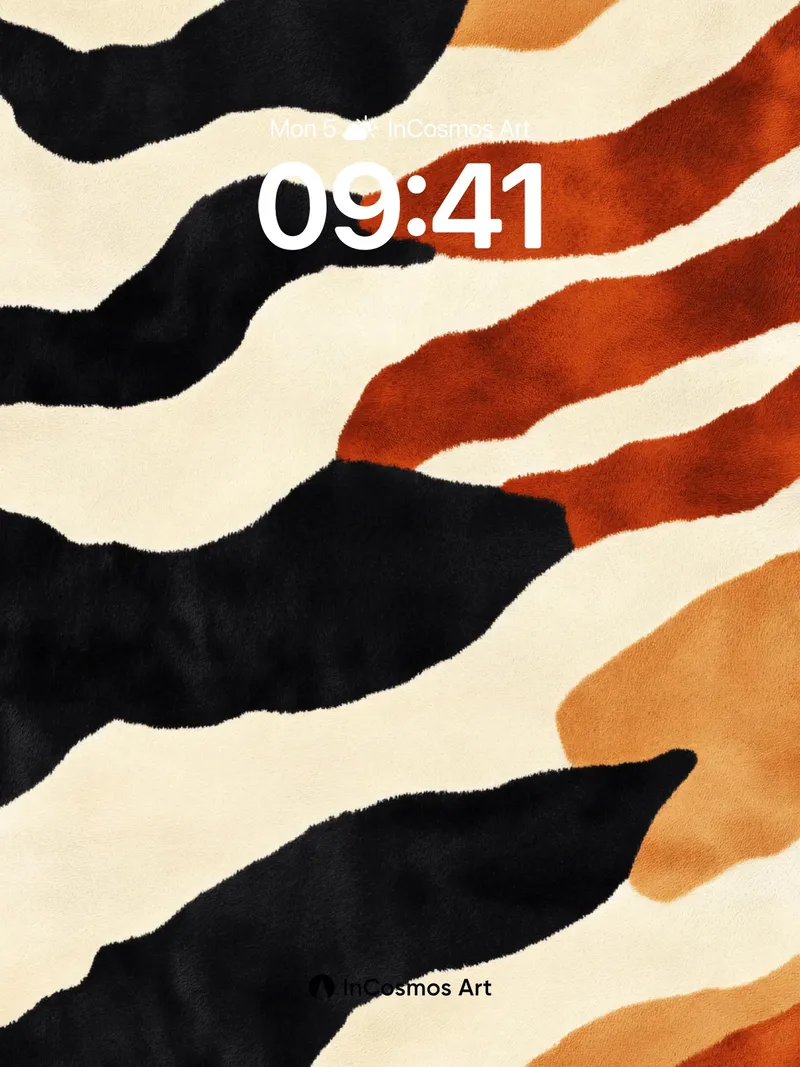
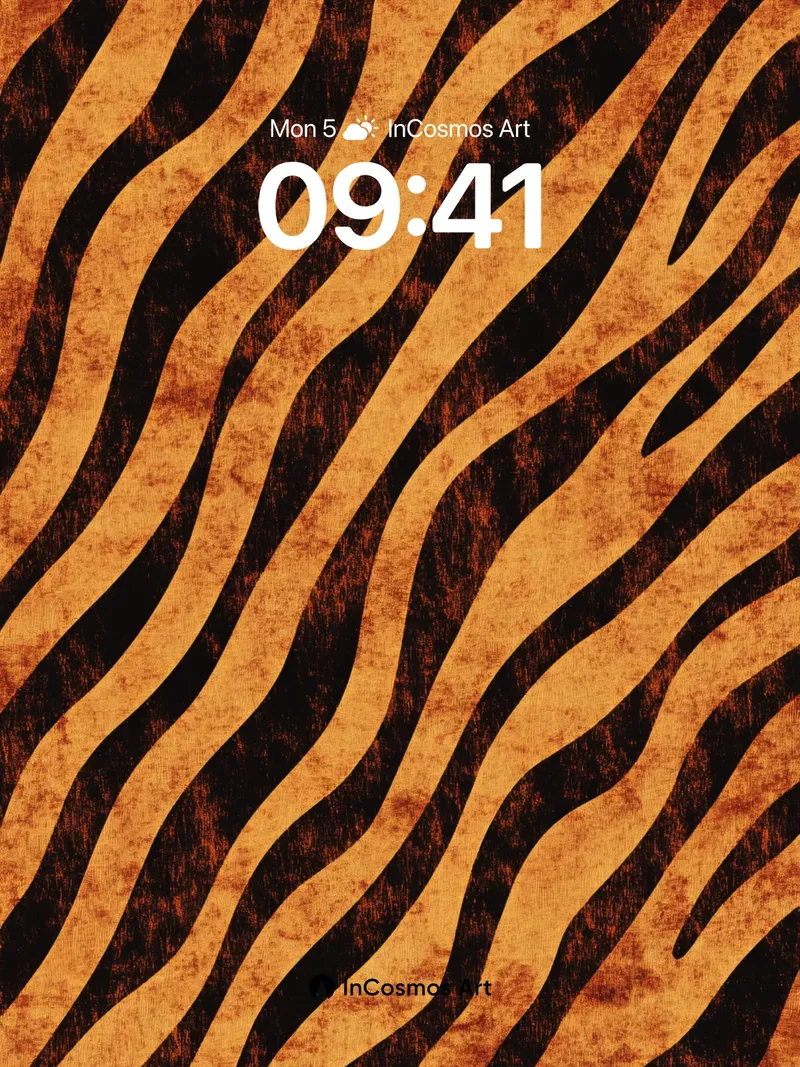
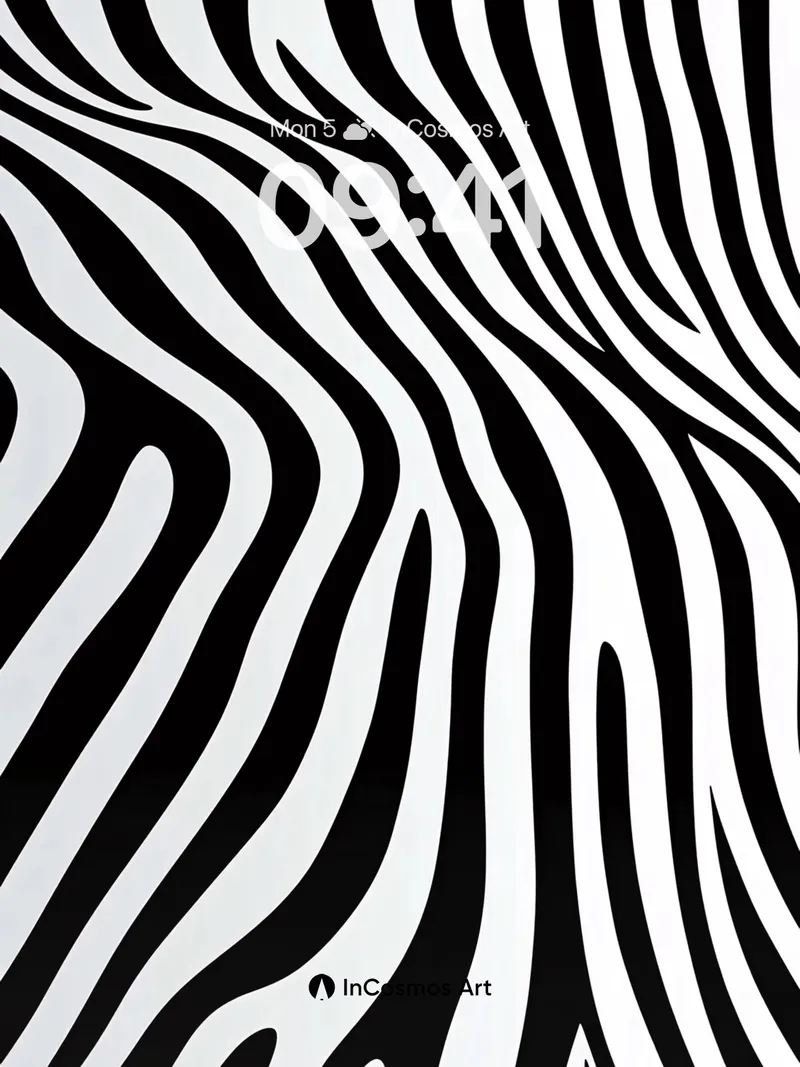
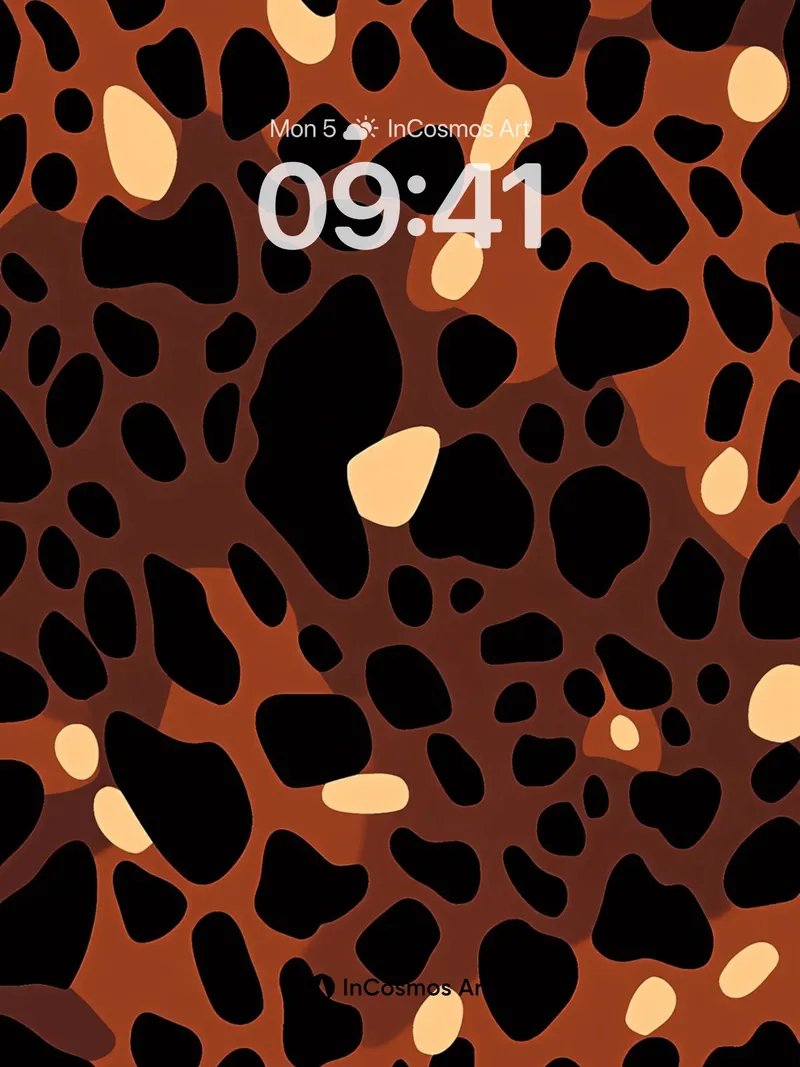
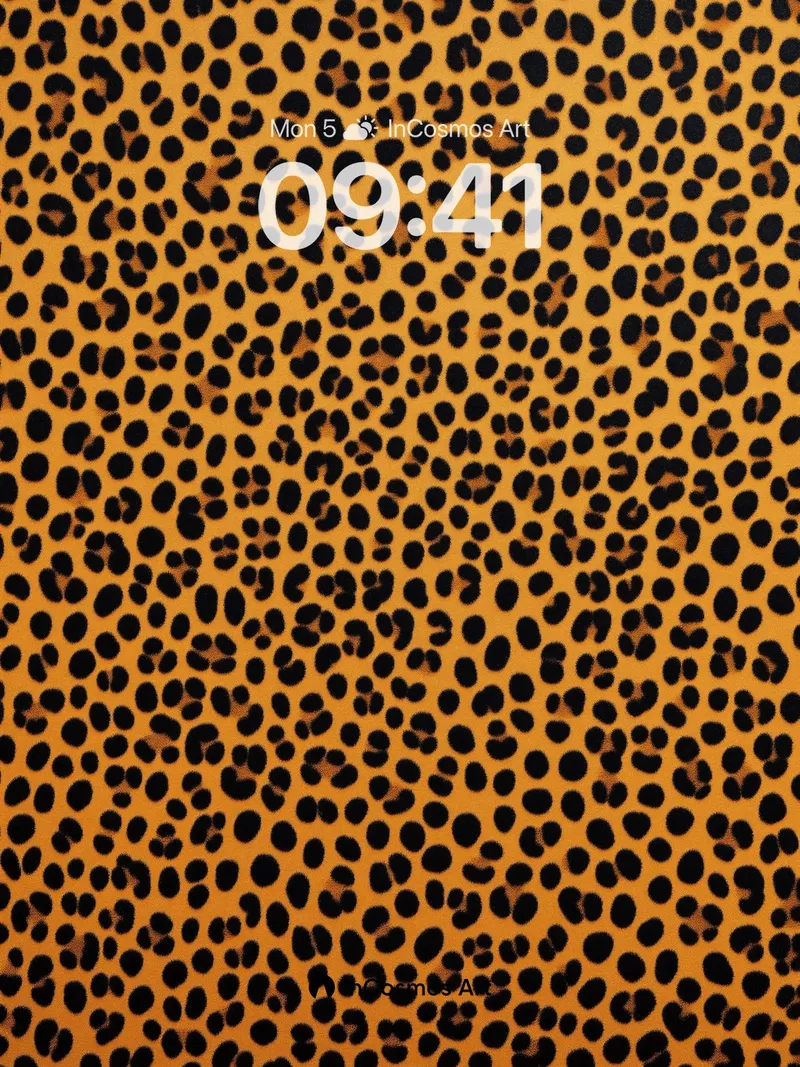
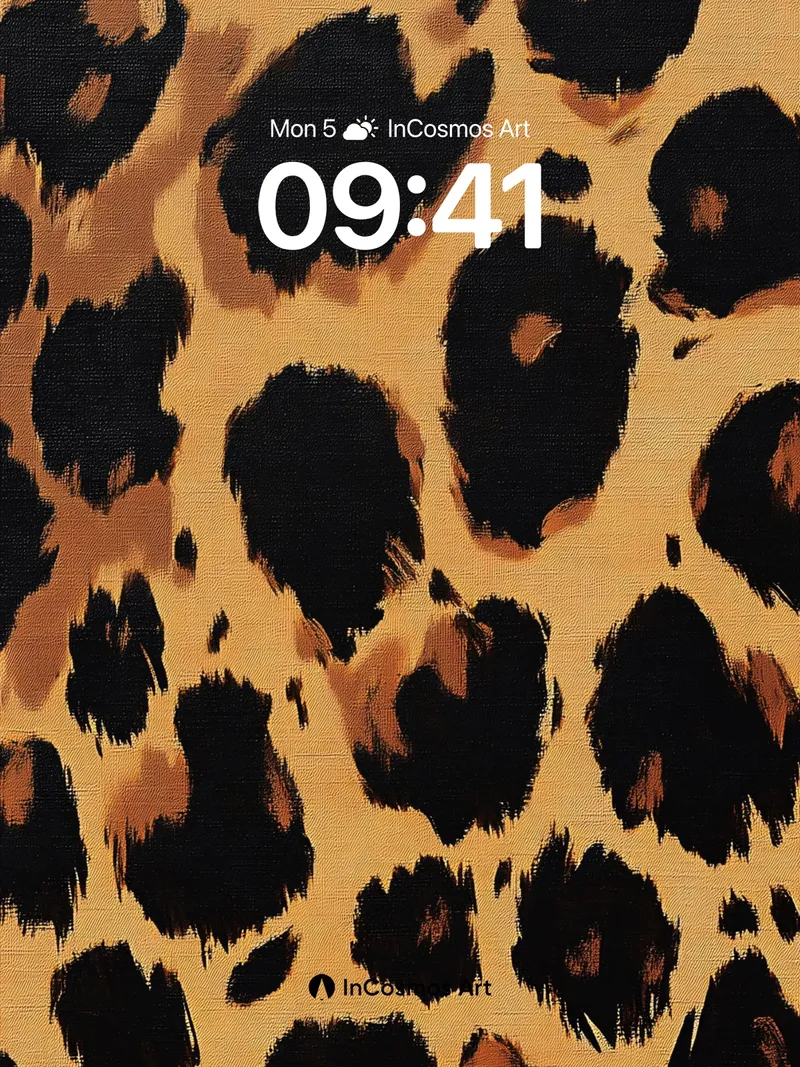
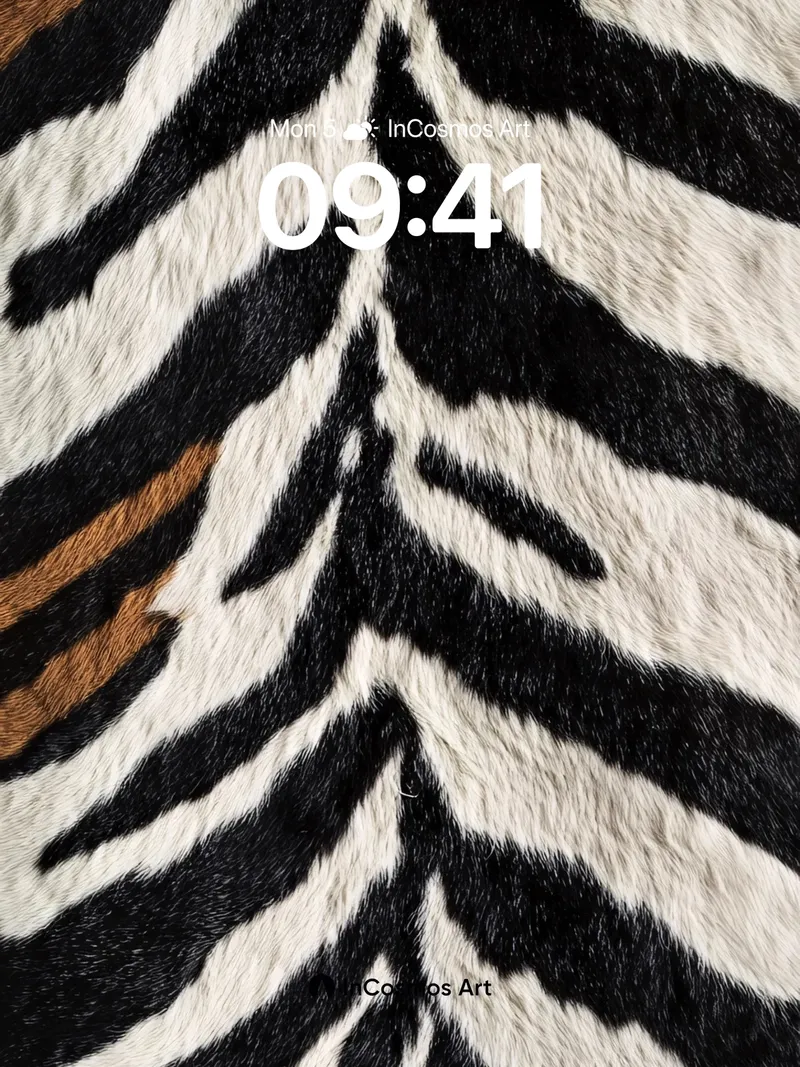
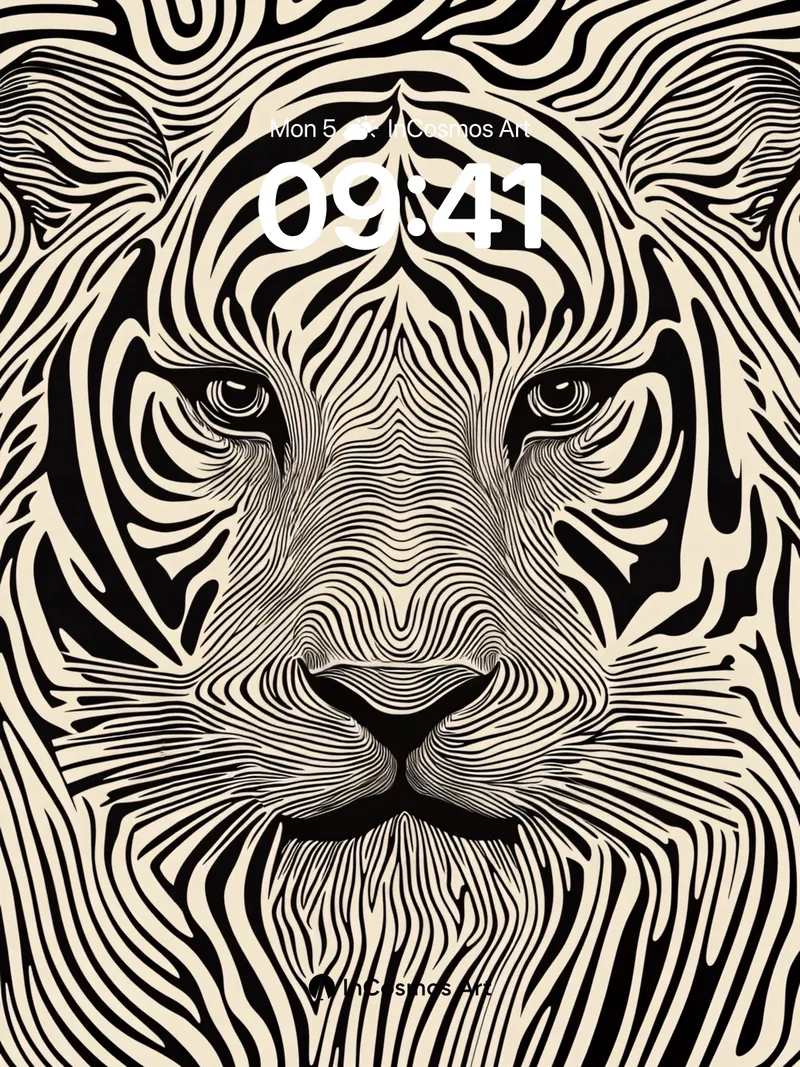
Lines flow across skin like fate runs through veins. Black-and-white stripes are not decoration but declarations of order; spots are not accidents but encrypted messages from nature. These patterns transcend biological boundaries, becoming symbolic languages within collective human consciousness. They are deconstructed in art, replicated in fashion, celebrated in culture. Each mark carries an ancient force, a reverence for the unknown and a curiosity toward the wild. When leopard prints spread across fabric, when tiger stripes extend across canvas, what is seen is not merely wild beauty, but civilization’s gaze upon nature, mirrored and reimagined.
The Modern Transformation of Animal Motifs
Throughout history, animal fur patterns have remained among the most potent visual symbols in human perception. Tribal totems, religious rituals, and textile designs frequently feature these textures, long removed from mere biological function. They are imbued with spiritual meaning, serving as carriers of identity, power, and mystery. Contemporary design reencodes these ancient signs into abstract forms, integrating them into urban life and allowing wildness to quietly resurrect within cityscapes.
The Duality of Visual Language
Stripes and spots form a binary contrast: stripes suggest linearity, order, and directionality, while spots imply chaos, individuality, and randomness. This opposition is repeatedly exploited in modern aesthetics, used to express rational calm or emotional intensity. In digital art and fashion, this duality is amplified, creating a visual experience suspended between reality and simulation.
Resonance Between Nature and Culture
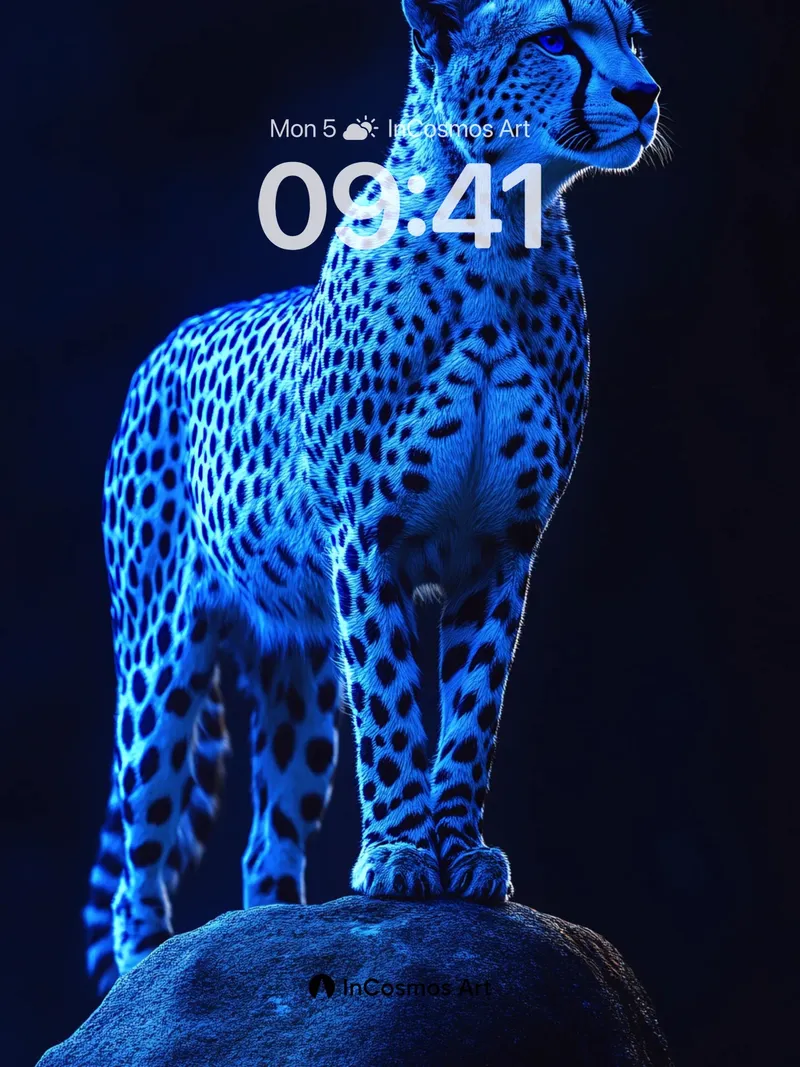
When a cheetah stands atop a rock bathed in blue light, its form transcends that of a mere wild animal—it becomes a mythic creature redefined by technology. The shift in color does not diminish its essence but intensifies its role as a cultural symbol. Natural patterns, transformed through media, enter the core of human perception, acting as bridges between reality and imagination.
The Ethical Dimension of Patterns
As animal motifs proliferate across consumer goods, ethical concerns about their origins grow louder. The use of real fur has sparked intense debate, while digital replication offers new possibilities. Regardless of medium, these patterns persistently remind us: the relationship between humanity and nature has never truly broken, only continuously reshaped in new forms.