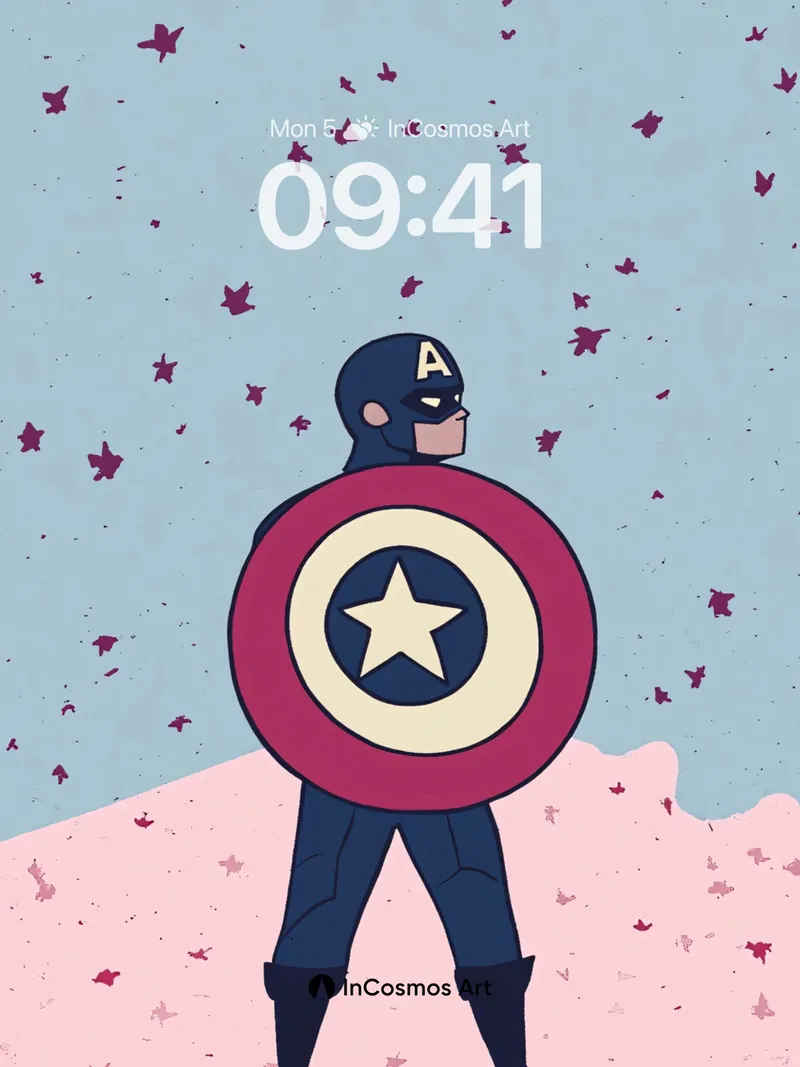
Web-slinging through city skies, metallic warriors soaring with jet boots, capes flaring in the wind—these symbols are not merely adult fantasies of heroism but reimagined as a language of childhood innocence. When superheroes appear in cartoonish forms, their power transcends destruction or salvation, becoming something tangible, imitable, and deeply imaginative. This design choice reveals a dual cultural desire: the need for strong icons and the longing to return to unfiltered expression. Characters are simplified, colors are bold, movements exaggerated, yet their core essence remains intact. This is not a dilution of legacy but a reinterpretation filtered through a child’s lens, reshaping what it means to be heroic.
Redefining Power Through Childlike Perspective
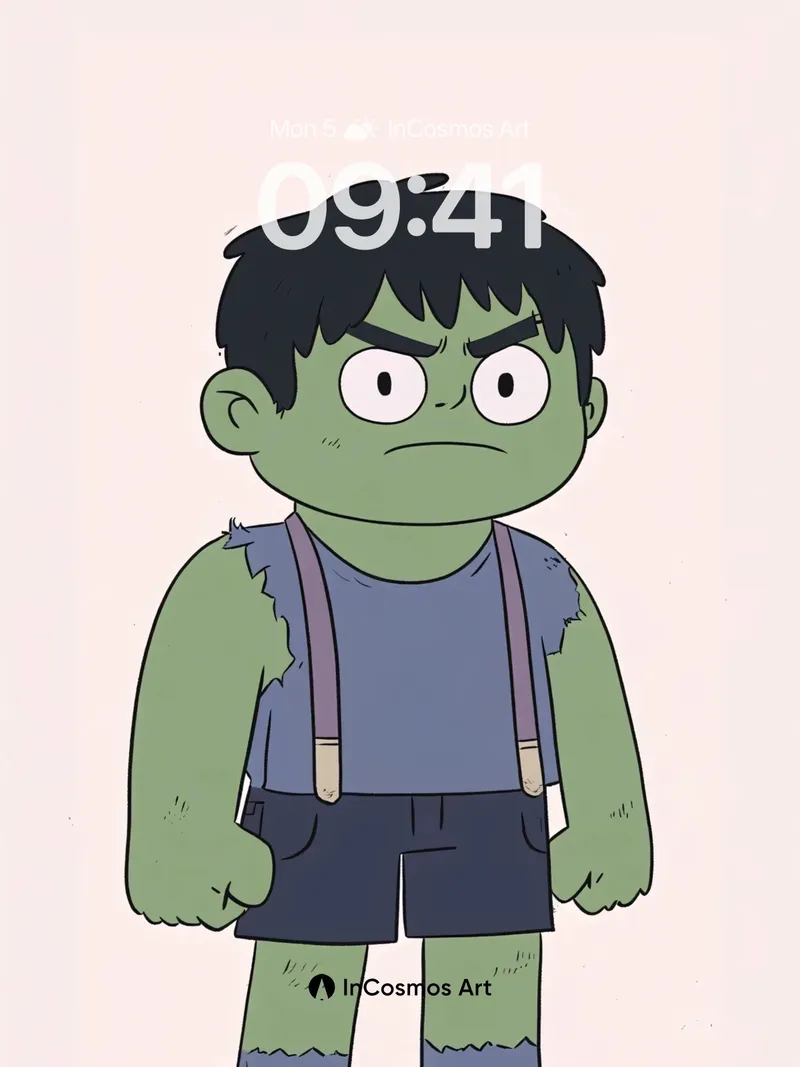
Heroes are no longer distant figures. They wear overalls, scowl stubbornly, and possess muscles that seem clumsy despite their size. The miniature Hulk embodies ironic tenderness: strength does not equate to cruelty, anger can be tamed. This design breaks the traditional seriousness of superhero tropes, transforming abilities into emotional resonance. The viewer stops looking up and begins identifying—feeling capable of sudden empowerment, worthy of protection.
Narrative Transformation via Anime Aesthetics
Lines flow smoothly, palettes are vivid, poses brim with kinetic energy. Thor swings his hammer, snow erupts around him; Iron Man flies, clouds part beneath. These details serve not spectacle but to convey energy through minimalism. The anime style grants heroes a lightness, making their actions more relatable. This visual strategy makes complex themes accessible, especially to younger audiences. It does not simplify content but narrates the same stories differently.
Collective Imagination of Heroic Identity
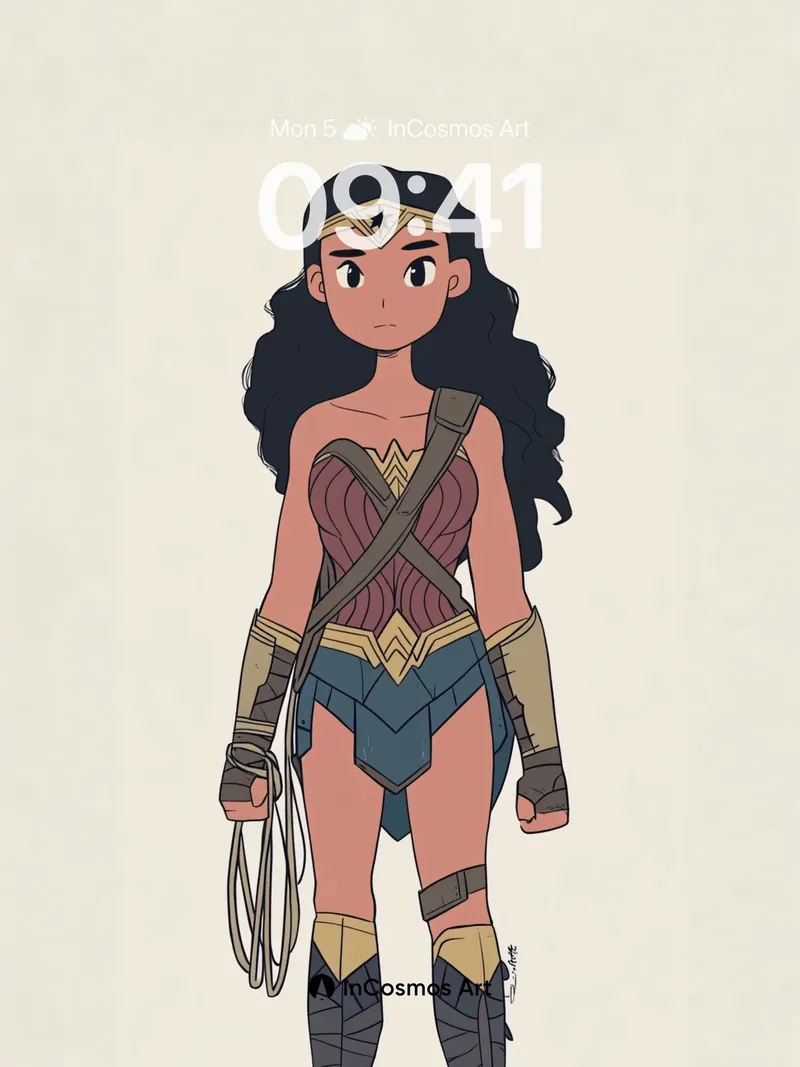
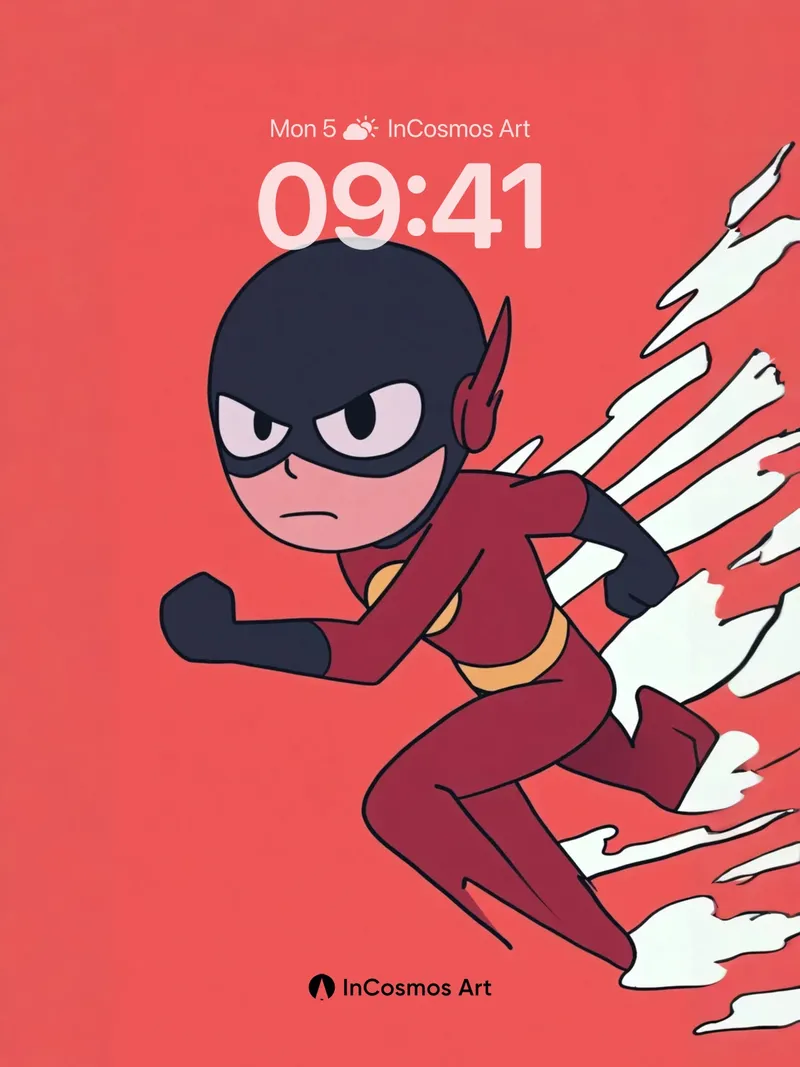
From Wonder Woman's shield to Black Widow’s combat stance, each character carries cultural memory. Yet here, those memories shed heavy historical weight, focusing instead on essential traits: justice, courage, sacrifice. The red-haired woman clenches fists against a monochrome crimson background, emphasizing inner resolve. Her attire is minimal yet functional, reflecting modern aesthetics of female strength. This portrayal echoes societal expectations for diverse heroes—not singular molds but multidimensional personalities.
Symbolic Systems Beyond Reality
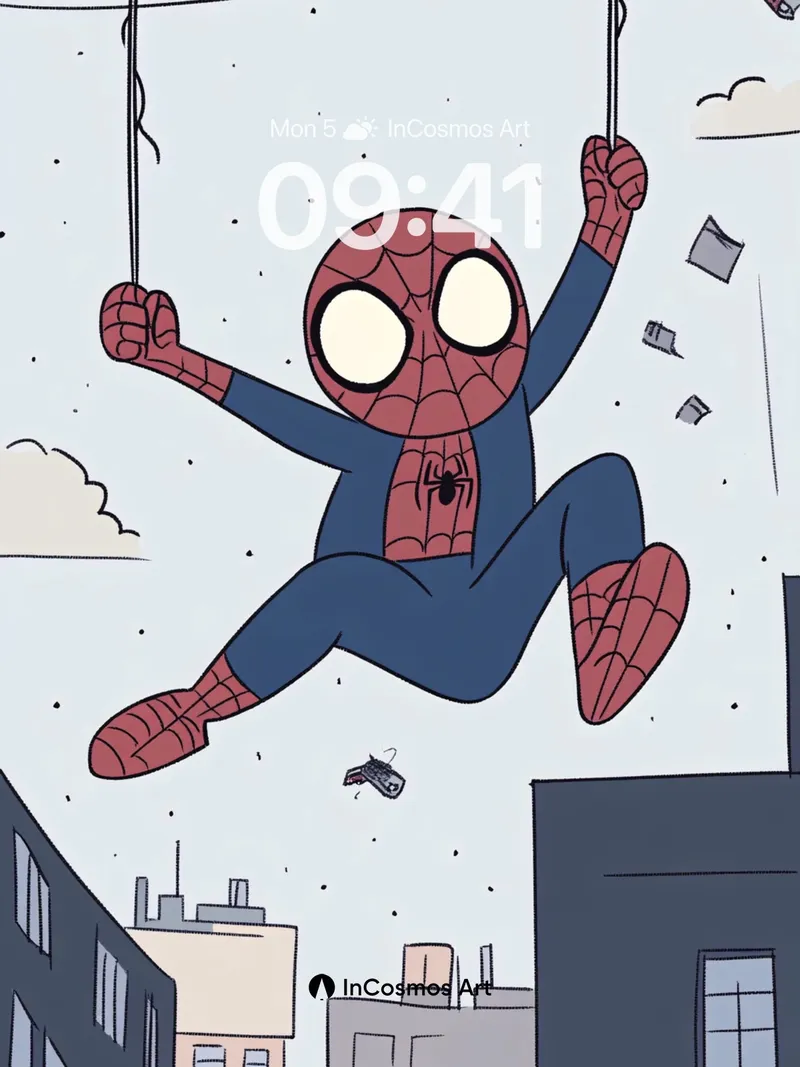
The flying Superman, cape unfurled like a banner, symbolizes freedom and hope. His posture is steady, gaze unwavering, representing enduring idealism. Spider-Man suspended between two strands above a sprawling city illustrates urban fragility and interconnectedness. These scenes build a symbolic world beyond physical laws, where every gesture extends meaning. They avoid realism, creating an empathetic mechanism that invites viewers into the hero’s journey.