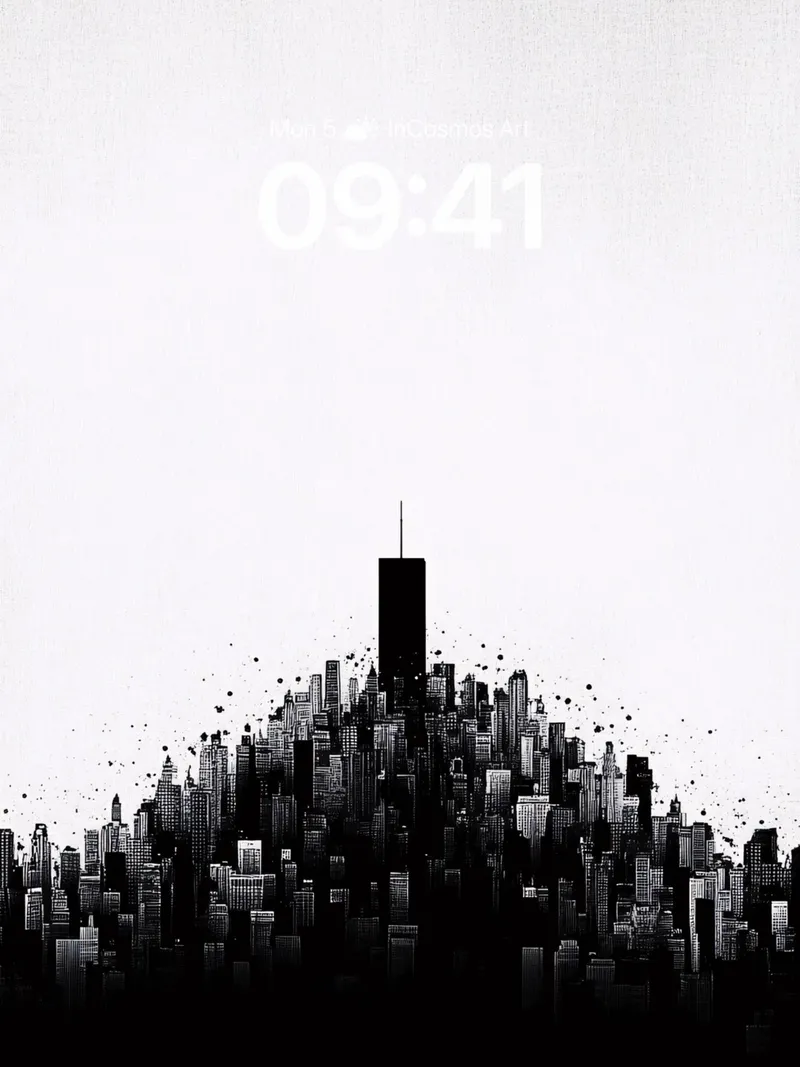
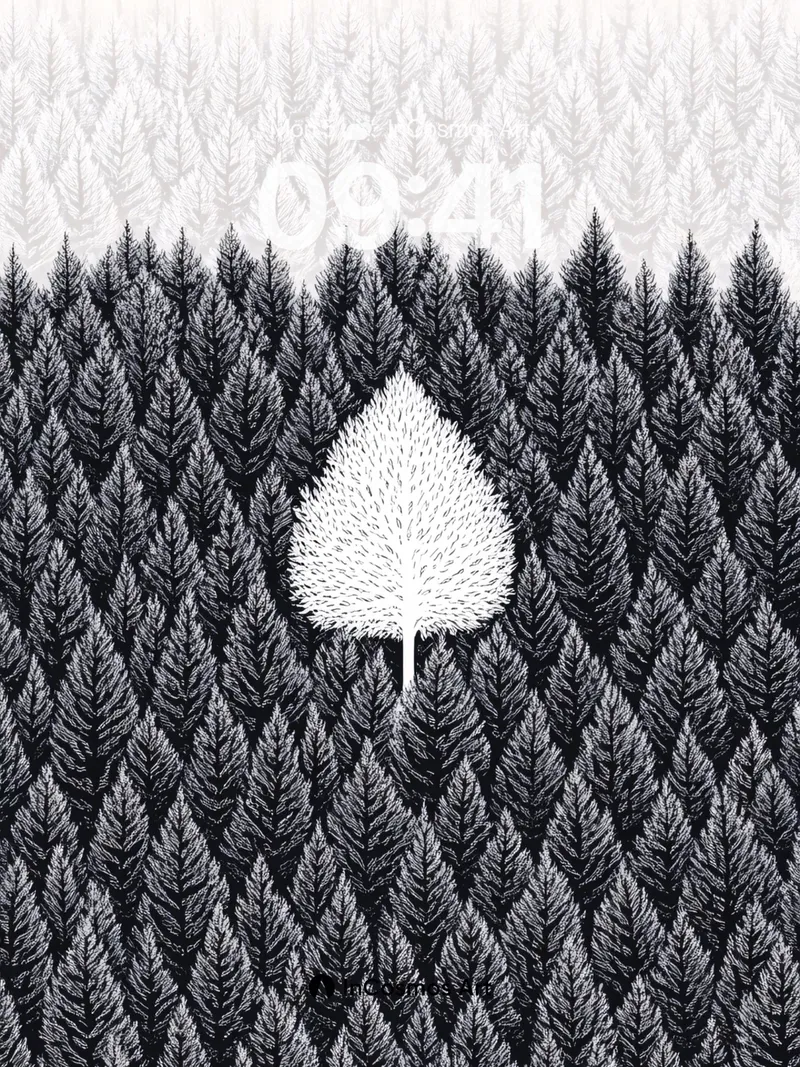
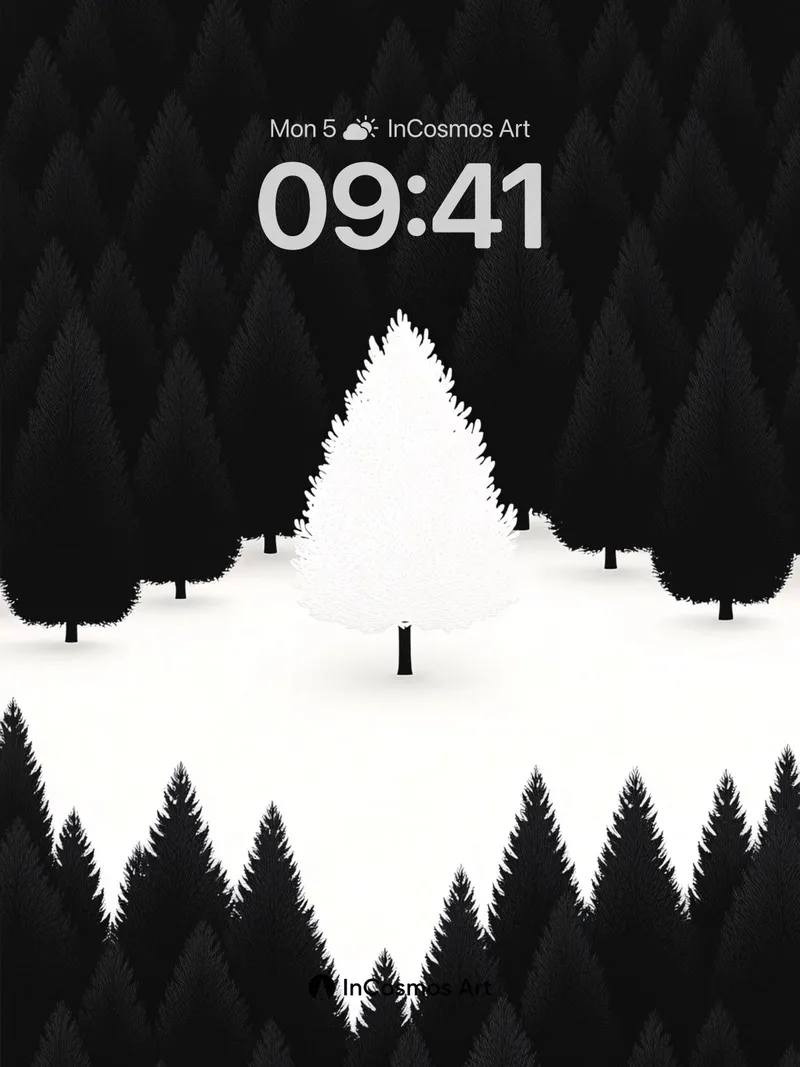
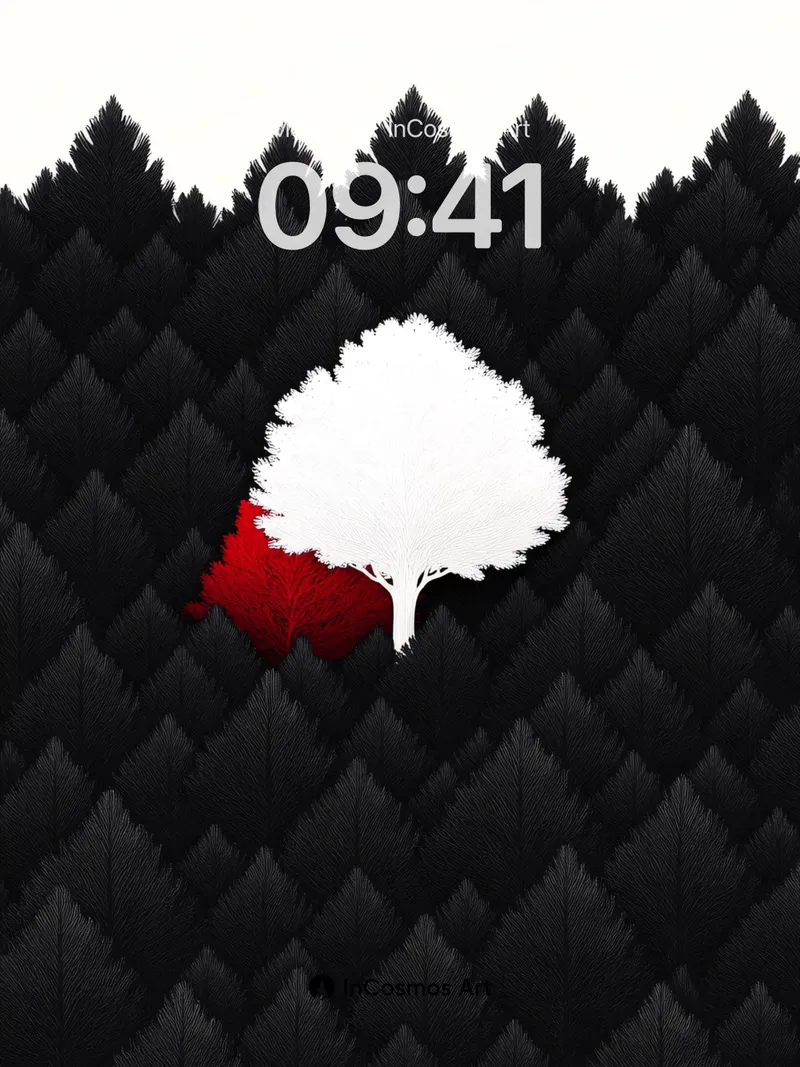
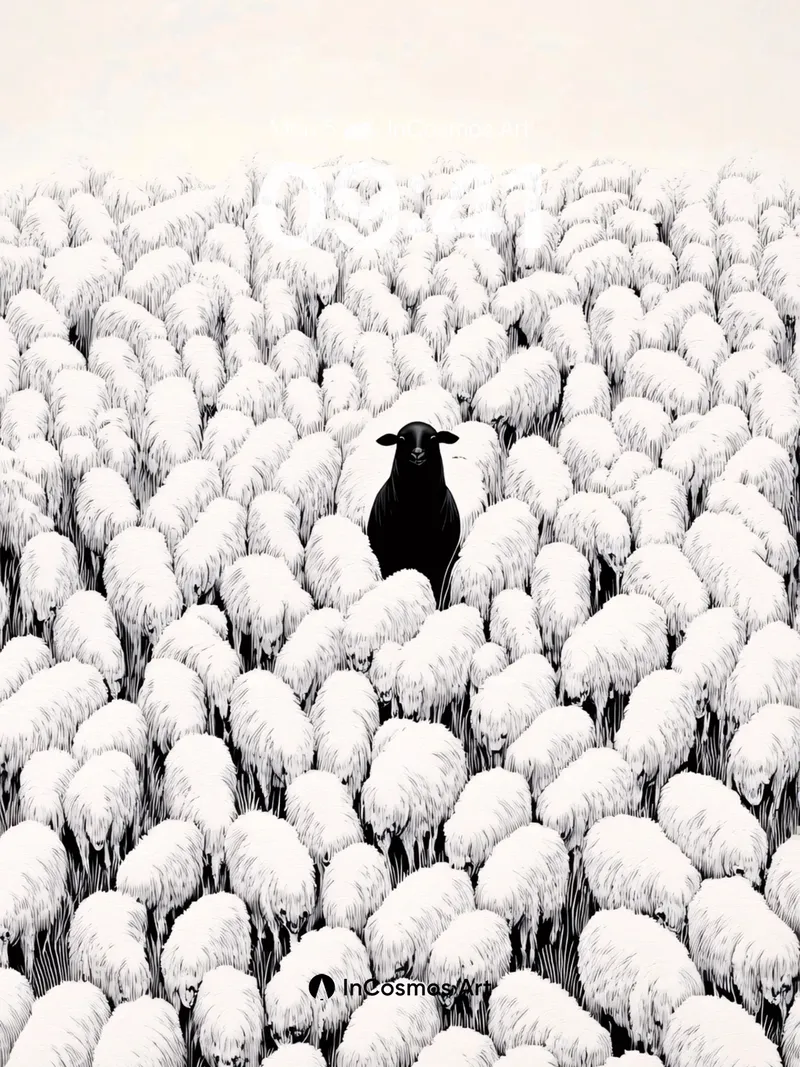
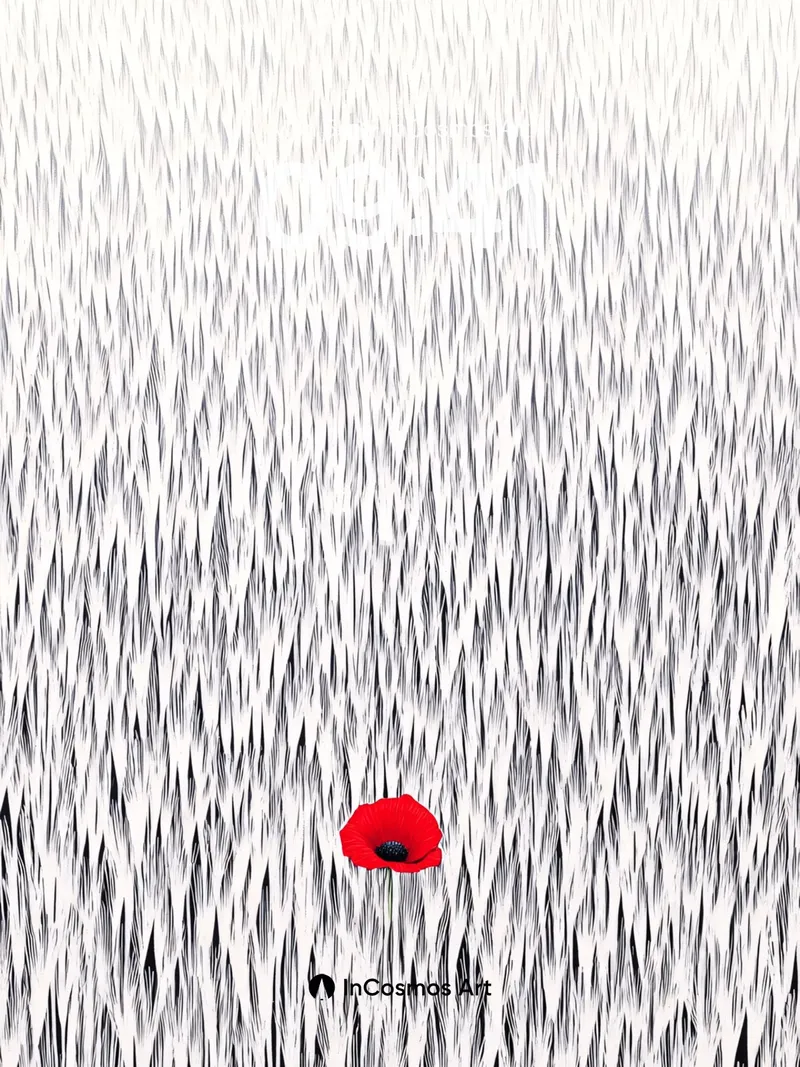
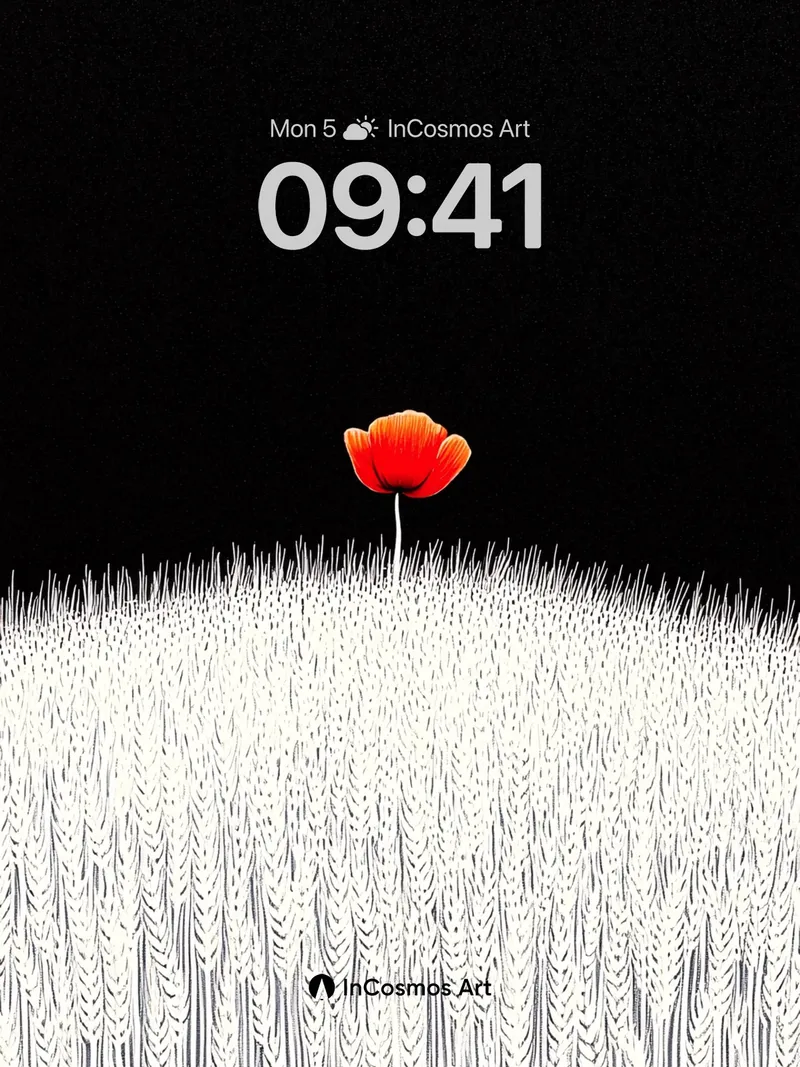
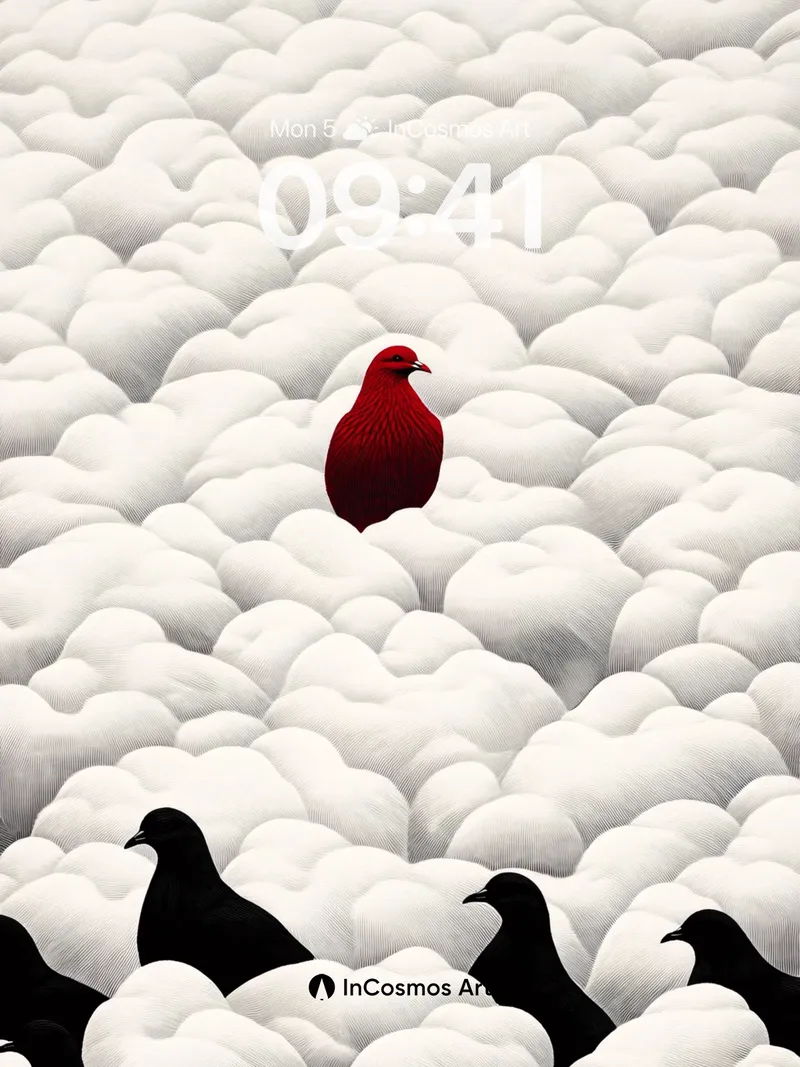
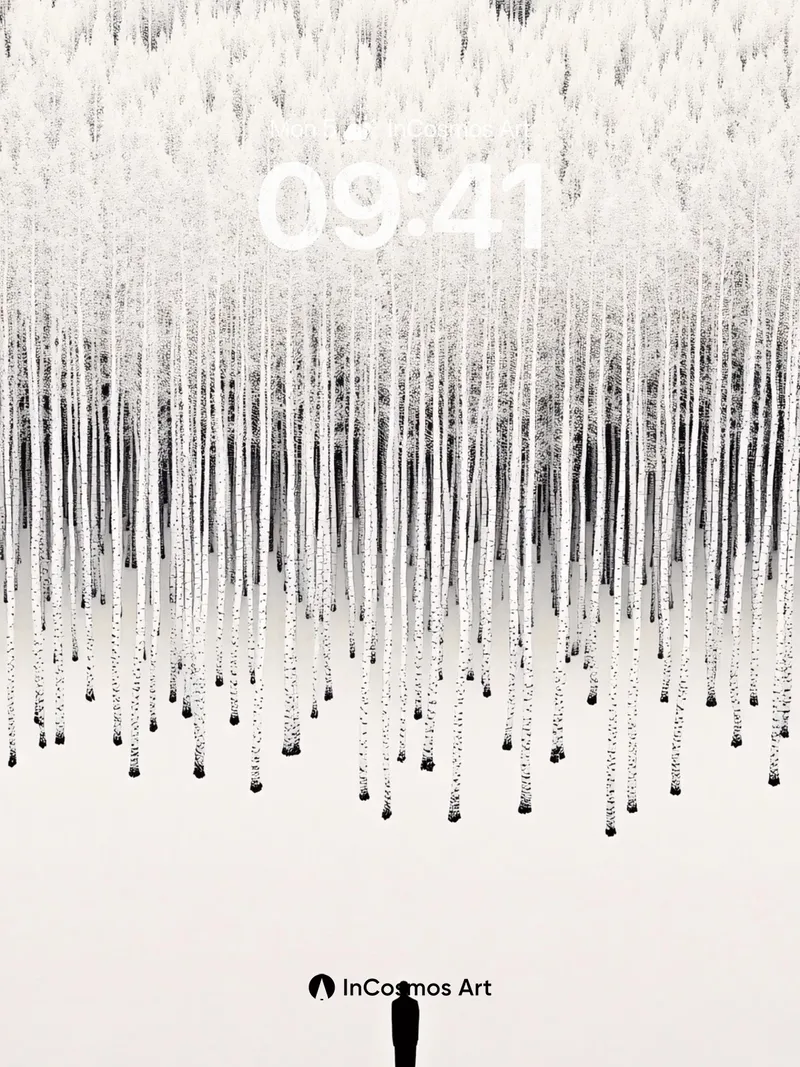
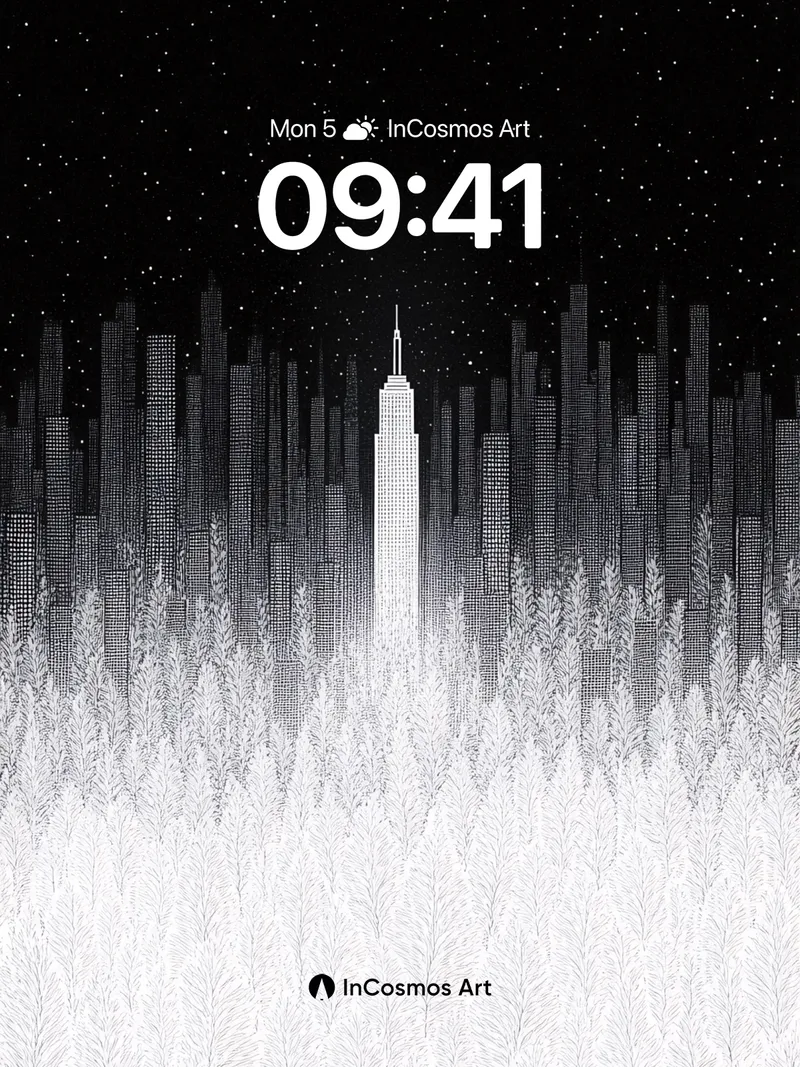
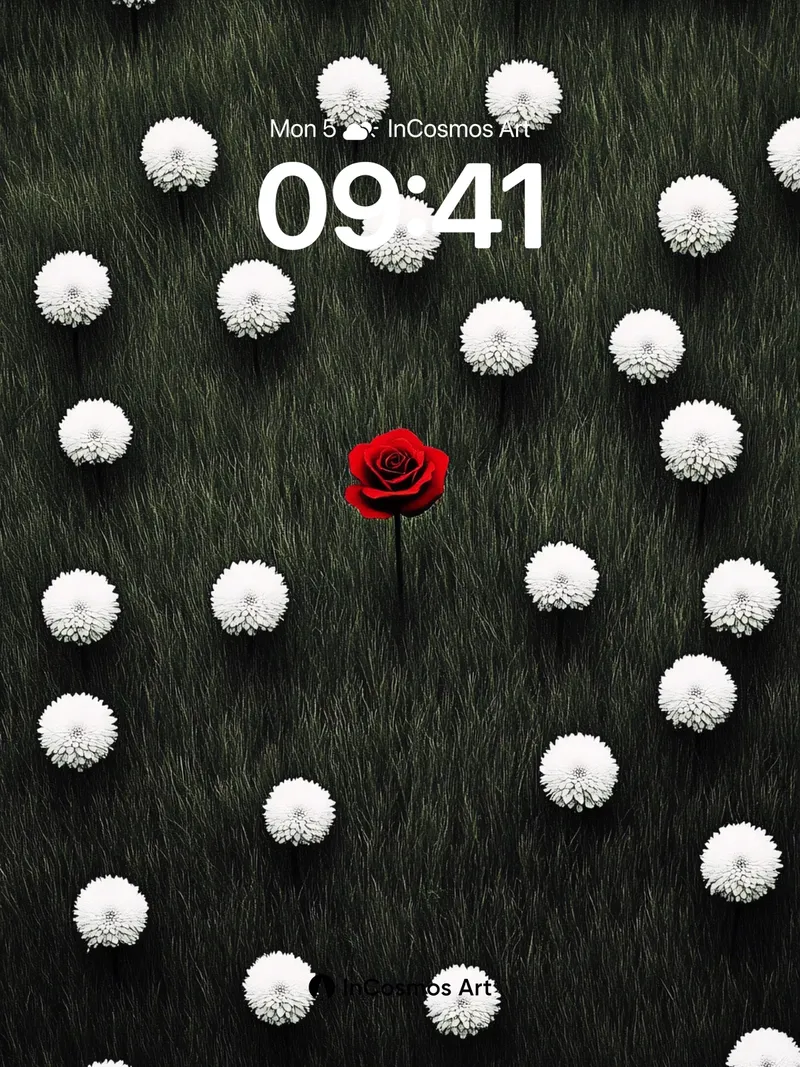
In endless repetition, a singular anomaly becomes the visual center. A sea of white sheep stretches into infinity, with one black sheep standing still like an ink dot; deep within a snowy forest, a single cherry tree blooms pink; amid rows of white flowers, a red rose stands alone. These compositions are not natural accidents but metaphors for social structures, identity, and psychological tension. Groups maintain stability through uniformity, while individuals challenge norms through difference. When all elements converge, the one that diverges is amplified into a vessel of meaning. This visual language draws from Eastern philosophical reflections on 'object-self' relations, echoing Western modernist concerns about isolated humanity.
Order of the Collective and the Disruption of the Individual
Uniformly arranged beings or plants form geometric collective landscapes, symbolizing the standardized logic of modern society. Each sheep, each tree follows the same form, creating a predictable backdrop. Yet the central heterogeneity breaks equilibrium, compelling viewers to reassess whole-part relationships. This is not merely aesthetic choice but a critique of conformity—when everyone is identical, difference ceases to be flaw and becomes strength.
The Politics of Color
Black and white, red and gray, pink and dark green—color contrasts here are not decoration but narrative tools. Black signifies refusal to assimilate; red represents passion and resistance; pink suggests beauty in fragility. Colors become identity markers, generating conflict within monotony. They do not appeal to violence but convey emotion through visual pressure, revealing silent mechanisms of societal resistance.
The Aesthetic Value of Solitude
The solitude depicted here is not tragic but dignified. The individual remains clearly visible amidst vastness, affirming irreplaceability. It reminds humanity: true freedom lies not in following the tide, but in preserving self. This solitude is conscious, not escapist, but deliberate. It responds to collective blindness and affirms authentic identity.