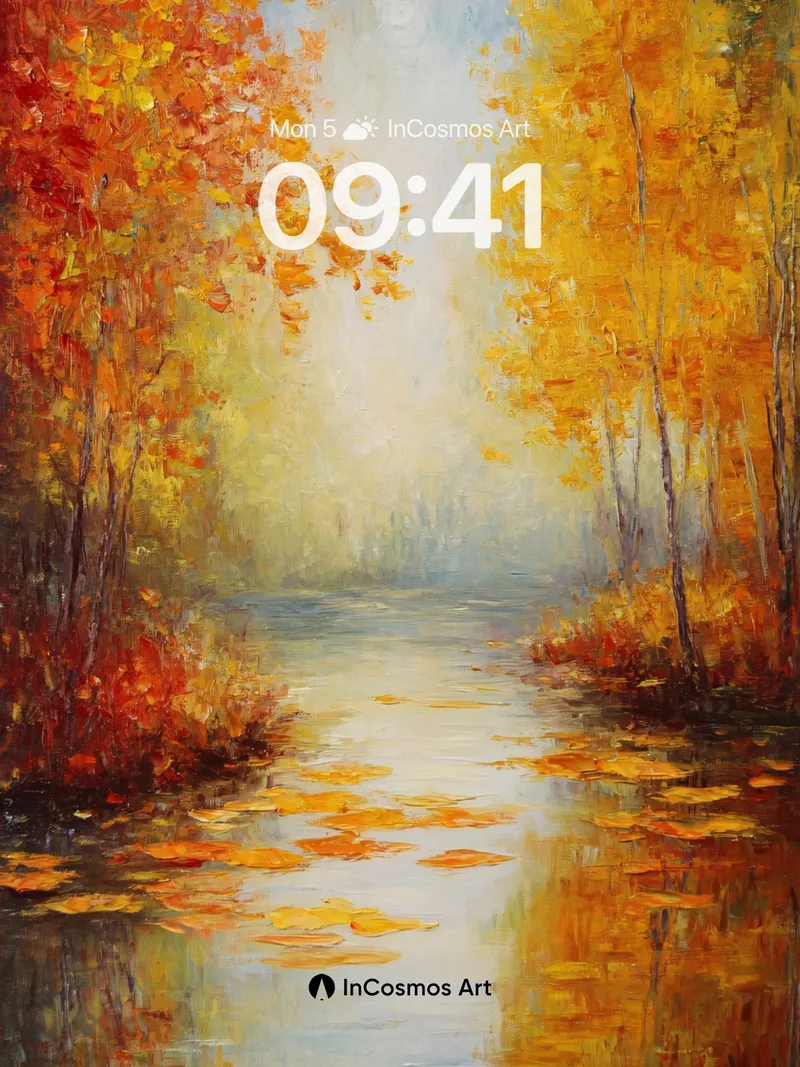
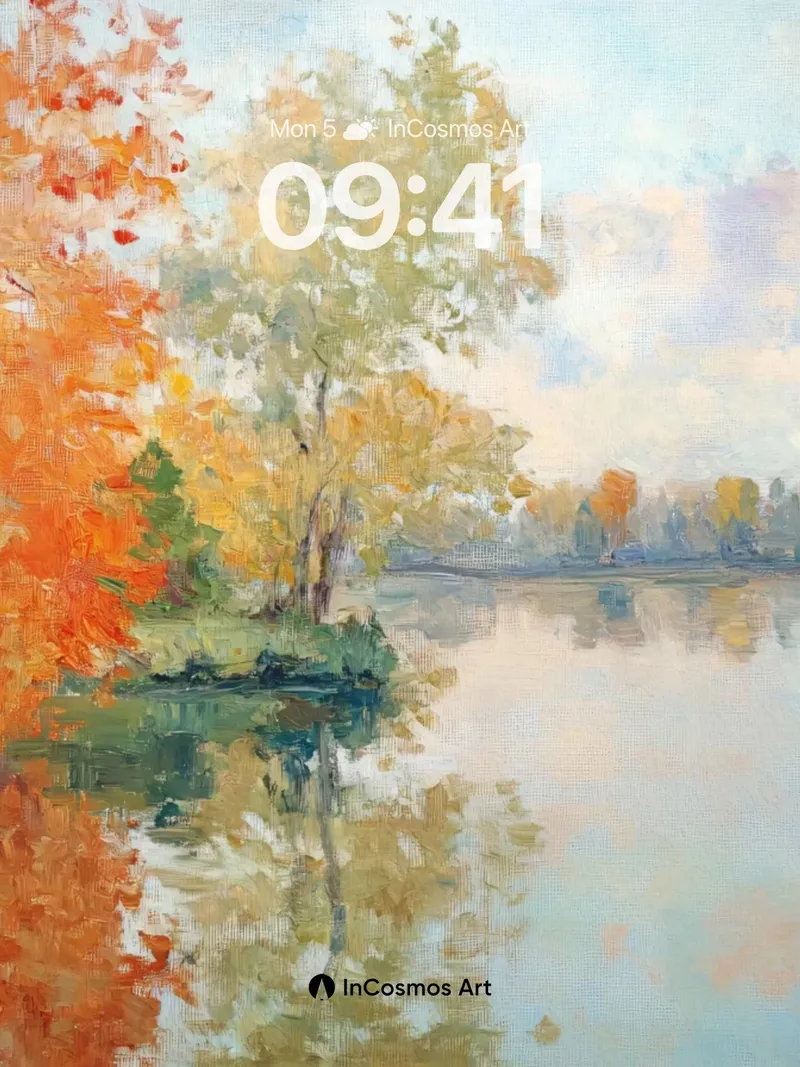
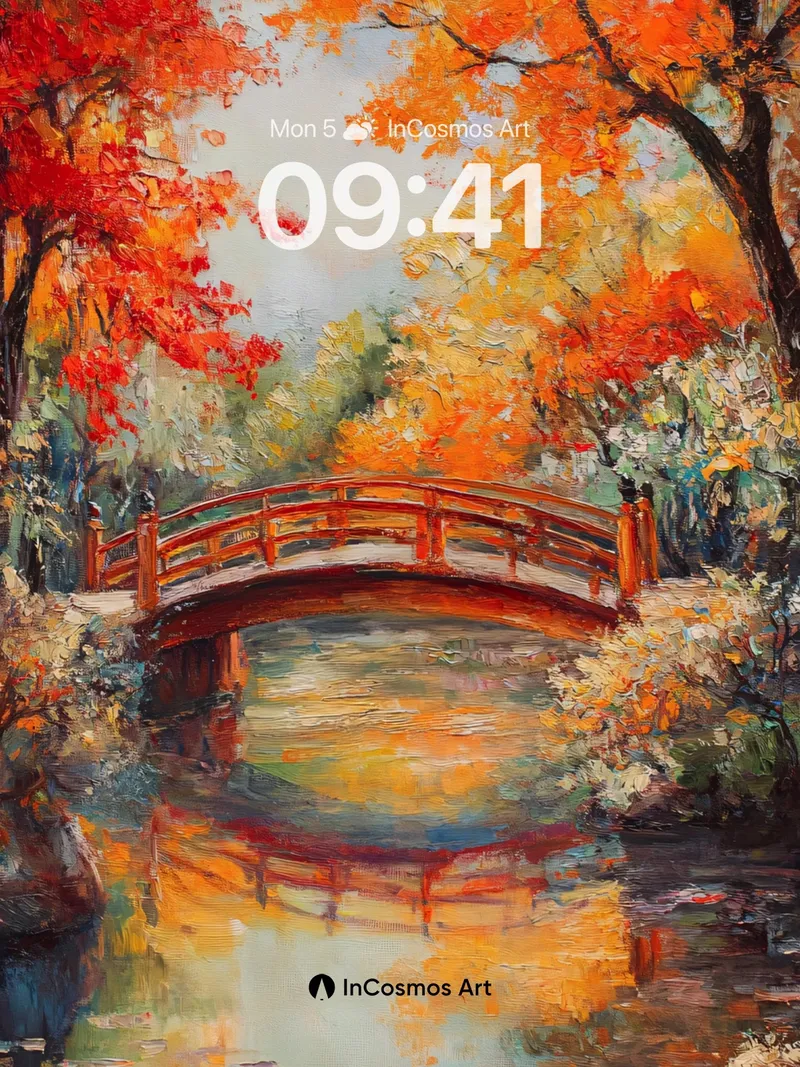
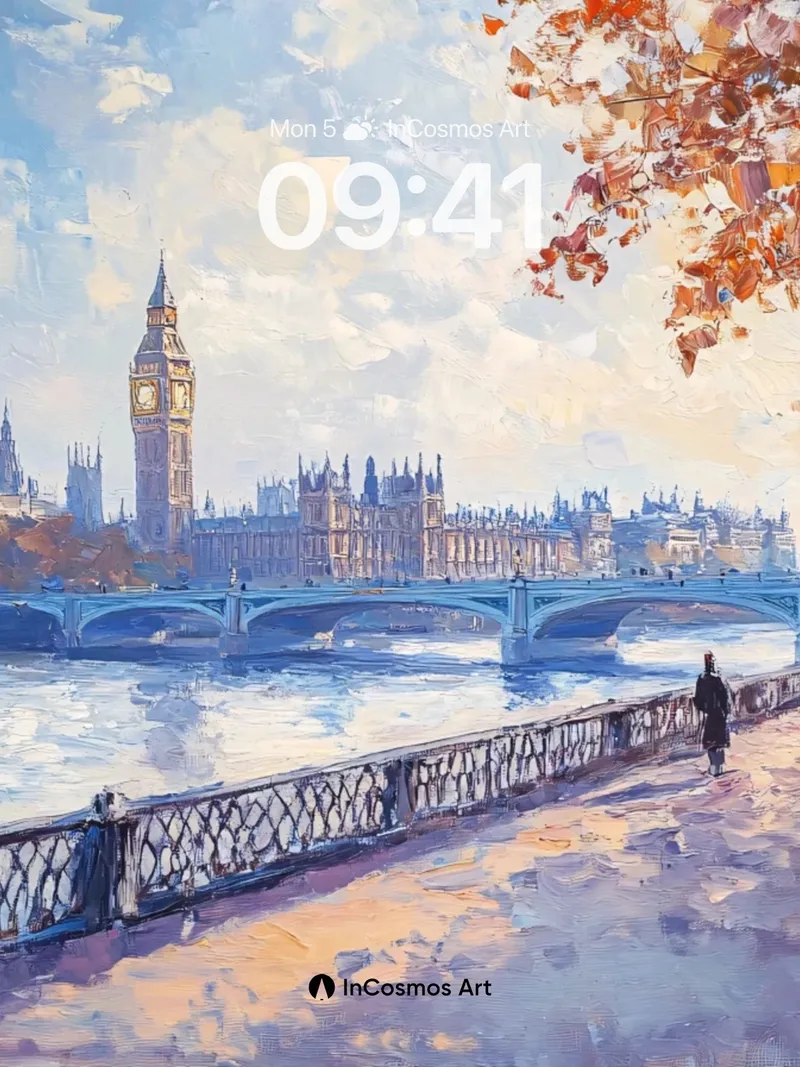
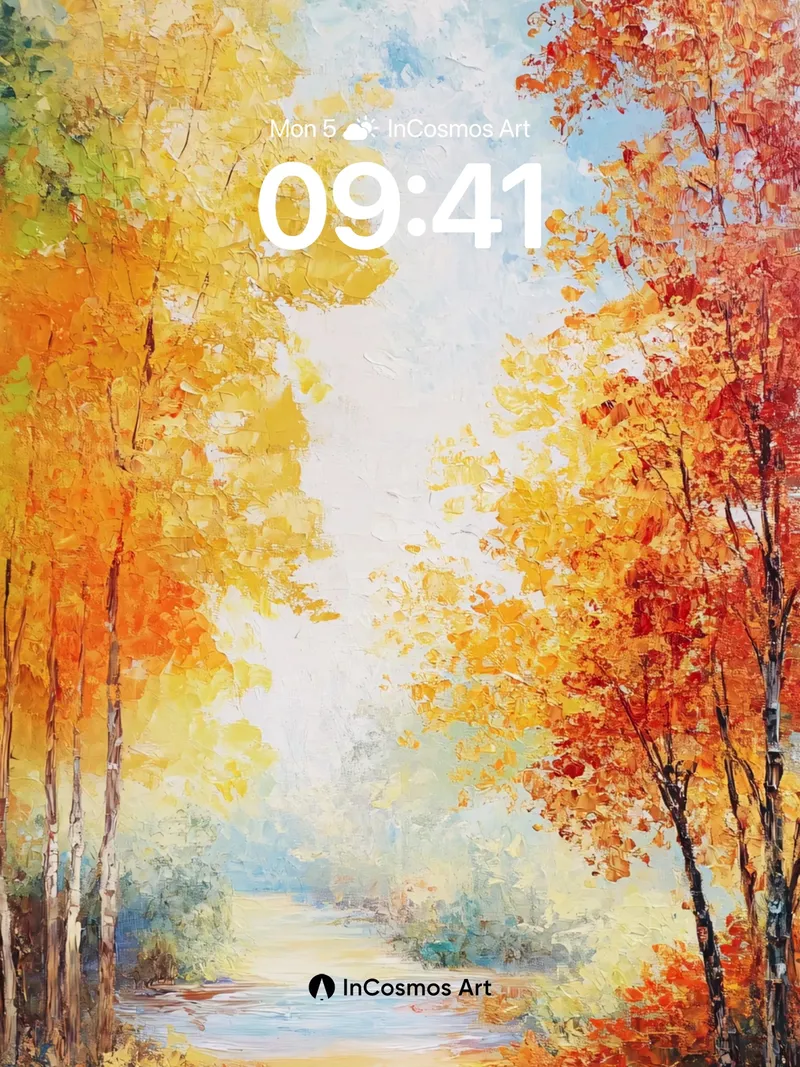
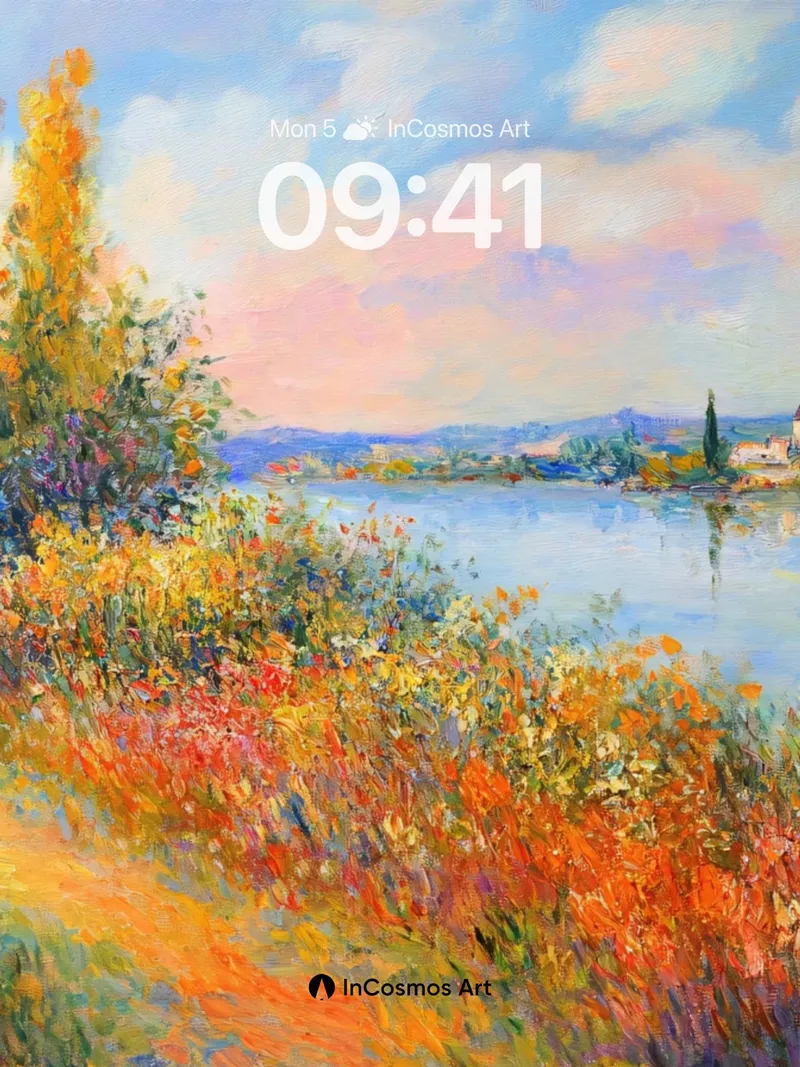
Autumn settles in the air, a thin mist hovering over the boundary between city and forest. The reds, oranges, and yellows of leaves weave into a seasonal tapestry, while water reflects sky and trees, creating a doubled reality. Stillness holds motion; falling leaves are fragments of time, each carrying traces of what has passed. On city streets, pedestrians move quickly, lamplights glow, their reflections spreading across wet pavement like memories awakening after rain. Bridges, pavilions, waterways—these structures serve both as human order and natural extension. Autumn is not merely a visual feast but an emotional vessel—it makes solitude tangible, gives silence warmth. When maple leaves fall into the lake, it is not an end, but a return in another form. People walk through alleys, footsteps crunching on fallen foliage, crossing shards of time. The ritual of this season lies not in noise, but in resonance within quiet.
Reflections of Nature
Water becomes the earth’s mirror, reflecting tree colors and architectural silhouettes. This symmetry is more than visual harmony—it is philosophical metaphor: all things have their reflection, existence implies witness. When the lake is calm, the world compresses into double completeness; when wind stirs, ripples disrupt order, symbolizing change and impermanence. The pavilion floats alone on the water, a refuge of human making, yet also a sign of transcendence. It does not anchor to shore, yet remains defined by its surroundings. Autumn’s reflection is more intense than reality because emotion has been amplified, color saturated to its peak.
Breath of the City
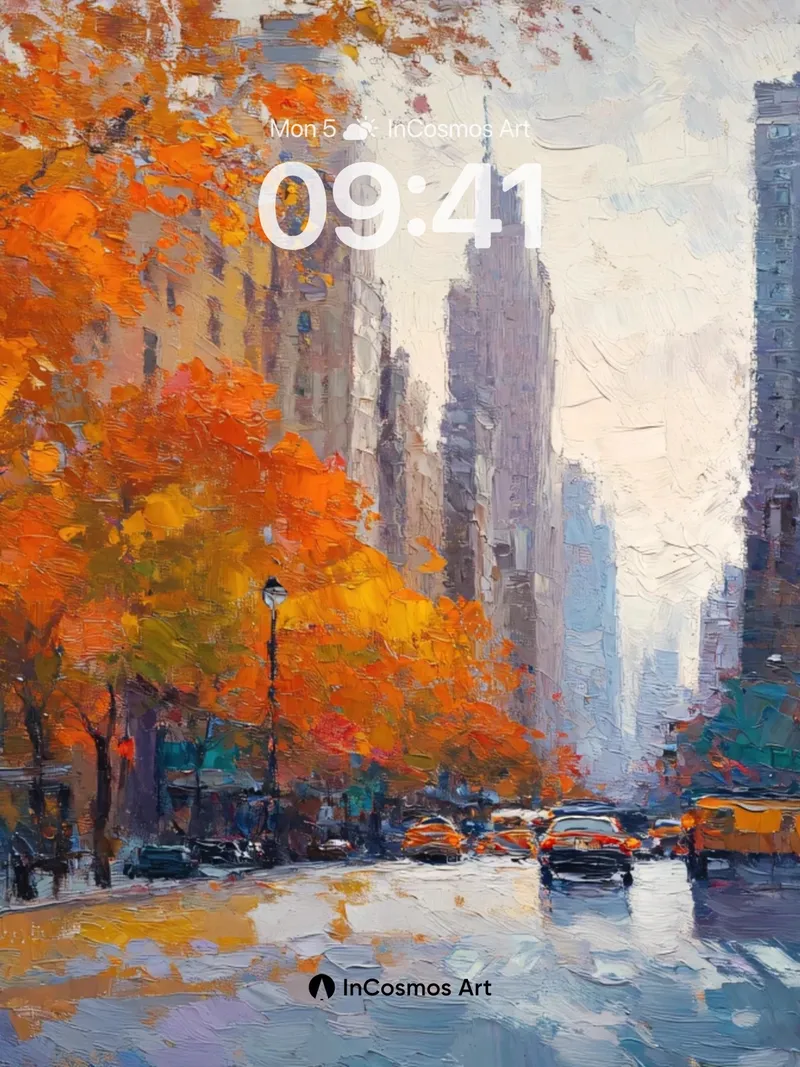
Big Ben stands tall in London’s twilight, its chime unheard, yet its presence carries rhythm. Pedestrians tighten coats, steps firm, the road gleaming like glass, distorting city lines into dreams. Leaves flutter in the wind, entwined with the warm glow of streetlights, forming dynamic balance. The city’s autumn differs from the countryside—it is framed by buildings, sliced by traffic, yet still retains seasonal pulse. Human activity appears small here, yet not insignificant—each figure is a participant in time.
A Journey of Solitude
Deep in a narrow alley, one person walks alone. Elm branches above are sparse, fallen leaves cover the ground like a path toward the unknown. The sky is gray-white, clouds low, as if holding back emotion. Lamplight glows dimly, casting long shadows that merge with human outlines. This is not escape, but confrontation. Autumnal solitude is not emptiness, but clarity after settling. As external noise fades, inner voices emerge. This street has no destination, only continuous movement—like life itself.