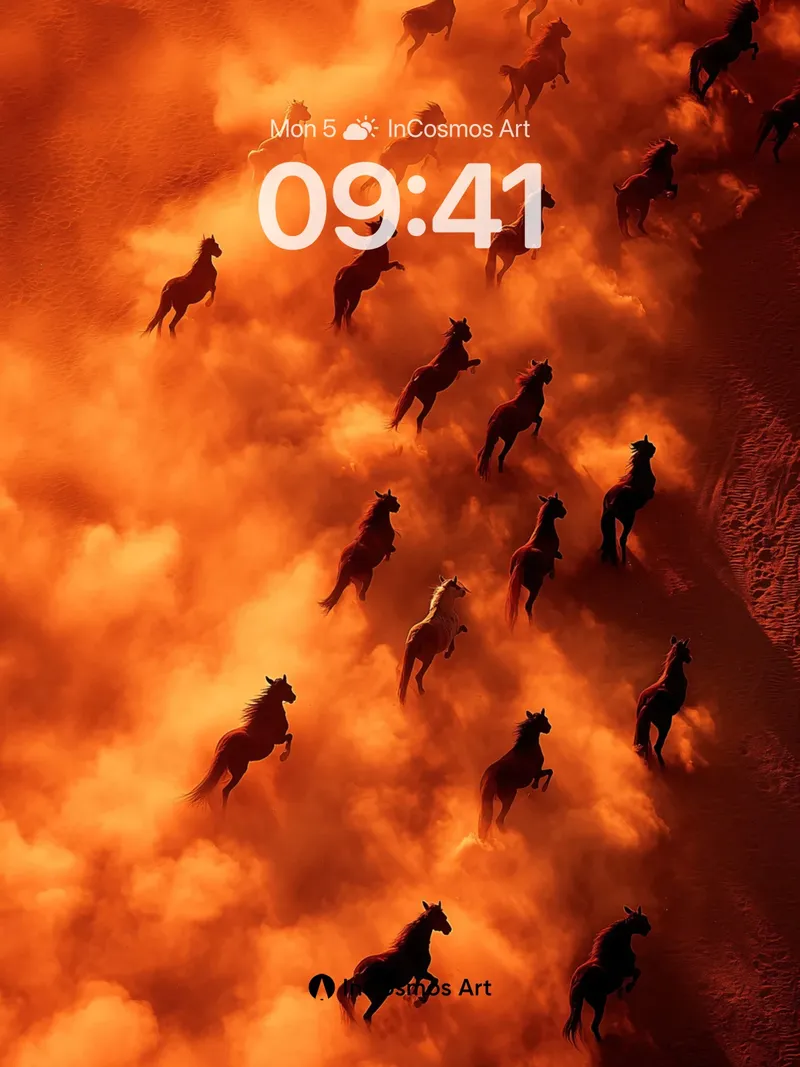
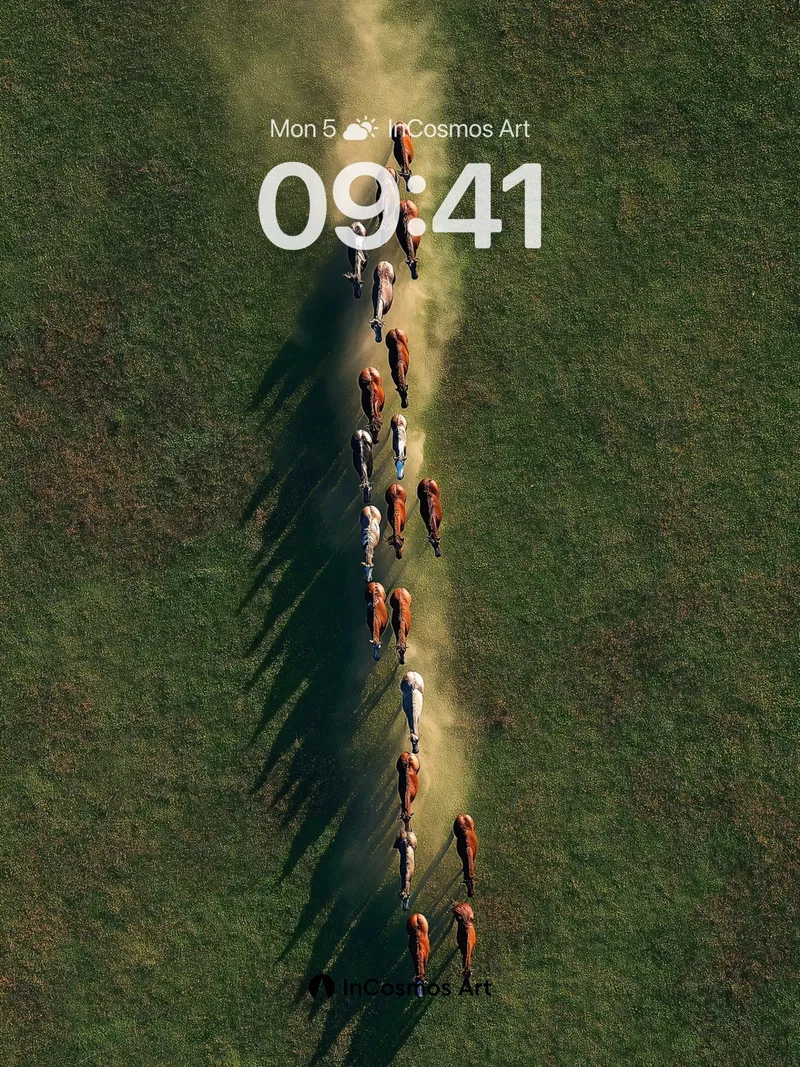
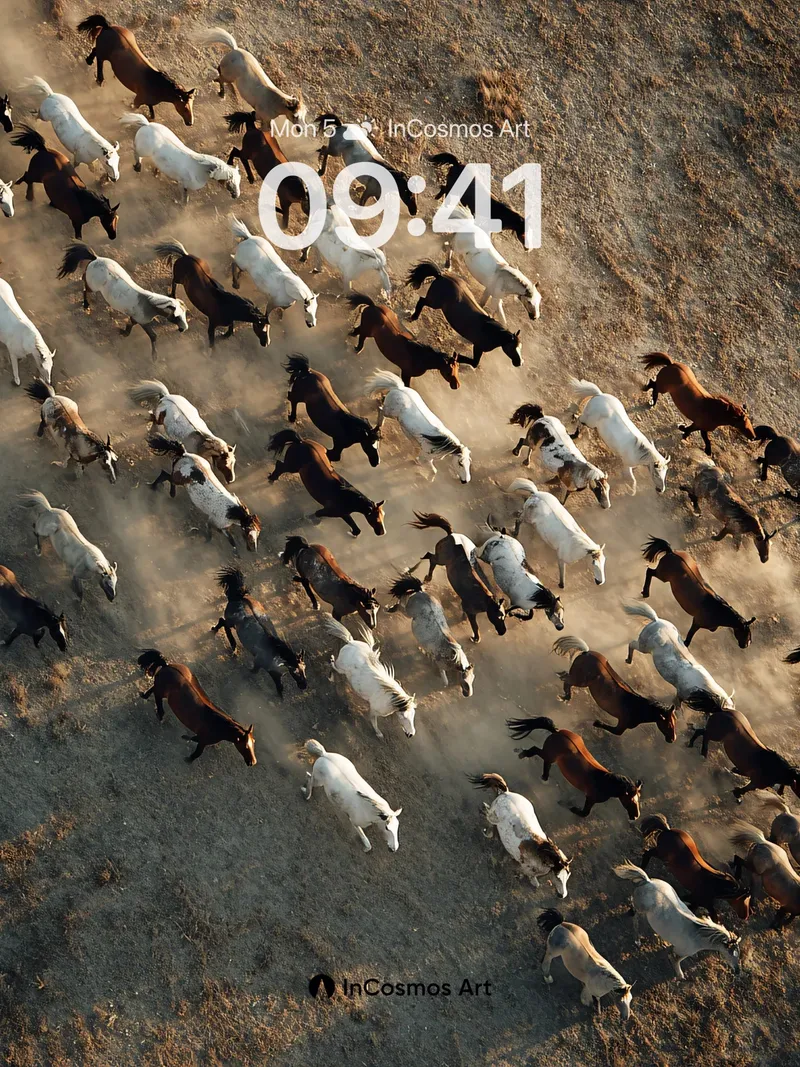
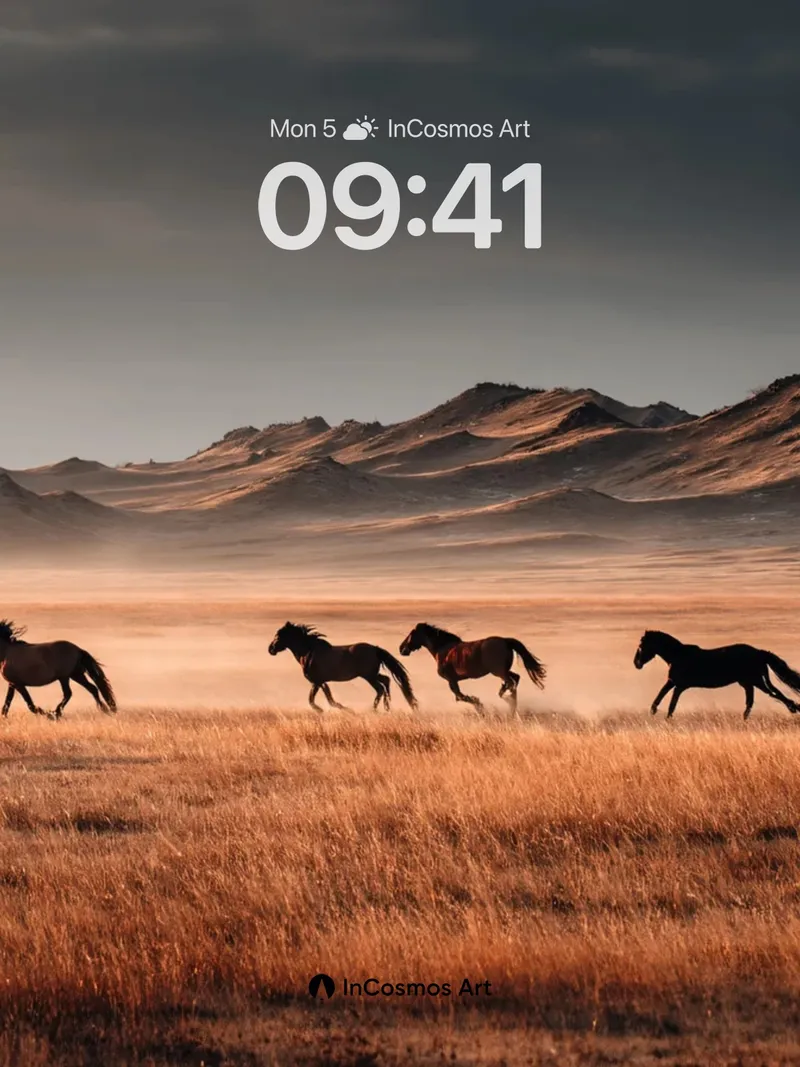
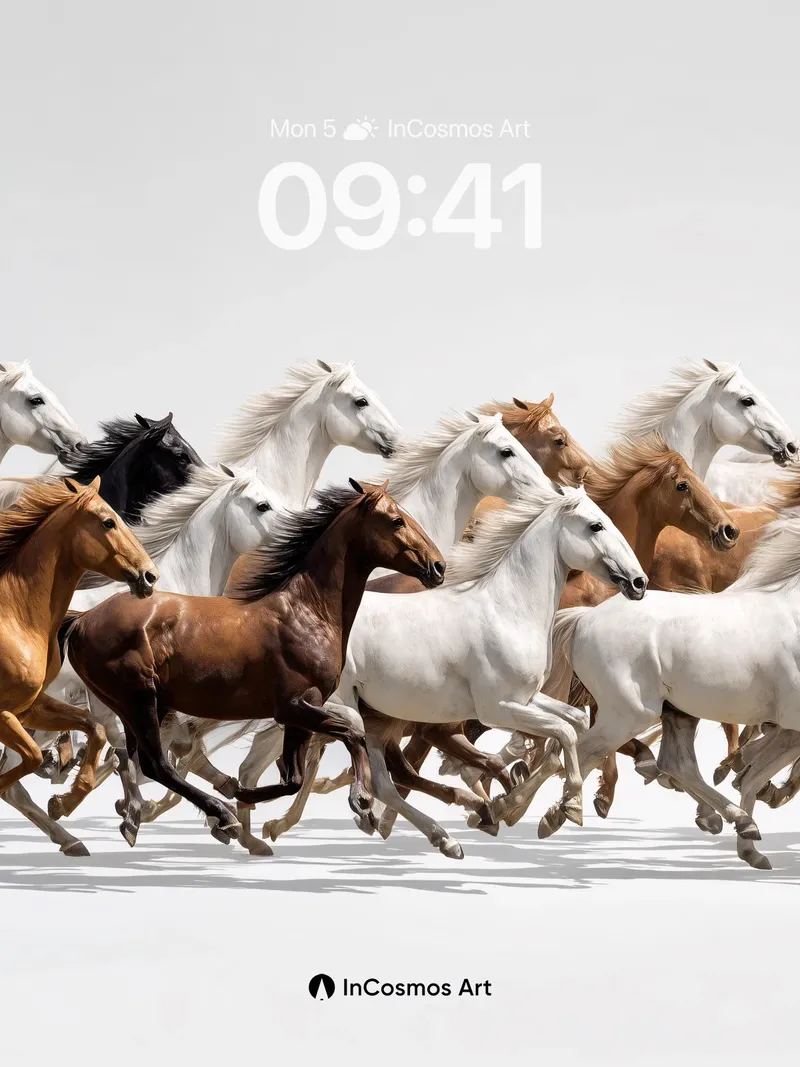
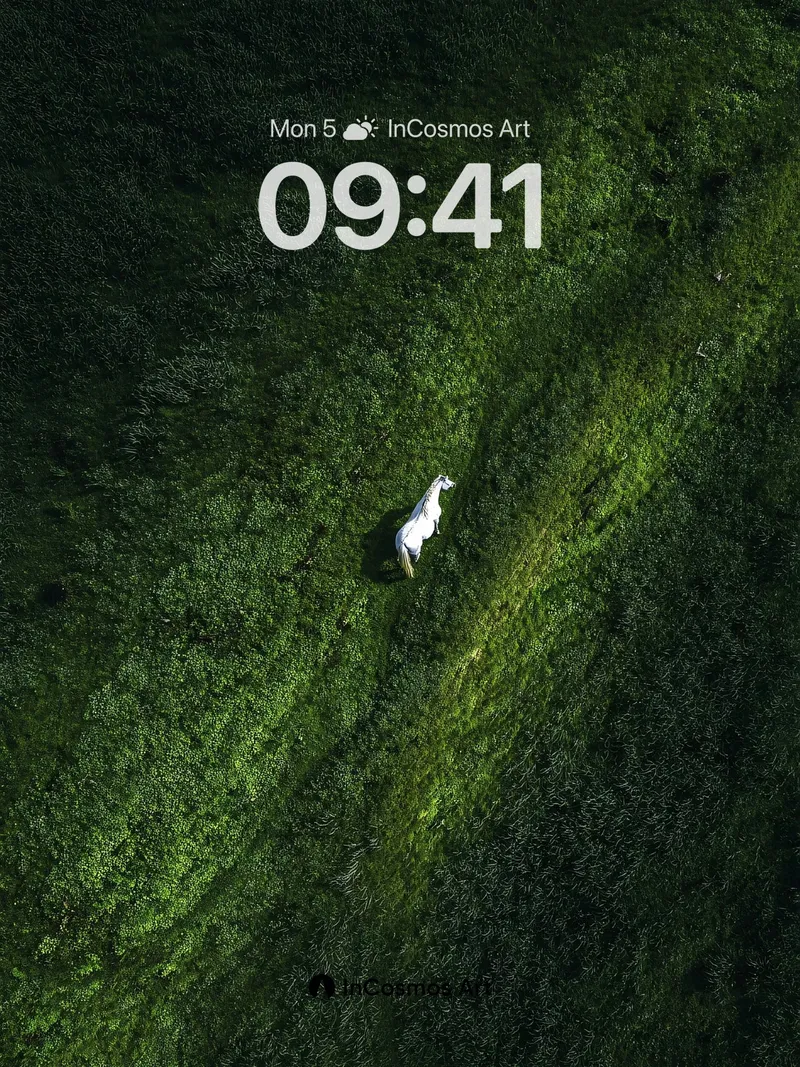
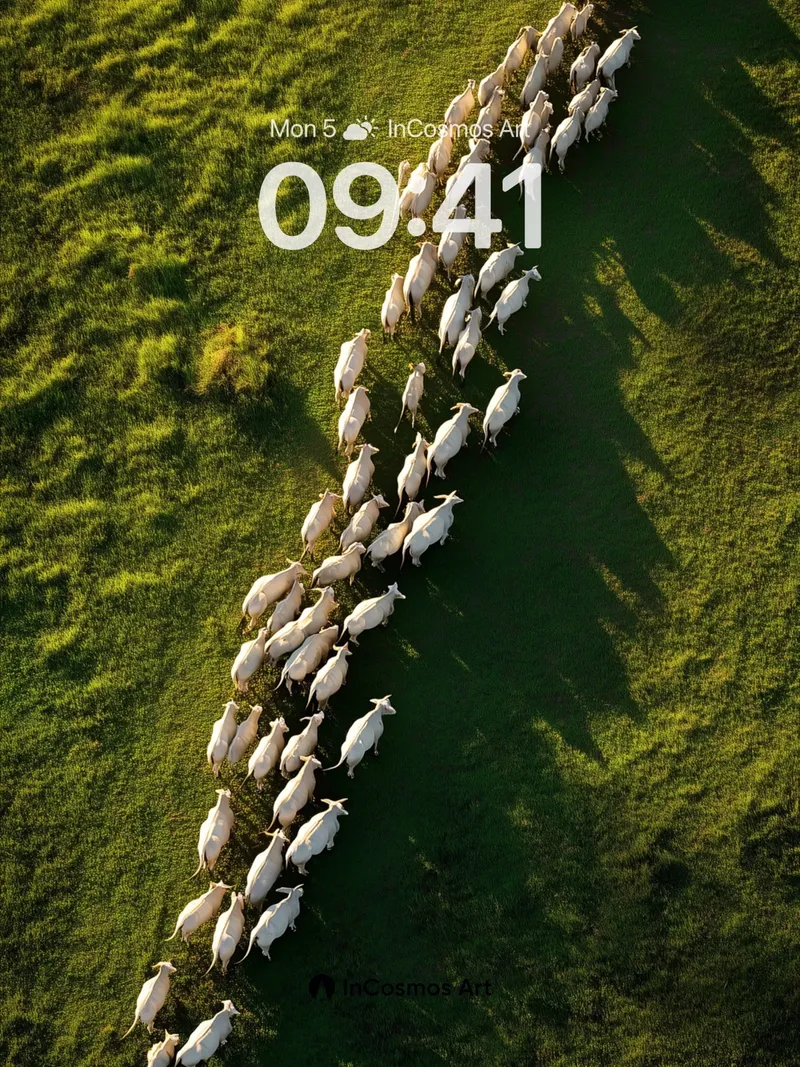
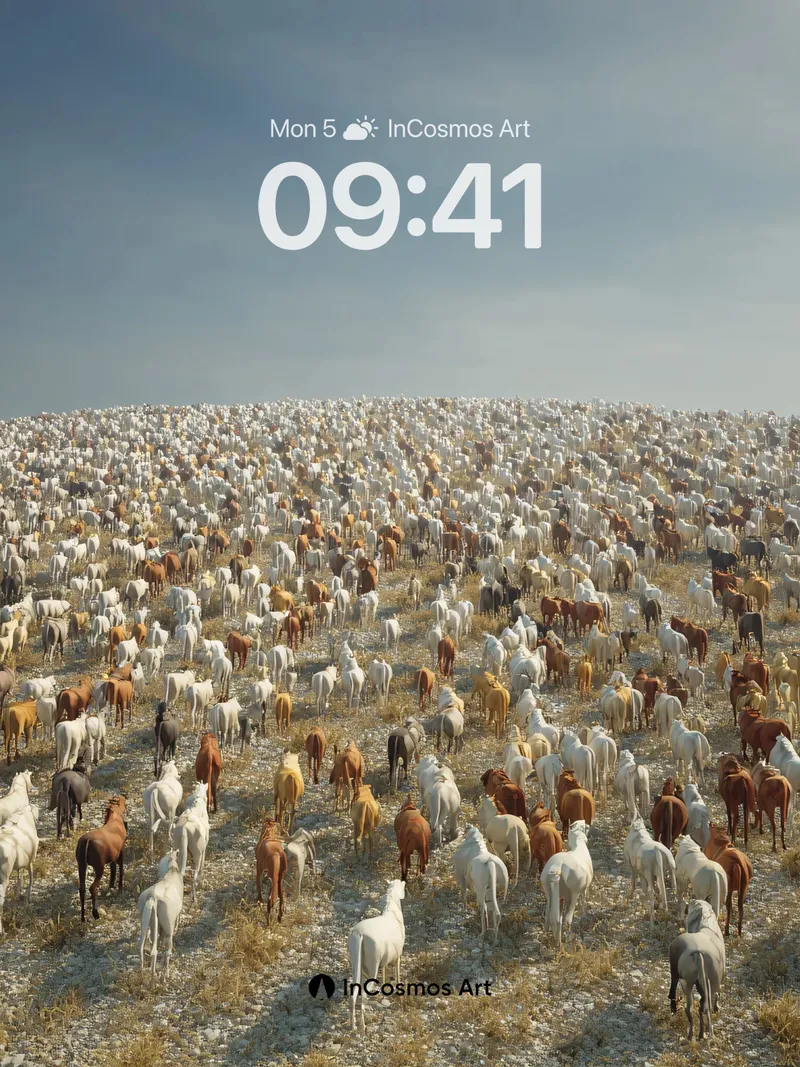
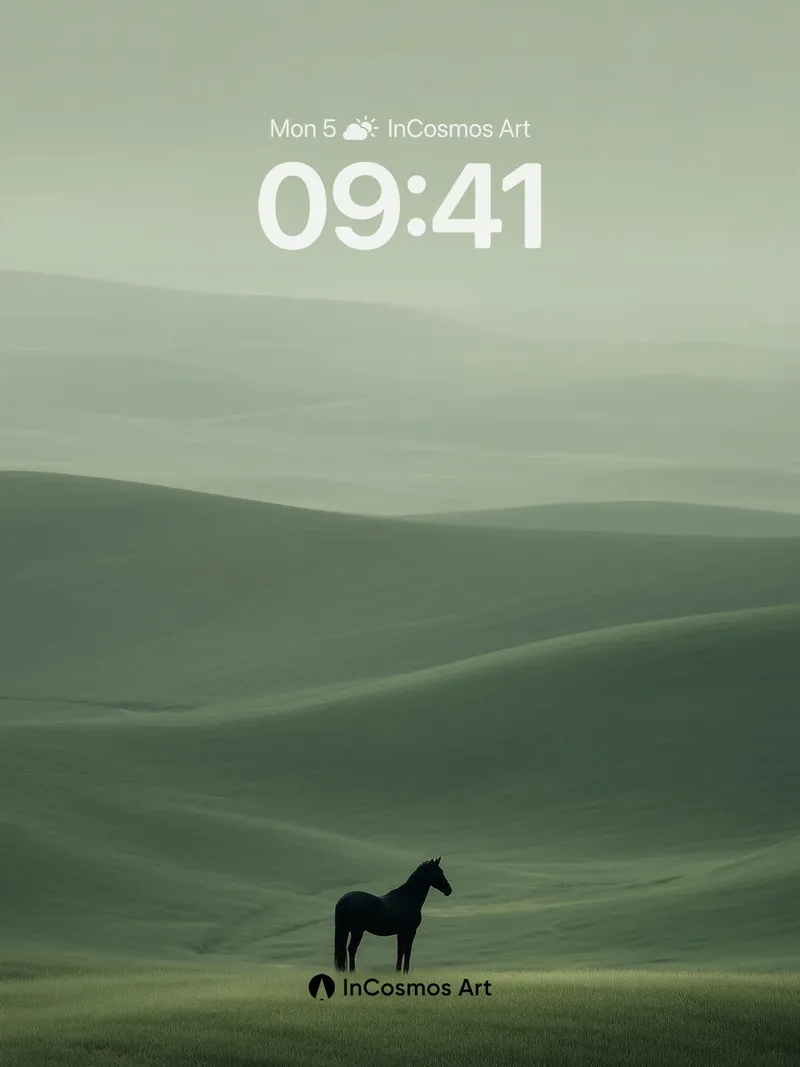
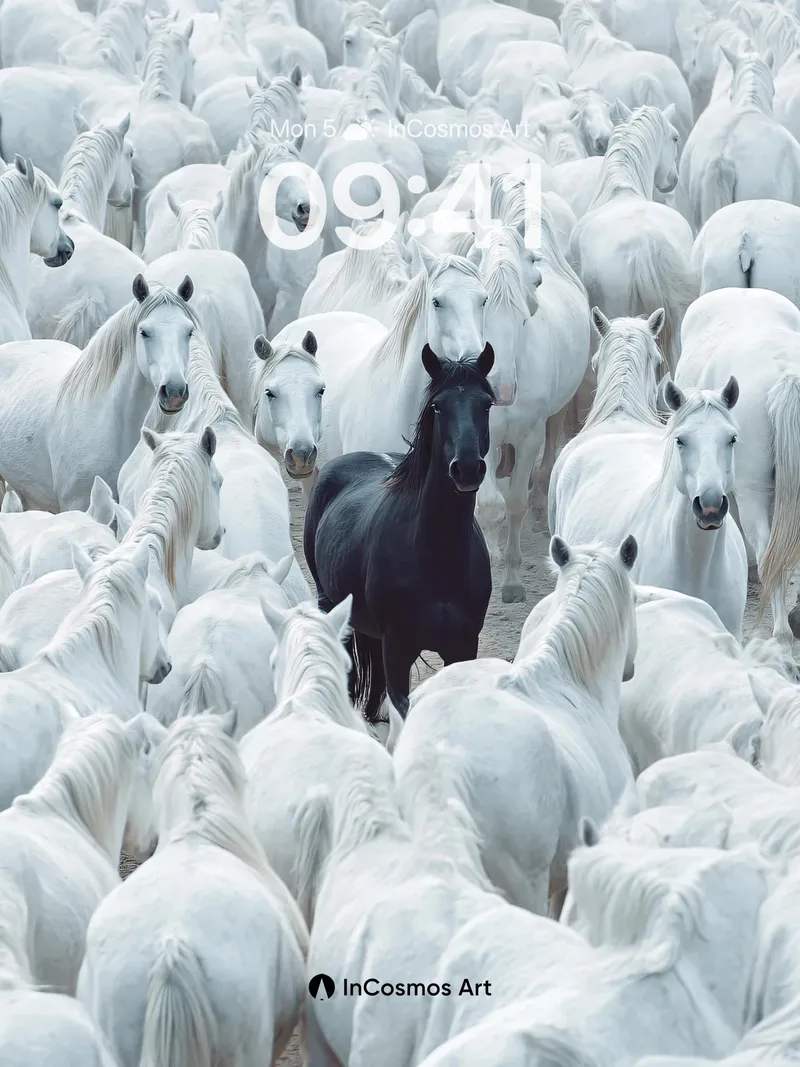
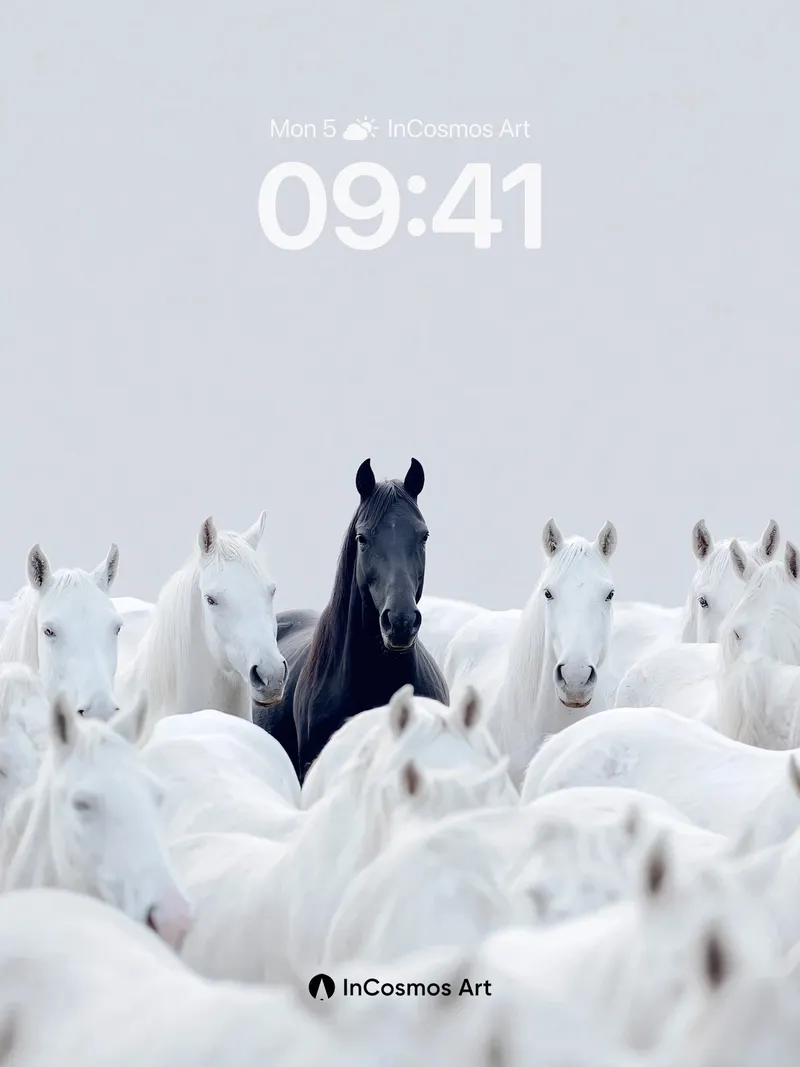
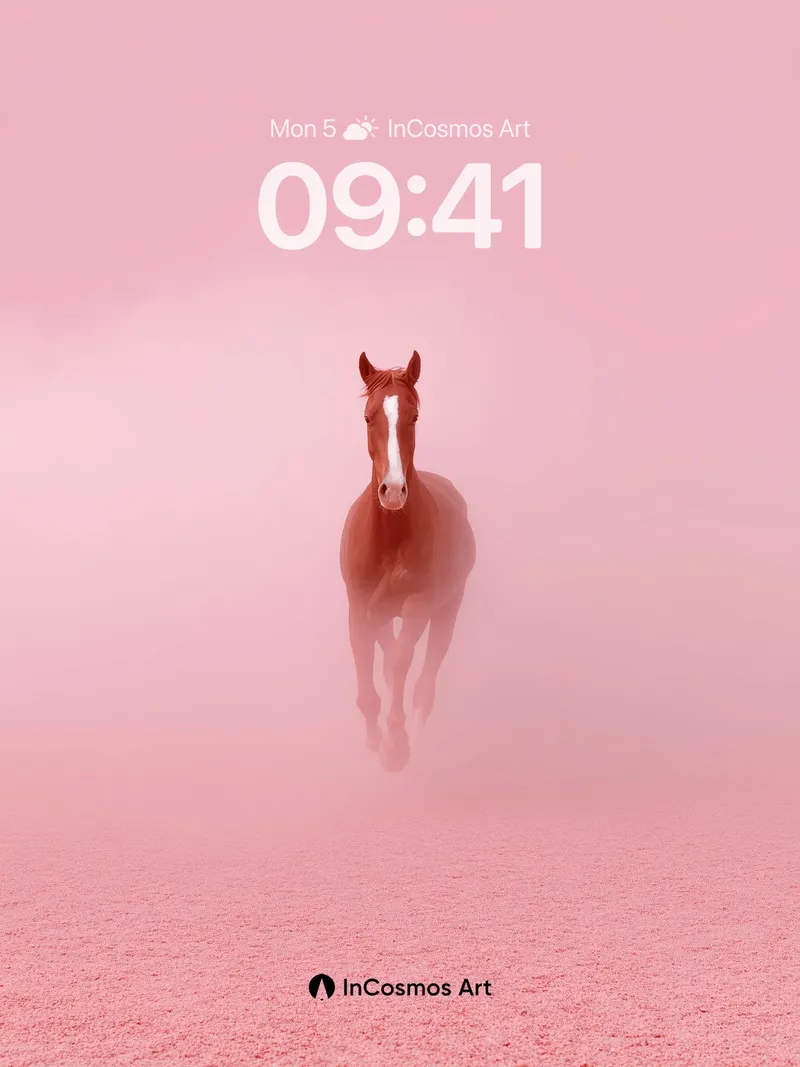
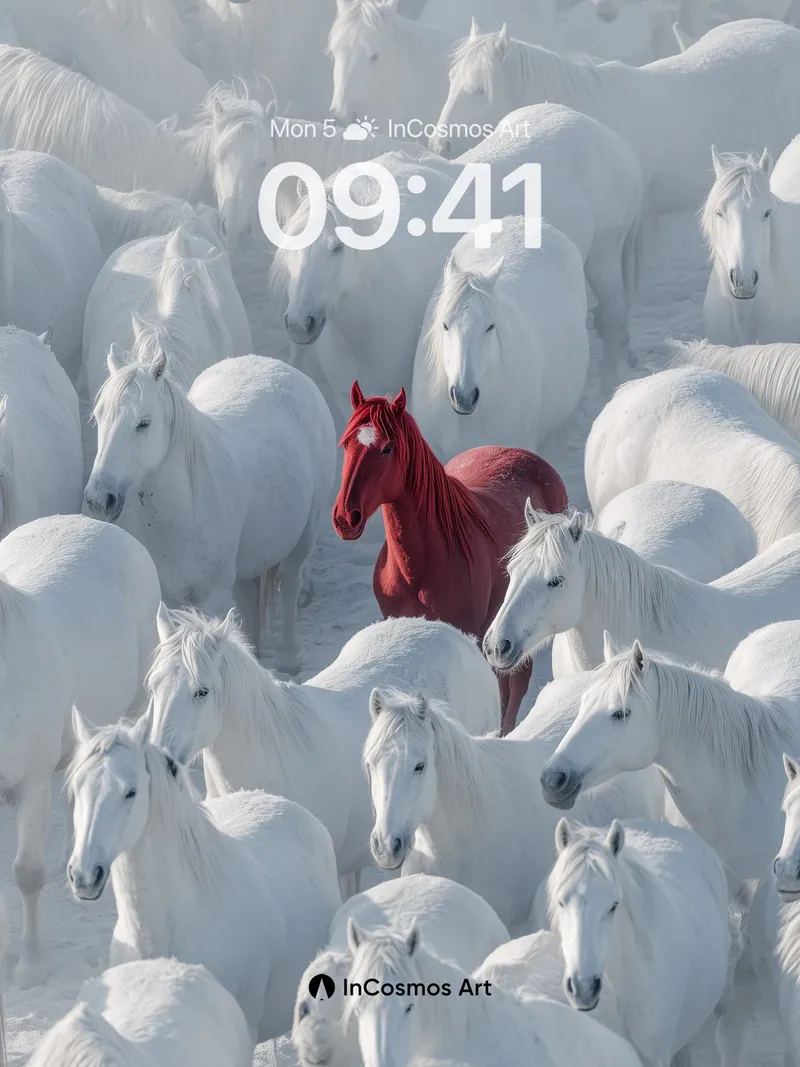
Across endless grasslands, herds move with silent rhythm. Their presence is not for observation but to become part of the landscape. In stark contrast between black and white, a single dark horse moves through a sea of white, its silhouette like ink on rice paper—both an assertion of individuality and a disruption of collective order. This difference is not jarring; it embodies internal tension—how does heterogeneity within a group define belonging? When thousands of white horses form a flowing snowfield, the lone dark figure becomes the focal point. It does not shout, yet it cannot be ignored. This is not merely a clash of colors, but a philosophical dialogue between identity, freedom, and belonging.
The Dialectic of Group and Individual
The movement of the herd displays a ritualized order. Each step follows unseen rules, maintaining distance while remaining interdependent. Yet when a black horse appears at the center, this balance subtly shifts. It neither follows nor resists—it simply exists. Its darkness is not opposition, but a reminder: beneath uniformity lies the potential for diversity. This mode of being echoes modern society’s ongoing inquiry into individuality versus collectivity: how can one maintain selfhood without dissolution in a homogenized environment?
Spiritual Metaphor in Natural Landscapes
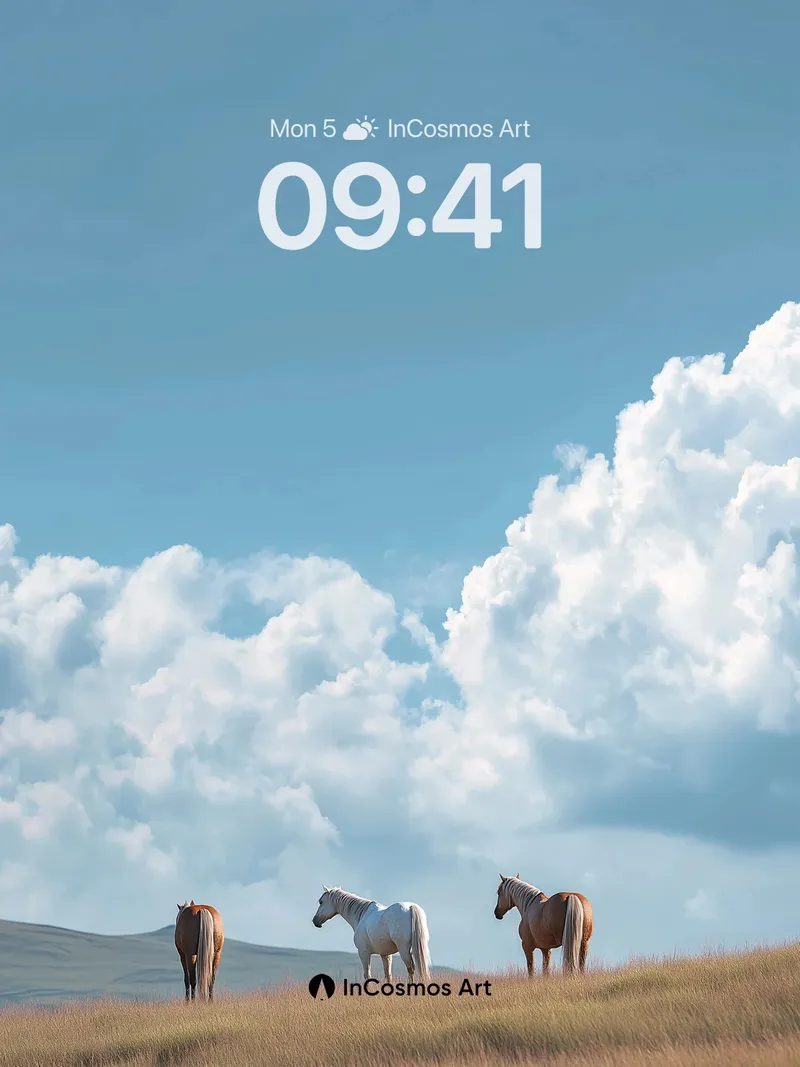
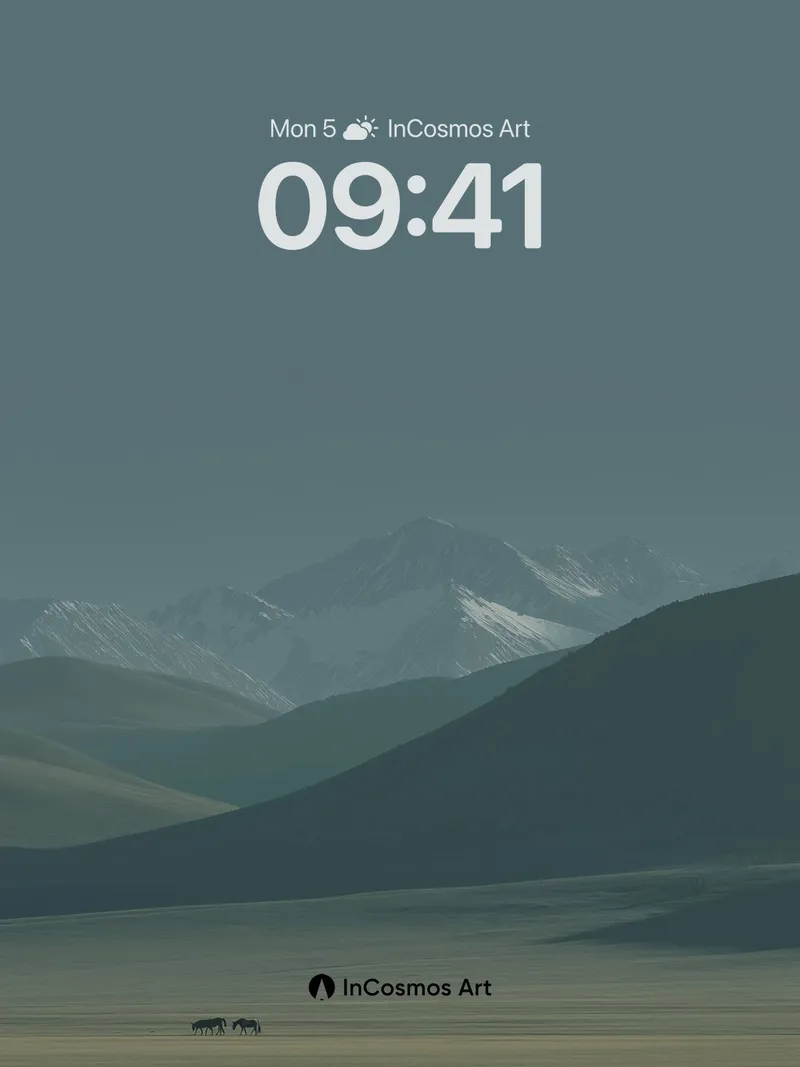
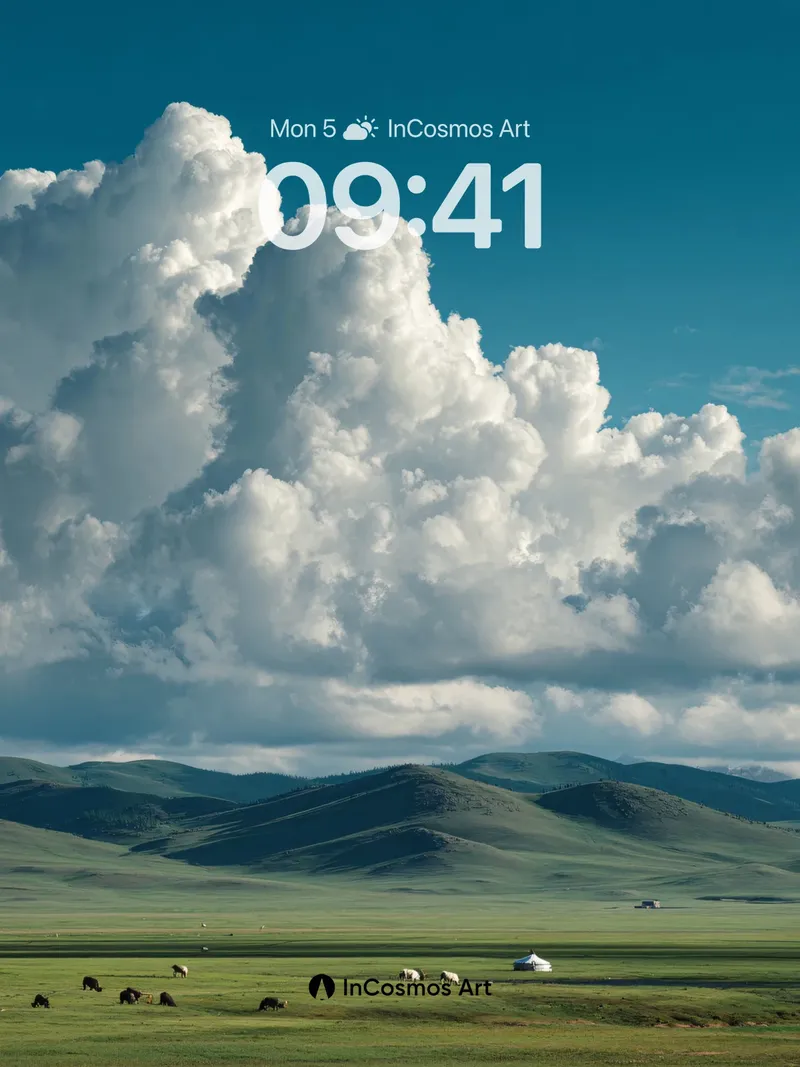
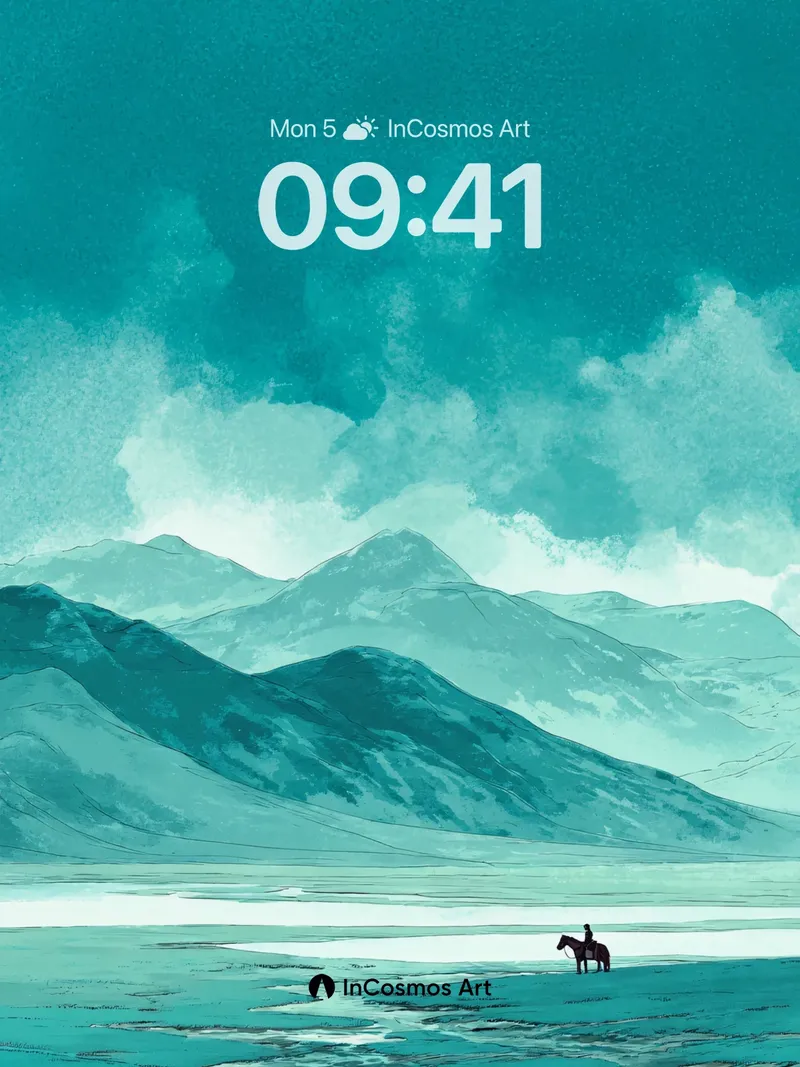
Grasslands, mountains, and cloud formations create a vast backdrop. Horses traverse this terrain as traces of time—slow and resolute. Distant snow-capped peaks stand in silent permanence, symbolizing unreachable ideals; nearby meadows carry the weight of daily life. The forms of the horses merge with the land—they are both products of nature and extensions of its will. Their running is not escape, but return—a return to a more primal, authentic state of existence. This state transcends language, existing only in breath and stride.
Aesthetics of Motion and Emotional Resonance
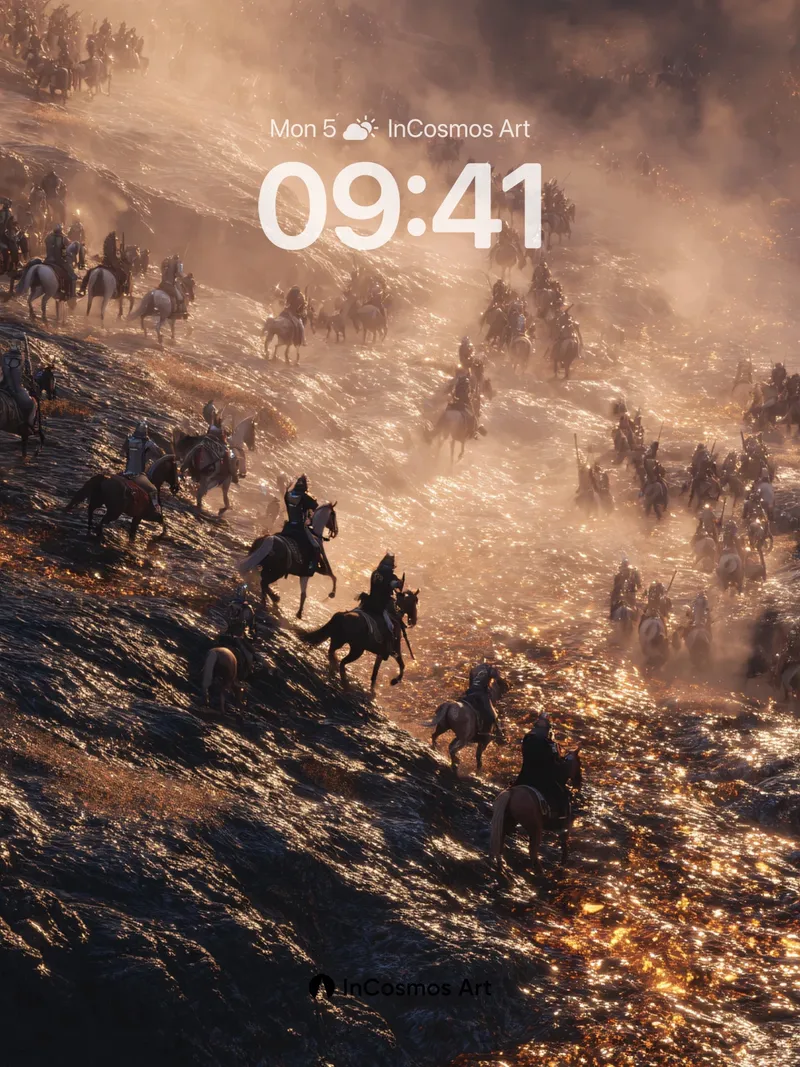
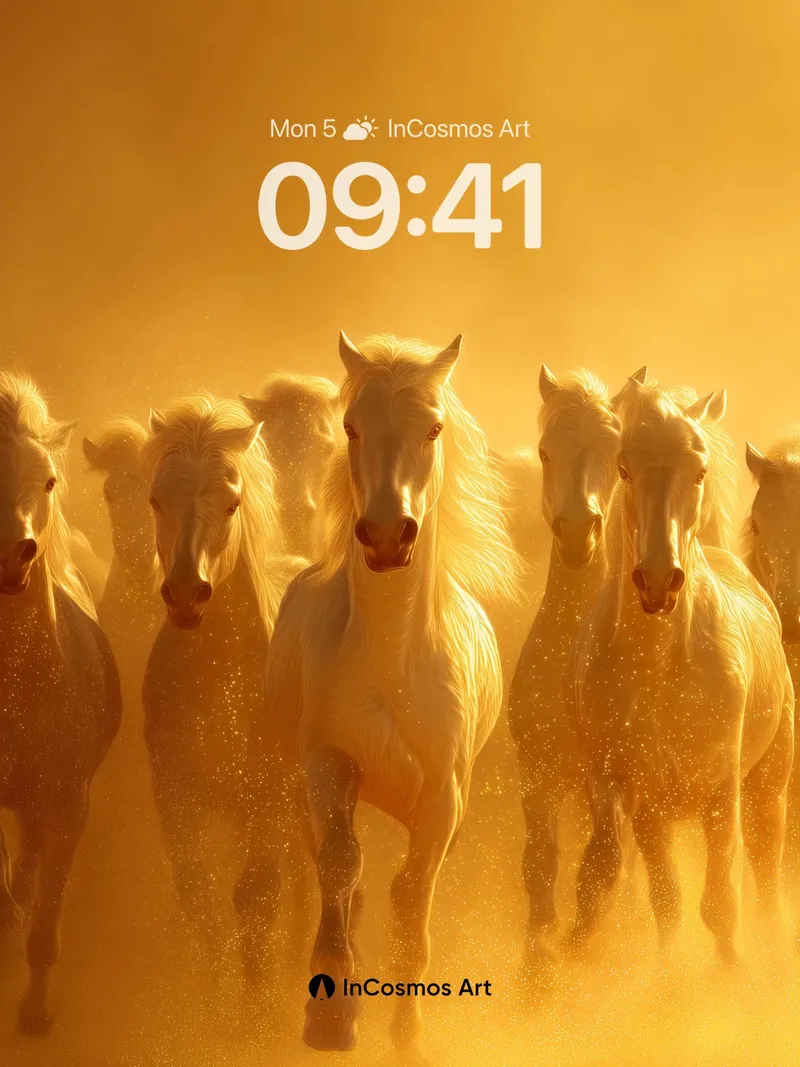
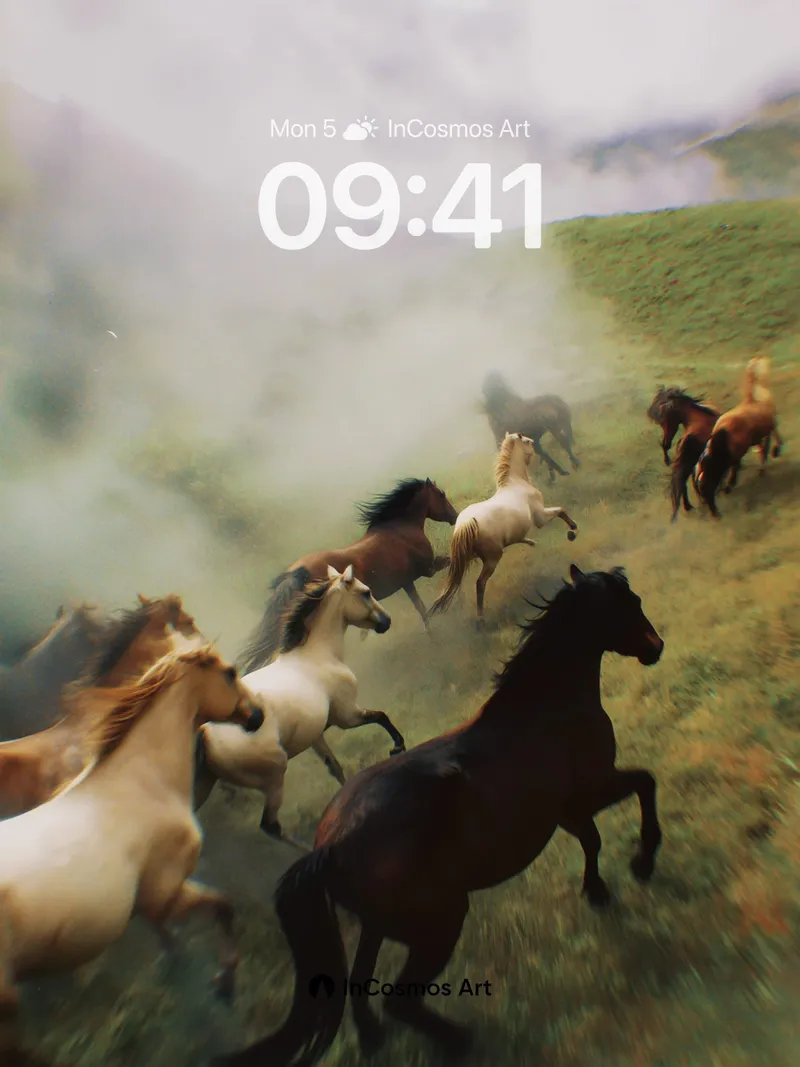
On dusty slopes, riders and horses charge forward together. Light and shadow intertwine, forming a golden river. At that moment, speed ceases to be physical—it becomes emotional release. Sunlight pierces the dust, gilding every motion, as if time freezes. Such scenes evoke more than visual impact—they awaken ancestral memories: narratives of migration, strength, courage, and unity. On this land, the relationship between human and animal remains unbroken, sustained through action as a living covenant.
Philosophy Beyond Color
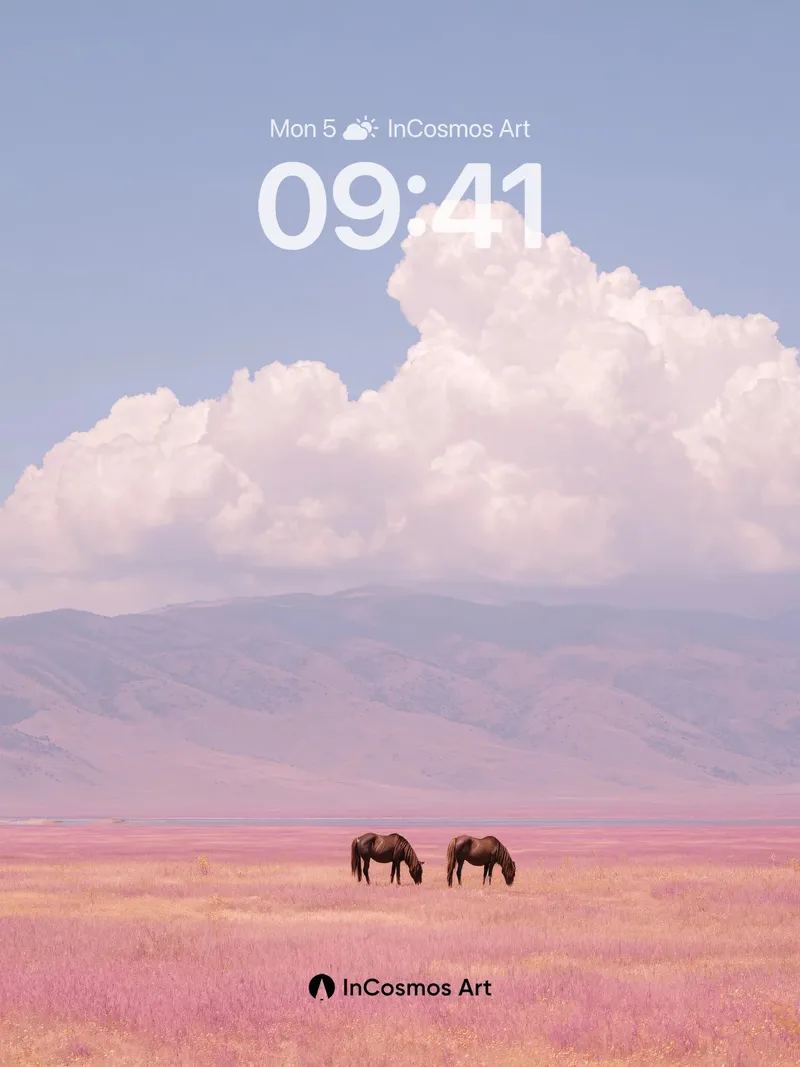
In a field of pink blossoms, two horses graze beneath cotton-like clouds. This wilderness blends tenderness with grandeur, reminding us: beauty need not be monumental or intense. Presence in stillness alone is enough to move. Changes in hue are not just seasonal signals—they reflect inner states. When the world narrows to monotony, a single contrasting tone can break silence. And this tone does not seek to overthrow—it seeks to redefine harmony.