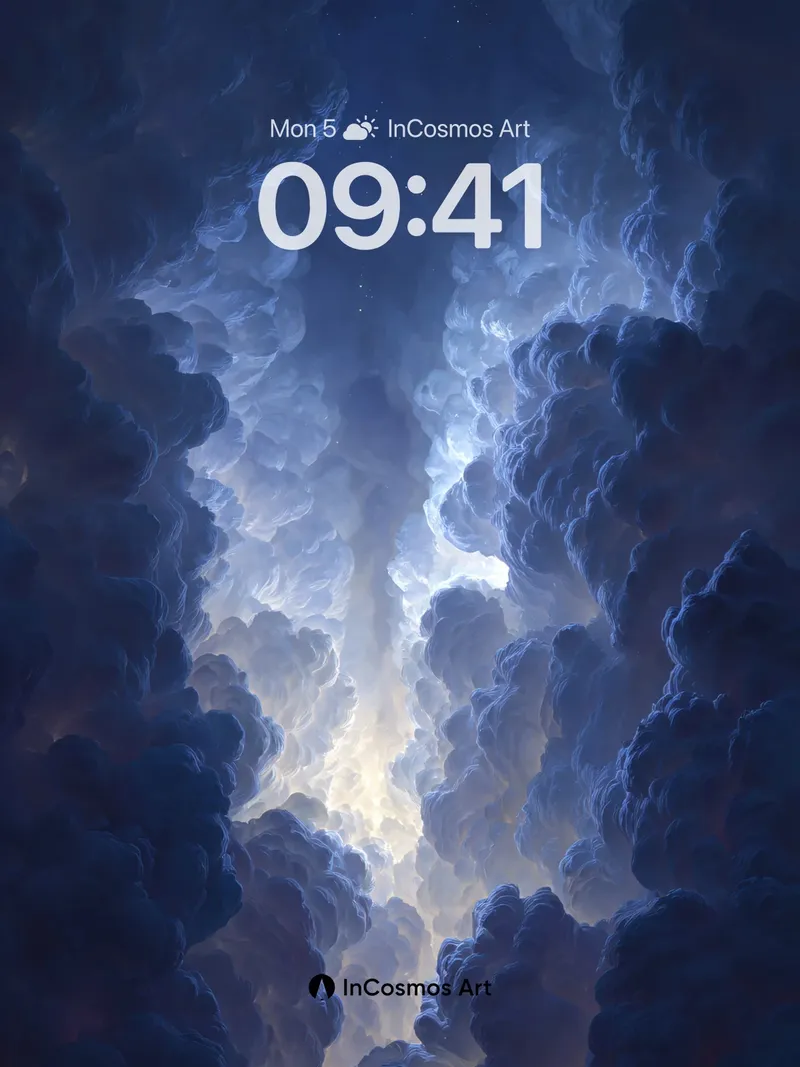
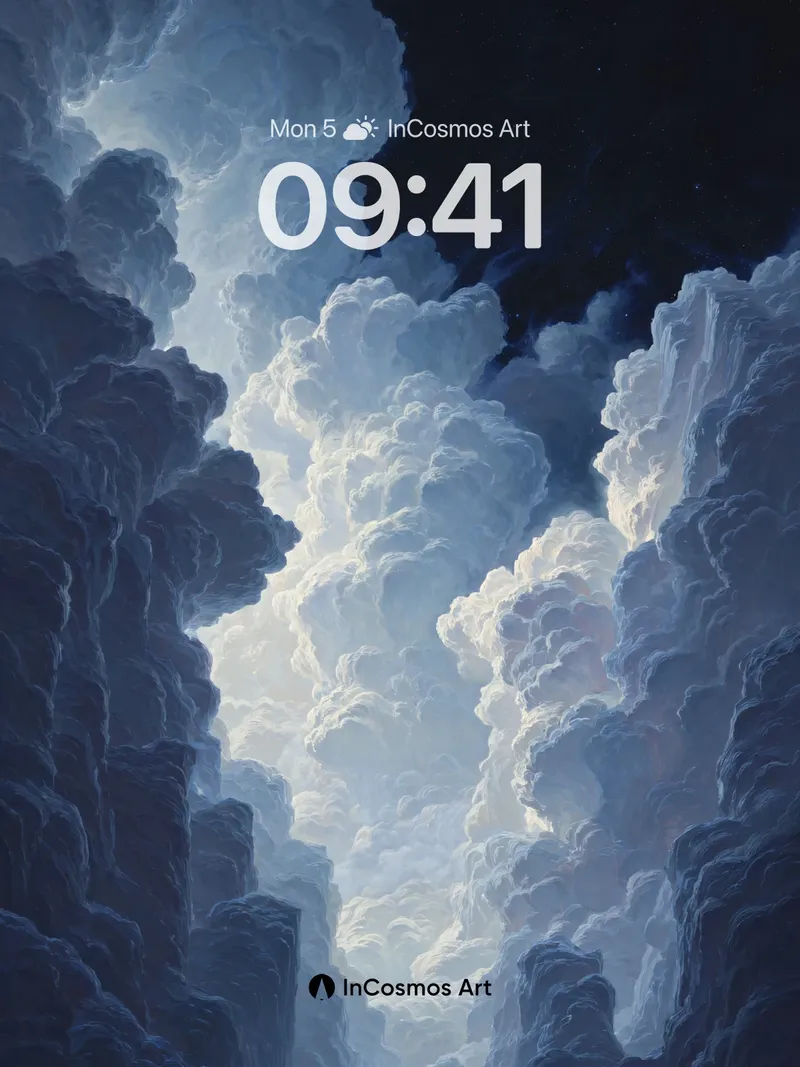
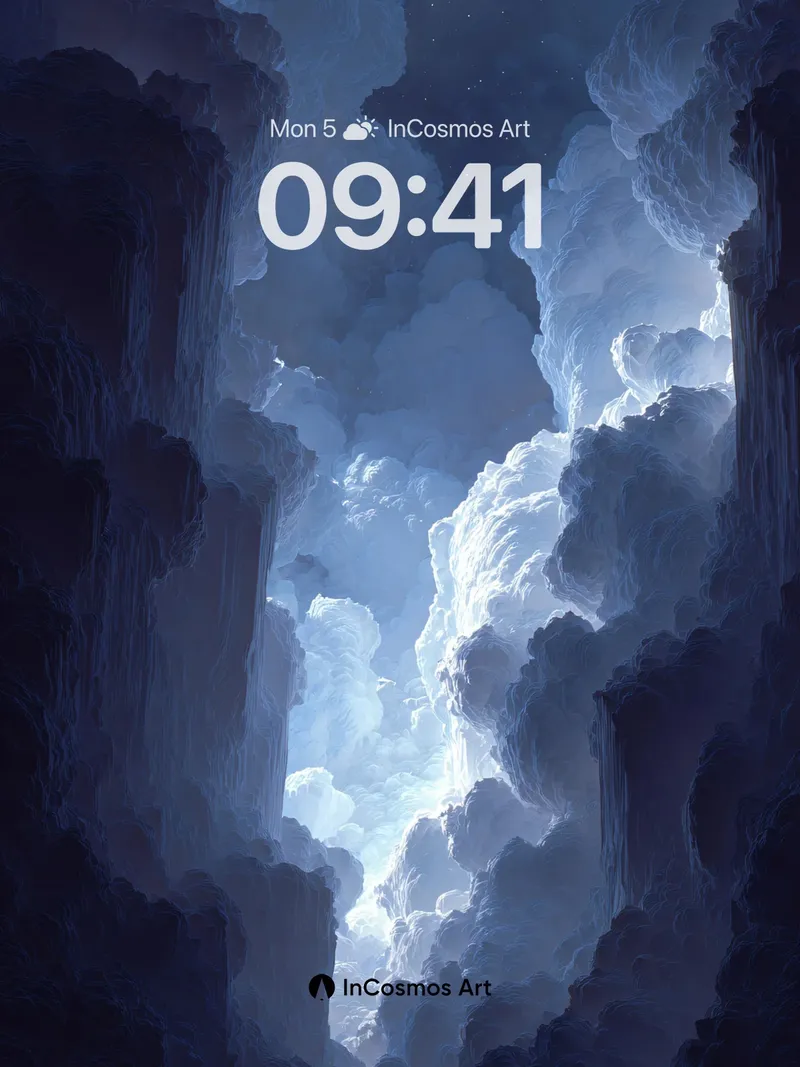
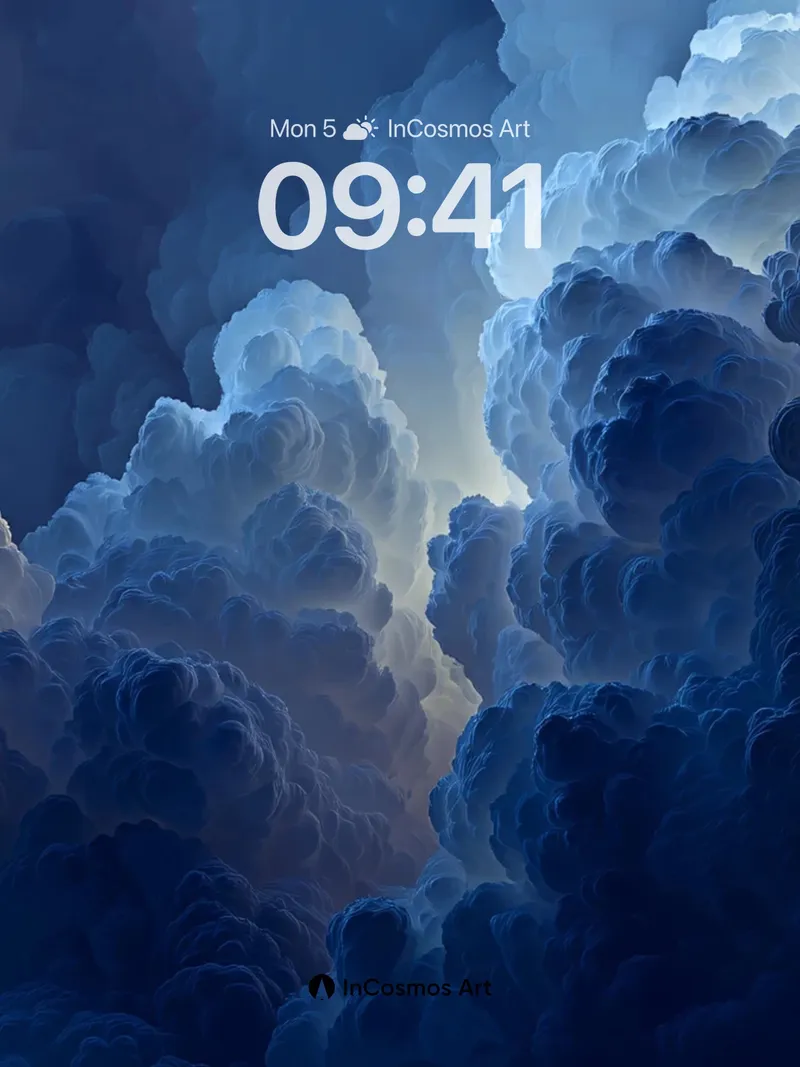
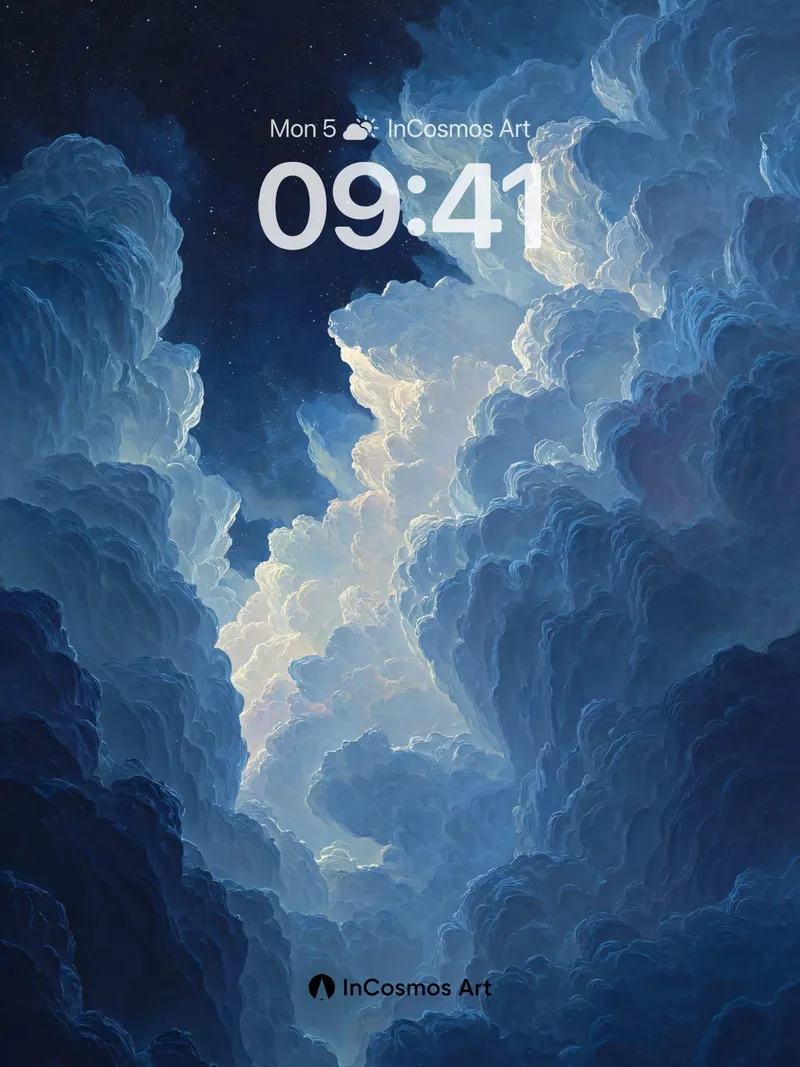
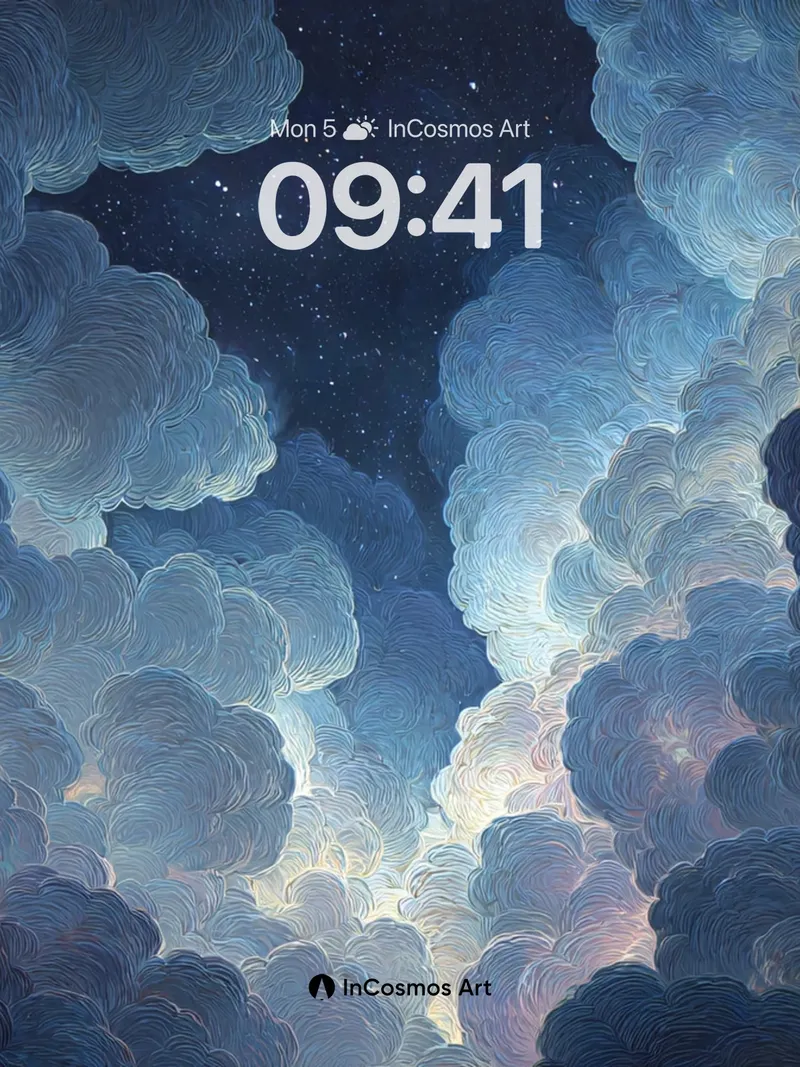
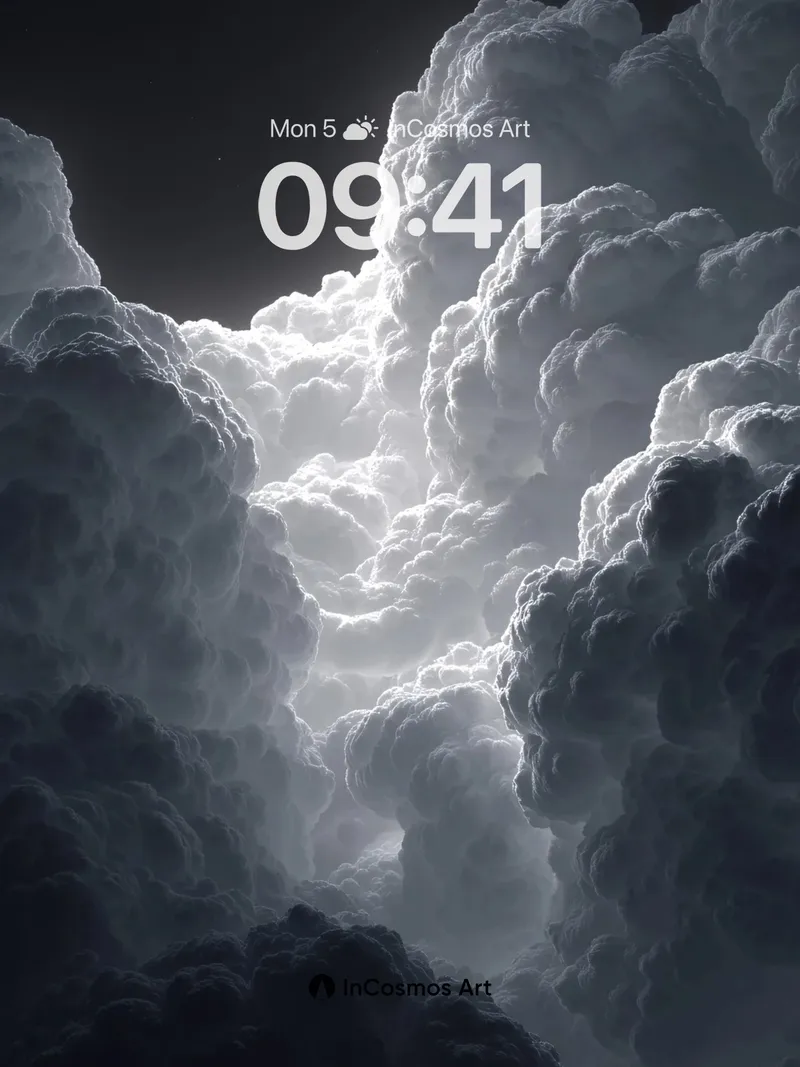
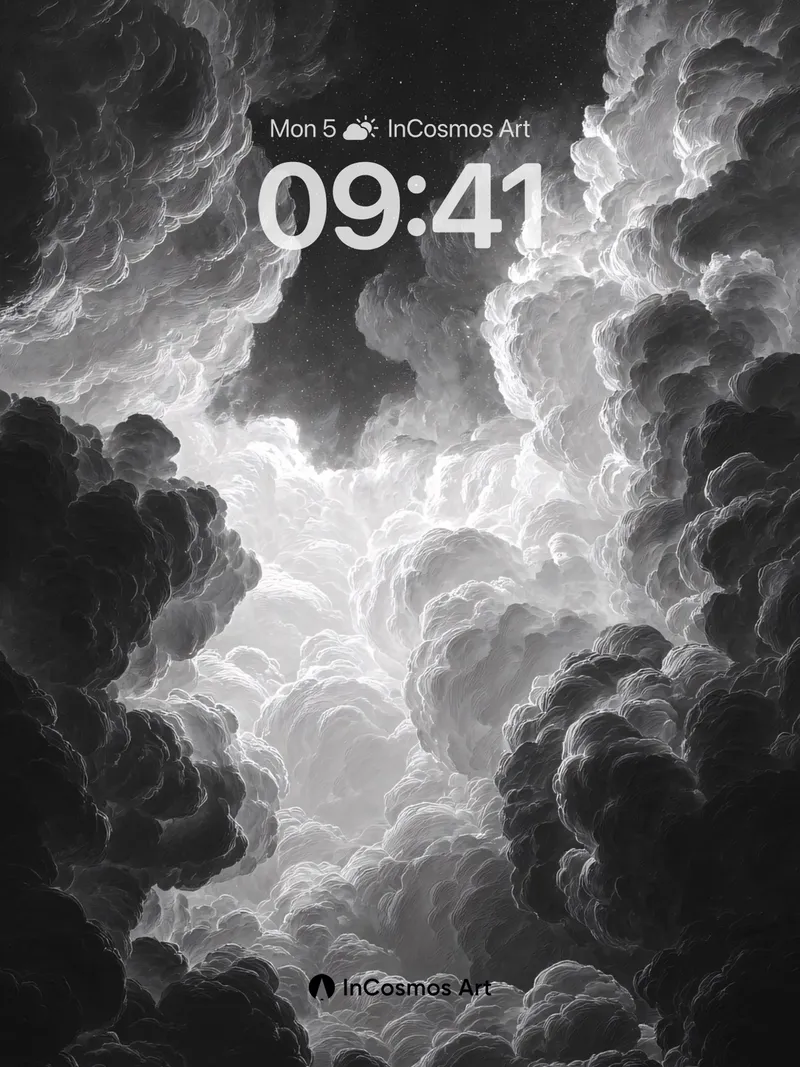
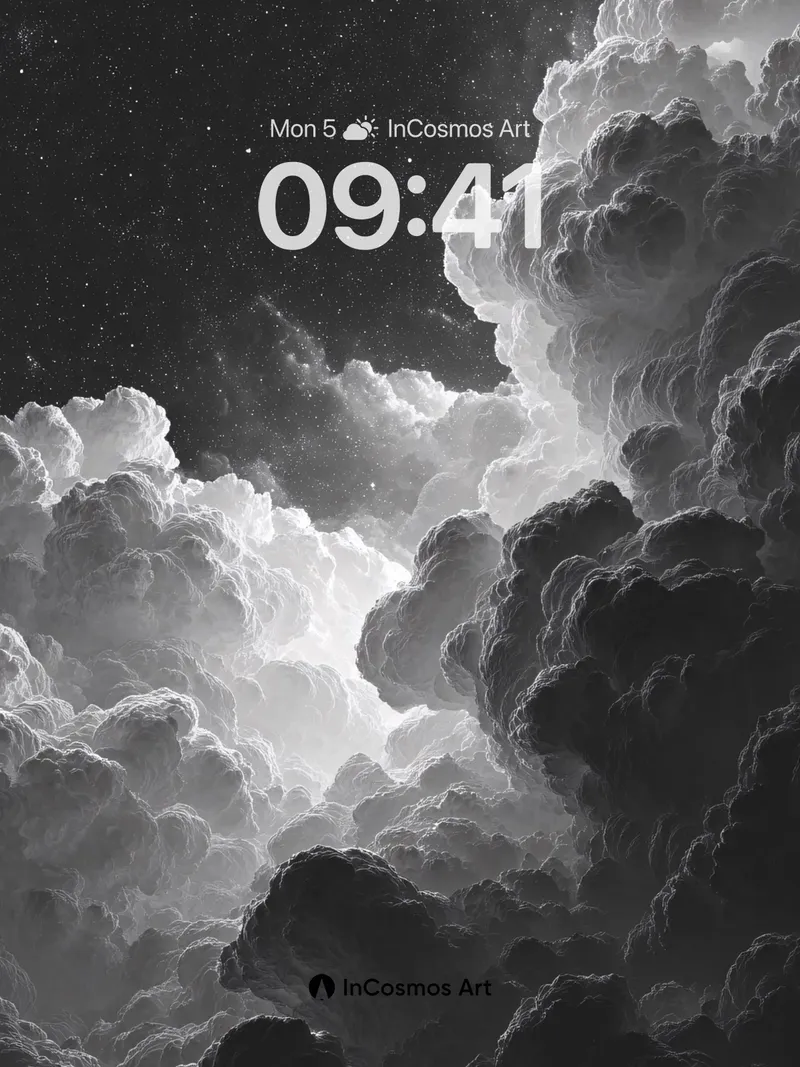
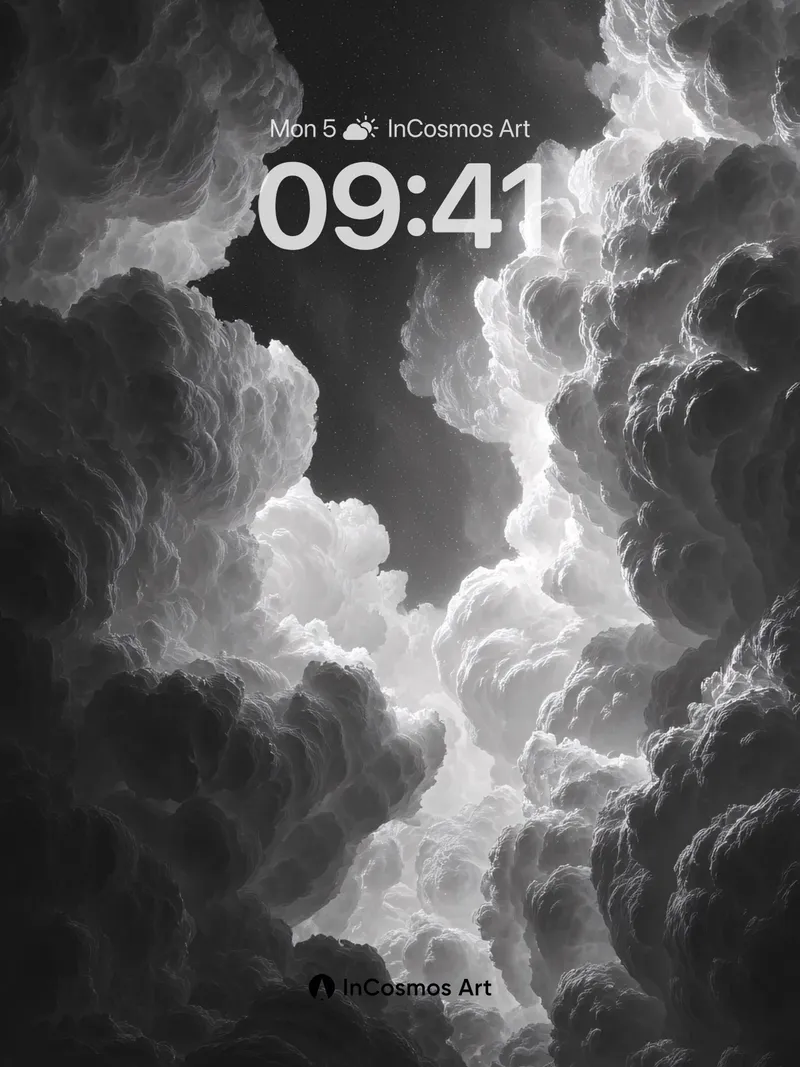
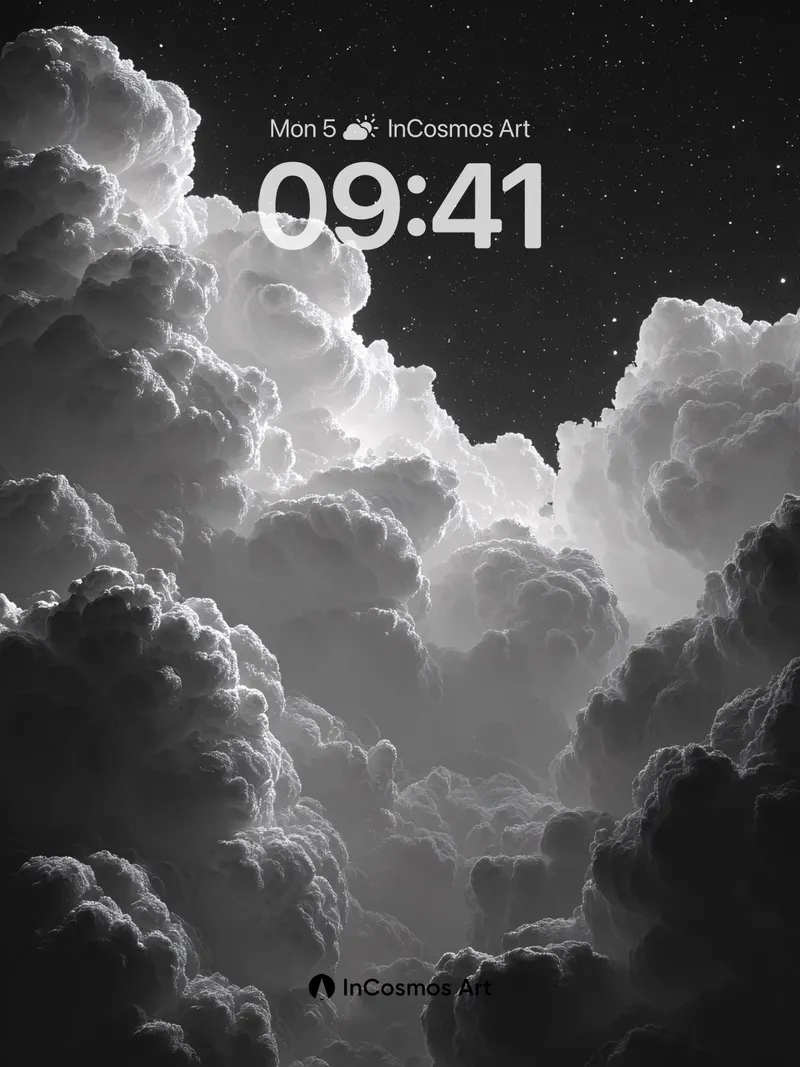
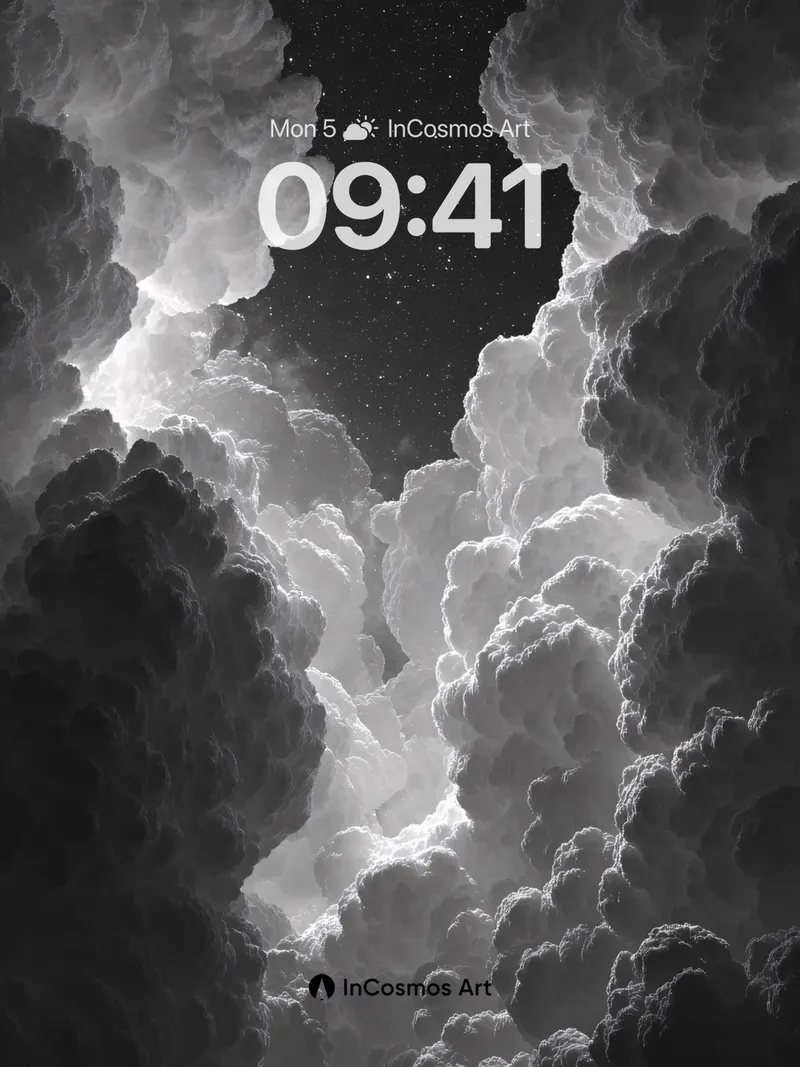
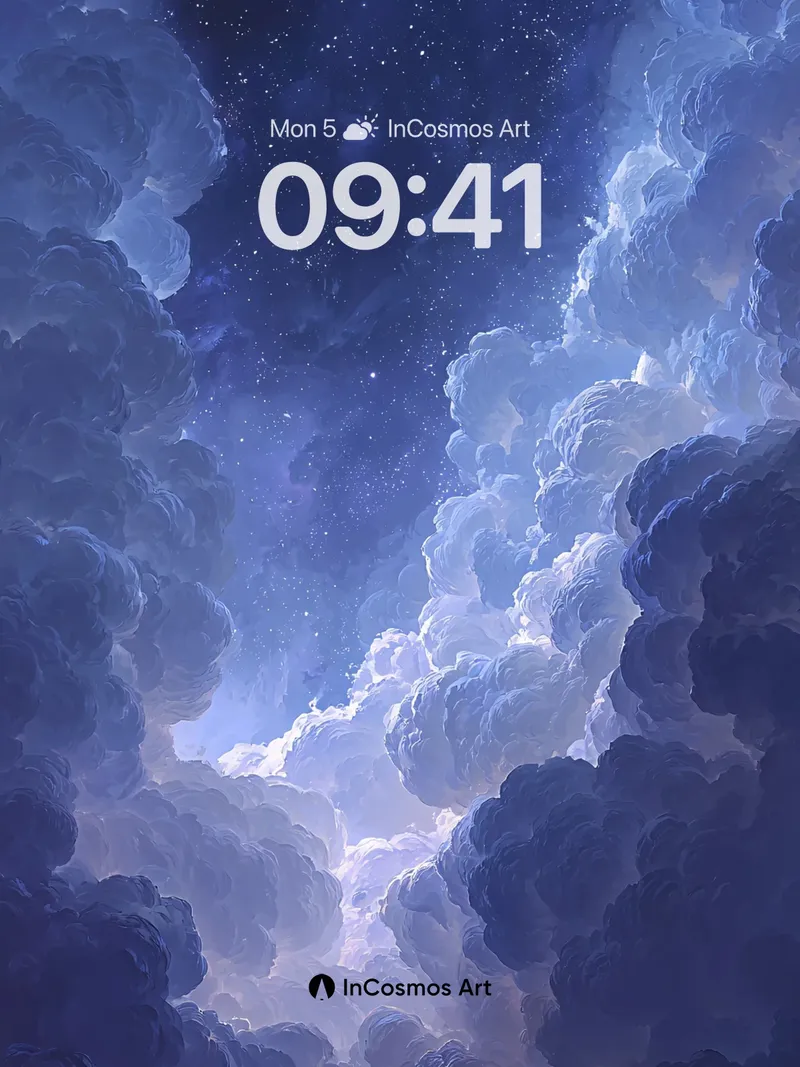
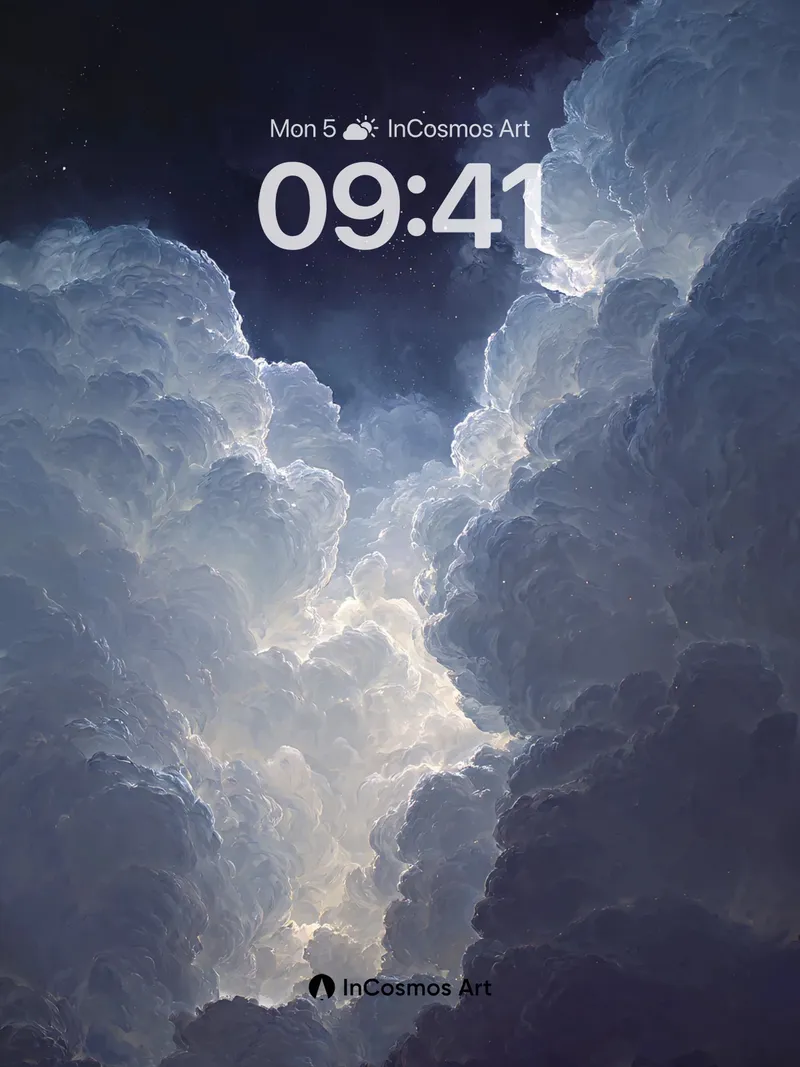
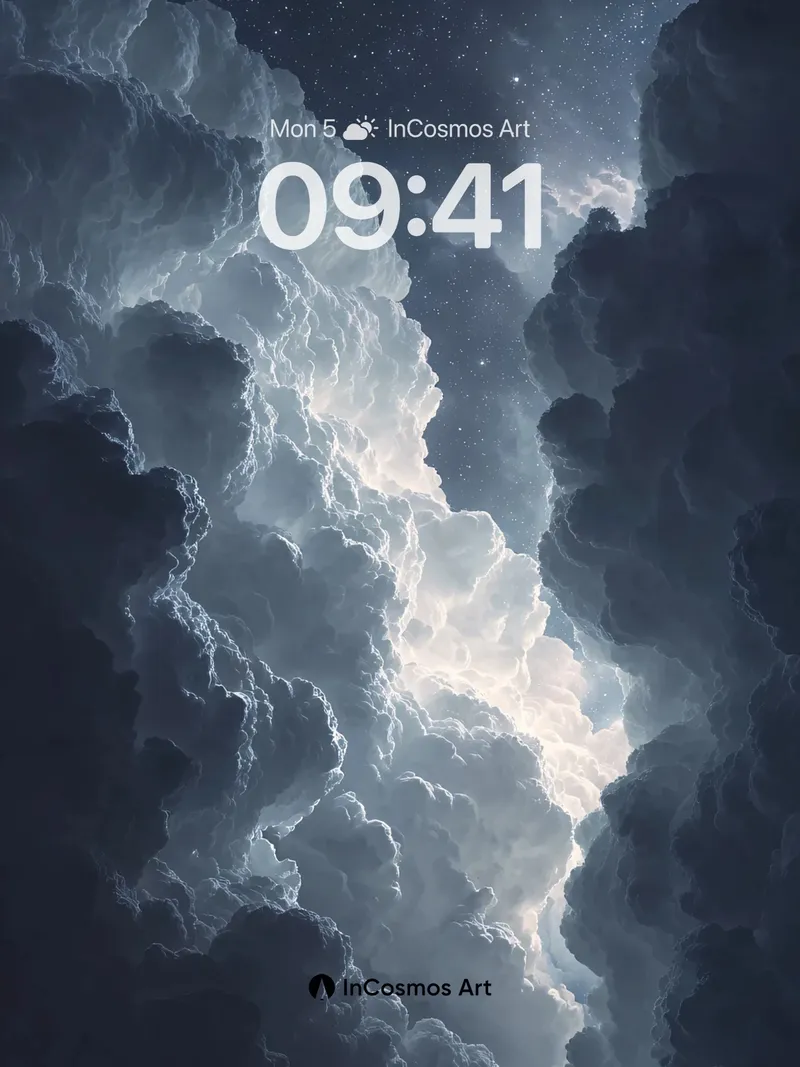
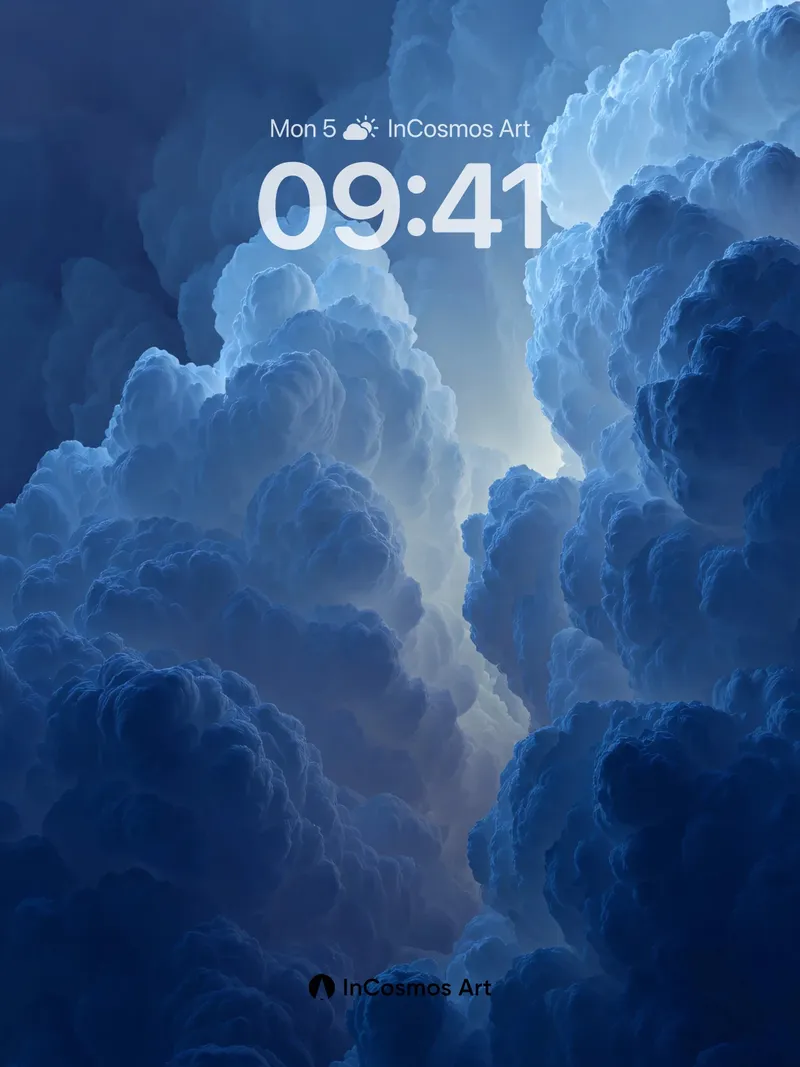
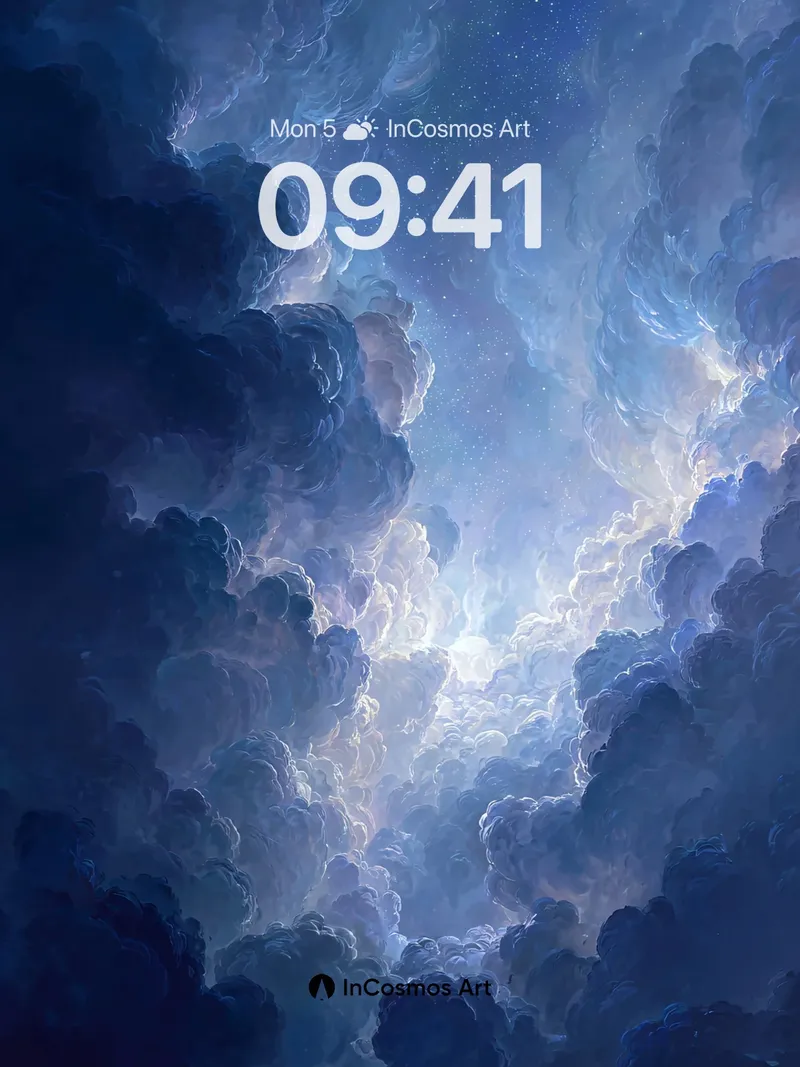
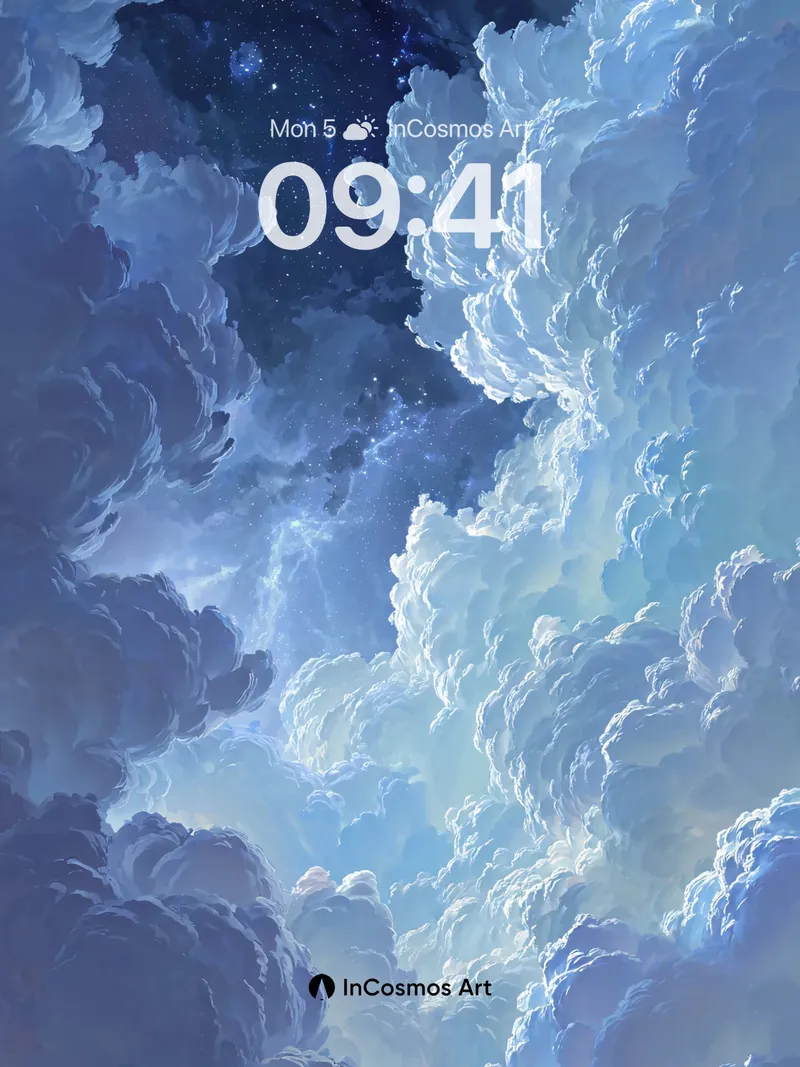
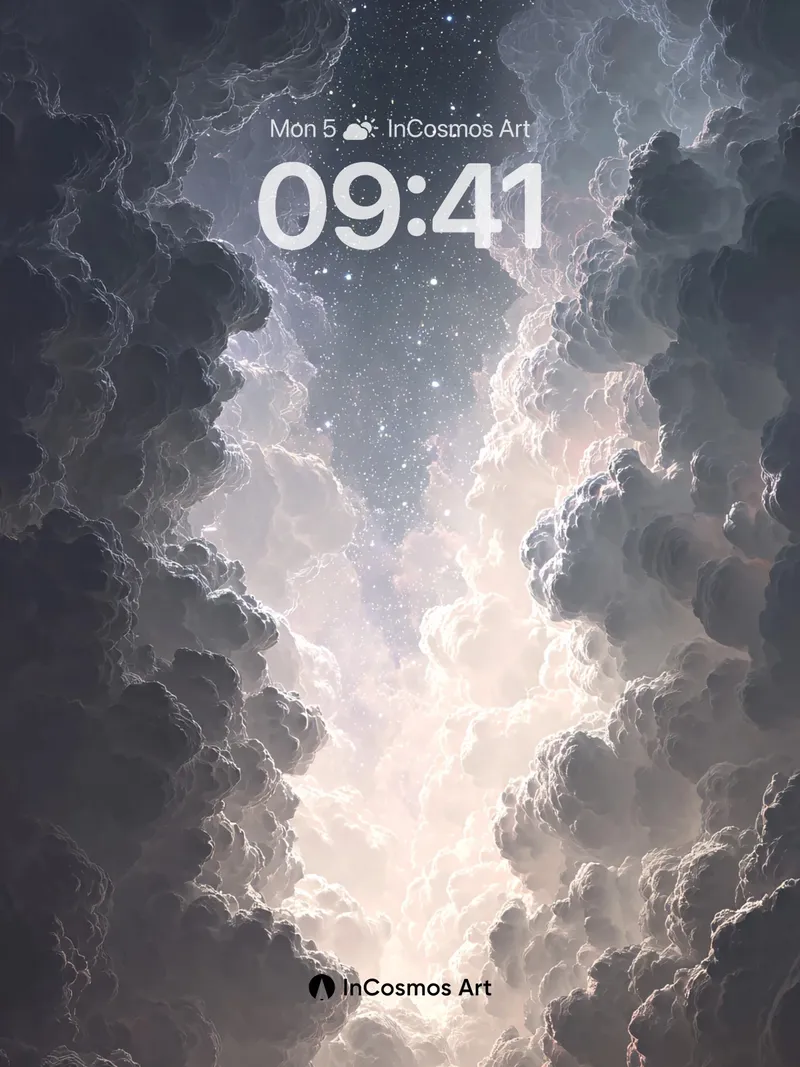
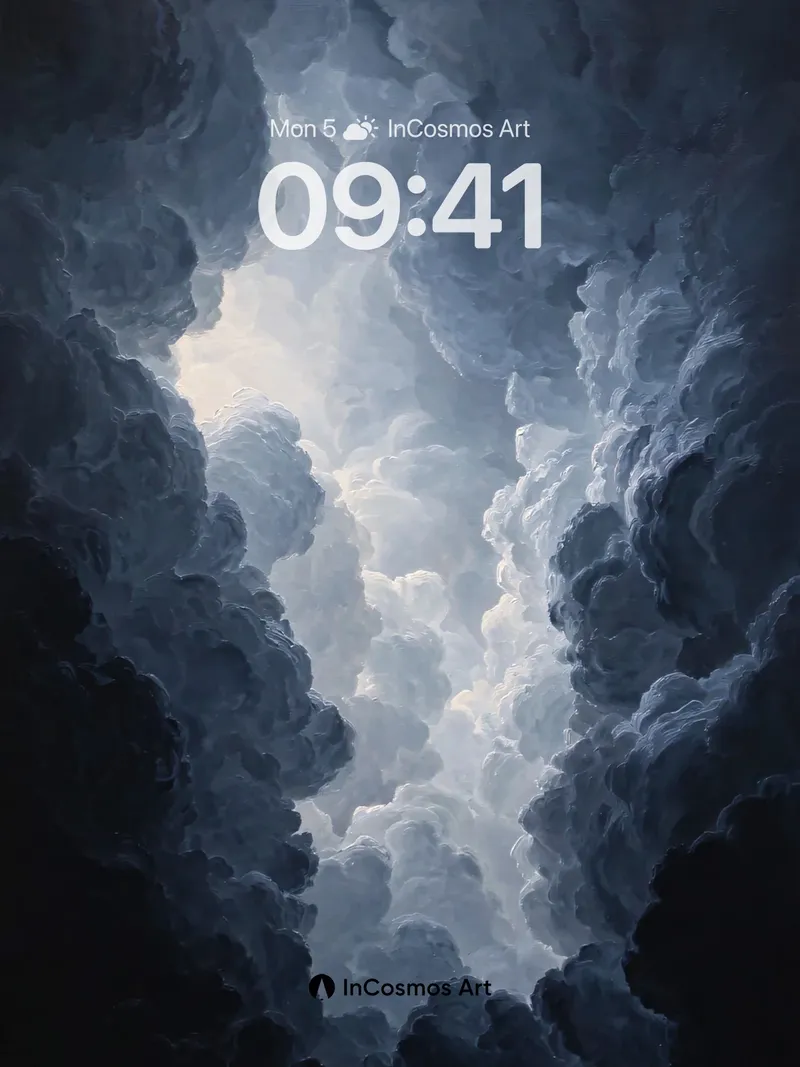
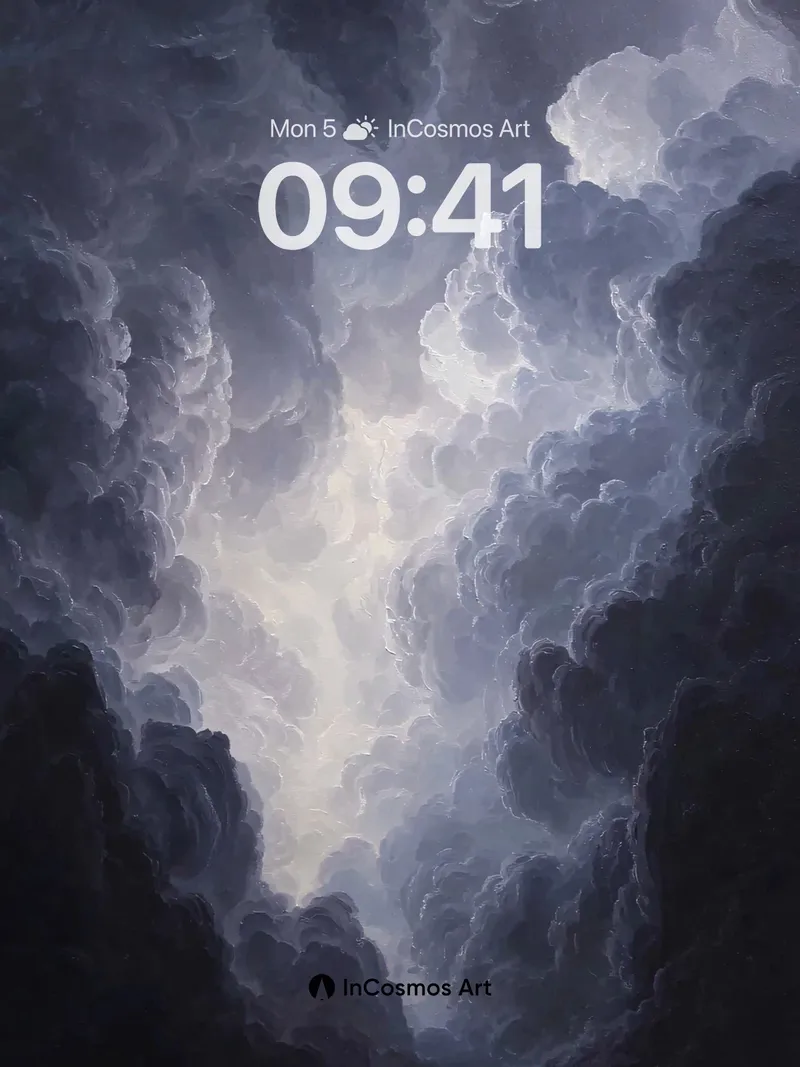
When vision extends upward, passing through heavy air and the edges of cumulonimbus clouds, the world loses its horizontal reference. This vertical gaze often occurs in the gaps of urban life or during moments when the mind seeks a certain order. The stacking of clouds is not merely a meteorological phenomenon; it resembles a psychological architecture, constructing a sanctuary that is both enclosed and permeable. Here, light is no longer a uniformly spread background but becomes a chisel that penetrates matter and reveals texture.
The Weight of Matter and the Penetration of Light
Clouds are not ethereal illusions; they possess astonishing mass and volume. Within the dark clusters of cumulus clouds, one can sense the heaviness of condensed water vapor, a tangible physical presence in the atmosphere. Light travels through these clusters, being refracted, blocked, and diffused, creating strong contrasts between light and shadow. This contrast is not intended to create drama but to reveal the density of the matter itself. The bright areas are not simply white but the result of intense friction between light and particles; the dark areas are not pure black but deep spaces where light cannot reach. This interplay of light and shadow gives clouds a rock-like hardness, as if they are within reach.
Psychological Implications of the Vertical Dimension
Humans are accustomed to horizontal movement, seeking paths and directions on a plane. The form of clouds forces the gaze upward, into a dimension without ground support. This vertical composition brings a sense of weightlessness, but also a sense of oppression. The sky above is no longer an infinitely extending void but is defined by the edges of the clouds, forming a narrow passage. This visual compression simulates the sense of insignificance humans feel when facing immense natural forces, while also providing a sense of security from being enveloped. Like a massive natural dome, it isolates the outside noise, leaving only the flow of light and shadow inside.
Order Construction within Chaos
The edges of clouds are filled with irregular curls and folds, appearing chaotic and disordered yet following the strict logic of fluid dynamics. Every protrusion and depression is a trace left by air movement. This order within chaos gives a feeling that is both familiar and strange. Familiarity comes from the subconscious recognition of natural laws, while strangeness arises because this scale exceeds the scope of daily experience. Observing this structure is like reading a wordless book about atmospheric motion; every fold records the direction of the wind and changes in temperature. This interweaving of the micro and macro makes clouds one of the most complex geometries in nature.
The Dynamic Balance of Silence
Although clouds are always in flow and change, at specific moments, they present an astonishing sense of stillness. This stillness is not solidification but a dynamic balance. Heavy clouds hover in the air, neither rising nor falling, as if time has stopped at this moment. This sense of silence comes from the contrast between massive volume and slow movement speed. In this state, clouds are no longer omens of weather but become symbols of some eternal existence. They hover quietly, witnessing changes on the ground while maintaining their own rhythm and form.