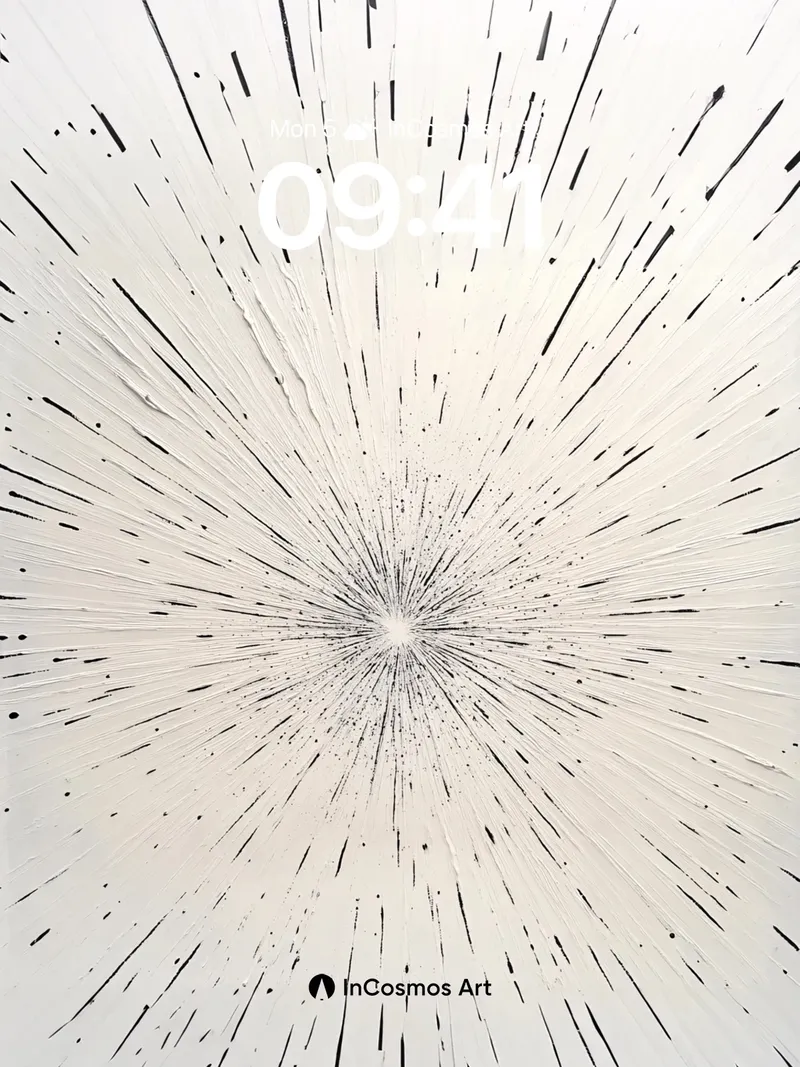
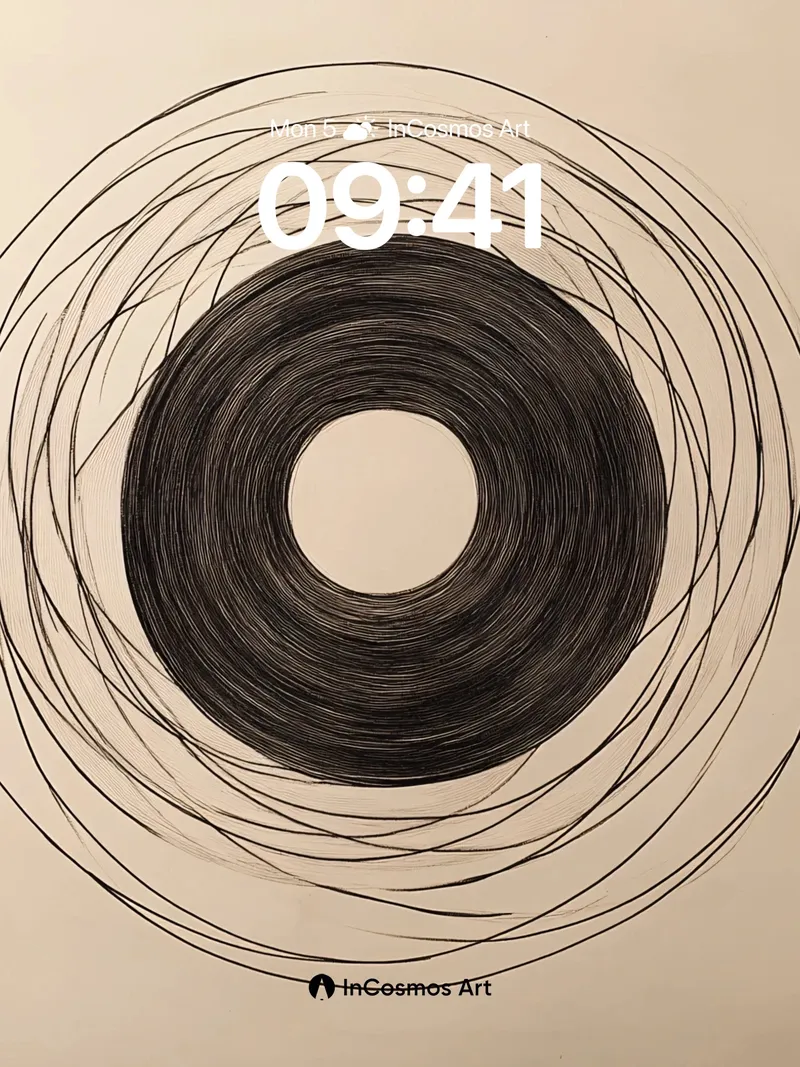
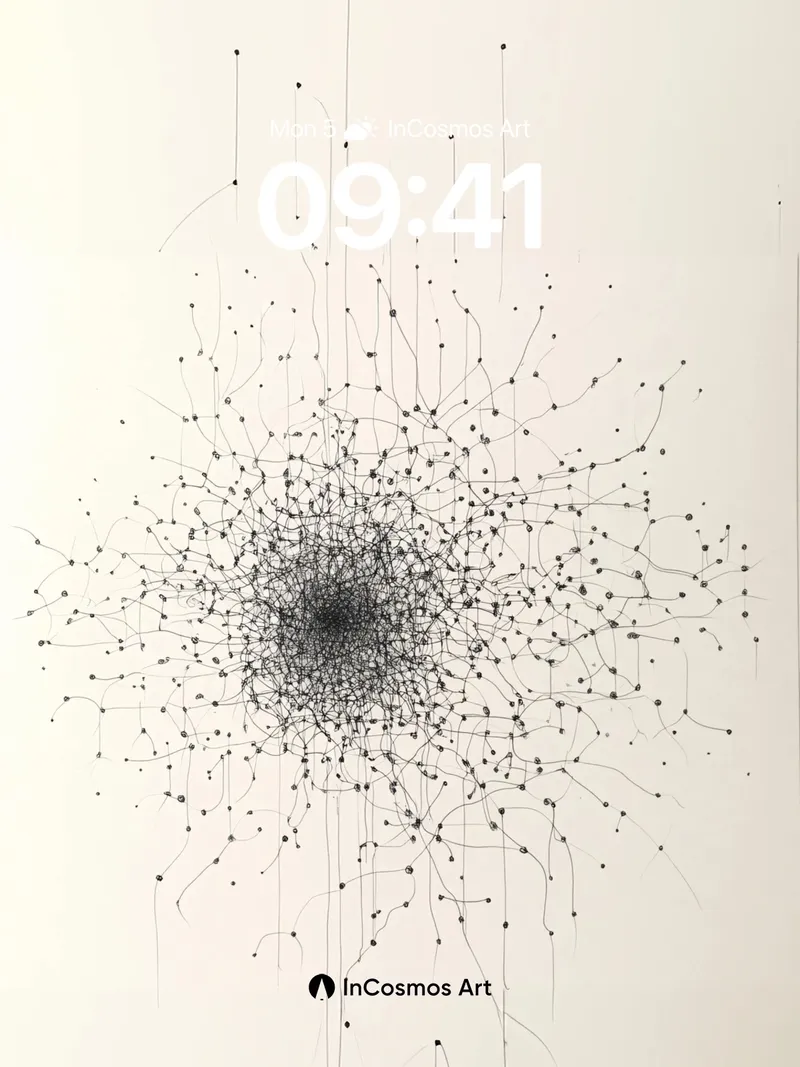
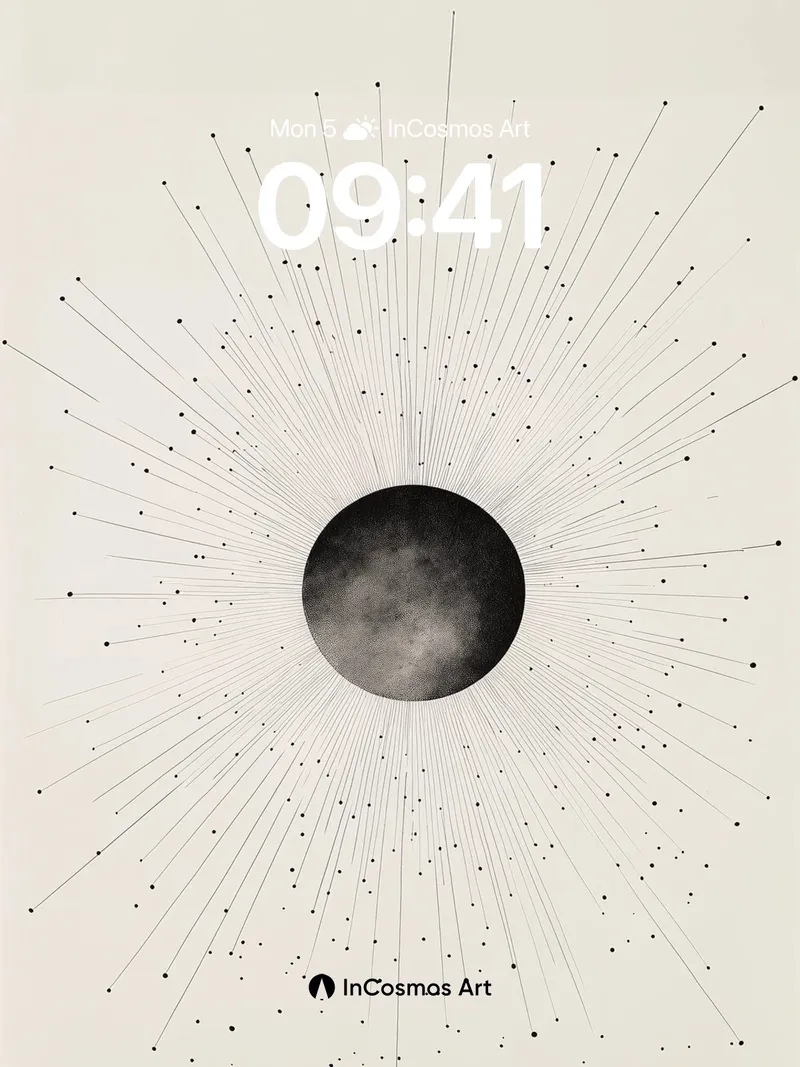
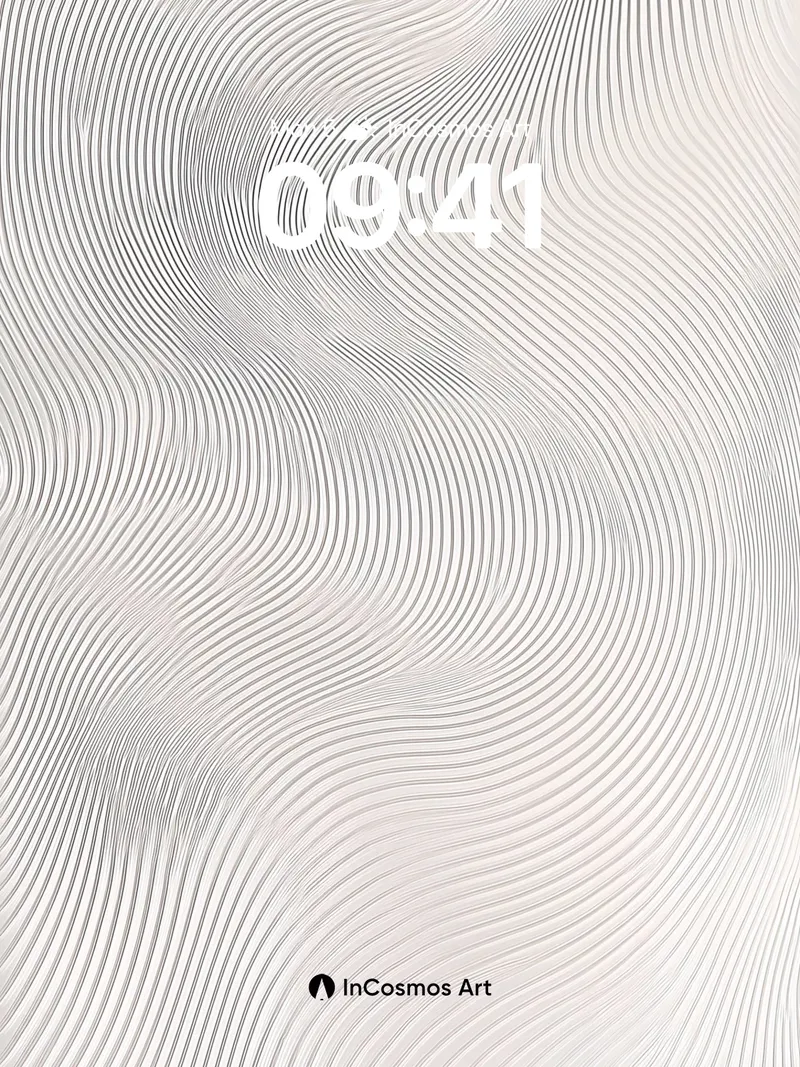
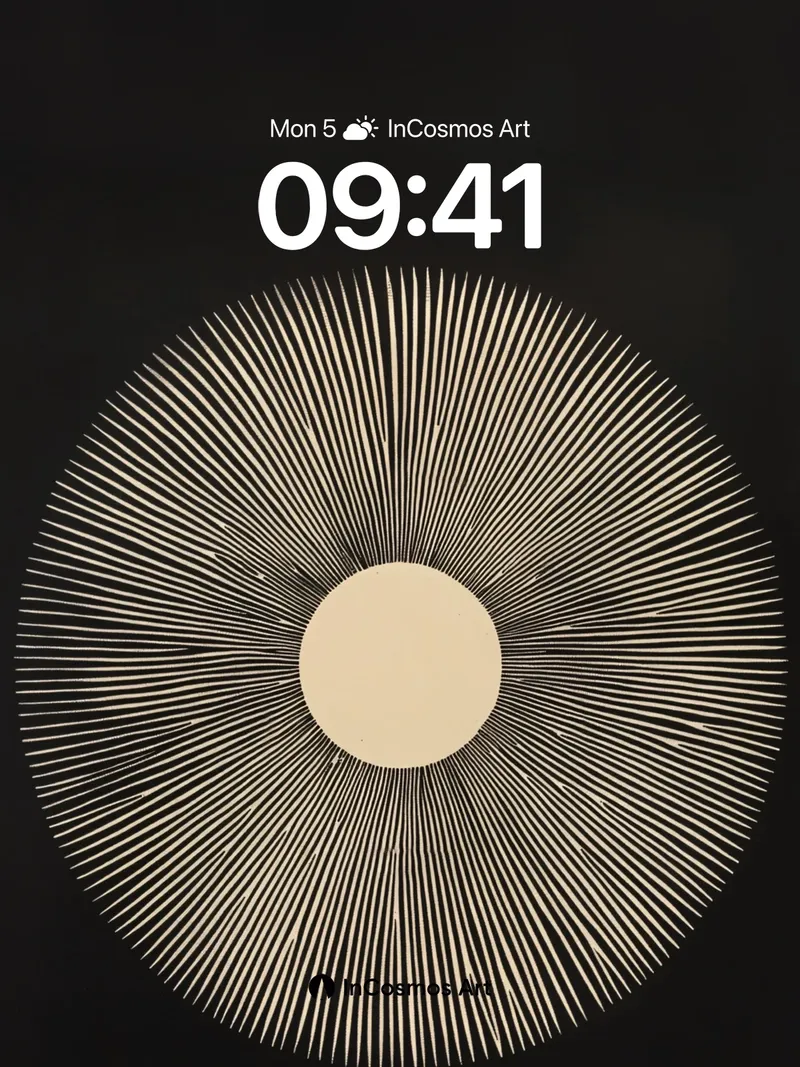
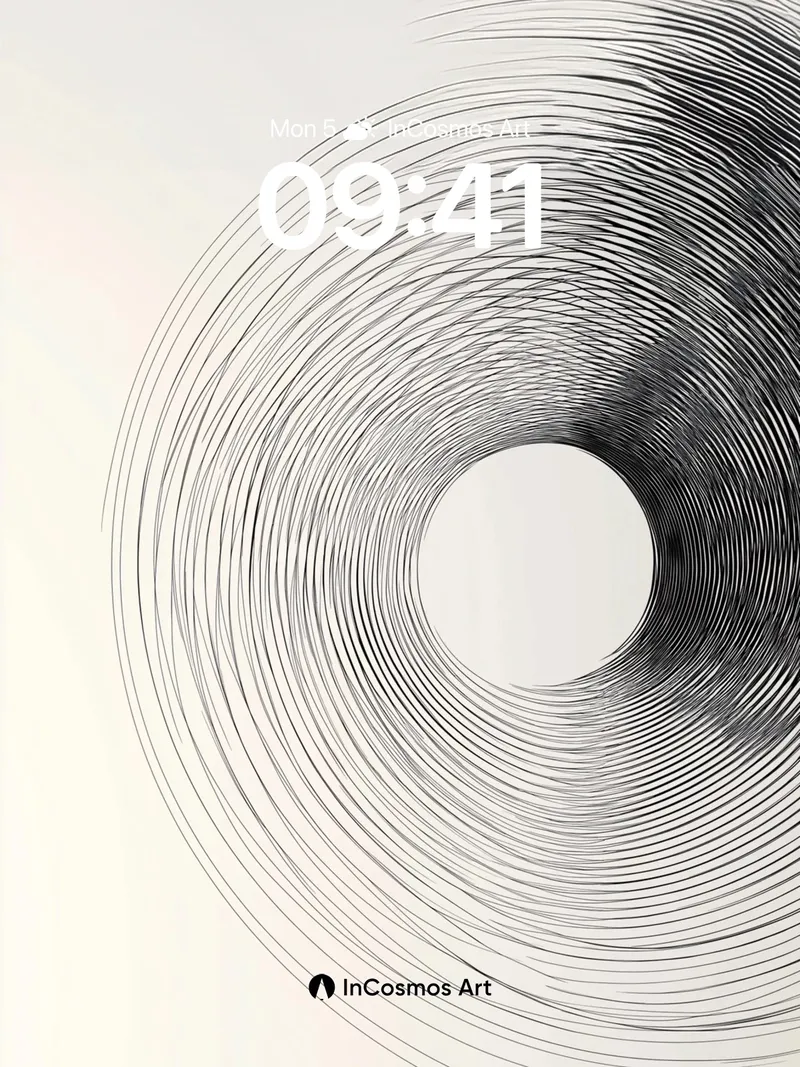
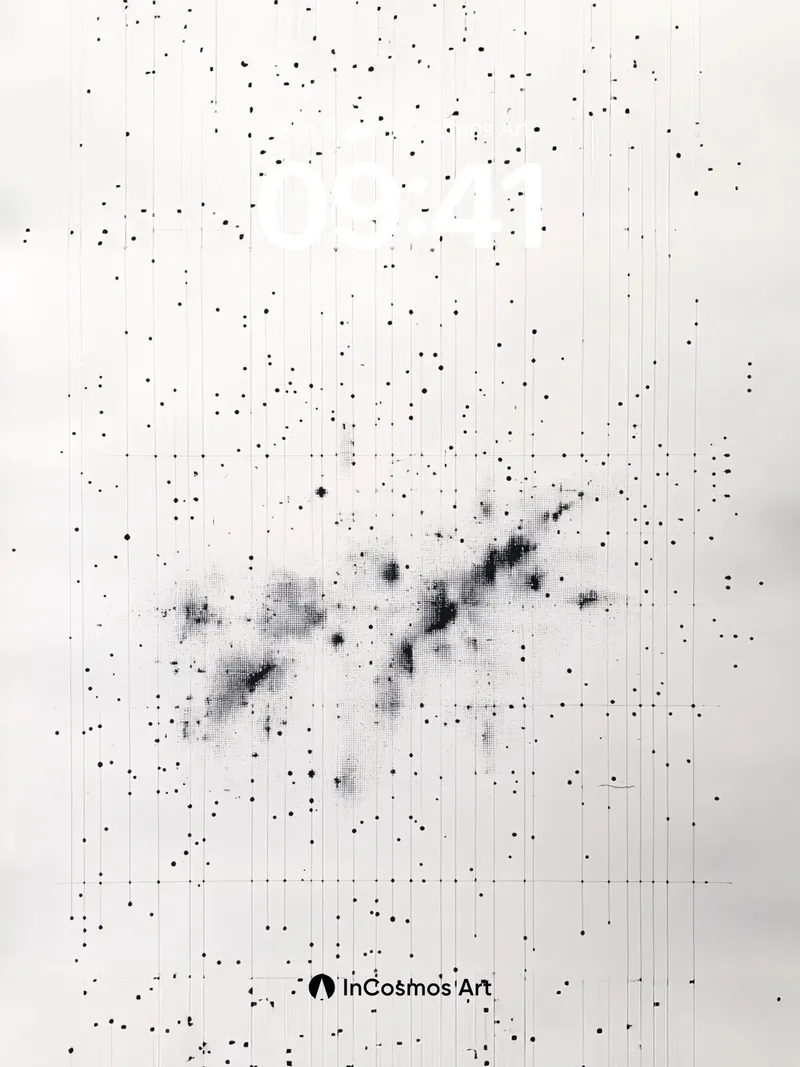
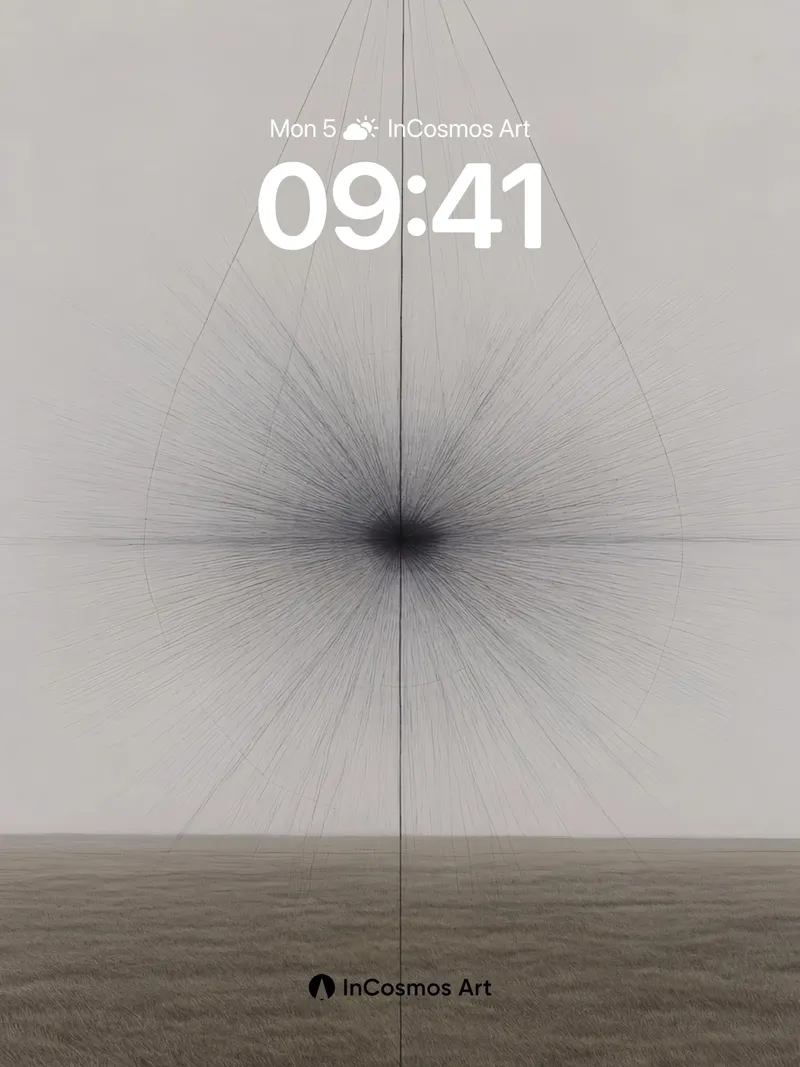
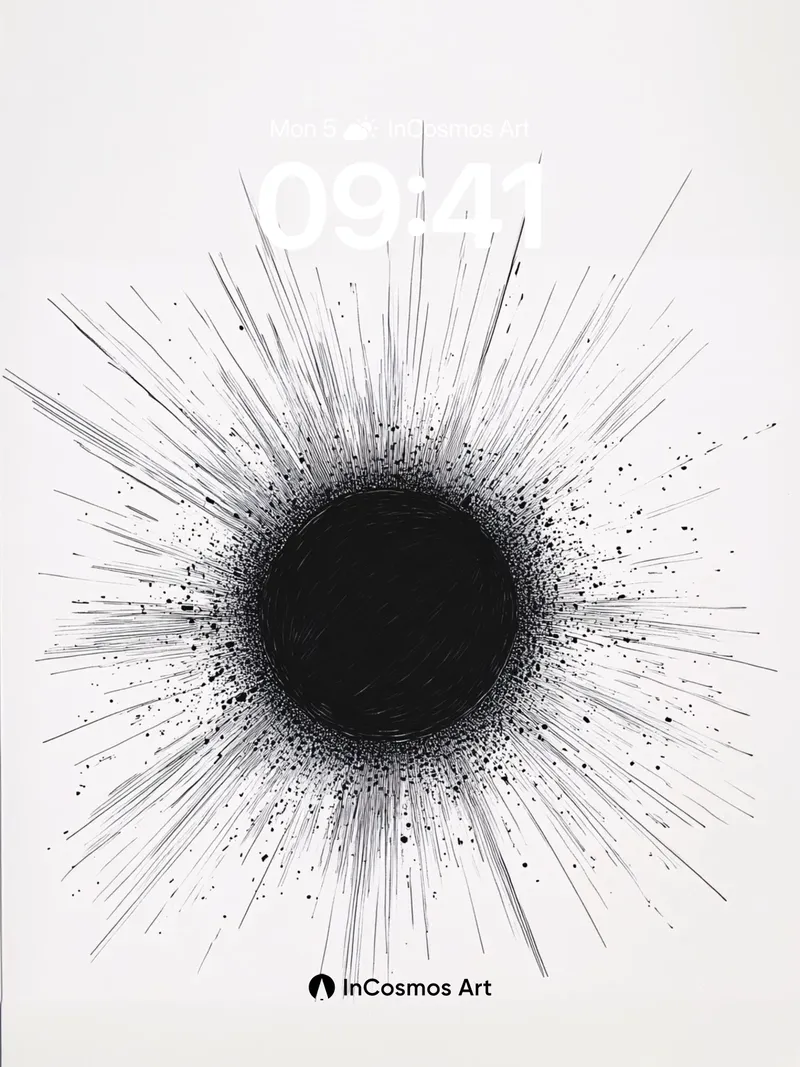
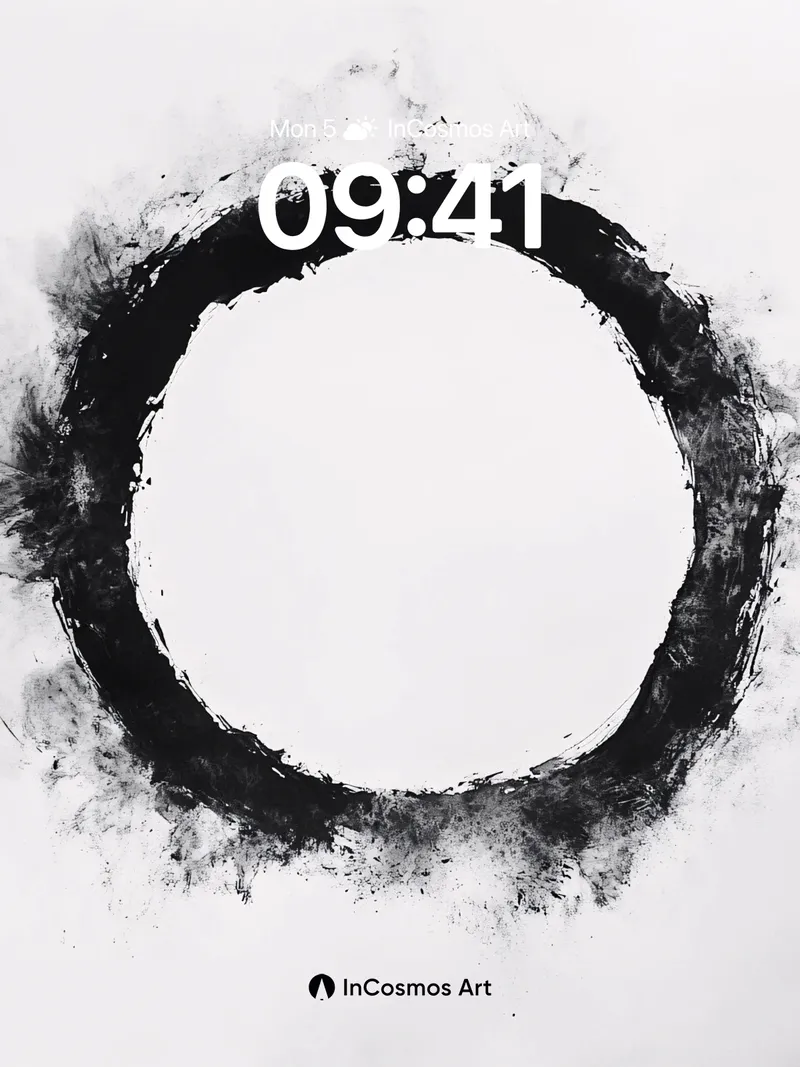
Lines are not merely geometric boundaries; they are extensions of emotion. In minimalist compositions, the density, curvature, and length of lines construct a silent dialogue. This dialogue relies not on the clamor of color but on pure form and spatial relationships to convey an inner order and rhythm.
The Order of Minimalism
Minimalism is not simply 'less,' but the refinement of 'more.' When lines become the sole language, the placement of every stroke becomes crucial. This sense of order is not a rigid rule but a fluid balance. The arrangement of lines resembles the rhythm of breathing, with tension and release, combining rational calculation with emotional expression.
Dialogue with Space
Lines traverse space, defining the relationship between void and solid. Dense convergence points create visual centers, while radiating lines guide the gaze outward. The interplay of these centripetal and centrifugal forces creates a dynamic stillness. Space is no longer an empty container but a field activated by lines, filled with tension and potential.
The Rhythm of Emotion
Different line forms carry different emotional weights. The decisiveness of straight lines, the softness of curves, and the sharpness of zigzags all silently narrate the creator's state of mind. When observers gaze upon these lines, they feel not just formal changes but an emotional resonance. This resonance transcends specific imagery, reaching deep into the heart.
Return to Purity
In an age of information overload, returning to pure lines is a spiritual purification. Stripped of complex decoration, only the most essential structure remains. This purity is not poverty but abundance. It allows people to find a quiet corner amidst the noise and re-examine the relationship between self and the world.