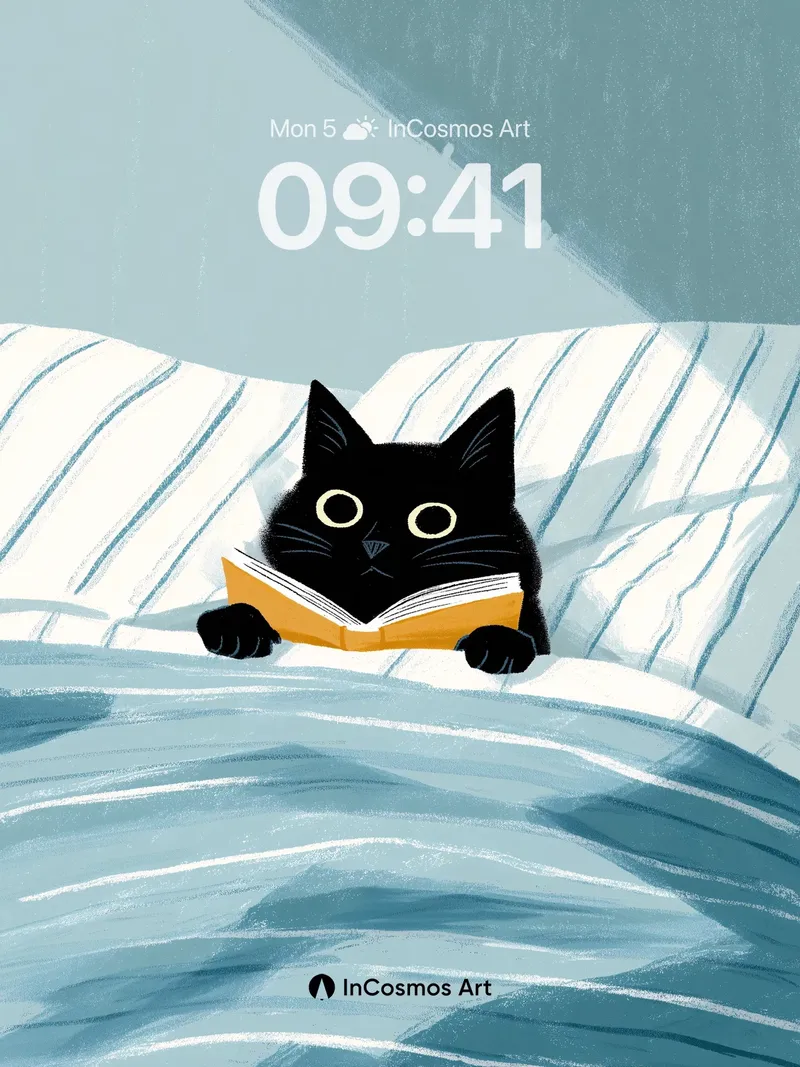
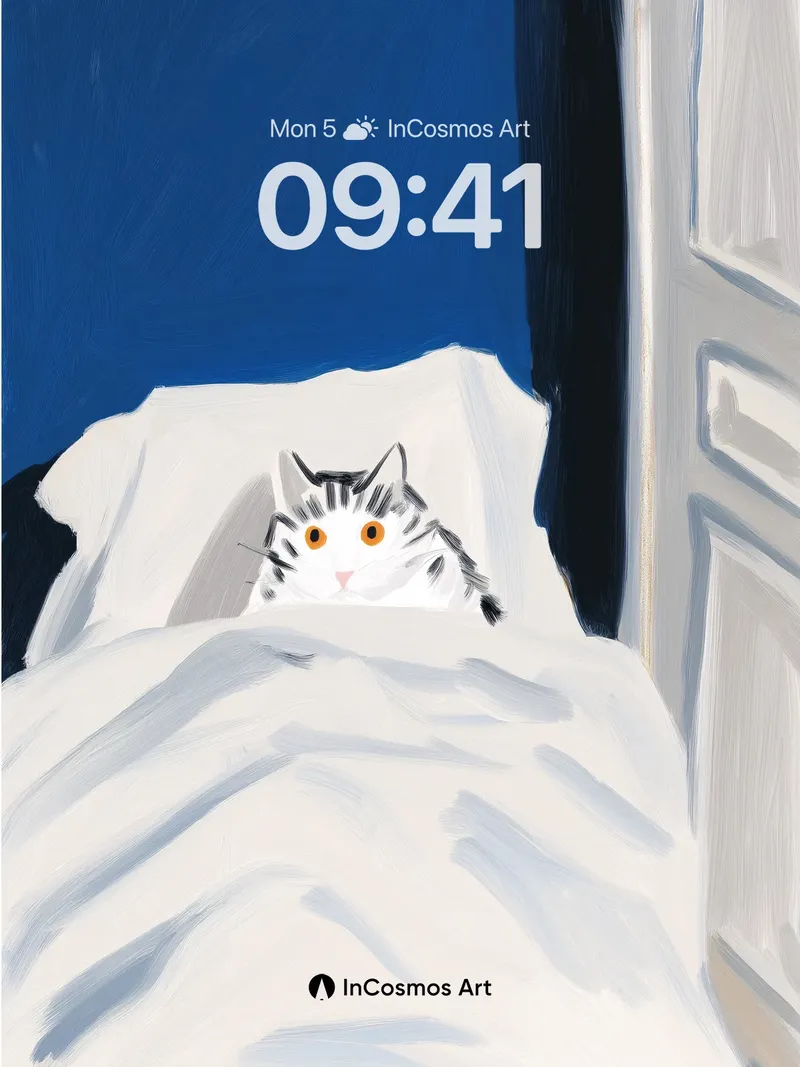
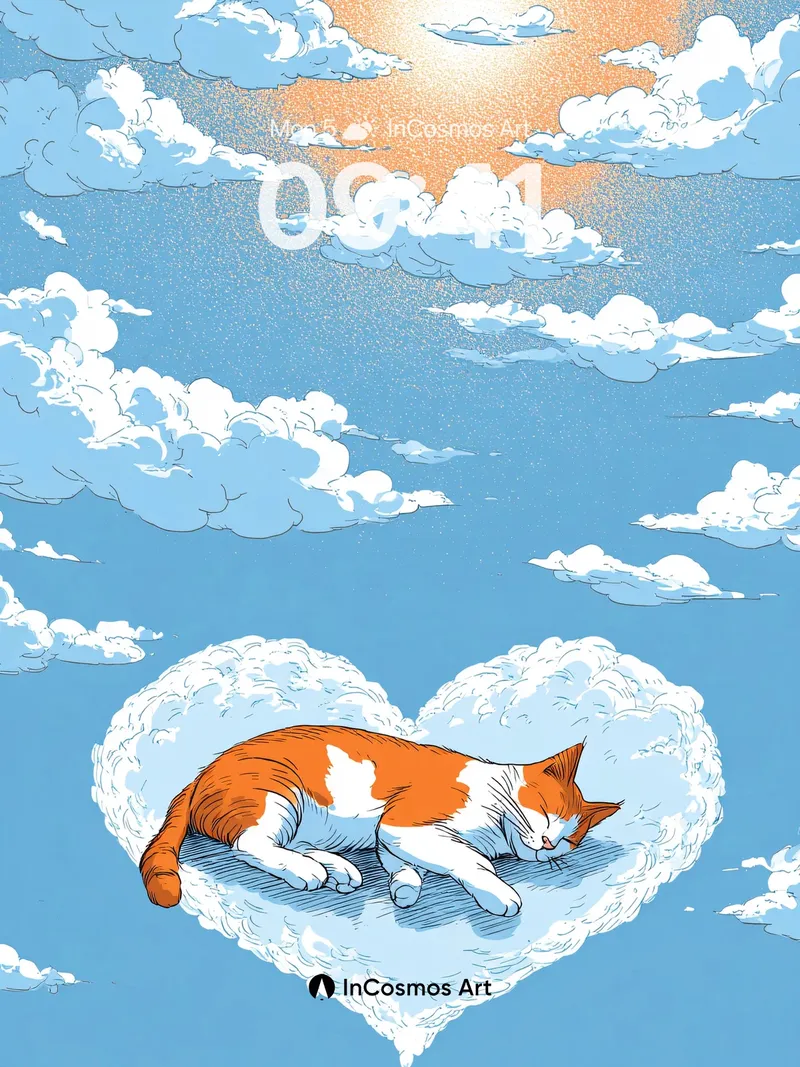
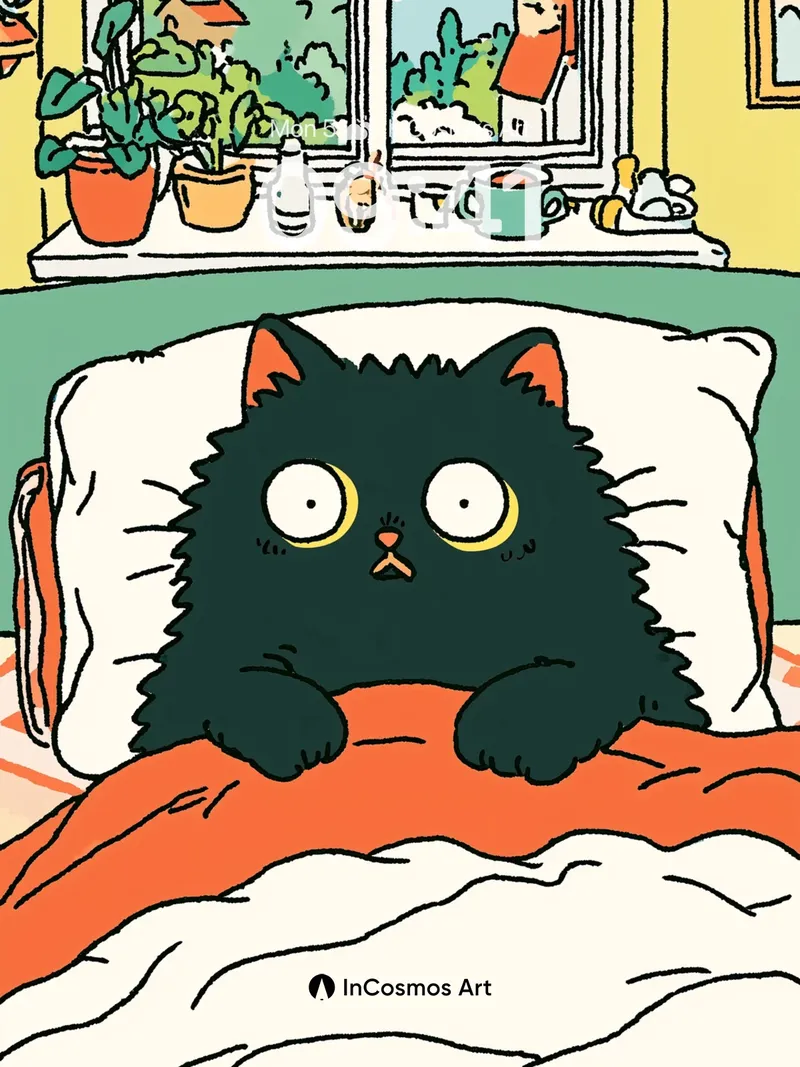
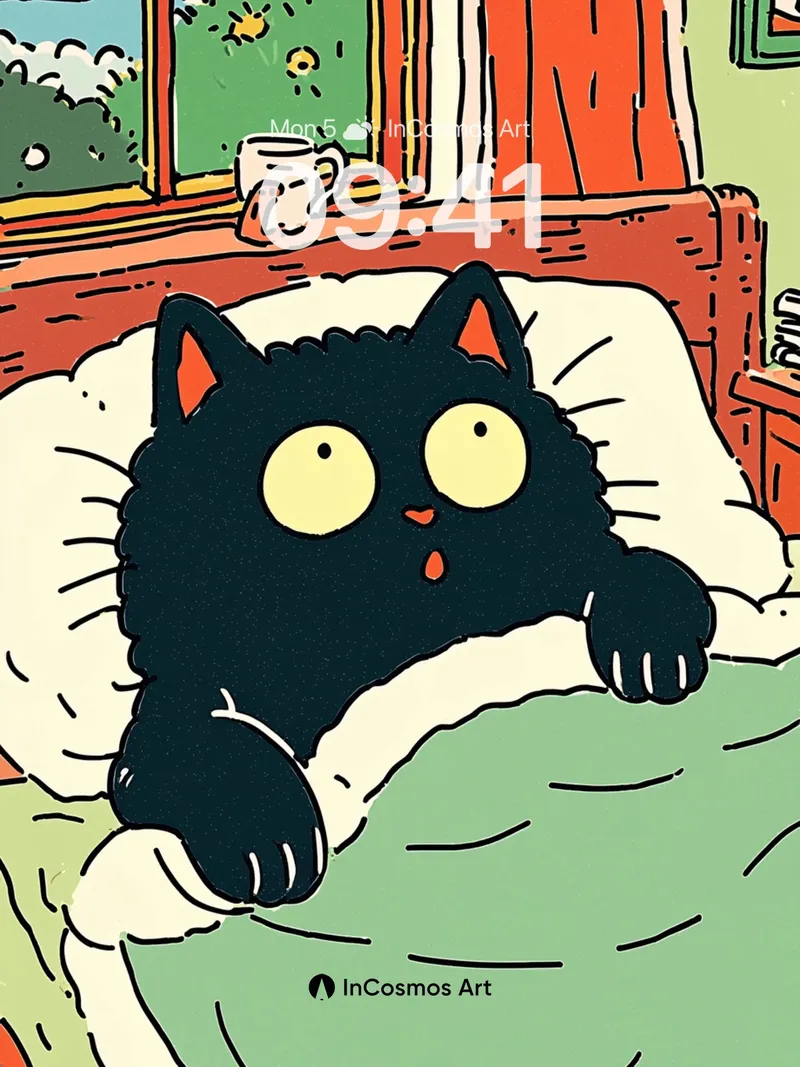
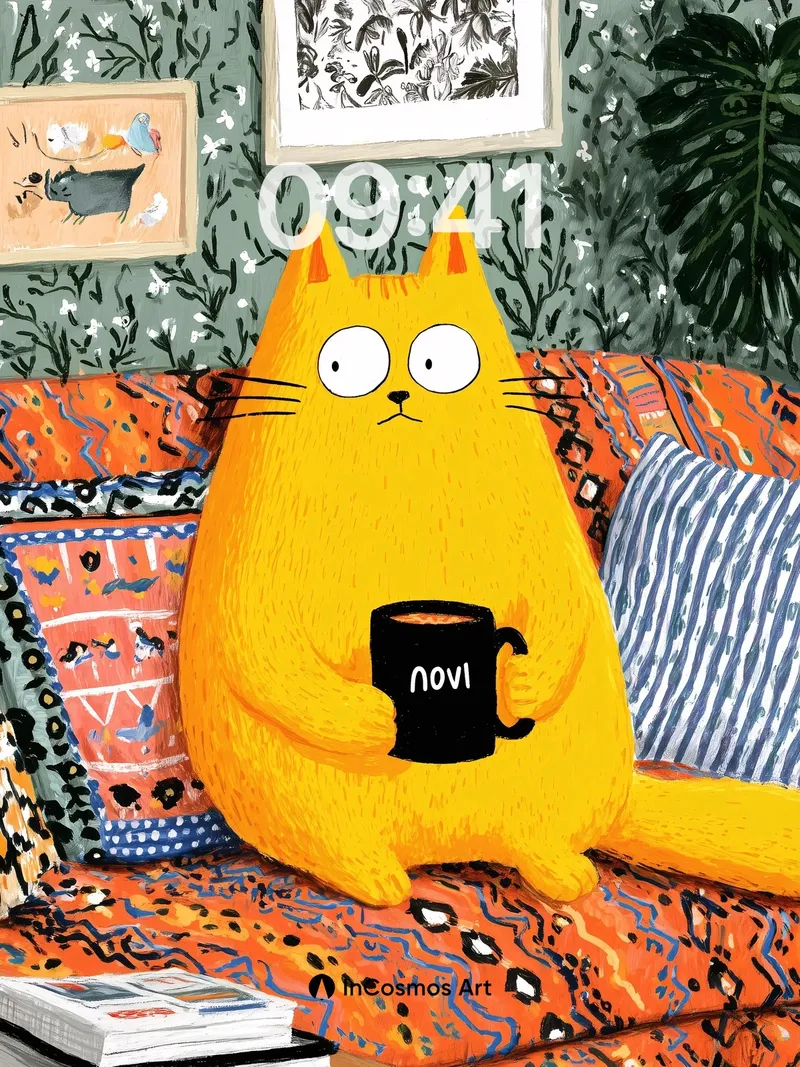
In the cracks of urban rhythm, cats exist with a near-philosophical posture. They do not chase time nor respond to noise, merely curling, lying, gazing, or playing in quietude. This mode of being has become a relaxation state modern humans long for yet struggle to emulate. The cat's daily life is not performance but a redefinition of existence itself. Through body language, it communicates stillness; through posture, it expresses freedom; through sleep, it embodies focus. Each moment becomes a resistance—against efficiency worship, against constant activity, against endless connectivity.
Order in Slumber
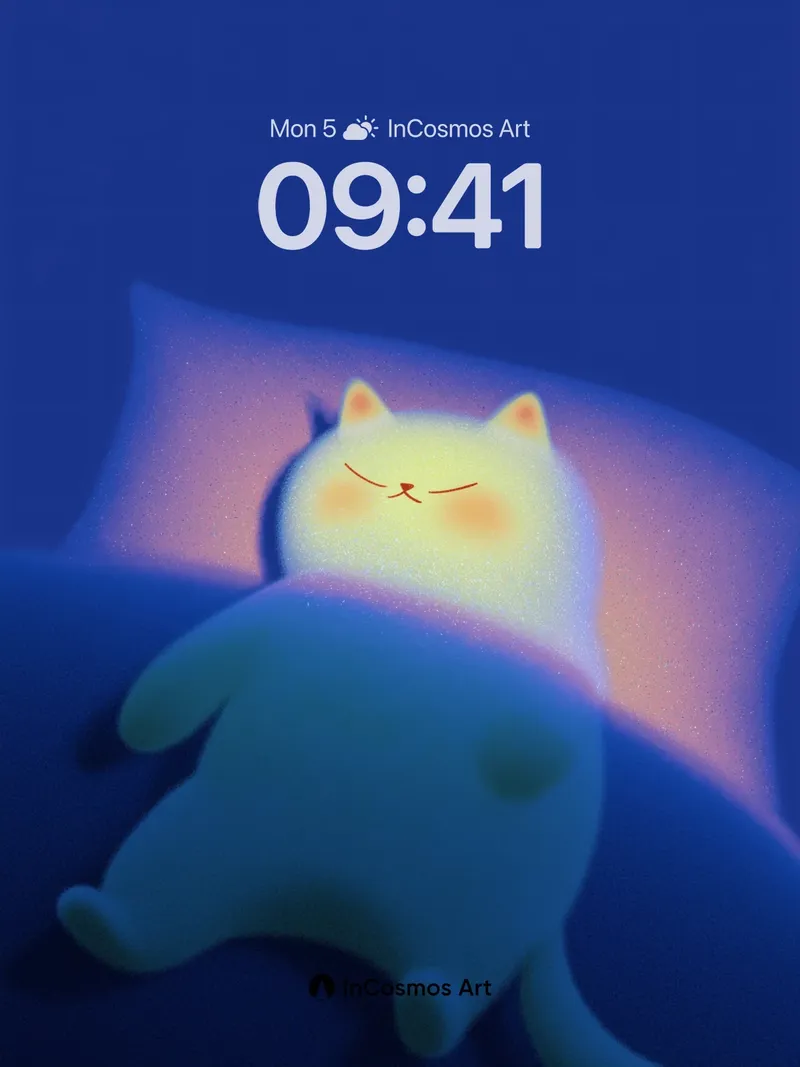
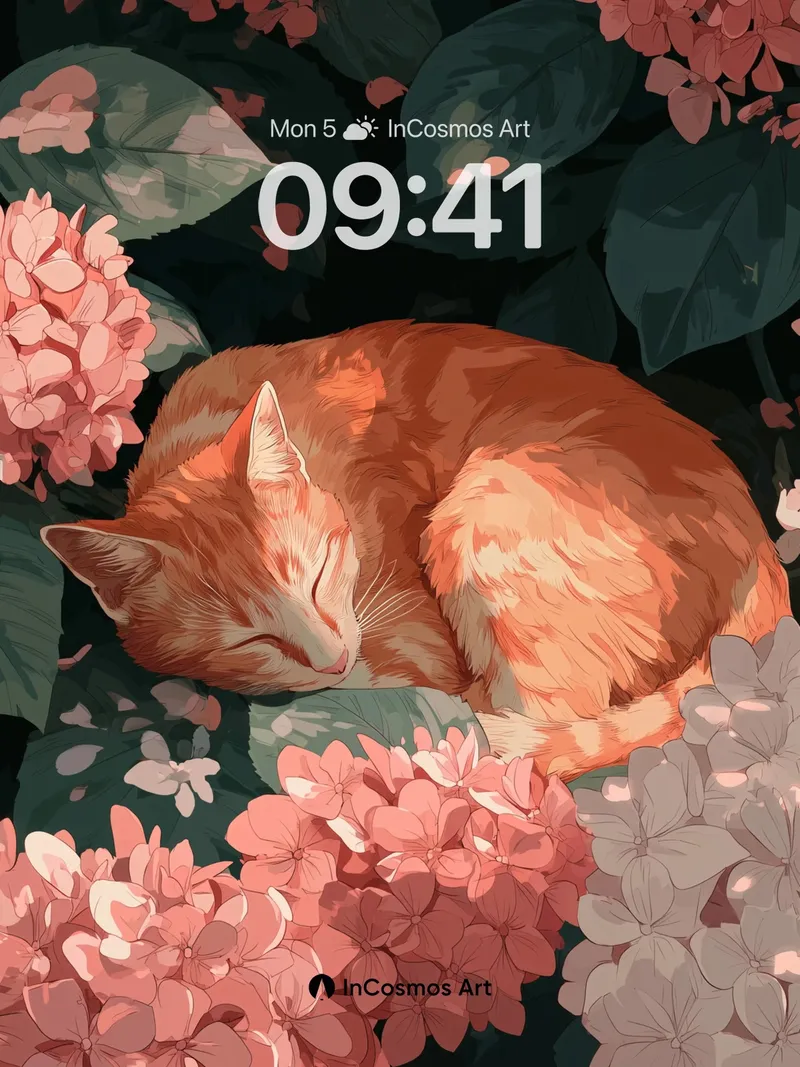
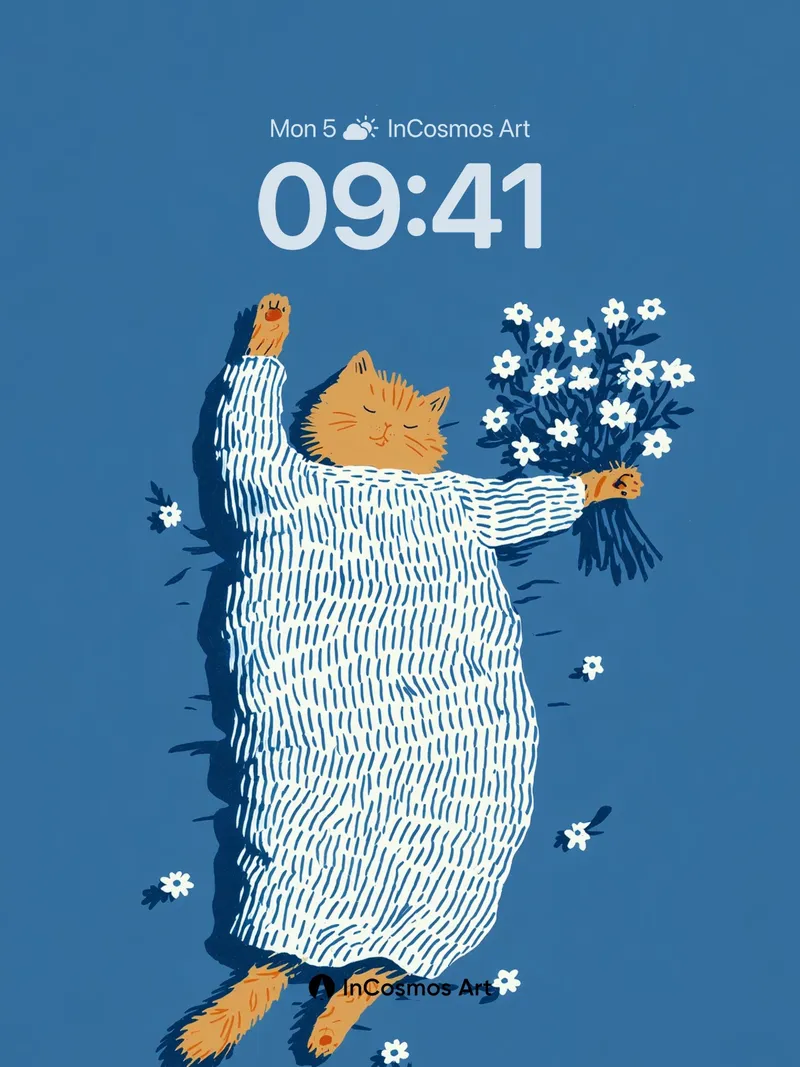
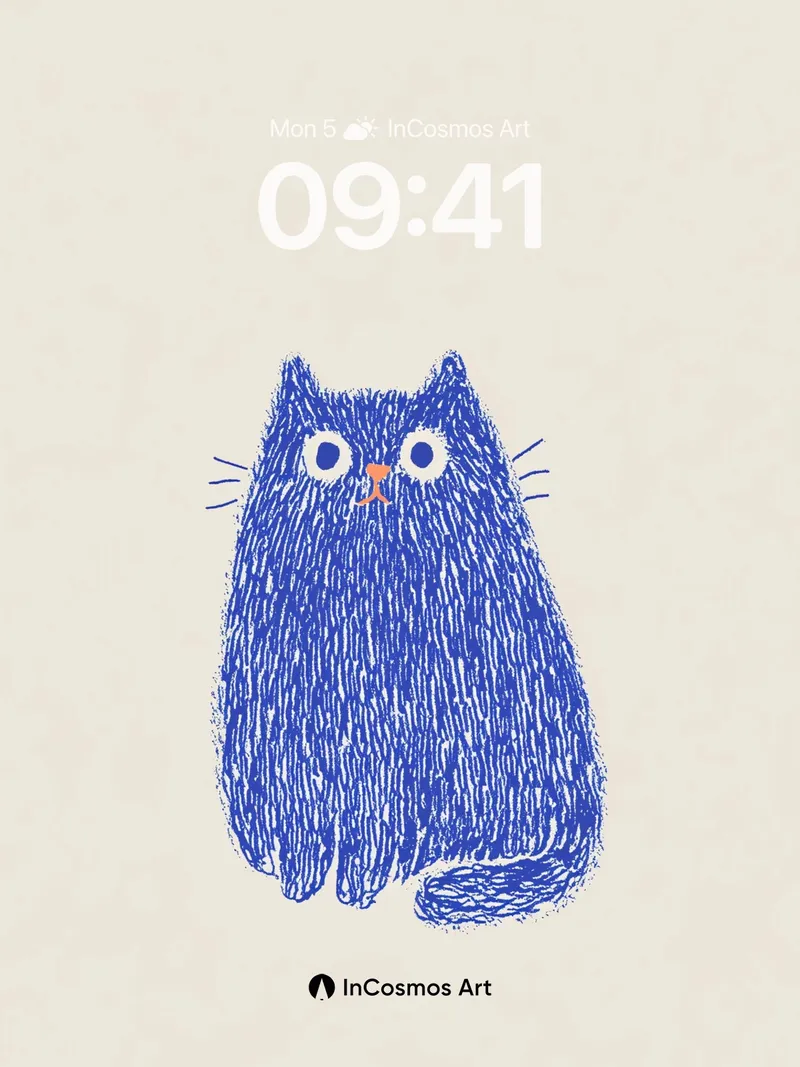
When the cat closes its eyes, the world falls into silence. This is not laziness but deep self-integration. The orange furball napping among flowers represents harmony between nature and life; the gradient form resting on a pillow symbolizes individual protection of inner space in the digital age. Sleep ceases to be passive consumption and becomes an active ritual. It reminds humanity that true rest is not suspension but reconstruction.
Dialogue Between Flower and Shadow
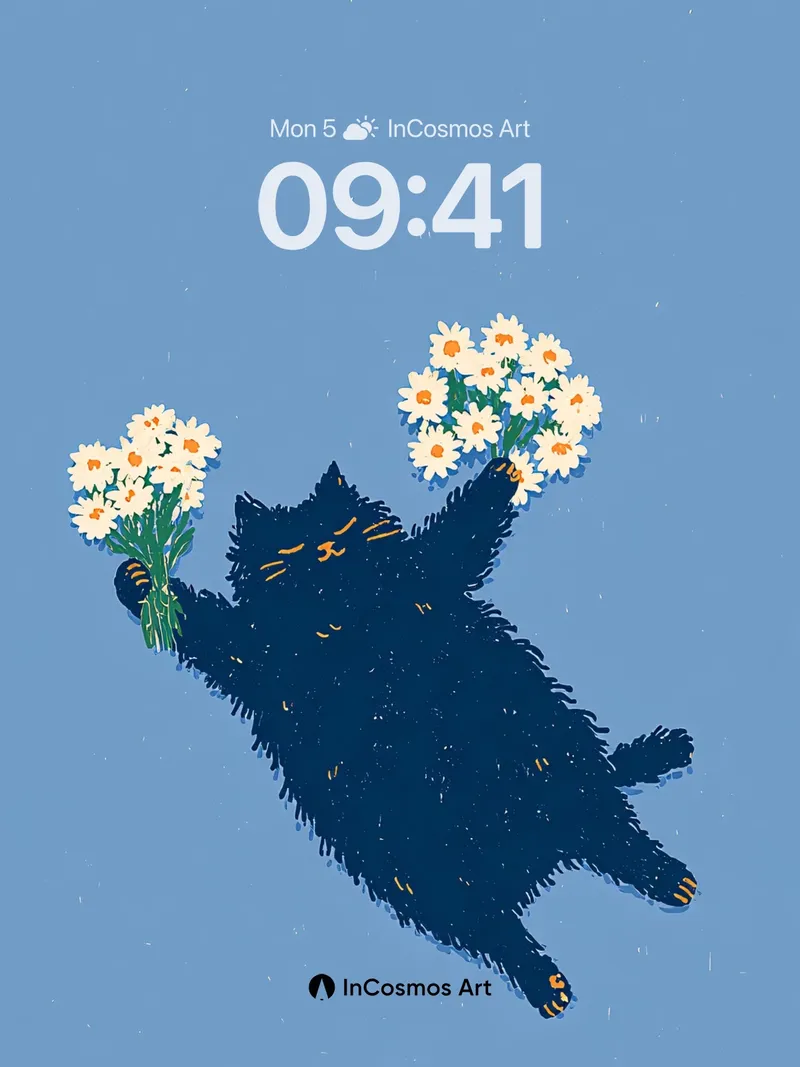
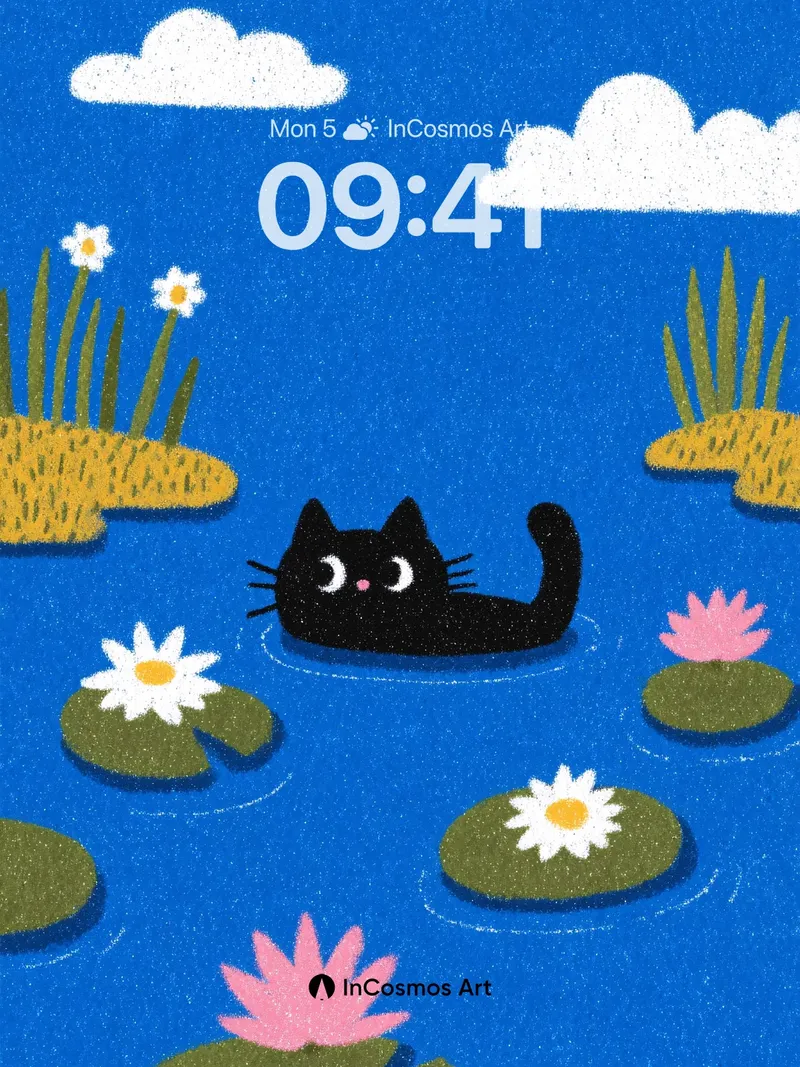
A black cat lies supine against a sky-blue background, holding two bouquets of daisies in its paws as if conducting a silent offering. This is not fairy tale but ecological romanticism. Flowers, symbols of nature, carry emotional weight. The cat’s gestures transcend species boundaries, embodying a nearly divine solemnity. This image reveals modern longing for nature—even within cities, there remains a desire for poetic connection with the earth.
Visual Poetry of the Urban Jungle
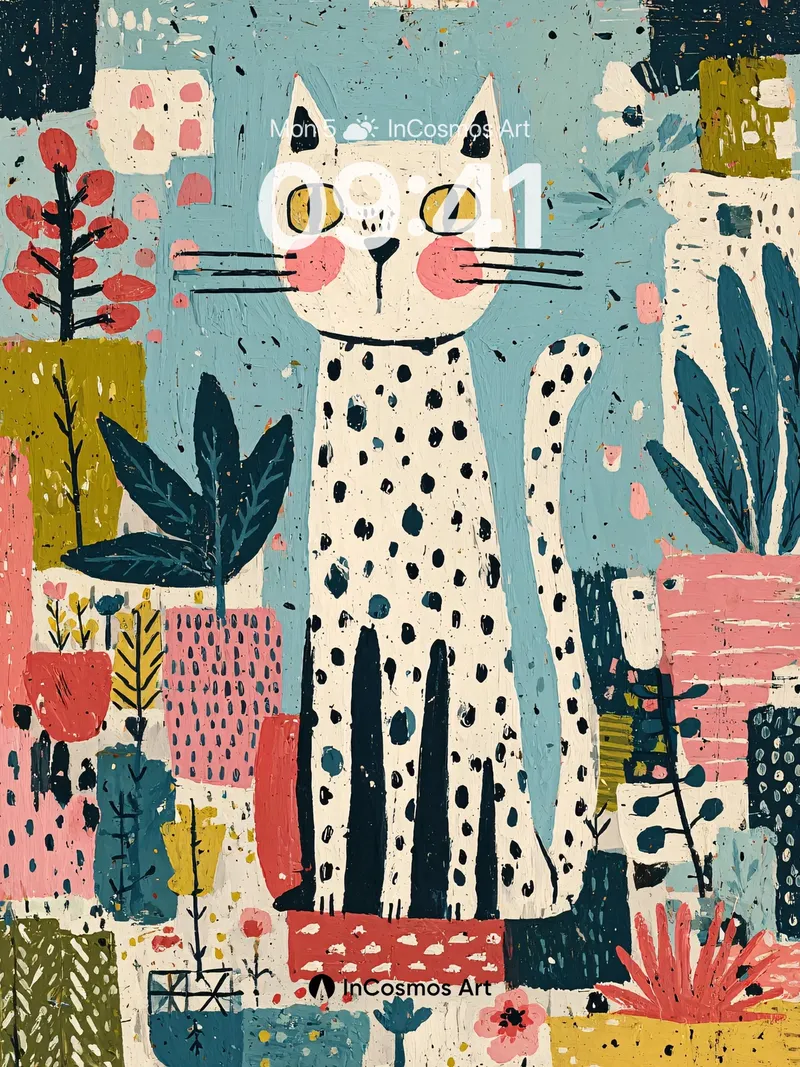
A spotted white cat stands amid a collage of colorful cityscapes, eyes bright and alert. Its stance is neither domesticated nor wild, but a third possibility between them. Surrounding plants and geometric shapes interweave into a metaphor-rich micro-universe. There are no clear borders, only fluid imagery. The cat’s presence itself satirizes urban alienation—it is both resident and observer, and above all, a symbol of freedom.
Gentle Resistance
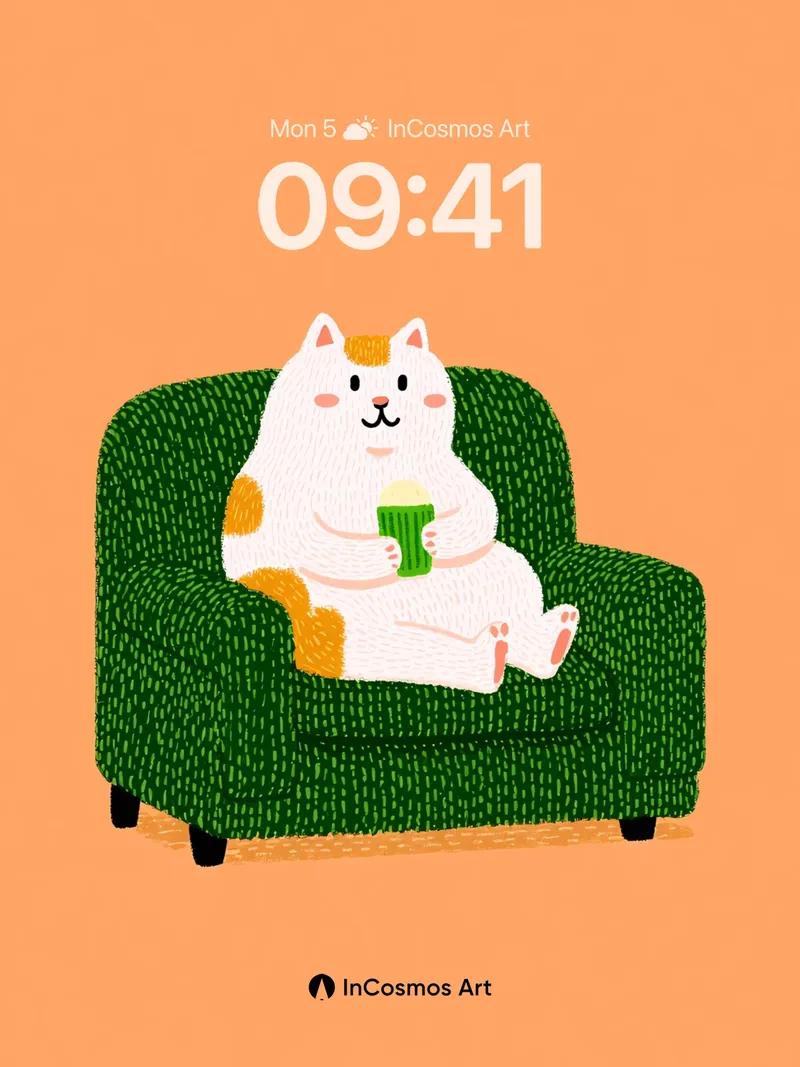
From lounging on a sofa with a cup of tea to lying wrapped in a blanket under starry skies, the cat’s behavior centers around comfort. This comfort is not luxury but survival strategy. It refuses instrumentalization, standardization, and insists on breathing at its own pace. In a fast-paced society, the cat’s slowness becomes a declaration. With lazy bodies, it resists an accelerated world.
Seeing and Being Seen
A black cat appears only by head, yellow eyes piercing through the edge of the frame, staring directly at the viewer. This is the most primal form of interaction—the clash of gazes. In this fleeting contact, human self-perception is disturbed. The cat’s stare contains no judgment, yet full of insight. It reminds us that genuine emotional connection does not require language—just one glance suffices.