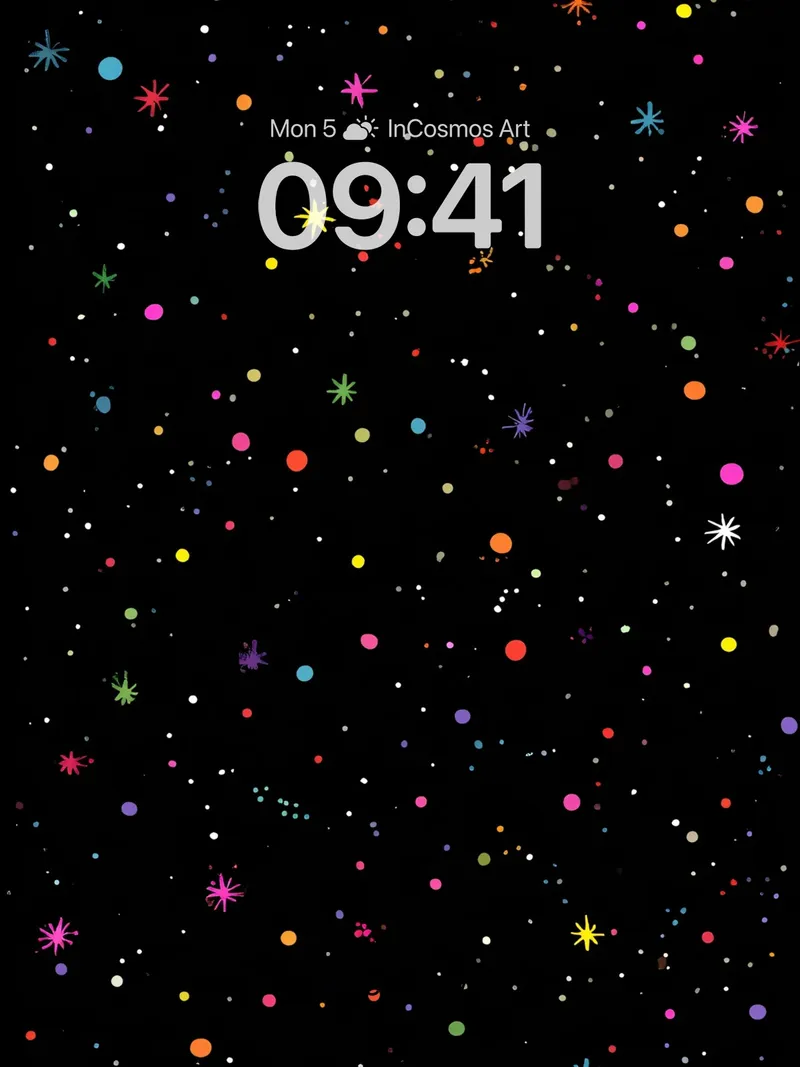
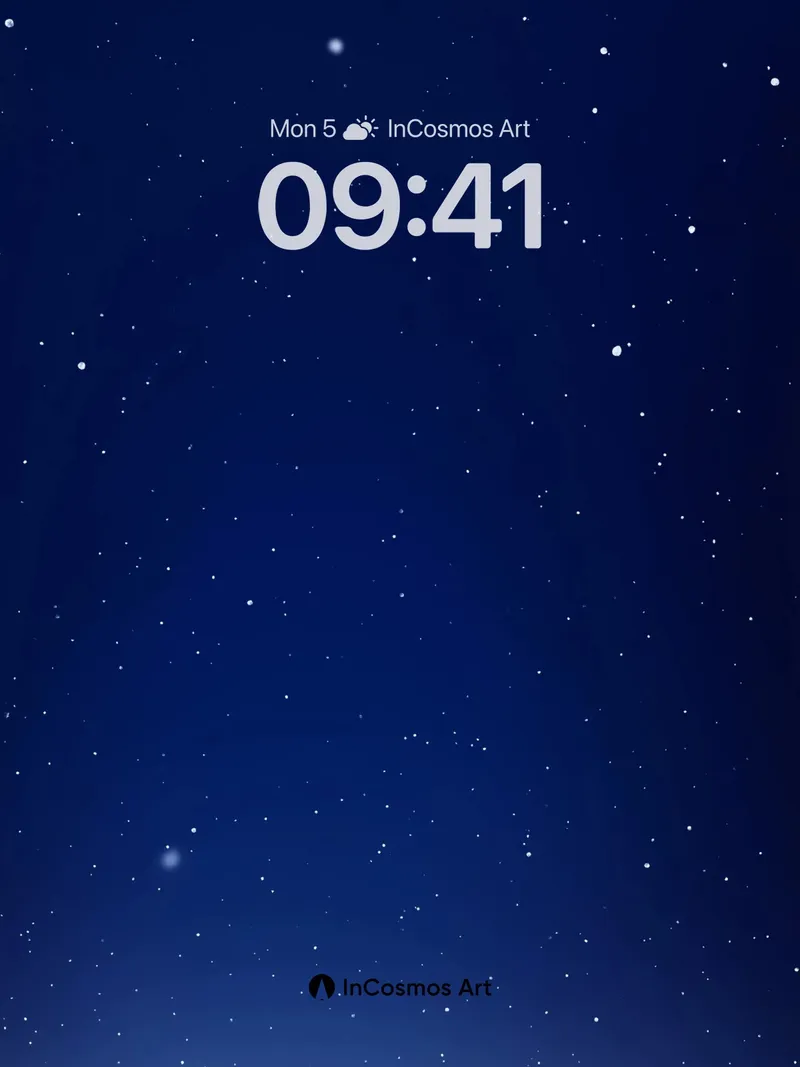
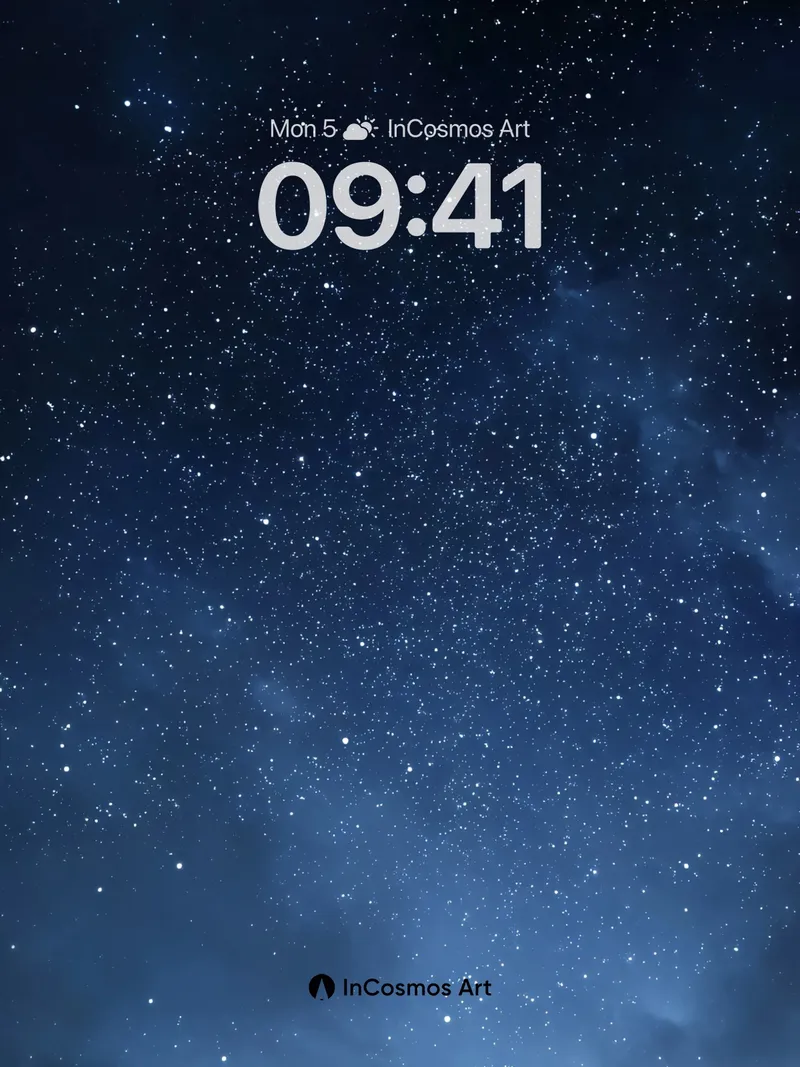
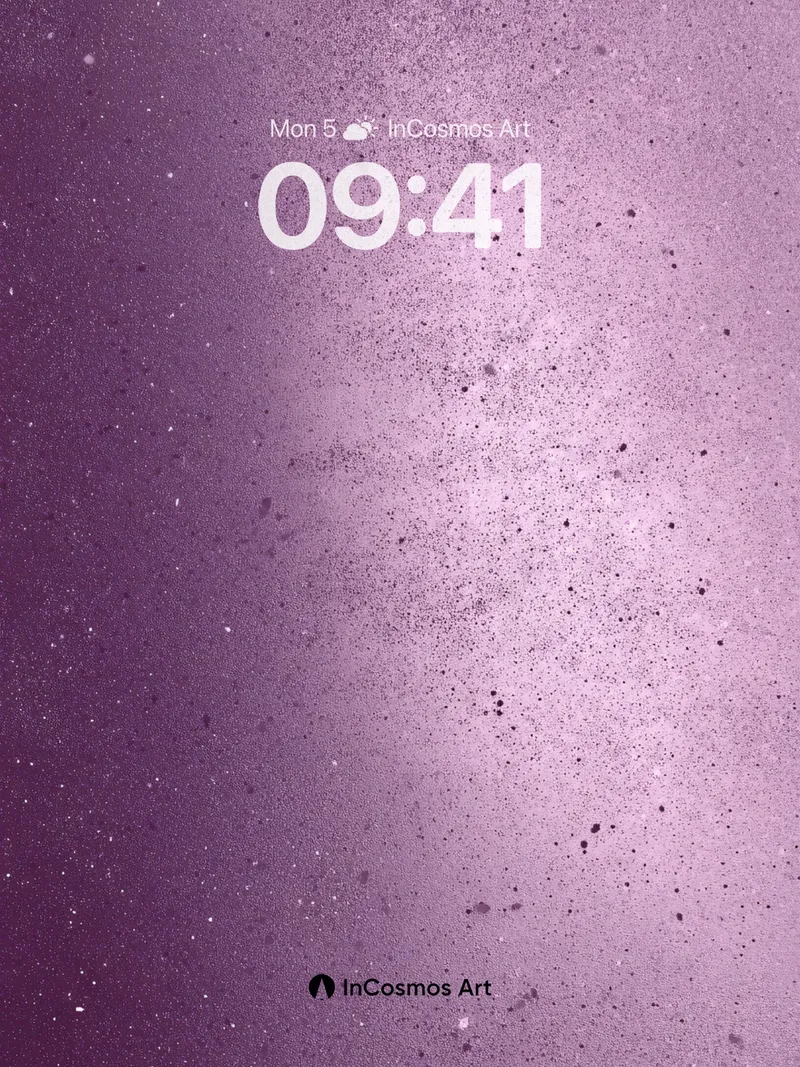
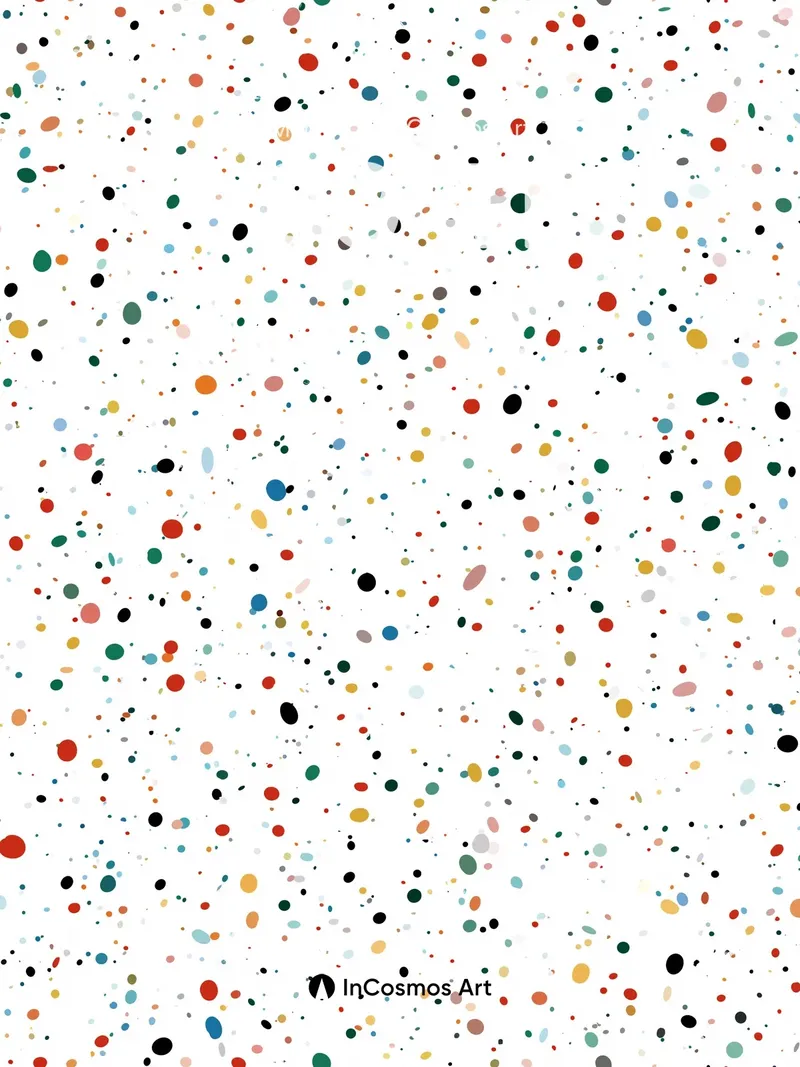
In boundless voids, minute points of light weave a tapestry of time through varying densities and hues. These are not natural stars but constructed symbols, algorithmic order, human projections of infinity. The visual fields formed by these dot arrays are neither real sky nor physical space, yet carry a spiritual weight beyond material existence. Their mode of being reveals a dual longing in modern consciousness—seeking pattern amid chaos, building connection within solitude.
Metaphors of the Digital Cosmos
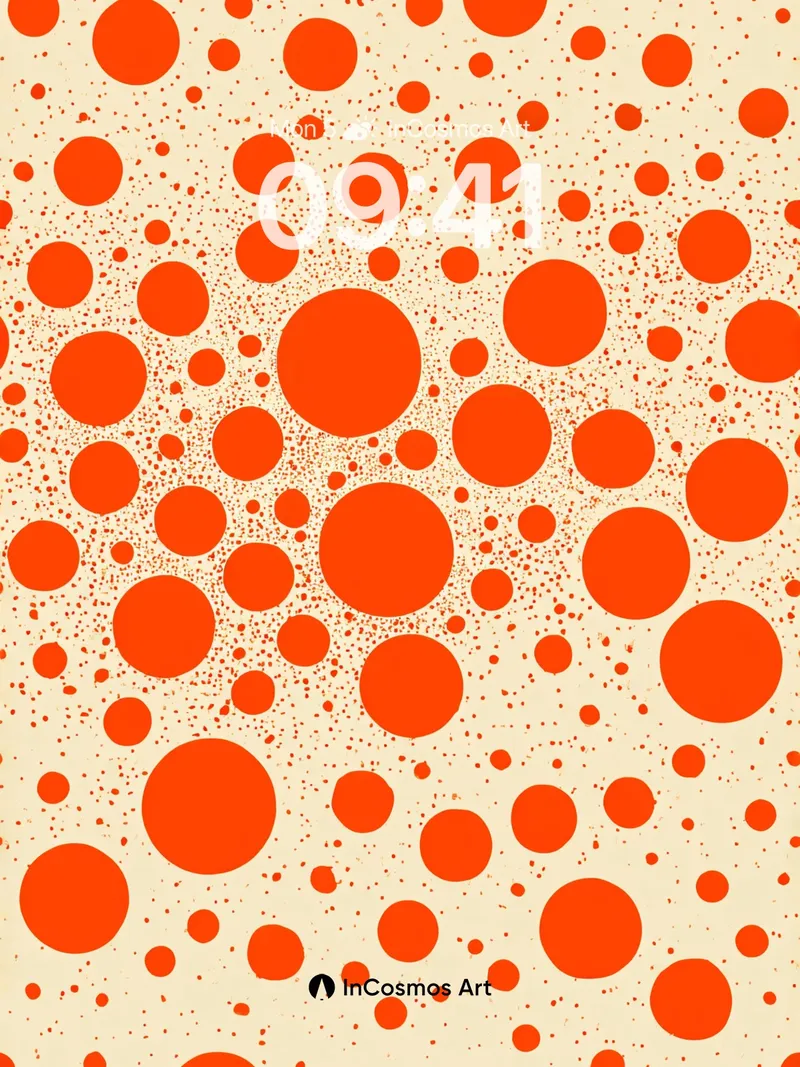
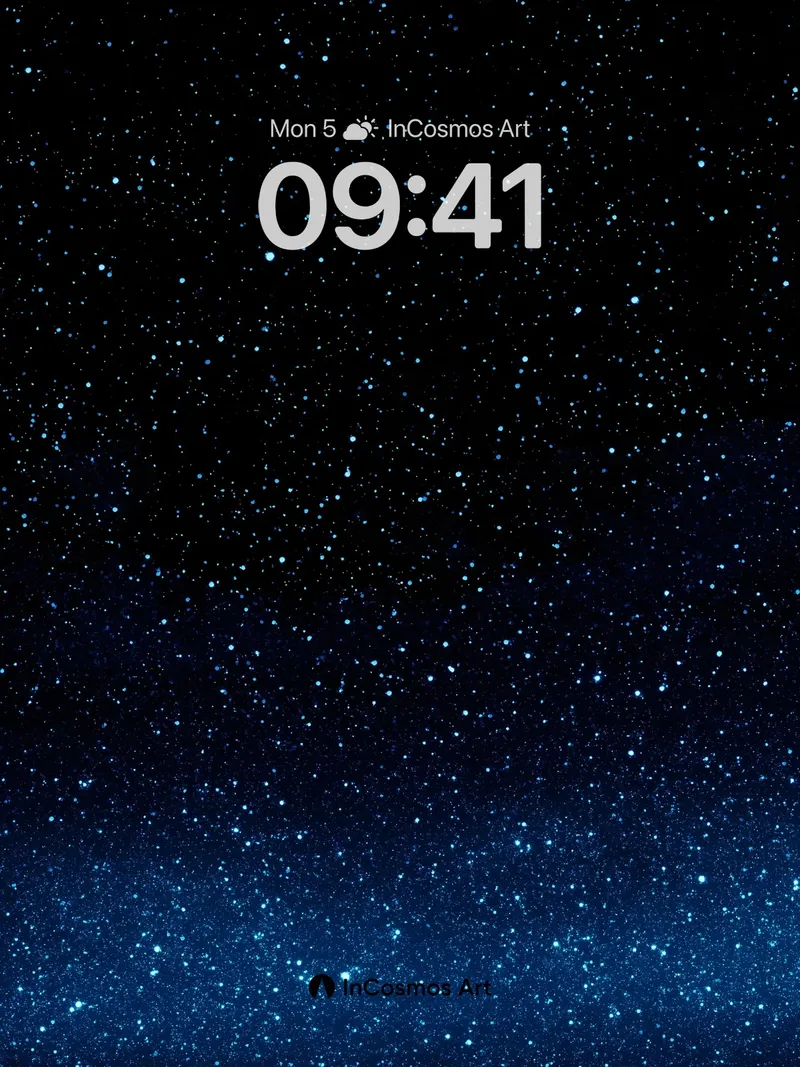
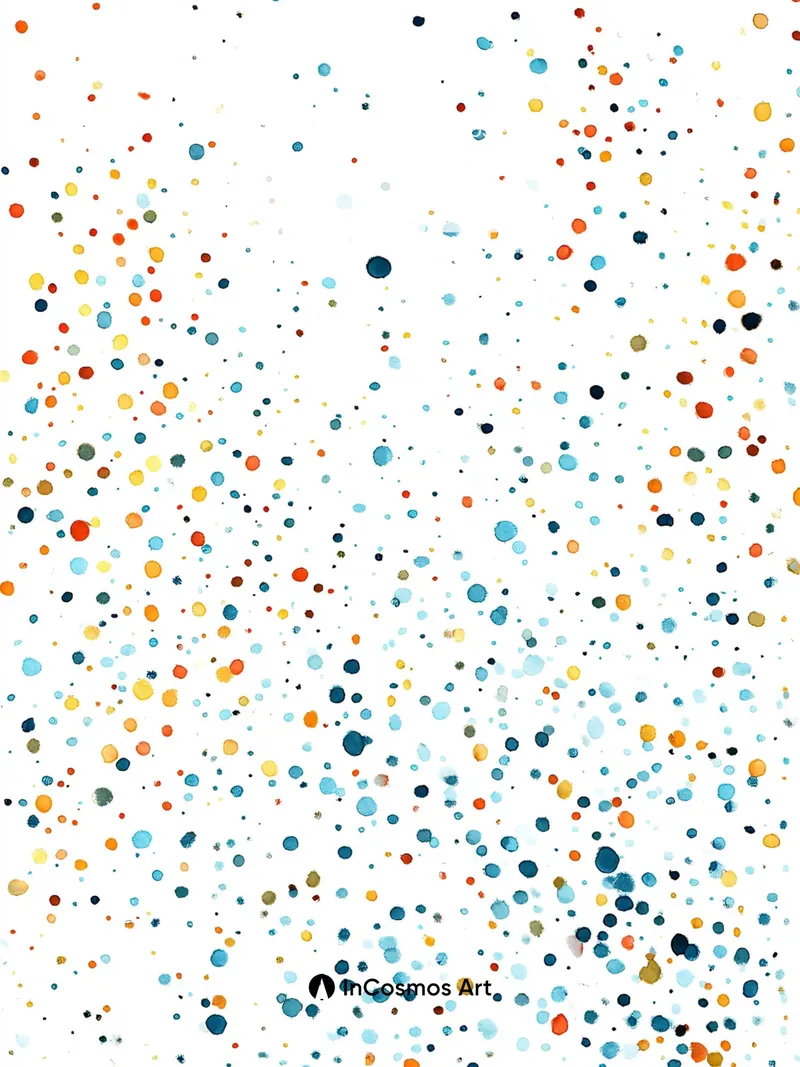
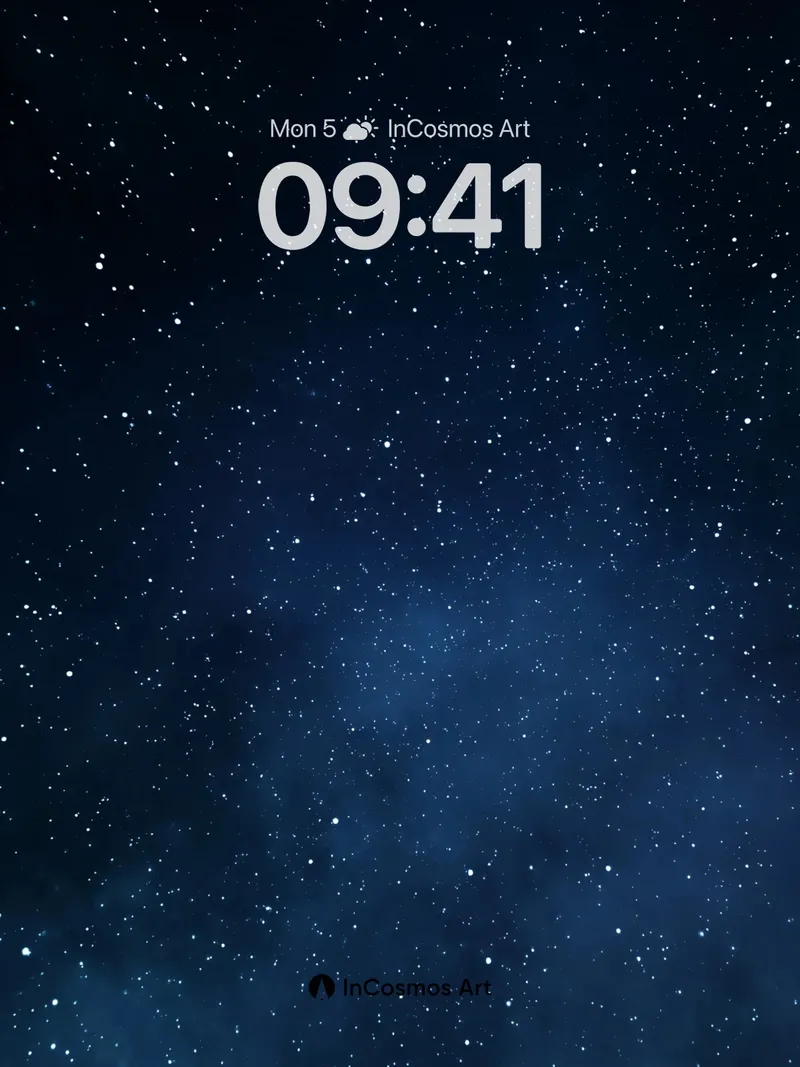
These dot patterns are not random; they are precise visual languages. From deep blue night skies to colorful constellations, from monochrome noise to geometric circles, each composition corresponds to a psychological state or cultural memory. Sparse white dots on dark blue evoke primordial awe for the universe, while dense multicolored clusters symbolize sensory overload in the information age. These designs function as both decoration and vessels of thought, reflecting contemporary society's dialectical understanding of order and disorder.
The Politics of Color
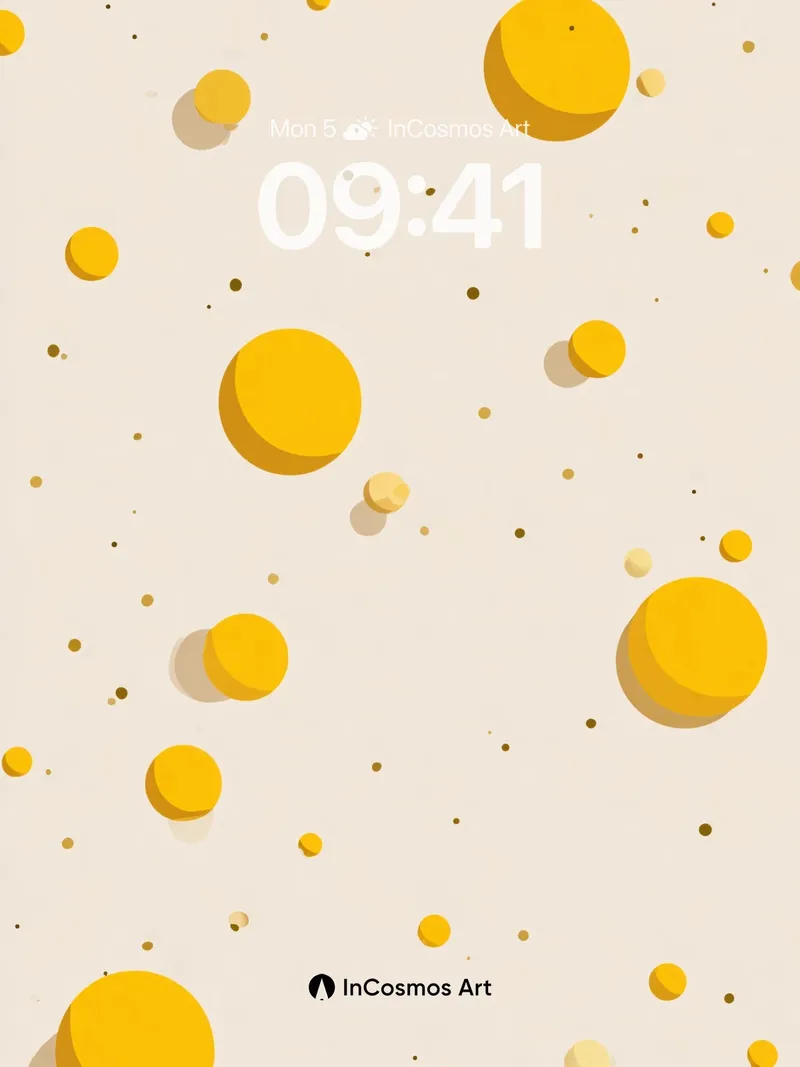
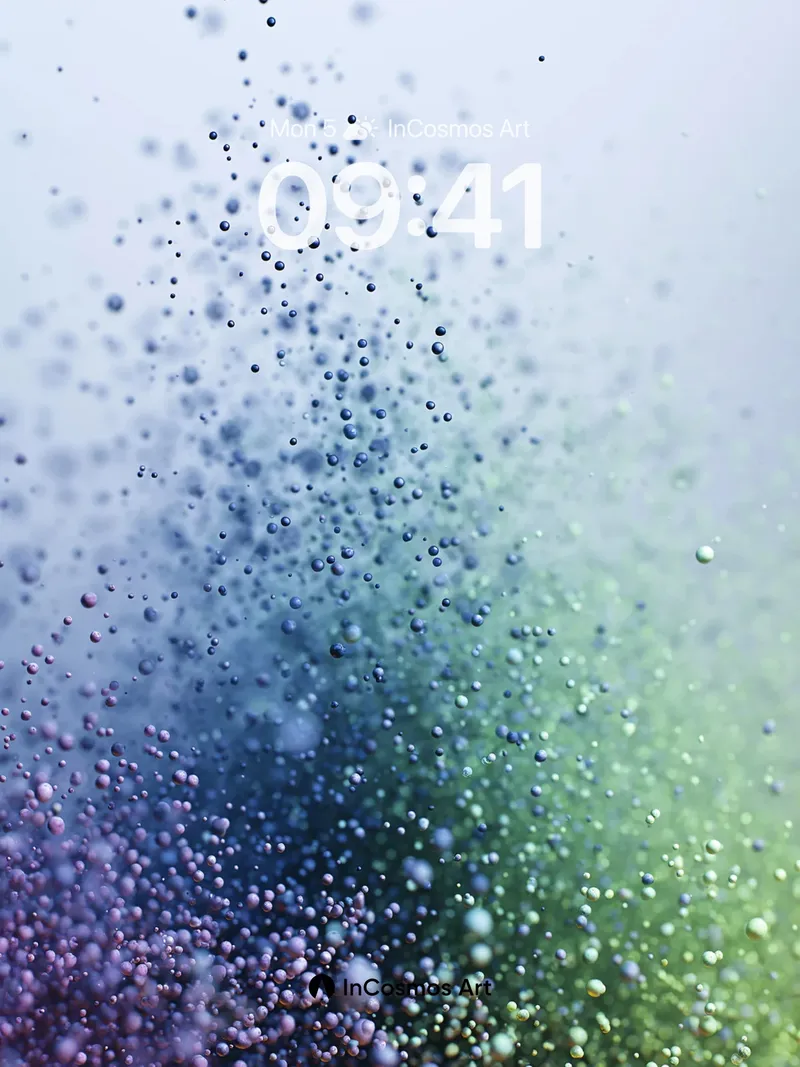
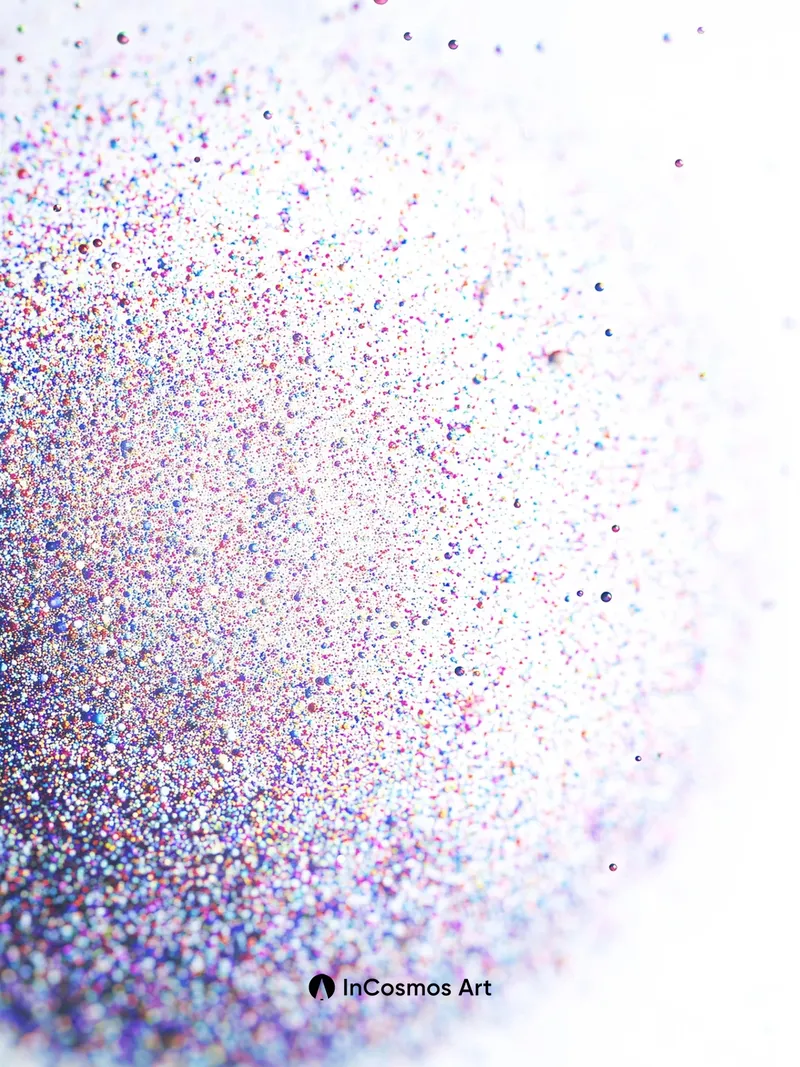
Color selection is deliberate. Purple and pink point clouds often signify dreams and associations with femininity; bright yellow circles convey optimism and energy, echoing minimalist aesthetics. Colors here act as emotional codes—a form of communication without words. Cultural differences in color interpretation grant these patterns cross-contextual resonance. They spread rapidly on social platforms, becoming conduits for shared emotional experience.
The Relationship Between Dots and Humans
When individuals reduce to a single point, collectives form star maps. This visual metaphor exposes the modern individual’s sense of place—both autonomous and part of a vast system. Variations in dot density reflect crowd dynamics and movement. In high-density zones, points nearly merge, symbolizing hyper-connected social networks; in sparse areas, isolation and detachment emerge. This visual tension mirrors the reality of contemporary human relationships.
Narrative in Silence
Despite lacking motion, these compositions possess narrative power. Gradual shifts from left to right, radial expansions from centers, suggest the passage of time and spatial extension. They resemble unfinished verses, inviting viewers to fill gaps. In the digital era, still images paradoxically invite deeper contemplation than moving ones. They offer a pause, allowing withdrawal from information floods and reevaluation of one’s relationship to the world.