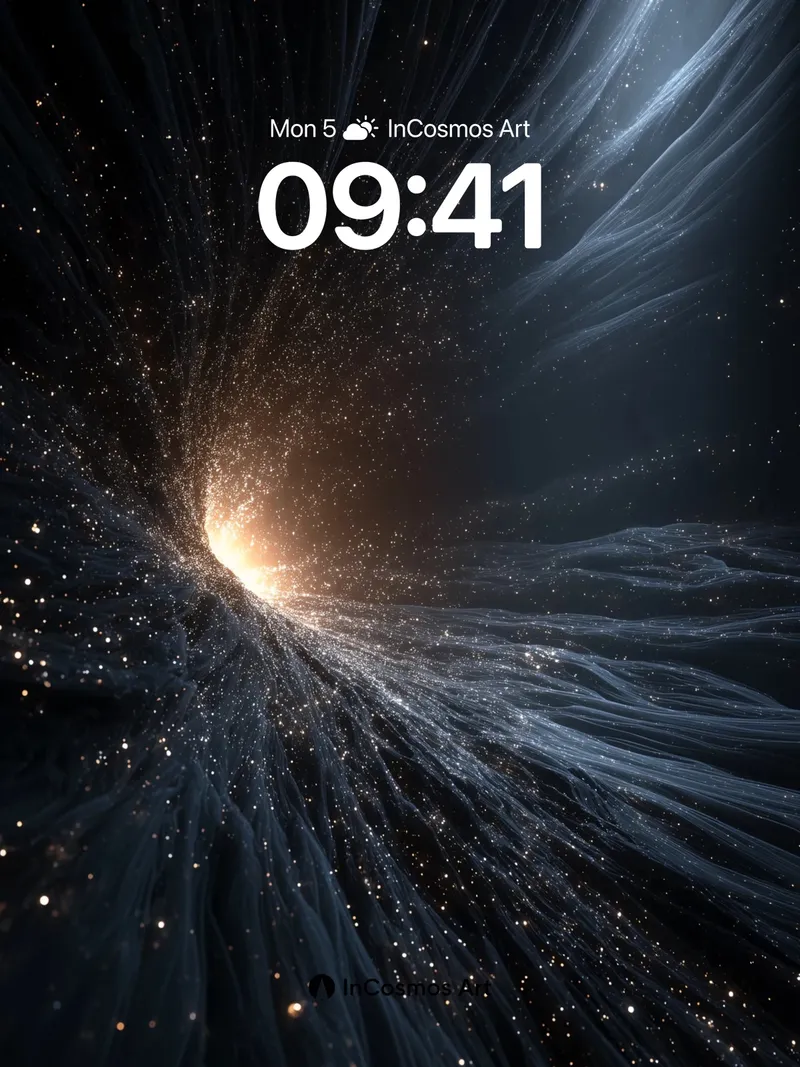
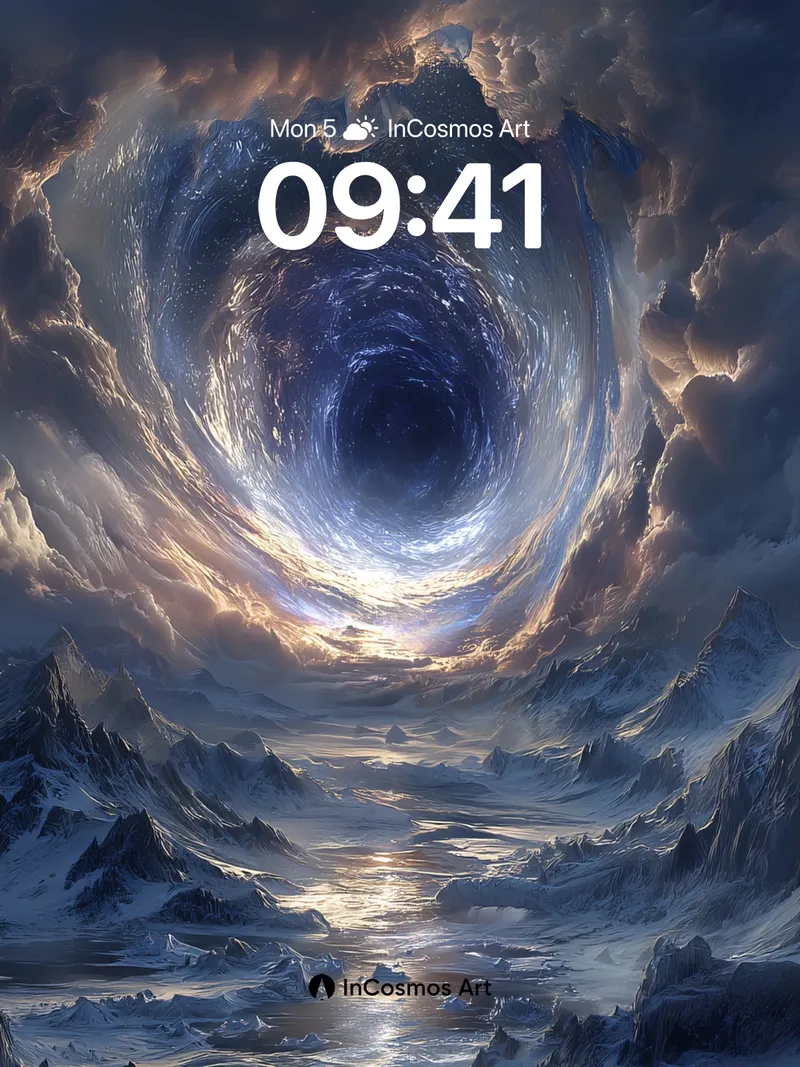
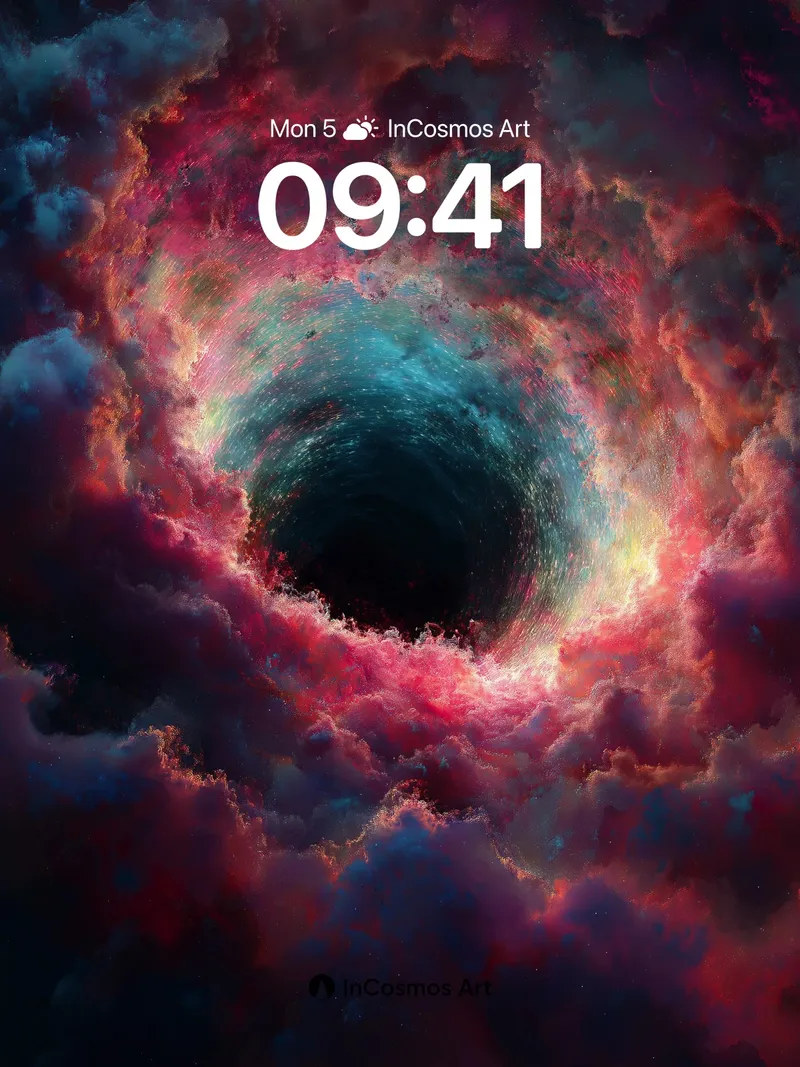
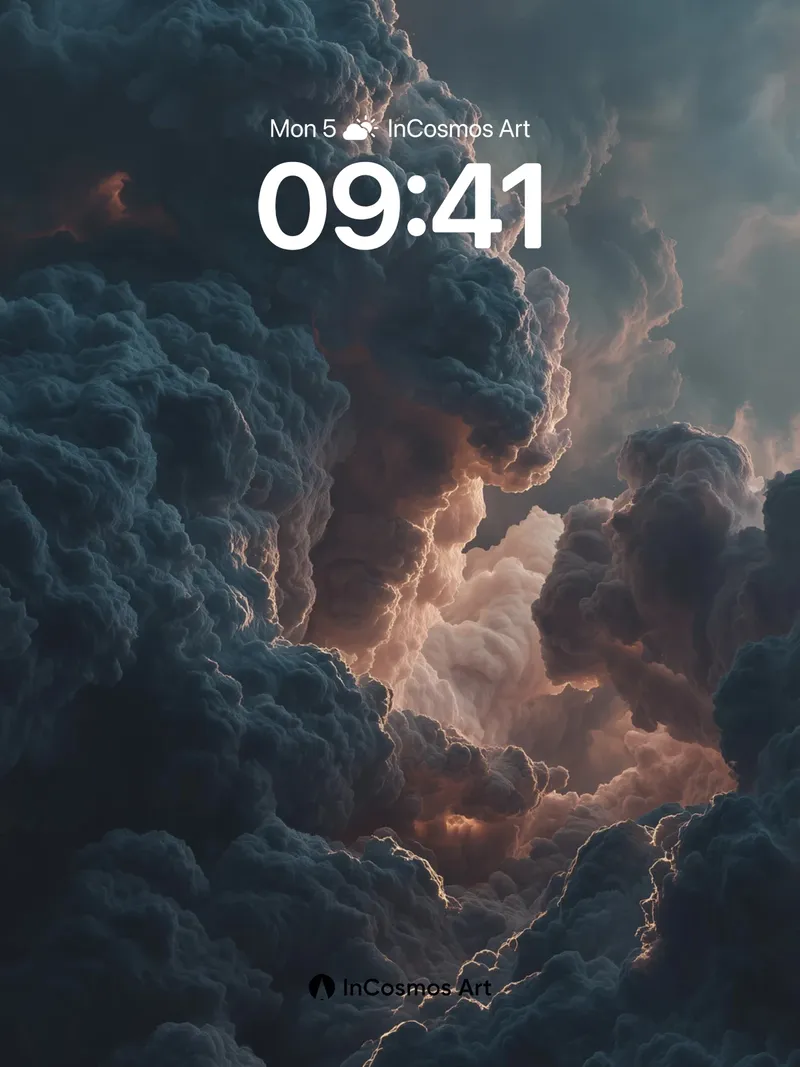
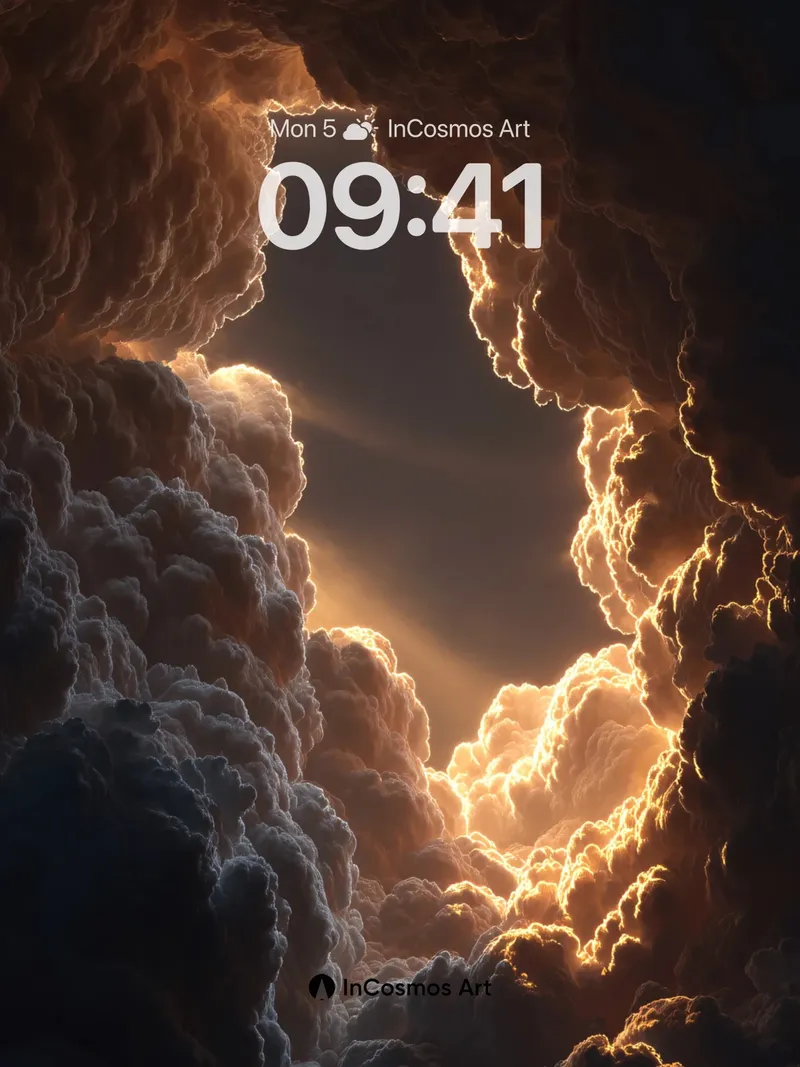
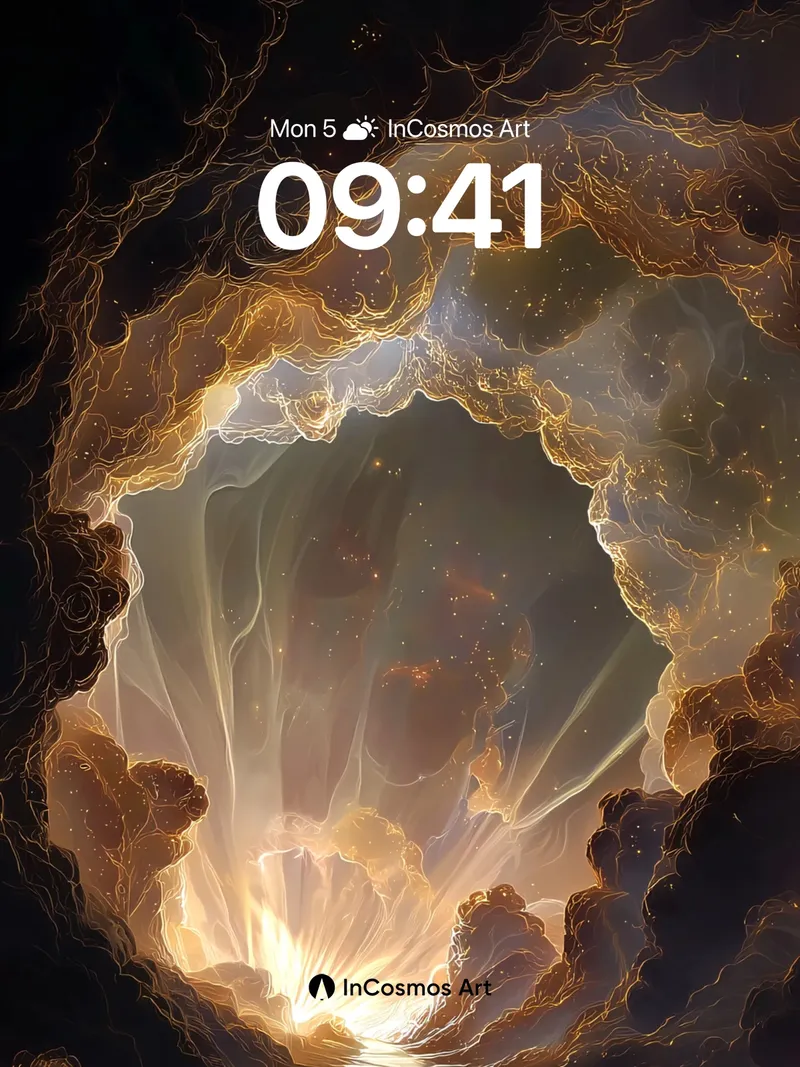
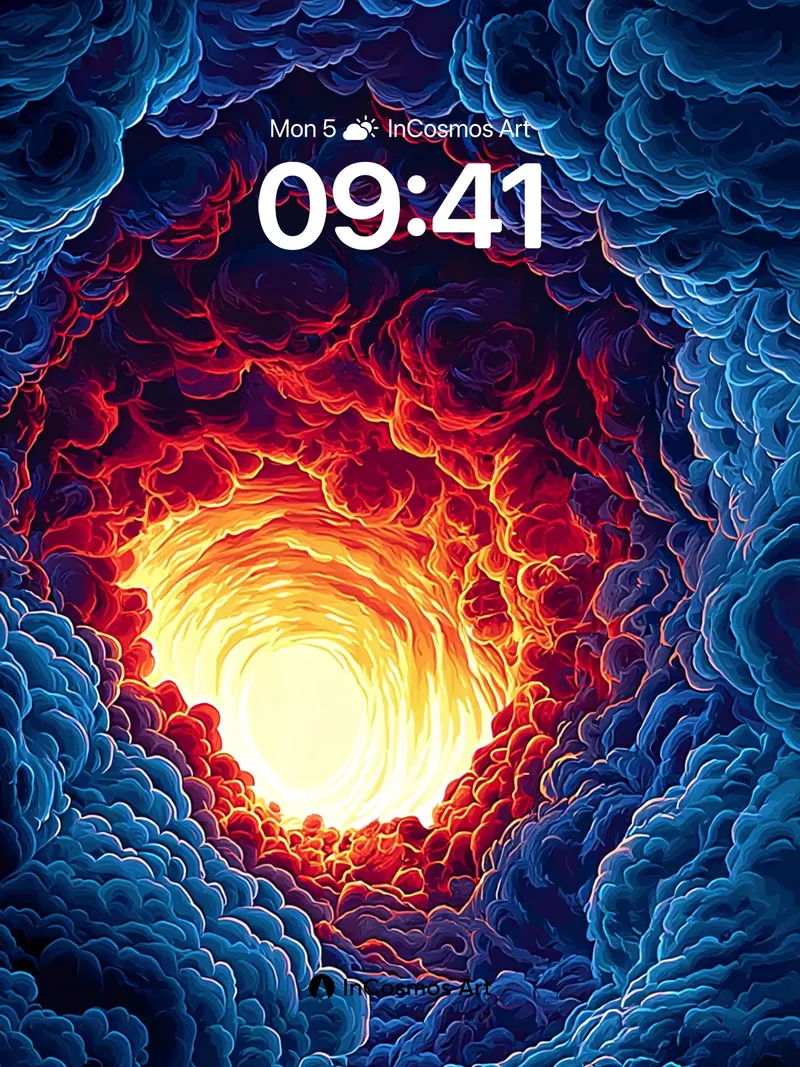
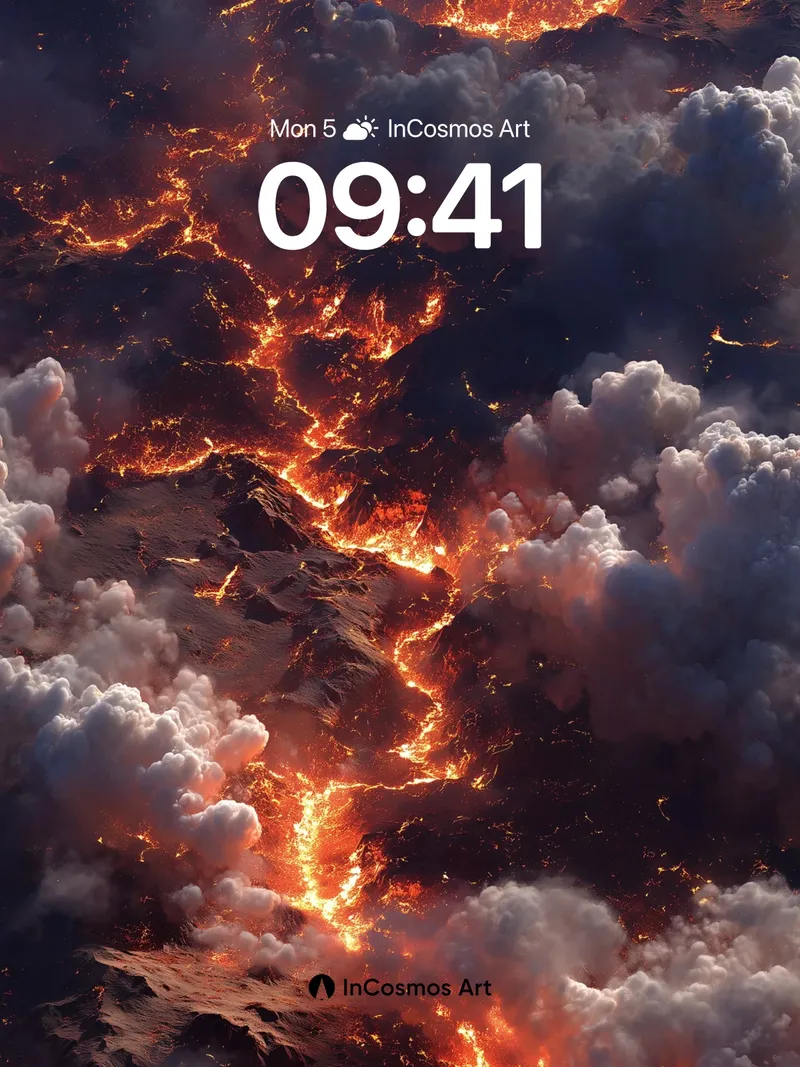
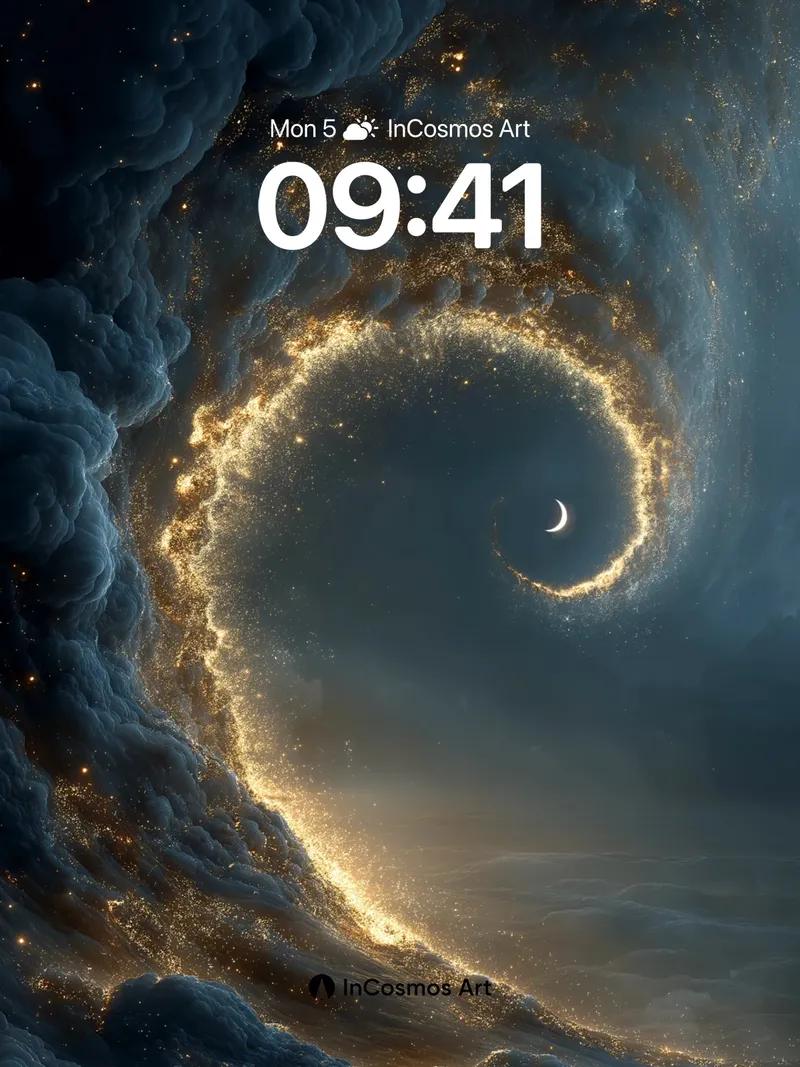
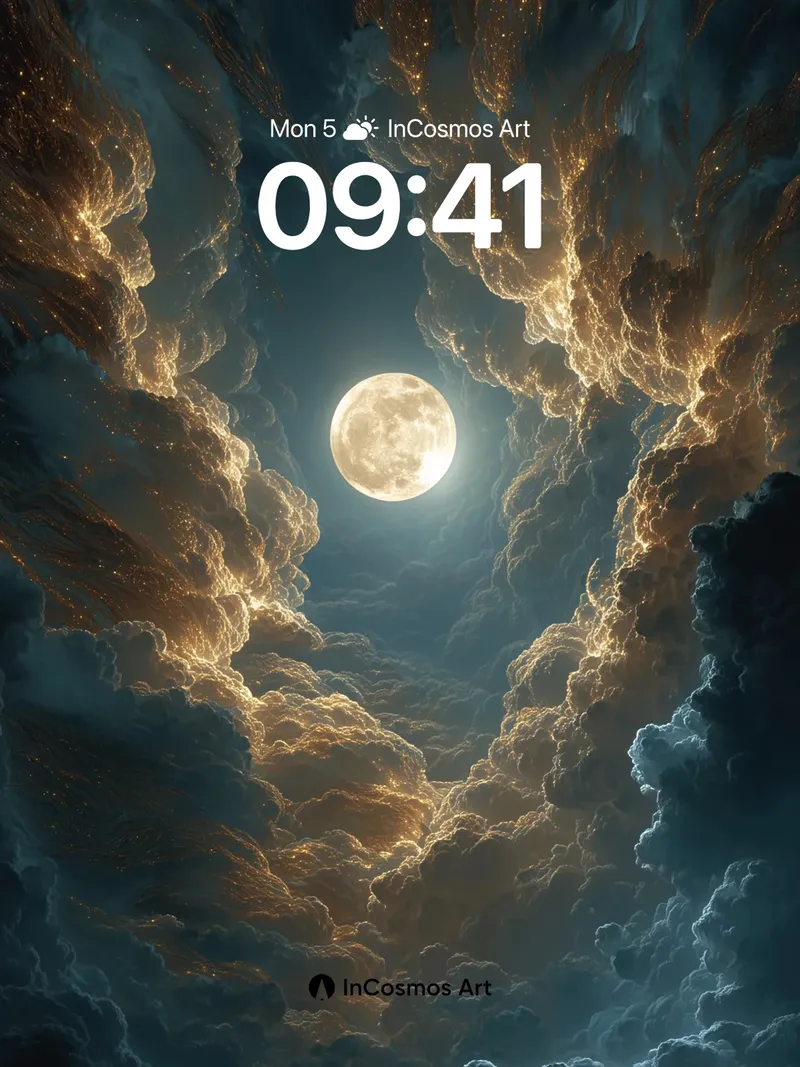
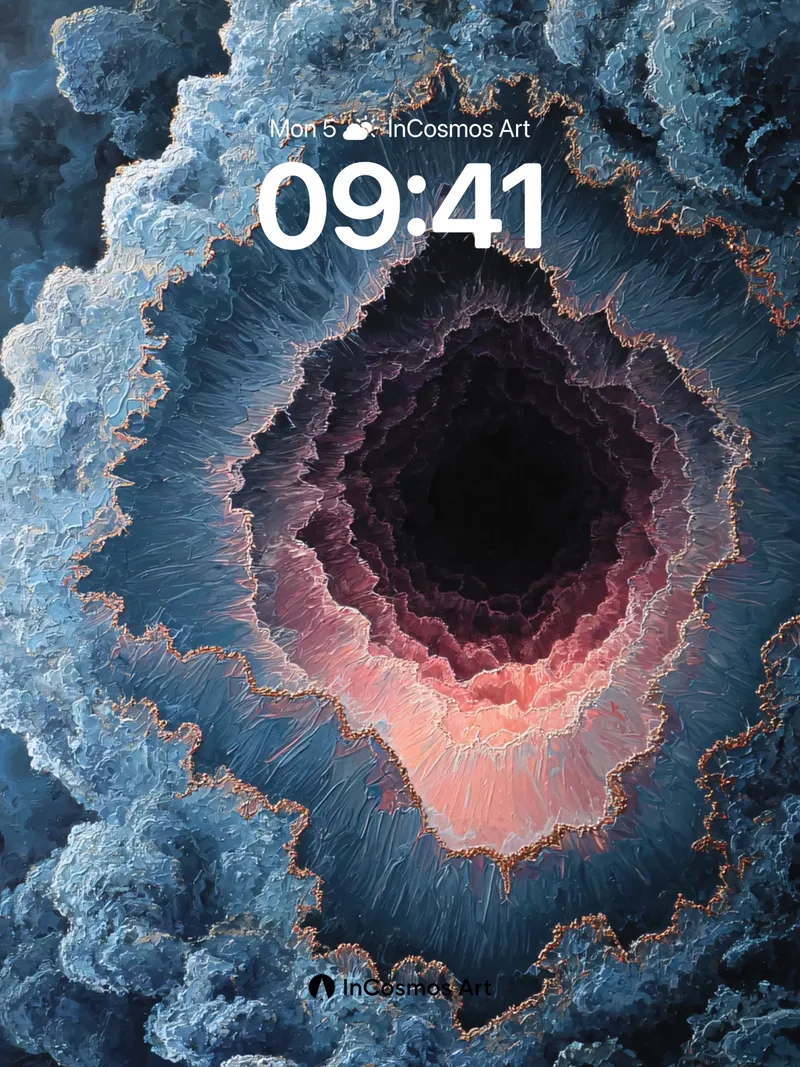
In the boundless void, light and darkness intertwine into an ineffable order. The sky splits not to reveal miracles, but to expose the continuous flow of energy deep within the cosmos. These phenomena are not random natural wonders, but a silent symphony between natural laws and primordial forces. The confrontation between blue and red, ice and fire, forms a visual language that transcends time. They are not static entities, but dynamic structures breathing rhythmically, nurturing order from chaos and rebirth from destruction.
Circular Structures of Energy
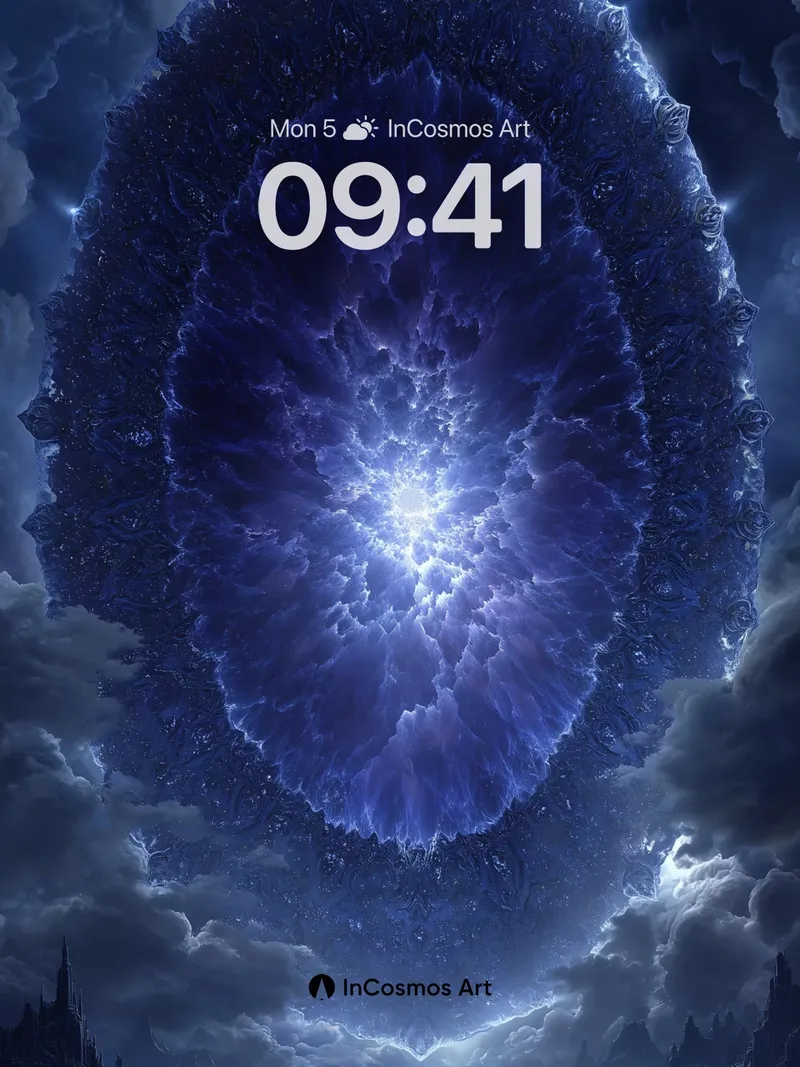
Circular forms recur as symbols connecting heaven and earth. They serve both as closed boundaries and open passages. Rings of fire act like burning gateways, guiding the gaze into unknown realms. This shape often symbolizes cycles, reincarnation, or sacred spaces in human cultures. Their geometric completeness suggests a cosmic logic, as if nature follows an internal mathematical principle.
Coexistence of Ice and Fire
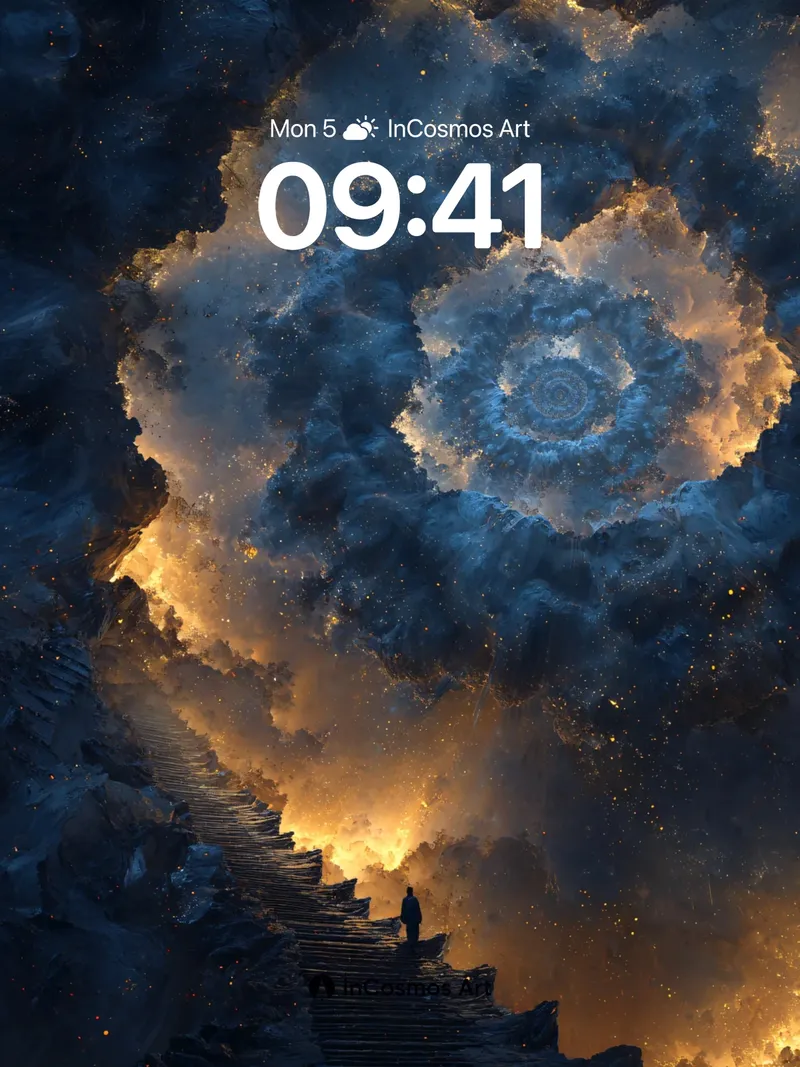
Cold deep blues contrast with intense orange-reds, creating strong visual tension. Glacier-like textures intertwine with lava-like flows, suggesting the Earth undergoing internal transformation. This opposition is not conflict, but balance. Cold freezes time, while heat releases potential. Together, they form a complete ecosystem—containing both destructive power and creative possibility.
The Breath of the Cosmos
Clouds are no longer passive coverings, but living tissues. They curl, spiral, and rise like vascular networks within a biological organism. The central light source pulses like a beating heart, driving motion in surrounding matter with each flicker. This is more than a physical phenomenon—it is poetic metaphor: the universe breathes, and humanity is merely a speck witnessing its grand rhythm.
Cracks and Passages in Space
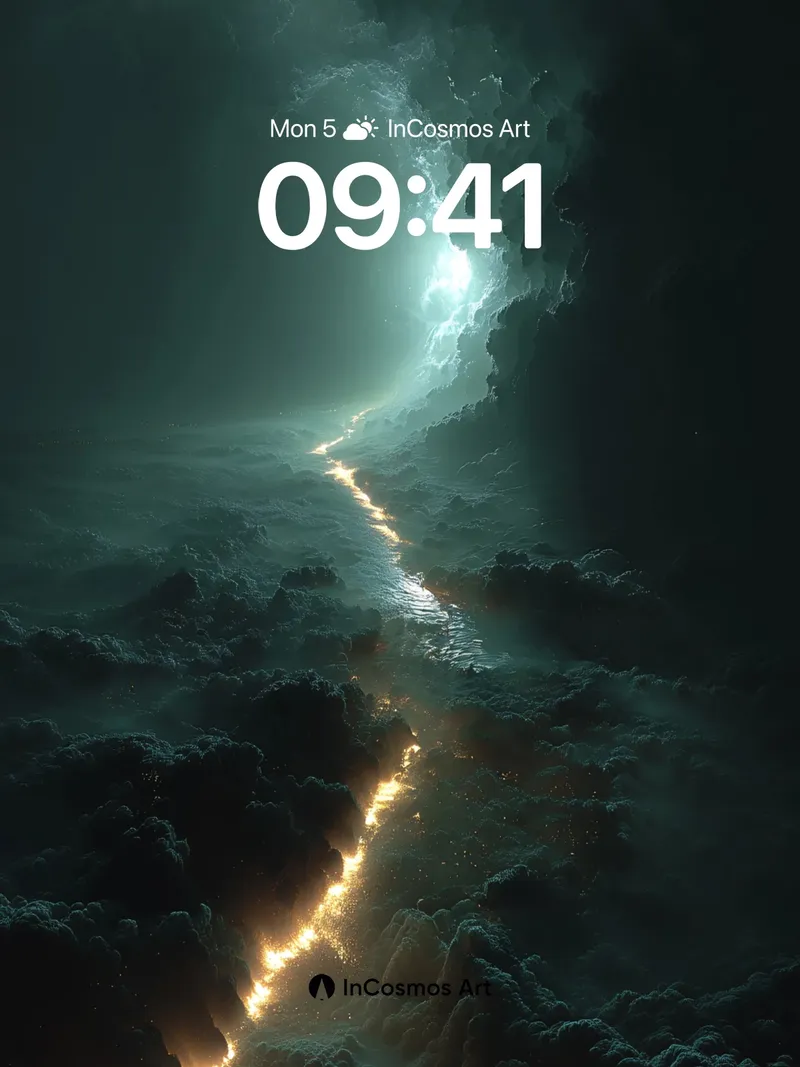
The ground fractures, rivers glow, and water reflects the inverted sky. These fissures are not just geographical breaks, but interfaces between dimensions. Light flows along the rifts, as if energy has found its path. Such scenes evoke imagination of unknown worlds, hinting at alternate realities. They are entrances to other universes or rifts in time itself.
The Narrative of Light
Here, light is not merely illumination—it is the core of storytelling. It rises from darkness, pierces thick clouds, and illuminates fractured terrain. Its trajectory defines spatial contours and gives meaning to the environment. Changes in intensity, direction, and color determine the emotional tone of the scene. It symbolizes hope, yet also foretells destruction, depending on the observer’s position and inner state.