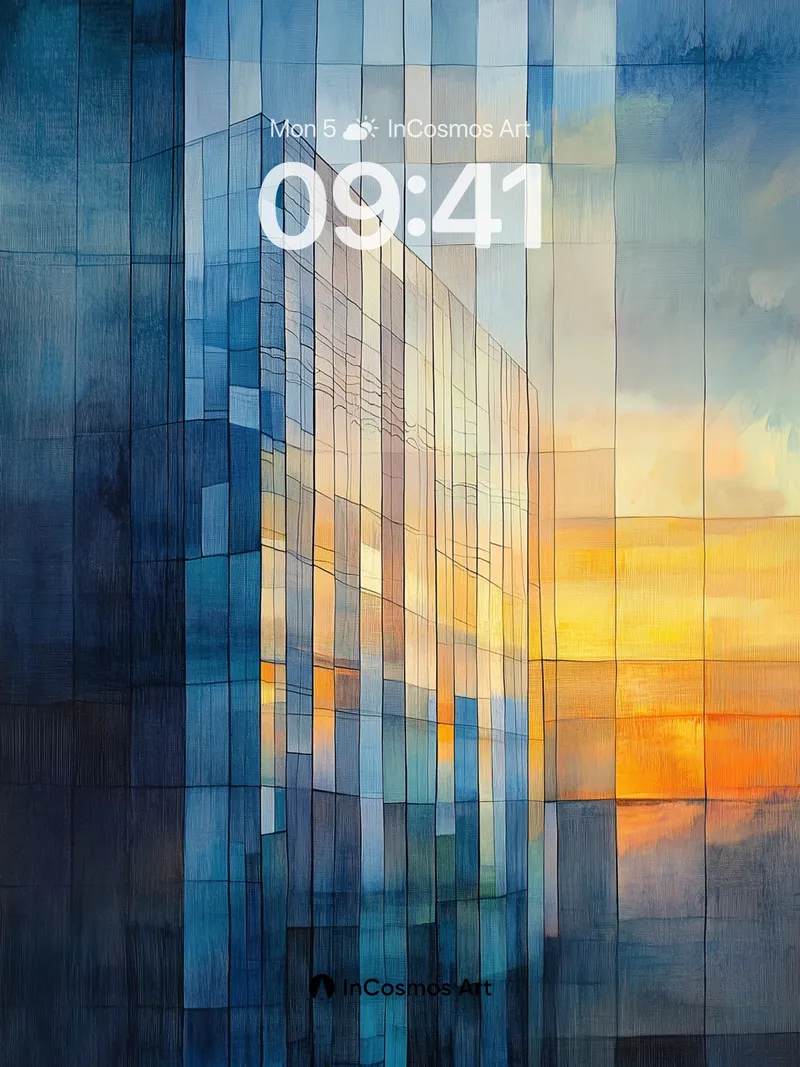
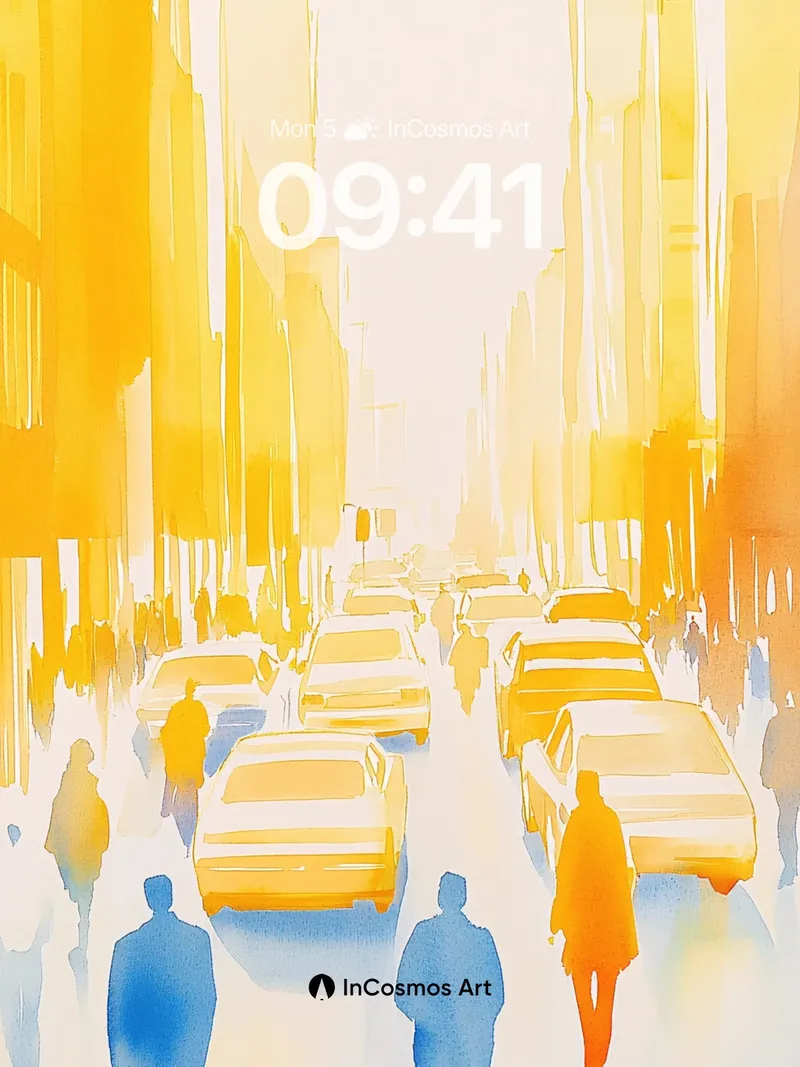
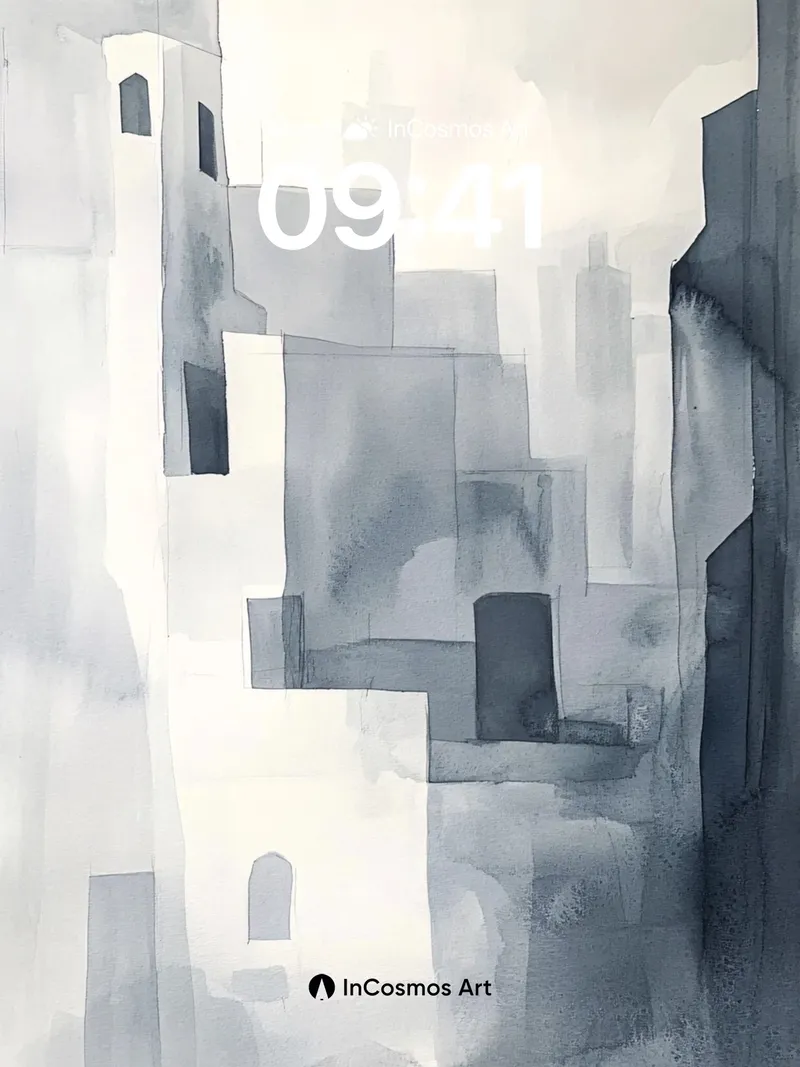
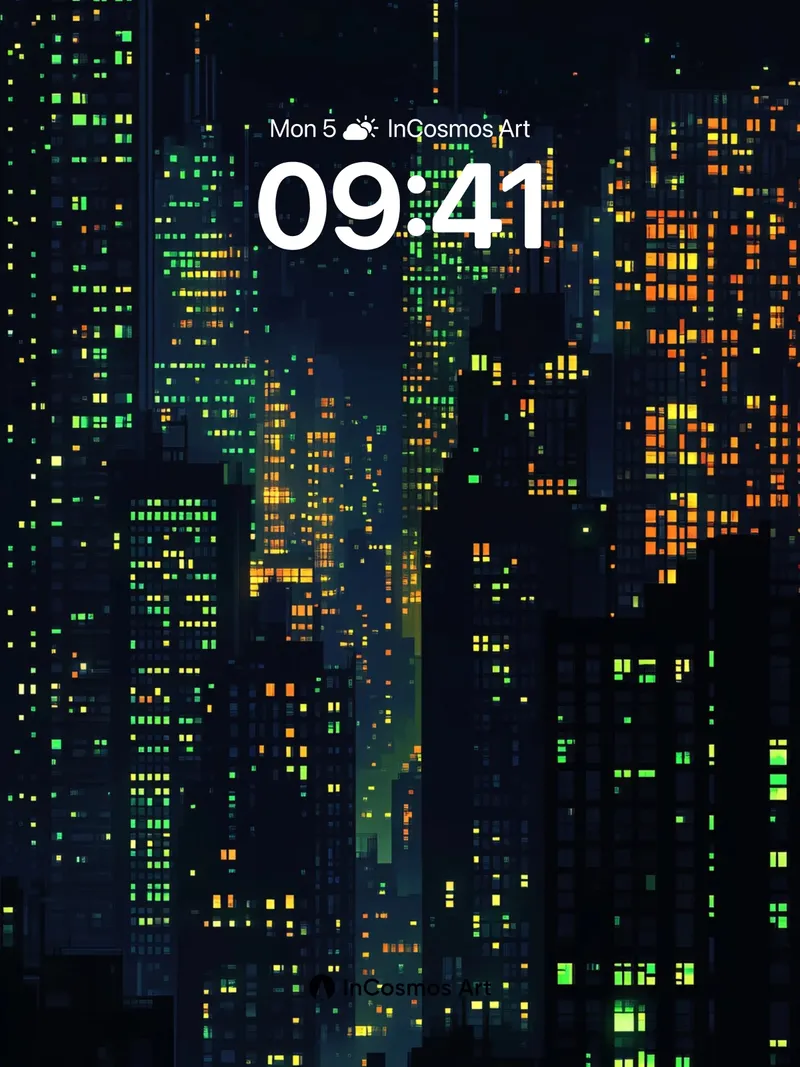
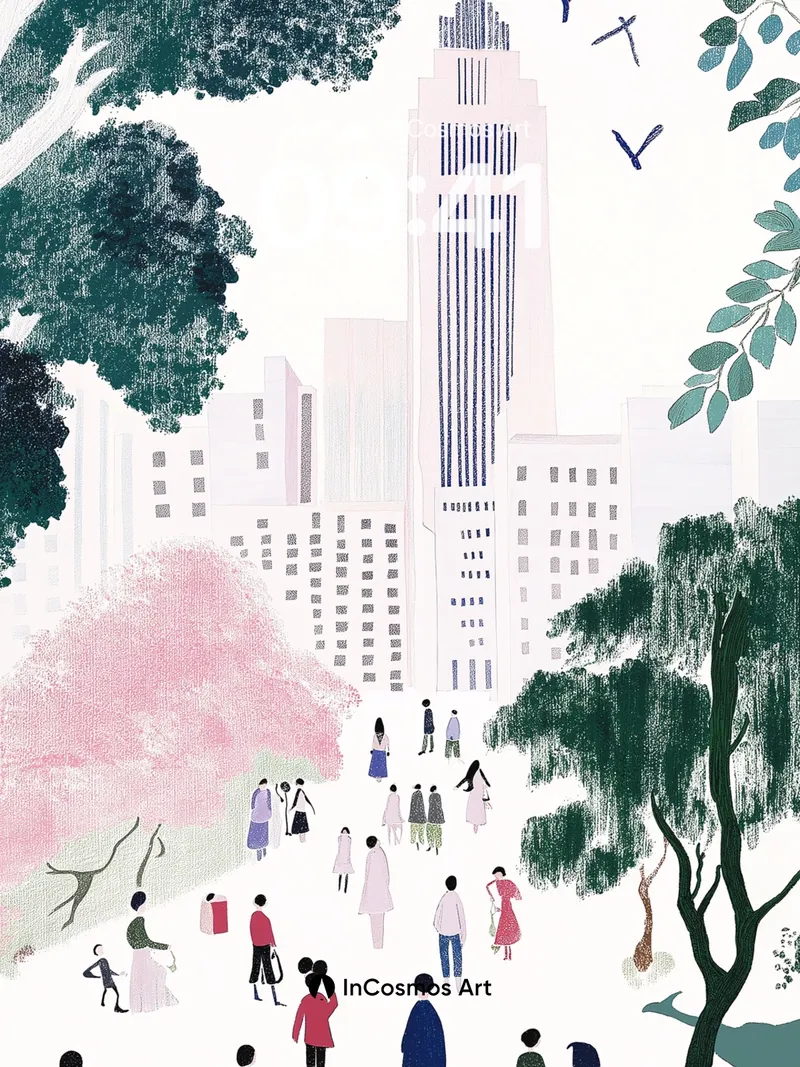
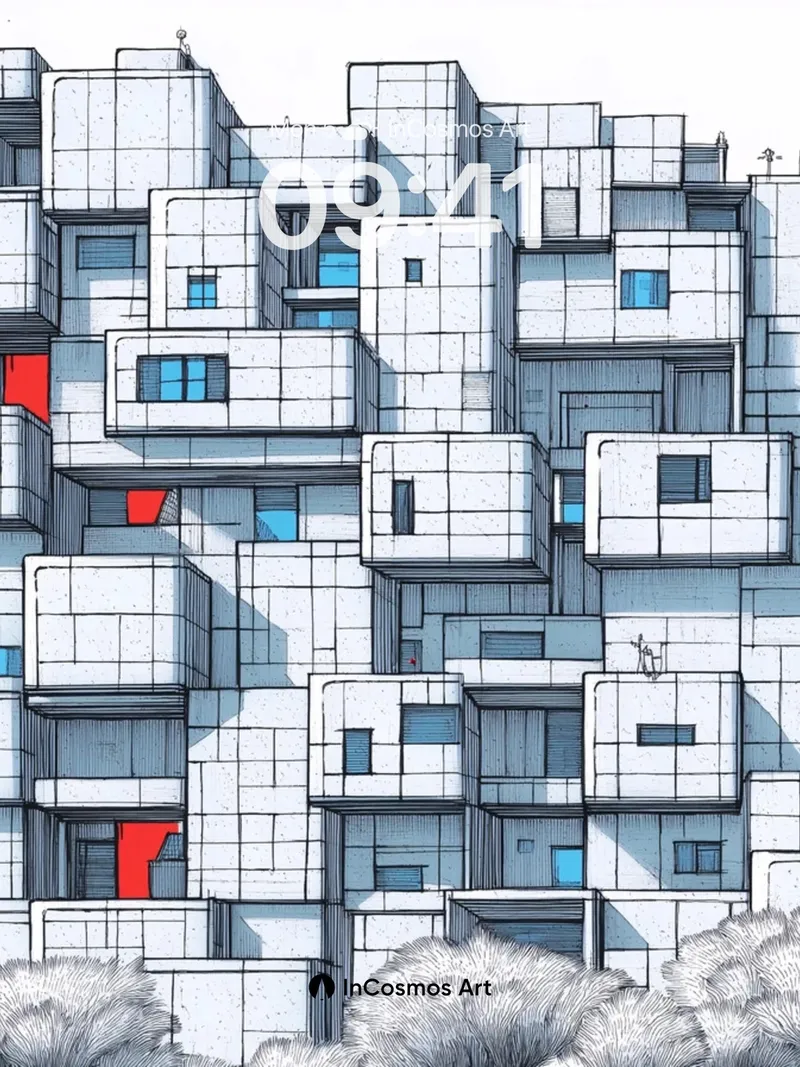
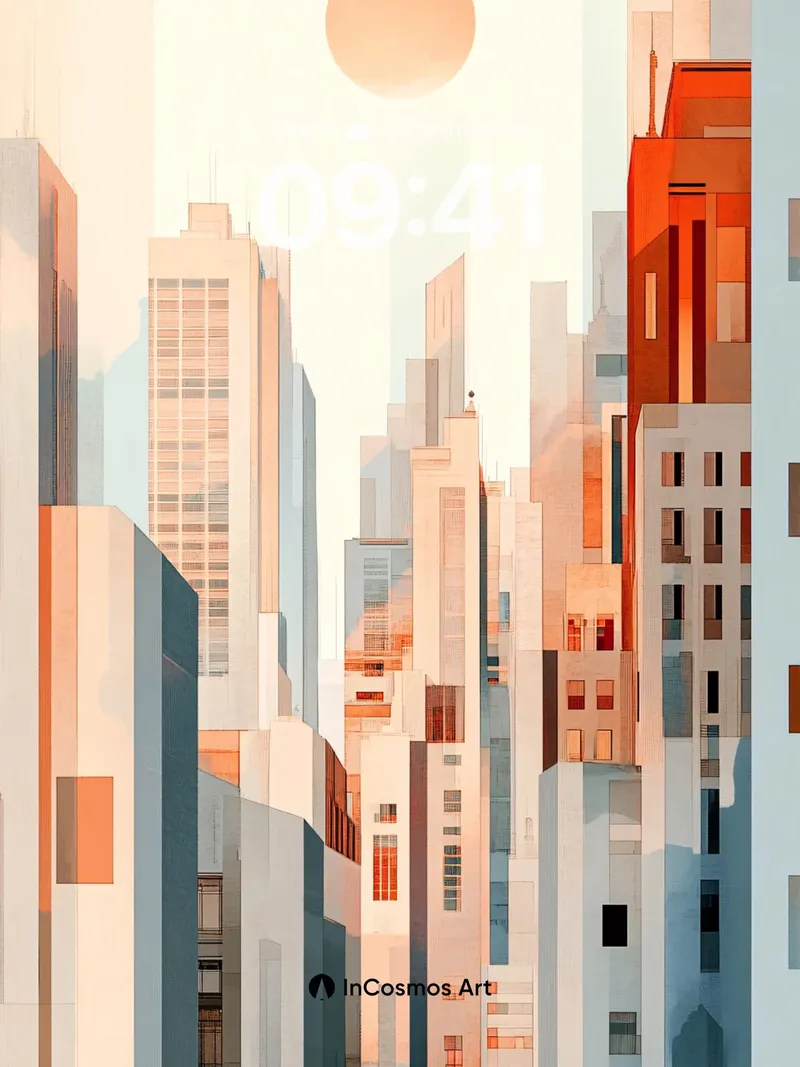
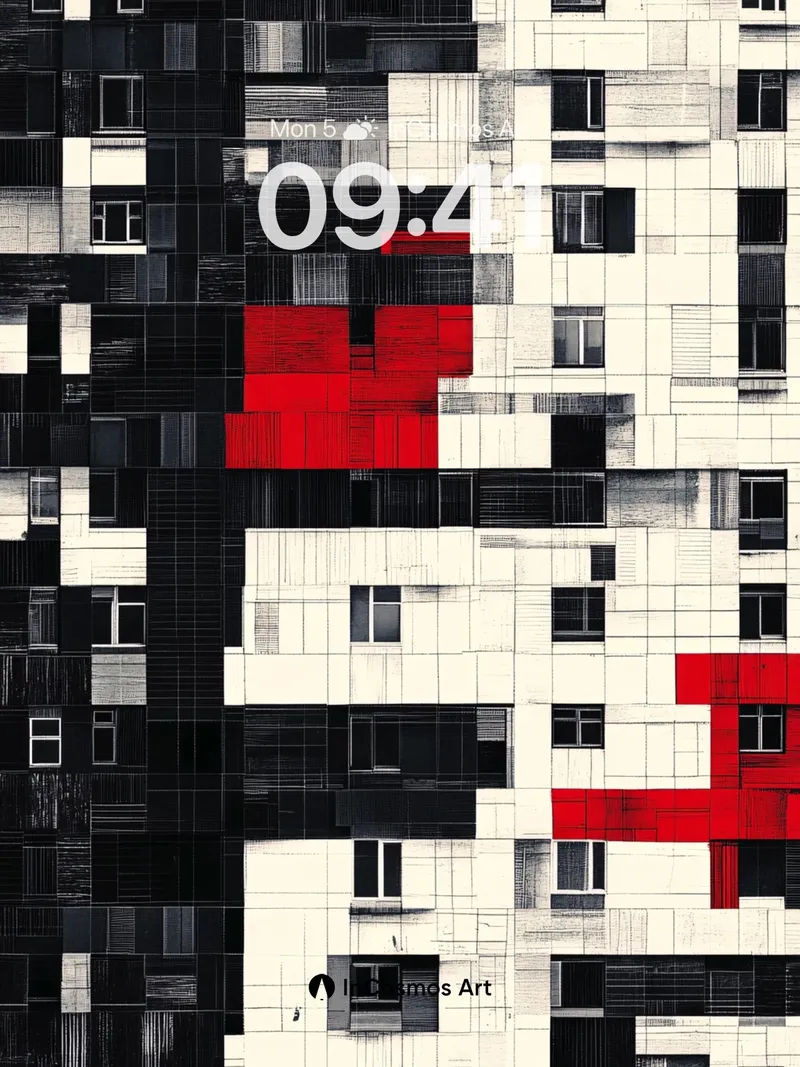
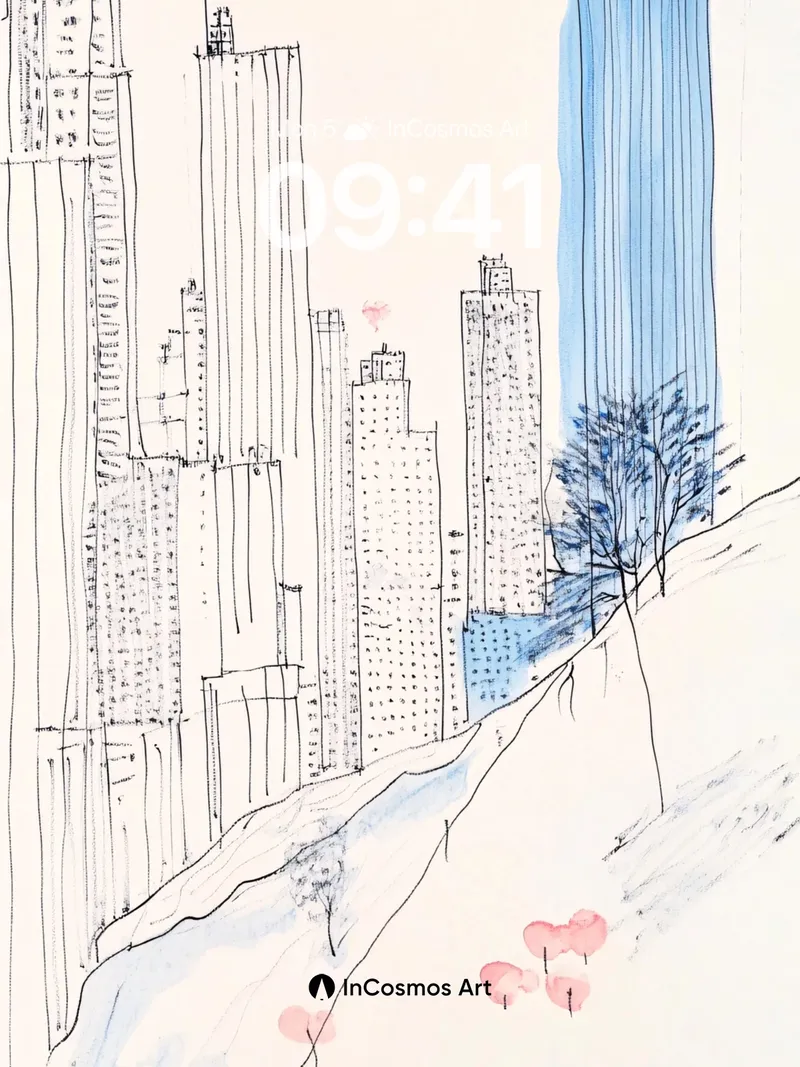
Light flows through the city's fabric, not as a natural gift but as a projection of human will. Each high-rise stands as a silent declaration, its surface reflecting the sky's shifts while mirroring internal order and solitude. Glass facades fracture dusk into overlapping blue and orange shards, much like memories cut and reassembled by time. Figures on streets blur, vehicles surge like tides, yet cannot fill the void within spaces. The city's rhythm is not defined by clocks but by light's intensity, color's temperature, and structure's density. This is not merely architectural evolution but a visual manifestation of collective psyche. When neon stains the night, the entire city seems immersed in communal contemplation—yearning for connection yet fearing intimacy.
Narrative of Light
In urban settings, light transcends mere illumination; it becomes an emotional vessel. At dawn, warm yellow spills from the horizon, gently outlining buildings, symbolizing hope and beginnings. Midday white light brings oppression, towering structures appearing stern under brightness, embodying societal rules. At dusk, orange and indigo intertwine—a transitional moment, a gap for individual reflection. As night falls, artificial lights replace daylight, red tones dominate, creating alertness and unease. This cycle of light mirrors modern mental states: from expectation to suppression, then to detachment.
Poetics of Architecture
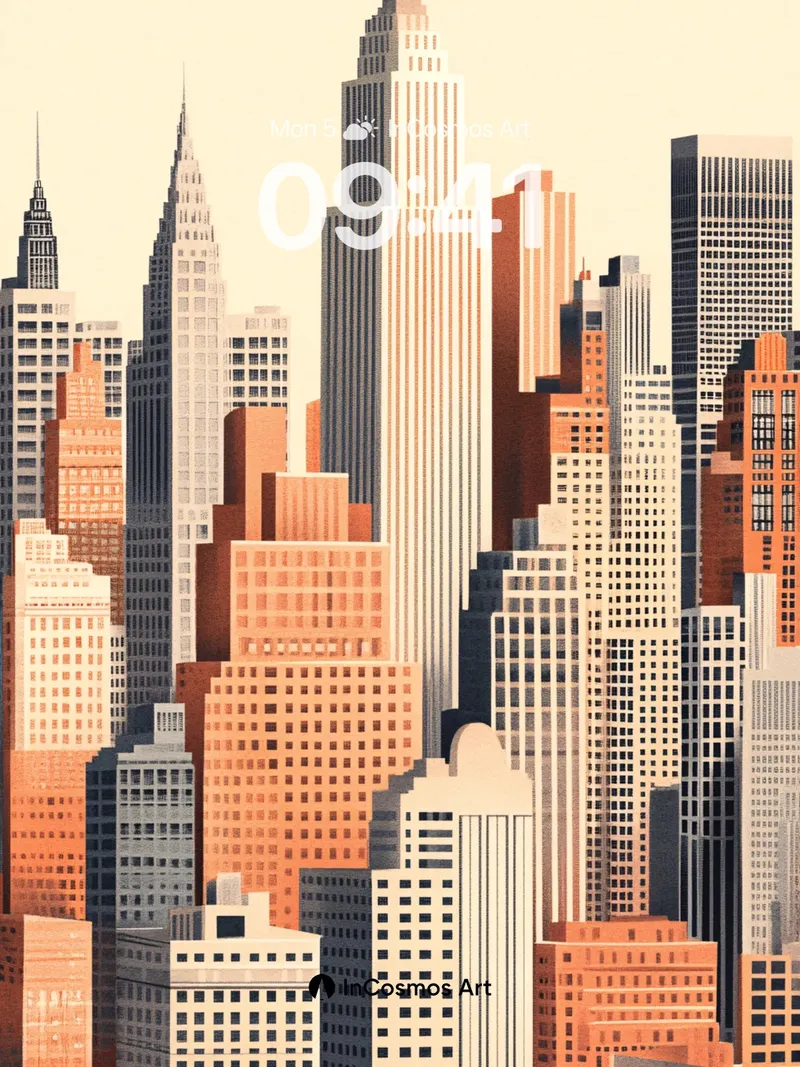
Contemporary architecture serves more than function; it bears emotional weight. Stacked geometric volumes form visual rhythms, lines guiding the eye’s journey. Some structures emphasize verticality, suggesting height and authority; others extend horizontally, implying openness and inclusion. Material choices carry meaning: glass is transparent yet cold, metal rigid and distant, concrete dense yet sealed. These materials collectively shape sensory experience and reflect residents’ psychological boundaries.
Solitude in Space
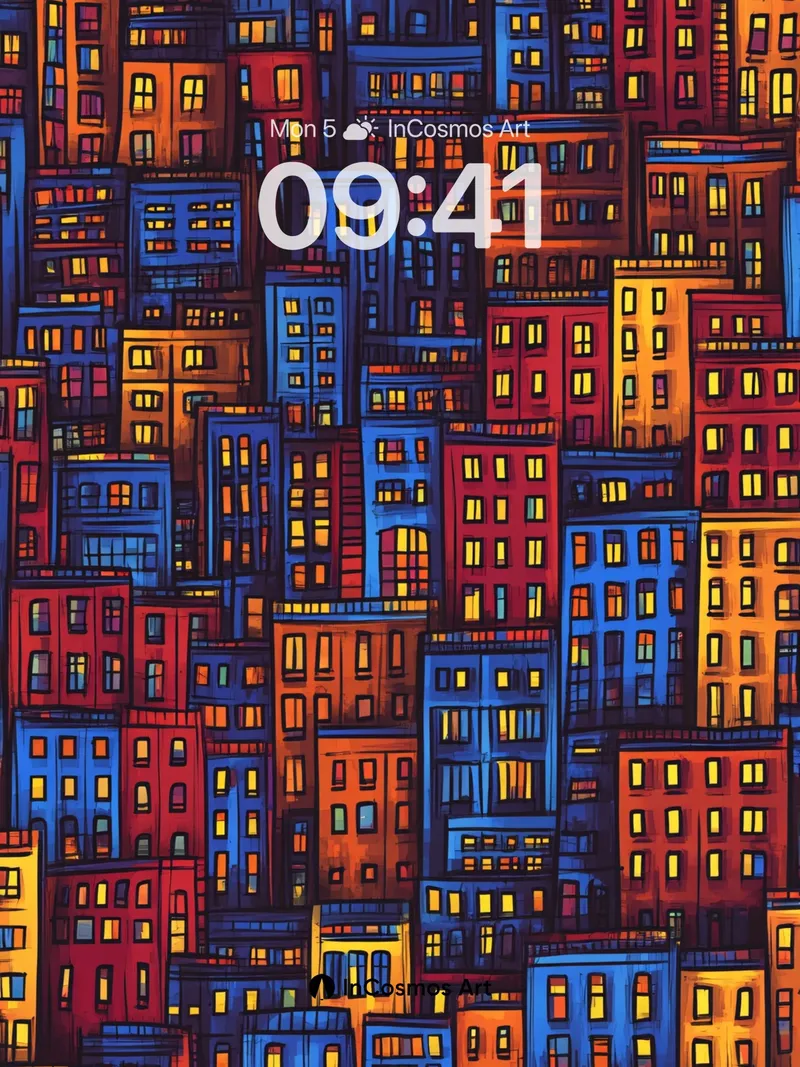
Despite urban density and crowdedness, individuals often feel isolated. Pedestrians hurry past without interaction, each trapped in their own small world. Traffic flows ceaselessly, unable to forge real connections. In high-density zones, lit windows resemble stars, yet each represents a separate realm. This physical proximity with psychological distance defines urban life’s core contradiction. People share space but live on isolated islands.
Emotional Cartography
Urban emotion is expressed through color. Blue signifies calm and rationality, common in office areas; orange denotes energy and caution, prevalent in commercial districts; red conveys passion and danger, frequent in nightlife zones. These hues are not random but follow social logic. Together, they form an emotional map revealing functional and psychological impacts across regions. Residents move through this landscape, unconsciously shaped by these tones.