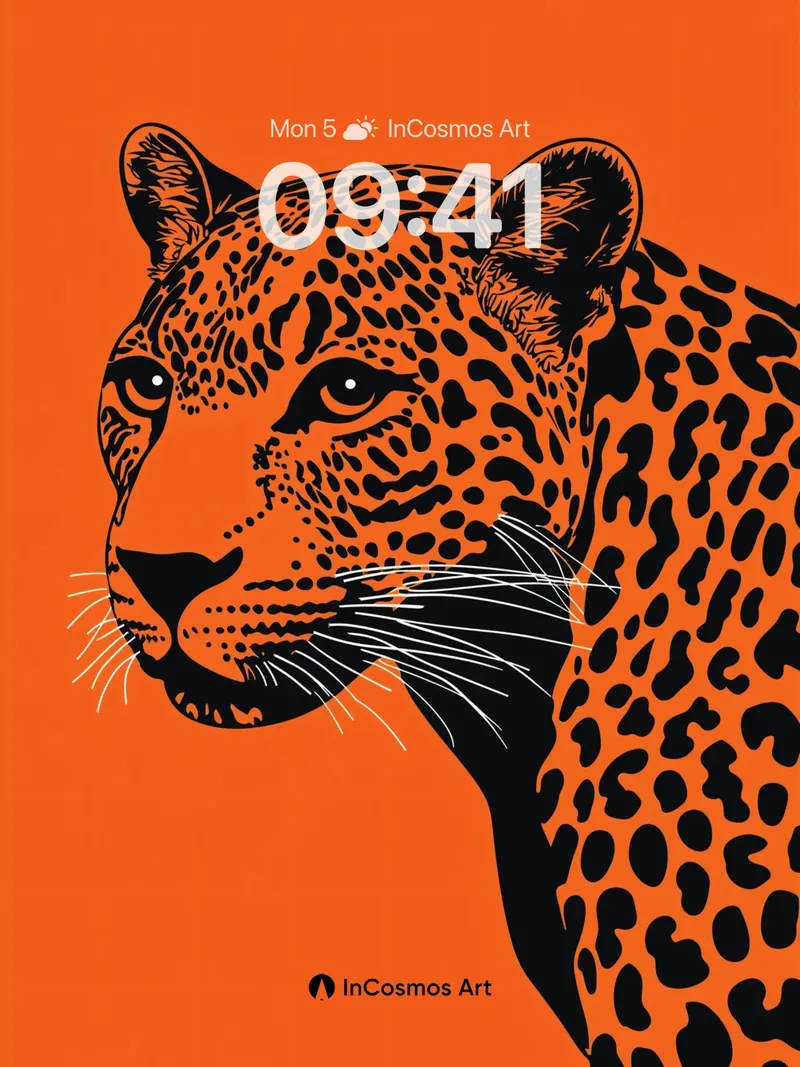
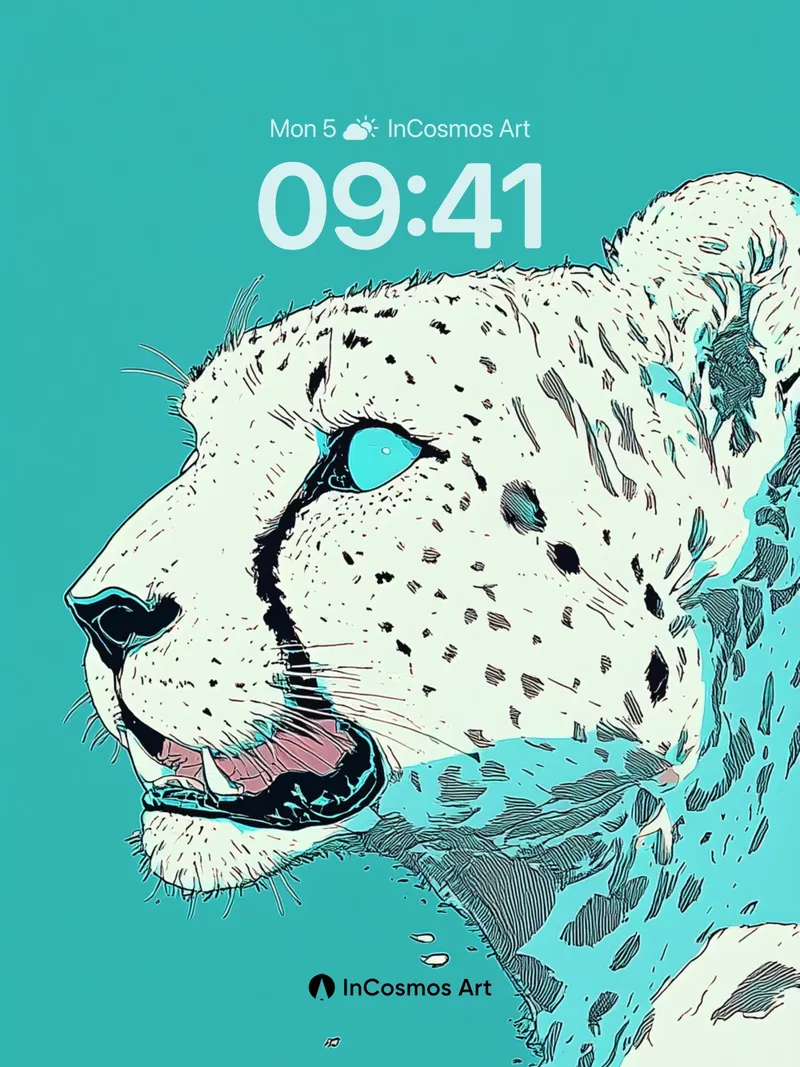
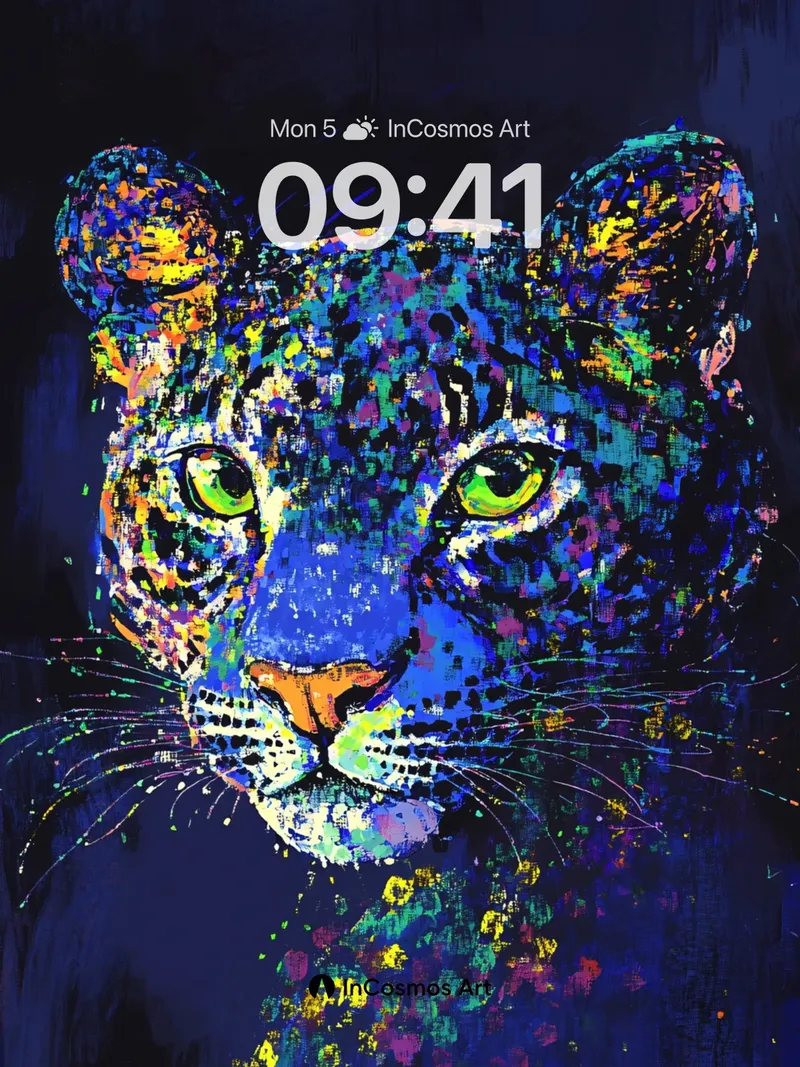
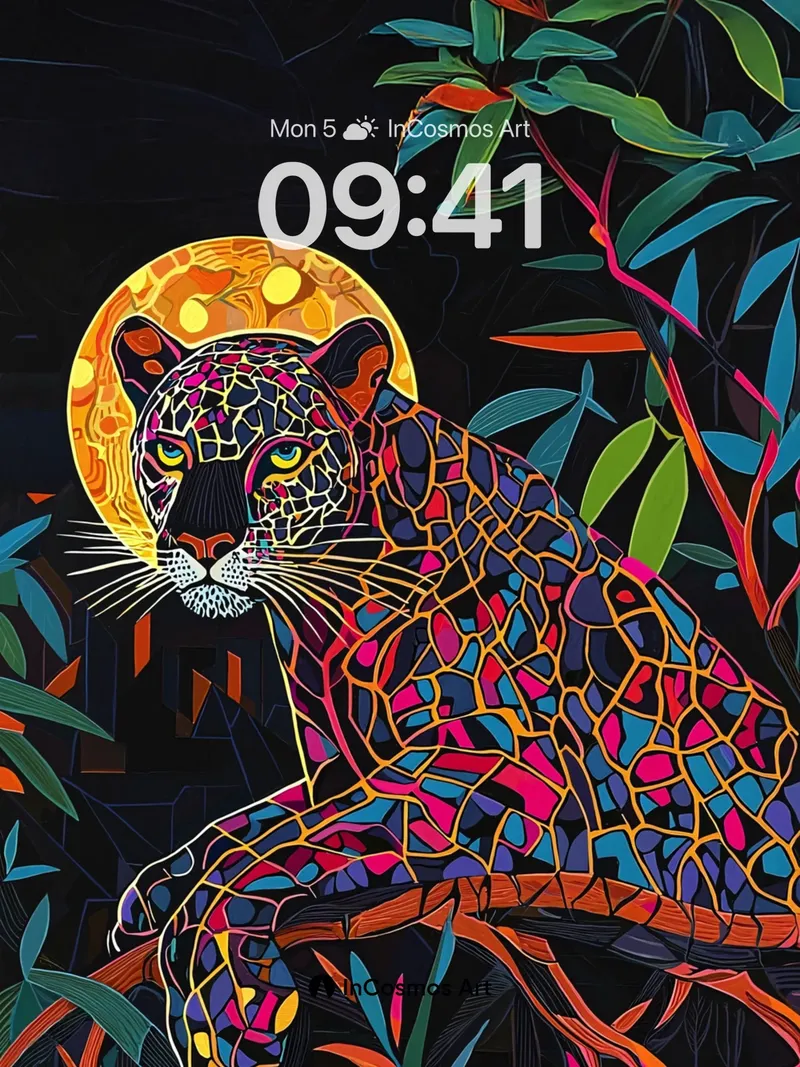
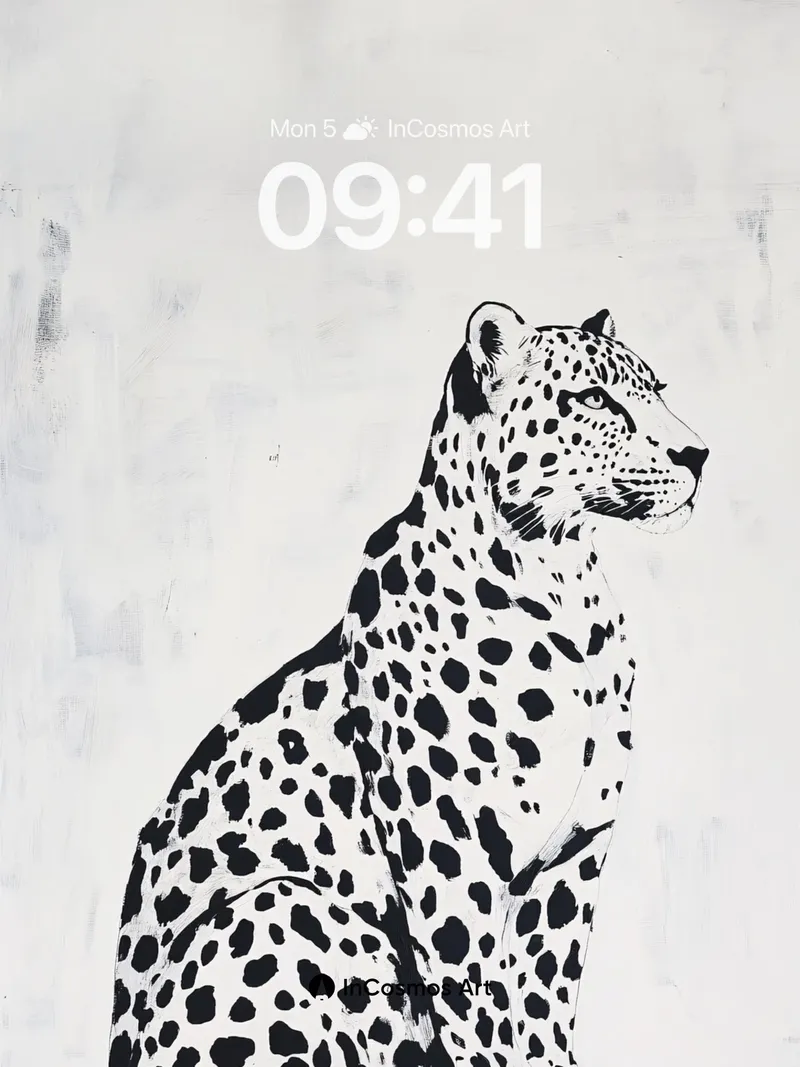
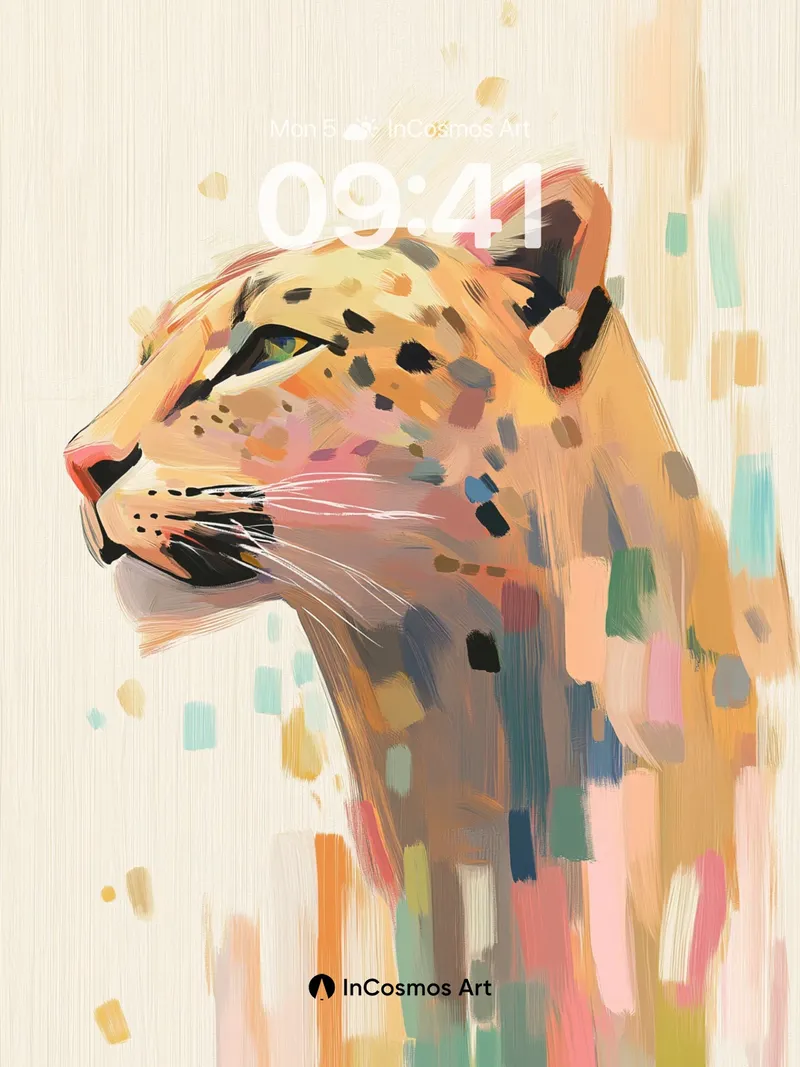
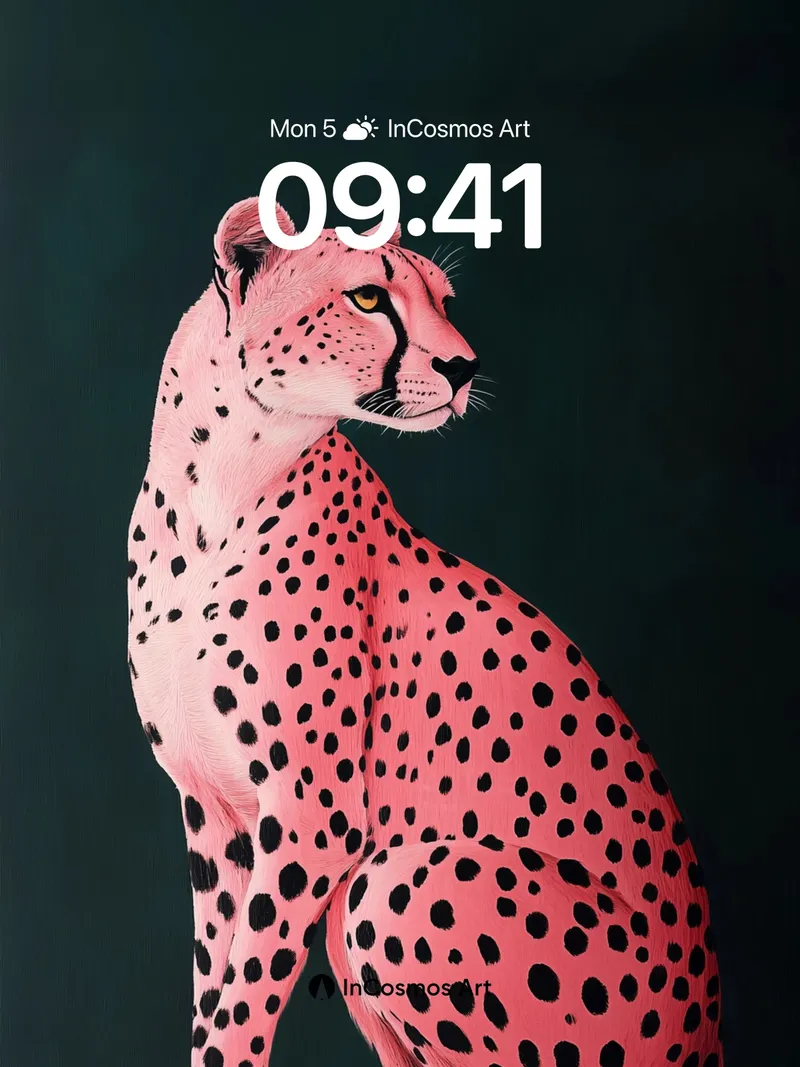
Between city neon and digital screens, an ancient animal totem is returning in a new form. The leopard's shape no longer belongs solely to the jungle depths but is deconstructed and reassembled into one of the most potent symbols in contemporary visual language. Its spots are no longer mere camouflage but cultural codes carrying layered meanings of power, mystery, and freedom. From fluorescent blue to orange-black contrast, from geometric mosaics to abstract brushwork, each representation tells a story about identity and boundaries. This recreation is not imitation of nature but an artistic ritual where human consciousness projects onto wildness.
Color as a Statement of Identity
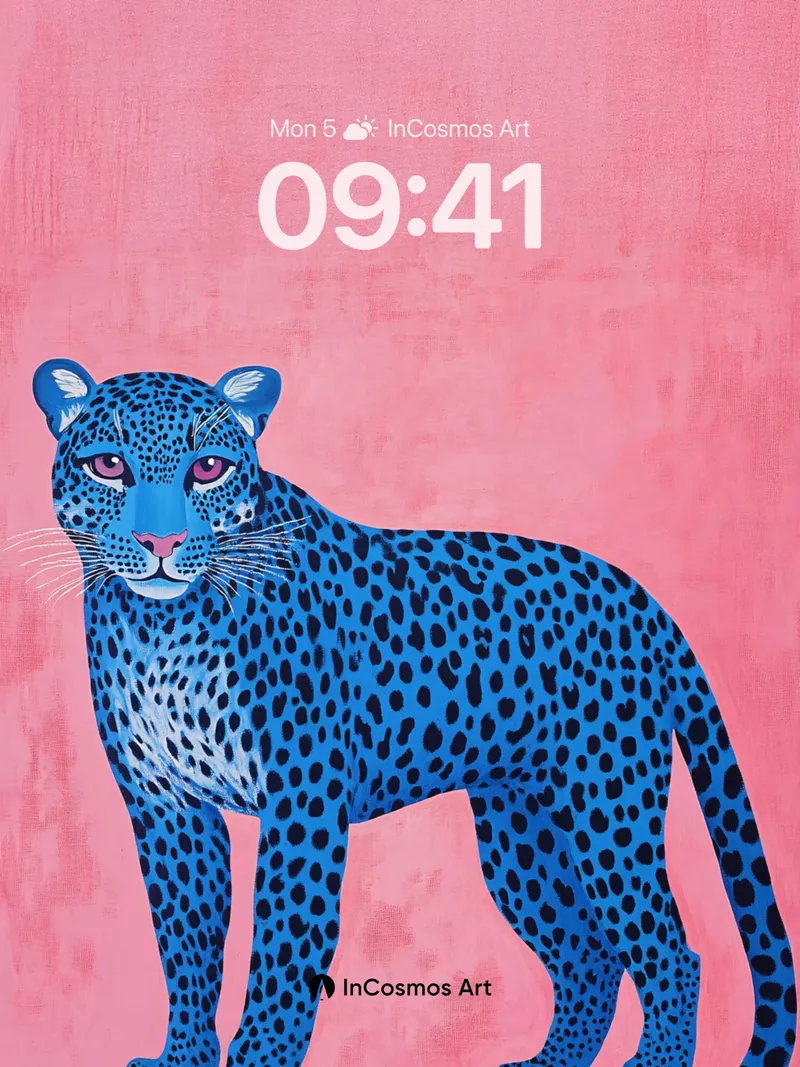
In modern aesthetics, color has transcended decoration to become a core vehicle for individual expression. A blue leopard against a pink backdrop creates stark visual tension, suggesting conflict between traditional gender norms and contemporary self-identification. The black-spotted leopard on orange exudes raw primal strength, declaring that wildness needs no embellishment or explanation. These color choices are deliberate—contemporary individuals use visual symbols to rebuild inner order.
Geometry and Abstraction: Nature Digitized
When the leopard’s body is fragmented into polygonal networks or pixelated blocks, it transcends biological reality and enters symbolic systems. This treatment echoes the fragmentation of information in the digital age—individuals reduced to labels and emojis on social platforms. Yet even then, the leopard retains its gaze, eyes piercing through the screen into the viewer’s soul. This shows that in a hyper-mediated world, certain primal emotions remain untamed.
Collective Imagery and Ecological Metaphor
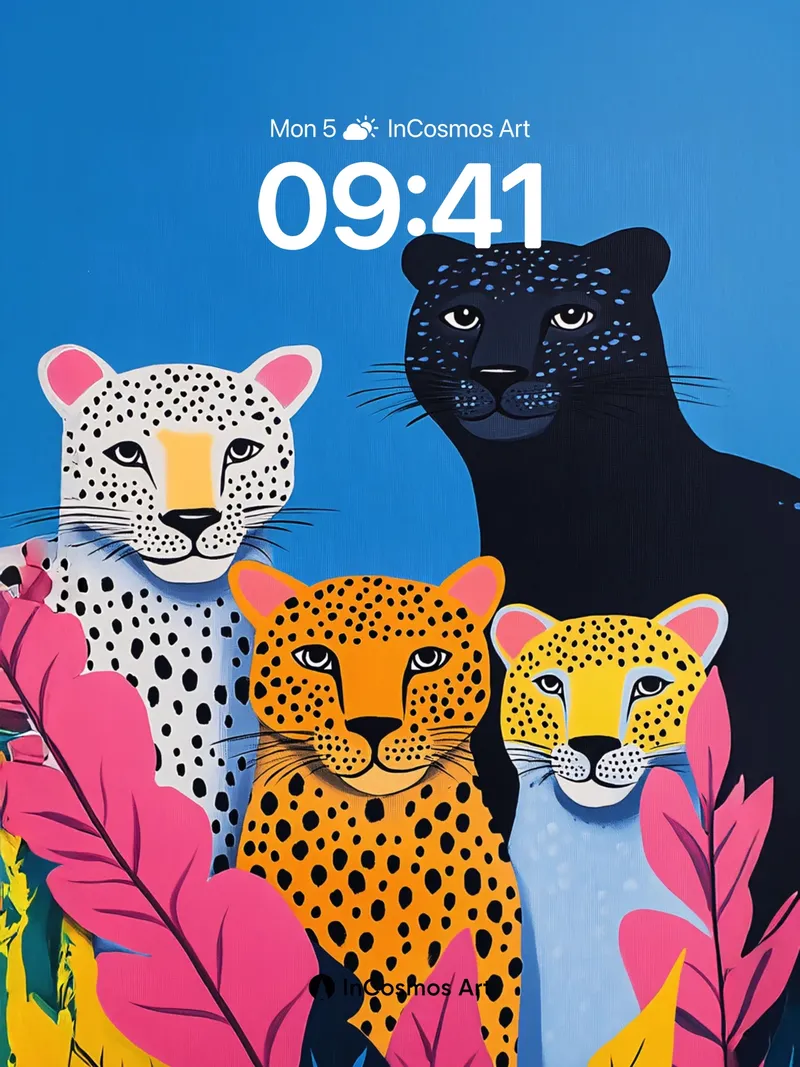
Four leopards of different hues stand together amid tropical foliage, forming a vibrant tableau. This scene breaks the solitary narrative of species, emphasizing diversity and coexistence. They represent more than animals—they symbolize multicultural groups. In an increasingly globalized context, such imagery reminds us that true strength arises from harmony among differences, not uniformity.
Between Black and White: Silent Contemplation
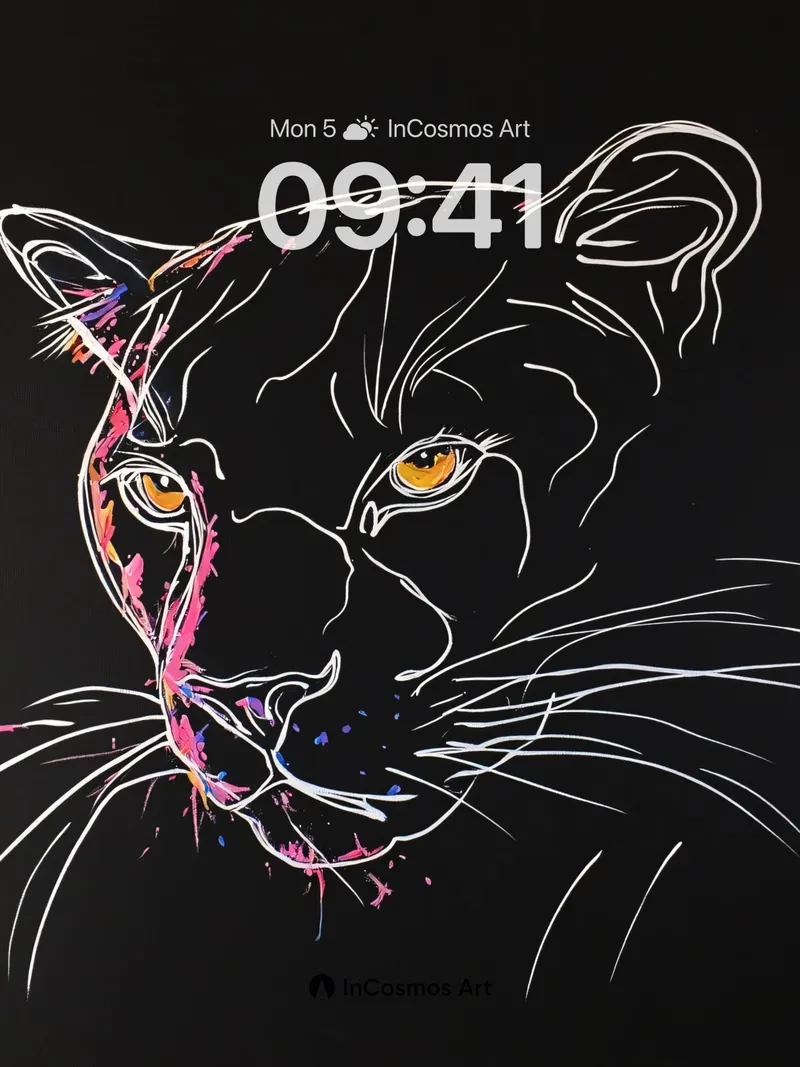
Against total darkness, a pure white leopard turns its head in profile, sharp as a silhouette. This minimalist approach strips away all flashy elements, focusing attention on form itself. Its presence does not seek attention but invites reflection. In an era of information overload, this silent gaze offers resistance—no words needed, yet profound weight of being is conveyed.