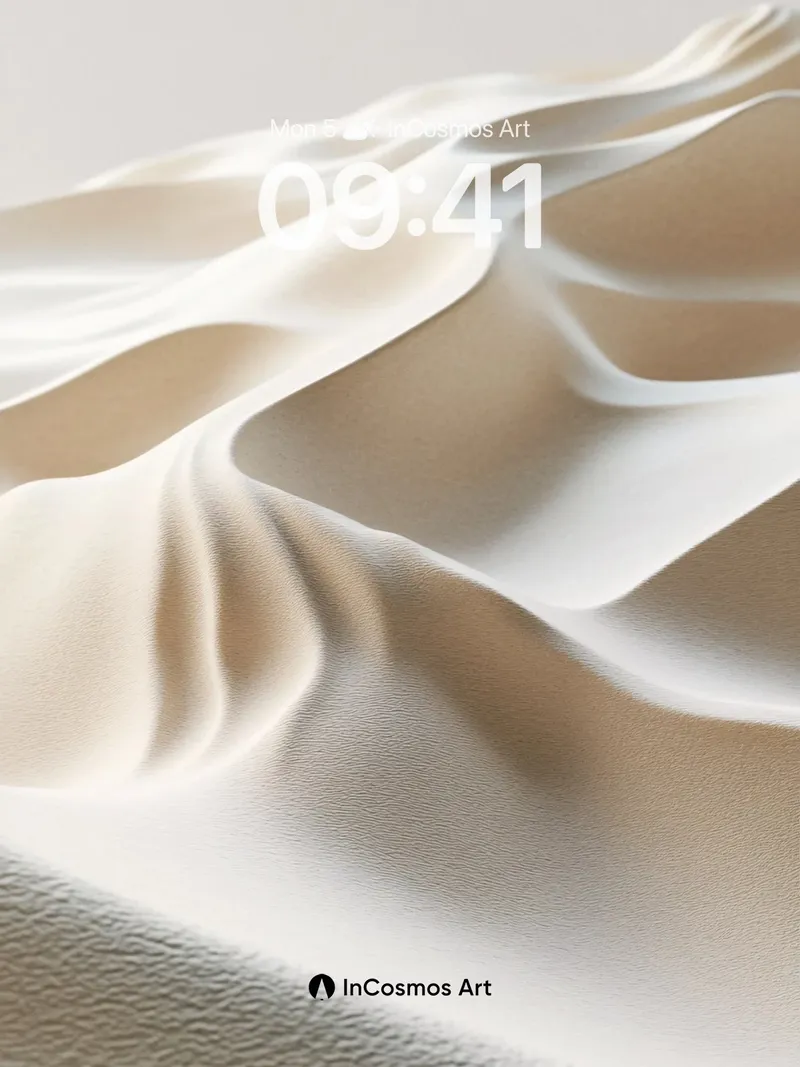
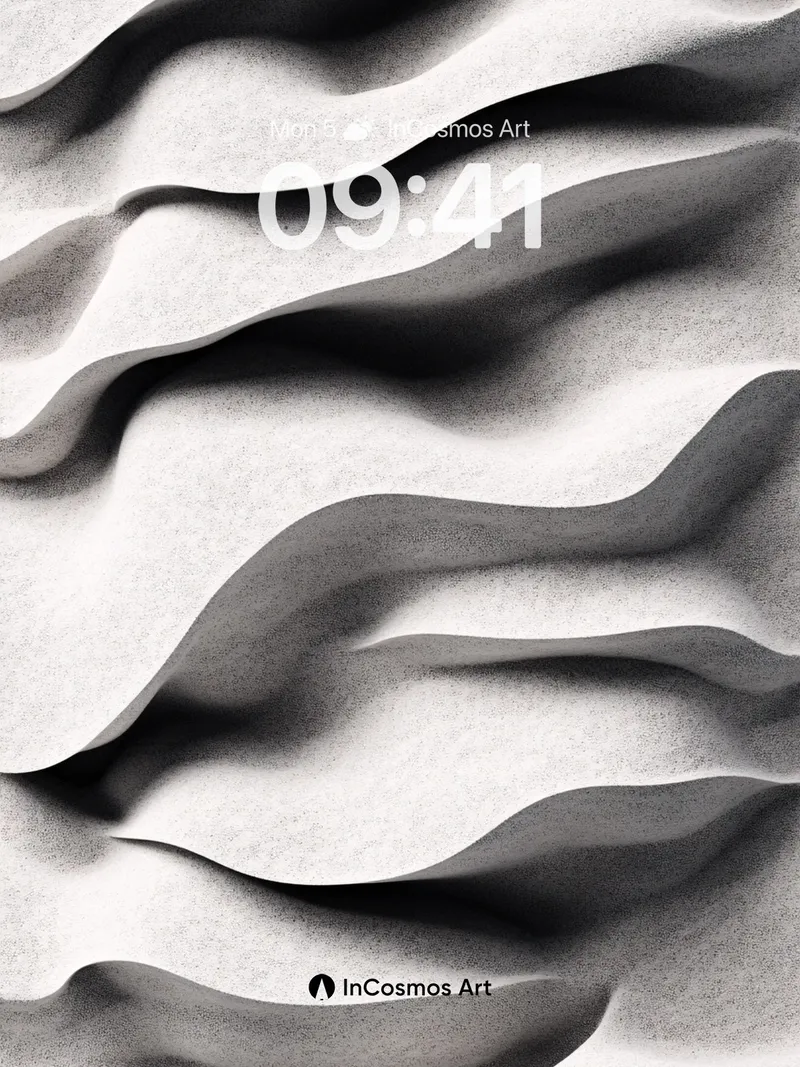
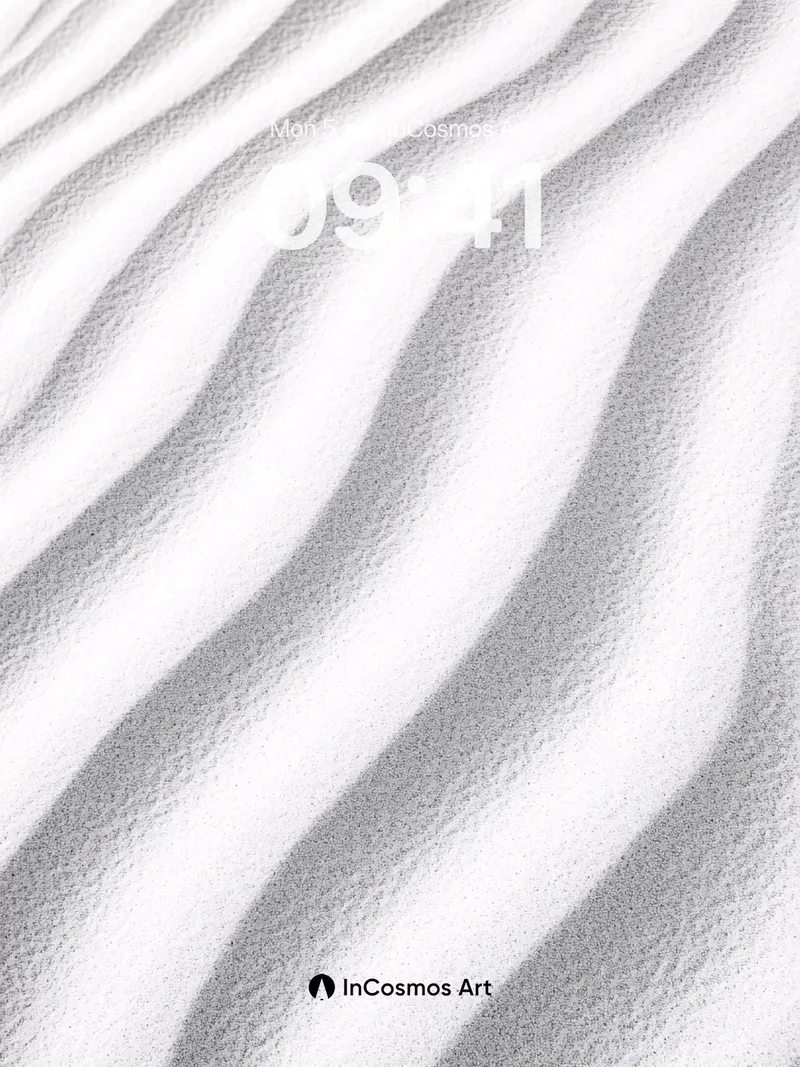
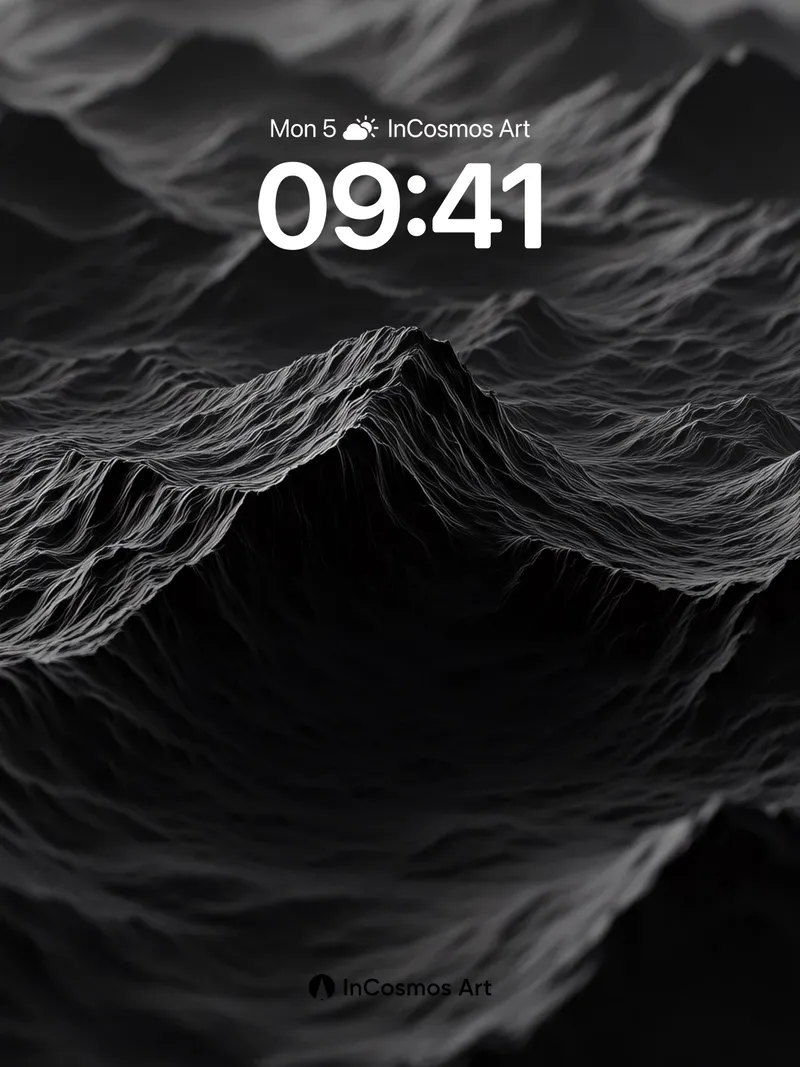
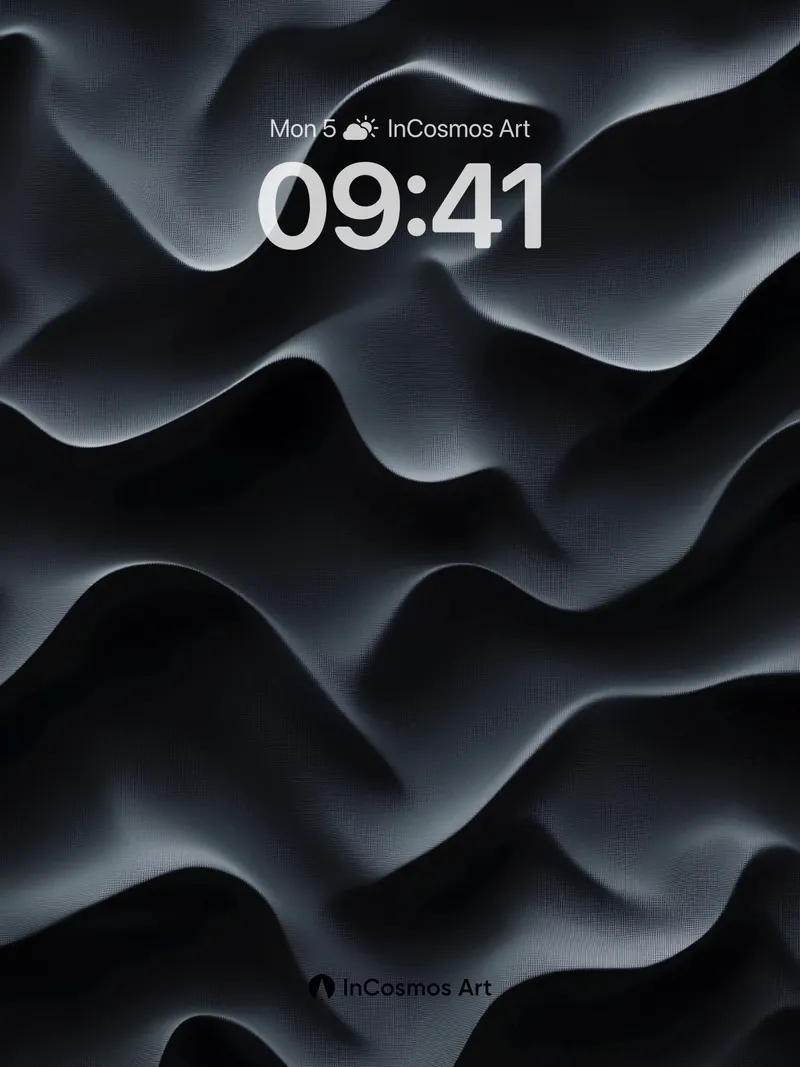
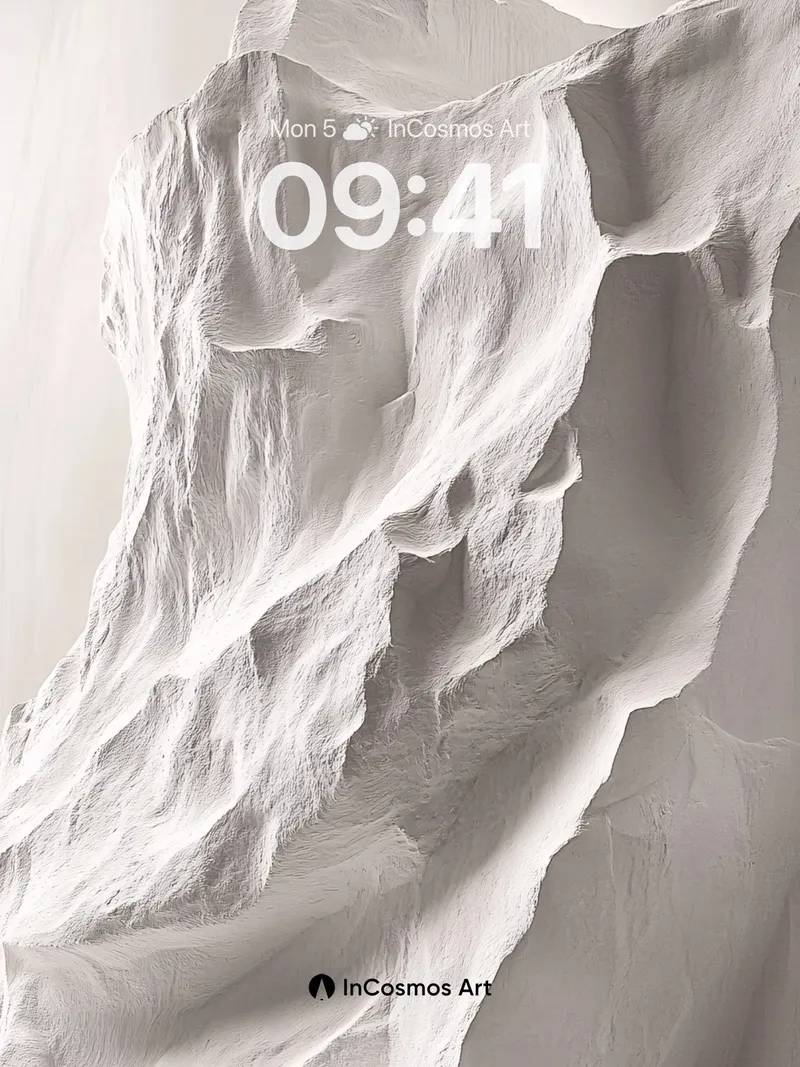
Wind etches patterns into the earth, grains shifting with currents, forming silent rhythms. These forms are not random, but shaped by time and environment in tandem. They carry no words, yet convey a deep sense of order—as if the land whispers back to sky’s stillness. Each curve is a fleeting equilibrium; every shift of light confirms presence. This is more than terrain—it is nature made visible philosophy.
The Flow of Sand and Weight of Time
Grains accumulate under unseen laws—wind direction, moisture, gravity—forming dynamic stability. This balance is not stillness, but constant transformation. Dune contours reshape, then freeze into new silhouettes. Their existence reminds that change itself is constancy. Humans define borders, but dunes resist fixity, accepting only fluid definition.
Poetics of Light and Shadow
Light strikes curved surfaces, creating contrast that gives depth to space. Shadows are not absence, but integral structure. Between highlights and darks lies subtle tension, like breath’s rhythm. This visual cadence evokes deep resonance. Without color interference, form becomes sole language—pure and potent.
Nature's Abstraction
When stripped of function, nature reveals near-artistic abstraction. Dune waves echo fluid designs in modern architecture. Not imitation, but shared aesthetic DNA manifesting across media. Humanity seeks geometry to understand the world, yet nature has long written the cosmos in curves.
Power in Silence
These forms do not shout, yet hold immense energy. They quietly resist erosion, slowly rebuild themselves. This enduring resilience is quiet defiance. In a society obsessed with speed and output, dunes offer inverse wisdom: true strength comes from patience, reverence for process.