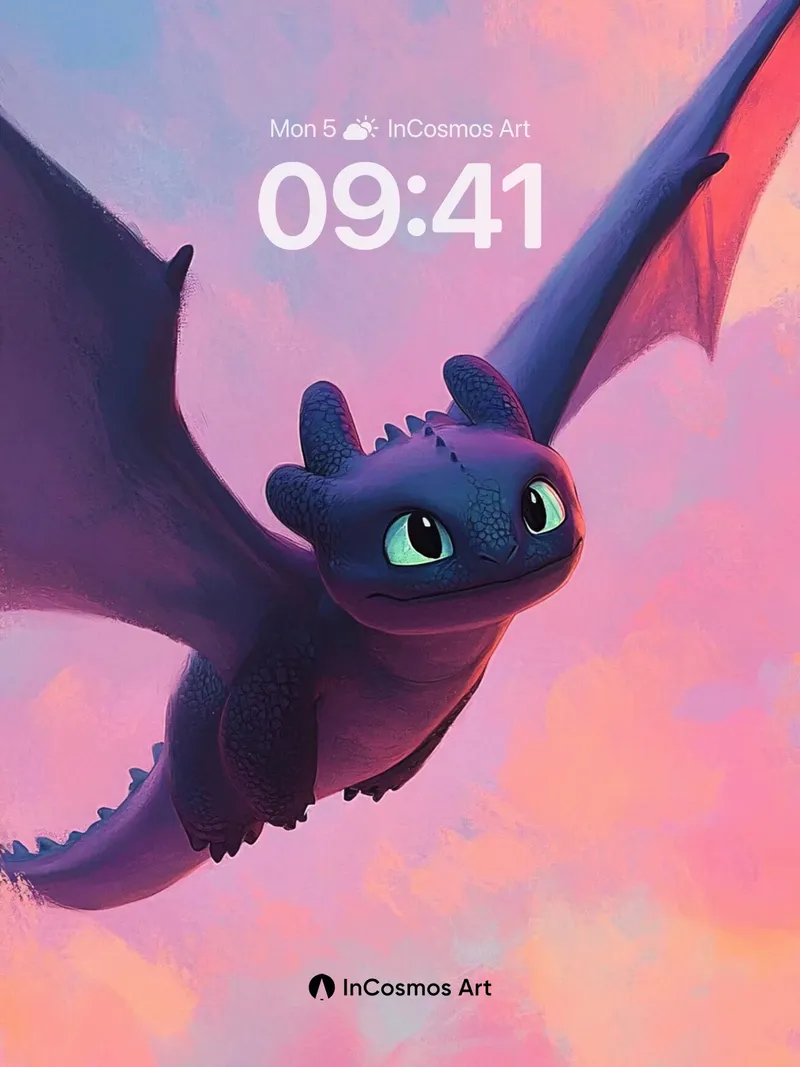
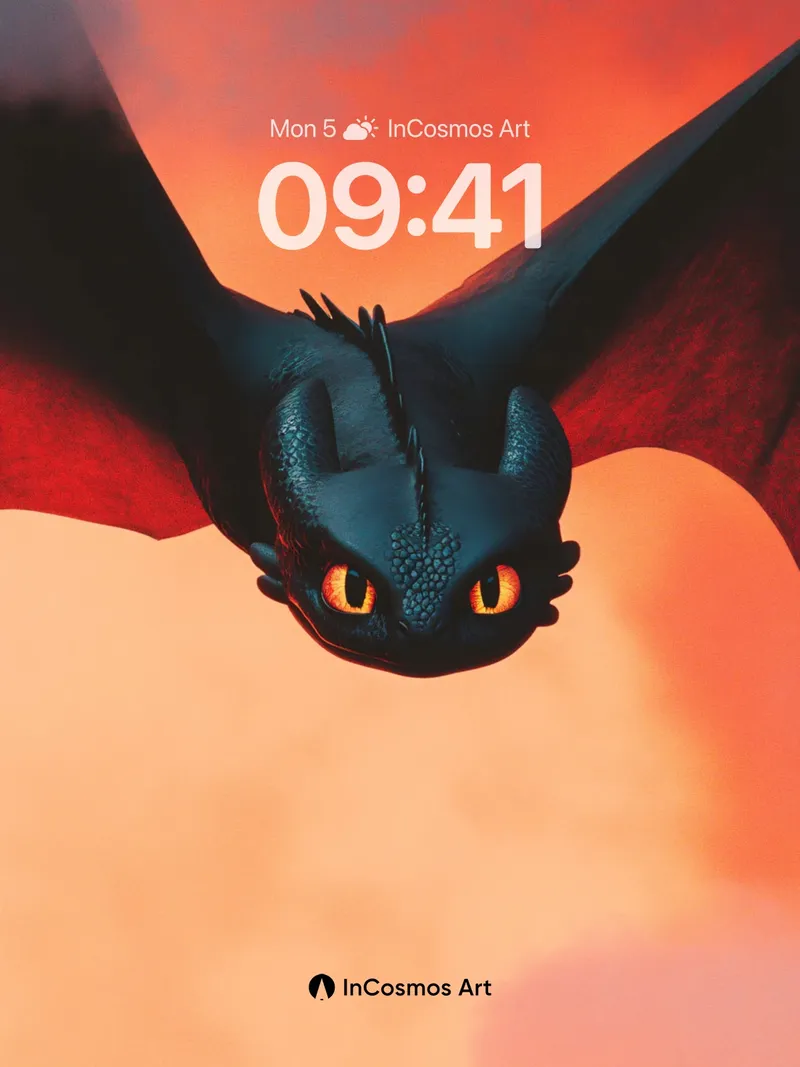
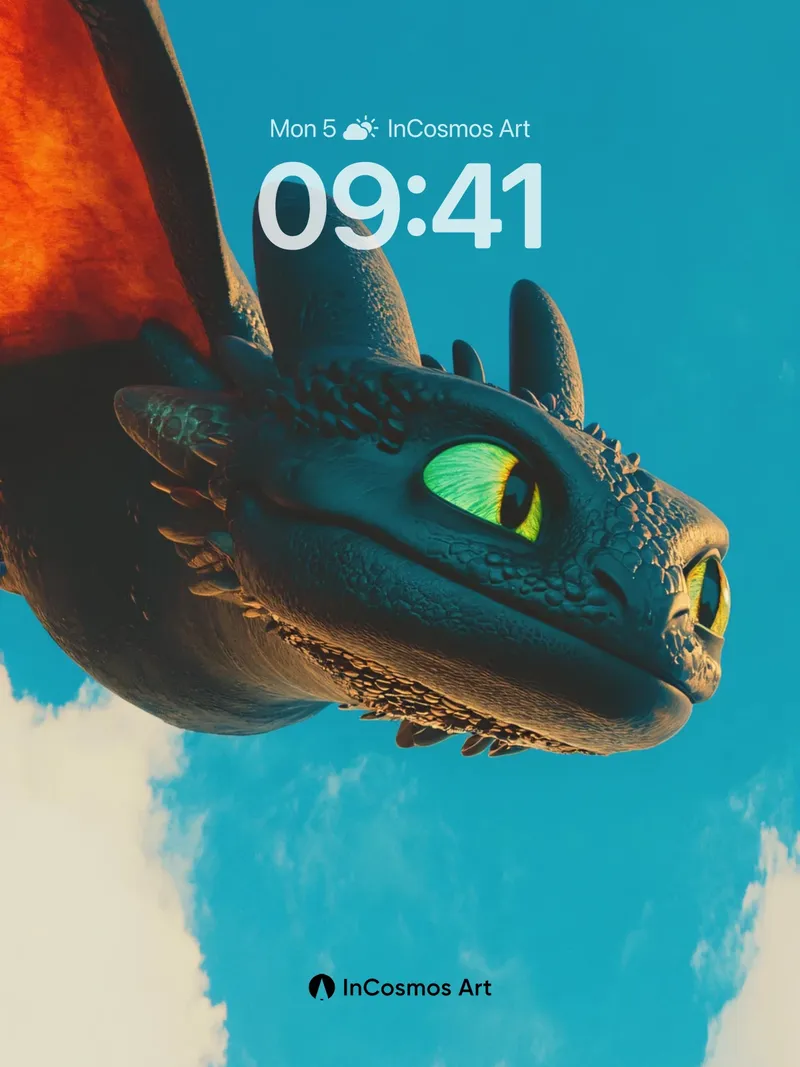
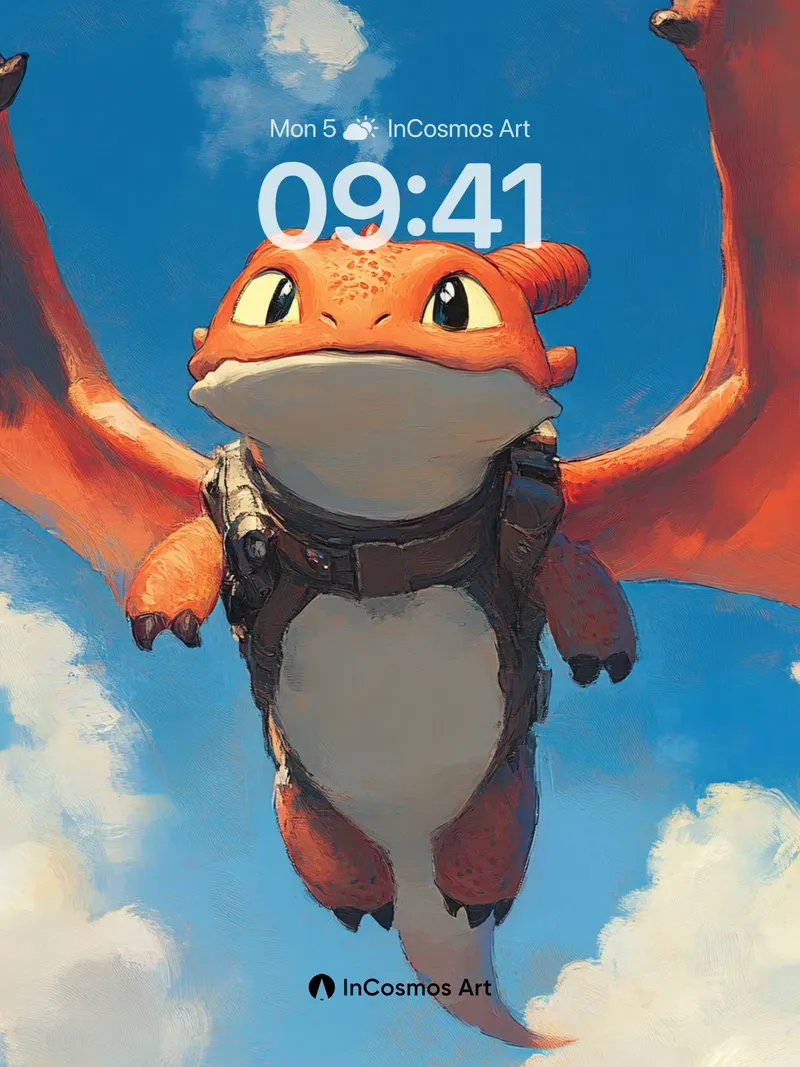
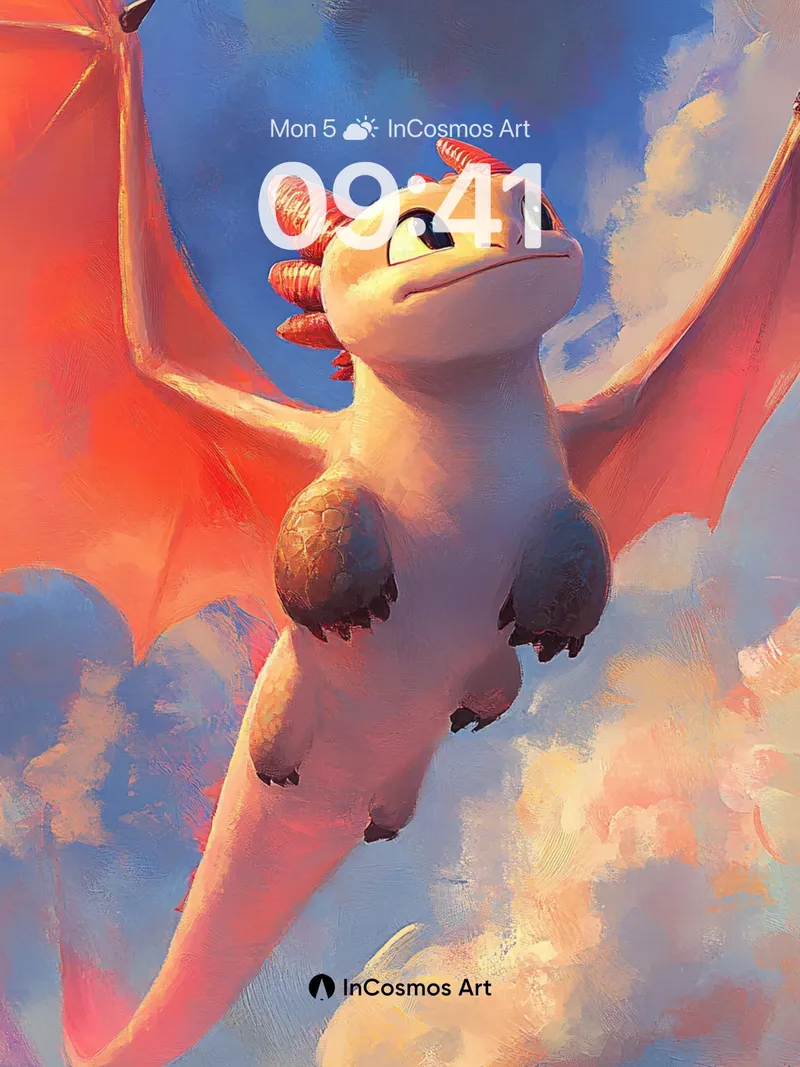
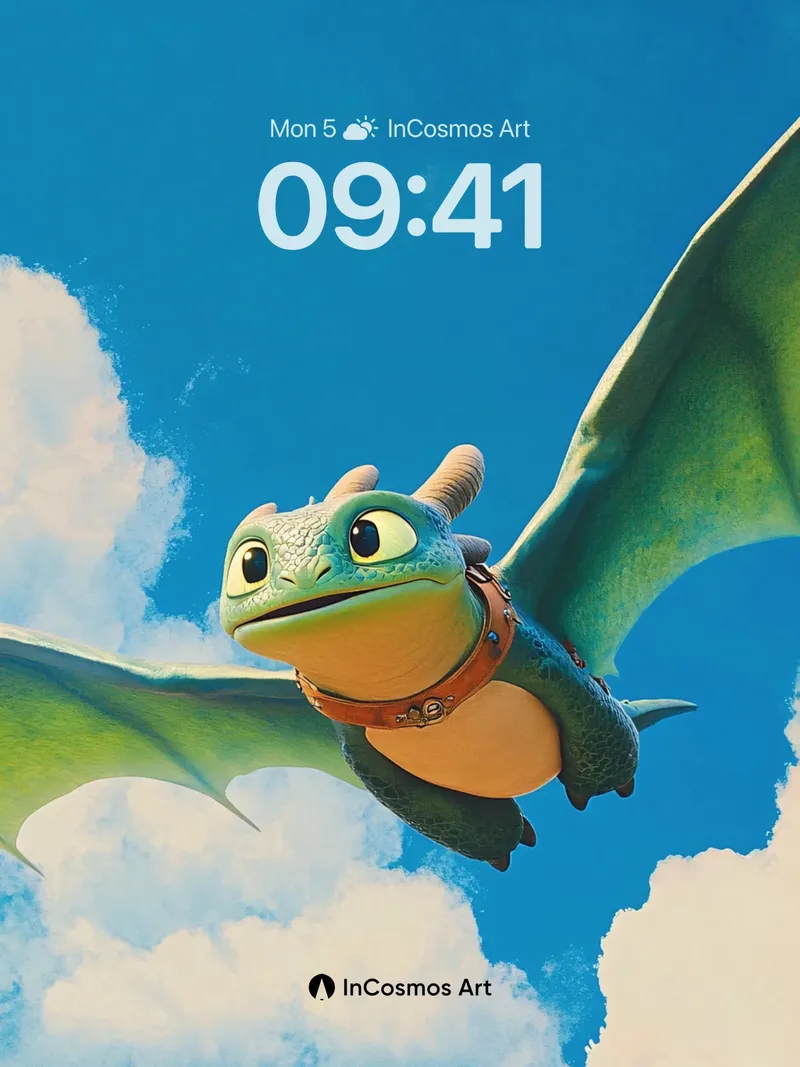
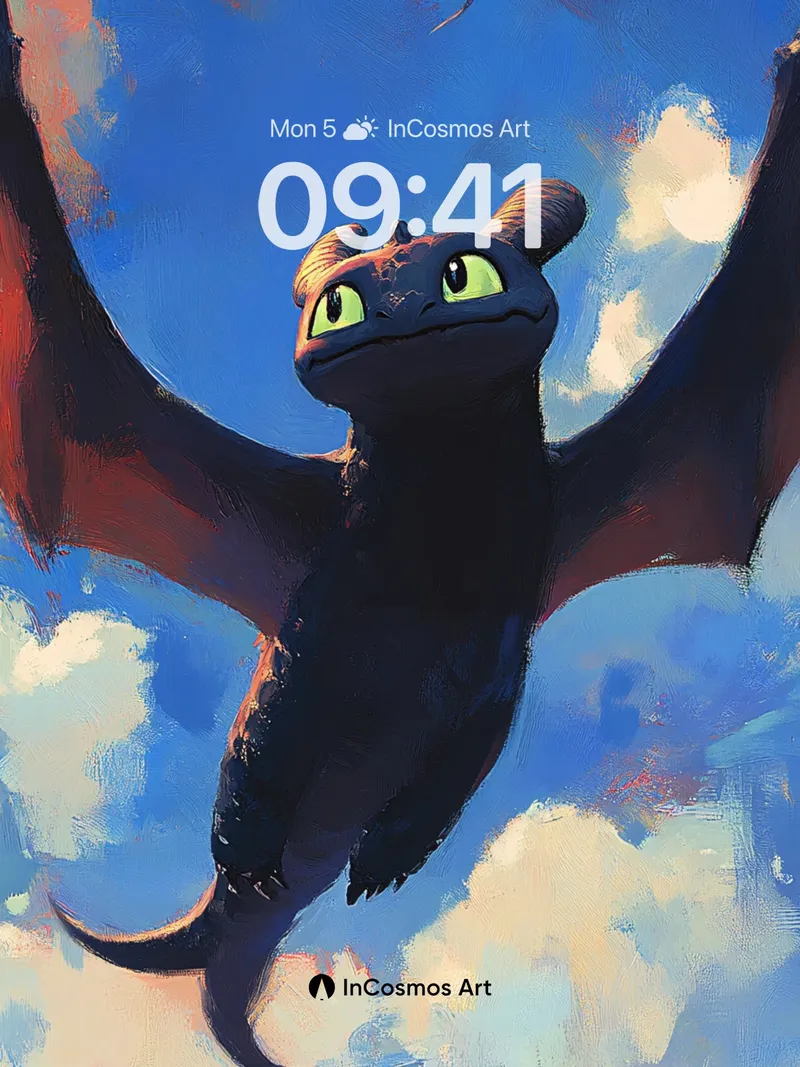
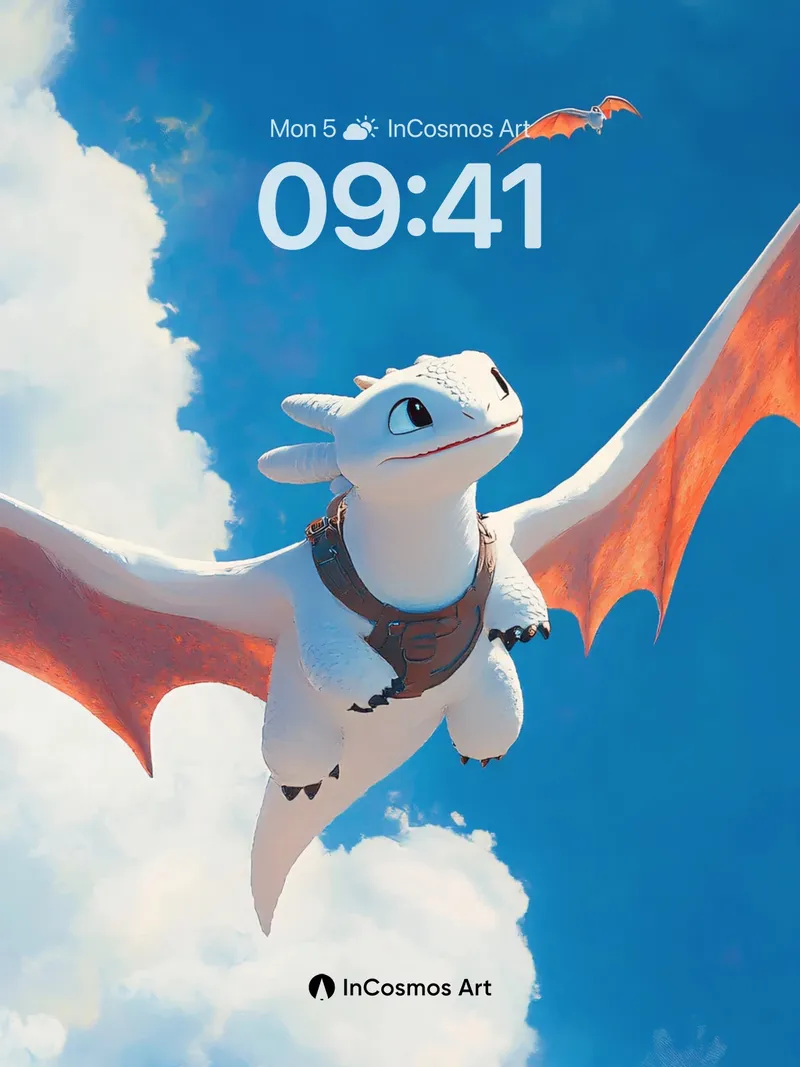
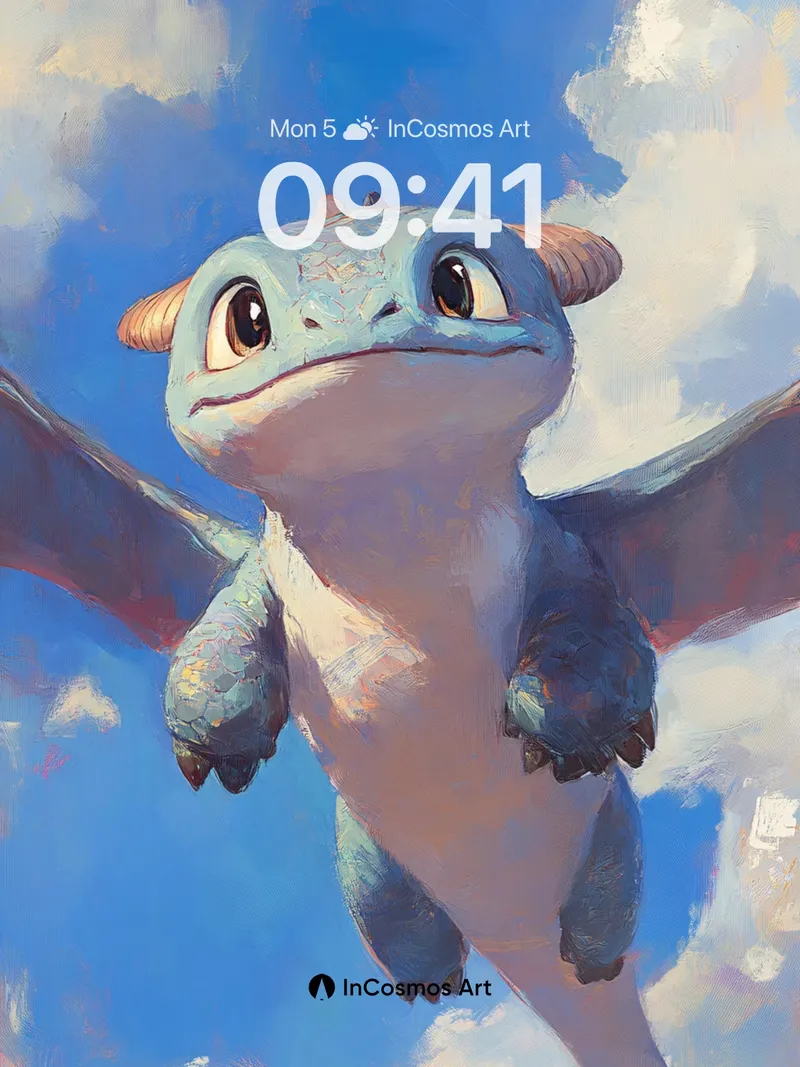
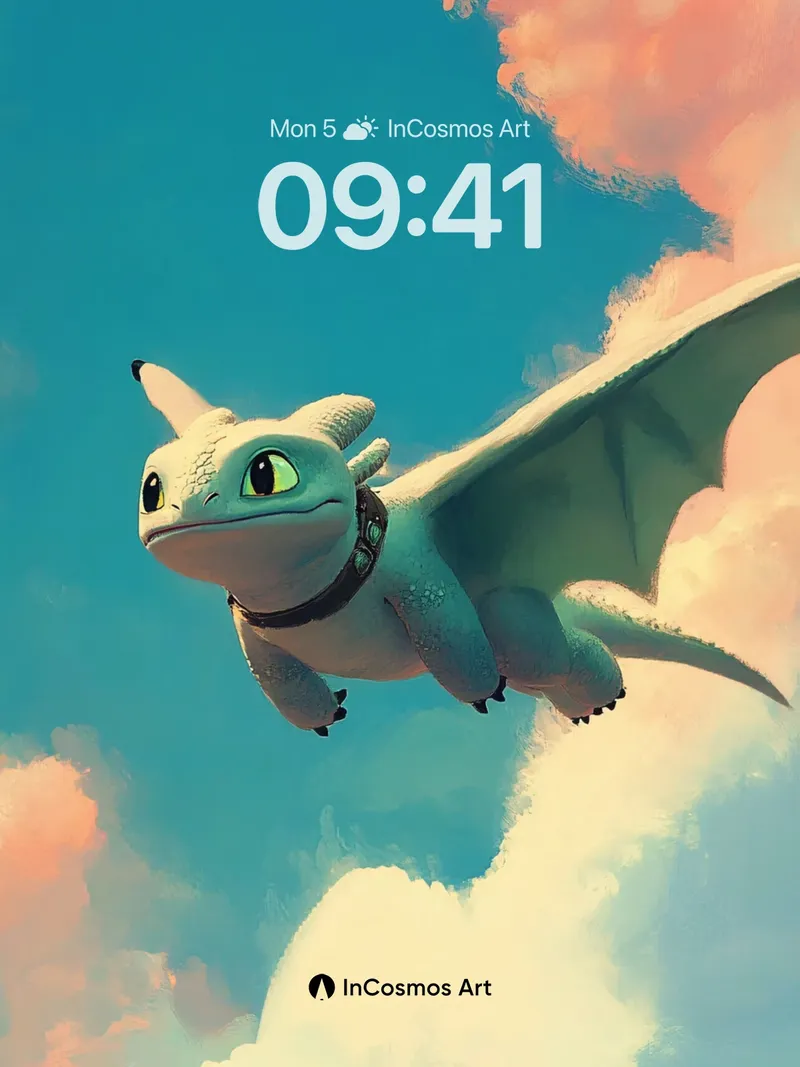
Beneath the sky, the moment wings unfurl becomes a silent language. These creatures are not merely tools of flight—they embody companionship, trust, and shared growth. Every wingbeat traces the wind's path; each flap carries the deep connection between human and non-human. Their presence transcends species boundaries, becoming vessels for emotional projection, reflecting the human yearning to find belonging amid isolation. Flight is not escape, but an active embrace of the world.
Flight as Metaphor
The act of flying holds layered meaning. It is not only physical movement but also an externalization of psychological states. When characters ascend into the sky, they simultaneously break free from gravitational constraints—symbolizing liberation from rules, fear, and identity limitations. The dragon’s flight trajectory often mirrors the protagonist’s developmental arc, evolving from clumsy attempts to graceful mastery, reflecting the internal construction of confidence. This dynamic transformation forms the most compelling rhythm in storytelling.
Visual Language of Emotional Bonding
The unspoken rapport between rider and dragon communicates through gaze, posture, and motion. Their pupils shift color with emotional fluctuations; wing movements echo heartbeats. This nonverbal exchange mechanism strengthens the possibility of cross-species empathy. Viewers naturally enter this intimacy, experiencing a primal and pure resonance that requires no explanation.
Color and Environment as Emotional Codes
Sky color palettes in different scenes carry distinct psychological cues. Bright blue skies signify hope and exploration; orange-red sunsets denote departure or transition; soft pink-purple twilight suggests gentle change. Cloud density and flow direction further shape atmospheric tension. These design elements are not decorative—they are integral to emotional narrative, guiding perception of inner shifts.
Modern Reimagining of Childhood Fantasy
Though rooted in Norse mythological archetypes, the expression is profoundly modern. Dragon designs blend cartoon aesthetics with realistic textures, maintaining charm while achieving believability. Details like saddles and armor reflect a fusion of technology and nature, suggesting a future that honors tradition. This hybrid style captures the essence of contemporary youth culture: nostalgia coexisting with innovation.