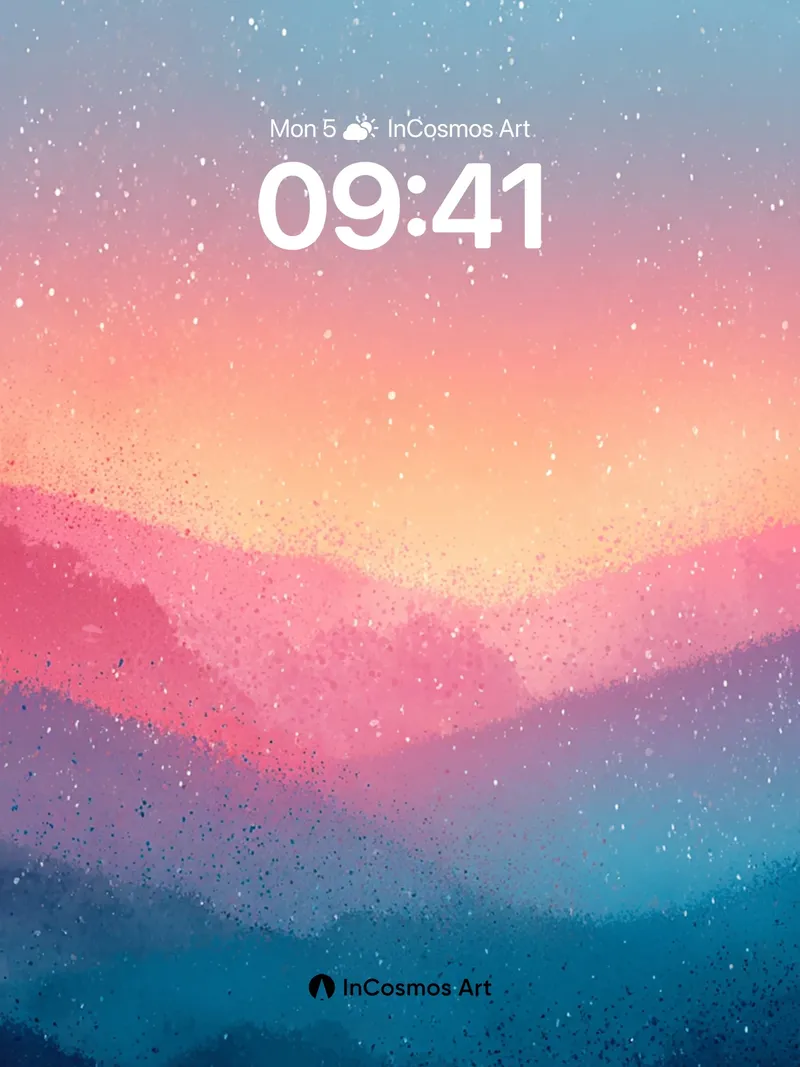
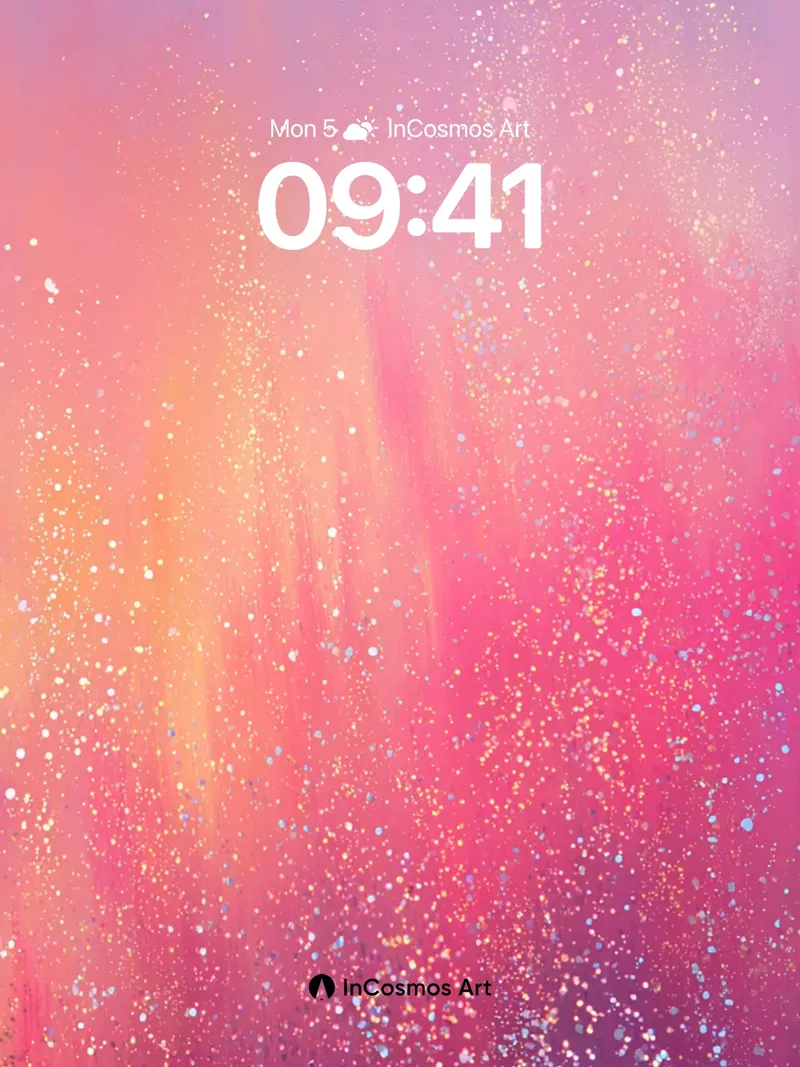
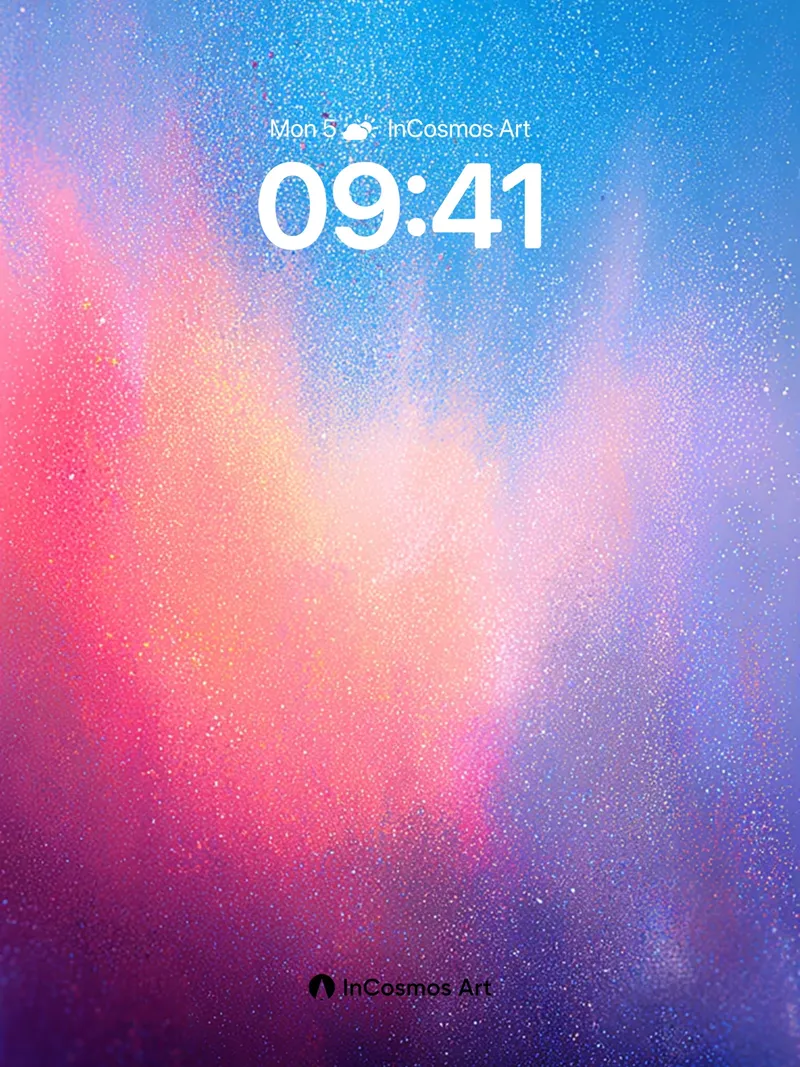
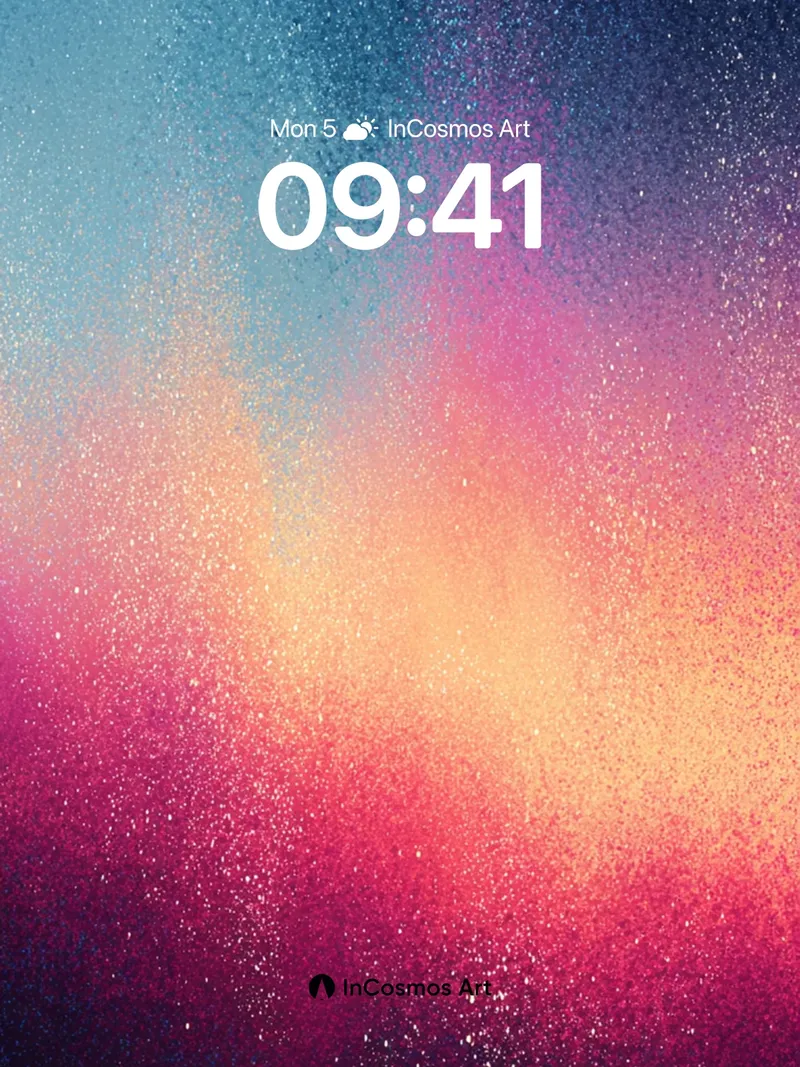
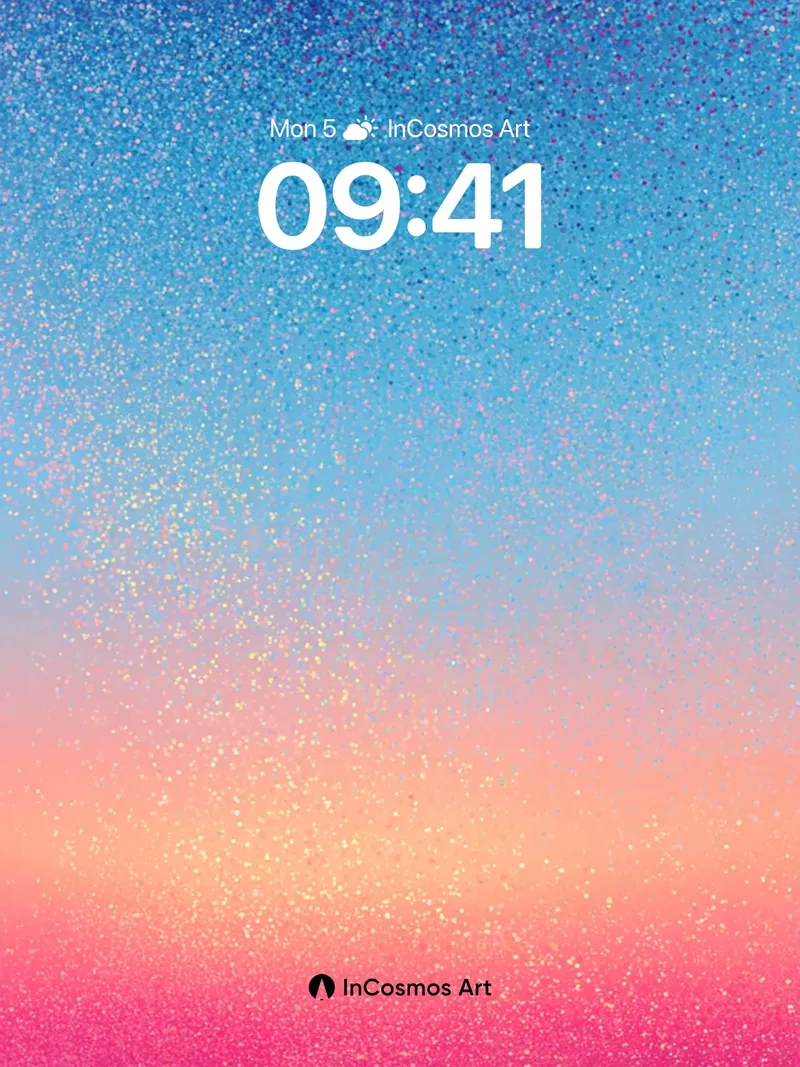
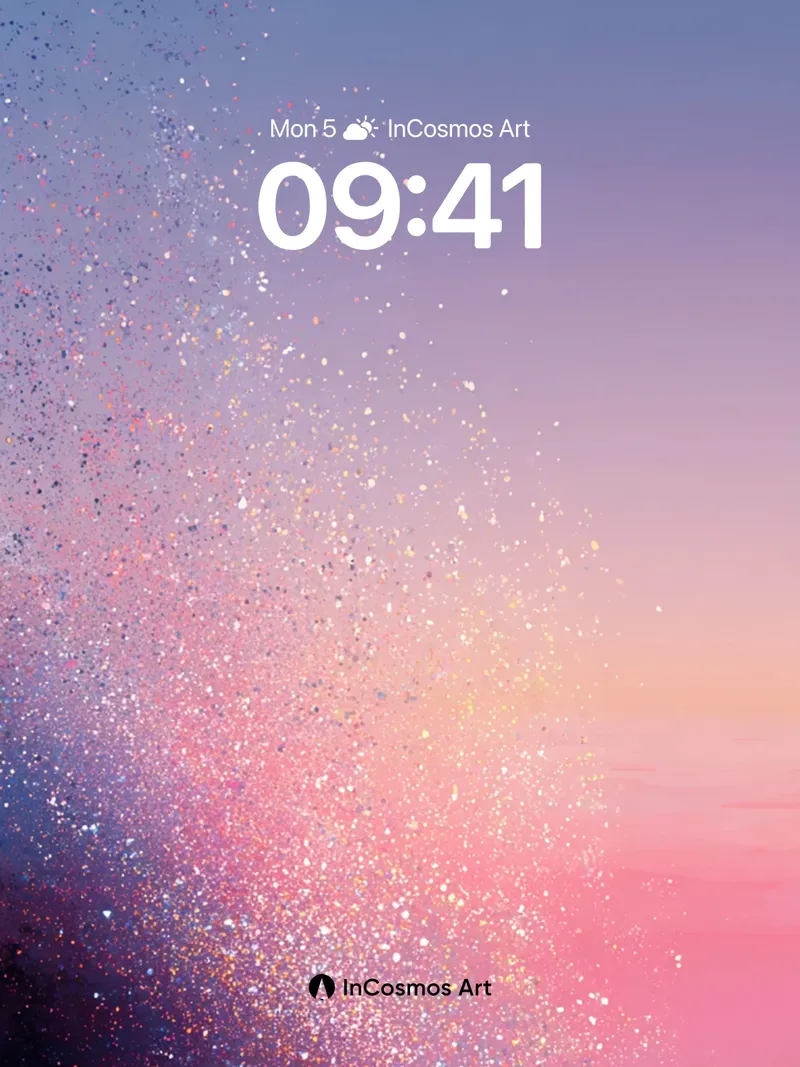
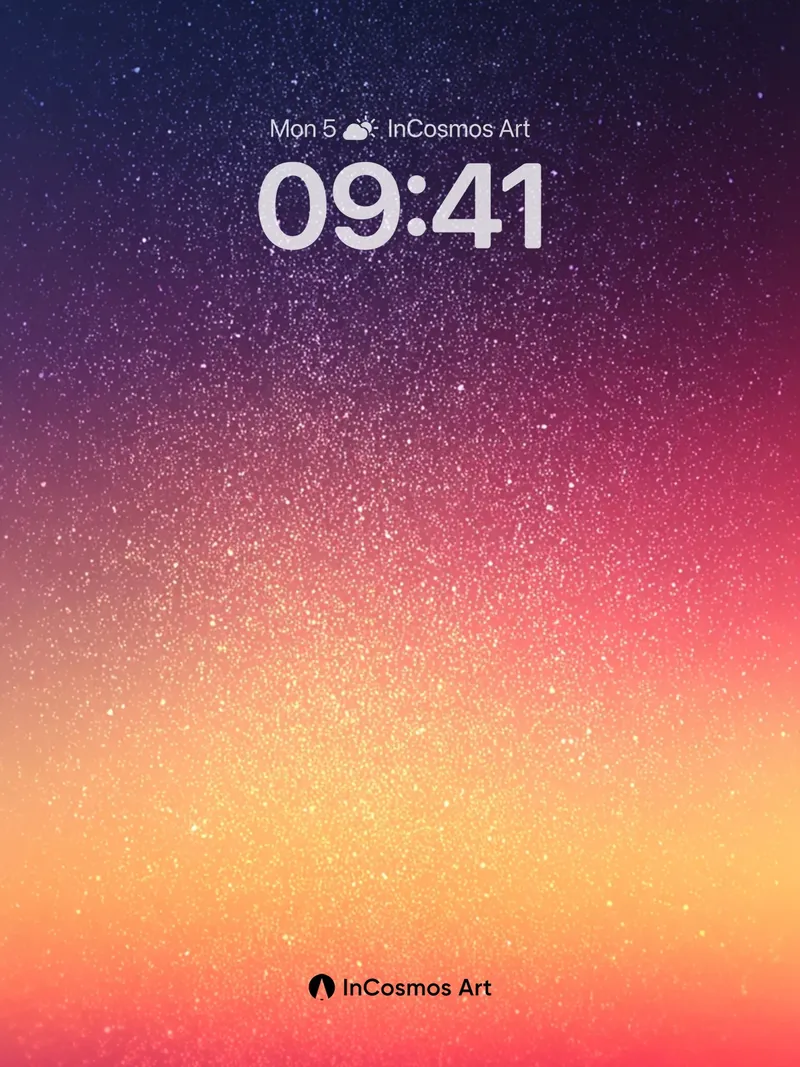
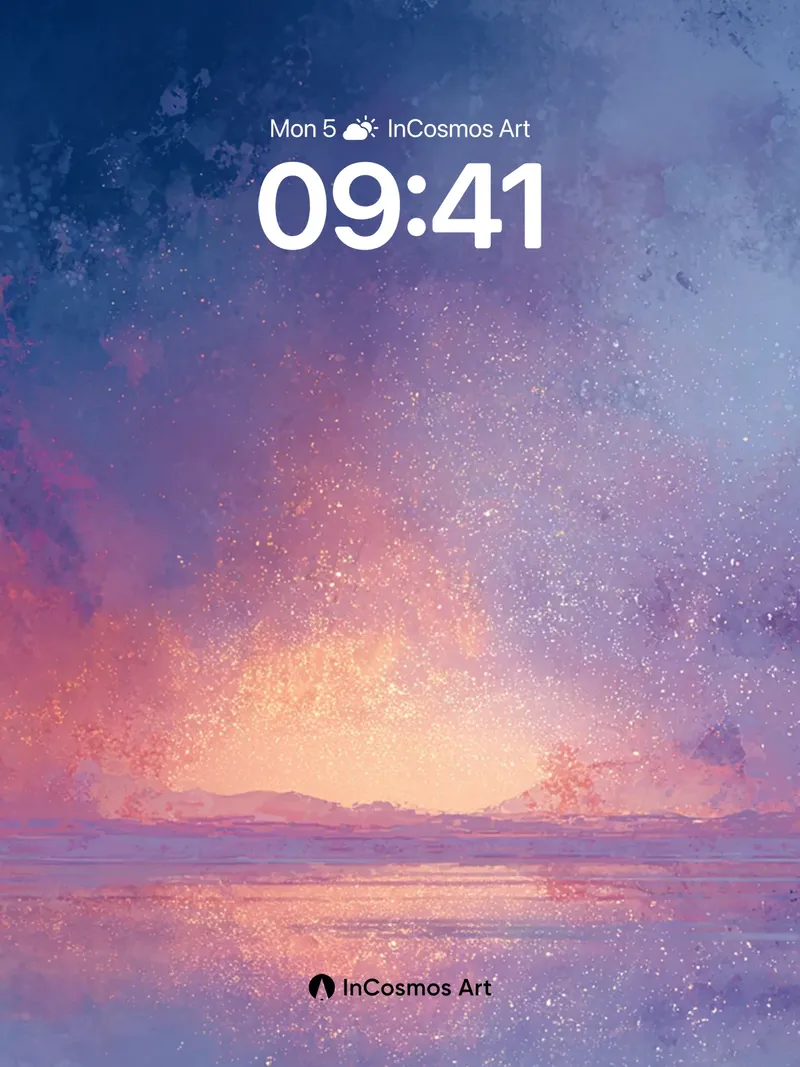
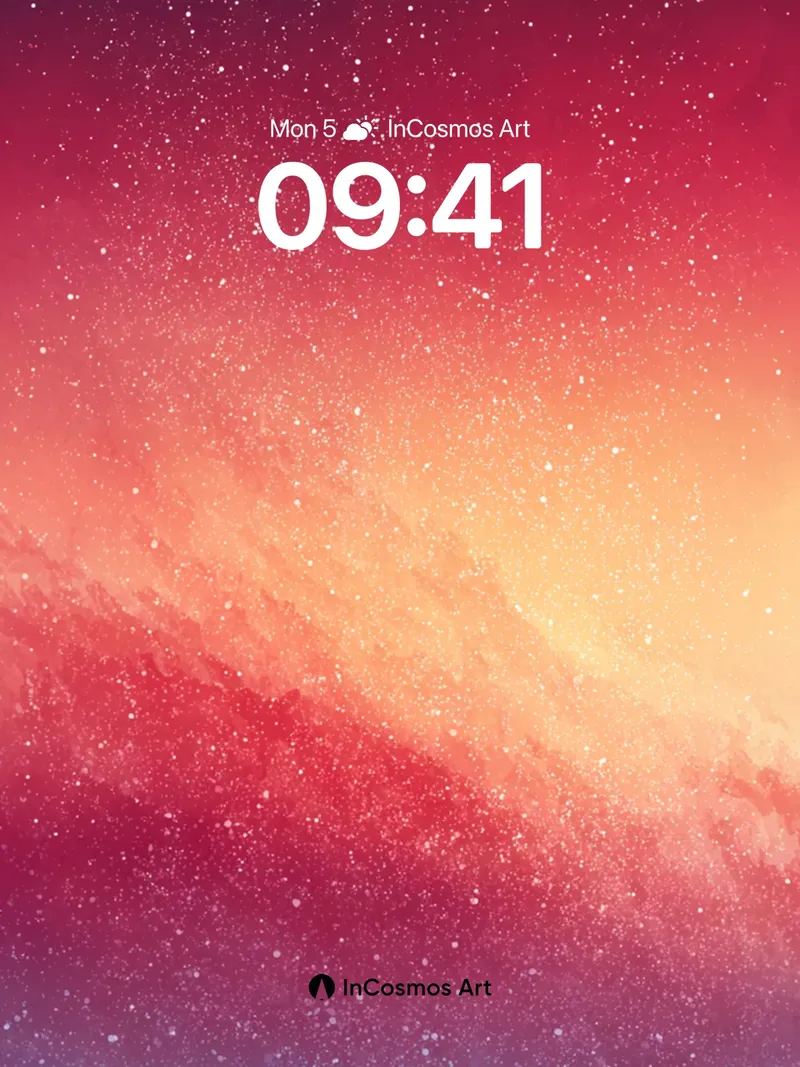
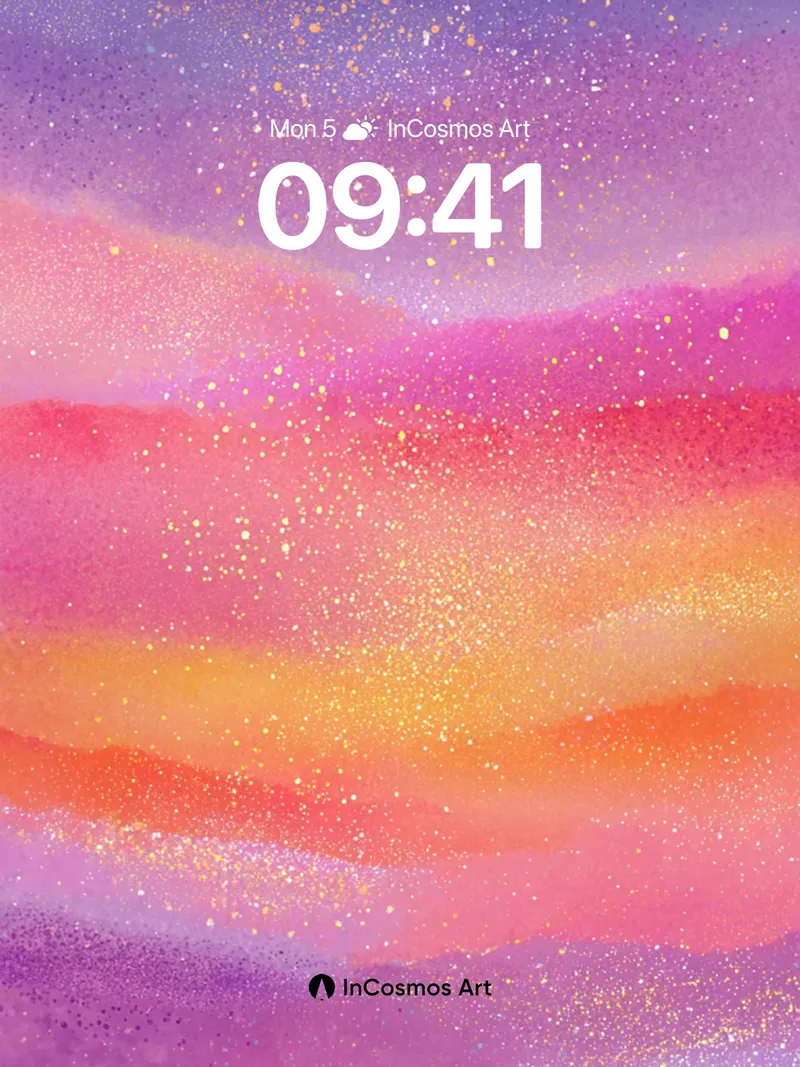
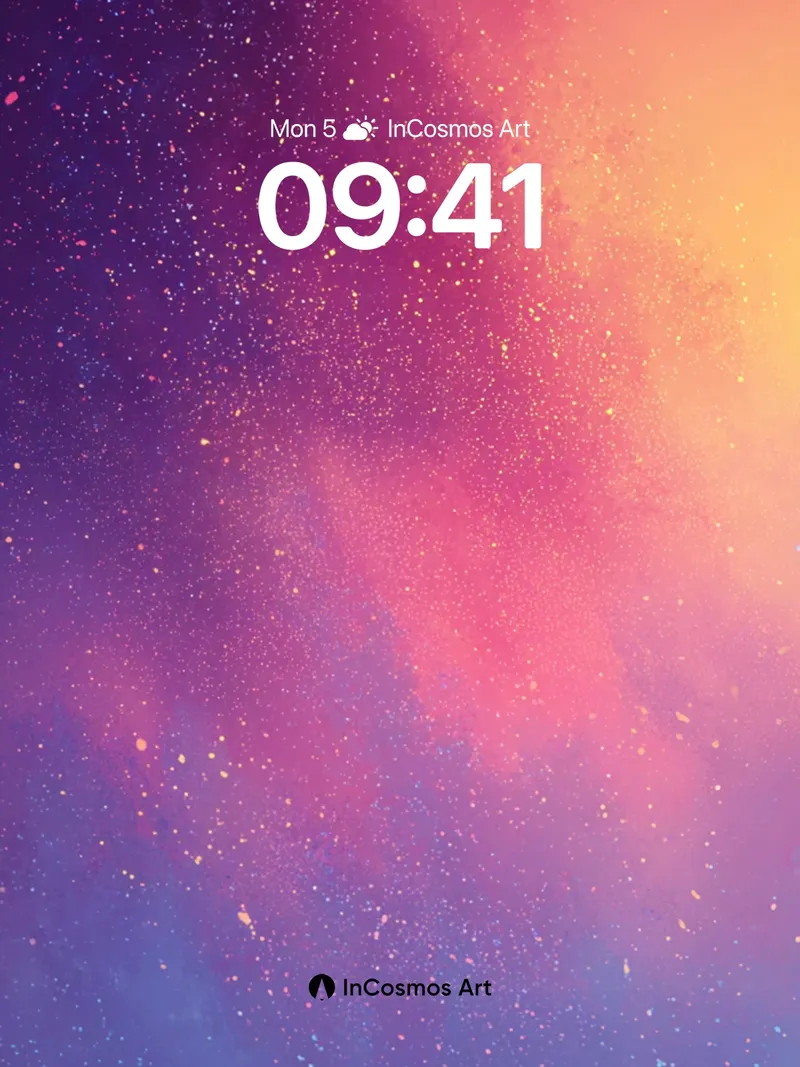
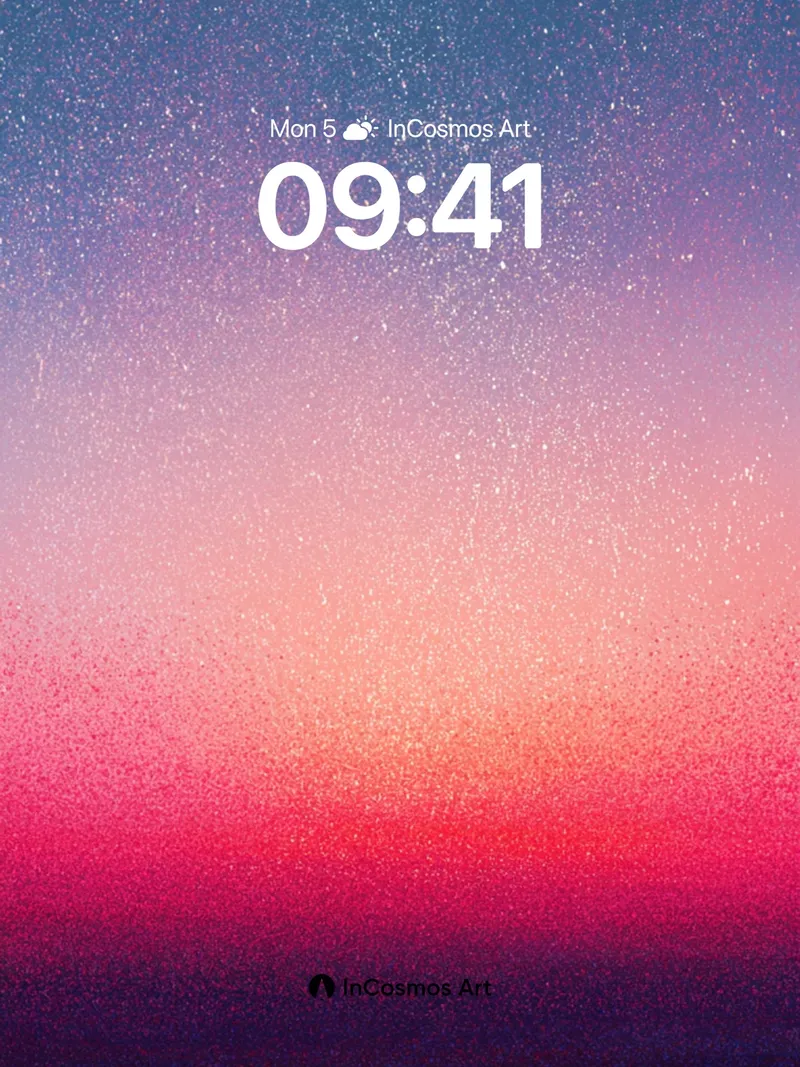
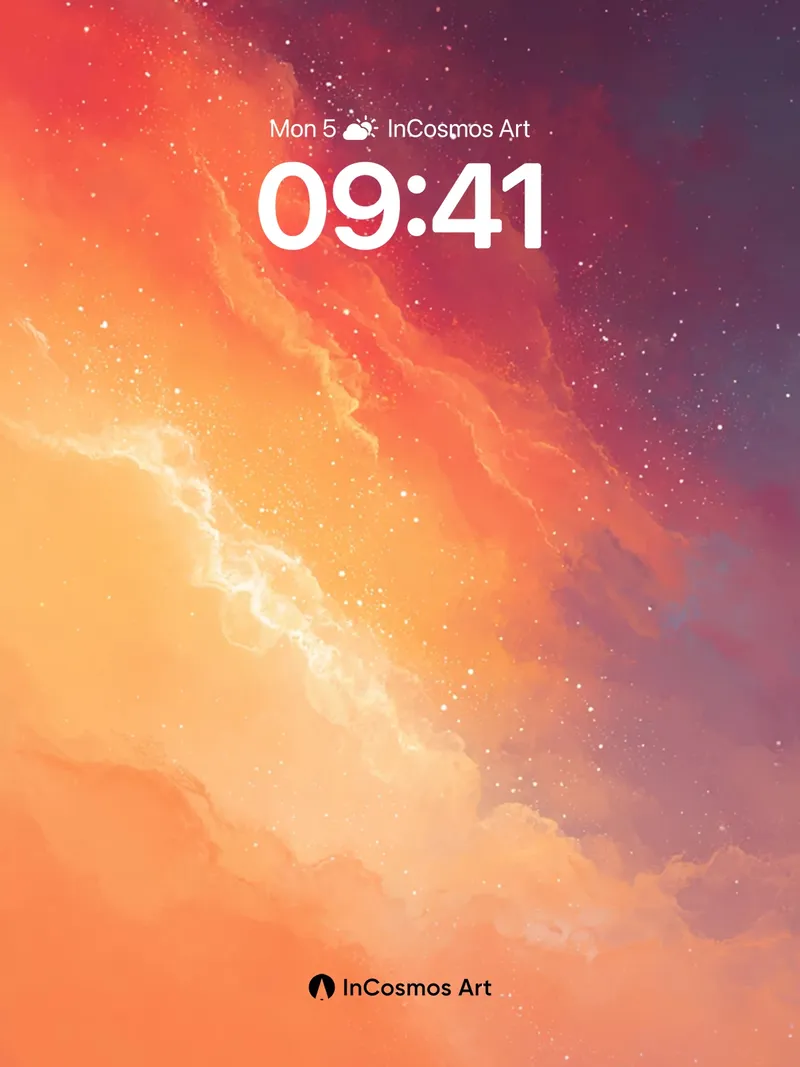
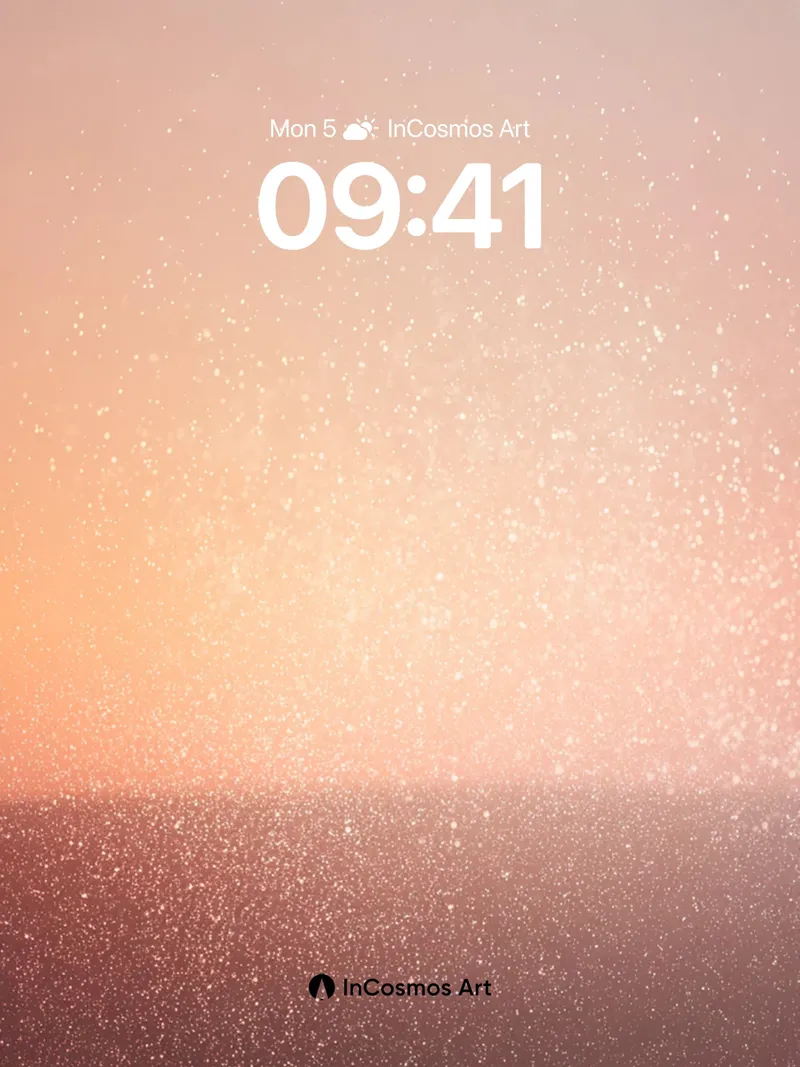
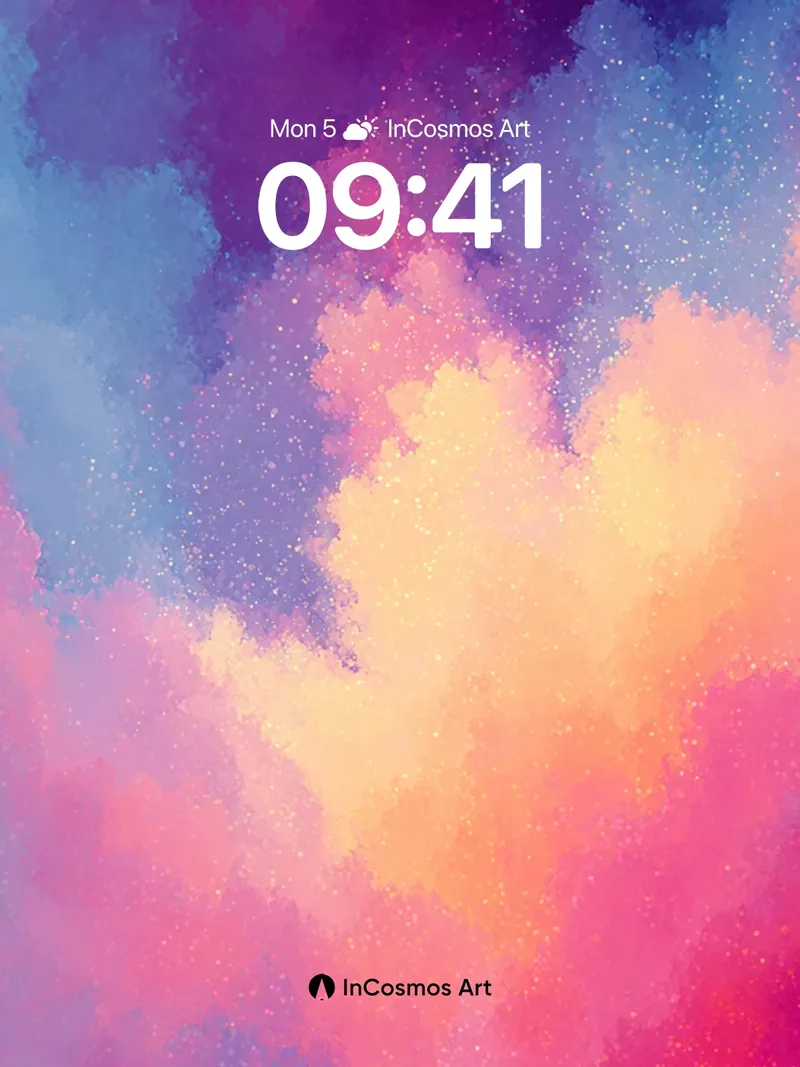
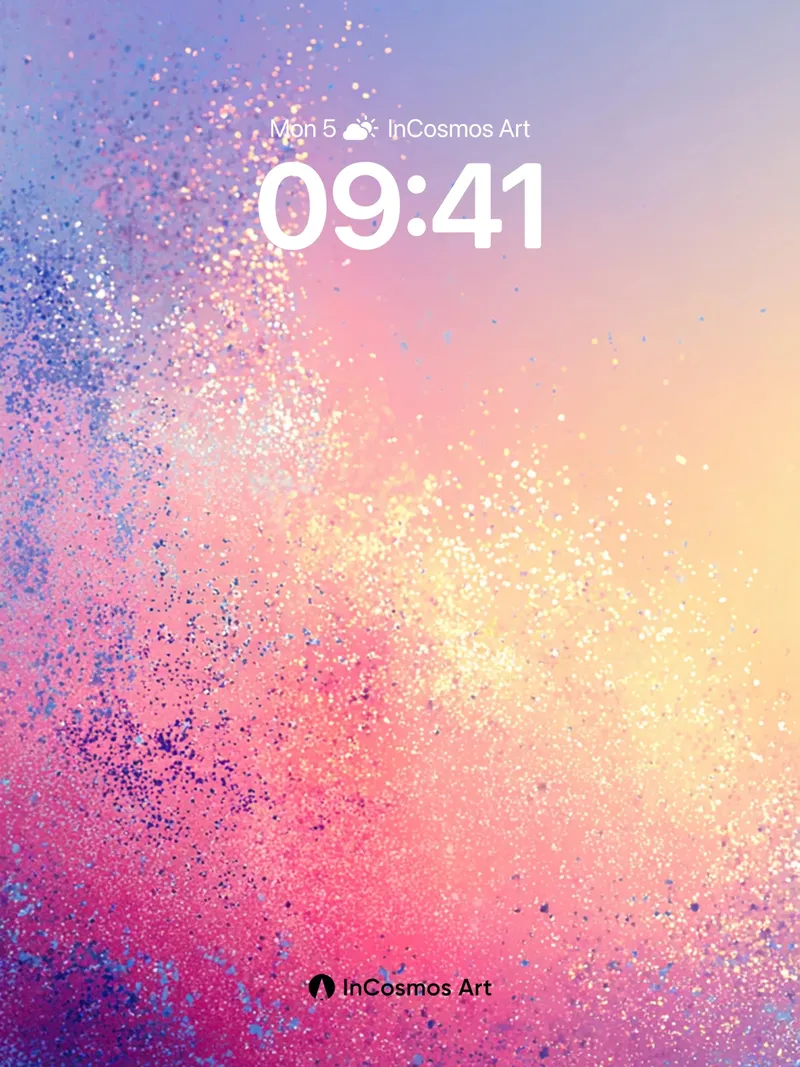
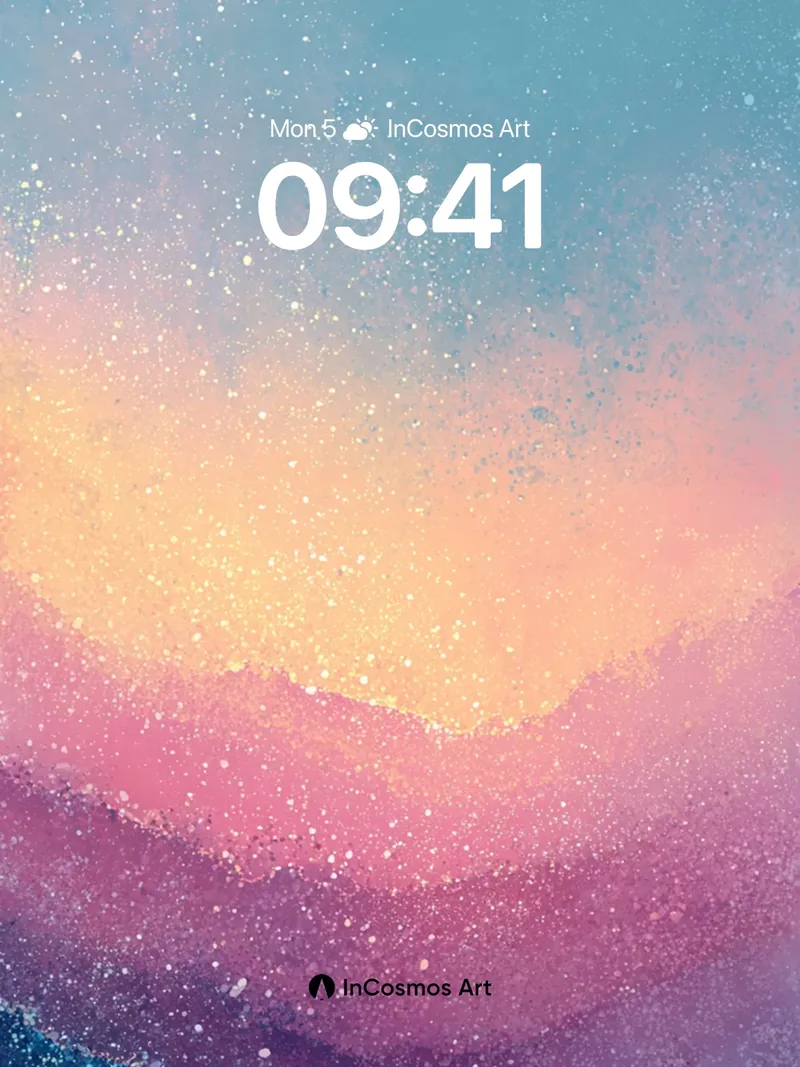
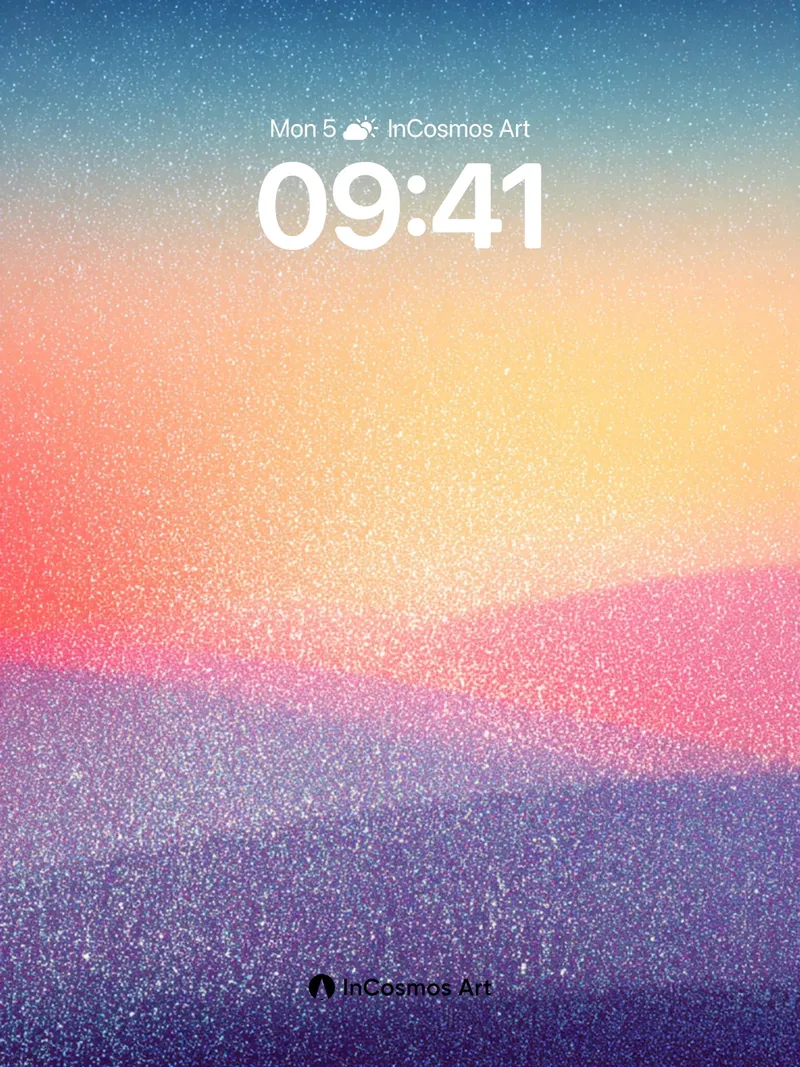
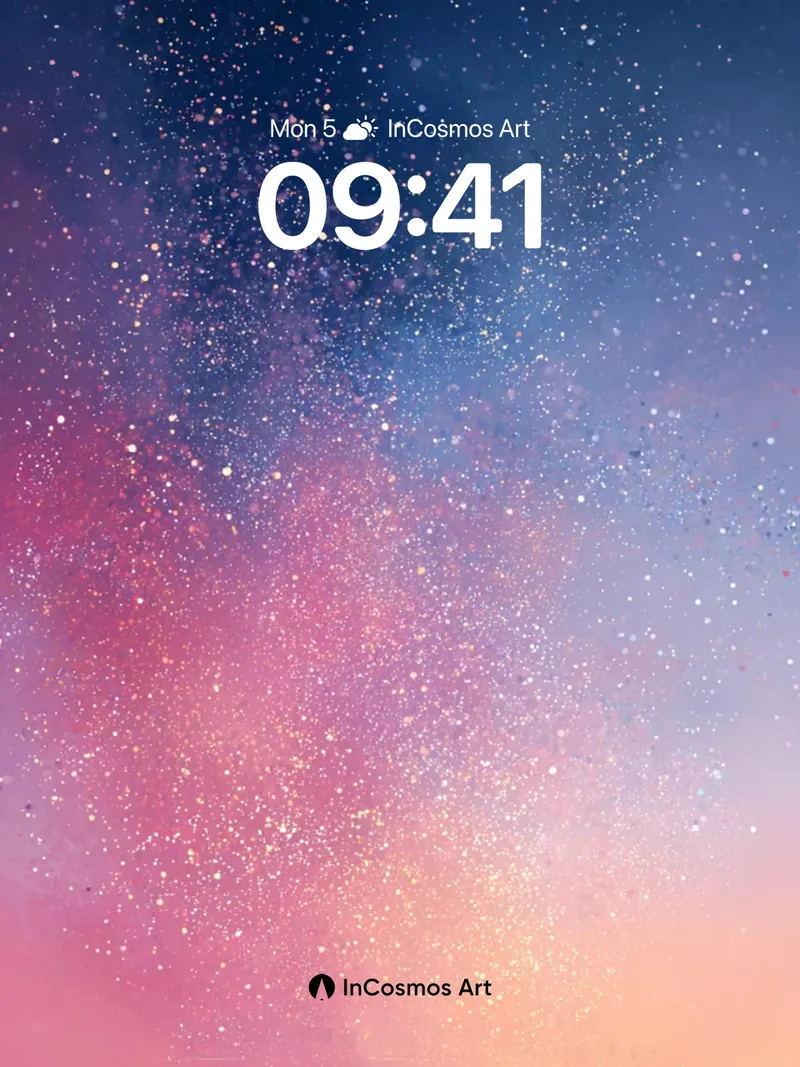
At the edge of digital space, color ceases to be a reflection of physical reality and becomes an embodiment of emotion. As blue-purple gradients saturate the horizon and pink-orange hues blend along the skyline, light particles flow like breath, initiating a silent dialogue in the unseen. These compositions are not reproductions of nature but collective projections of human longing for distance, solitude, and belonging. They translate modern emotional fluctuations—yearning for connection yet fearing intimacy, desiring freedom while relying on structure—into soft transitions and shimmering glimmers, resembling whispers from deep space that remind us existence itself is a poetic resistance.
The Metaphor of Color
The progression from deep ocean blue to aurora purple and molten red signals psychological shifts. Between cold and warm tones, individual positioning between self and other is redefined. Blue signifies calm and detachment; red embodies passion and impulse; pink acts as a transitional zone, holding ambiguity and tenderness. This layered structure mirrors the complexity of emotional expression in contemporary society: people no longer speak directly about love or pain but transmit inner oscillations through indirect symbols.
Narrative of Light Particles
Scattered points across the scenes resemble data fragments in information streams or fleeting moments in memory. They do not form clear paths but create dynamic visual trajectories, guiding viewers into a meditative state. Each particle could represent an unfinished conversation, an unfulfilled greeting, a silent farewell. In an era of rapid transmission, these 'residual signals' become the most authentic carriers of emotion because they resist integration, preserving fragmented wholeness.
Digital Habitation
As the physical world grows denser, virtual landscapes emerge as mental sanctuaries. These algorithm-generated vistas, though intangible, carry greater emotional density than real mountains or rivers. They offer a tunable environment where individuals can adjust their emotional frequency. Without weather changes or terrain constraints, only aesthetic continuity exists. This 'habitability' is not physical but psychological—a temporary island for the soul to dock.
Topology of Emotion
Space here is recoded as an emotional map. Mountain contours mirror inner turbulence, sky gradients reflect temporal passage, and light distributions suggest social networks. Together, these elements construct a perception system beyond geography, allowing viewers to recognize familiar emotional silhouettes in abstraction. It is not representation but reconstruction—externalizing internal experience into visible forms to achieve cognitive self-affirmation.