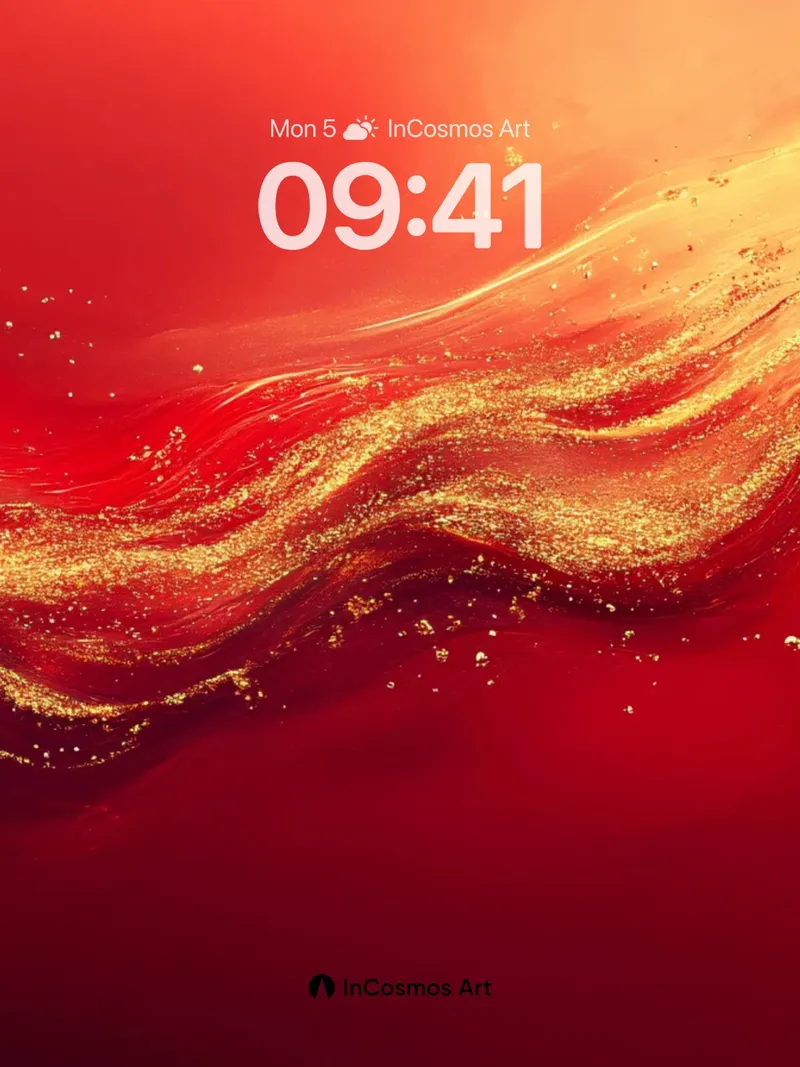
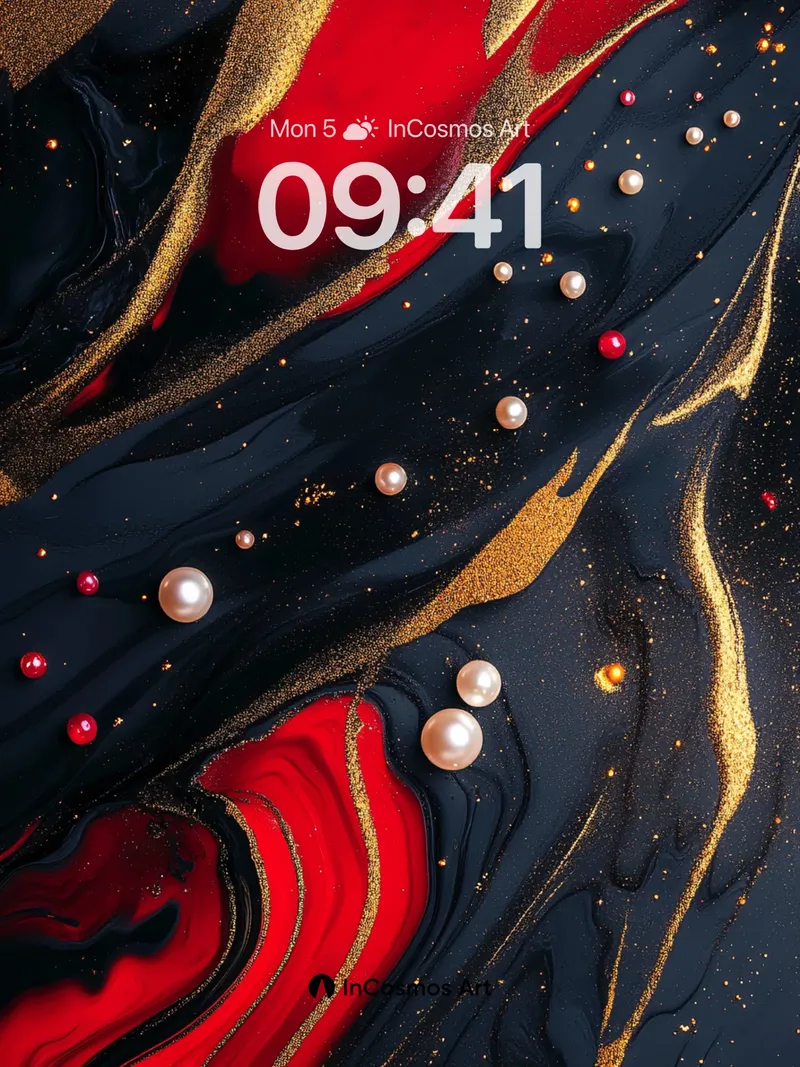
Red and gold stretch across space, resonating like blood and light in motion. They are not static hues but traces of time, continuations of ritual, echoes of cultural memory in a modern context. Each flowing line carries an unspoken order, a rhythm both ancient and alive. This rhythm does not stem from natural forces but from collective human imagination regarding celebration, authority, and cosmic structure. When lines undulate like silk and points scatter like stardust, visual layers transform into emotional depth. This is not ornamentation but language—a symbolic system conveying meaning through form. It speaks not of individual solitude but of communal resonance—collective emotion awakened at specific moments.
Color as a Vehicle of Ritual
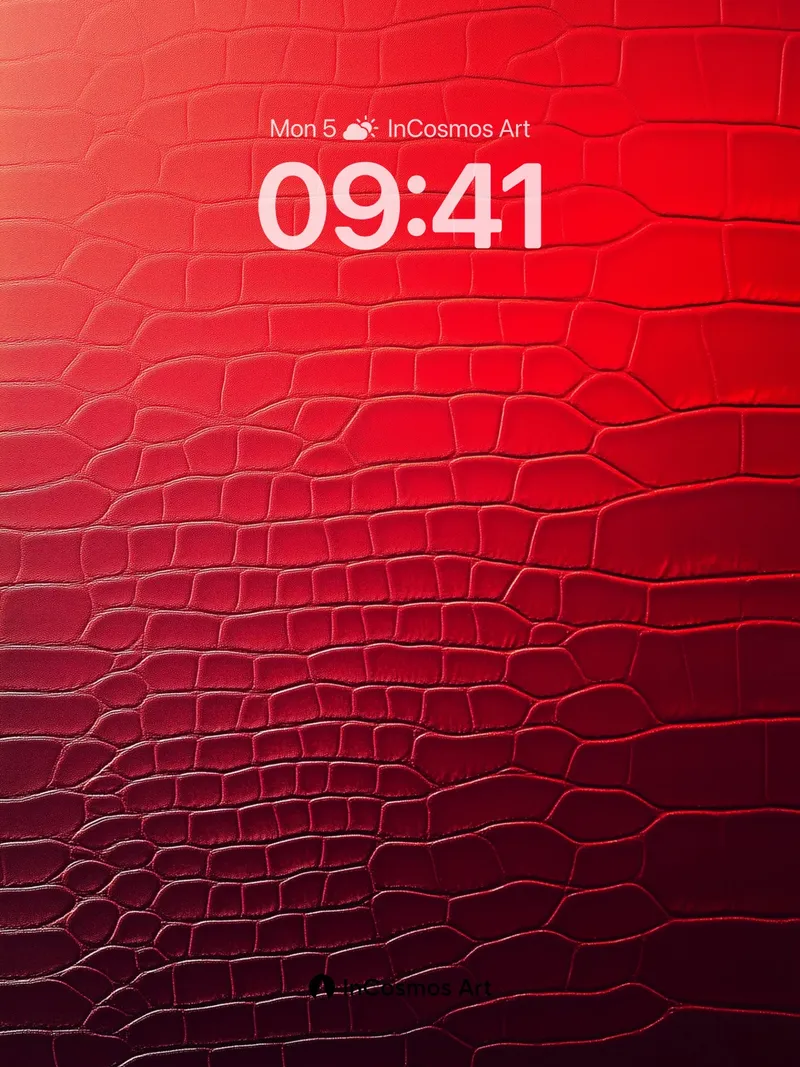
Red symbolizes the combustion of life force, the color of fire and blood. In Chinese culture, it marks joy, wards off evil, and signifies power. Gold represents illumination, wealth, and sanctity, often linked to the sun, metals, and deities. Together, they form a transcendent symbolic framework. These colors extend beyond architecture or clothing, embedding themselves in festivals, weddings, and rituals, becoming visual markers of identity and belonging. When rendered in fluid forms, they cease to be static symbols and become dynamic ritual processes.
Flowing Order and Overlapping Symbols
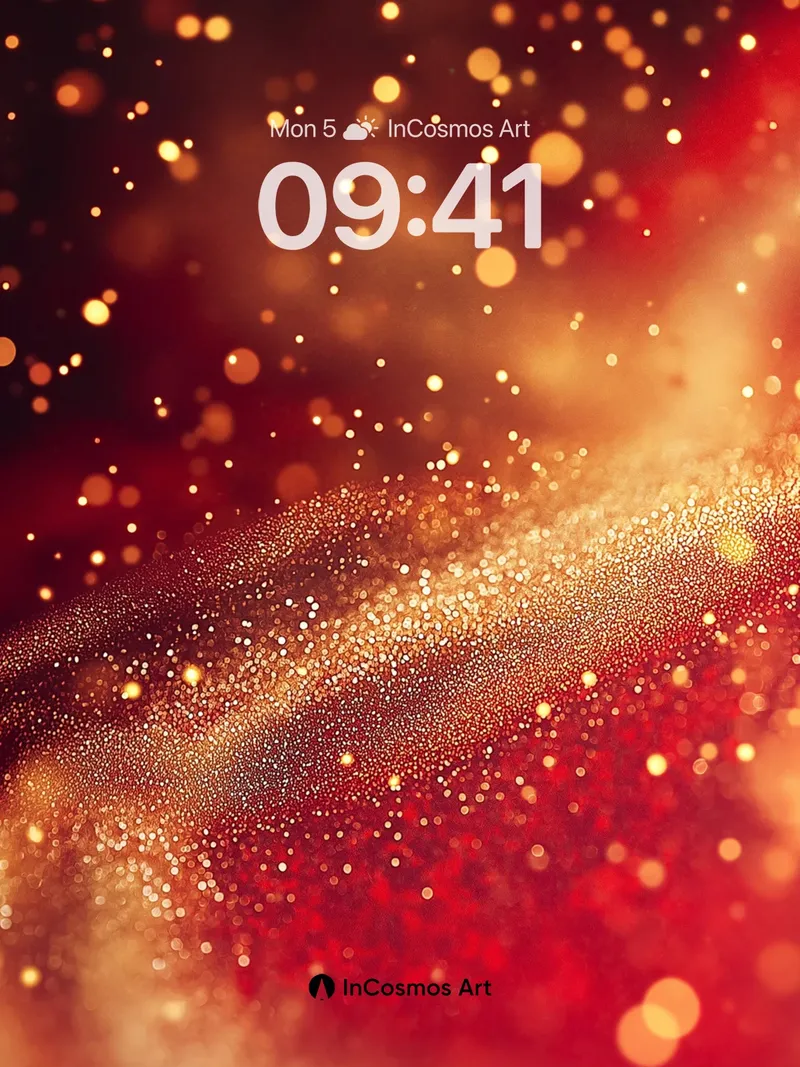
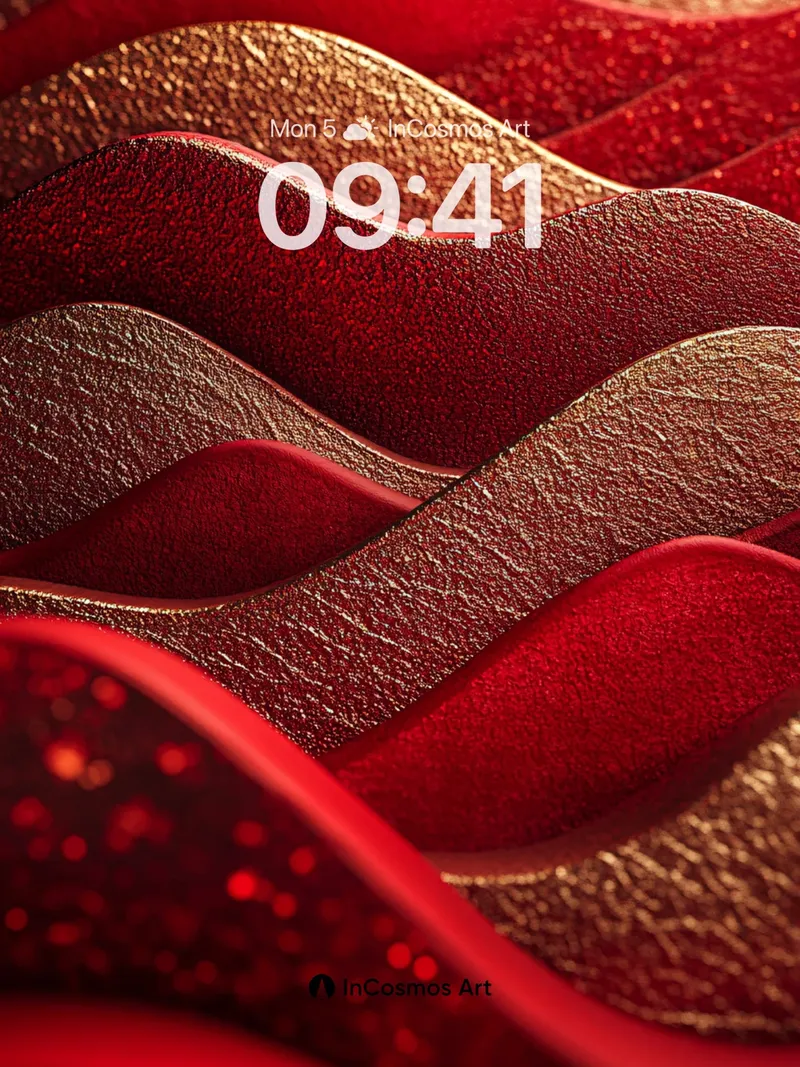
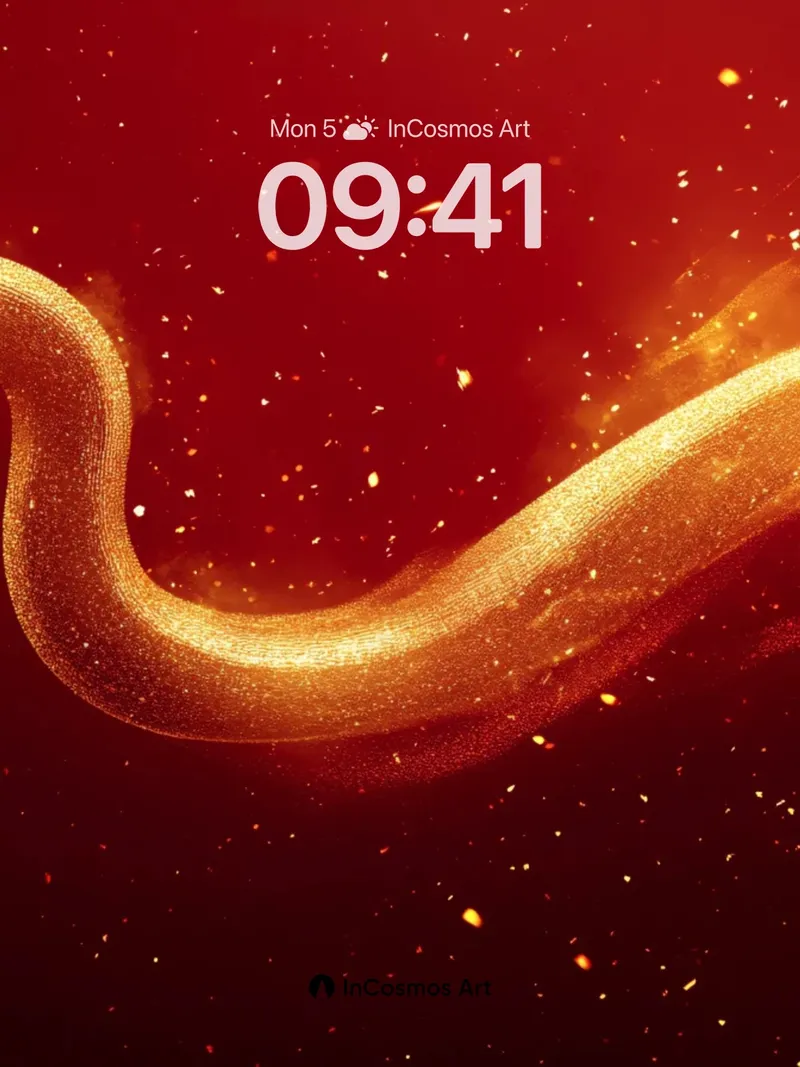
The wavy lines suggest an internal order. They are not random but follow an implicit geometric logic, resembling mountain ridges, river courses, or serpentine paths. Such forms appear frequently in traditional motifs—cloud-and-thunder patterns, wave patterns, entwined-branch designs—all expressing eternity through continuity. In contemporary design, these elements are abstracted, yet their core spirit remains unchanged—emphasizing sequence, cycle, and regeneration. The distribution of light dots is also intentional; they resemble constellations, guiding viewers into a space rich with implication.
Modern Reinterpretation of the Dragon Symbol
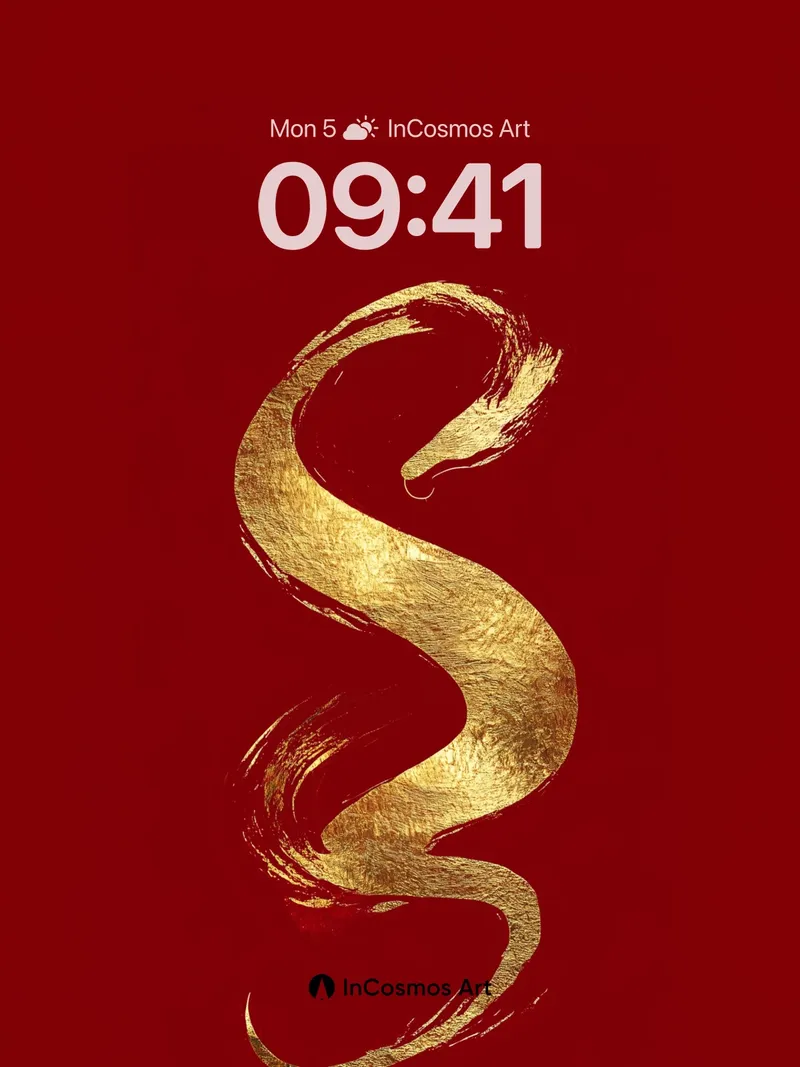
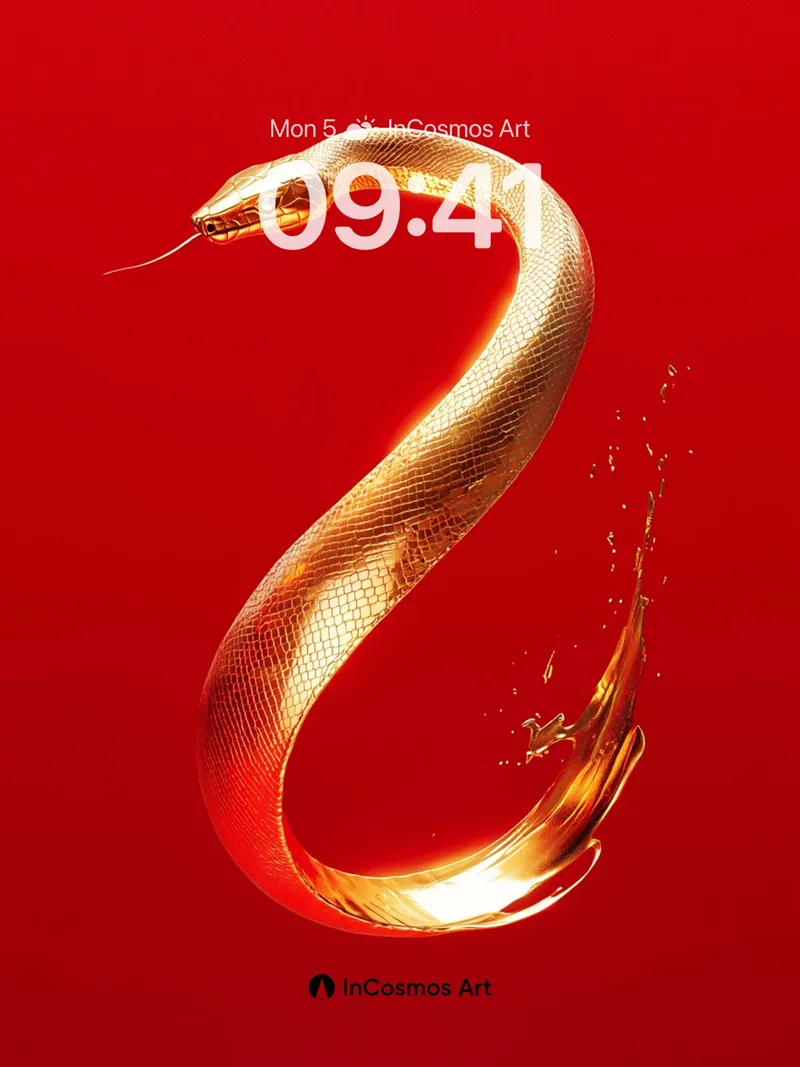
One image features a prominent golden dragon motif rendered in calligraphic strokes, balancing strength and grace. The dragon, central to Chinese mythology, embodies natural power and imperial authority. Here, reduced to an S-shaped curve, it retains the imagery of coiling ascent. This is not merely homage to tradition but a reimagining of its essence. In the digital age, symbols no longer depend on physical presence but gain new life through visual language. This dragon no longer resides in temples or murals but floats in virtual space, becoming a living expression of cultural memory.
Poetic Juxtaposition of Light and Dust
In some compositions, glowing particles float against dark backgrounds, creating a mysterious and solemn atmosphere. This evokes star clusters in the night sky or incense ash on an altar. Light trails seem to carry weight, moving slowly and leaving imprints. It is not fleeting sparkle but sustained radiance. This 'slow light' phenomenon mirrors Eastern philosophy’s perception of time—not linear progression but layered presences. Each particle of light is a tiny ritual node, bridging past and future.