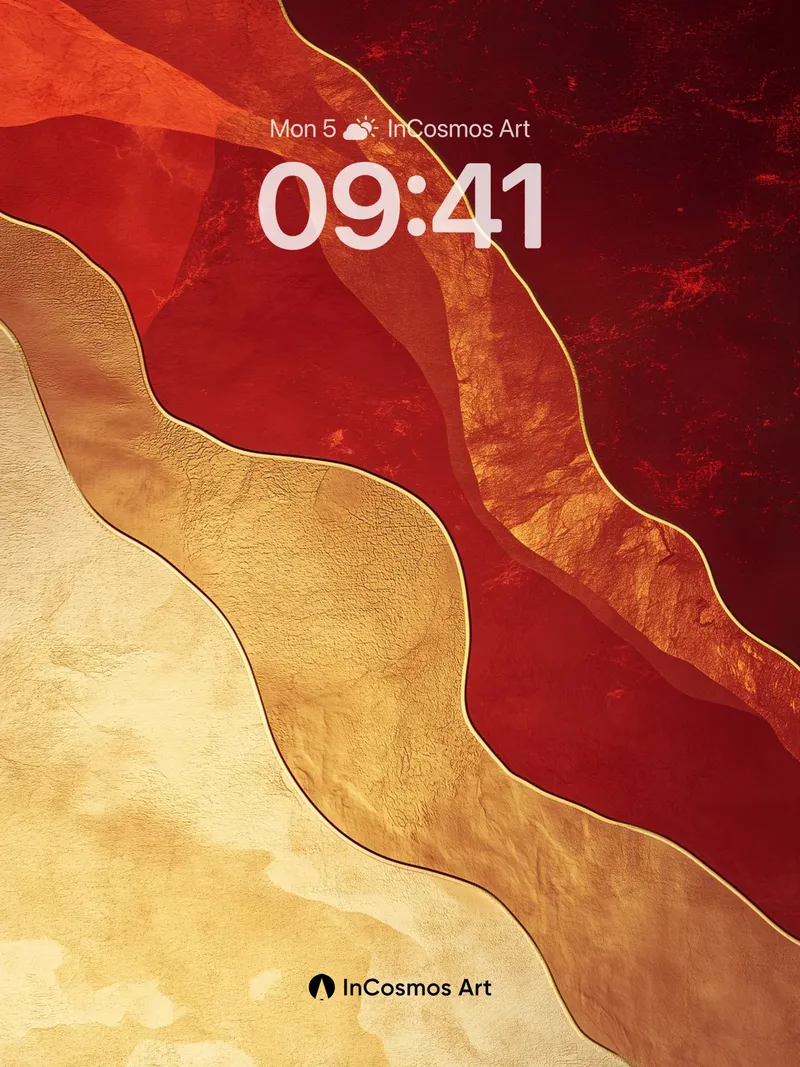
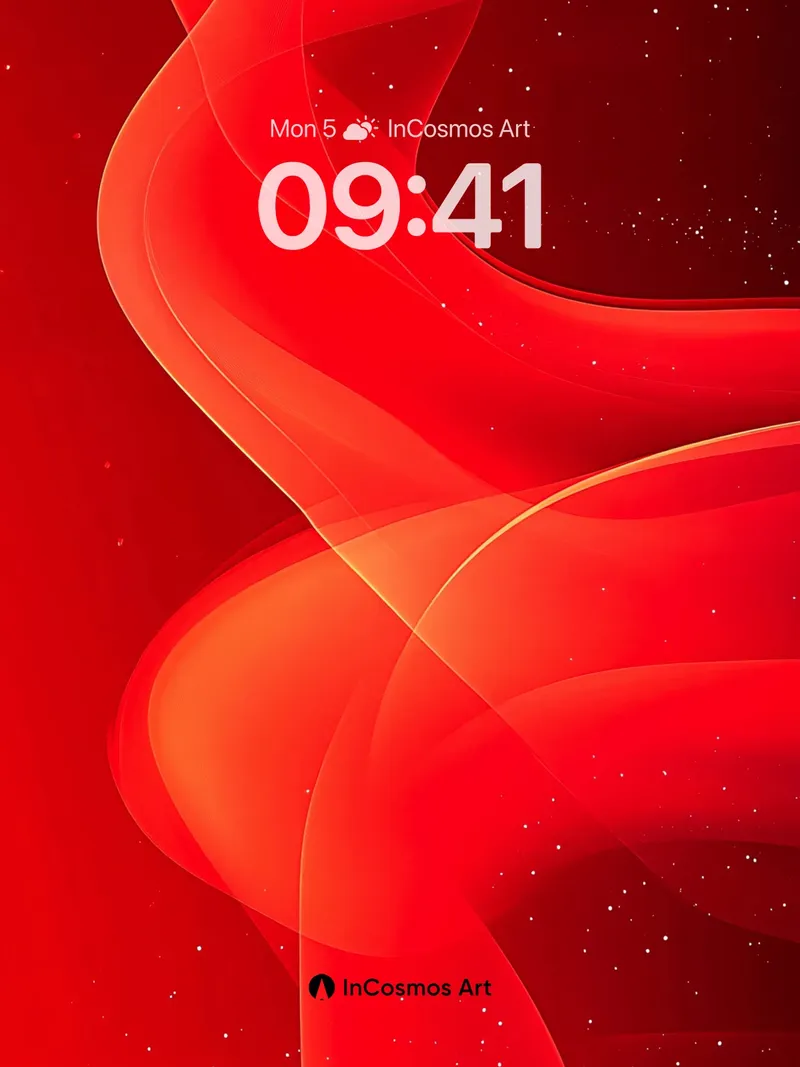
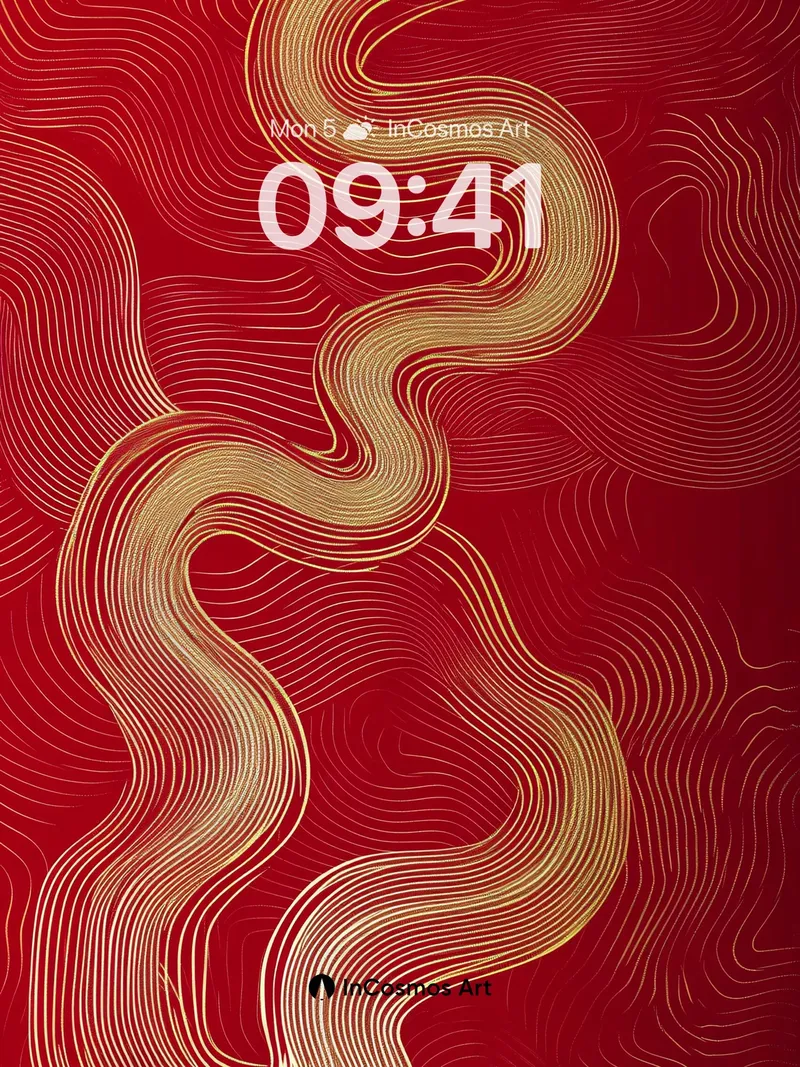
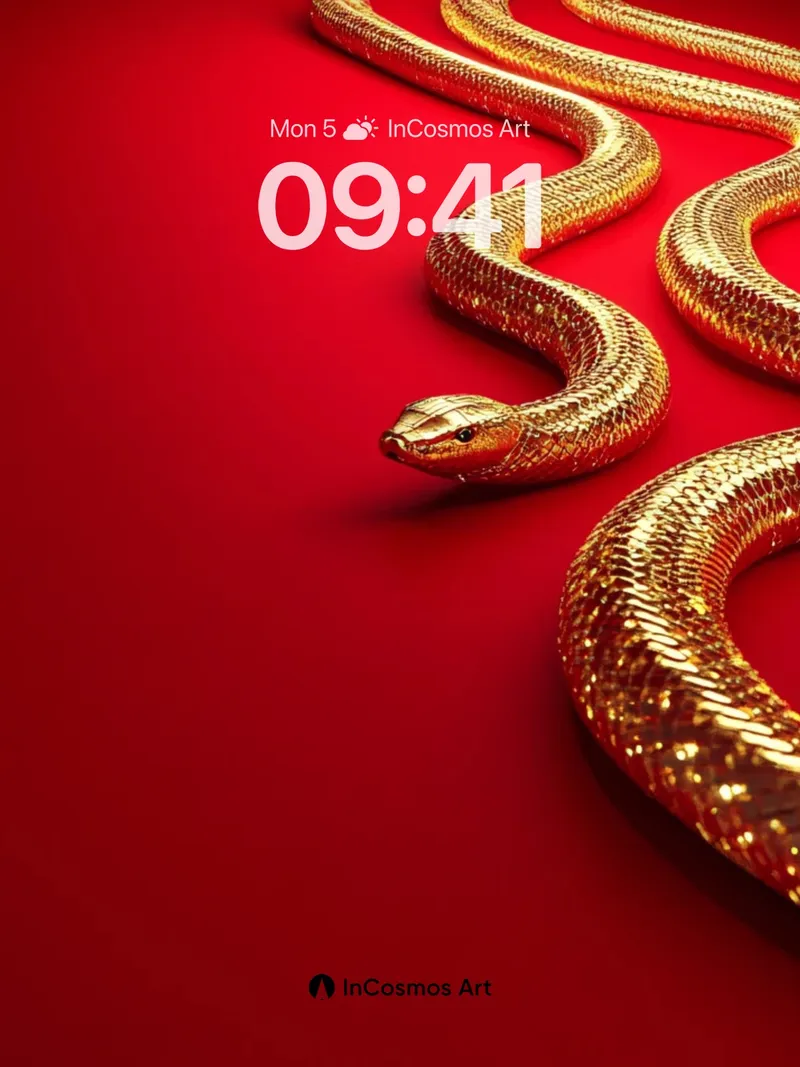
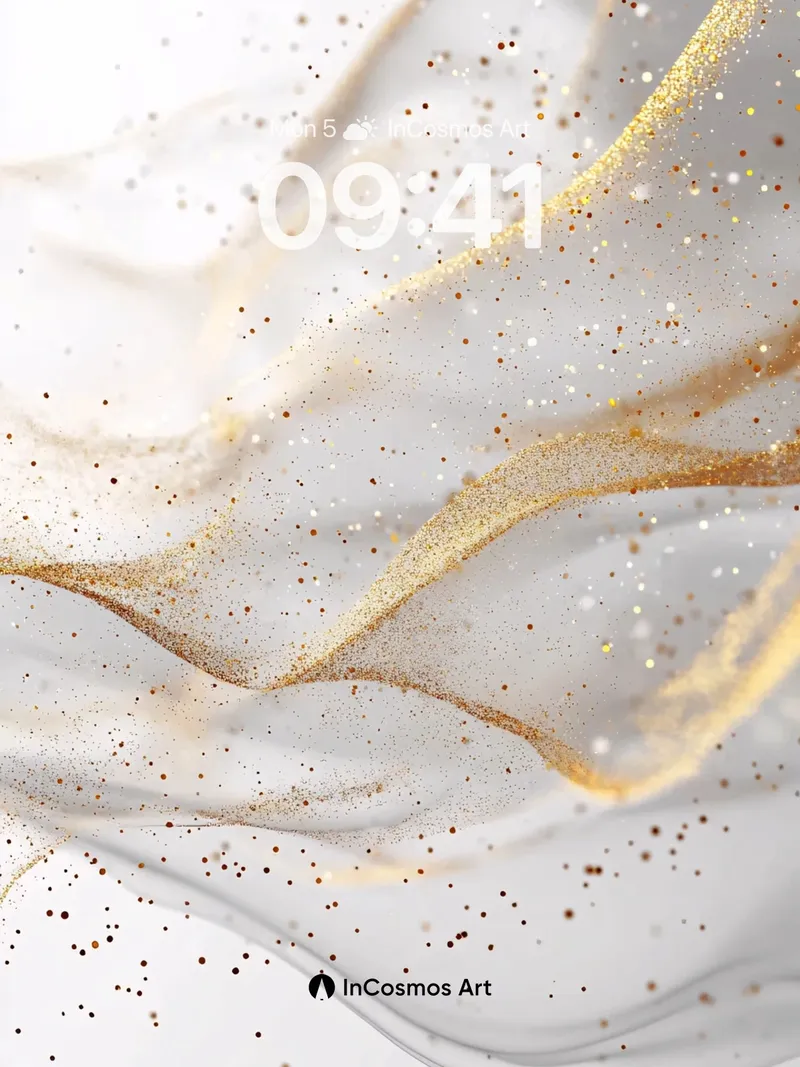
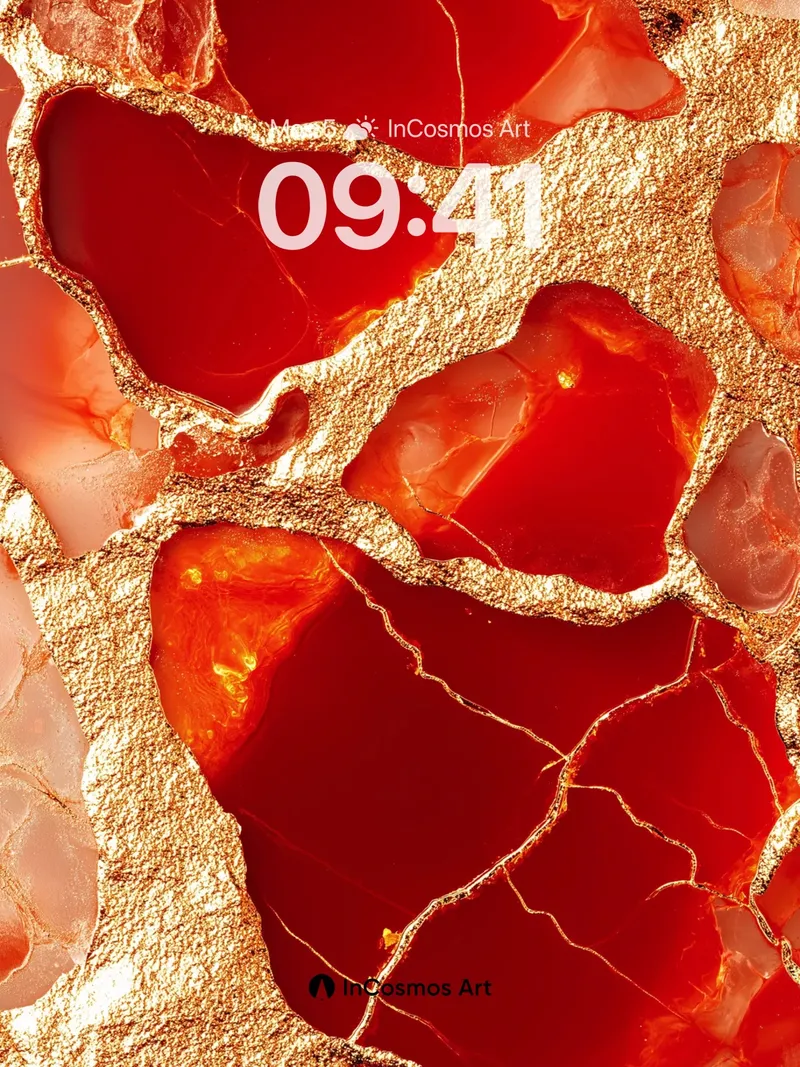
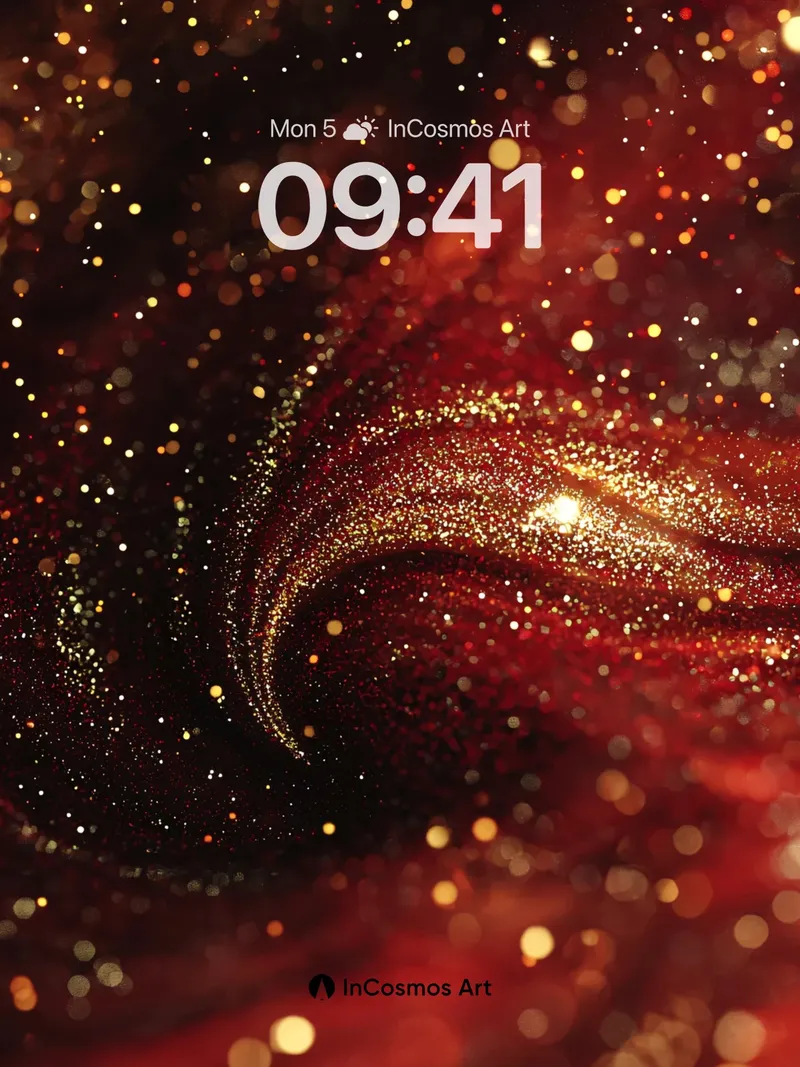
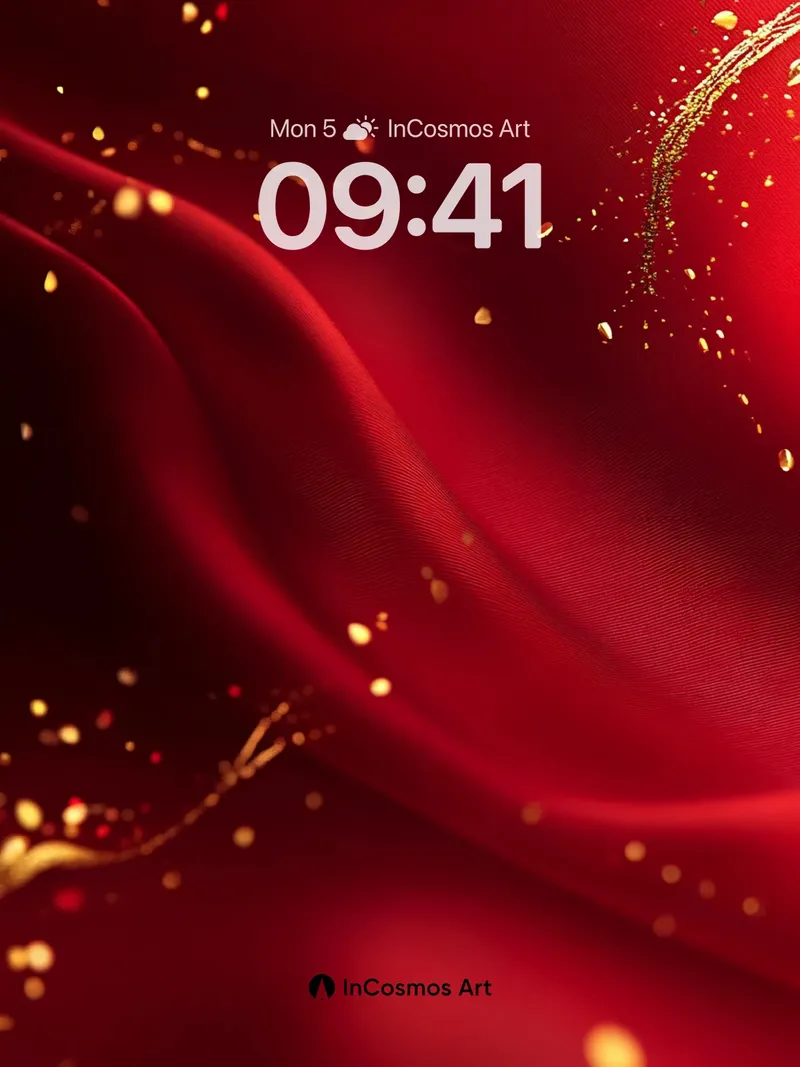
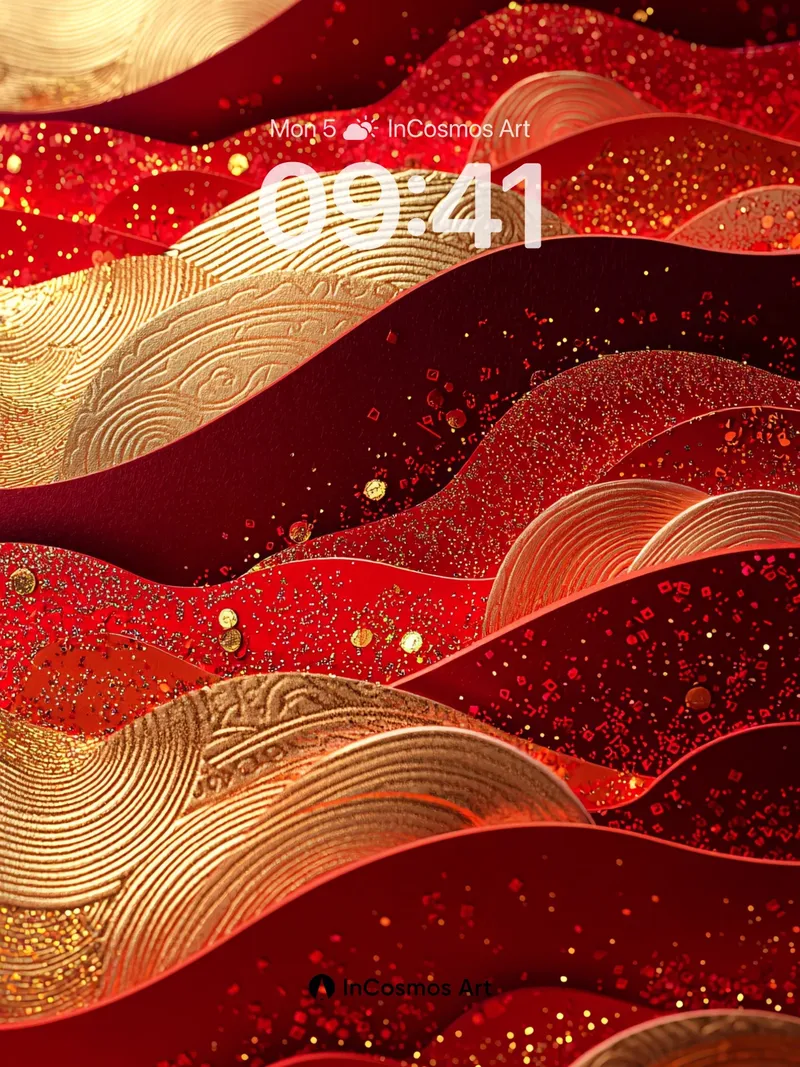
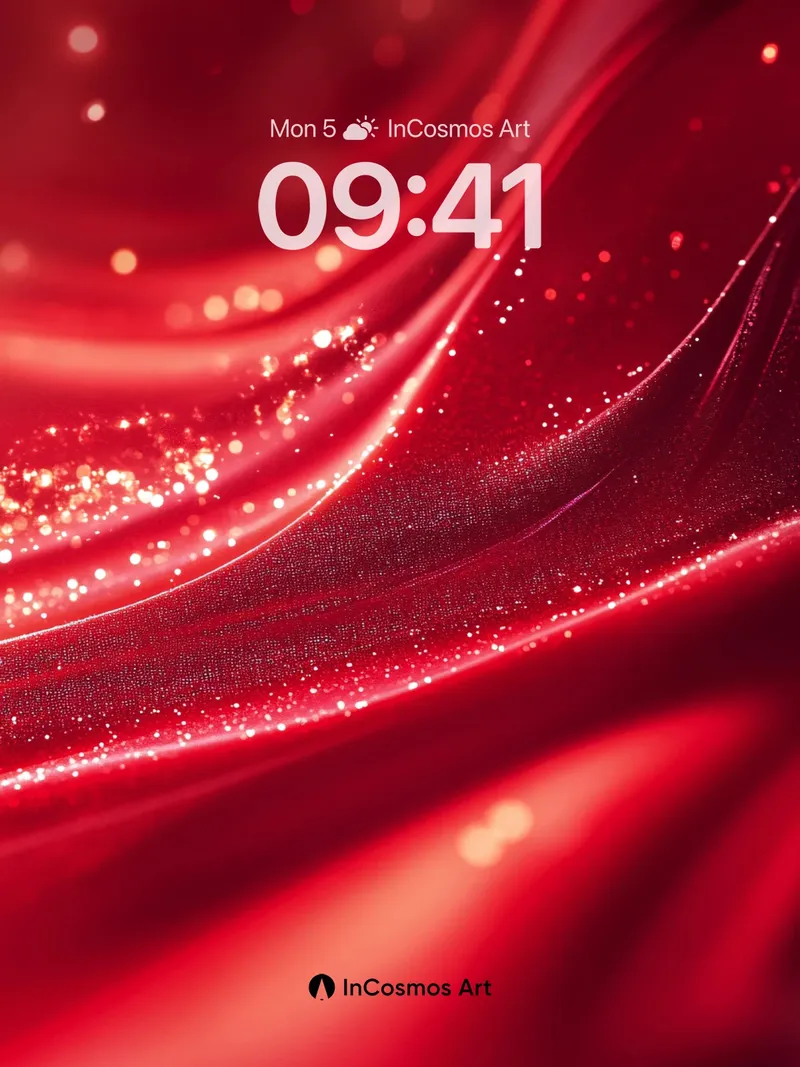
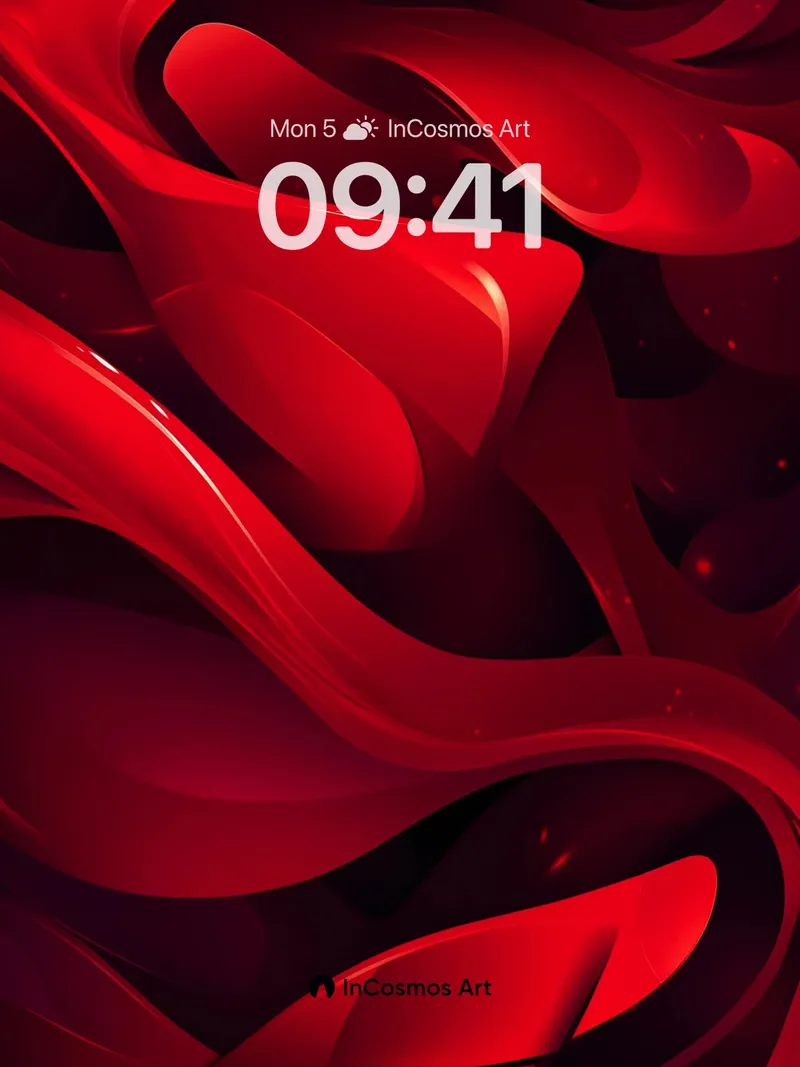
Flowing lines traverse between deep crimson and molten gold, as if time has left its imprint on fabric. Each ripple carries the weight of memory yet floats like wind. This is not mere decorative language but a visible manifestation of cultural lineage—crimson symbolizing celebration, bloodline, and enduring desire, while gold represents authority, permanence, and spiritual elevation. Their interweaving forms a narrative structure transcending materiality. This visual order stems from Eastern observations of natural rhythms and echoes contemporary design's redefinition of rhythm and spatial perception.
The Ritualism of Red
Red occupies a central place in East Asian culture. It is not a simple emotional expression but a structural symbol. From festival lanterns to wedding attire, red constructs a perceptible order. In these depictions, red unfolds in wave-like patterns, forming a dynamic ritual space. Its texture resembles silk stirred by wind—soft yet taut—hinting at an individual’s position within collective memory.
The Metaphor of Gold
Gold does not appear merely as embellishment but as a structural force. It intervenes in the crimson background through linear, granular, or fissured forms, creating contrast and balance. This intervention mirrors traditional lacquerware techniques such as gold inlay, yet here it is abstracted into modern visual syntax. Gold’s presence reminds the viewer that value lies not only in substance but in its relationship with context.
The Philosophy of Flow
These curves are not randomly generated but follow an intrinsic rhythm. They mimic rivers, mountains, or breath, reflecting a cosmological view of harmony. This flow is both visual and psychological. It guides attention across layers, evoking a meditative immersion. Within this rhythm, time becomes nonlinear; past and future converge in the present.
Transcending Material Boundaries
Though textures suggest textiles, metals, or minerals, their essence is conceptual. These materials serve only as mediums; the true subject is 'flow' itself—both physical phenomenon and emotional state. When crimson and gold intertwine in space, they cease to belong to any single culture and become vessels for universal human experience.
Vision as Memory
Ultimately, these images evoke more than aesthetic pleasure—they stir collective resonance. They recall ancestral rites, imperial processions, festive clamor. Yet simultaneously, they point toward the future—a possibility of tradition sustained through form. In the digital age, such visual languages are redefining how culture is inherited.